Japan is one of the most magical travel destinations in the world—rich culture, futuristic cities, ancient temples, incredible food, and landscapes that change with every season. Choosing the best time to visit Japan can make your experience truly exceptional. Weather, festivals, cherry blossoms, autumn foliage, and flight costs all vary throughout the year, so understanding seasonal differences is essential before planning your trip.
Best Time to Visit Japan Overall
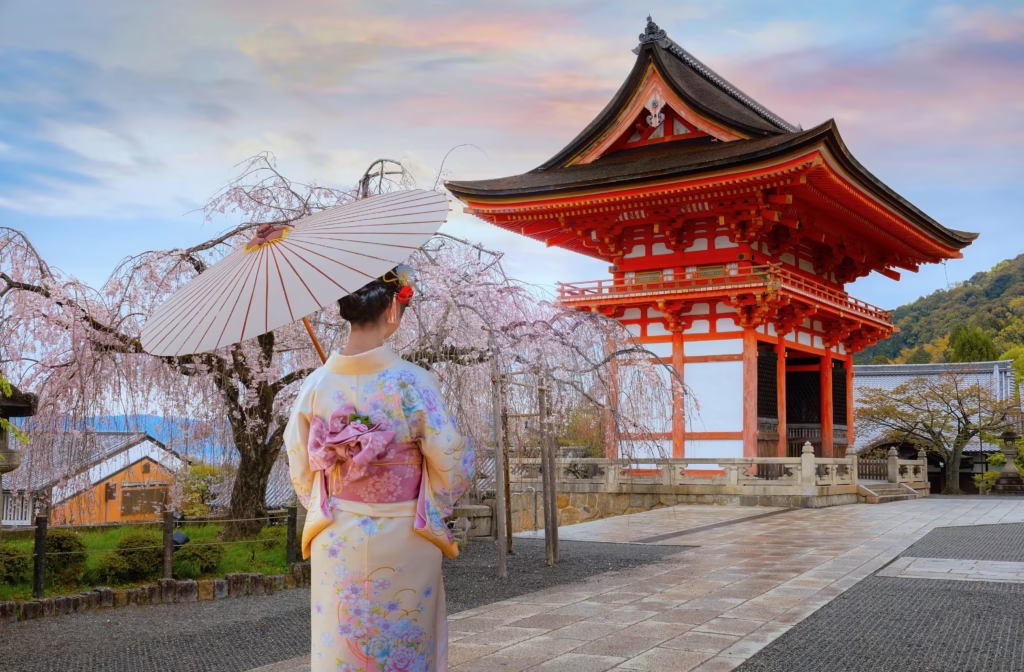
For most travelers, the ideal months to visit Japan are March–April and October–November. Spring brings cherry blossoms and mild weather, while autumn offers vibrant foliage and comfortable temperatures. Both seasons provide excellent sightseeing conditions and rich cultural experiences.
Visiting Japan in Spring (March to May)
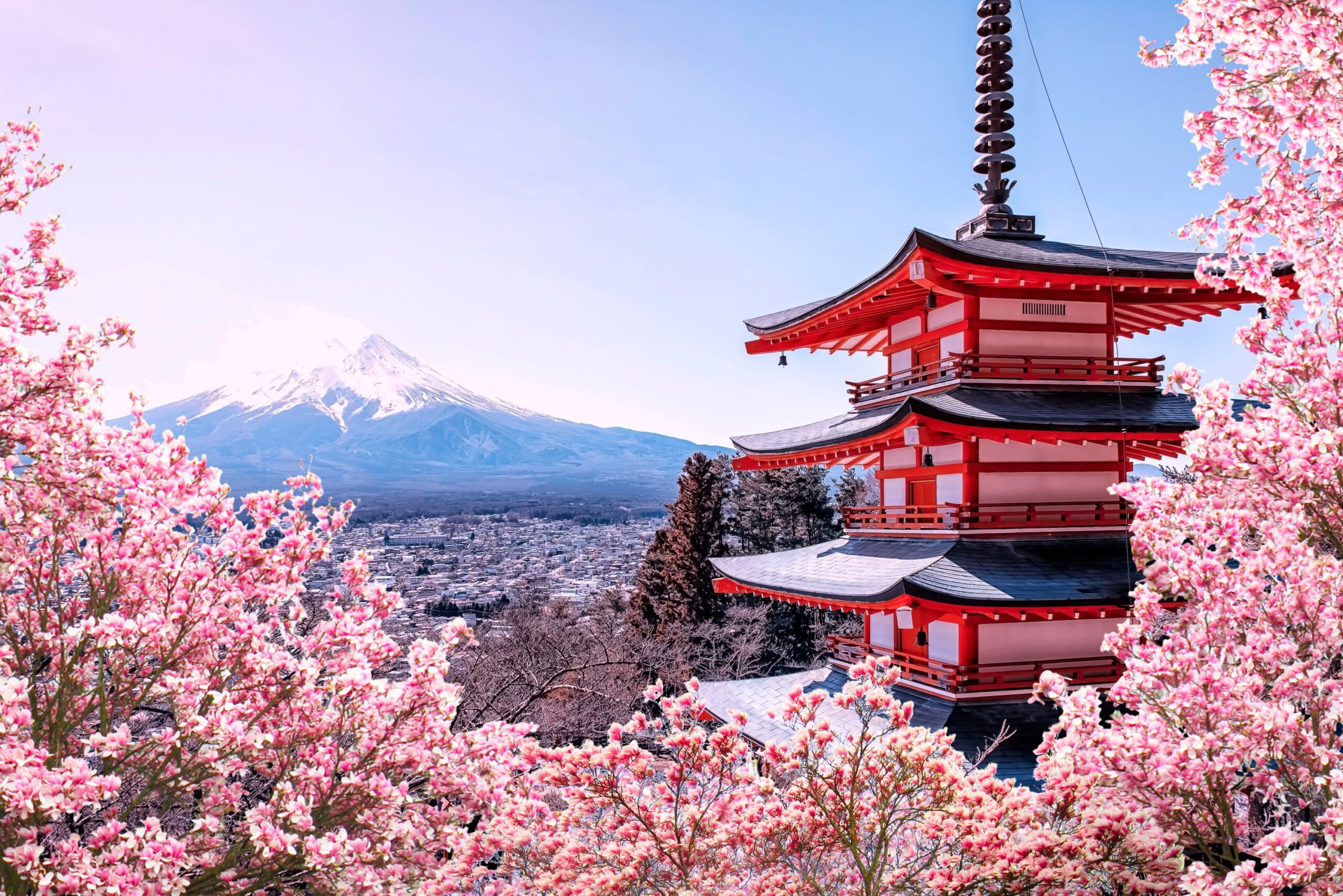
Spring is the most iconic travel season in Japan, especially due to cherry blossoms that bloom in late March and early April. Temperatures stay between 15–22°C, making it perfect for outdoor activities, strolling through parks, and enjoying hanami picnics. Major cities like Tokyo, Kyoto, Osaka, and Hiroshima transform into pastel-colored landscapes. However, this popularity means higher flight prices, expensive hotels, and crowded attractions. Travelers should book early to secure good deals.
Visiting Japan in Summer (June to August)
Summer in Japan is lively and energetic. This season features traditional matsuri, fireworks festivals, and vibrant street celebrations. It’s a great time for trekking in the Japanese Alps or relaxing at Okinawa’s tropical beaches. But temperatures often rise above 32°C, humidity is high, and June brings the rainy season. Typhoons can occur in late August, so travelers should plan accordingly. Despite the heat, cultural experiences during summer are unmatched.
Visiting Japan in Autumn (September to November)
Autumn rivals spring as the best time to visit Japan. Weather stays mild at 14–20°C, and trees turn shades of red, orange, and yellow—especially around Kyoto, Nara, Nikko, and Mount Fuji. It’s perfect for photography and exploring gardens and temples. Early autumn may bring typhoons, but late October to mid-November is ideal for viewing koyo, Japan’s famous fall foliage.
Visiting Japan in Winter (December to February)
Winter transforms Japan into a snowy paradise. Northern regions like Hokkaido, Nagano, and Niigata offer some of the world’s best skiing and snowboarding conditions. Hot springs (onsen) feel especially relaxing in winter, and cities host spectacular illumination events. Winter seafood is also at its peak. Temperatures can drop below freezing in the north, and some rural attractions may have limited hours, but winter is excellent for travelers who prefer fewer crowds and lower prices.
Cheapest Time to Visit Japan
For budget travelers, the most affordable months are January, February, June, and late September. You’ll find lower flight rates, cheaper hotels, and less crowding at major attractions. Avoid New Year holidays and Golden Week, as prices spike significantly.
Best Time for Cherry Blossoms
If cherry blossoms are your priority, plan your trip between March 25 and April 10. The bloom period lasts only about a week in each region, so timing matters. Tokyo, Kyoto, Hiroshima, Nagoya, and Osaka are among the top cherry blossom spots. Checking the sakura forecast can help you align your visit perfectly.
Best Time for Snow and Winter Experiences
For winter sports and snowy landscapes, visit between late December and early February. Hokkaido, Nagano, Furano, and Niseko are famous for world-class powder snow and ski resorts. This is also an excellent time to experience snow festivals and enjoy Japan’s relaxing onsen traditions.
Best Time for Food Lovers
Japan’s food scene is incredible year-round, but October to March offers the best seasonal seafood, comforting winter dishes like hotpots and ramen, and unique fall specialties. Markets across the country feature fresh catches and seasonal produce.
Best Time for Festivals
If festivals are your focus, summer (July–August) is the peak season for traditional matsuri filled with music, parades, lanterns, and fireworks. Autumn hosts cultural events and harvest festivals, while February brings snow and lantern festivals in the northern regions.
Final Verdict: When Should You Visit Japan?
For cherry blossoms: Late March–Early April
For autumn colors: Late October–Mid November
For skiing and snow activities: December–February
For festivals: July–August
For budget trips: January, February, June
For pleasant weather and beautiful landscapes: October–November
Japan is stunning throughout the year, but the best time depends on your interests and travel goals. Whether you want cherry blossoms, fall colors, winter snow, or traditional festivals, Japan always offers a memorable experience.
Leave a Reply