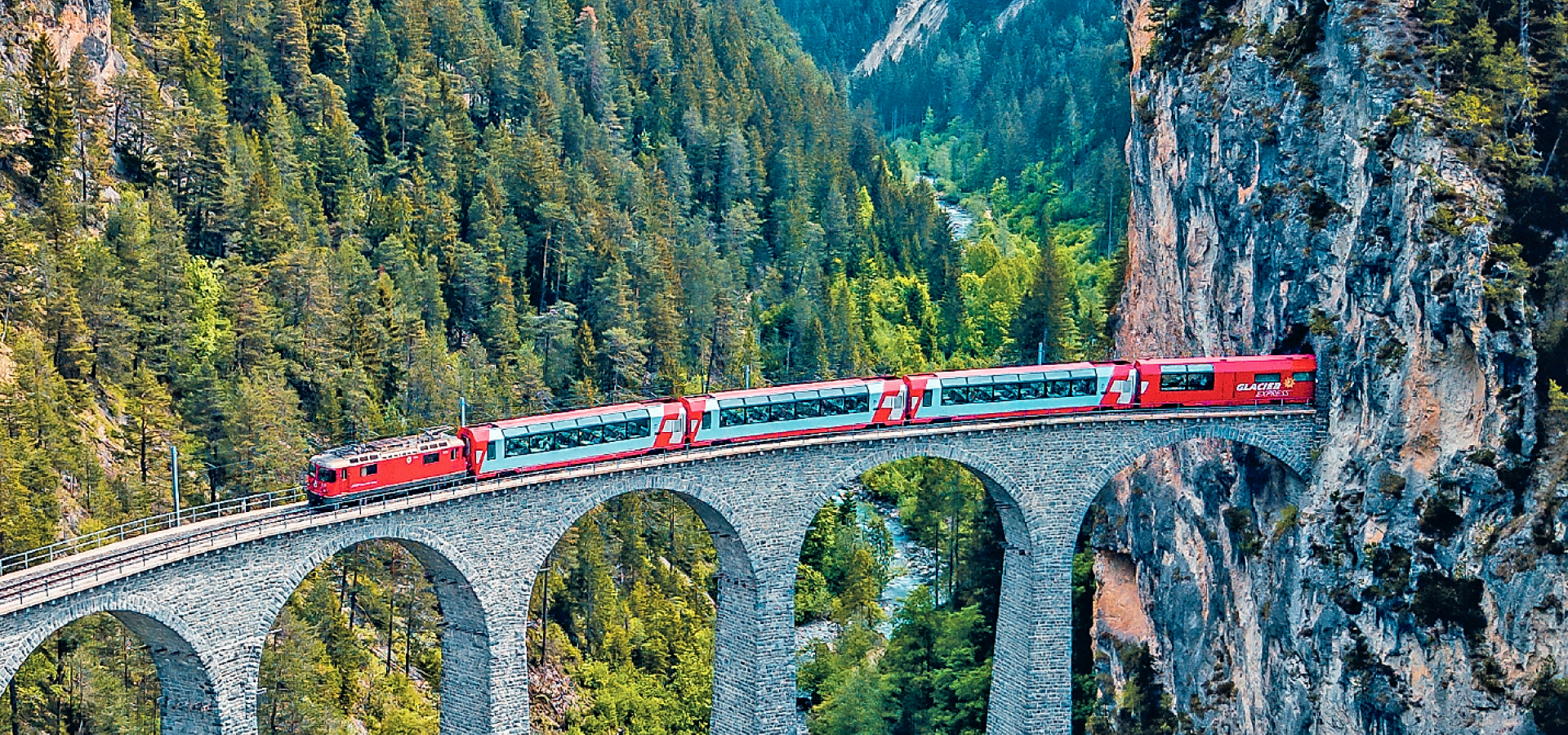
The Glacier Express is one of the most beautiful and iconic train journeys in the world. Known as the “slowest express train,” it takes you through the heart of the Swiss Alps, crossing deep valleys, dramatic bridges, crystal-blue rivers, and snow-covered peaks. Whether you’re a first-time traveler to Switzerland or someone looking for a once-in-a-lifetime rail experience, planning a Glacier Express trip requires a little knowledge—routes, timings, seat classes, ticket types, weather, and costs. This complete guide walks you through everything you need to know so your journey is smooth, well-timed, and unforgettable.
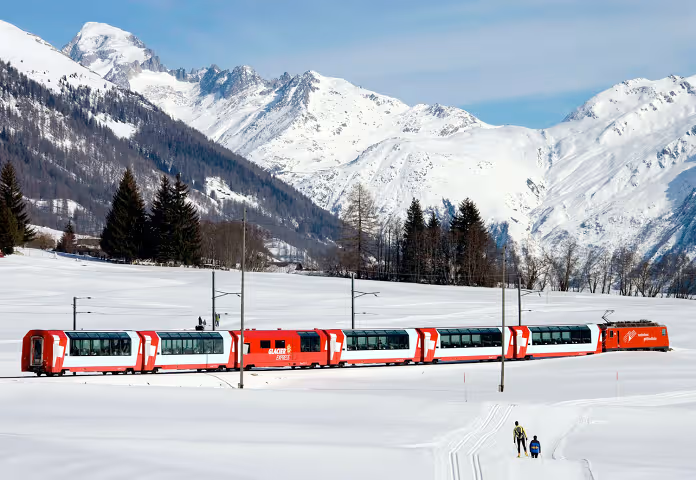
Understanding the Glacier Express Route
The Glacier Express runs between Zermatt and St. Moritz, two of Switzerland’s most luxurious resort towns. The full journey covers around 291 kilometers and takes approximately eight hours. What makes this route special is the stunning diversity of landscapes. You’ll pass through the dramatic Oberalp Pass, glide along the Rhine Gorge (also known as the Swiss Grand Canyon), and cross nearly 300 bridges and 90 tunnels. The panoramic windows allow you to enjoy every viewpoint without missing the smallest detail. Many travelers choose to ride the entire route, but you can also board at intermediate stops like Andermatt, Chur, or Brig depending on your itinerary.
Choosing the Best Direction for Your Trip
Both directions—Zermatt to St. Moritz or St. Moritz to Zermatt—deliver the same breathtaking views. If you prefer starting your day early with sunshine on the peaks, St. Moritz to Zermatt offers amazing morning lighting. If you want to end your day watching the golden hour in the mountains, Zermatt to St. Moritz is a beautiful choice. Travelers coming from Italy usually start from Zermatt; those coming from Zurich often choose Chur or St. Moritz as the starting point. Ultimately, your direction depends on your broader Swiss itinerary and where you plan to stay before and after the train ride.
Choosing the Right Class: 1st Class vs. Excellence Class
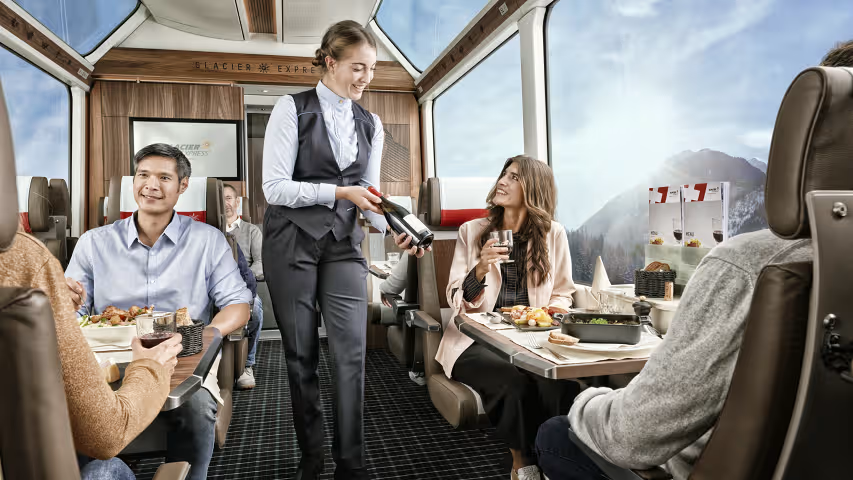
Glacier Express tickets are available in several classes and it’s important to choose the one that matches your comfort preference and budget. 2nd Class: Comfortable seats, large windows, excellent views, and lower cost. Ideal for budget-focused travelers. 1st Class: More spacious seating, bigger windows, quieter carriages, and a more premium experience. Excellence Class: The ultimate luxury option. Includes lounge-style seating, a six-course gourmet meal, unlimited drinks, a dedicated concierge, and panoramic views. This is one of the most exclusive rail experiences in the world. If you’re planning a special occasion trip or want a true once-in-a-lifetime moment, Excellence Class is worth considering. Keep in mind that reservations are mandatory for all classes, and Excellence Class sells out very fast, especially during summer.
Understanding Ticket Costs and How to Save Money
The Glacier Express is a premium experience, but with the right planning, you can reduce your overall expenses. Standard tickets vary based on travel class and season. On top of the ticket, you must pay for a seat reservation, which is mandatory. However, Swiss discount passes can reduce costs significantly. Swiss Travel Pass: Covers the train fare entirely; you only need to pay the seat reservation. Highly recommended for multi-day Switzerland trips. Eurail or Interrail Pass: Reduces fare; seat reservation still required. Regional passes like the Swiss Half Fare Card can also offer partial discounts. Booking early helps secure the best prices, especially during high seasons. Traveling in shoulder season (April–May or late September–October) can also lower costs and reduce crowds.
Best Time of Year to Travel on the Glacier Express
The Glacier Express operates year-round except during a short maintenance break in late October to mid-December. Winter is magical with snow-covered mountains and frozen landscapes. It’s the classic Glacier Express experience. The lighting is soft, and the views of snowy valleys are unforgettable. Summer brings lush green fields, wildflowers, and crystal-clear skies. Perfect for photography and longer daylight hours. Spring and fall offer mild weather, fewer crowds, and better availability. If you want the best balance of scenery and comfort, June, September, and early October are ideal. Winter offers charm; summer delivers color. Choose based on the ambiance you want.
Planning Your Seats, Timings, and Journey Style
Since the full Glacier Express ride takes about eight hours, choosing the right seating arrangement and timing can transform your experience. Window seats are always the best and tend to get booked fast, especially on weekends and holidays. Morning departures give you consistent daylight for the entire ride. If you’re traveling in winter, aim for the earliest train to avoid losing daylight during the final stretch. Some travelers choose to break the journey by spending a night in Andermatt or Chur, especially if they want a slower travel style. Others prefer the full continuous route for a complete panoramic adventure. Either option is valid—it depends on how relaxed you want your itinerary to be.
What to Expect Onboard the Glacier Express
The Glacier Express is designed for comfort and scenic viewing. Panoramic windows extend up to the roof, offering wide views of mountains, rivers, and valleys. The commentary system provides audio insights about landmarks and history along the route. Meals are served directly to your seat, and you can choose between full-course dining or snacks depending on your reservation. Clean restrooms, temperature control, and a calm travel environment make the ride enjoyable even for long hours. If you’re planning to take photos or videos, remember there are reflections on the panoramic glass, so wearing darker clothes helps reduce glare. Also, avoid touching the window glass for clearer photography.
Making the Most of Stops: Zermatt, St. Moritz & More
Both endpoints of the Glacier Express are destinations worth experiencing before or after your journey. Zermatt: Famous for the Matterhorn, skiing, hiking, and the charming car-free village atmosphere. Great for luxury stays, mountain resorts, and scenic viewpoints. St. Moritz: Known for its high-end resorts, frozen lakes, gourmet dining, and outdoor activities. A paradise for travelers who love a premium mountain lifestyle. Intermediate stops like Andermatt, Brig, and Chur also offer unique towns, Alpine spas, and hiking trails. Planning extra days around the Glacier Express enhances your overall Switzerland experience.
Practical Tips for a Smooth Glacier Express Trip
Book tickets and seat reservations early to secure the best options. Wear comfortable clothing and bring layers since mountain temperatures can vary. Carry a power bank for your devices since you may take many photos. Arrive at the station early to avoid last-minute rush, especially during peak season. Choose a side seat based on lighting. Generally, both sides have great views, but the left side offers slightly better scenery when traveling from Zermatt to St. Moritz. Keep your camera ready; some of the best views appear unexpectedly. And most importantly, relax and enjoy the slow, steady journey through the heart of Switzerland.
Conclusion: A Once-in-a-Lifetime Scenic Journey
The Glacier Express is more than a train ride—it’s a cinematic journey through some of the most beautiful landscapes in Europe. With proper planning—choosing routes, timing your trip, selecting the right class, taking advantage of discount passes, and preparing for the season—you can enjoy a perfectly organized, fully memorable adventure. Whether you’re seeking snowy peaks, green summer valleys, luxurious comfort, or simply a peaceful day surrounded by nature, the Glacier Express delivers an experience you’ll never forget. If you want, I can now write the next article: Japan Shinkansen — Planning Guide, or any title you choose.
Leave a Reply