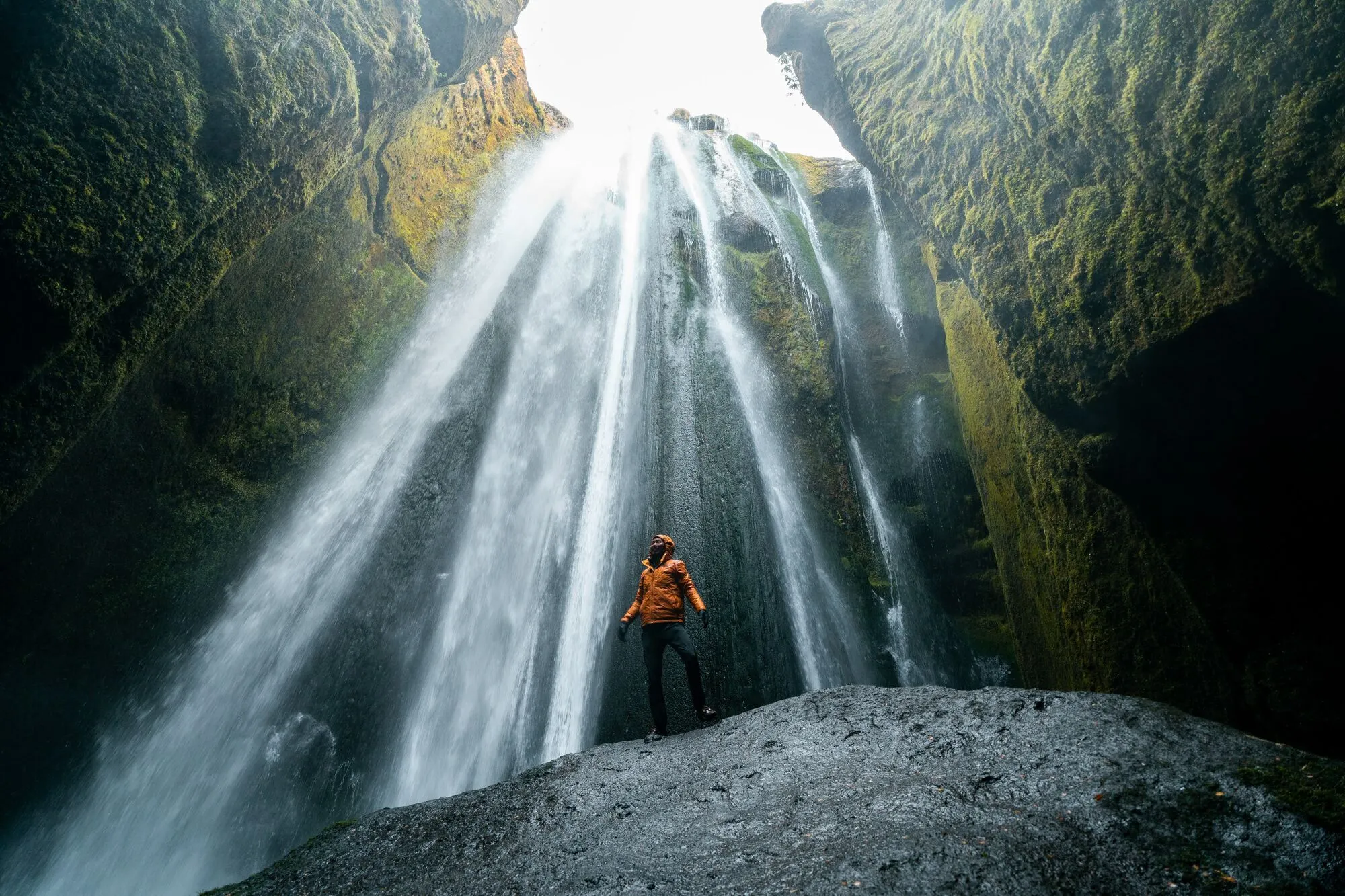
Iceland’s Ring Road is one of the most iconic road trips in the world. Circling the entire country, Route 1 takes you through waterfalls, glaciers, volcanoes, black sand beaches, lava fields, fjords, and small fishing villages that feel untouched by time. For first-time visitors, driving the Ring Road is the best way to understand Iceland’s raw beauty and dramatic landscapes at your own pace.
This complete guide is designed for travelers planning their first Iceland Ring Road adventure. It focuses on smart pacing, must-see stops, and practical tips so you can enjoy the journey without feeling rushed or overwhelmed.
Why the Ring Road Is Perfect for First-Time Visitors
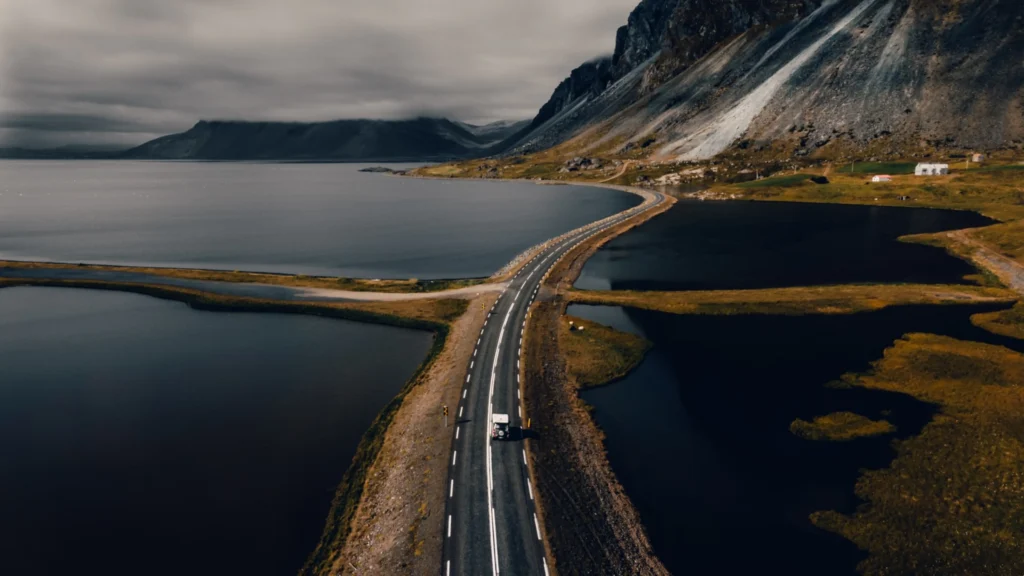
The Ring Road is fully paved and well-maintained, making it accessible even for travelers new to Iceland. It connects most major attractions and towns, so you don’t need advanced off-road driving skills. Instead of constantly returning to Reykjavik, the Ring Road allows you to see Iceland as a whole, revealing how quickly the scenery changes from one region to another.
For first-time visitors, this route offers a balanced mix of famous landmarks and lesser-known natural wonders.
How Many Days You Need for the Ring Road
While the Ring Road can technically be driven in a week, first-time travelers should plan 10 to 14 days. This allows time for sightseeing, weather flexibility, and short hikes without turning the trip into a race.
A 10-day trip is ideal for those with limited time, while 12–14 days offers a more relaxed experience with extra stops and rest days.
Day 1: Reykjavik and the Golden Circle
Start your journey in Reykjavik, Iceland’s capital and main arrival point. Spend some time exploring the city before heading out on the Golden Circle route.
The Golden Circle includes geysers, powerful waterfalls, and historic sites where Iceland’s early parliament was formed. This day is a perfect introduction to Iceland’s landscapes and sets the tone for the rest of the trip.
Days 2–3: South Coast – Waterfalls, Glaciers, and Black Sand Beaches
The South Coast is one of the most visually striking parts of Iceland. Drive east along the Ring Road and stop at multiple waterfalls that cascade from cliffs near the road.
Glacier views dominate the landscape as you continue, followed by dramatic black sand beaches shaped by volcanic activity. Take your time here, as this region is packed with iconic sights that first-time visitors often consider the highlight of the trip.
Day 4: Southeast Iceland – Glacial Lagoons and Ice Views
Continue toward southeast Iceland, where glaciers come right down to the coast. Icebergs floating in glacial lagoons create surreal scenery, especially under changing light conditions.
Short walks and roadside viewpoints make this area easy to explore without long hikes. It’s a great region for photography and quiet reflection amid Iceland’s raw natural power.
Days 5–6: East Fjords – Quiet Roads and Coastal Beauty
The East Fjords offer a slower pace and fewer crowds. Winding coastal roads lead through fishing villages, mountain passes, and remote fjords.
This region feels more traditional and peaceful, making it ideal for travelers who enjoy scenic drives and small-town charm. Wildlife sightings are also more common here than in other parts of the country.
Days 7–8: North Iceland – Volcanic Landscapes and Waterfalls
As you reach North Iceland, the scenery becomes more volcanic and otherworldly. Lava fields, geothermal areas, and powerful waterfalls dominate this region.
The north is also a great place to experience quieter natural attractions without large tour groups. The landscapes here feel vast and untamed, offering a different perspective from the South Coast.
Day 9: Akureyri and Surroundings
Akureyri is Iceland’s second-largest urban area and a good place to rest, refuel, and enjoy city comforts. Despite its size, it maintains a relaxed, small-town atmosphere.
Use this day to explore nearby natural attractions or simply enjoy cafes, harbor views, and short walks. This break helps balance the intensity of continuous driving.
Days 10–11: West Iceland – Lava Fields and Coastal Scenery
West Iceland offers a mix of volcanic terrain, coastal cliffs, and scenic countryside. This area is often overlooked by rushed itineraries, but it rewards travelers with diverse landscapes and quieter attractions.
The region provides a smooth transition back toward Reykjavik while still offering memorable sights.
Day 12: Return to Reykjavik
Complete the Ring Road loop by driving back to Reykjavik. Use the final day for last-minute sightseeing, souvenir shopping, or relaxing before departure.
Ending the trip in Reykjavik allows easy access to the airport and a comfortable conclusion to your journey.
Best Time to Drive the Iceland Ring Road
The best time for first-time visitors is late spring through early autumn. Roads are clear, daylight hours are long, and most attractions are accessible.
Winter travel is possible but requires experience with icy roads and flexible planning due to weather conditions.
Driving Tips for First-Time Visitors
Weather can change quickly in Iceland, so always check road conditions before driving. Plan shorter driving days to allow time for unexpected stops and changing conditions.
Fuel stations can be far apart in remote regions, so refuel whenever possible. Download offline maps and keep emergency supplies in your vehicle.
Where to Stay Along the Ring Road
Accommodation options range from hotels and guesthouses to cabins and farm stays. Booking in advance is essential during peak season.
Staying close to the Ring Road reduces driving time and allows early starts for sightseeing.
Conclusion
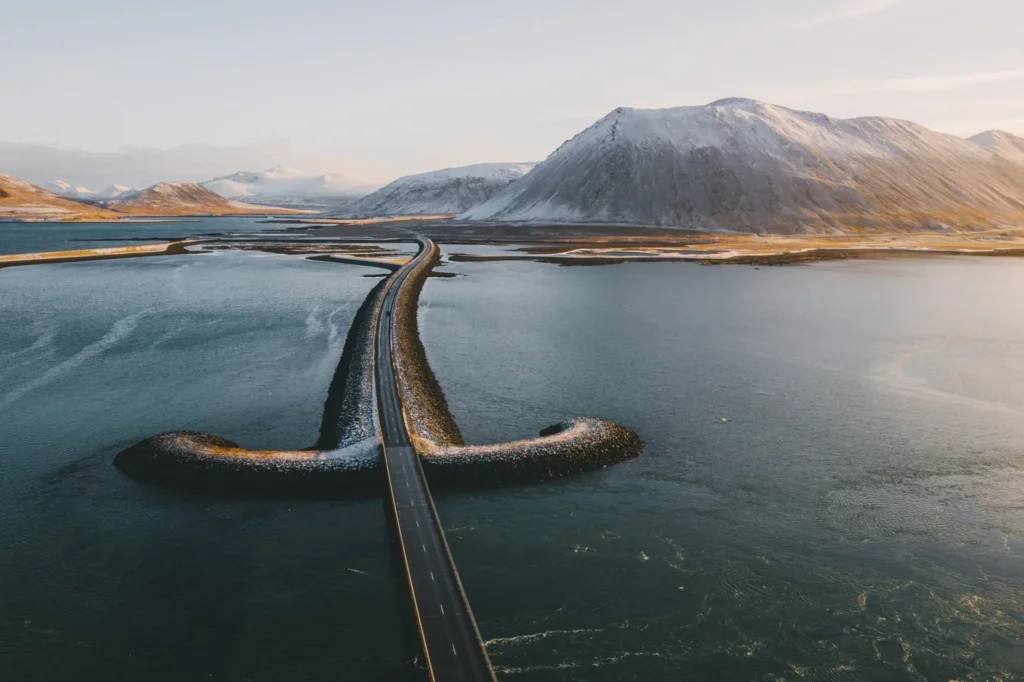
Driving the Iceland Ring Road for the first time is an unforgettable experience that showcases the country’s dramatic beauty and natural diversity. From roaring waterfalls and glaciers to quiet fjords and volcanic landscapes, every day feels unique. With careful planning, a relaxed pace, and flexibility for weather, this itinerary offers first-time visitors the perfect introduction to Iceland’s wild and breathtaking world.
Leave a Reply