Author: Adara Parker

  • How to Plan a Rocky Mountaineer Adventure in Canada: Routes, Packages & Booking Tips

    How to Plan a Rocky Mountaineer Adventure in Canada: Routes, Packages & Booking Tips

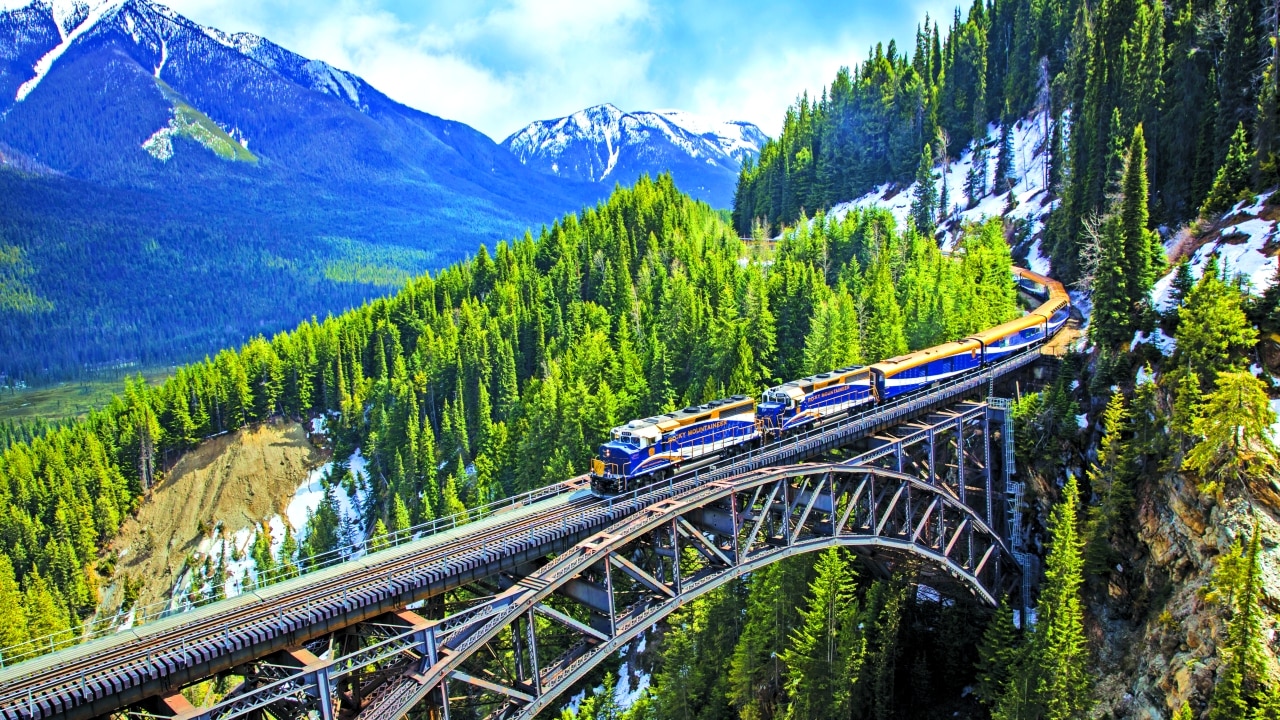
    The Rocky Mountaineer is one of the world’s most luxurious and scenic train experiences, offering breathtaking views of Canada’s towering mountains, turquoise rivers, and dramatic canyons. Planning this journey requires strategy—choosing the best route, deciding on service levels, knowing the right travel season, and understanding package options. Whether you’re traveling solo, as a couple, or with family, this guide will help you plan the perfect Rocky Mountaineer adventure from start to finish.
    Why Choose the Rocky Mountaineer?

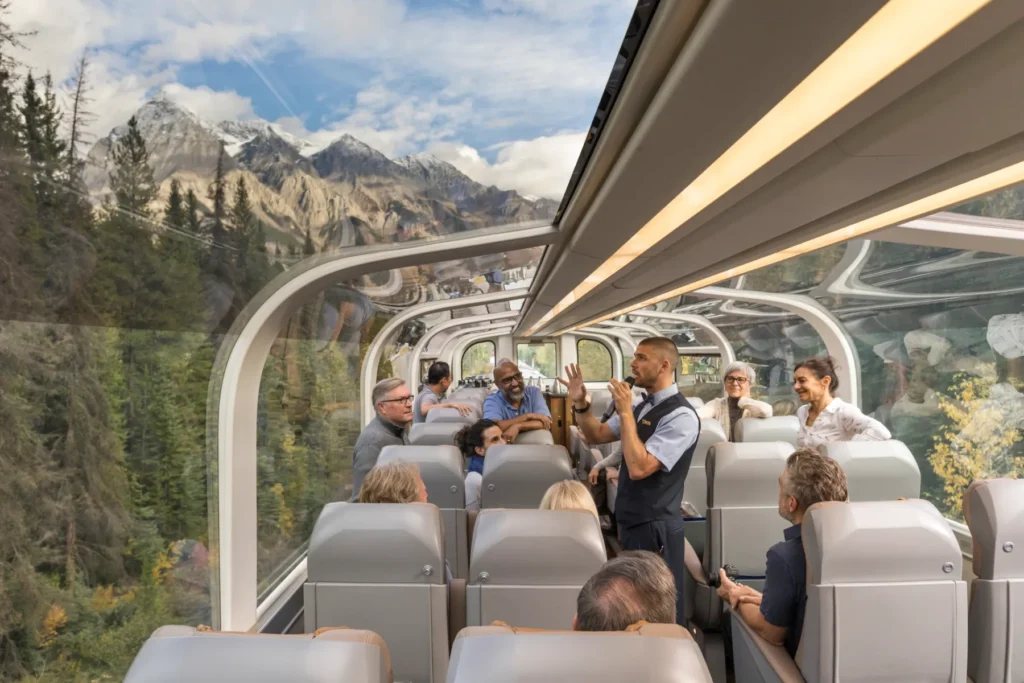
    The Rocky Mountaineer isn’t an ordinary train ride—it’s a curated luxury travel experience. The journey is fully daylight-only, meaning you never miss a single view. Onboard hosts share stories about history, wildlife, and landscapes. Meals are chef-prepared using local Canadian ingredients, and panoramic windows offer 180-degree views. It’s an unforgettable slow-travel experience perfect for photography lovers and nature enthusiasts.

    Understanding the Routes: Which One Should You Choose?

    The Rocky Mountaineer runs multiple scenic routes through Western Canada and the Canadian Rockies. Each one offers a different experience, so choosing the right route is the key to planning your trip well.

    First Passage to the West (Vancouver ↔ Banff/Lake Louise)

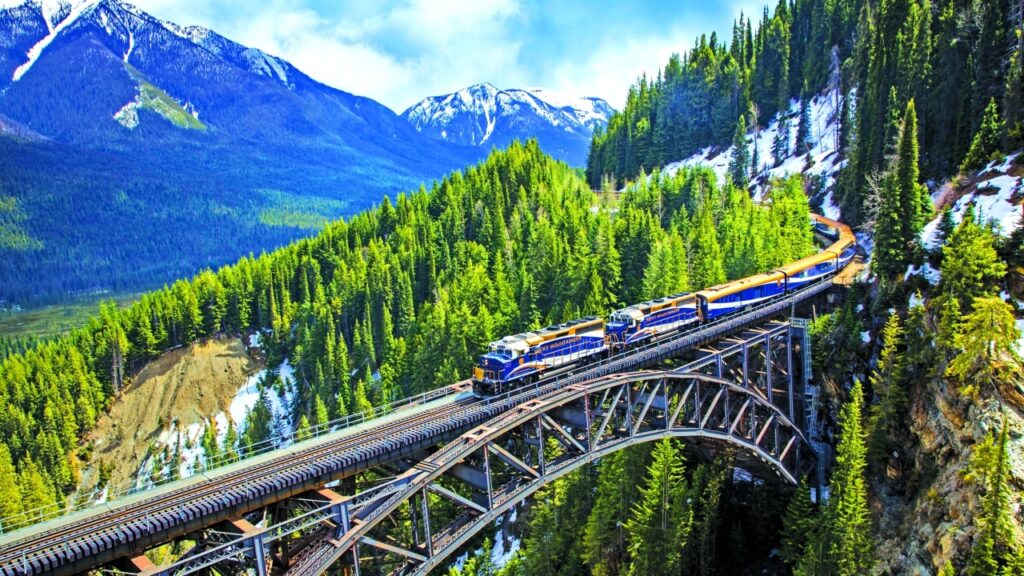
    This is the most iconic route, charting the path of the historic Canadian Pacific Railway. You’ll travel from the Pacific Coast into the heart of the Rockies. Expect massive bridges, mountain tunnels, the Spiral Tunnels, and dramatic landscapes.

    Best for: first-timers, photography lovers, and classic Rocky Mountains scenery.

    Journey Through the Clouds (Vancouver ↔ Jasper)

    This route takes you deeper into northern wilderness. You’ll witness the Fraser River Valley, Pyramid Falls, and views of Mount Robson—the highest peak in the Canadian Rockies.

    Best for: wildlife lovers and those seeking remote landscapes.

    Rainforest to Gold Rush (Vancouver ↔ Whistler ↔ Quesnel ↔ Jasper)

    This is the longest route, combining ancient rainforests, desert landscapes, gold-rush history, and dramatic canyons.

    Best for: travelers who want the most diverse scenery.

    USA Route: Rockies to the Red Rocks (Denver ↔ Moab)

    Rocky Mountaineer also operates a U.S. route with deep canyons, desert cliffs, and Colorado River views.

    Best for: those wanting a warm-weather rail trip with American Southwest landscapes.

    Choose based on your preferred scenery: snowy peaks, deep wilderness, rainforests, or desert canyons.

    Best Time to Travel the Rocky Mountaineer

    The train operates from April to October, each season offering something unique.

    Spring (April–May) brings snow-capped peaks and fewer crowds.
    Summer (June–August) offers the warmest weather and the most wildlife sightings.
    Autumn (September–October) brings fall colors and quieter travel periods.

    The best time overall is September—milder weather, beautiful foliage, and better availability.

    How Many Days Do You Need?

    Rocky Mountaineer is not a single-day journey. Most routes take 2–3 days, with overnight stays in hotels (included in packages). Many travelers combine the train journey with extra nights in Vancouver, Banff, Jasper, or Lake Louise for a full Canadian Rockies experience.

    Recommended trip length: 5–10 days including sightseeing.

    Understanding Rocky Mountaineer Service Levels

    Rocky Mountaineer offers two luxurious levels—both far more premium than standard trains.

    GoldLeaf Service

    The top tier includes a two-level glass-domed carriage with enormous panoramic windows. You dine in a separate dining area with gourmet meals served on real china. An outdoor viewing platform lets you take open-air photos.

    Best for: travelers wanting the best luxury experience.

    SilverLeaf Service

    A single-level coach with large windows and excellent meals served at your seat. It’s more budget-friendly but still luxurious.

    Best for: travelers wanting comfort and great views at a lower price.

    Pro tip: If photography is important to you, GoldLeaf’s outdoor viewing platform is a huge advantage.

    How Much Does a Rocky Mountaineer Trip Cost?

    Prices vary based on route, season, and service level.

    SilverLeaf packages start around $1,600–$2,000 per person for short routes.
    GoldLeaf packages typically range from $2,400–$4,000 per person.
    Longer, multi-day packages can reach $5,000–$7,000+ per person.

    Peak summer months are the most expensive, while April and October are more affordable.

    Choosing the Right Package: What’s Included?

    Rocky Mountaineer packages often include:

    Hotel stays before and after the train journey
    Meals onboard (breakfast, lunch, snacks)
    Rail station transfers
    Sightseeing tours (depending on package)
    National park passes (for Banff, Lake Louise, or Jasper)

    Some packages also include guided tours, helicopter rides, or lake cruises. You can customize these based on your interests.

    How to Book Your Rocky Mountaineer Trip

    Booking early is highly recommended, especially for GoldLeaf service.

    You can book through:
    Official Rocky Mountaineer website
    Trusted travel agents
    Tour package providers
    Cruise add-on packages

    The best approach is to compare 3–4 packages before deciding. Early bird discounts, seasonal promotions, and bundles with hotels or cruises can save hundreds of dollars.

    Pre-Trip Tips: What to Know Before You Go

    Pack layers because temperatures can vary between Vancouver and the Rockies.
    Bring a camera with good zoom for wildlife and mountain photography.
    Stay hydrated—altitudes change throughout the route.
    Consider travel insurance, especially when connecting flights or other tours.

    What to Expect Onboard

    From the moment you board, onboard hosts provide exceptional service—answering questions, serving meals, and sharing stories about the landscape. The windows are massive, giving you panoramic views of canyons, forests, and rivers.
    Meals are a highlight: think Alberta beef, local salmon, fresh vegetables, and regional wines. You can also enjoy snacks, drinks, and storytelling throughout the journey.
    The train slows down for scenic highlights, giving you plenty of time to capture photos.

    Where to Stay Before and After Your Train Trip

    Vancouver: Stay near Downtown or the Waterfront for easy access to the station and sightseeing.
    Banff: Choose a mountain lodge or resort for stunning views.
    Jasper: Great for travelers who want quiet nature stays.
    Lake Louise: Perfect for luxury travelers.

    Ideal Itinerary Example (7 Days)

    Day 1: Arrive in Vancouver
    Day 2: Explore Stanley Park, Gastown, Seawall
    Day 3–4: Rocky Mountaineer to Banff (overnight in Kamloops included)
    Day 5: Explore Banff National Park
    Day 6: Visit Lake Louise
    Day 7: Departure or continue to Jasper

    You can extend the trip by adding Yoho National Park, Icefields Parkway, or Whistler.

    Booking Tips to Save Money

    Book early—prices rise closer to departure
    Travel in April, May, or October
    Choose SilverLeaf if GoldLeaf is out of budget
    Look for package deals with hotels included
    Combine with an Alaska cruise for bundled savings
    Final Thoughts

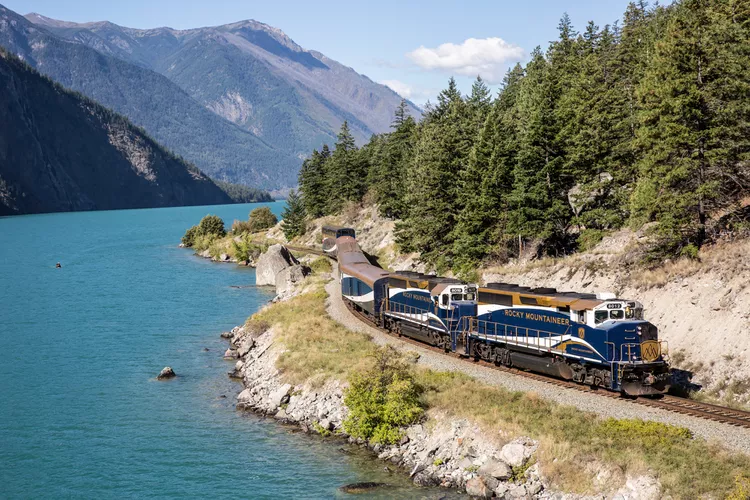
    A Rocky Mountaineer adventure is one of the most unforgettable travel experiences in the world. With luxury service, stunning landscapes, and perfectly curated routes, it allows you to explore the Canadian Rockies in comfort and style. Whether you’re a photographer, nature lover, couple, or family traveler, this guide ensures you plan your journey perfectly—choosing the right route, time, package, and booking strategy for a smooth and memorable adventure.

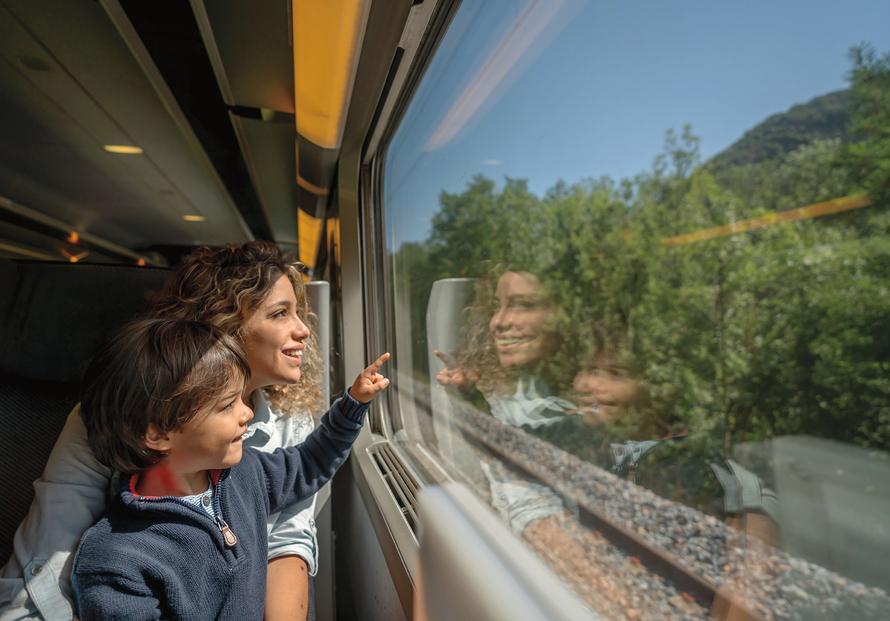
  • Family-Friendly Train Adventures: Scenic Routes Everyone Will Love

    Family-Friendly Train Adventures: Scenic Routes Everyone Will Love

    Train travel offers a unique way for families to explore the world. Unlike flights or long car rides, trains provide spacious seating, scenic views, and a relaxed pace, making them ideal for travelers with children. From historic steam trains to modern high-speed rail, family-friendly train journeys combine comfort, adventure, and unforgettable experiences.

    This guide highlights the best scenic train routes for families, practical planning tips, and activities that make rail travel exciting for travelers of all ages.

    Why Families Should Consider Train Travel

    Traveling by train is especially suitable for families because it reduces stress, provides space to move around, and allows children to enjoy the journey as much as the destination. Trains often feature family-friendly amenities such as dining cars, play areas, and observation windows, which make long trips more enjoyable.

    Additionally, trains allow families to experience local culture, pass through scenic landscapes, and make stopovers at towns or attractions along the route.

    The Rocky Mountaineer, Canada

    The Rocky Mountaineer is perfect for families seeking adventure and comfort. Routes such as Vancouver to Banff or Jasper showcase snow-capped mountains, sparkling rivers, and dense forests. Panoramic glass-domed coaches provide unmatched views, while on-board guides share fascinating stories about wildlife and the region.

    Families can complement the journey with hiking, wildlife tours, and exploring charming mountain towns at stopovers.

    Jacobite Steam Train, Scotland

    The Jacobite Steam Train is a must-visit for families, especially fans of Harry Potter. Traveling from Fort William to Mallaig, the route passes over the iconic Glenfinnan Viaduct and through the rugged Scottish Highlands.

    Children and adults alike enjoy the experience of riding a vintage steam train while witnessing breathtaking scenery. Stopovers allow for castle visits, loch excursions, and exploration of Highland villages.

    Darjeeling Himalayan Railway, India

    Known as the “Toy Train,” the Darjeeling Himalayan Railway offers a fun and educational experience for families. This narrow-gauge steam train winds through mountains, tea plantations, and quaint villages, offering spectacular views of the Himalayas.

    The slower pace and frequent stops make it ideal for young children, while older kids can enjoy learning about engineering marvels, local culture, and the history of the railway.

    California Zephyr, USA

    The California Zephyr connects Chicago to San Francisco, passing through the Rockies, Sierra Nevada, and deserts of the American West. Families benefit from spacious seats, observation cars, and dining options.

    Children can enjoy watching wildlife, river valleys, and snow-capped mountains from the train. This route also provides convenient access to national parks, historic towns, and family-friendly attractions at stopovers.

    Eastern & Oriental Express, Southeast Asia

    The Eastern & Oriental Express travels from Singapore to Bangkok, offering luxury and scenic diversity. Families can enjoy the comfort of vintage-style cabins while passing through tropical landscapes, rice paddies, and small villages.

    Optional excursions include river trips, jungle hikes, and cultural experiences, making it an ideal combination of adventure, relaxation, and education for children.

    Tips for Family-Friendly Train Travel

    • Book Early: Popular scenic routes often sell out quickly, especially family cabins or observation seats.
    • Choose Family-Friendly Cabins: Cabins with sleeping arrangements, extra space, or private bathrooms improve comfort.
    • Pack Snacks and Entertainment: While dining cars are available, having personal snacks, games, and devices can keep kids engaged.
    • Plan Stopovers: Incorporate sightseeing, playgrounds, or short hikes to break up long journeys.
    • Travel Off-Peak: Avoid weekends and holidays to reduce crowding and stress.

    Activities to Enjoy on the Train

    • Scenic Observation: Use panoramic windows to watch landscapes, rivers, and mountains.
    • Photography: Capture memories from unique angles that cars or planes cannot offer.
    • On-Board Learning: Many routes provide guides or commentary about the region’s history, flora, and fauna.
    • Relaxation: Reading, games, or quiet time in a family cabin enhances the travel experience.

    Why These Routes Are Perfect for Families

    Family-friendly train journeys combine adventure, education, and relaxation. They offer a slower pace, opportunities to connect with nature, and memorable experiences that are difficult to replicate with other modes of transport. Families can bond over sightseeing, try local cuisine at stopovers, and enjoy the novelty of train travel.

    Conclusion

    Scenic train travel is one of the best ways for families to explore new destinations while creating lasting memories. Routes like the Rocky Mountaineer, Jacobite Steam Train, Darjeeling Himalayan Railway, California Zephyr, and Eastern & Oriental Express provide comfort, breathtaking views, and engaging experiences for travelers of all ages.

    With careful planning, early bookings, and family-friendly accommodations, train adventures can be both affordable and unforgettable. These journeys combine the excitement of travel with the beauty of scenic landscapes, making them ideal for families looking to experience the world together.

  • Best Family-Friendly All-Inclusive Resorts Around the World

    Best Family-Friendly All-Inclusive Resorts Around the World

    Planning a family vacation becomes much easier when you choose an all-inclusive resort that takes care of everything from meals to entertainment. These resorts let parents relax while kids enjoy supervised activities, safe play areas, and endless fun. In 2025, family-friendly all-inclusive resorts are more exciting than ever, offering spacious accommodations, water parks, kids’ clubs, guided excursions, and global cuisine under one price. Whether your family prefers beaches, mountains, or adventure-packed destinations, this guide highlights the best all-inclusive resorts around the world that guarantee comfort, convenience, and unforgettable memories.

    Beaches Turks & Caicos, Caribbean

    Beaches Turks & Caicos is widely known as one of the best family all-inclusive resorts. With a massive water park, pirate-themed areas, multiple pools, and a white-sand beach, kids can enjoy endless outdoor fun. Parents can relax at the spa, enjoy gourmet dining, or join family-friendly activities like snorkeling and boat rides. The resort also offers Sesame Street-themed entertainment, making it a magical experience for younger children. Its all-inclusive package covers meals, water sports, and many premium amenities.

    Club Med Punta Cana, Dominican Republic

    Club Med Punta Cana is perfect for families who want a mix of relaxation and adventure. The resort offers trapeze lessons, circus workshops, dedicated kids’ clubs, and water sport activities. Spacious suites and family rooms make it comfortable for larger groups. Adults can unwind at the adults-only wellness zone, enjoy fitness classes, or take part in beach activities. With diverse dining options and all-inclusive pricing, Club Med ensures a stress-free Caribbean vacation for families of all sizes.

    Atlantis Paradise Island, Bahamas

    Atlantis Paradise Island is a dream destination for families who love excitement. Known for its world-famous water park, marine habitats, aquariums, and thrilling water slides, it offers non-stop adventure for kids and teenagers. Families can enjoy dolphin encounters, snorkeling in lagoons, and exploring underwater life. The resort also includes restaurants, kid-friendly pools, and a variety of accommodation choices. While not fully all-inclusive, Atlantis offers packages that cover meals, activities, and access to major attractions.

    Grand Velas Riviera Maya, Mexico

    Grand Velas Riviera Maya is a luxury all-inclusive resort designed with families in mind. It features a kids’ club, teen lounge, family-friendly shows, cooking classes, and supervised beach games. Parents can enjoy fine dining, spa treatments, and premium cocktails included in the package. The resort’s spacious suites, private terraces, and jungle or ocean views create a perfect setting for a relaxing family retreat. Its all-inclusive offerings focus on quality, making it one of the top family resorts in Mexico.

    Tayrona Ecohabs, Colombia

    For families who love nature-focused travel, Tayrona Ecohabs offers a unique eco-friendly resort experience. Located near Tayrona National Park, it features cabin-style accommodations surrounded by jungle and beaches. Families can explore hiking trails, wildlife, and scenic viewpoints. While it’s not a traditional all-inclusive resort, many packages offer meals, guided tours, and beach activities. It’s ideal for families who want an adventurous stay without sacrificing comfort or convenience.

    Sun Siyam Iru Fushi, Maldives

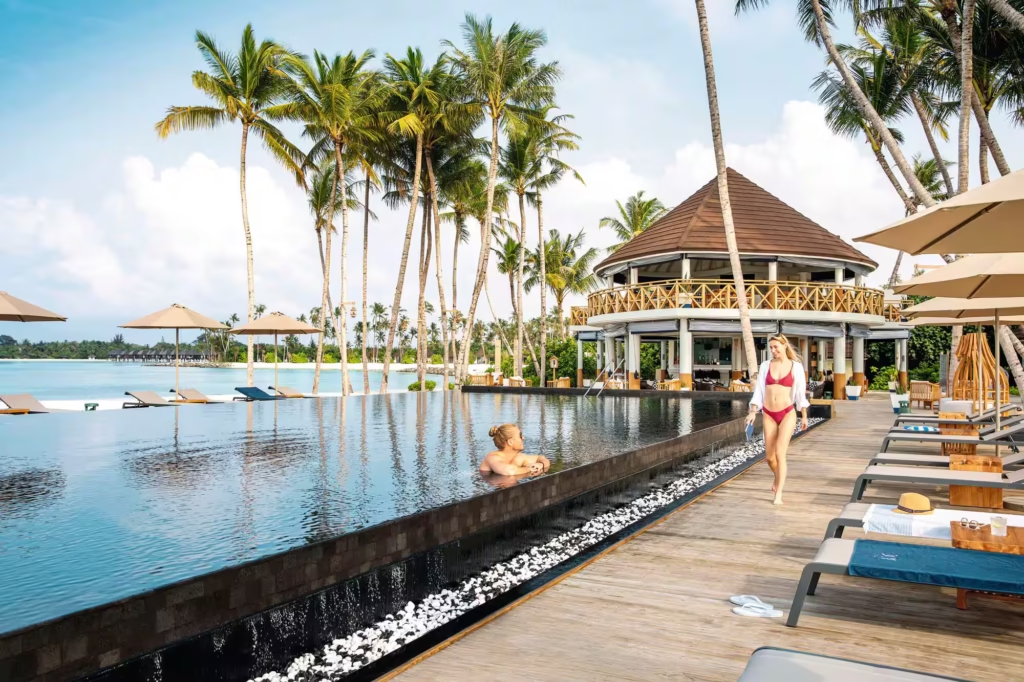
    Sun Siyam Iru Fushi is one of the best family-friendly all-inclusive resorts in the Maldives. With kids’ pools, family villas, snorkeling excursions, boat tours, and a dedicated kids’ club, it offers entertainment for every age. The resort’s crystal-clear water, coral reefs, and soft beaches make it perfect for families who love ocean adventures. Parents can enjoy romantic dinners, spa sessions, and water sports—all included in the resort’s comprehensive packages.

    Conclusion

    Family-friendly all-inclusive resorts offer the perfect blend of relaxation, fun, and value. From Caribbean beaches to eco-friendly retreats and luxurious island escapes, the options worldwide cater to every family’s interests and budget. All-inclusive packages ensure stress-free planning, predictable costs, and a variety of activities for kids and adults alike. Whether you’re seeking adventure, comfort, or unforgettable seaside memories, these resorts promise a vacation your family will always cherish.

  • How to Plan the Perfect Glacier Express Trip in Switzerland: Routes, Costs & Best Time to Go

    How to Plan the Perfect Glacier Express Trip in Switzerland: Routes, Costs & Best Time to Go

    The Glacier Express is one of the most beautiful and iconic train journeys in the world. Known as the “slowest express train,” it takes you through the heart of the Swiss Alps, crossing deep valleys, dramatic bridges, crystal-blue rivers, and snow-covered peaks. Whether you’re a first-time traveler to Switzerland or someone looking for a once-in-a-lifetime rail experience, planning a Glacier Express trip requires a little knowledge—routes, timings, seat classes, ticket types, weather, and costs. This complete guide walks you through everything you need to know so your journey is smooth, well-timed, and unforgettable.

    Understanding the Glacier Express Route

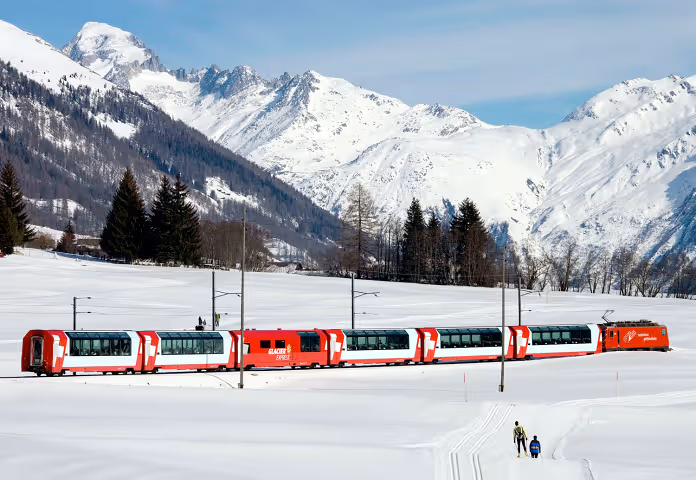
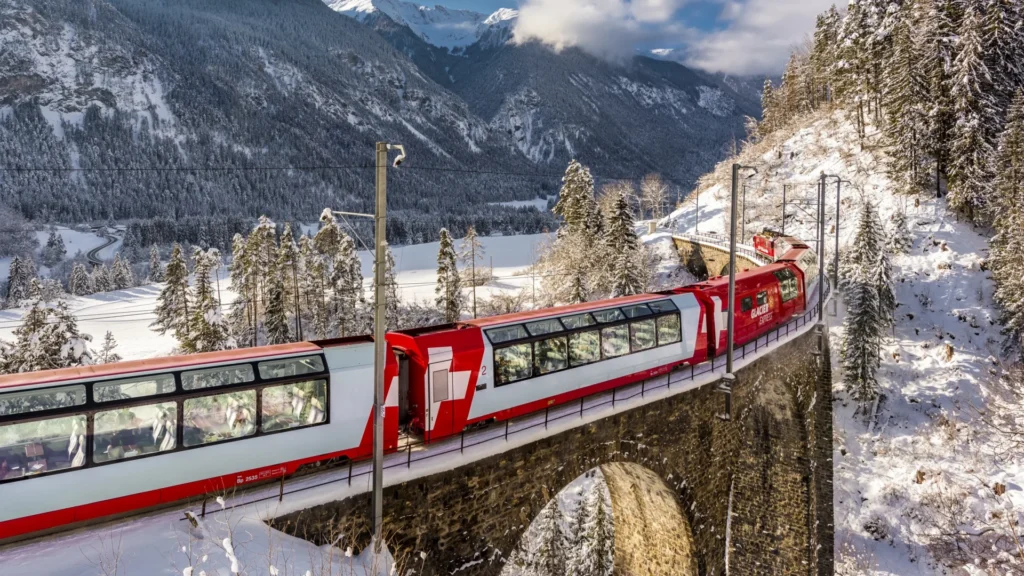
    The Glacier Express runs between Zermatt and St. Moritz, two of Switzerland’s most luxurious resort towns. The full journey covers around 291 kilometers and takes approximately eight hours. What makes this route special is the stunning diversity of landscapes. You’ll pass through the dramatic Oberalp Pass, glide along the Rhine Gorge (also known as the Swiss Grand Canyon), and cross nearly 300 bridges and 90 tunnels. The panoramic windows allow you to enjoy every viewpoint without missing the smallest detail. Many travelers choose to ride the entire route, but you can also board at intermediate stops like Andermatt, Chur, or Brig depending on your itinerary.

    Choosing the Best Direction for Your Trip

    Both directions—Zermatt to St. Moritz or St. Moritz to Zermatt—deliver the same breathtaking views. If you prefer starting your day early with sunshine on the peaks, St. Moritz to Zermatt offers amazing morning lighting. If you want to end your day watching the golden hour in the mountains, Zermatt to St. Moritz is a beautiful choice. Travelers coming from Italy usually start from Zermatt; those coming from Zurich often choose Chur or St. Moritz as the starting point. Ultimately, your direction depends on your broader Swiss itinerary and where you plan to stay before and after the train ride.

    Choosing the Right Class: 1st Class vs. Excellence Class

    Glacier Express tickets are available in several classes and it’s important to choose the one that matches your comfort preference and budget. 2nd Class: Comfortable seats, large windows, excellent views, and lower cost. Ideal for budget-focused travelers. 1st Class: More spacious seating, bigger windows, quieter carriages, and a more premium experience. Excellence Class: The ultimate luxury option. Includes lounge-style seating, a six-course gourmet meal, unlimited drinks, a dedicated concierge, and panoramic views. This is one of the most exclusive rail experiences in the world. If you’re planning a special occasion trip or want a true once-in-a-lifetime moment, Excellence Class is worth considering. Keep in mind that reservations are mandatory for all classes, and Excellence Class sells out very fast, especially during summer.

    Understanding Ticket Costs and How to Save Money

    The Glacier Express is a premium experience, but with the right planning, you can reduce your overall expenses. Standard tickets vary based on travel class and season. On top of the ticket, you must pay for a seat reservation, which is mandatory. However, Swiss discount passes can reduce costs significantly. Swiss Travel Pass: Covers the train fare entirely; you only need to pay the seat reservation. Highly recommended for multi-day Switzerland trips. Eurail or Interrail Pass: Reduces fare; seat reservation still required. Regional passes like the Swiss Half Fare Card can also offer partial discounts. Booking early helps secure the best prices, especially during high seasons. Traveling in shoulder season (April–May or late September–October) can also lower costs and reduce crowds.

    Best Time of Year to Travel on the Glacier Express

    The Glacier Express operates year-round except during a short maintenance break in late October to mid-December. Winter is magical with snow-covered mountains and frozen landscapes. It’s the classic Glacier Express experience. The lighting is soft, and the views of snowy valleys are unforgettable. Summer brings lush green fields, wildflowers, and crystal-clear skies. Perfect for photography and longer daylight hours. Spring and fall offer mild weather, fewer crowds, and better availability. If you want the best balance of scenery and comfort, June, September, and early October are ideal. Winter offers charm; summer delivers color. Choose based on the ambiance you want.

    Planning Your Seats, Timings, and Journey Style

    Since the full Glacier Express ride takes about eight hours, choosing the right seating arrangement and timing can transform your experience. Window seats are always the best and tend to get booked fast, especially on weekends and holidays. Morning departures give you consistent daylight for the entire ride. If you’re traveling in winter, aim for the earliest train to avoid losing daylight during the final stretch. Some travelers choose to break the journey by spending a night in Andermatt or Chur, especially if they want a slower travel style. Others prefer the full continuous route for a complete panoramic adventure. Either option is valid—it depends on how relaxed you want your itinerary to be.

    What to Expect Onboard the Glacier Express

    The Glacier Express is designed for comfort and scenic viewing. Panoramic windows extend up to the roof, offering wide views of mountains, rivers, and valleys. The commentary system provides audio insights about landmarks and history along the route. Meals are served directly to your seat, and you can choose between full-course dining or snacks depending on your reservation. Clean restrooms, temperature control, and a calm travel environment make the ride enjoyable even for long hours. If you’re planning to take photos or videos, remember there are reflections on the panoramic glass, so wearing darker clothes helps reduce glare. Also, avoid touching the window glass for clearer photography.

    Making the Most of Stops: Zermatt, St. Moritz & More

    Both endpoints of the Glacier Express are destinations worth experiencing before or after your journey. Zermatt: Famous for the Matterhorn, skiing, hiking, and the charming car-free village atmosphere. Great for luxury stays, mountain resorts, and scenic viewpoints. St. Moritz: Known for its high-end resorts, frozen lakes, gourmet dining, and outdoor activities. A paradise for travelers who love a premium mountain lifestyle. Intermediate stops like Andermatt, Brig, and Chur also offer unique towns, Alpine spas, and hiking trails. Planning extra days around the Glacier Express enhances your overall Switzerland experience.

    Practical Tips for a Smooth Glacier Express Trip

    Book tickets and seat reservations early to secure the best options. Wear comfortable clothing and bring layers since mountain temperatures can vary. Carry a power bank for your devices since you may take many photos. Arrive at the station early to avoid last-minute rush, especially during peak season. Choose a side seat based on lighting. Generally, both sides have great views, but the left side offers slightly better scenery when traveling from Zermatt to St. Moritz. Keep your camera ready; some of the best views appear unexpectedly. And most importantly, relax and enjoy the slow, steady journey through the heart of Switzerland.

    Conclusion: A Once-in-a-Lifetime Scenic Journey

    The Glacier Express is more than a train ride—it’s a cinematic journey through some of the most beautiful landscapes in Europe. With proper planning—choosing routes, timing your trip, selecting the right class, taking advantage of discount passes, and preparing for the season—you can enjoy a perfectly organized, fully memorable adventure. Whether you’re seeking snowy peaks, green summer valleys, luxurious comfort, or simply a peaceful day surrounded by nature, the Glacier Express delivers an experience you’ll never forget. If you want, I can now write the next article: Japan Shinkansen — Planning Guide, or any title you choose.

  • When All-Inclusive Travel Makes Sense and When You Should Avoid It

    When All-Inclusive Travel Makes Sense and When You Should Avoid It

    All-inclusive travel sounds like the perfect solution for a stress-free holiday. One price covers accommodation, meals, drinks, and often activities, making budgeting simple and predictable. However, all-inclusive travel is not always the best option for every traveler or every destination.

    Knowing when an all-inclusive holiday truly adds value and when it may actually cost more or limit your experience can help you make smarter travel decisions. This guide breaks down both sides so you can decide what works best for your travel style.

    When All-Inclusive Travel Makes Sense

    All-inclusive travel works best when convenience and cost control are top priorities. If you want a holiday where everything is handled in advance, this model can be extremely appealing.

    For travelers who prefer relaxing at a resort without planning daily meals or activities, all-inclusive packages remove decision fatigue. You arrive, settle in, and enjoy the experience without constantly reaching for your wallet.

    All-inclusive travel also makes sense for destinations where food, drinks, and activities are expensive. In such places, paying one upfront price often ends up being cheaper than paying separately throughout the trip.

    Families benefit greatly from all-inclusive resorts. Meals, snacks, kids’ clubs, and entertainment are included, which keeps children engaged while parents relax. Predictable costs are especially helpful when traveling with kids.

    All-inclusive holidays are ideal for short trips or celebrations. For honeymoons, anniversaries, or quick getaways, the focus is on comfort and enjoyment rather than exploration, making an all-inclusive setup practical.

    When All-Inclusive Travel Saves You Money

    All-inclusive travel often delivers strong value in resort-heavy destinations. Beach destinations, island getaways, and places with limited dining options outside resorts tend to favor all-inclusive packages.

    If you enjoy premium drinks, frequent dining, and resort activities, the bundled pricing can be significantly cheaper than paying for each experience individually.

    Travelers who prefer staying in one place rather than moving around also get more value. When most of your time is spent at the resort, you actually use what you’ve paid for.

    When You Should Avoid All-Inclusive Travel

    All-inclusive travel is not ideal for travelers who love exploring cities, local food, and culture. If you plan to spend most of your day outside the hotel, you may end up paying for meals and services you never use.

    In destinations known for street food, local restaurants, or affordable dining, independent travel is often cheaper and more rewarding. Paying for an all-inclusive package in such places can feel restrictive.

    Travelers who enjoy flexibility may find all-inclusive resorts limiting. Fixed meal times, set activities, and resort-focused experiences can reduce spontaneity and discovery.

    Why City Trips Rarely Suit All-Inclusive Travel

    Cities thrive on variety, and all-inclusive travel doesn’t always fit that environment. Urban destinations offer countless dining, shopping, and cultural options that are best experienced independently.

    When visiting major cities, paying for an all-inclusive resort often makes little sense because you’ll naturally want to explore beyond hotel boundaries.

    Hidden Costs to Watch Out For

    Not all all-inclusive packages are truly “all-inclusive.” Some exclude premium drinks, specialty restaurants, excursions, or spa services.

    Understanding what’s included before booking is essential. Otherwise, you may end up spending extra, reducing the value of the package.

    How Travel Style Affects the Decision

    Your travel personality plays a major role in deciding whether all-inclusive travel makes sense. Relaxation-focused travelers usually benefit more than adventure-driven explorers.

    If your ideal trip involves lounging by the pool, enjoying entertainment, and minimizing planning, all-inclusive travel aligns well with your preferences.

    If your ideal trip involves wandering neighborhoods, trying local cuisine, and changing plans daily, independent travel is often the better choice.

    Short Trips vs Long Trips

    All-inclusive travel works best for short to medium-length stays. For longer trips, the experience can become repetitive, especially if you enjoy variety.

    On extended trips, independent travel allows you to adapt your itinerary, change locations, and explore more deeply.

    Seasonal Factors Matter

    During peak seasons, all-inclusive deals can offer better value due to high local prices. In off-season periods, independent travel may be significantly cheaper.

    Understanding seasonal pricing helps determine whether an all-inclusive package is worth it at that time.

    Who Should Definitely Choose All-Inclusive

    First-time travelers, families with children, couples seeking relaxation, and travelers who prefer predictable budgets often benefit most from all-inclusive travel.

    It’s also a strong choice for travelers who want minimal planning and a smooth, hassle-free experience.

    Who Should Probably Skip It

    Backpackers, solo travelers, food lovers, digital nomads, and culture-focused explorers often get better value from independent travel.

    If discovery and flexibility matter more than convenience, all-inclusive travel may feel restrictive.

    How to Decide Before Booking

    Ask yourself how much time you’ll spend at the resort, how important local experiences are to you, and whether convenience outweighs flexibility.

    Comparing the cost of meals, activities, and accommodation separately can also clarify whether an all-inclusive deal truly saves money.

    Conclusion

    All-inclusive travel is neither universally good nor bad. It’s a tool that works exceptionally well in certain situations and poorly in others.

    When relaxation, convenience, and predictable costs matter most, all-inclusive travel makes perfect sense. When exploration, flexibility, and cultural immersion are your priorities, independent travel usually delivers a richer experience.

    The smartest choice is the one that matches your travel goals, destination, and personal style.

  • Perfect Week in Bali: Beaches, Temples, and Hidden Gems

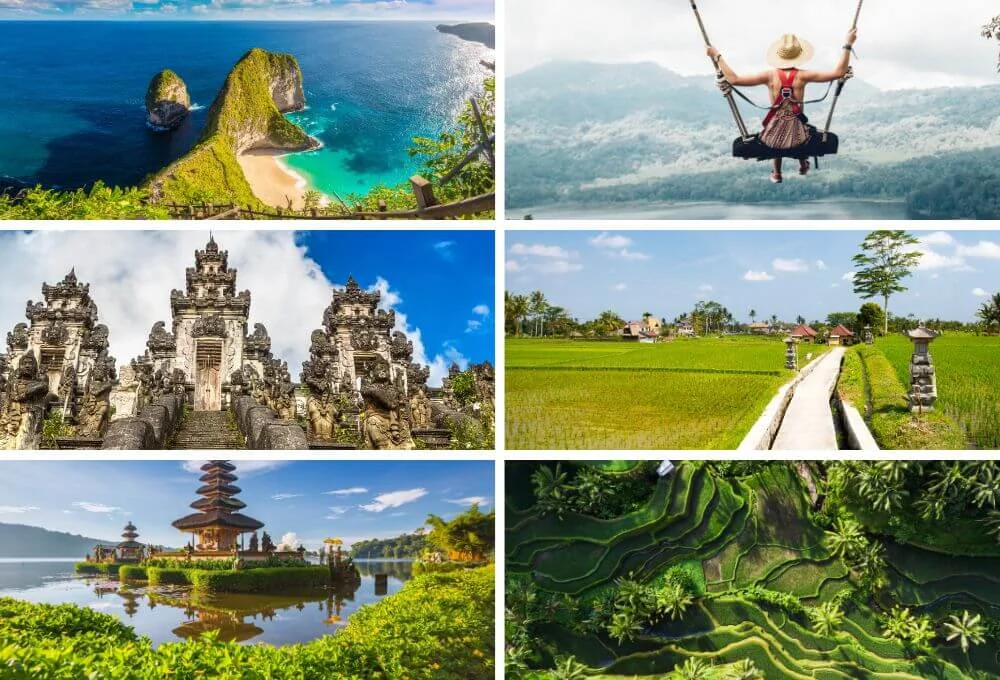
    Perfect Week in Bali: Beaches, Temples, and Hidden Gems

    Bali is a tropical paradise known for its stunning beaches, lush landscapes, vibrant culture, and hidden gems waiting to be discovered. Planning a week in Bali ensures you can experience a mix of relaxation, adventure, and cultural immersion. From serene temples to lively beach towns, this itinerary helps travelers explore the best of Bali without missing out on its unique charm.

    Day 1: Arrival and Seminyak Exploration

    Arrive in Bali and settle into your hotel in Seminyak, a trendy area with beachfront resorts, cafes, and shopping. Spend the evening exploring Seminyak Beach, enjoying sunset views, and dining at a local seafood restaurant. This first day allows you to acclimate and soak in Bali’s tropical vibe.

    Day 2: Uluwatu and Jimbaran Beaches

    Head south to Uluwatu to explore Uluwatu Temple perched on cliffs overlooking the ocean. Enjoy the traditional Kecak dance performance in the evening. Afterwards, relax at Jimbaran Beach and savor fresh seafood dinner on the sand. This combination of cultural and coastal experiences provides a perfect introduction to southern Bali.

    Day 3: Ubud’s Temples and Rice Terraces

    Travel to Ubud to immerse yourself in Bali’s cultural heart. Visit the Sacred Monkey Forest Sanctuary, Tegalalang Rice Terraces, and Tirta Empul Temple for a mix of nature and spirituality. In the evening, explore Ubud Market and try local Balinese dishes such as Babi Guling (roast pork). Ubud offers a balance of traditional culture and scenic beauty.

    Day 4: Adventure in North Bali

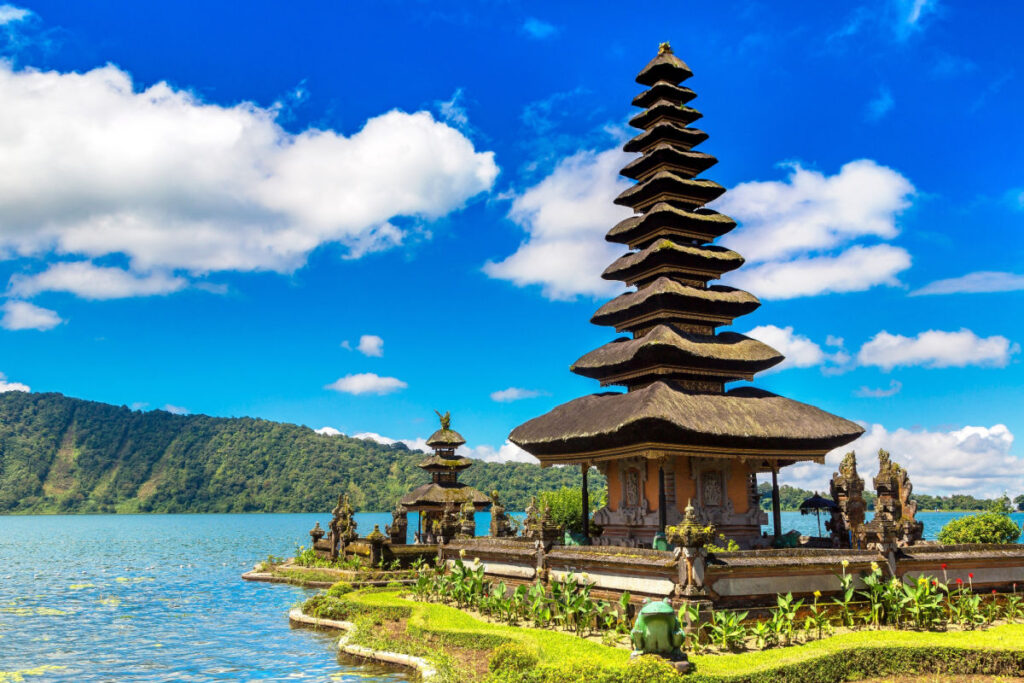
    Explore the northern part of Bali, including waterfalls like Sekumpul or Gitgit. Visit Ulun Danu Beratan Temple, a picturesque temple on Lake Beratan. If time allows, relax at Lovina Beach, known for its calm waters and dolphin sightings. North Bali provides a quieter, off-the-beaten-path experience away from crowded tourist areas.

    Day 5: Nusa Islands Day Trip

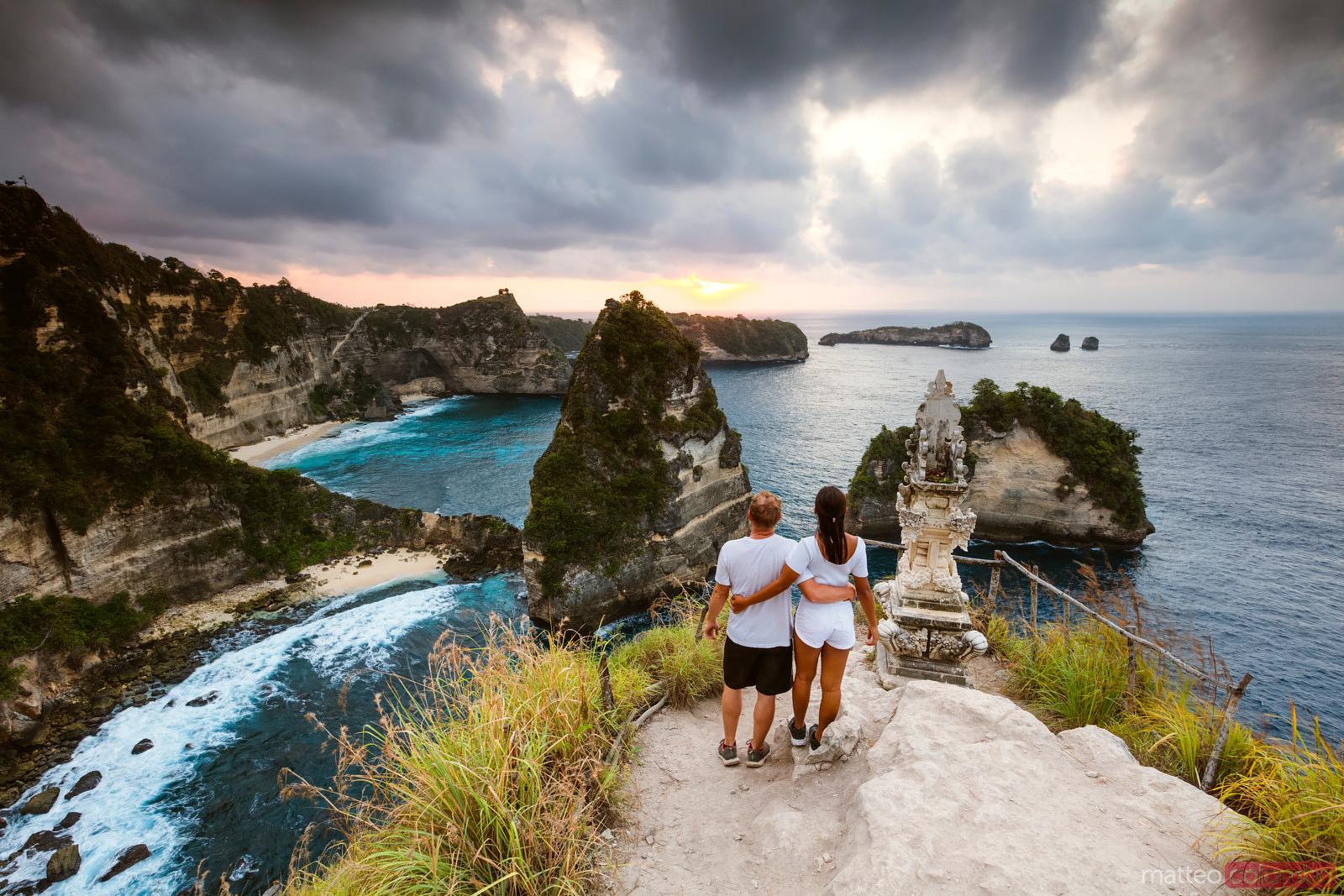
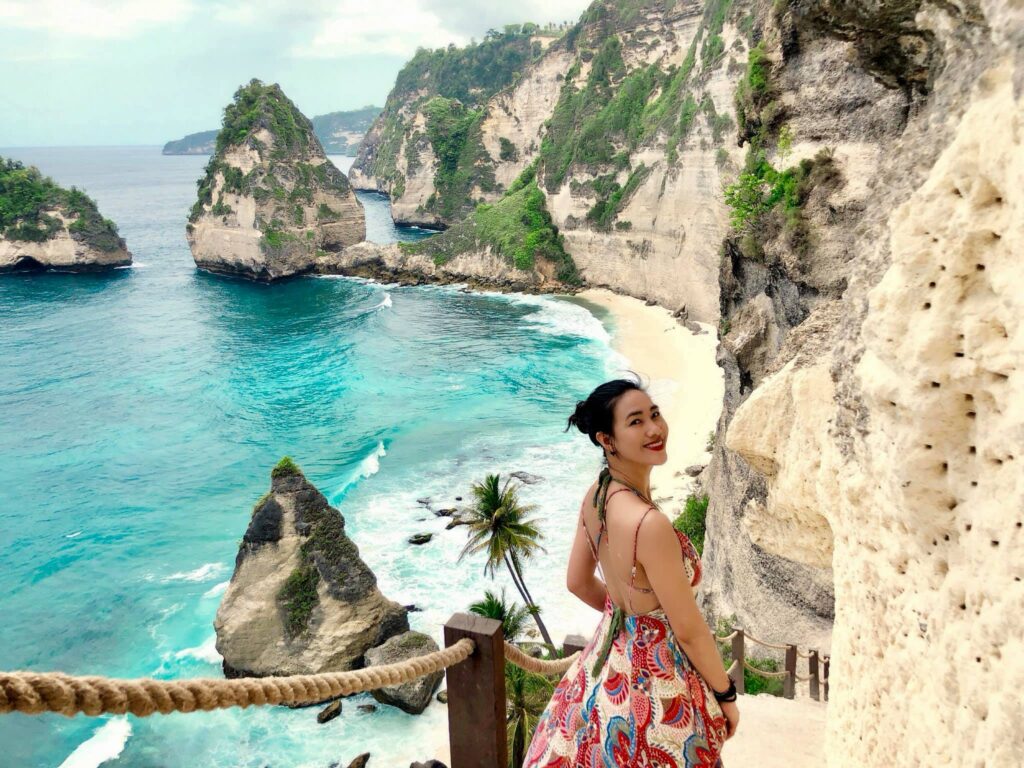
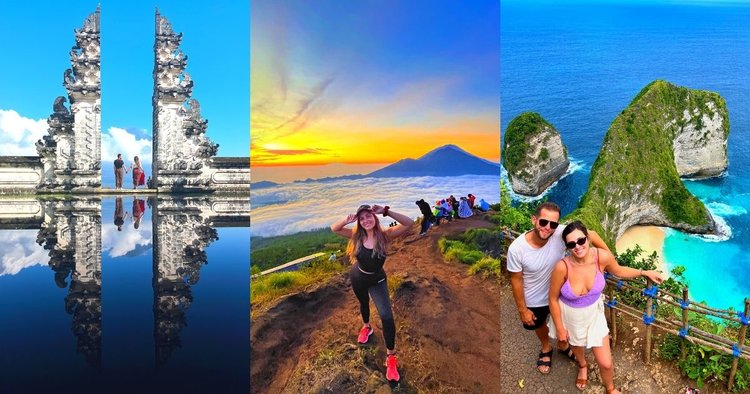
    Take a day trip to Nusa Penida or Nusa Lembongan for pristine beaches, cliff viewpoints, and snorkeling opportunities. Highlights include Kelingking Beach, Angel’s Billabong, and Crystal Bay. These islands showcase Bali’s natural beauty and are perfect for adventurous travelers looking to escape the mainland crowds.

    Day 6: Cultural Experiences and Spa Day

    Return to central Bali for cultural experiences such as Balinese cooking classes or traditional dance workshops. In the afternoon, indulge in a relaxing spa session with a Balinese massage, which is a signature experience for many visitors. Evenings can be spent strolling through artisan villages or enjoying a romantic dinner in Ubud.

    Day 7: Beach Relaxation and Departure

    Spend your final day unwinding at your preferred beach, such as Seminyak or Canggu. Enjoy water activities, sunbathing, or surfing lessons. Savor a farewell lunch with tropical views before heading to the airport. This final day ensures a peaceful end to a week filled with exploration and adventure.

    Tips for a Smooth Bali Trip

    • Book accommodations in advance: Popular areas fill up quickly, especially in peak season.
    • Rent a scooter or hire a driver: This makes exploring easier and more flexible.
    • Stay hydrated and use sunscreen: Bali can be hot and humid, especially during outdoor activities.
    • Respect local customs: Temples require modest attire and respectful behavior.
    • Plan for traffic: Bali’s roads can be congested, so allow extra travel time between locations.

    Conclusion

    A perfect week in Bali balances beaches, temples, adventure, and cultural immersion. From Seminyak’s lively shores to Ubud’s serene landscapes and the hidden treasures of the Nusa Islands, this itinerary ensures travelers experience Bali’s best offerings. By following this plan, visitors can enjoy a memorable, stress-free, and well-rounded Balinese vacation that combines relaxation, exploration, and unforgettable experiences.

  • Most Scenic Train Journeys You Must Experience Once in Your Life

    Most Scenic Train Journeys You Must Experience Once in Your Life

    There is something magical about train travel. Unlike flights that rush you from one place to another, trains let you witness the world slowly unfolding outside your window—mountains rising in the distance, rivers carving through valleys, and small towns passing by like scenes from a movie. For travelers who want more than just a destination, scenic train journeys offer an experience filled with beauty, nostalgia, comfort, and unforgettable views.

    In a world that loves speed, these train routes remind us how charming slow travel can be. From snow-covered peaks to desert landscapes and coastal curves, these breathtaking journeys offer a front-row seat to the planet’s most spectacular regions. Here are the most scenic train routes that every traveler should experience at least once in their lifetime.

    Glacier Express, Switzerland

    The Glacier Express is often called the slowest express train in the world, and that’s exactly what makes it special. Running between Zermatt and St. Moritz, this iconic route takes you through the heart of the Swiss Alps.

    Massive snow-covered peaks, deep gorges, charming wooden villages, and crystal-clear alpine lakes create a landscape that almost feels unreal. The train offers panoramic windows, allowing uninterrupted views of bridges, tunnels, and valleys. The highlight is the Oberalp Pass, where the train climbs high into the mountains through some of Europe’s most stunning terrain.

    The Rocky Mountaineer, Canada

    Canada’s Rocky Mountains are known for their extraordinary natural beauty, and the Rocky Mountaineer offers the best seat in the house. Traveling between Vancouver and the Canadian Rockies, this luxurious train runs only during daylight so travelers don’t miss a single view.

    As you move through the route, you witness massive waterfalls, bright blue rivers, dense forests, and snow-draped peaks. The train’s glass-domed coaches allow you to see everything—from wildlife roaming the forests to glaciers sitting atop towering mountains. This is one of the most scenic journeys in North America and a dream trip for photography lovers.

    The TranzAlpine, New Zealand

    New Zealand is known for its dramatic landscapes, and the TranzAlpine route captures its beauty perfectly. Running from Christchurch to Greymouth, this journey crosses the legendary Southern Alps.

    You travel through rich farmlands, turquoise rivers, lush plains, and rocky gorges before climbing into mountain regions that look like scenes from a fantasy movie. The train has outdoor viewing platforms where travelers can feel the wind, smell the fresh air, and capture raw landscapes up close. For nature lovers, this is one of the most unforgettable train experiences in the world.

    The Blue Train, South Africa

    The Blue Train is less of a train ride and more of a luxury hotel on wheels. Traveling from Pretoria to Cape Town, it showcases South Africa’s vibrant and diverse landscapes—from deserts and vineyards to rugged mountain ranges.

    Along the route, you experience vast open plains, wildlife reserves, and dramatic coastlines. Elegant interiors, gourmet dining, and personalized service enhance the experience, making it one of the most exclusive scenic train journeys globally. Travelers who love comfort as much as scenery will find this route unforgettable.

    The Bernina Express, Switzerland & Italy

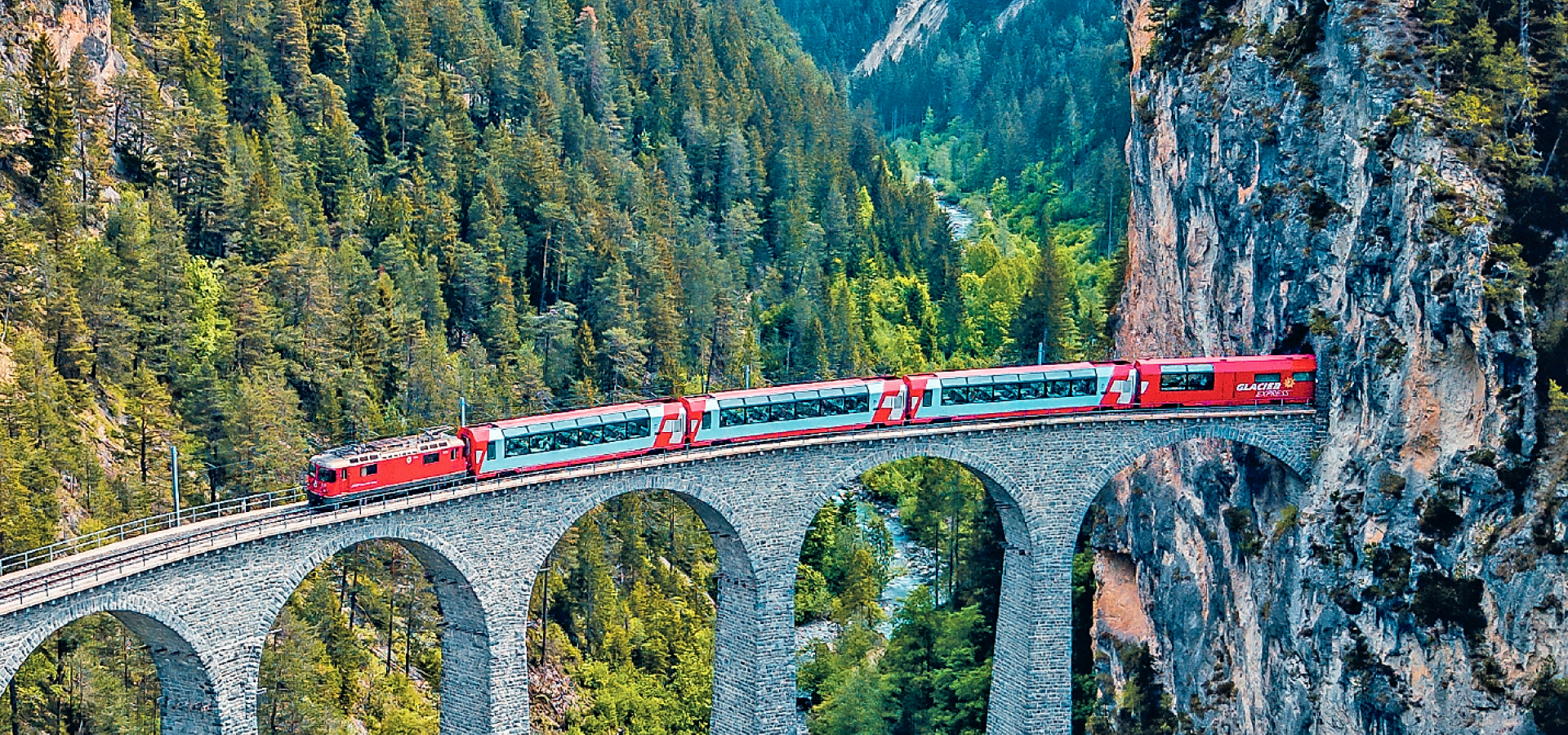
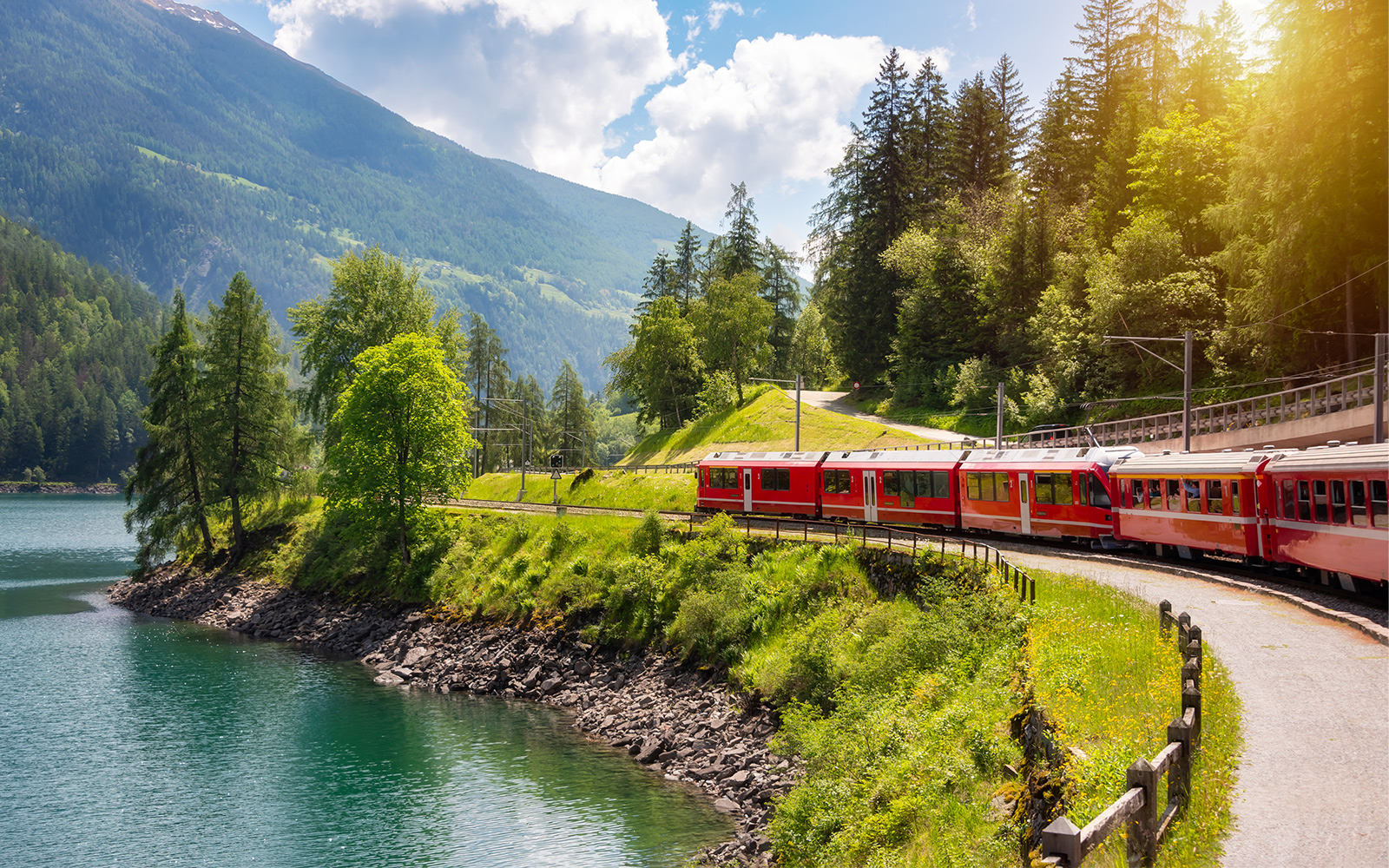
    Connecting Chur in Switzerland to Tirano in Italy, the Bernina Express is a UNESCO World Heritage-listed railway—and for good reason. It crosses glaciers, spirals over stone viaducts, and passes through high alpine landscapes that look untouched by time.

    The most iconic moment is crossing the Landwasser Viaduct, a stunning curved bridge rising dramatically from a cliff. As the route descends into Italy, the scenery shifts from icy mountains to warm Mediterranean landscapes, offering a rare blend of two climates in one journey.

    The West Highland Line, Scotland

    Considered one of Europe’s most atmospheric train journeys, the West Highland Line travels between Glasgow and Mallaig. Misty mountains, lonely lochs, rugged coastlines, and charming villages create a dramatic backdrop.

    Fans of Harry Potter will love crossing the famous Glenfinnan Viaduct—the same bridge where the Hogwarts Express was filmed. The mood, landscape, and peacefulness make this train journey feel like stepping into a storybook.

    The Jacobite Steam Train, Scotland

    One of the most iconic steam trains in the world, the Jacobite runs between Fort William and Mallaig. Although it overlaps with the West Highland Line, the experience is entirely different because of the vintage steam engine.

    The train moves slowly, whistling through valleys, glens, woodlands, and lochs. The highlight is again the Glenfinnan Viaduct, but this time you experience it with old-world charm—puffs of steam, vintage carriages, and a nostalgic atmosphere that transports you to another era.

    The Kuranda Scenic Railway, Australia

    Running through Queensland’s tropical rainforest, the Kuranda Scenic Railway connects Cairns to the mountain village of Kuranda. This is one of Australia’s most scenic and unique train journeys.

    You pass through lush rainforests, steep ravines, and spectacular waterfalls, including the famous Barron Falls. The route is full of bridges, tunnels, and historic railway engineering, making it both educational and breathtaking. The sounds of the forest and the vibrant green landscapes create a serene travel experience.

    The Flam Railway, Norway

    Norway’s Flam Railway is one of the steepest and most beautiful train routes in the world. Running from Myrdal to Flam, it plunges down through valleys, waterfalls, cliffs, and charming Scandinavian villages.

    The star attraction is the Kjosfossen Waterfall, where the train stops for passengers to take photos. Surrounded by forested slopes and mountain cliffs, the scenery feels both wild and peaceful. This journey captures the essence of Norway’s natural beauty.

    The Eastern & Oriental Express, Southeast Asia

    If you love elegance, culture, and scenic landscapes, the Eastern & Oriental Express offers a journey through Malaysia, Thailand, and Singapore. It combines Southeast Asia’s diverse landscapes with luxury accommodations and world-class service.

    You’ll pass through green rice paddies, tropical forests, riverside villages, and ancient temples. The blend of nature, culture, and fine dining makes it one of the most enjoyable train journeys in Asia.

    Final Thoughts

    Scenic train journeys offer more than transportation—they provide an emotional and visual experience that stays with you forever. Whether it’s the snowy Alps, the Canadian Rockies, tropical rainforests, or historical viaducts, every route on this list showcases the world’s beauty in a way no other form of travel can.

    These journeys remind us that travel is not just about reaching the destination—it’s about savoring the moments in between. If you’re looking for unforgettable travel memories, add at least one of these scenic train routes to your 2025 bucket list.

  • All-Inclusive Beach Vacations That Offer the Best Value for Money

    All-Inclusive Beach Vacations That Offer the Best Value for Money

    Beach vacations are often seen as expensive luxuries, but all-inclusive beach resorts have changed that perception completely. When planned smartly, an all-inclusive beach holiday can deliver incredible value, combining accommodation, meals, drinks, entertainment, and activities into one predictable cost. Instead of worrying about daily expenses, travelers can focus entirely on relaxing by the ocean.

    This blog explores why all-inclusive beach vacations are cost-effective, what makes them great value, and how to choose destinations that offer the most for your money without compromising on quality.

    Why All-Inclusive Beach Vacations Make Financial Sense

    Beach destinations often come with hidden expenses such as beachfront dining, water sports, transportation, and resort fees. When booked independently, these costs add up quickly.

    All-inclusive beach resorts bundle these essentials together, allowing travelers to enjoy premium locations and experiences at a fraction of what they would pay booking everything separately.

    What “Best Value” Really Means in Beach Travel

    Value for money is not just about finding the cheapest option. It’s about how much you get for what you pay. The best-value all-inclusive beach resorts combine high-quality accommodation, diverse dining, free activities, and strong service standards.

    A resort that includes meals, premium drinks, water sports, entertainment, and airport transfers often delivers far more value than a cheaper-looking option with constant add-on costs.

    Destinations Known for Affordable All-Inclusive Beach Resorts

    Some regions consistently stand out for offering excellent all-inclusive beach value. These destinations have well-developed tourism infrastructure and competitive pricing, which benefits travelers.

    Beach destinations with strong all-inclusive cultures tend to offer better packages, more inclusions, and higher standards at lower prices compared to independent beach travel hotspots.

    Dining and Drinks Without Constant Spending

    Beach vacations often involve eating out multiple times a day, which can quickly drain budgets. All-inclusive beach resorts remove this concern entirely.

    Guests can enjoy unlimited meals, snacks, and beverages without checking prices or menus, making it easier to relax and enjoy the beach lifestyle without financial stress.

    Water Sports and Beach Activities Included

    One of the biggest advantages of all-inclusive beach resorts is access to water activities. Kayaking, snorkeling, paddleboarding, beach volleyball, and guided fitness sessions are often included.

    When these activities are free, travelers get far more value compared to destinations where every beach experience comes with an extra fee.

    Comfortable Beachfront Accommodation

    Staying close to the beach is one of the biggest costs in coastal destinations. All-inclusive resorts often include beachfront or near-beach accommodation in the package price.

    Ocean views, private beach access, and spacious rooms add to the feeling of luxury while still staying within a reasonable budget.

    Entertainment That Adds Value to Your Stay

    Beyond the beach itself, all-inclusive resorts offer live shows, cultural performances, themed nights, and social events at no additional cost.

    These experiences enhance the vacation without increasing expenses, giving travelers more to enjoy without planning or booking extras.

    Great Value for Couples, Families, and Groups

    All-inclusive beach vacations are especially cost-effective for couples and families. Shared accommodation, kids’ programs, and family-friendly dining reduce the need for additional spending.

    Groups also benefit from bundled pricing, as activities and entertainment are already included for everyone.

    Predictable Costs and Stress-Free Budgeting

    One of the strongest advantages of all-inclusive beach travel is financial predictability. Knowing most costs are covered before arrival allows travelers to budget accurately.

    This eliminates surprise expenses and helps travelers enjoy their vacation without constantly calculating spending.

    When All-Inclusive Beach Vacations Offer the Best Savings

    All-inclusive beach holidays are particularly good value for longer stays, peak travel seasons, and destinations where dining and activities are expensive.

    They also work well for travelers who prefer convenience, comfort, and minimal planning while still enjoying a premium beach experience.

    How to Choose the Best Value All-Inclusive Beach Resort

    To find the best value, travelers should look beyond price alone. Focus on inclusions, resort quality, dining options, beach access, and guest reviews.

    Smaller details such as included airport transfers, number of restaurants, and complimentary activities often make a big difference in overall value.

    Conclusion

    All-inclusive beach vacations offer one of the best ways to enjoy coastal luxury without overspending. By bundling accommodation, food, drinks, and experiences into one clear price, these resorts deliver exceptional value for money.

    For travelers seeking sun, sand, comfort, and predictable costs, all-inclusive beach vacations remain one of the smartest and most rewarding ways to travel.

  • Most Instagrammable Places Around the World

    Most Instagrammable Places Around the World

    In the age of social media, travel is not just about exploring new destinations—it’s about capturing moments that tell a story. From sunsets that look unreal to architectural marvels that feel straight out of a movie, the world is full of locations that become instant favorites on Instagram. Whether you’re a traveler, photographer, influencer, or simply someone who loves beautiful landscapes, this guide highlights the most Instagrammable places around the world that deserve a spot on your feed.

    These locations stand out for their natural beauty, vibrant culture, unique aesthetics, and picture-perfect moments. Each place offers something different—tropical beaches, futuristic cities, historic landmarks, and dreamy scenery. Let’s explore the world’s most photogenic destinations and what makes each perfect for Instagram.

    Santorini, Greece

    Santorini is one of the most visually striking islands on the planet. Its iconic whitewashed houses, blue-domed churches, and dramatic cliffside views attract millions of photographers each year.

    What Makes It Instagrammable:

    • Bright blue rooftops against white buildings
    • Stunning sunsets in Oia
    • Crystal-clear Aegean waters
    • Narrow cobblestone streets perfect for portraits

    Best Spots for Photos: Oia Castle viewpoint, Imerovigli stairs, Fira cliffside

    Paris, France

    Known as the city of love, Paris is timelessly photogenic. From the Eiffel Tower to charming cafés, every corner feels like a movie set.

    What Makes It Instagram-Worthy:

    • Romantic architecture
    • World-famous landmarks
    • Beautiful gardens and riverside views
    • Chic street aesthetics

    Best Spots: Eiffel Tower lawns, Montmartre streets, Louvre courtyard, Seine River bridges

    Dubai, UAE

    Dubai is the definition of modern luxury and futuristic design. With world-record-breaking buildings and unique attractions, it’s a dream for visual storytelling.

    What Makes It Attractive:

    • Tallest building in the world (Burj Khalifa)
    • Desert landscapes
    • Luxurious hotels and skyline views
    • The Palm Jumeirah and Marina beaches

    Best Spots: Dubai Frame, Miracle Garden, Desert dunes, Marina rooftop views

    Kyoto, Japan

    Kyoto blends ancient tradition with scenic nature. It’s most popular in spring during cherry blossom season and in autumn when leaves turn vibrant red.

    Why It Stands Out:

    • Traditional temples and shrines
    • Zen gardens
    • Seasonal cherry blossoms
    • Kimono-clad locals adding authentic charm

    Best Spots: Fushimi Inari Shrine, Arashiyama Bamboo Grove, Kiyomizu-dera Temple

    New York City, USA

    New York is one of the most photographed cities in the world. Its skyscrapers, bridges, parks, and vibrant streets offer endless photo opportunities.

    What Makes It Instagrammable:

    • Iconic skyline
    • Times Square lights
    • Central Park in all seasons
    • Trendy cafés and rooftop bars

    Best Spots: Brooklyn Bridge, Times Square, Central Park Bow Bridge, Top of the Rock

    Bali, Indonesia

    Bali is a paradise for nature lovers and content creators. From waterfalls to rice terraces, the island offers stunning greenery and tropical backdrops.

    Why It’s a Favorite:

    • Dramatic waterfalls
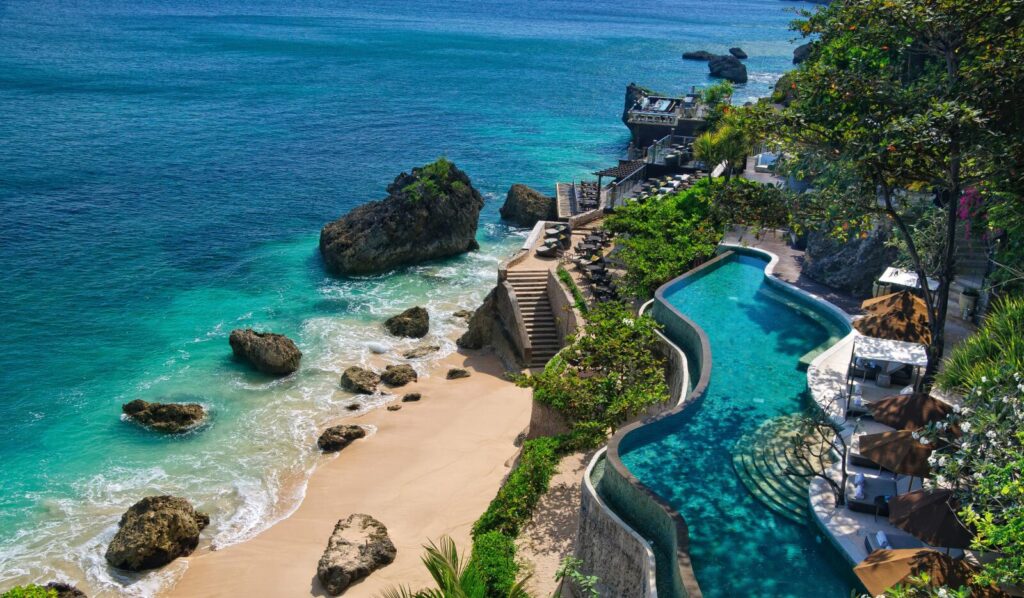
    • Infinity pools overlooking jungles
    • Black sand beaches
    • Beautiful temples and cultural spots

    Best Spots: Ubud rice terraces, Tegenungan Waterfall, Pura Lempuyang Gate

    Banff National Park, Canada

    Banff is one of the most beautiful mountain destinations in the world. Its turquoise lakes and snowy peaks look unreal.

    Why It’s Photogenic:

    • Glacial lakes with reflective water
    • Majestic Rockies
    • Colorful hiking trails
    • Snowy winter landscapes

    Best Spots: Lake Louise, Moraine Lake, Bow Lake

    Venice, Italy

    Venice is pure romance with its canals, bridges, and ancient architecture.

    Why It Stands Out:

    • Gondola rides
    • Narrow charming alleys
    • Old churches and palaces
    • Sunset reflections on the water

    Best Spots: Rialto Bridge, Grand Canal, St. Mark’s Square

    Cappadocia, Turkey

    Known for its hot air balloons and unique rock formations, Cappadocia offers one of the most magical sunrise views on Earth.

    Why It’s Instagram Famous:

    • Hundreds of colorful hot air balloons at sunrise
    • Cave hotels
    • Rock formations
    • Stunning desert-like landscape

    Best Spots: Goreme viewpoint, Love Valley, Uchisar Castle

    Maldives

    Maldives is the ultimate luxury island destination. Crystal-clear water, overwater villas, and vibrant coral reefs make every photo breathtaking.

    Why It’s Perfect for Instagram:

    • Water so blue it looks edited
    • Floating breakfasts
    • Overwater bungalows
    • Perfect sunrise and sunset scenes

    Best Spots: Any overwater villa, sandbanks, private island beaches

    Tips to Capture Instagram-Worthy Photos

    To make your travel photos stand out, consider a few simple techniques:

    Use natural light: Early morning and sunset offer the softest, most flattering lighting.
    Find unique angles: Explore beyond popular viewpoints to discover fresh perspectives.
    Include local elements: Traditional clothing, markets, foods, and cultural details add storytelling value.
    Edit lightly: Enhance colors but avoid over-editing that looks unrealistic.
    Travel during off-peak hours: This ensures empty backgrounds and peaceful shots.

    Final Thoughts

    The world is full of extraordinary places waiting to be photographed. Whether you love natural landscapes, modern cities, ancient architecture, or tropical islands, the most Instagrammable destinations combine beauty with character. These places not only look stunning on camera but also offer meaningful travel memories.

  • Expert Tips to Find the Cheapest Flights in 2025: Deals, Hacks & Hidden Tricks

    Expert Tips to Find the Cheapest Flights in 2025: Deals, Hacks & Hidden Tricks

    Finding the cheapest flights in 2025 isn’t just luck—it’s strategy. With airfare prices constantly changing, demand rising, and airlines using advanced pricing algorithms, knowing a few insider tricks can help you save hundreds on every trip. Whether you’re a frequent traveler, a budget backpacker, or someone planning your first international adventure, this guide gives you the most effective, practical, and updated methods to book flights at the lowest possible prices.

    Below is a complete, highly optimized, travel-friendly guide packed with proven hacks, money-saving tools, and industry secrets to help you fly smart in 2025.

    Use Flexible Dates to Unlock Cheaper Fares

    The biggest mistake most travelers make is picking fixed travel dates. Airfare varies daily based on demand, seasonality, and how full a flight already is. The more flexible you are—even by 1–2 days—the more money you save. Flights are typically cheapest midweek, especially Tuesday and Wednesday, because there’s less demand. Early morning and late-night flights (red-eye flights) also tend to be far more affordable than midday departures.

    To find the cheapest date combinations, use fare calendars from Google Flights or Skyscanner. They show you which exact days offer the lowest prices, often helping you save 20–40% instantly. Flexibility is the strongest weapon in your flight-booking strategy.

    Set Fare Alerts and Track Prices Before You Book

    Prices for flights don’t stay the same—they fluctuate multiple times a day. Instead of checking manually, use price alerts. Tools like Google Flights, Hopper, and Kayak monitor fares for your route and notify you the moment prices drop. This ensures you lock in deals at the right time without overpaying.

    Start tracking flights at least 6–8 weeks before international trips and 3–4 weeks before domestic ones. The earlier you monitor, the better insight you get into whether prices are trending up or down. This helps you book when fares are at their lowest point.

    Search Flights Using Incognito Mode or Private Browsing

    Many travelers have noticed prices increasing after repeatedly checking the same route. While airlines deny this, travel search engines can store cookies that influence the fare you see. To avoid dynamic price hikes, always search in incognito mode. This ensures you get fresh results every time without your browsing history affecting the price.

    Another trick is comparing prices across multiple devices—or even through a VPN—to see if changing your virtual location gives you lower fares. It’s a simple yet effective hack that often reveals cheaper listings.

    Consider Nearby Airports for Lower Prices

    Flying into or out of major hubs isn’t always the cheapest option. Nearby secondary airports can offer significantly lower fares because they handle less traffic and compete aggressively for passengers. For example, instead of booking a flight to a city’s main international airport, compare fares with smaller airports within 1–2 hours of your destination.

    This trick is especially helpful in Europe and the U.S., where alternate airports often offer major savings. Many travelers save between $50–$200 simply by adjusting their arrival or departure point.

    Book at the Right Time—Not Too Early, Not Too Late

    Contrary to popular belief, booking months in advance is not always the cheapest option. Airlines follow pricing patterns, and each route has a “sweet spot” where fares are lowest. For international flights, the best time to book is usually 2–5 months before your trip. For domestic flights, aim for 3–7 weeks before departure.

    Avoid booking too close to the travel date because prices typically rise sharply within the final 14 days. Last-minute deals do happen, but they’re rare and unpredictable. Booking strategically gives you the best chance of getting a low price without stress.

    Use Flight Comparison Tools and Meta-Search Engines

    Instead of checking one airline at a time, use meta-search tools that compare prices across hundreds of airlines and booking sites. Websites like Skyscanner, Momondo, and Kayak often display hidden fares, budget airline deals, and cheap combinations you won’t find elsewhere.

    These tools also show multi-airline itineraries, which combine different carriers to create a cheaper round trip. Sometimes flying out with one airline and returning with another results in big savings. Always compare before booking directly.

    Take Advantage of Airline Rewards, Miles, and Credit Card Points

    Travel reward programs are one of the most powerful ways to cut flight costs. Many travelers fly for half the price—or even free—by using accumulated miles. If you travel at least once or twice a year, join the loyalty programs of major airlines. You can earn miles through flights, hotel bookings, dining programs, or partner purchases.

    Travel credit cards also offer welcome bonuses, which can instantly give you thousands of miles, enough for a discounted or free international trip. If you use your miles wisely and stay aware of redemption sweet spots, you can significantly reduce your travel expenses.

    Look for Error Fares and Flash Deals Before They Disappear

    Error fares happen when airlines accidentally list flights at extremely low prices due to technical glitches. These can save you 60–90% on international flights. Sites like SecretFlying, Scott’s Cheap Flights, and Airfarewatchdog track these rare fares and alert users instantly.

    Flash sales, on the other hand, are intentional discounts offered by airlines for a limited time. These deals often last only a few hours. Subscribe to airline newsletters so you get notified before seats sell out. In 2025, error fares and flash deals remain some of the quickest ways to book cheap long-haul flights.

    Split Your Journey to Save More Money

    Direct flights are usually more expensive. Splitting your journey with a layover—or even planning two separate connecting flights—can dramatically reduce costs. This method is especially effective for long-haul routes like Europe to Asia or North America to Australia.

    If you choose to self-connect using two separate tickets, make sure you leave enough time between flights. While this requires a bit more planning, the savings can be huge and often worth the effort. Some travelers also use this trick to turn layovers into mini-trips at no extra cost.

    Conclusion

    Getting the cheapest flight in 2025 is all about smart planning, flexible dates, and knowing how airline pricing really works. By using fare alerts, searching incognito, comparing nearby airports, monitoring price trends, collecting miles, and staying alert for flash deals, you can consistently find flights at unbeatable prices. Travel doesn’t have to be expensive—if you use the right strategies, you can explore the world while keeping your budget in check.

    With these expert-level hacks, you’ll never overpay for flights again. Happy travels—and even happier savings!