
Author: Espin Reacher

  • 5 Simple Tips To Beat Bloat And Feel Better Every Day

    5 Simple Tips To Beat Bloat And Feel Better Every Day

    What is Bloat and Its Symptoms

    Bloat is a condition where the stomach becomes distended and swollen with gas. The main symptom of bloat is abdominal pain and discomfort. Other symptoms may include belching, burping, flatulence, nausea, and vomiting. If left untreated, bloat can lead to serious health complications such as dehydration, electrolyte imbalance, and even death.

    There are several ways to prevent and treat bloat. Some simple tips include avoiding carbonated beverages, eating smaller meals more slowly, avoiding high-fat foods, and not smoking. If you experience symptoms of bloat, over-the-counter medications such as antacids or simethicone can help to relieve symptoms. However, if you experience severe or persistent symptoms of bloat, it is important to see a doctor or other healthcare provider for treatment.

    Causes of Bloat

    There are many different causes of bloat, but the most common cause is gas. Gas can be caused by a number of things, including eating too much, drinking carbonated beverages, and smoking. Other causes of bloat include constipation, overeating, lactose intolerance, and pregnancy.

    Tip #1: Stay Hydrated

    When it comes to beating bloat, one of the simplest things you can do is to make sure you’re staying hydrated. Drinking plenty of water helps to keep things moving through your digestive system, which can help reduce bloating. And if you’re prone to constipation, staying hydrated is even more important since it can help keep things moving along.

    Tip #2: Avoid Foods That Cause Bloating

    There are certain foods that are more likely to cause bloating than others. These include dairy products, fried foods, processed meats, and sugary snacks. If you find that you’re prone to bloating after eating these types of foods, it’s best to avoid them altogether.

    Instead, focus on eating plenty of fruits and vegetables, lean protein, and whole grains. These healthy foods will help keep your digestive system running smoothly and prevent bloating.

    Tip #3: Move Your Body

    It’s no secret that exercise is good for you. But when you’re feeling bloated and sluggish, the last thing you want to do is get up and move your body. However, exercise is actually one of the best things you can do to beat bloat.

    When you move your body, you help to stimulate your digestive system and promote regularity. Exercise also helps to reduce stress, which can be a major contributor to bloating. And, of course, when you burn calories through exercise, you help to reduce excess water weight.

    So next time you’re feeling bloated, try taking a brisk walk, going for a swim, or even just doing some light stretching at home. You’ll be surprised at how much better you’ll feel!

    Tip #4: Manage Stress

    Stress can be a major contributor to bloating and other digestive issues. When you’re feeling stressed, your body produces cortisol, which can cause inflammation in the gut. This can lead to gas, pain, and other uncomfortable symptoms.

    To manage stress and reduce your risk of bloating, try to:

    -Identify your triggers: What situations or activities make you feel stressed? Once you know what your triggers are, you can start to avoid them or plan for them in advance.

    -Practice relaxation techniques: Deep breathing, meditation, and yoga can all help to calm the mind and body.

    -Exercise: Exercise releases endorphins that can help to improve your mood and reduce stress levels. Just be sure not to overdo it, as too much exercise can actually increase cortisol levels.

    -Get enough sleep: Lack of sleep can worsen stress levels, so be sure to get 7-8 hours per night.

    Tip #5: Get Enough Sleep

    Most people need around eight hours of sleep per night. If you’re not getting enough sleep, your body doesn’t have time to recover from the day’s activities. This can lead to feeling tired and sluggish the next day.

    To get enough sleep, establish a regular bedtime routine and stick to it as much as possible. disconnect from electronics screens at least 30 minutes before bedtime, and create a relaxing environment in your bedroom. If you have trouble falling asleep, try some relaxation techniques such as deep breathing or progressive muscle relaxation.

    Conclusion

    Bloating can be a nuisance, but it doesn’t have to ruin your day. By following these 5 simple tips, you can reduce the discomfort associated with bloating and also improve digestion. Eating smaller meals more often is an important part of managing bloating as well as drinking plenty of water and avoiding carbonated drinks. Additionally, including probiotics in your daily routine can help support healthy digestion and make a big difference in how you feel each day. So don’t let bloat slow you down – try these tips today for better digestive health!
  • Can Cactus Plants Help Spice Up Your Home Decor? Here’s What You Need To Know

    Can Cactus Plants Help Spice Up Your Home Decor? Here’s What You Need To Know

    Introduction to Cactus Plants

    If you’re looking for a unique, Eye-catching plant to add to your home decor, then cactus plants are a great option! These spiky, desert dwellers come in all sorts of shapes and sizes and can be easy to care for if you know what you’re doing. In this article, we’ll give you a crash course on cacti – everything from how to water them properly, to where they’ll thrive in your home. Keep reading to learn more about these fascinating plants!

    Benefits of Having a Cactus Plant in Your Home

    If you’re looking for a plant that can add a unique touch to your home decor, you may want to consider a cactus plant. Cacti come in a wide variety of shapes and sizes, so you can easily find one that fits your space. In addition to being visually interesting, cactus plants offer a number of benefits for your home.

    For starters, cactus plants are known for their ability to purify the air. They help to remove toxins and improve air quality, which is especially beneficial if you live in an urban area with lots of pollution. Additionally, cactus plants can help to humidify the air, which can be helpful in dry climates.

    Cactus plants are also relatively easy to care for. They don’t require a lot of water or maintenance, so they’re ideal if you’re not looking for a high-maintenance plant. And because they don’t take up a lot of space, cactus plants are perfect for small apartments or homes where space is limited.

    So if you’re looking for a plant that’s both stylish and functional, consider adding a cactus plant to your home decor.

    Different Types of Cactus Plants

    Cactus plants come in all shapes and sizes and can be a great way to add some visual interest to your home decor. Here are some of the most popular types of cactus plants:

    1. Barrel cactus – These cacti have a rounded shape and can grow to be quite large. They are native to the desert regions of the southwestern United States and northern Mexico.
    2. Saguaro cactus – The saguaro is the largest type of cactus, and can grow up to 60 feet tall! They are native to the Sonoran Desert in Arizona, California, and northwestern Mexico.
    3. Prickly pear cactus – Prickly pears are a type of flat-stemmed cactus that produces edible fruit. They are native to warm, arid regions of the Americas and their fruits (often called ‘cactus figs’) are popular in Mexican cuisine.
    4. Hedgehog cactus – Hedgehog cacti are small, round cacti that get their name from their spiky ‘hedgehog’ like appearance. They are native to dry habitats in Mexico and the southwestern United States.

    How to Care for Cactus Plants

    Cacti are a type of plant that is native to semi-desert or dry regions. They are well known for their spiky, fleshy leaves that store water in order to survive long periods without rainfall. Cacti come in all shapes and sizes, making them a popular choice for home decoration. While they may be prickly to the touch, cactus plants can actually make great houseplants! Here are a few tips on how to care for your cactus plants:

    1. Light: Cacti need bright light in order to grow, but they should not be placed in direct sunlight. If you live in an area with intense sun, it’s best to filter the light with a sheer curtain or place your cactus plant in a east- or west-facing window.
    2. Water: One of the most common mistakes people make when caring for cactus plants is over-watering them. These plants store water in their leaves, so they only need to be watered every two to three weeks. When watering your cactus, make sure to thoroughly soak the soil and then allow it to dry out completely before watering again.
    3. Soil: Cacti need well-draining soil in order to thrive. A good potting mix for cacti includes two parts sand or grit and one part organic matter such as peat moss or coco coir. Be sure to avoid using regular potting soil as it

    Creative Ways to Use Cacti in Home Decor

    Cacti are often thought of as spiky, desert plants that aren’t particularly attractive. However, there are actually a wide variety of cacti that come in all sorts of shapes, sizes, and colors. And when it comes to home decor, cacti can be used in a number of creative ways.

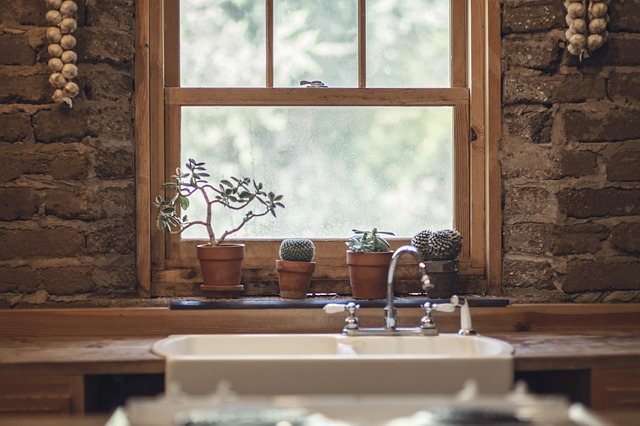
    For example, cacti make great centerpieces for tables or shelves. They can also be potted in unique containers and used as decoration around the house. Cacti can even be hung on walls or placed in windowsills to add a touch of green to any room.

    Of course, one of the best things about using cacti in home decor is that they are incredibly easy to care for. Cacti don’t need much water or attention, so they’re perfect for people who don’t have a lot of time for plant maintenance.

    If you’re looking for a way to add some life to your home decor, consider using cacti in some of these creative ways.

    Conclusion

    If you’re looking for a unique and eye-catching way to freshen up your home décor, cactus plants are an excellent choice. These resilient succulents come in a wide variety of shapes and sizes, making them incredibly diverse and capable of fitting into any style of home. With the right care and attention, these desert beauties can last years as part of your interior design scheme. So why not consider adding some cacti to your living space today?