Author: Freddie Brown

  • How to Take Instagram-Worthy Travel Photos Like a Pro

    How to Take Instagram-Worthy Travel Photos Like a Pro

    Capturing stunning travel photos is no longer just about memories; it’s a way to express creativity, share experiences, and inspire thousands online. With the rise of Instagram and visual storytelling, travelers today aim to take pictures that stand out, tell a story, and look professionally shot. The good news? You don’t need a high-end camera or expensive gear to take Instagram-worthy travel photos. With the right techniques and a little preparation, anyone can shoot images that look polished and captivating.

    Choose the Right Time to Shoot

    Lighting is one of the biggest factors that affects the mood and quality of a photo. The best time to capture travel shots is during the golden hour—the first hour after sunrise and the last hour before sunset. The soft, warm light creates flattering shadows and enhances natural colors. Midday sunlight can be harsh, but if you must shoot then, look for shaded areas or capture silhouettes instead.

    Use Strong Composition Techniques

    Professional-looking photos rely on strong composition. Simple rules like the rule of thirds, leading lines, symmetry, and framing can instantly elevate your shots. Use pathways, windows, doorways, trees, or architecture to frame your subject. Place points of interest slightly off-center to create more dynamic visuals. Paying attention to composition helps your photos feel intentional and eye-catching.

    Focus on Storytelling

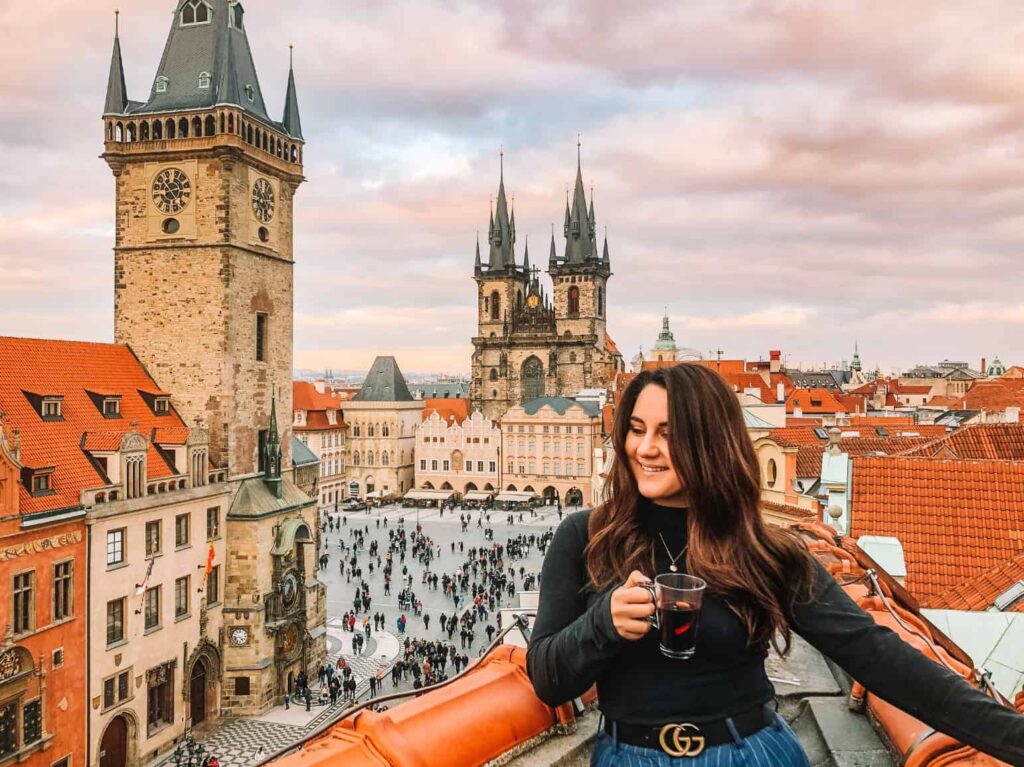
    An Instagram-worthy photo is not just beautiful—it tells a story. Instead of only photographing landmarks, include small details that show your journey. Capture a steaming cup of coffee overlooking a mountain, footprints in the sand, or local culture in action. Candid shots also add authenticity, making your travel memories more relatable and emotionally engaging for viewers.

    Add a Human Element

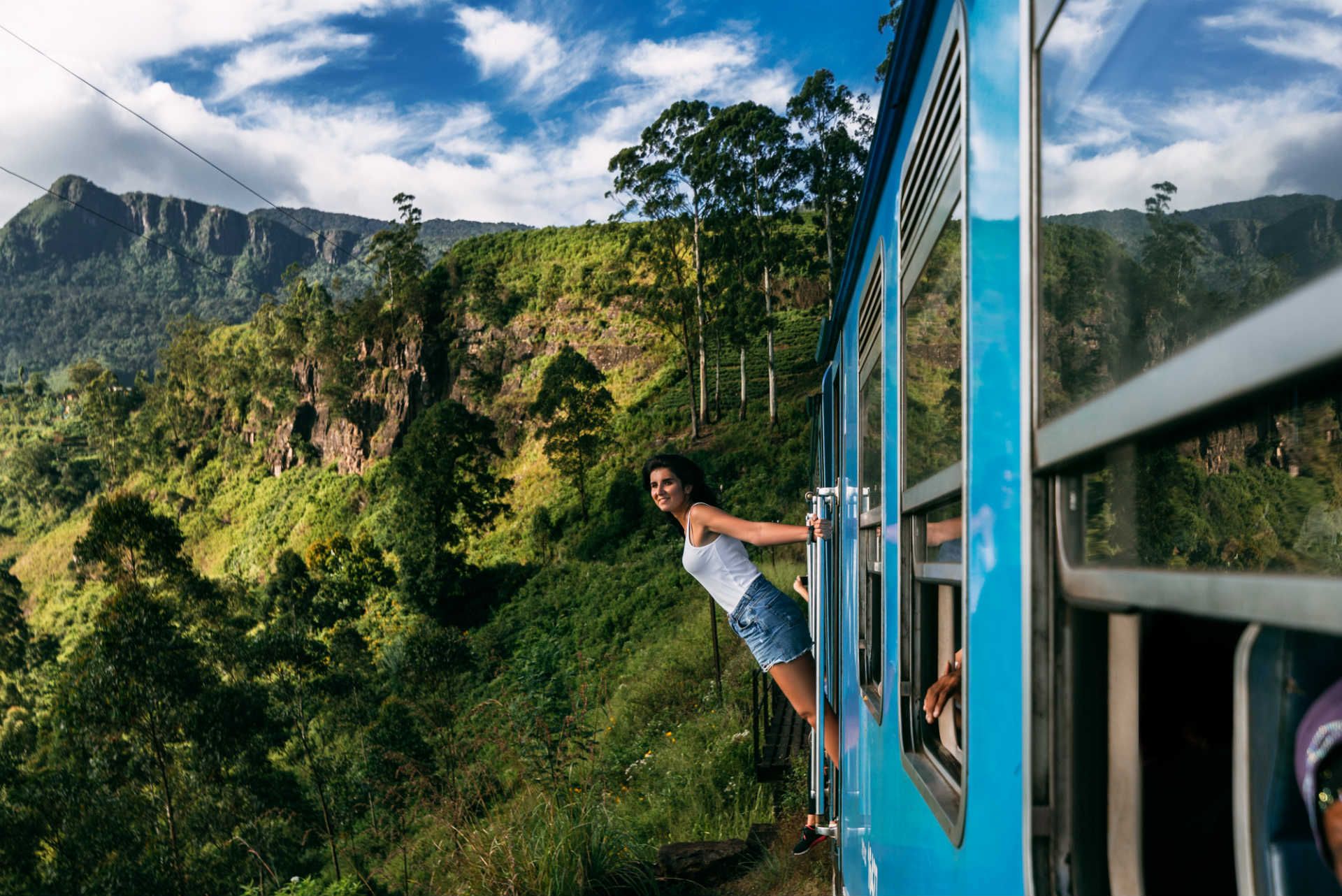
    Photos that include people often perform better on Instagram because they add scale, emotion, and personality. You can use yourself, a friend, or even a silhouette to enhance your photo. A person standing near a massive waterfall or sitting on a cliff instantly gives the viewer a sense of the place’s grandeur. Try capturing natural movements—walking, looking away, or interacting with the surroundings—for a more genuine look.

    Use Natural Angles and Unique Perspectives

    Instead of taking a typical eye-level shot, experiment with angles. Shoot from above, capture low angles, or tilt the camera for an artistic touch. Kneeling down, climbing a small height, or moving a few steps to the side often unlocks a more dramatic and refreshing perspective. A unique angle can turn an ordinary subject into a standout image.

    Edit Smartly Without Overdoing It

    Editing plays a huge role in making your travel photos Instagram-ready. Use apps like Lightroom, VSCO, or Snapseed to enhance colors, adjust lighting, and sharpen details. Keep edits natural—avoid overly saturated tones or extreme filters that distort the scene. Aim for consistency across your feed by sticking to a similar style or color palette. Clean editing helps your images pop while still feeling authentic.

    Pay Attention to Backgrounds and Clutter

    A beautiful shot can be easily ruined by a messy background. Before clicking, observe your surroundings and remove distracting elements if possible. Avoid crowds by shooting early in the morning or choosing lesser-known spots nearby. Clean backgrounds highlight your subject better and give your photos a crisp, professional finish.

    Conclusion

    Taking Instagram-worthy travel photos doesn’t require expensive equipment—just creativity, awareness, and a few pro techniques. By mastering composition, using the right light, adding storytelling elements, and editing with intention, you can transform simple travel moments into stunning visual memories. The more you practice, the more naturally these habits will come. With the right approach, every destination becomes an opportunity to capture something extraordinary.

  • Ultimate Packing Guide for Minimalist Travelers

    Ultimate Packing Guide for Minimalist Travelers

    Traveling light is no longer just a trend—it’s a lifestyle embraced by modern travelers, digital nomads, and adventurers. Minimalist travel focuses on bringing only the essentials, reducing stress, and maximizing freedom. By packing smartly, you can move faster, avoid baggage fees, and fully enjoy your journey without being weighed down. This guide covers everything a minimalist traveler needs to know to pack efficiently for any trip.

    Why Minimalist Packing Matters

    Minimalist packing saves time, money, and energy. Instead of dragging heavy suitcases, you carry only what you truly need. Traveling light means you can navigate airports, trains, buses, or city streets easily. It also encourages mindful consumption—you focus on essentials rather than overpacking unnecessary items. For long-term travelers, digital nomads, or weekend explorers, minimalist packing is key to stress-free adventures.

    Choosing the Right Bag

    The foundation of minimalist travel is selecting the perfect bag. Backpacks, carry-ons, or duffel bags are ideal because they limit your space and force you to prioritize essentials. A lightweight, durable bag with organized compartments ensures everything has a place. Look for bags that are versatile, comfortable, and easy to carry, especially if you plan on walking, cycling, or using public transport.

    Clothing Essentials

    When packing clothes, focus on versatility and comfort. Neutral colors, lightweight fabrics, and layers work best. Choose items that can mix and match to create multiple outfits. Include a comfortable pair of shoes for walking, a pair for evenings or special occasions, and compact footwear like flip-flops for beaches. Limit bulky items and focus on quick-drying, wrinkle-free fabrics that reduce the need for laundry or ironing.

    Toiletries and Personal Care

    Minimalist travelers should simplify their toiletries. Travel-sized containers, reusable bottles, and solid alternatives (like shampoo bars or soap bars) save space. Essential items include toothbrush, toothpaste, deodorant, and any necessary medications. Avoid packing full-size products or extras you won’t need. Prioritize items that are multi-purpose, lightweight, and eco-friendly.

    Tech Gear and Accessories

    Technology is vital for modern travelers, but minimalist packing focuses on essentials only. A smartphone, charger, headphones, and power bank often suffice. If you work remotely, include a lightweight laptop or tablet. Consider compact adapters, memory cards, or a small camera if photography is important. Avoid carrying bulky equipment unless necessary. Packing efficiently ensures your tech stays safe and manageable.

    Travel Documents and Money

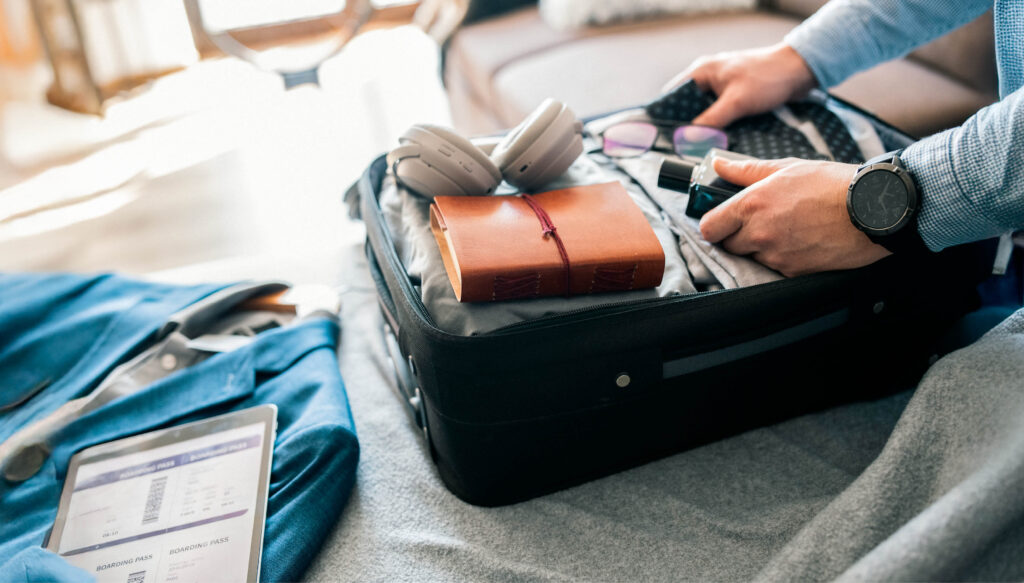
    Keep all travel documents organized and accessible. A small travel wallet or document organizer works best. Essentials include passport, visa (if applicable), tickets, insurance, and any reservation confirmations. Carry minimal cash and rely on cards or mobile payments for convenience. This reduces clutter and minimizes the risk of losing important items.

    Packing Tips for Minimalists

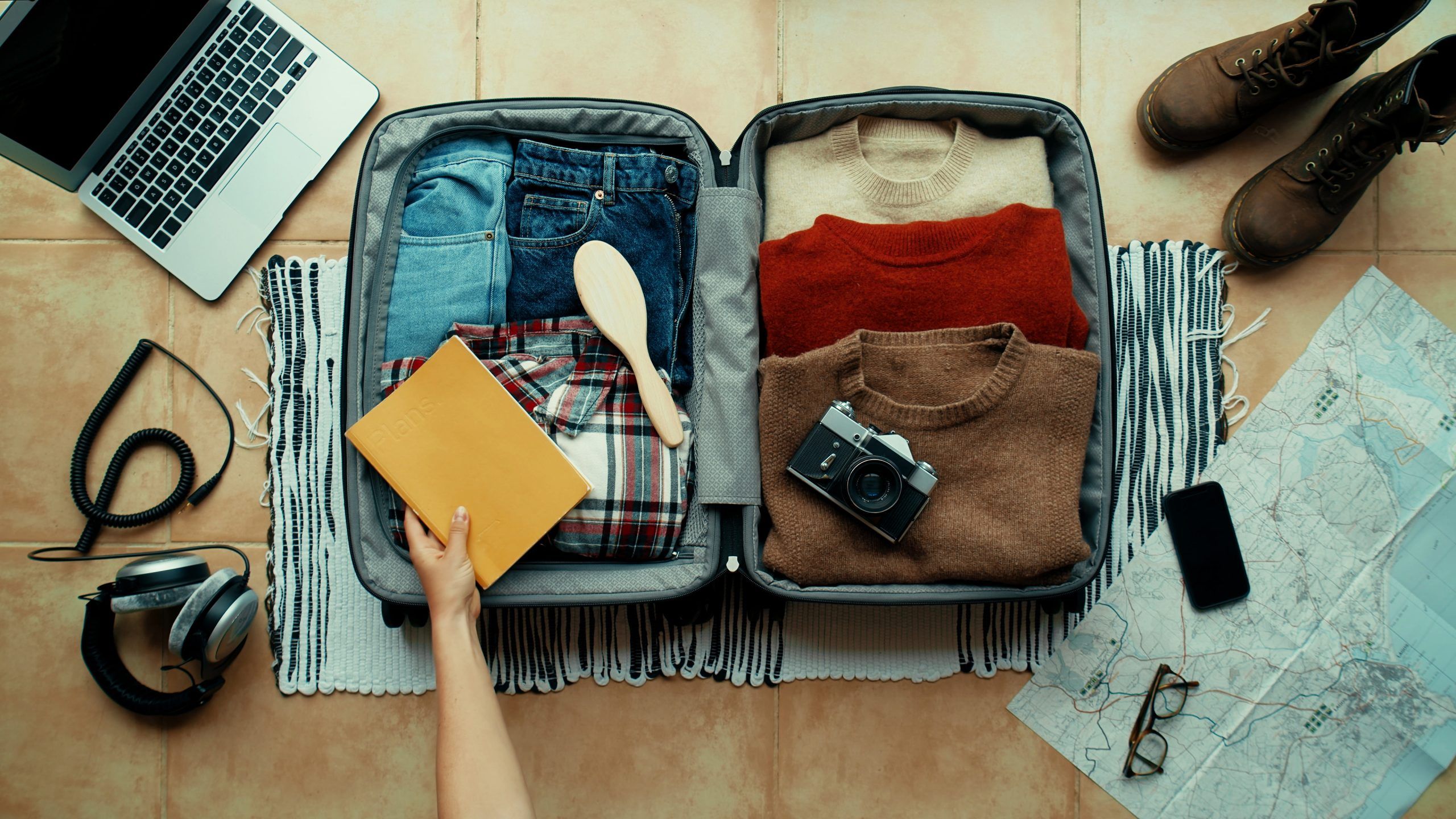
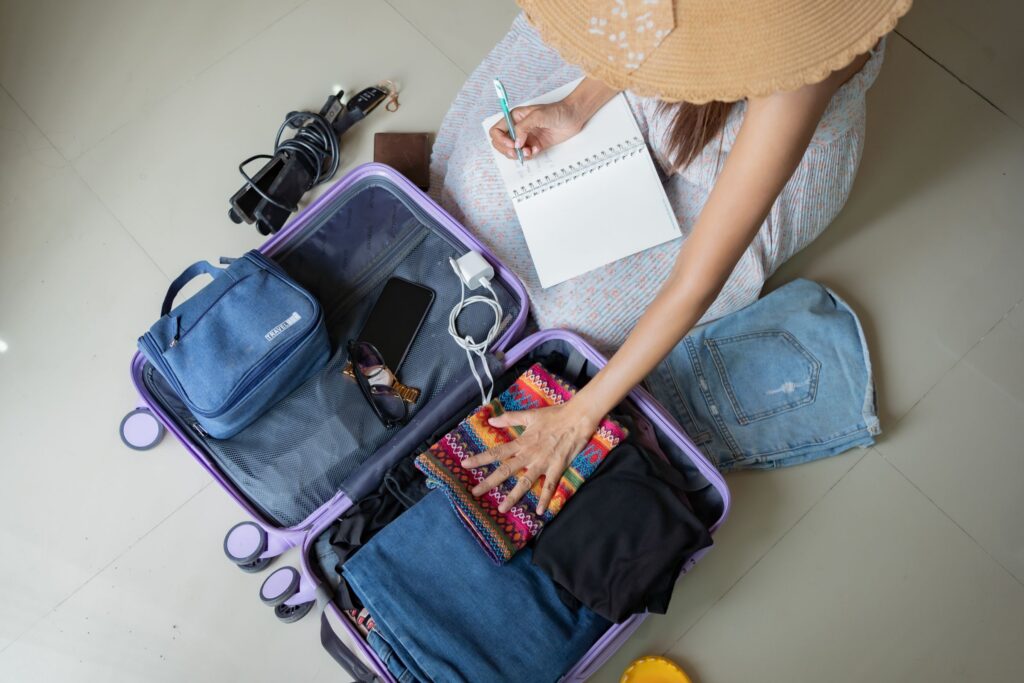
    Rolling clothes instead of folding saves space and prevents wrinkles. Use packing cubes to separate items, making it easier to find things quickly. Limit yourself to one or two bags and avoid bringing items “just in case.” Prioritize multifunctional items like a scarf that doubles as a blanket or a jacket with multiple pockets. Always remember: if you haven’t used it in the last month, you probably don’t need it.

    Benefits of Minimalist Travel

    Traveling light offers freedom, flexibility, and peace of mind. You can move quickly between destinations, avoid baggage fees, and feel less stressed about lost luggage. Minimalist packing also encourages mindful spending, eco-friendly choices, and appreciation for experiences over possessions. By focusing on essentials, you enjoy a simpler, more intentional travel experience.

    Conclusion

    Minimalist packing transforms the way you travel. By focusing on essentials, choosing versatile items, and streamlining your luggage, you can enjoy stress-free adventures while staying organized and efficient. Whether you’re embarking on a weekend getaway, a long-term trip, or a digital nomad journey, this ultimate packing guide ensures you carry only what you truly need. Travel lighter, smarter, and with more freedom in 2025 and beyond.

  • What to Expect on a Cruise in 2025: New Trends and Must-Know Tips

    What to Expect on a Cruise in 2025: New Trends and Must-Know Tips

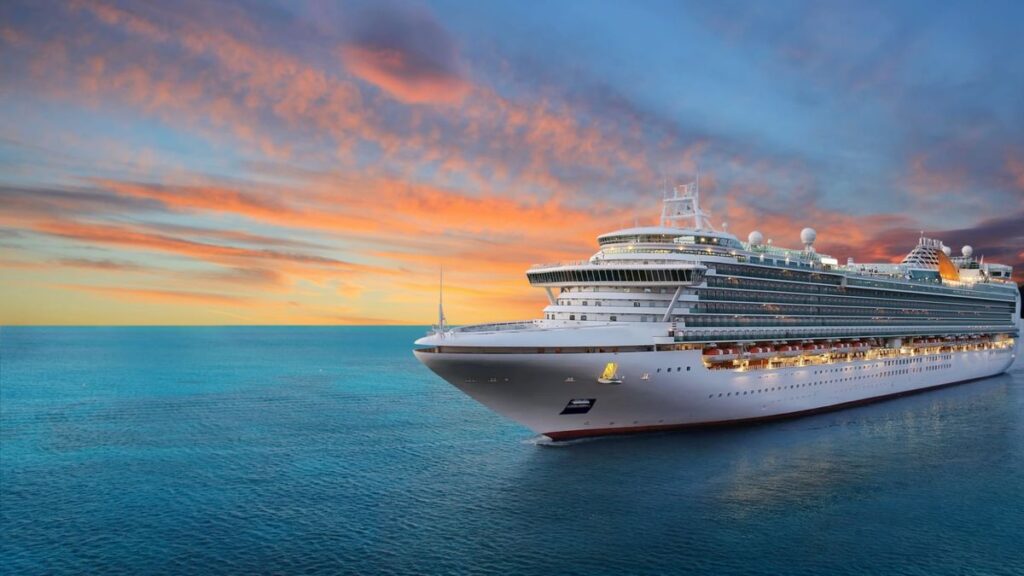
    Cruising in 2025 looks more exciting, innovative, and traveler-friendly than ever before. Cruise lines are upgrading their ships with futuristic technology, sustainable operations, new global routes, and immersive onboard experiences designed to match shifting traveler expectations. Whether you’re planning your first cruise or returning for another ocean getaway, understanding what’s new in 2025 will help you plan better, save more, and enjoy a smoother journey. Here’s what to expect from cruises in 2025 and the important tips you need before you set sail.

    Bigger Ships With More Personalized Experiences

    Cruise ships in 2025 are larger, but they’re also more personalized. Instead of packing more people, cruise lines are adding themed neighborhoods, private lounges, rooftop pools, boutique dining areas, and exclusive adult-only zones. Travelers can expect more cabin types, from budget-friendly interior rooms to luxury suites with private whirlpools and ocean-view terraces. Many ships now use smart wristbands or apps that personalize dining options, entertainment schedules, and room access for a seamless onboard experience.

    Eco-Friendly Innovations and Sustainable Cruising

    Sustainability is a major focus for cruise companies in 2025. New ships are powered by cleaner fuels like LNG, hybrid engines, and electric propulsion systems. Waste reduction, plastic-free dining, and onboard recycling systems are becoming the norm. Travelers can also expect eco-friendly shore excursions that support local communities and reduce environmental impact. If you care about responsible travel, 2025 cruises offer more green options than ever before.

    Expanded Global Routes and Unique Destinations

    Cruise lines are expanding their itineraries to include underrated and untouched destinations. Beyond the classic Caribbean and Mediterranean routes, 2025 offers more sailings to places like Antarctica, the Arctic Circle, West Africa, South Pacific islands, and the Middle East. Shorter weekend cruises and long world-cruise routes are also gaining popularity. Travelers can choose between adventure-focused routes, cultural immersion journeys, and relaxed island-hopping escapes tailored to different interests.

    High-Tech Entertainment and Immersive Activities

    Entertainment on cruise ships has reached a new level in 2025. Expect state-of-the-art shows, interactive digital theaters, VR gaming zones, underwater observation lounges, and live music events. Many ships also offer cooking classes, wine tastings, dance lessons, fitness programs, and themed sailing events. Couples can enjoy rooftop movie nights, while families can explore water parks, go-kart tracks, zip lines, and surf simulators. Cruises are no longer just about relaxation—they’re immersive, activity-packed vacations.

    Health, Safety, and Convenient Onboard Services

    Health and safety continue to remain a top priority in 2025, but without the heavy restrictions of previous years. Advanced air filtration, digital check-ins, telemedicine options, and improved sanitation systems provide peace of mind. Many cruise lines now offer 24/7 medical support, express boarding, and mobile apps for dining reservations, activity bookings, and real-time ship navigation. Everything is designed to reduce waiting times and improve passenger comfort.

    Smarter Dining Options and Inclusive Meal Plans

    Cruise dining in 2025 blends variety with convenience. Travelers can enjoy global cuisine, specialty restaurants, plant-based menus, waterfront dining, and late-night snack stations. All-inclusive dining offers more transparency, meaning fewer surprise charges at the end of your trip. Beverage packages, chef’s tasting menus, and romantic private dining setups are also more accessible. Whether you want fine dining or casual meals, options have expanded widely.

    Tips to Make the Most of Your 2025 Cruise

    Book early to get the best cabin locations and early-bird discounts. Research the ship layout to choose rooms away from noisy zones. Compare drink packages, Wi-Fi plans, and excursion bundles to avoid overspending. Bring essential items like motion-sickness medicine, power adapters, and comfortable walking shoes. If possible, arrive at your departure city a day earlier to avoid delays. Staying prepared ensures a smooth and stress-free sailing experience.

    Conclusion

    Cruising in 2025 offers a blend of luxury, innovation, sustainability, and unforgettable experiences. With smarter ships, greener travel, global routes, immersive activities, and upgraded services, modern cruises cater to every type of traveler. Whether you’re chasing adventure or planning a romantic escape, understanding the new trends and tips will help you enjoy a cost-efficient, comfortable, and memorable journey at sea.

  • Most Romantic Destinations for Couples in 2025

    Most Romantic Destinations for Couples in 2025

    Whether you’re planning a honeymoon, an anniversary trip, or a surprise getaway with your partner, the world is full of breathtaking places designed for romance. In 2025, couples are seeking intimate destinations where they can reconnect, relax, and create unforgettable memories together. From exotic beaches to charming European towns, these are the most romantic destinations every couple should consider for their next escape.

    Santorini, Greece – Sunset Paradise for Lovers

    Santorini remains one of the world’s most romantic destinations thanks to its iconic white-washed villas, blue-domed churches, and magical sunsets. Couples love strolling through the narrow lanes of Oia, dining in cliffside restaurants overlooking the Aegean Sea, and staying in cave-style suites with private pools. The slow pace of the island, soft golden light, and breathtaking caldera views make Santorini perfect for intimate moments and dreamy photography.

    Maldives – Luxury and Privacy at Its Best

    If privacy and luxury matter most, the Maldives is unmatched. Overwater villas, crystal-clear lagoons, candlelit beach dinners, and world-class spas create the ideal setting for romance. Many resorts sit on private islands, offering couples complete seclusion. Whether you’re snorkeling together, watching dolphins, or enjoying a floating breakfast in your villa, the Maldives guarantees unforgettable romantic experiences in 2025.

    Paris, France – The Timeless City of Love

    No romantic destination list is complete without Paris. With its charming streets, elegant cafés, artistic corners, and iconic landmarks, Paris has been the “city of love” for centuries. Couples can stroll along the Seine River, picnic near the Eiffel Tower, explore Montmartre, or enjoy a romantic dinner cruise. In 2025, the city continues to attract lovers from around the world seeking culture, beauty, and unforgettable ambiance.

    Kyoto, Japan – Tranquility and Tradition

    For couples who prefer peace, culture, and nature, Kyoto is one of the most romantic places to visit. Historic temples, cherry blossoms in spring, gorgeous bamboo forests, and traditional tea houses offer a serene, magical atmosphere. Riding through Arashiyama, exploring Gion’s old streets, or staying in a cozy ryokan with a private onsen creates intimate experiences unlike anywhere else.

    Bali, Indonesia – Spiritual Romance

    Bali combines beaches, lush jungles, and spiritual energy, making it an ideal romantic escape. Couples can enjoy luxury villas with private pools, relaxing spa sessions, scenic rice terraces, and stunning viewpoints. Ubud is perfect for peaceful retreats, while Uluwatu offers clifftop romance with dramatic sunsets. Bali’s warmth, beauty, and cultural charm make it a favorite for couples looking for a soulful getaway.

    Venice, Italy – A Fairytale on Water

    Venice is a dreamy escape for lovers who appreciate history, architecture, and slow romantic moments. Gondola rides through quiet canals, candlelit dinners overlooking the water, and exploring timeless streets create an atmosphere straight out of a fairytale. Venice’s charm lies in its peaceful corners away from crowded spots, where couples can lose themselves in the magic of the floating city.

    Maui, Hawaii – Romance Surrounded by Nature

    Maui offers a perfect mix of adventure and relaxation for couples. From watching the sunrise at Haleakalā to exploring waterfalls, walking along golden beaches, or enjoying beachfront luaus, Maui delivers unforgettable romantic experiences. Private resorts, oceanfront dining, and soothing island energy make it a beautiful choice for couples in 2025.

    Banff, Canada – Cozy Romance in the Mountains

    If you prefer snowy escapes and cabin-style romance, Banff is a stunning choice. The turquoise lakes, snow-covered mountains, and cozy lodges create the perfect setting for couples who love nature and peaceful moments. Whether you’re relaxing in a hot spring, exploring scenic trails, or sipping hot chocolate by the fireplace, Banff offers deep connection and warmth.

    Amalfi Coast, Italy – Breathtaking Coastal Beauty

    The Amalfi Coast is pure romance with its dramatic cliffs, lemon gardens, colorful villages, and Mediterranean views. Stay in Positano for cliffside views, explore Ravello’s gardens, or take a boat ride to Capri. Every corner feels magical, and the slow, luxurious lifestyle creates a dreamy atmosphere ideal for couples celebrating love.

    Queenstown, New Zealand – Romance with a Touch of Adventure

    For couples who enjoy thrilling experiences together, Queenstown is a top pick. Surrounded by mountains and lakes, the town offers adventure activities like paragliding, jet boating, and scenic helicopter rides. But it also has luxurious spas, cozy lakefront stays, and serene viewpoints perfect for romantic moments. Queenstown blends adrenaline and intimacy beautifully.

    Conclusion

    Romantic getaways in 2025 offer more variety than ever. Whether you dream of sunsets in Santorini, luxury in the Maldives, culture in Kyoto, or adventure in Queenstown, there’s a perfect destination waiting for you and your partner. What truly makes these places special is the chance to spend uninterrupted time together—sharing new experiences, exploring beautiful landscapes, and building memories that last a lifetime. No matter which destination you choose, your romantic journey will be nothing short of magical.

  • All-Inclusive vs. DIY Travel: Which Saves More Money in 2025?

    All-Inclusive vs. DIY Travel: Which Saves More Money in 2025?

    Travel planning in 2025 comes with one major decision: should you choose an all-inclusive package or plan your trip DIY-style? Both approaches have their advantages and can save money in different ways. The key is understanding your travel style, destination, and priorities. This article breaks down the pros and cons of both, helping you make the most cost-effective choice without compromising comfort or experience.

    Understanding All-Inclusive Travel

    All-inclusive vacations bundle major expenses into a single upfront cost. Typically, this includes flights, accommodation, meals, drinks, airport transfers, and sometimes activities or entertainment. The main benefit is convenience—everything is prepaid, reducing the risk of unexpected costs. For travelers seeking stress-free planning, especially families or couples, all-inclusive packages can provide a predictable budget.

    Understanding DIY Travel

    DIY travel, or self-planned trips, involves booking flights, hotels, meals, and activities separately. While this method requires more effort, it offers complete control over your itinerary and spending. You can choose cheaper accommodations, eat at local restaurants, and select only the activities that interest you. DIY travel can be ideal for city trips, adventure travel, or travelers who prefer flexibility over structured packages.

    Cost Comparison: All-Inclusive vs DIY

    All-inclusive vacations can be cheaper for resort destinations and tropical getaways because resorts negotiate bulk pricing for food, drinks, and activities. During peak season, these packages often save travelers hundreds of dollars compared to DIY planning. On the other hand, DIY travel shines when exploring cities, multiple destinations, or off-the-beaten-path locations. By selecting budget accommodations, street food, and public transport, you can reduce overall costs significantly.

    Hidden Costs to Consider

    Even all-inclusive packages have hidden costs, such as premium drinks, paid excursions, resort fees, or optional services. DIY travel can also include unexpected expenses like airport transfers, surge pricing for activities, or transportation between multiple hotels. Awareness of these hidden costs is essential for budgeting effectively in 2025.

    Who Benefits Most from Each Option

    Couples: All-inclusive packages offer romantic, stress-free experiences.
    Families: All-inclusive is ideal due to included kids’ meals and entertainment.
    Solo travelers: DIY travel allows flexibility and the option to save on accommodations.
    Adventure seekers: DIY is better for exploring multiple spots and customizing the experience.

    Hybrid Approach: Best of Both Worlds

    In 2025, many travelers are opting for a hybrid method: booking flights and accommodation together while handling meals, local transport, and activities independently. This approach combines convenience with flexibility, often offering the most value for money while tailoring the experience to individual preferences.

    Conclusion

    There is no universal winner between all-inclusive and DIY travel; it depends on your destination, travel style, and priorities. For beach resorts and tropical vacations, all-inclusive packages often save money and simplify planning. For city trips, multi-country adventures, or flexible travel, DIY planning can be more cost-effective. Understanding your preferences and doing proper research ensures you get the best value while enjoying a memorable 2025 travel experience.

  • Best Cruise Destinations for 2025

    Best Cruise Destinations for 2025

    Cruise travel has become one of the most popular ways to explore the world, offering a perfect combination of comfort, adventure, and luxury. With 2025 bringing new routes, innovative ships, and exciting itineraries, planning a cruise has never been more appealing. Whether you want to explore tropical islands, scenic fjords, or historic cities, there is a cruise destination for every type of traveler. This guide highlights the best cruise destinations for 2025, along with tips on what to expect, when to go, and why each destination is worth adding to your travel plans.

    Caribbean Islands

    The Caribbean remains the most sought-after cruise destination worldwide. Known for its turquoise waters, white sand beaches, and lively culture, the Caribbean offers a variety of islands to explore.

    Popular stops include Bahamas, Jamaica, Barbados, and St. Lucia. Cruises in the Caribbean often include shore excursions such as snorkeling, diving, beach parties, and cultural tours. The tropical climate ensures warm weather year-round, making it ideal for travelers looking to escape colder regions. Many cruise lines offer themed experiences, including culinary cruises, adventure cruises, and family-friendly options, ensuring there is something for everyone.

    Mediterranean

    The Mediterranean offers a unique blend of history, culture, and stunning coastal views. Cruises through Italy, Greece, Spain, and Croatia allow travelers to explore iconic landmarks, ancient ruins, and charming coastal towns.

    Destinations like Barcelona, Rome, Athens, Santorini, and Dubrovnik provide opportunities to enjoy world-class cuisine, local wines, and vibrant local culture. Mediterranean cruises are perfect for travelers interested in history and culture, as well as those who enjoy scenic beauty and warm climates. Spring and early summer are considered the best times to visit, avoiding peak tourist season while enjoying pleasant weather.

    Alaska

    Alaska has emerged as a premier destination for cruise travelers seeking breathtaking natural landscapes and wildlife. Glaciers, fjords, and pristine forests create a serene and awe-inspiring environment.

    Popular ports of call include Juneau, Ketchikan, Skagway, and Glacier Bay National Park. Cruises in Alaska often include excursions such as whale watching, glacier hikes, helicopter tours, and dog-sledding experiences. The summer months, from May to September, offer the best weather for cruising. Alaska is ideal for travelers who want a combination of adventure, scenic beauty, and luxury on the water.

    Norwegian Fjords

    Norwegian fjords offer one of the most dramatic and picturesque cruise experiences in the world. These glacially carved landscapes feature steep cliffs, waterfalls, and tranquil waterways.

    Ports such as Bergen, Geiranger, and Stavanger allow travelers to explore quaint villages, hiking trails, and breathtaking viewpoints. Fjord cruises often feature opportunities for kayaking, hiking, and cultural tours in traditional Norwegian communities. Summer is the ideal season for cruising the fjords, with long daylight hours providing ample time to enjoy the scenery.

    Southeast Asia

    Southeast Asia is gaining popularity as a cruise destination, offering vibrant cities, tropical islands, and cultural experiences. Cruises often include stops in Thailand, Vietnam, Singapore, and Malaysia, allowing travelers to explore bustling markets, pristine beaches, and historic temples.

    Shore excursions may include snorkeling, cooking classes, cultural shows, and island hopping. Southeast Asia cruises are known for affordability compared to European or Caribbean cruises, making them an attractive option for budget-conscious travelers seeking luxury experiences. Winter and spring are the best seasons to visit, avoiding heavy monsoon rains.

    South Pacific Islands

    The South Pacific offers some of the most idyllic cruise destinations, featuring remote islands, crystal-clear waters, and vibrant coral reefs. Fiji, Tahiti, Bora Bora, and Vanuatu are among the most popular ports.

    Cruises in this region focus on relaxation, water activities, and cultural immersion. Travelers can enjoy snorkeling, diving, island hikes, and visits to local villages. The tropical climate ensures warm, sunny weather most of the year, making South Pacific cruises a perfect option for honeymooners and couples seeking a romantic escape.

    Australia and New Zealand

    Cruises around Australia and New Zealand offer a mix of natural beauty, wildlife, and modern cities. Ports like Sydney, Melbourne, Auckland, and Wellington provide opportunities for city exploration, wildlife encounters, and scenic adventures.

    Shore excursions may include exploring the Great Barrier Reef, visiting native wildlife sanctuaries, hiking scenic trails, or enjoying local cuisine. The summer months from December to February provide the best weather for cruises in this region, with warm temperatures and calm seas.

    Tips for Planning a Cruise in 2025

    Planning your cruise carefully can enhance your experience and save money. Here are some essential tips:

    • Book Early: Popular cruises fill up quickly. Booking months in advance ensures better cabin selection and lower prices.
    • Choose the Right Cabin: Interior cabins are more affordable, while ocean-view and balcony cabins offer scenic views but at a premium.
    • Plan Shore Excursions in Advance: Booking activities before boarding can save time and money.
    • Consider All-Inclusive Packages: Many cruises offer packages including meals, drinks, and activities, reducing on-board expenses.
    • Travel Off-Peak: Cruising during shoulder seasons can reduce costs and avoid crowded ports.

    Why Cruises Are Ideal in 2025

    Cruising in 2025 offers modern ships with state-of-the-art amenities, expanded itineraries, and themed experiences for every traveler. Eco-friendly initiatives are becoming more common, with many ships reducing emissions and offering sustainable travel options. Cruises combine accommodation, transport, dining, and entertainment in one package, making them ideal for both first-time travelers and experienced explorers.

    WN, Wonder of the Seas,

    Conclusion

    The best cruise destinations for 2025 offer a wide range of experiences, from tropical beaches and romantic islands to historic cities and dramatic fjords. Whether exploring the Caribbean, Mediterranean, Alaska, Norwegian fjords, Southeast Asia, South Pacific, or Australia and New Zealand, cruises provide an unmatched combination of adventure, luxury, and convenience. By choosing the right itinerary, booking in advance, and planning excursions smartly, travelers can enjoy an unforgettable cruise experience in 2025 and beyond.

  • Top Underrated Countries Every Traveler Should Visit in 2025

    Top Underrated Countries Every Traveler Should Visit in 2025

    When people plan international trips, they usually think of the same popular destinations—France, Italy, Thailand, or Bali. But the world is full of extraordinary countries that remain overlooked, even though they offer better landscapes, richer cultures, friendlier locals, and far more affordable travel experiences. These underrated destinations are becoming the new favorites for smart travelers who want less crowd, more authenticity, and unforgettable adventures.

    As travel trends shift in 2025, more explorers are seeking unique, budget-friendly, and offbeat places instead of crowded tourist hubs. If you’re planning your next vacation, these underrated countries deserve a top spot on your bucket list. They offer everything—pristine nature, historic cities, mouthwatering food, and experiences that feel special because they remain relatively untouched by mass tourism.

    Slovenia – Europe’s Hidden Emerald

    Slovenia rarely gets the attention it deserves, yet it is one of Europe’s most breathtaking countries. From the crystal-clear waters of Lake Bled to the underground wonders of Postojna Cave, the landscapes here feel unreal.

    The capital city, Ljubljana, is eco-friendly, vibrant, and filled with charming riverside cafés. Travelers love Slovenia for its affordability compared to Western Europe, its safety, and the ease of exploring mountains, lakes, and coastal towns all in one trip. It’s the perfect country for nature lovers and couples looking for romantic scenery without the overwhelming crowds of places like Switzerland or Italy.

    Georgia – A Cultural and Culinary Treasure

    Georgia has everything: snow-covered mountains, ancient churches, delicious wine, and warm hospitality. The capital, Tbilisi, is known for its European-style streets, colorful architecture, and sulphur bathhouses.

    Georgia is one of the oldest wine-producing regions in the world, and wine tasting in Kakheti is a must. With its unique culture, budget-friendly travel costs, and visa-friendly policies, it is quickly becoming a favorite destination in 2025. Whether you prefer hiking in the Caucasus Mountains or exploring charming old towns, Georgia offers a mix of adventure and relaxation.

    Vietnam – The Perfect Blend of Nature and Culture

    While Vietnam is well known, it remains underrated when compared to Thailand or Singapore. The country offers incredible value for money, diverse landscapes, friendly local markets, and delicious street food.

    From the limestone cliffs of Ha Long Bay to the lantern-lit streets of Hoi An, Vietnam feels like stepping into a completely different world. Travelers seeking authentic experiences love exploring the rice terraces of Sapa, the historic tunnels of Cu Chi, and the lively atmosphere of Ho Chi Minh City. It’s a paradise for backpackers, photographers, food lovers, and culture seekers alike.

    Colombia – A Country Reborn

    Colombia has transformed dramatically in the last decade and is now one of South America’s fastest-growing travel destinations. With its colorful towns, tropical beaches, lush mountains, and world-class coffee farms, the country feels vibrant and full of energy.

    The city of Medellín, once known for its troubled past, is now famous for innovation, nightlife, and beautiful weather. Cartagena’s old town is a treasure of colonial architecture and Caribbean charm. Colombia offers unforgettable experiences and is far more affordable than popular countries like Brazil or Argentina. For travelers seeking culture, adventure, and beautiful scenery, Colombia is a hidden gem worth discovering.

    Albania – Europe’s Best Kept Secret

    Albania is often overshadowed by Greece or Croatia, but its natural beauty and affordability make it a rising star. The Albanian Riviera offers crystal-clear beaches that rival the Mediterranean, but without the high prices or crowds.

    Cities like Tirana and Berat are full of character, with friendly locals, colorful streets, and rich history. Travelers can explore mountains, beaches, lakes, and cultural towns all in one trip. Whether you are backpacking or planning a family holiday, Albania is a perfect choice for affordable and stunning European travel in 2025.

    Jordan – A Journey Through History

    Jordan is one of the Middle East’s safest and most welcoming countries. It offers a rare combination of ancient history and modern comfort. The ancient city of Petra, often called the “Rose City,” is one of the world’s most iconic archaeological sites.

    Travelers can float effortlessly in the Dead Sea, explore the dramatic desert landscapes of Wadi Rum, or enjoy the energy of Amman. Jordan is ideal for adventure seekers, history lovers, and anyone looking for a culturally rich and meaningful travel experience.

    Philippines – A Paradise of Islands

    The Philippines is home to over 7,000 islands, each offering something unique. While many travelers visit Southeast Asia, they often skip the Philippines—and that’s what makes it an underrated tropical paradise.

    Palawan consistently ranks among the world’s most beautiful islands. Boracay offers lively nightlife and powder-white beaches. El Nido and Coron are perfect for divers seeking shipwrecks, vibrant corals, and turquoise lagoons. The hospitality of locals and the country’s affordability make it a dream destination for beach lovers.

    Romania – Fairytale Landscapes and Medieval Charm

    Romania feels like a walk through medieval Europe. Castles, cobblestone streets, untouched countryside, and mystical forests make it one of Europe’s most atmospheric destinations.

    Transylvania, known for the legend of Dracula, is home to charming villages and beautiful fortified churches. The Carpathian Mountains offer excellent hiking, while cities like Bucharest blend modern energy with historic charm. Romania is much more affordable than Western Europe, making it a perfect destination for budget travelers.

    Oman – The Middle East’s Natural Beauty

    Oman stands out for its natural elegance—golden deserts, turquoise coastlines, dramatic canyons, and peaceful culture. Unlike busy tourist hubs, Oman offers calmness and authenticity.

    Visitors love exploring Wadi Shab, swimming in natural pools, watching turtles hatch at Ras Al Jinz, and camping under the stars in the desert. It is one of the safest and cleanest countries to travel in 2025. Oman feels luxurious without being overly commercial, making it perfect for travelers seeking classy, nature-oriented experiences.

    Uruguay – South America’s Hidden Beach Haven

    Uruguay is often overshadowed by Brazil and Argentina, but it offers some of the best beaches, wine regions, and coastal cities in the continent. Punta del Este is known for luxury, nightlife, and soft sandy beaches. Montevideo, its capital, is a mix of historic charm and relaxed seaside living.

    Uruguay is ideal for travelers who want a blend of culture, food, beaches, and safety—all without the rush of mass tourism.

    Final Thoughts

    In 2025, smart travelers are moving beyond the usual tourist hotspots and choosing destinations that offer authenticity, nature, affordability, and rich cultural experiences. These underrated countries prove that you don’t have to follow the crowd to enjoy an unforgettable holiday.

    Whether you want mountains, beaches, adventure, history, or peaceful landscapes, these hidden gems offer experiences that feel special—because they’re not overrun by tourists. Exploring them today means discovering the world at its most beautiful and untouched.

  • The Ultimate Guide to Digital Nomad Travel in 2025

    The Ultimate Guide to Digital Nomad Travel in 2025

    If you dream of working online while exploring the world, 2025 is one of the best years to become a digital nomad. Remote work has become mainstream, coworking spaces exist everywhere, and many countries now offer digital-nomad visas. This guide covers everything you need to know—best destinations, cost of living, safety, internet quality, visas, budgeting tips, and more—to help you plan your perfect work-and-travel lifestyle.

    Best Countries for Digital Nomads in 2025

    Choosing the right destination is the biggest decision. You need strong Wi-Fi, affordable living, a safe environment, and a vibrant community of remote workers.

    Portugal

    Portugal remains one of the top digital nomad hubs because it offers affordable living, great weather, high-speed internet, and an active international community. Cities like Lisbon, Porto, and Madeira are packed with coworking spaces and budget-friendly hostels.

    Thailand

    Bangkok, Phuket, and Chiang Mai are favorites among remote workers thanks to low living costs, amazing food, and reliable internet. Thailand also has a thriving digital nomad community, making it easy to network, meet people, and settle quickly.

    Mexico

    Cities like Mexico City, Playa del Carmen, Tulum, and Oaxaca have become remote-work hotspots. Mexico is affordable, culturally rich, and very welcoming. Many nomads choose it for long-term stays due to the easy visa policy and sunny weather.

    Georgia

    Georgia’s capital, Tbilisi, offers a low cost of living, friendly locals, and a simple visa process. You can stay for up to a year visa-free, making it one of the best choices for slow travelers.

    How Much Does the Digital Nomad Lifestyle Cost?

    One of the biggest advantages of being a digital nomad is cost flexibility. You can choose destinations that match your budget.

    Low-Budget Destinations ($700–$1,200/month)

    • Vietnam
    • Thailand
    • Indonesia (Bali)
    • Cambodia
    • The Philippines

    Mid-Budget Destinations ($1,500–$2,500/month)

    • Mexico
    • Portugal
    • Turkey
    • Spain
    • Malaysia

    High-Budget Destinations ($3,000+/month)

    • Singapore
    • South Korea
    • Japan
    • Dubai
    • Australia

    Digital Nomad Visa Options for 2025

    Many countries now welcome remote workers with special visas:

    • Portugal D7 Visa – great for freelancers
    • Spain Digital Nomad Visa – long stay allowed
    • Greece Digital Nomad Visa – simple process
    • Malaysia DE Rantau Visa – perfect for tech professionals
    • UAE Remote Work Visa – strong infrastructure

    These visas make long-term stays easier and safer for remote workers.

    Internet, Workspaces & Connectivity

    For digital nomads, internet reliability is non-negotiable. The top countries for strong connectivity in 2025 include:

    • South Korea
    • Singapore
    • Portugal
    • UAE
    • Japan
    • Thailand

    Coworking spaces are also booming worldwide. Popular options:

    • WeWork
    • Impact Hub
    • Selina CoWork
    • Regus

    These offer stable Wi-Fi, community events, networking opportunities, and flexible passes.

    What to Pack as a Digital Nomad

    Avoid overpacking. You’ll move around a lot.

    Pack essentials like:

    • Lightweight laptop
    • Universal travel adapter
    • Noise-canceling headphones
    • Portable Wi-Fi device
    • Backup hard drive
    • Comfortable everyday clothing
    • Basic first aid kit

    Choose a carry-on backpack instead of heavy luggage for easier travel.

    Safety Tips for Digital Nomads

    While traveling the world is exciting, safety should always come first.

    Follow these tips:

    • Always work from secure Wi-Fi networks
    • Keep digital backups
    • Use VPN for online security
    • Choose safe neighborhoods for your stay
    • Avoid sharing travel plans publicly
    • Use travel insurance

    For women digital nomads, destinations like Portugal, Japan, Canada, Finland, and Singapore are extremely safe.

    How to Find Cheap Long-Term Stays

    Digital nomads usually avoid hotels and choose cheaper, flexible options.

    Some reliable platforms:

    • Airbnb monthly stays
    • Hostelworld private rooms
    • Booking.com apartments
    • Facebook expat groups
    • Coliving spaces like Outsite, Selina, and NomadX

    Stay longer in one place to save even more money—long-term rates are usually 40–60% cheaper.

    Making Money as a Digital Nomad

    You don’t need an office job to travel. Many nomads earn money through:

    • Freelancing (design, writing, ads management, web development)
    • Remote corporate jobs
    • Virtual assistant work
    • Affiliate marketing
    • YouTube or blogging
    • Social media management
    • Online coaching or consulting
    • E-commerce and dropshipping

    The more skills you build, the more freedom you get.

    Final Thoughts

    The digital nomad lifestyle in 2025 is no longer just a trend—it’s a global movement. With more countries offering remote-work visas, better travel infrastructure, safer destinations, and affordable living options, almost anyone can start this lifestyle. Whether you want beaches, mountains, modern cities, or off-beat towns, there’s a perfect remote-work destination waiting for you.

  • Travel Hacks to Save Money on Flights

    Travel Hacks to Save Money on Flights

    Finding affordable flights has become one of the biggest challenges for modern travelers. Airfare prices fluctuate constantly, and even small changes in timing, destination, or booking methods can make a huge difference. The good news is that with smart strategies, you can drastically reduce your travel costs and enjoy budget-friendly trips around the world.

    This guide shares the most effective and practical travel hacks that help you save money on flights—whether you are planning domestic travel or international vacations.

    Book at the Right Time

    Timing plays a major role in flight pricing. Airlines use dynamic pricing, meaning rates change based on demand, season, and availability. Booking too late or too early can both lead to higher fares.
    Most experts suggest booking flights around six to eight weeks before travel for the best prices. Mid-week days often offer better rates compared to weekends. Being flexible with dates helps you spot the cheapest options.

    Use Price Comparison Tools

    Flight comparison websites are essential for budget-conscious travelers. These platforms collect fares from multiple airlines and display the best deal available.
    Features like flexible date search, price alerts, and fare tracking help you find lower prices without wasting time browsing airline websites individually. Always compare before booking, as prices vary significantly across platforms.

    Choose Budget Airlines

    Low-cost carriers have become extremely popular for offering flight tickets at a fraction of the price of full-service airlines. While they may charge extra for baggage, meals, and seat selection, the base prices are usually much cheaper.
    By traveling light and avoiding add-ons, you can enjoy safe and comfortable flights without overspending.

    Travel During Off-Peak Seasons

    Airfare is highest during festivals, holidays, school vacations, and popular travel months. To save money, consider traveling during the off-season or shoulder season.
    During these months, both flight prices and hotel rates drop significantly. Destinations are less crowded, giving you a more peaceful and budget-friendly travel experience.

    Be Flexible with Dates and Destinations

    Flexibility is one of the strongest tools for reducing travel expenses. If you are open to shifting your travel dates or choosing an alternate destination, you can find surprising deals.
    Even one-day changes in your travel plan can reduce flight costs dramatically. Nearby airports or less popular cities often offer cheaper entry points into a country.

    Book One-Way Flights or Mix Airlines

    Many travelers assume round-trip tickets are always cheaper, but that’s not always true. Sometimes booking two one-way tickets with different airlines can offer better savings.
    Using multi-city search options or combining budget carriers with full-service airlines can help you create cost-effective and flexible itineraries.

    Use Airline Miles and Credit Card Rewards

    Frequent flyer programs and travel credit cards can save you a significant amount of money. By collecting points through everyday spending, you can redeem them later for discounted or free flights.
    Many credit cards also offer perks like complimentary lounge access, priority boarding, or free baggage, making travel more comfortable and affordable.

    Avoid Extra Fees by Packing Smart

    Hidden charges can secretly increase travel expenses. Extra baggage fees, seat selection fees, and overweight charges are common.
    Travelers can save money by packing efficiently, using cabin baggage, and avoiding unnecessary items. Check baggage rules before flying to avoid last-minute surprises at the airport.

    Search Flights in Incognito Mode

    Flight prices often increase when you search repeatedly for the same route. This happens due to saved cookies on your browser.
    Using incognito mode or clearing your browsing history helps you access the lowest available fares without price manipulation based on your search activity.

    Fly Early Morning or Late Night

    Flights scheduled during less convenient hours—such as very early morning or late at night—are usually cheaper.
    These flights have lower demand, making them ideal choices for budget travelers. Besides saving money, these timings often mean shorter security lines and less crowded airports.

    Subscribe to Airline Newsletters

    Airlines frequently announce flash sales, discount offers, and promotional fares through email newsletters.
    By subscribing to these updates, you can grab limited-time deals before they sell out. Some of the best discounts appear unexpectedly, so staying informed helps you book at the right moment.

    Consider Nearby Airports

    If your destination has multiple airports, compare prices among them. Sometimes flying into a smaller or less popular airport can save you a considerable amount.
    Similarly, departing from a different nearby airport may also reduce costs. It’s a simple strategy that many travelers overlook.

    Avoid Booking Too Close to Travel Dates

    Last-minute flight bookings are almost always expensive. Airlines take advantage of urgent travelers by raising prices close to the travel date.
    Unless there’s an unpredictable emergency, it’s best to book flights well in advance to get the lowest possible fare.

    Use Local Currency for Payments

    When booking international flights, paying in the airline’s local currency can sometimes help you avoid conversion fees and inflated prices.
    Check if your bank or card offers low foreign exchange charges before selecting this option.

    Conclusion

    Saving money on flights is not about luck—it’s about strategy. With proper planning, smart booking techniques, and flexibility, you can drastically cut travel costs and explore the world without overspending.
    The hacks mentioned above help you get the best deals, avoid unnecessary fees, and enjoy a smooth and budget-friendly journey. Whether you’re traveling for business, leisure, or adventure, smart flight planning ensures your trip starts on the right foot.

  • Best Time to Travel to Maldives & Save Money

    Best Time to Travel to Maldives & Save Money

    The Maldives is a dream destination known for its crystal-clear waters, white sandy beaches, overwater villas, and luxury resorts. For many travelers, it’s the ultimate escape into paradise. But as beautiful as the Maldives is, it can also be expensive—especially if you try booking during peak season.

    The good news is: you can experience the Maldives beautifully while saving a significant amount of money, as long as you plan your trip at the right time and use smart budget strategies. In this detailed guide, we break down the best seasons, money-saving hacks, budget-friendly islands, and travel tips so you can enjoy this luxury destination without overspending.

    Understanding Maldives Weather

    Maldives experiences tropical weather throughout the year, with warm temperatures between 75°F and 88°F (24°C to 31°C). Its seasons are divided into two:

    Dry Season (Peak Season):
    November to April

    Wet Season (Off-Season):
    May to October

    Both seasons offer different benefits depending on your budget and preferences.

    Best Time to Visit Maldives to Save Money

    If your priority is saving money while still enjoying good weather, the shoulder seasons offer the perfect balance.

    Late April to Early June

    This period sits right after the peak season, so the weather is still good, humidity is moderate, and rainfall is less compared to the mid-monsoon season.

    Benefits:

    • Great weather without crowds
    • Resort prices drop by 25%–40%
    • Flight prices are significantly cheaper
    • Easy availability of water villas and beachfront rooms

    September to Early November

    This is another excellent budget-friendly window. Rainfall starts reducing, the skies clear up, and marine life becomes more active—perfect for snorkeling and diving.

    Benefits:

    • Lower resort rates
    • Discounts on activities and excursions
    • Pleasant weather returning after monsoon
    • Fewer tourists, quieter beaches

    These two windows are considered the most cost-effective times to enjoy Maldives comfortably.

    Visiting Maldives in the Off-Season

    The monsoon season (May to October) is the official off-season, but it also offers the biggest savings.

    Why it’s still worth visiting:

    • You can save 40%–60% on resorts
    • Many luxury properties offer long-stay deals and free upgrades
    • Not all days are rainy—often showers last only an hour or two
    • Perfect for travelers who prefer budget luxury

    Drawbacks:

    • Seas may be rougher
    • Water sports can get canceled due to weather
    • Less predictable sunshine

    If you’re someone who doesn’t mind occasional rains, this is the cheapest period to experience Maldives.

    Best Time to Visit the Maldives for Certain Activities

    Best Weather for Beaches, Swimming & Relaxation:

    December to April
    Warm, sunny days with crystal-clear water—but also the most expensive months.

    Best for Snorkeling & Diving:

    January to April
    Visibility is at its highest, and marine life is vibrant.

    Best for Budget Travelers:

    Late April to June
    September to November

    Best Time for Honeymoons on a Budget:

    Early May
    Late September

    These months give the best value without compromising too much on the experience.

    How to Save Money on Maldives Resorts

    Maldives resorts can be expensive, but with smart planning, you can reduce the cost significantly.

    Book in the Shoulder Season

    Prices drop drastically between April–June and September–November.

    Choose Local Island Guesthouses

    Maldives has two types of islands:

    • Private resort islands – expensive
    • Local inhabited islands – budget friendly

    Guesthouses and boutique hotels on local islands offer stays as low as $40–$80 per night.

    Popular affordable islands include:

    • Maafushi
    • Thulusdhoo
    • Dhiffushi
    • Gulhi

    Look for Half-Board Instead of All-Inclusive

    All-inclusive packages are convenient but expensive.
    Half-board (breakfast + dinner) saves a lot, especially since most activities keep you busy during the day.

    Avoid Overwater Villas for the Entire Stay

    Spend only 1–2 nights in an overwater villa for photos and experience.
    Stay the rest in a beach villa to save 50% or more.

    Use Public Ferries Instead of Speedboats

    Transfers can be surprisingly expensive.
    Public ferries cost $2–$5 compared to $50–$200 for speedboats.

    Book Flights 2–3 Months Early

    Flying from the US, Europe, or Asia becomes cheaper with advance booking.

    How to Save Money on Food & Activities

    Maldives activities and food are pricey, but here are simple ways to reduce costs.

    Eat at Local Cafés

    Local cafés called “Hotaas” offer meals for $5–$10, compared to $30–$70 per meal in resorts.

    Book Excursions Outside the Resort

    Local island operators offer snorkeling, island hopping, dolphin cruises, and fishing trips at much lower prices.

    Carry Snacks from Home

    Protein bars, chips, nuts, and ready-to-eat food help reduce food expenses, especially if you’re on a budget stay.

    Limit Paid Water Sports

    The best part of Maldives—swimming, relaxing, and beach views—is free.

    Budget Breakdown: How Much Does a Maldives Trip Cost?

    (Approx. average for US travelers)

    Budget Trip (Local Island Stay)

    • Hotel: $40–$90/night
    • Food: $10–$20/day
    • Activities: $20–$40/day
    • Local transport: $2–$5
      Total for 4–5 days: $500–$800

    Mid-Range Resort Trip

    • Resort: $180–$350/night
    • Food: $40–$80/day
    • Activities: $50–$100/day
      Total for 4–5 days: $1,200–$1,800

    Luxury Resort Trip

    • Resort: $500–$1,500/night
    • All-inclusive packages
    • Private transfers
      Total for 4–5 days: $3,000–$6,000+

    Traveling in off-season or shoulder season reduces these costs significantly.

    Who Should Travel to Maldives in Budget Season?

    The cheaper seasons are perfect for:

    • Couples wanting privacy without high prices
    • Solo travelers
    • Families looking for affordable island vacations
    • Travelers who prioritize relaxation over perfect sunshine
    • Adventure lovers who enjoy snorkeling, diving, and marine exploration

    If you’re looking for luxury at half the cost, this is the best time.

    Final Thoughts

    You don’t need to spend thousands of dollars to enjoy the Maldives. With smart planning and the right timing, you can experience turquoise waters, coral reefs, and peaceful beaches at a fraction of the usual cost.

    The best time to travel to the Maldives and save money:
    Late April to June and September to early November
    These months offer excellent weather, reduced tourist crowds, and major discounts on flights and resorts.