Author: Hazel Fischer

  • Collection vs. Clutter: The Ultimate Guide To Organizing Your Home

    Collection vs. Clutter: The Ultimate Guide To Organizing Your Home

    What is Collection and Clutter?

    If you’re anything like most people, your home is probably full of collections and clutter. But what’s the difference between the two?

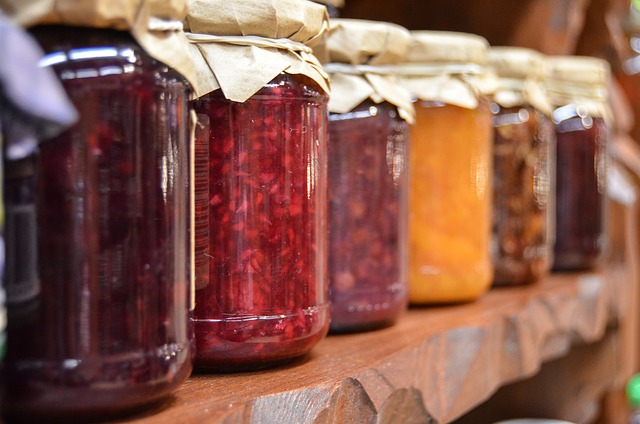
    Collection: A group of items that are organized and displayed together.
    Collections can be anything from books to bottles to Barbie dolls. As long as the items in the collection are organized and displayed in a way that is pleasing to the eye, it can be considered a collection.

    Clutter: A bunch of random stuff that is just taking up space.
    Clutter is often made up of things that we don’t use or need anymore, but for some reason can’t seem to get rid of. It can be anything from clothes to old newspapers to half-used boxes of cereal.

    So, which one is your home full of? If you’re not sure, don’t worry! We’ve put together this ultimate guide to help you figure it out.

    Differentiating Between the Two

    There are two types of “stuff” in your home: collection and clutter. It’s important to know the difference between the two so that you can properly organize your space.

    Collection: A collection is a group of items that are organized and displayed together because they share a common theme or purpose. For example, you might have a collection of dolls, books, or art supplies. Collections can be small or large, and they can be housed in dedicated storage units (like shelves or cabinets) or simply grouped together on a table or in a corner.

    Clutter: Clutter is anything that doesn’t have a specific home and doesn’t serve a purpose. It’s the stuff that ends up scattered around your house, taking up space and making it feel messy and cluttered. Most homes have at least some clutter, but if it’s excessive, it can be overwhelming and stressful.

    So how do you tell the difference between collections and clutter? Here are some tips:

    -Collections are usually organized in some way, while clutter is not. Collections may be sorted by type, color, size, etc., while clutter is just a jumble of random things.

    -Collections usually have a specific purpose or meaning, while clutter does not. Collections may be for display, enjoyment, utility, etc., while clutter is just useless stuff taking up space.

    -Collections are typically located in dedicated storage units or areas, while clutter is often

    Strategies for Minimizing Clutter and Keeping Collections Organized

    There are a few key strategies you can use to help minimize clutter and keep your collections organized. First, it’s important to have a designated place for everything. This will help prevent items from being left out in the open and becoming cluttered. Second, regular purges are necessary to get rid of any unwanted or unused items. Finally, using storage solutions like bins and shelves can help keep things tidy and organized.

    Benefits of an Organized Home

    There are many benefits to having an organized home, including reducing stress, saving time, and improving your overall quality of life. When your home is cluttered and disorganized, it can be difficult to find what you need when you need it. This can lead to frustration and wasted time. An organized home can help you stay on top of your responsibilities and make it easier to enjoy your leisure time.

    A decluttered and organized home can also improve your physical health. Studies have shown that clutter can contribute to anxiety and depression. Having an organized space can help reduce stress levels and promote a sense of calm. In addition, if you have children, an organized home can provide them with a safe and healthy environment to grow up in.

    finally, having an organized home can save you money. When you know where everything is, you are less likely to buy duplicates or items that you do not need. Having a plan for how you will organize your space can help you make better use of the resources you have available.

    Room by Room Guide to Organization

    If your home is cluttered and chaotic, it can be tough to know where to start when it comes to getting organized. But taking things one room at a time is a great way to make headway on the task. Here is a room-by-room guide to help you get started:

    Living room: Start by decluttering your coffee table and end tables. Get rid of any knick-knacks, magazines, or other items that are just taking up space. Then, organize your TV cabinet or entertainment center. Put away any DVDs or games that you don’t use regularly, and store cords and cables out of sight. Lastly, straighten up your sofa cushions and throw blankets.

    Bedroom: Begin by clearing off your nightstands and dressers. Remove any items that you don’t use on a daily basis, such as extra pillows, out-of-season clothing, or old cosmetics. Next, make your bed with fresh linens and plump the pillows. Finally, put away any clothes that are lying around the room. If you have a walk-in closet, take this opportunity to organize it as well.

    Kitchen: The first step in getting your kitchen organized is to clear off the counters. Put away any small appliances that you don’t use regularly, and find a place for everything else. Then, organize your pantry shelves and cabinets. Get rid of anything that is

    Popular Storage Solutions

    There are a few popular storage solutions that can help you organize your home and keep it clutter-free. One solution is to use plastic storage bins. These bins come in a variety of sizes and can be used to store everything from clothes to toys to household items. Another popular solution is to use shelving units. Shelving units can be used to store items such as books, magazines, DVDs, and more. Finally, another popular solution is to use hooks. Hooks can be used to hang coats, towels, purses, and other things.

    Tips for Keeping Your Home Organized

    If your home feels cluttered and chaotic, it can be tough to know where to start when it comes to getting organized. But don’t worry, we’ve got you covered! Check out our top tips for decluttering and organizing your home:

    1. Start with a clean slate. Before you start trying to organize your stuff, take a few minutes to clear off surfaces like countertops, tables, and dressers. This will help you get a better sense of what you have and make it easier to put things away.
    2. Create a place for everything. Once surfaces are cleared off, decide where things should go. This may mean getting rid of some items that don’t have a specific home or investing in storage solutions like baskets, bins, and shelves.
    3. Put it away immediately. A key part of staying organized is not letting clutter build up in the first place! As soon as you finish using something, put it back in its designated spot. This will help prevent messes from accumulating over time.
    4. Schedule regular decluttering sessions. Even if you’re generally good about keeping things tidy, it’s helpful to set aside some time each month (or week) to go through your belongings and get rid of anything you no longer need or use. This will help keep your space feeling fresh and clutter-free.

    Conclusion

    We hope that this ultimate guide to organizing your home has been helpful in helping you distinguish between collection and clutter. By following the tips outlined in this article, you can create a home that is inviting, comfortable, and organized. Collection items can bring joy as well as beauty to your space while still staying organized. When it comes to clutter, remember – less is more! Take the time to declutter regularly so that your living environment stays neat and tidy no matter how much stuff you have around.
  • It’s Time To Stop Saying Sorry: 8 Things We Don’t Need To Apologize For Anymore

    It’s Time To Stop Saying Sorry: 8 Things We Don’t Need To Apologize For Anymore

    Introduction

    It seems like we’re always apologizing for something. We apologize for being late, for not knowing something, for not being perfect. But there are some things we don’t need to apologize for anymore. Here are a few things you can stop saying sorry for:

    -Not knowing everything: You don’t need to be an expert on everything. It’s okay to admit when you don’t know something.

    -Being late: Sometimes things happen that are out of your control. If you’re running late, it’s no big deal.

    -Not being perfect: We all have flaws and that’s what makes us unique. Embrace your imperfections!

    What We Don’t Need to Apologize for Anymore

    We live in a world where we are constantly being told to apologize for who we are and what we do. Whether it’s for our thoughts, our feelings, or our actions, there’s always someone who wants us to say sorry.

    But what if we stopped apologizing for things that don’t warrant an apology? What if we stopped saying sorry for being who we are and doing what we want?

    Here are some things that we don’t need to apologize for anymore:

    1. Our thoughts and opinions. We all have different thoughts and opinions, and that’s okay! We don’t need to apologize for what we think or how we feel.
    2. Our appearance. We are all unique and beautiful in our own way. There is no need to apologize for the way we look.
    3. Our bodies. We should never have to apologize for the way our bodies look or function. Whether you’re tall, short, curvy, or anything in between, your body is perfect just the way it is.
    4. Our choices. We all make different choices in life, and that’s okay! We don’t need to apologize for the choices we make, whether they’re big or small.
    5. Our mistakes. Everyone makes mistakes, it’s part of being human! We don’t need to apologize for our mistakes, but instead learn from them and move on.
    • Saying No

    We’ve all been there before – someone asks us to do something we really don’t want to do, or we’re not comfortable with, and our first instinct is to say sorry. But why? We shouldn’t have to apologize for saying no, especially if it’s something that doesn’t align with our values or what we’re comfortable with. So the next time someone asks you to do something you don’t want to do, just say no – without the apology.

    • Making Mistakes

    We’ve all been there before – we make a mistake, and instead of owning up to it, we say sorry. We might not even be truly sorry, but we think it’s the right thing to do in order to smooth over the situation. However, sometimes saying sorry isn’t necessary, and can even do more harm than good.

    Here are some things we don’t need to apologize for anymore:

    Not being interested in someone: If you’re not interested in dating someone or being friends with them, there’s no need to apologize. You don’t owe them anything, and they’ll likely be better off finding someone who is interested in them.

    Saying no: We often feel like we need to explain ourselves when we say no to something, but you don’t owe anyone an explanation. If you don’t want to do something, just say no and move on.

    Not being perfect: No one is perfect, so why are we apologizing for something that’s out of our control? Instead of beating yourself up over your imperfections, embrace them and know that everyone has them.

    Making a mistake: Everyone makes mistakes, it’s just part of life. Instead of apologizing for your mistakes, learn from them and try not to make the same ones again in the future.

    • Taking Time for Ourselves

    We all have the same 24 hours in a day, yet some of us feel like we don’t have enough time. We are always rushing from one thing to the next and never taking the time to just breathe. We need to learn to take time for ourselves without feeling guilty. Here are some things you can do to make sure you are taking care of yourself:

    • Make time for yourself every day: Dedicate at least 30 minutes each day to do something that is just for you. This can be anything from reading your favorite book to taking a relaxing bath.

    • Set boundaries: Learn to say “no” when you need to and don’t feel guilty about it. Remember that you cannot please everyone all the time and that is okay.

    • Take breaks: When you are feeling overwhelmed or stressed, take a few minutes to step away from whatever is causing those feelings. Take some deep breaths and clear your mind.

    • Do what makes you happy: Make sure that you are doing things that make YOU happy and not just things that make other people happy. Life is too short to not enjoy it!

    • Having Different Opinions

    We all have different opinions. And that’s okay! It’s what makes us unique and allows us to see the world from different perspectives. Having different opinions is not something we need to apologize for. It’s a natural part of who we are.

    We should feel free to express our opinions without feeling like we need to apologize for them. We should also be open to hearing other people’s opinions, even if they differ from our own. respectful disagreement can lead to greater understanding and growth.

    So let’s stop apologizing for having different opinions, and instead embrace the richness that comes from diversity of thought!

    • Taking Up Space

    We’re often quick to apologize for things that we don’t need to be sorry for. Maybe it’s a cultural thing, or maybe we’ve been taught that it’s better to err on the side of caution when it comes to social interactions. Whatever the reason, it’s time to stop saying sorry for things that don’t warrant an apology.

    Here are a few things you can stop apologizing for:

    • Being assertive: We often apologize for speaking up or asserting our needs, but there’s no need to be sorry for doing so. If anything, you should be applauded for being confident and clear about what you want.
    • Taking up space: We live in a world that tells us we need to make ourselves small and unobtrusive. But why should we be sorry for occupying the space we deserve? Whether it’s physical space or figurative space, you have a right to take up as much or as little as you please.
    • Having an opinion: It seems like we’re always apologizing for having an opinion these days. Whether it’s because we don’t want to start an argument or because we’re afraid of offending someone, there’s no need to be sorry for having a point of view. Your opinions are valid and worthy of expression.
    • Being yourself: This is perhaps the most important one of all. You should never apologize for simply being yourself. Whether you’re introverted or extroverted, shy or outgoing, serious
    • Changing Our Minds

    There’s no need to apologize for being who you are. You don’t need to apologize for your thoughts, your feelings, or your actions. We all make mistakes, but we don’t need to apologize for them. We can learn from our mistakes and move on.

    We live in a society that tells us we should be sorry for everything. We’re sorry for our thoughts, our feelings, and our actions. We’re sorry for who we are. But why?

    We should stop saying sorry for things we don’t need to apologize for. We don’t need to apologize for being who we are. We don’t need to apologize for our thoughts, our feelings, or our actions. We can learn from our mistakes and move on.

    • Standing up for Ourselves

    It’s time to stop apologizing for who we are and what we believe in. We don’t need to be sorry for being assertive, setting boundaries, or speaking our truth. We should never have to apologize for being who we are.

    We live in a world where it’s become all too easy to say sorry. We’re sorry for being late, for not meeting someone’s expectations, for having an opinion that differs from others. We say sorry when we don’t need to, and in doing so, we undermine our own power and worthiness.

    Enough is enough. It’s time to stop saying sorry and start standing up for ourselves. We should never have to apologize for asserting our needs, setting boundaries, or speaking our truth. These are things we should be proud of doing, not something we need to be ashamed of.

    So the next time you find yourself about to say sorry when you really don’t need to, take a step back and ask yourself why. Is it because you’re truly remorseful or is it because you’re afraid of what other people might think? If it’s the latter, then remind yourself that you don’t need to apologize for being exactly who you are.

    • Being Different

    Different is good. In fact, being different is what makes life interesting. So why do we apologize for being different? We should embrace our differences and use them to our advantage.

    Here are some things we don’t need to apologize for anymore:

    • Being unique
    • Having our own opinions
    • Being introverts or extroverts
    • Being creative
    • Having different interests than others

    Stop saying sorry for being yourself. Embrace your differences and use them to your advantage. Life is too short to apologize for who you are.

    Strategies to Stop Apologizing

    We’ve all been there before. We apologize for something we didn’t do, said something we didn’t mean, or simply because we think it’s the right thing to do. But what if we stopped apologizing for things we don’t need to be sorry for?

    Here are a few strategies to help you stop apologizing:

    1. Identify why you’re apologizing.

    Are you apologizing because you made a mistake? Or are you apologizing because you’re trying to avoid conflict or make someone else feel better? If it’s the latter, then chances are you don’t need to be apologizing.

    1. Be assertive, not aggressive.

    There’s a difference between being assertive and being aggressive. When you’re assertive, you’re confident and clear about what you want or don’t want without being hostile or confrontational. This is the type of communication that will help resolve conflicts without needing an apology.

    1. Use “I” statements.

    When communicating with others, use “I” statements. For example, instead of saying “You’re wrong,” try saying “I disagree.” This type of statement allows you to express your opinion without putting the other person on the defensive and making them feel like they need to apologize.

    Conclusion

    Saying sorry for things we don’t need to apologize for, whether it be out of habit or politeness, is something that many of us do without thinking. But if we can start recognizing the situations in which an apology isn’t necessary and stop saying sorry in those cases, then we’ll be able to use our apologies more effectively when they are warranted. Hopefully with these 8 tips, you’ll have a better understanding of when it’s time to say “sorry” and when it’s not.

  • 7 Vastu-Friendly Ways To Hang A Mirror In Your Home For Maximum Positive Energy

    7 Vastu-Friendly Ways To Hang A Mirror In Your Home For Maximum Positive Energy

    Introduction to Vastu

    If you’re looking for ways to bring more positive energy into your home, you may want to consider following the principles of Vastu. Vastu is an ancient Indian tradition that helps guide people in creating homes and workplaces that are in harmony with the natural world. One important aspect of Vastu is the placement of mirrors.

    There are a few things to keep in mind when hanging a mirror according to Vastu principles. First, it’s important to place the mirror so that it reflects something pleasing, like a beautiful view or a special piece of art. A mirror should never reflect an unpleasant scene or something that would cause anxiety or distress.

    Second, you’ll want to avoid placing mirrors in direct line with the front door of your home, as this can allow negative energy to enter. Instead, position the mirror so that it reflects something positive like a plant or another object near the door. Finally, be sure to clean your mirrors regularly to keep them free of dust and debris.

    By following these simple tips, you can create a more positive and harmonious home using the power of Vastu.

    What Is The Purpose Of Hanging A Mirror?

    There are many purposes for hanging a mirror in your home according to the principles of vastu shastra. Mirrors can be used to reflect positive energy, create the illusion of more space, and brighten up a room. Here are some tips for choosing the right location and orientation for your mirror:

    -Hang a mirror on a wall that faces the main entrance to your home. This will help reflect positive energy into your home.

    -Avoid hanging mirrors in your bedroom or above your bed. This can create negative energy and disturb your sleep.

    -If you must hang a mirror in your bedroom, position it so that it reflects something pleasant, such as a window or door.

    -In general, it is best to avoid hanging mirrors in areas where there is already a lot of activity or noise, such as the kitchen or living room.

    7 Vastu-Friendly Places To Hang A Mirror

    There are certain places in your home where hanging a mirror is said to be especially auspicious according to the principles of Vastu Shastra. Here are some of the most popular Vastu-friendly places to hang a mirror in your home:

    1. Over the fireplace: Mirrors are said to reflect back the energy of the fire, which is considered to be one of the most powerful sources of positive energy in the home.
    2. In the hallway: A mirror placed at the end of a hallway will reflect back any negative energy that may come into your home, keeping it from entering your living space.
    3. Above the bed: Hanging a mirror above your bed is said to promote restful sleep and good dreams. It can also help ward off any negative energy that may be directed towards you while you sleep.
    4. In front of a window: Placing a mirror in front of a window is said to bring in more light and positivity into your home. It’s also thought to reflect back any negative energy that may come through the window.
    5. On the front door: Hanging a mirror on or near your front door is said to reflect back any negativity that may come into your home, keeping it from entering your living space.
    • North

    There are a few things to keep in mind when hanging a mirror in the north sector of your home according to vastu. The north sector is associated with the water element, so hanging a mirror in this area can help to promote wealth and prosperity. It is also important to make sure that the mirror is clean and free of any scratches or marks, as this can symbolize negative energy.

    The ideal placement for a mirror in the north sector is on the wall opposite the main door. This will help to reflect any positive energy that enters your home. If you have a window in the north sector, you can also hang a mirror above it to help bring in more light and positive energy.

    • South

    As per Vastu, the south direction is ideal for hanging a mirror. A south-facing mirror will reflect back any negative energy that may enter your home, and also bring in positive energy and good luck. If you have a south-facing door or window, placing a mirror opposite it will help to reflect back any negative energy that may come into your home.

    • East

    According to the principles of vastu shastra, hanging a mirror in the east direction is said to be auspicious. This is because the east is the direction of sunrise, and mirrors are said to reflect and amplify the energy of the sun.

    Hanging a mirror in the east can help to bring in positive energy and promote good health, wealth, and success. It is also said to be helpful for students, as it can boost concentration and memory power.

    However, it is important to make sure that the mirror is not placed too high or too low, as this can cause negative effects. The ideal height for a mirror in the east is around 5 feet from the ground.

    • West

    There are a few things to keep in mind when hanging a mirror in the west area of your home. The first is that the mirror should be hung low, at waist level or below. This will help to create a feeling of stability and grounding in the space. Secondly, the mirror should be placed so that it reflects something calming and soothing, such as a beautiful view or a serene garden. Finally, it is important to make sure that the frame of the mirror is made of natural materials such as wood or stone, as these will help to promote positive energy flow in the space.

    • Northeast

    If you live in the Northeast direction, you should never hang a mirror in your home. This is because the Northeast is the direction of Vastu Shastra, and hanging a mirror in this direction will bring negative energy into your home.

    • Southeast

    The southeast corner of your home is associated with the element of fire, and is considered to be a very auspicious spot for hanging a mirror. Placing a mirror in this corner can help to activate the flow of positive energy and bring good luck to your household.

    • Southwest

    Southwest is the sector of Vastu associated with love, marriage, and relationships. It’s also the area of your home that represents your innermost desires and creativity.

    If you’re looking to attract more love into your life, or to enhance your existing relationships, hanging a mirror in the southwest sector of your home is a great way to do it. Mirrors reflect back energy, so when placed in the southwest sector, they can help amplify the love energy in that area.

    When choosing a mirror for the southwest sector, make sure to select one that is beautiful and reflective. Avoid any mirrors that are cracked, broken, or have sharp edges. You want the mirror to reflect back positive energy, so choose one that will do just that.

    Benefits of Hanging Mirrors in these Areas According to Vastu

    1. Mirrors reflect light and make the space feel brighter and more open.
    2. Mirrors also create the illusion of more space, which is perfect for small areas.
    3. Vastu recommends hanging mirrors in certain areas of the home to maximize positive energy flow.
    4. Some of the best places to hang mirrors according to Vastu are in the south-west direction, north-west direction, and east direction.
    5. Hanging a mirror in these directions can help bring in good luck, wealth, and success.

    Conclusion

    Hanging mirrors in accordance with Vastu Shastra can bring a great deal of positive energy into your home. With the 7 vastu-friendly ways we’ve discussed, you can easily hang and decorate your mirror to make sure it is aiding rather than hindering the flow of good vibes in your house. So, find an auspicious spot for your mirror and use these tips to get it up on the wall – don’t forget to enjoy that extra positive energy!