Author: Jacob Wilson

  • Budget-Friendly Europe: How to Explore Budapest, Prague, and Krakow for Less

    Budget-Friendly Europe: How to Explore Budapest, Prague, and Krakow for Less

    Exploring Europe doesn’t always mean spending a lot. Central Europe—especially Budapest, Prague, and Krakow—offers rich culture, beautiful architecture, and unforgettable experiences at some of the lowest prices on the continent. Whether you’re traveling solo, as a couple, or with friends, these three cities give you the perfect mix of history, food, nightlife, and scenic views without stretching your budget. Here’s how to explore them smartly and affordably.

    Why Central Europe Is Perfect for Budget Travelers

    Central Europe is known for its incredible value. Public transport is cheap, food portions are large and affordable, and most top attractions have low entry fees or are completely free. Hostels and guesthouses are also reasonably priced, making it easy for travelers with any budget to enjoy a comfortable stay. Plus, all three cities are well connected by buses and trains, offering low-cost travel between destinations.

    Exploring Budapest on a Budget

    Budapest feels luxurious with its thermal baths, grand parliament building, and river views, yet it remains surprisingly affordable. Walk across the Chain Bridge, explore Fisherman’s Bastion for iconic city views, and enjoy the lively atmosphere of the Jewish Quarter—all without spending much. Budapest is also famous for its thermal baths; some are expensive, but affordable options like Lukacs Bath offer a relaxing experience on a budget. Street food markets around the city provide delicious local dishes at low prices, and sunset views along the Danube River are completely free.

    Affordable Things to Do in Prague

    Prague looks straight out of a fairytale with its medieval streets and gothic architecture, but it’s also a budget-friendly destination. Many popular attractions, such as Charles Bridge, Old Town Square, and the Astronomical Clock, can be enjoyed free of charge. While Prague Castle has an entrance fee, exploring its courtyards and viewpoints is free and offers beautiful scenery. Traditional Czech food is hearty and inexpensive, especially if you eat at local pubs instead of tourist areas. Public transportation is efficient and affordable, making it easy to navigate the city.

    How to Explore Krakow for Less

    Krakow is one of the most affordable cities in Europe and offers rich history along with great food and nightlife. The Old Town is walkable and filled with beautiful landmarks such as St. Mary’s Basilica and the Market Square. Wawel Castle has certain free-entry areas where you can enjoy the views without spending anything. For budget-friendly meals, local milk bars—traditional Polish cafeterias—serve delicious home-style food at extremely low prices. Don’t miss Kazimierz District for cafes, vintage shops, and cultural spots.

    Saving Money on Food, Stays, and Transport

    Eating locally is one of the easiest ways to stay within your budget in these cities. Street food markets and local restaurants serve great meals without high prices. Hostels, boutique stays, and small hotels in non-touristy neighborhoods offer excellent value. For transportation, buses and trams in all three cities are cheap, reliable, and easy to navigate. If you plan to visit multiple attractions in a day, look for day passes to save even more.

    Best Time to Visit for Cheaper Travel

    Traveling during the shoulder seasons—spring and early autumn—is the best way to keep costs low. These months offer pleasant weather, fewer tourists, and better prices for accommodations and attractions. Winter can be even cheaper, and although colder, the cities look magical during Christmas markets and festive lights.

    Conclusion

    Budapest, Prague, and Krakow prove that Europe can absolutely be explored on a budget. From charming streets and free historical sites to affordable local food and efficient transportation, each city offers a complete travel experience without the high price tag found in many Western European destinations. With smart planning and a flexible approach, you can enjoy the best of Central Europe while spending far less than expected. Pack light, stay curious, and get ready for an unforgettable and affordable European adventure.


  • Family-Friendly Thailand Itinerary: Bangkok, Phuket, and Chiang Mai Adventures

    Family-Friendly Thailand Itinerary: Bangkok, Phuket, and Chiang Mai Adventures

    Thailand is a top destination for family travelers, offering a mix of vibrant cities, stunning beaches, rich culture, and kid-friendly attractions. A well-planned itinerary ensures that both adults and children enjoy the trip without feeling rushed. This guide takes you through Bangkok, Phuket, and Chiang Mai, highlighting family-oriented activities, cultural experiences, and relaxation spots.

    Back people enjoying travel trip and vacations, Silhouette of family father, mother, son and daughter holding hands together on beach, Happy family have fun jumping on beach in holiday at sunset

    Day 1: Arrival in Bangkok

    Arrive in Bangkok and check into a family-friendly hotel in areas such as Sukhumvit or Riverside. Spend the evening exploring nearby markets or taking a gentle river cruise on the Chao Phraya River. Enjoy a family dinner featuring Thai cuisine that accommodates all tastes, including kid-friendly options like pad thai or fried rice.

    Day 2: Bangkok Cultural and Kid-Friendly Experiences

    Start with a visit to the Grand Palace and Wat Pho, introducing children to Thailand’s rich culture. In the afternoon, explore the SEA LIFE Bangkok Ocean World or KidZania Bangkok for interactive learning and entertainment. End the day with a dinner cruise or a visit to Asiatique Night Market for shopping and snacks.

    Day 3: Bangkok to Phuket – Beach Arrival

    Take a morning flight to Phuket and check into a resort suitable for families. Spend the afternoon relaxing at Patong Beach or Kata Beach, building sandcastles, swimming, or enjoying water sports. Resorts often offer kids’ clubs and supervised activities, giving parents a chance to unwind while children are entertained.

    Day 4: Phuket Island Exploration

    Take a family-friendly boat tour to nearby islands such as Phi Phi or James Bond Island. Snorkeling, shallow-water swimming, and exploring natural caves make these excursions suitable for children. In the evening, explore Phuket Town’s colorful streets and enjoy a local dinner featuring fresh seafood and Thai desserts.

    Day 5: Phuket Adventure Activities

    Visit Phuket Fantasea, a cultural theme park with shows and performances that captivate kids and adults alike. Alternatively, explore the Phuket Elephant Sanctuary for an ethical and educational encounter with elephants. Finish the day with beachside relaxation or a sunset walk along the coast.

    Day 6: Travel to Chiang Mai

    Fly to Chiang Mai and check into a family-oriented hotel near the Old City. Spend the evening exploring local markets such as the Sunday Night Market or enjoying a traditional Khantoke dinner with cultural performances. Chiang Mai’s relaxed atmosphere offers a contrast to the bustling cities and beaches.

    Day 7: Chiang Mai Temples and Nature

    Visit kid-friendly temples like Wat Phra Singh and Wat Chedi Luang. In the afternoon, explore the Doi Suthep area for panoramic city views or visit the Elephant Nature Park for an educational and interactive animal experience. Families can enjoy hiking trails and nature walks around the region.

    Day 8: Adventure and Cultural Activities

    Take part in family-friendly activities such as Thai cooking classes, bamboo rafting, or zip-lining experiences suitable for children. These interactive adventures provide memorable experiences while immersing travelers in local culture. Evening options include exploring night markets or attending cultural performances.

    Day 9: Relaxation and Last-Minute Exploration

    Spend a relaxed day in Chiang Mai visiting botanical gardens, local parks, or artisan villages. Take time to enjoy local snacks, shop for souvenirs, and revisit favorite attractions. This day allows families to slow down and savor the Thai experience before departure.

    Day 10: Departure

    Use your final day to pack, enjoy a leisurely breakfast, and take a short stroll in nearby areas before heading to the airport. This ensures a smooth end to a well-planned, family-friendly adventure through Thailand.

    Tips for Traveling in Thailand with Family

    • Choose family-friendly accommodations: Resorts with kids’ clubs, pools, and babysitting services make travel easier.
    • Plan flights and transportation wisely: Domestic flights are fast and convenient for moving between cities.
    • Pack essentials for kids: Snacks, sun protection, and small toys help during transit and sightseeing.
    • Respect local customs: Teach children to observe temple etiquette and cultural norms.
    • Balance activity and rest: Ensure each day has downtime to avoid exhaustion, especially for young children.

    Conclusion

    This family-friendly Thailand itinerary balances cultural immersion, adventure, and relaxation across Bangkok, Phuket, and Chiang Mai. From bustling city streets and stunning beaches to serene temples and interactive experiences, families can enjoy a well-rounded and memorable trip. Following this guide ensures an efficient, enjoyable, and safe journey for travelers of all ages.

  • Best All-Inclusive Destinations for 2026: Where Travelers Get the Most Value for Money

    Best All-Inclusive Destinations for 2026: Where Travelers Get the Most Value for Money

    All-inclusive travel is no longer limited to luxury resorts or honeymooners. In 2026, travelers are choosing destinations where bundled pricing actually delivers better experiences at lower overall costs. Rising food prices, transport expenses, and activity fees have made all-inclusive destinations more attractive than ever.

    This guide covers the best all-inclusive destinations for 2026 where travelers are getting the highest value without compromising comfort, variety, or experience.

    Why Destination Choice Matters in All-Inclusive Travel

    Not every place is ideal for all-inclusive travel. Some destinations naturally support bundled pricing because food, transport, and activities are centralized, while others are better explored independently.

    The best value destinations are those where local costs are high or logistics are complex. In these places, all-inclusive resorts eliminate expensive daily spending and reduce planning stress.

    Mexico: Consistent Value With Endless Options

    Mexico continues to dominate the all-inclusive travel space. Destinations like Cancun, Riviera Maya, and Los Cabos offer a wide range of resorts for every budget level.

    Food quality, beach access, entertainment, and excursions are well integrated into packages. Travelers benefit from predictable pricing while still enjoying diverse experiences such as cenotes, cultural tours, and water sports.

    Dominican Republic: Affordable Luxury in the Caribbean

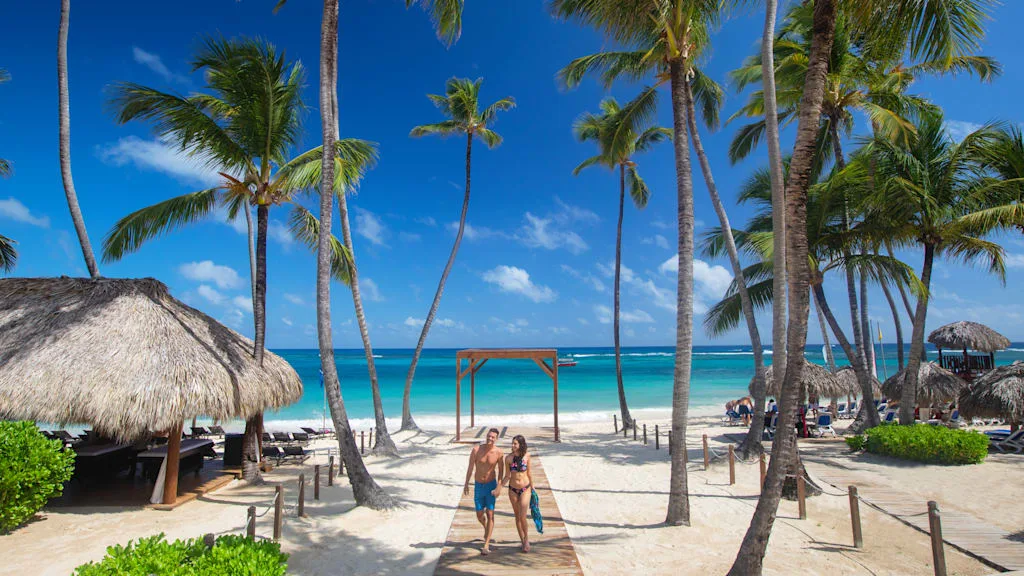
    The Dominican Republic offers one of the best price-to-quality ratios in the Caribbean. Punta Cana is especially popular for travelers seeking premium amenities without premium prices.

    Resorts here include expansive beaches, family-friendly activities, and unlimited dining options. For travelers wanting Caribbean beauty without constant spending, this destination consistently delivers strong value.

    Turkey: Cultural Richness Meets All-Inclusive Comfort

    Turkey has emerged as a top all-inclusive destination for travelers looking beyond beaches. Regions like Antalya combine luxury resorts with rich history, stunning coastlines, and excellent cuisine.

    All-inclusive resorts in Turkey often include spa access, cultural entertainment, and gourmet dining. Compared to Western Europe, the cost savings are significant, making Turkey one of the smartest choices for 2026.

    Egypt: Maximum Experience for Minimal Cost

    Egypt offers some of the most affordable all-inclusive packages in the world. Red Sea destinations like Hurghada and Sharm El Sheikh are known for coral reefs, water activities, and luxury resorts at surprisingly low prices.

    Travelers benefit from included meals, excursions, and entertainment, reducing the need for additional spending. For those seeking value and adventure, Egypt stands out strongly.

    Thailand: All-Inclusive Without Losing Authenticity

    While Thailand is known for DIY travel, select all-inclusive resorts provide excellent value, especially for longer stays. Destinations like Phuket and Krabi offer resorts that blend local flavors with modern comfort.

    These packages help travelers avoid fluctuating food and transport costs while still allowing optional exploration. Thailand’s hospitality and affordability make it ideal for balanced all-inclusive experiences.

    Spain’s Canary Islands: Europe’s All-Inclusive Sweet Spot

    The Canary Islands offer European convenience with year-round sunshine. Tenerife and Gran Canaria are particularly popular for all-inclusive travelers.

    Resorts include meals, drinks, and entertainment, which helps offset Europe’s higher daily costs. For travelers wanting Europe without constant budgeting, this destination is a practical choice.

    Maldives: When All-Inclusive Actually Makes Sense

    The Maldives is expensive when planned independently. Transport between islands, meals, and activities quickly increase costs.

    All-inclusive packages simplify everything and often include transfers, meals, snorkeling, and excursions. While still premium-priced, these packages prevent surprise expenses and offer better overall value.

    Who Gets the Most Value From These Destinations

    Families, honeymooners, and long-stay travelers benefit the most from these locations. Fixed pricing reduces stress, while resort amenities replace costly daily planning.

    First-time international travelers also gain confidence and comfort from all-inclusive destinations where logistics are handled professionally.

    How to Maximize Value When Booking

    Booking early and choosing shoulder seasons often unlocks better rates. Comparing what is truly included helps avoid overpaying for features you may not use.

    Travelers should focus on total trip cost rather than nightly prices. Transfers, meals, and activities included in the package often outweigh cheaper-looking alternatives.

    Conclusion

    In 2026, the best all-inclusive destinations are those that balance cost, experience, and convenience. Mexico, Turkey, Egypt, and select island destinations continue to lead because they eliminate unpredictable spending while delivering high-quality travel experiences.

    Choosing the right destination makes all-inclusive travel not just easier, but genuinely cheaper and more enjoyable.

  • How to Travel the World Full-Time on a Budget

    How to Travel the World Full-Time on a Budget

    Traveling the world full-time sounds like an impossible dream for many, but thousands of people do it every year without being rich. The secret lies in smart planning, budget-conscious choices, and adopting a lifestyle that prioritizes experiences over luxury. If you’ve ever imagined waking up in a new destination every month while spending less than you do at home, this guide will show you exactly how to make it happen.

    Choose Affordable Destinations

    One of the biggest secrets to full-time travel is choosing countries where your money stretches further. Regions like Southeast Asia, Eastern Europe, South America, and parts of Africa offer lower living costs, affordable transportation, and budget-friendly food. In places such as Vietnam, Indonesia, Georgia, or Colombia, you can live comfortably on a fraction of what you’d spend in the US or Europe. Picking destinations wisely allows you to travel for longer without financial stress.

    Slow Travel Instead of Hopping Cities

    Full-time travelers save the most money by choosing slow travel. Staying longer in each place reduces transportation costs, gives access to monthly apartment rentals, and helps you settle into a more sustainable routine. Slow travel also lets you explore deeply, connect with local communities, and avoid burnout. Instead of rushing to tick destinations off a list, you enjoy the journey at a relaxed pace while keeping expenses under control.

    Turn Travel Into Income

    Earning money while traveling is the key to sustaining a full-time travel lifestyle. Many travelers work remotely as freelancers, content creators, graphic designers, digital marketers, English teachers, or virtual assistants. Others teach yoga, run travel blogs, or start online businesses. Even part-time income can cover your living costs in budget-friendly destinations. With remote work becoming more common, earning from anywhere in the world is easier than ever.

    Find Budget Accommodation Options

    Accommodation is usually the biggest expense, but there are countless ways to save. Hostels, budget guesthouses, and homestays offer affordable stays. Platforms like Airbnb provide great monthly discounts, while housesitting lets you stay in homes for free in exchange for taking care of pets or properties. Long-term stays often come with negotiated rates, so it’s always worth asking for a discount. Choosing simple, comfortable stays over luxury hotels drastically reduces costs.

    Master Cheap Transportation

    Traveling full-time doesn’t require constantly buying expensive flights. Budget travelers rely on overnight buses, trains, ferries, and rideshares to cut transportation costs. Using travel apps to track cheap flights, booking early, and staying flexible with dates helps save hundreds of dollars a year. Many long-term travelers also choose to stay within one region at a time, reducing the need for long-haul flights and keeping travel costs manageable.

    Cook Your Own Meals

    Eating out every day can drain your budget quickly. Cooking simple meals, buying groceries from local markets, and choosing street food instead of restaurants helps you save significantly. In many countries, local cuisine is delicious and incredibly cheap, giving you the perfect balance of flavor and affordability. Preparing your own meals whenever possible keeps your daily expenses low and frees up money for experiences.

    Travel During Off-Season

    Traveling during off-season or shoulder season allows you to experience destinations at lower prices with fewer crowds. Hotels, flights, and tours are heavily discounted, and you get a more authentic experience without tourists everywhere. Off-season travel is one of the smartest ways to keep your full-time travel budget steady while enjoying places in a relaxed environment.

    Avoid Tourist Traps

    Popular attractions often come with inflated prices. Full-time travelers avoid tourist traps and seek local experiences instead. Visiting free viewpoints, exploring local neighborhoods, hiking nature trails, and discovering hidden gems can be far more rewarding than paying high entrance fees. Researching beforehand helps you choose meaningful and budget-friendly activities that still give you an incredible travel experience.

    Use Travel Reward Programs

    Frequent travelers maximize savings through travel reward programs, points, and loyalty memberships. Using the right credit cards can earn you free flights, discounted hotel stays, and cashback on travel expenses. Over time, these rewards can cover a significant part of your travel budget. Smart travelers keep track of points and use them strategically to reduce long-term costs.

    Carry Only What You Need

    Traveling full-time becomes much easier when you pack light. Excess baggage adds airline fees, limits your mobility, and makes travel stressful. Minimalist packing helps you stay flexible, move faster, and save money. A compact wardrobe, essential gadgets, and multipurpose items are all you need for long-term travel. Living light also reinforces the freedom that comes with full-time travel.

    Conclusion

    Traveling the world full-time on a budget isn’t a fantasy—it’s a lifestyle built on smart decisions, flexible planning, and purposeful choices. By choosing affordable destinations, traveling slowly, earning remotely, and focusing on meaningful experiences instead of luxury, you can explore the globe without draining your finances. With the right approach, you can wake up in your dream destinations, live more freely, and create unforgettable memories while keeping costs under control. The world is more accessible than ever—your budget-friendly adventure awaits.

  • The Best Time to Visit Japan for the Perfect Travel Experience

    The Best Time to Visit Japan for the Perfect Travel Experience

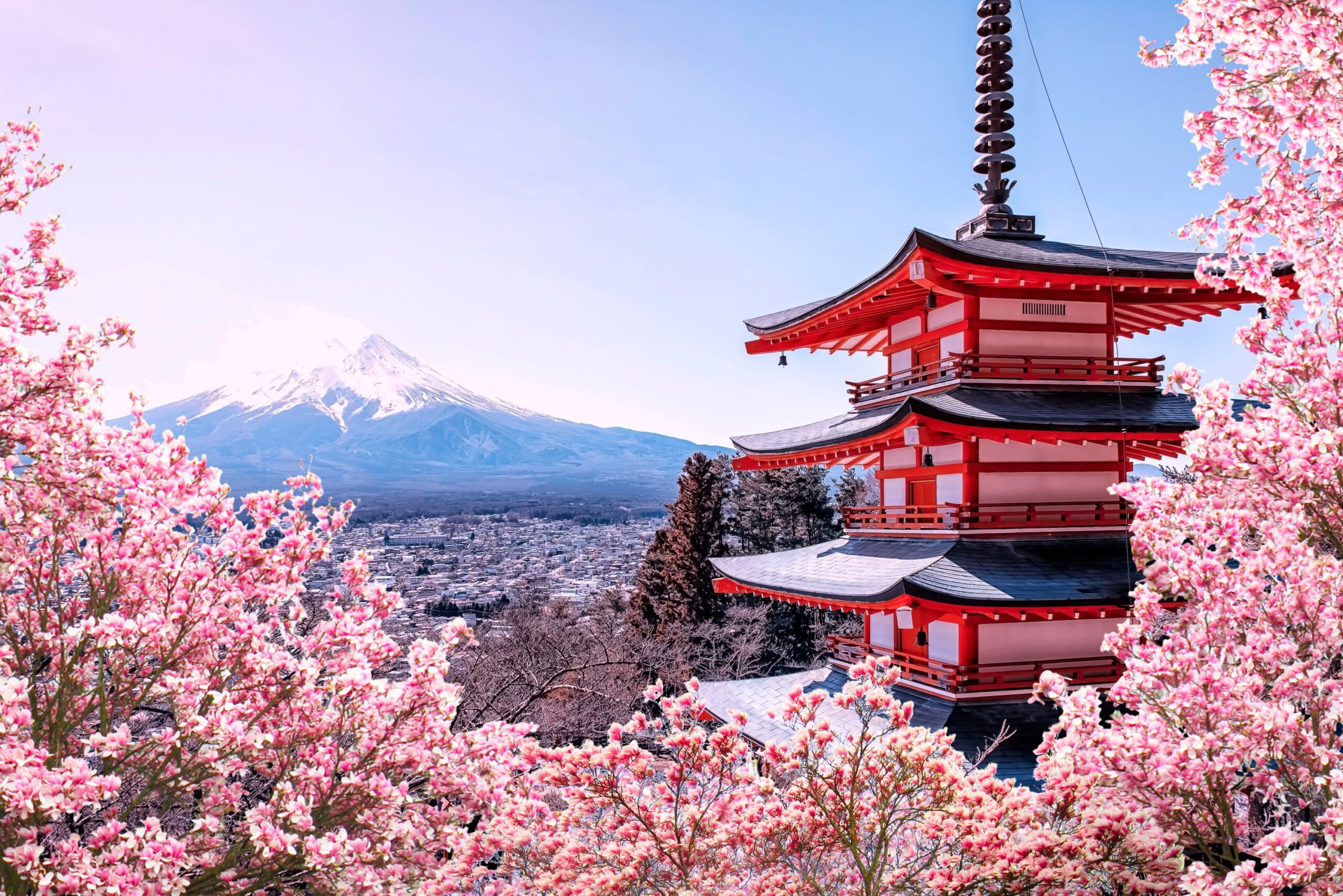
    Japan is one of the most magical travel destinations in the world—rich culture, futuristic cities, ancient temples, incredible food, and landscapes that change with every season. Choosing the best time to visit Japan can make your experience truly exceptional. Weather, festivals, cherry blossoms, autumn foliage, and flight costs all vary throughout the year, so understanding seasonal differences is essential before planning your trip.

    Best Time to Visit Japan Overall

    For most travelers, the ideal months to visit Japan are March–April and October–November. Spring brings cherry blossoms and mild weather, while autumn offers vibrant foliage and comfortable temperatures. Both seasons provide excellent sightseeing conditions and rich cultural experiences.

    Visiting Japan in Spring (March to May)

    Spring is the most iconic travel season in Japan, especially due to cherry blossoms that bloom in late March and early April. Temperatures stay between 15–22°C, making it perfect for outdoor activities, strolling through parks, and enjoying hanami picnics. Major cities like Tokyo, Kyoto, Osaka, and Hiroshima transform into pastel-colored landscapes. However, this popularity means higher flight prices, expensive hotels, and crowded attractions. Travelers should book early to secure good deals.

    Visiting Japan in Summer (June to August)

    Summer in Japan is lively and energetic. This season features traditional matsuri, fireworks festivals, and vibrant street celebrations. It’s a great time for trekking in the Japanese Alps or relaxing at Okinawa’s tropical beaches. But temperatures often rise above 32°C, humidity is high, and June brings the rainy season. Typhoons can occur in late August, so travelers should plan accordingly. Despite the heat, cultural experiences during summer are unmatched.

    Visiting Japan in Autumn (September to November)

    Autumn rivals spring as the best time to visit Japan. Weather stays mild at 14–20°C, and trees turn shades of red, orange, and yellow—especially around Kyoto, Nara, Nikko, and Mount Fuji. It’s perfect for photography and exploring gardens and temples. Early autumn may bring typhoons, but late October to mid-November is ideal for viewing koyo, Japan’s famous fall foliage.

    Visiting Japan in Winter (December to February)

    Winter transforms Japan into a snowy paradise. Northern regions like Hokkaido, Nagano, and Niigata offer some of the world’s best skiing and snowboarding conditions. Hot springs (onsen) feel especially relaxing in winter, and cities host spectacular illumination events. Winter seafood is also at its peak. Temperatures can drop below freezing in the north, and some rural attractions may have limited hours, but winter is excellent for travelers who prefer fewer crowds and lower prices.

    Cheapest Time to Visit Japan

    For budget travelers, the most affordable months are January, February, June, and late September. You’ll find lower flight rates, cheaper hotels, and less crowding at major attractions. Avoid New Year holidays and Golden Week, as prices spike significantly.

    Best Time for Cherry Blossoms

    If cherry blossoms are your priority, plan your trip between March 25 and April 10. The bloom period lasts only about a week in each region, so timing matters. Tokyo, Kyoto, Hiroshima, Nagoya, and Osaka are among the top cherry blossom spots. Checking the sakura forecast can help you align your visit perfectly.

    Best Time for Snow and Winter Experiences

    For winter sports and snowy landscapes, visit between late December and early February. Hokkaido, Nagano, Furano, and Niseko are famous for world-class powder snow and ski resorts. This is also an excellent time to experience snow festivals and enjoy Japan’s relaxing onsen traditions.

    Best Time for Food Lovers

    Japan’s food scene is incredible year-round, but October to March offers the best seasonal seafood, comforting winter dishes like hotpots and ramen, and unique fall specialties. Markets across the country feature fresh catches and seasonal produce.

    Best Time for Festivals

    If festivals are your focus, summer (July–August) is the peak season for traditional matsuri filled with music, parades, lanterns, and fireworks. Autumn hosts cultural events and harvest festivals, while February brings snow and lantern festivals in the northern regions.

    Final Verdict: When Should You Visit Japan?

    For cherry blossoms: Late March–Early April
    For autumn colors: Late October–Mid November
    For skiing and snow activities: December–February
    For festivals: July–August
    For budget trips: January, February, June
    For pleasant weather and beautiful landscapes: October–November
    Japan is stunning throughout the year, but the best time depends on your interests and travel goals. Whether you want cherry blossoms, fall colors, winter snow, or traditional festivals, Japan always offers a memorable experience.

  • Red-Eye Flights Explained: Pros, Cons & How to Survive Them Comfortably

    Red-Eye Flights Explained: Pros, Cons & How to Survive Them Comfortably

    Red-eye flights are a unique part of air travel: late-night departures, overnight journeys, and early-morning arrivals that allow travelers to maximize their time and sometimes save money. While some people swear by them for productivity, convenience, and budget travel, others avoid them at all costs due to sleep disruption and fatigue. If you’ve ever wondered whether red-eye flights are worth it—or how to survive them comfortably—this detailed guide breaks down everything you need to know.

    What Exactly Are Red-Eye Flights?

    A red-eye flight is a late-night or overnight flight that typically departs between 9:00 PM and 1:00 AM, arriving early in the morning. They’re called “red-eye” flights because passengers often land with tired, bloodshot eyes after a night of interrupted sleep. These flights are especially popular on long routes, cross-country trips, and certain international journeys. They are designed to help travelers reach their destination without losing a full day to travel. For business travelers, red-eye flights allow arriving in time for morning meetings. For tourists, they maximize vacation time by shifting the travel hours to nighttime.

    The Biggest Advantages of Taking Red-Eye Flights

    One of the main reasons people prefer red-eye flights is time efficiency. You fly while you’d normally be asleep and arrive ready to start the day. This is especially useful when you want to make the most of limited vacation time or maximize productivity on business trips. Another major advantage is potentially lower ticket prices. Red-eye flights are often cheaper because they’re less desirable for families, children, and casual travelers. Since the demand is relatively low, airlines sometimes reduce fares or offer discounted upgrade options. Red-eye flights also tend to be less crowded, and airports are usually calmer at night, making check-ins smoother and security lines shorter. Evening flights also reduce the chance of delays since airports are not as congested. Weather patterns can also be calmer at night, leading to fewer disruptions. Many travelers also love that you can avoid peak-time traffic on the way to the airport.

    The Downsides: Why Some Travelers Dislike Red-Eye Flights

    Despite their benefits, red-eye flights do come with several drawbacks. The most obvious one is sleep quality. Even if you’re good at sleeping on planes, it’s rarely as restful as sleeping in your own bed. People often land feeling groggy, dehydrated, or disoriented, especially if the flight crosses multiple time zones. For travelers with early morning commitments, this can be challenging. Another disadvantage is that aircraft cabins are noisier at night due to food service, seat adjustments, and crying babies. Additionally, if you don’t prepare properly, you may end up with neck pain, dry eyes, or jet lag. Red-eye flights can be particularly uncomfortable for travelers with medical conditions, anxiety, or sensitive sleep patterns. Lastly, if your flight is delayed, your entire schedule may get disrupted because everything is already late at night when services are limited.

    Who Should Consider Booking a Red-Eye Flight?

    Red-eye flights are ideal for frequent travelers, business professionals, and budget-conscious passengers who value efficiency over comfort. Students, backpackers, and solo travelers often choose these flights because they save money and maximize daylight hours. They’re also great for travelers heading to destinations where mornings are the best time to explore. However, families with young children, elderly travelers, or people with strict sleep routines may want to avoid them. If you’re highly sensitive to sleep disturbances, prefer daytime travel, or have important tasks planned immediately after landing, a red-eye might not be the best choice. Ultimately, choosing a red-eye flight depends on your travel goals, your body’s tolerance for sleep interruptions, and your schedule flexibility.

    How to Prepare for a Red-Eye Flight the Smart Way

    Preparation can make or break your red-eye experience. Start by choosing the right seat—window seats are ideal because you can lean against the wall and avoid getting disturbed by the passenger next to you. Avoid aisle seats, as people will constantly pass by or bump your arm. If possible, avoid the last row or seats near the lavatories since noise levels are higher. Bring proper sleep gear, including a neck pillow, fleece blanket, eye mask, noise-canceling headphones, and earplugs. Wear comfortable clothing and bring layers because cabin temperatures can fluctuate. Avoid caffeine or sugary foods in the hours before departure; instead, eat something light that won’t interfere with sleep. Stay hydrated throughout the day but avoid drinking too much right before boarding to minimize bathroom trips. Also, organize your carry-on bag so you can easily access anything you need without fumbling around in the dark.

    In-Flight Tips to Help You Sleep Better on Red-Eye Flights

    Once onboard, try to adjust your body to sleep mode immediately. Set your watch to your destination time zone if crossing regions. Recline your seat gently and find a comfortable position. Use your neck pillow and eye mask to block out light. Play calming music, white noise, or guided sleep tracks through noise-canceling headphones. These reduce cabin noise significantly and help your mind relax. Avoid using bright screens during the early part of the flight; the blue light makes it harder to fall asleep. If you must use your phone, switch to night mode. Deep breathing exercises are extremely useful in calming your body. Keep your seatbelt fastened above your blanket so flight attendants don’t wake you for checks. If complimentary or paid meals are offered, consider skipping them to maximize sleep time. Sleeping even 4–5 hours on a red-eye makes a huge difference upon arrival.

    How to Stay Fresh and Alert After Landing

    Landing from a red-eye can feel challenging if you’re not fully rested, but there are effective ways to recover quickly. Start by drinking water as soon as you land to combat dehydration. Wash your face or use refreshing wipes. Light stretching helps stimulate blood flow and reduces stiffness from long hours of sitting. If you have time, grab a light breakfast or a warm drink to wake up your system. Spend time outdoors in natural sunlight to reset your internal clock—this reduces grogginess and helps regulate your sleep cycle. Avoid taking long naps immediately after landing; instead, take a short 20-minute power nap if necessary. For business travelers with morning meetings, planning arrival at least a few hours early ensures you can freshen up, change clothes, and mentally prepare.

    When Red-Eye Flights Are the Best Option

    Red-eye flights are excellent for destinations where you want your full day available upon arrival. For example, flying from the West Coast to the East Coast of the U.S., or from India to Dubai, Singapore, or Europe often works perfectly with overnight schedules. For business travelers, they are a lifesaver—arrive early, work all day, and return home quickly. For budget travelers, there’s no better combination of time and cost savings. Red-eye flights also make sense when you want to reduce jet lag since sleeping during the flight helps align your internal clock with your destination. If your schedule is tight or you’re trying to maximize vacation time, choosing a red-eye can add an entire extra day to your trip at no cost.

    Final Thoughts: Are Red-Eye Flights Worth It?

    Red-eye flights are not a one-size-fits-all solution. They offer time efficiency, cost savings, and flexible travel schedules, but they also come with challenges like limited sleep, fatigue, and potential discomfort. The key is preparation—choosing the right seat, bringing proper sleep essentials, and managing your schedule before and after the flight. If you follow the tips above, you can transform what many consider a tiring travel experience into a productive and surprisingly comfortable journey. For travelers who want to maximize every hour of the day, red-eye flights may become your new favorite way to fly.

  • Best Budget Travel Destinations for Solo Travellers — Affordable Solo Trips 2025

    Best Budget Travel Destinations for Solo Travellers — Affordable Solo Trips 2025

    Best Budget Travel Destinations for Solo Travellers (2025) — Explore More, Spend Less

    Introduction

    Travelling solo doesn’t have to be expensive. In 2025, smart solo travellers choose destinations that balance culture, safety, affordability, and ease of getting around. This guide lists the best budget-friendly places for solo travellers, with practical tips and rough cost estimates so you can plan a memorable trip without breaking the bank.

    1. Vietnam — Hanoi, Hoi An & Ho Chi Minh City

    Vietnam consistently tops budget travel lists for solo adventurers. Street food is cheap and delicious, hostels are social and affordable, and intercity travel by sleeper bus or budget airlines is common. Cities like Hanoi and Hoi An offer rich culture; the Mekong Delta and Phong Nha caves deliver natural adventure.

    • Why it’s cheap: Affordable food, budget transport, low-cost attractions.
    • Must-do: Street food tour, motorbike loop, UNESCO Hoi An old town at night.

    2. Thailand — Chiang Mai & Northern Towns

    Thailand is a classic for solo travellers, but Chiang Mai and the northern hill towns are far more budget-friendly than Phuket or Bangkok. Cozy guesthouses, low-cost trekking, and an active digital nomad scene make it ideal for longer stays.

    • Why it’s solo-friendly: Lots of group tours, easy language basics, plentiful hostels.
    • Must-do: Night markets, cooking classes, short treks to hill tribes.

    3. Indonesia — Yogyakarta & Java

    Bali is popular but pricier; for a budget solo trip, head to Yogyakarta and explore Java’s temples like Borobudur and Prambanan. Guesthouses and local warungs (eateries) are extremely affordable, and travellers can join shared tours for volcano hikes.

    • Why it’s great: Low cost of living, cultural attractions, easy community travel.
    • Must-do: Sunrise at Borobudur, local batik workshops, Borobudur cycling tours.

    4. Nepal — Kathmandu & Pokhara

    Nepal is perfect for solo travellers on a budget who love trekking and nature. Accommodation and food are inexpensive. Short treks around Pokhara or longer ones in the Annapurna region cater to all budgets and fitness levels.

    • Why it’s cheap: Low accommodation costs and local transport fares.
    • Must-do: Short day hikes, lake-side relaxation in Pokhara, cultural temples in Kathmandu.

    5. Mexico — Oaxaca & Guanajuato

    Mexico offers vibrant culture, fascinating history, and affordable travel—especially outside major tourist hubs. Oaxaca and Guanajuato are wallet-friendly, safe for most solo travellers, and full of local markets, colonial streets, and delicious street food.

    • Why it’s solo budget-friendly: Inexpensive local transport and food; many free sights.
    • Must-do: Try local moles, visit artisan villages, wander colorful plazas.

    6. Georgia — Tbilisi & Kazbegi

    Georgia (the country) is a rising budget destination for solo travellers: safe, welcoming, and surprisingly cheap. Incredible mountain scenery, cheap wine, and guesthouses with warm hospitality make it ideal for independent exploration.

    • Why it’s trending: Affordable guesthouses, breathtaking landscapes, easy bus routes.
    • Must-do: Tbilisi old town, day trip to Kazbegi, Georgian supra (traditional feast).

    Budget Breakdown & Smart Planning Tips

    Below are rough daily budget estimates for solo travellers (moderate style): accommodation in hostels/guesthouses, local transport, street food, and low-cost activities.

    DestinationDaily Budget (USD)
    Vietnam$18–$35
    Thailand (Chiang Mai)$20–$40
    Indonesia (Yogyakarta)$18–$36
    Nepal$15–$30
    Mexico (Oaxaca)$25–$45
    Georgia$20–$40

    Pro tip: Book hostels with common areas to meet other travellers. Use local buses and night trains to save on accommodation and time.

    Safety Tips for Solo Travellers on a Budget

    • Keep digital copies of your passport and emergency contacts.
    • Blend in — avoid flashy jewellery and expensive gear in public.
    • Use reputable hostel booking sites and check recent reviews.
    • Trust your instincts: join group tours if a remote area feels unsafe.

    Conclusion

    Solo travel on a budget is more accessible than ever. Choose destinations with affordable local costs, vibrant hostel scenes, and easy transport links. Whether you crave mountains, temples, food, or culture, the destinations above offer memorable experiences without a heavy price tag. Plan smart, stay flexible, and you’ll find that travelling alone can be both enriching and economical.Start planning your budget solo trip

    Want this article tailored to a specific duration, country of origin, or travel style? Reply and I’ll customise it for you.

  • How to Get Cheap Flight Tickets Every Time: The Ultimate Guide for Smart Travelers

    How to Get Cheap Flight Tickets Every Time: The Ultimate Guide for Smart Travelers

    Flight prices are unpredictable — they rise, fall, and change without warning. But the truth is, cheap flight tickets are not about luck. They follow patterns, algorithms, and trends that smart travelers understand and use. With the right strategies, you can save hundreds of dollars on every trip, whether it’s a domestic getaway or an international vacation.

    This detailed guide covers the most reliable, proven, and practical methods to book cheap flight tickets every single time.

    Why Flight Prices Keep Changing

    Airlines use dynamic pricing systems that adjust ticket costs in real time. Factors that affect these prices include:

    • Demand and seat availability
    • Day and time of booking
    • Season and festivals
    • Location-based pricing
    • Search history
    • Competition between airlines

    Understanding these factors gives you an advantage while searching for flights.

    Always Use Incognito Mode

    When you repeatedly search for a route, airline websites and travel platforms track your activity. As they detect increased interest, prices often rise.

    The simplest solution is:

    • Use Incognito/Private mode in your browser
    • Clear cookies before searching
    • Try searching on different devices

    This prevents websites from increasing airfare based on your browsing behavior.

    Book Flights at the Right Time

    Timing plays a major role in getting cheaper flights.

    Best time to book domestic flights

    • 4–8 weeks before travel

    Best time to book international flights

    • 2–5 months before travel

    Cheapest days to book flights

    • Tuesday, Wednesday, and Thursday

    Avoid booking on

    • Weekends, especially Friday night and Sunday evening when demand is highest

    Planning ahead nearly always leads to lower airfare.

    Travel on Cheaper Days

    Some days are naturally more affordable because fewer people fly.

    Cheapest days to travel

    • Tuesday
    • Wednesday
    • Saturday

    Flights on these days often cost significantly less because airlines want to fill empty seats.

    Days to avoid

    • Friday and Sunday
      These are the most expensive travel days due to weekend rush.

    Use Flight Comparison Websites

    Instead of checking airlines one by one, use advanced fare comparison tools.

    Popular platforms include:

    • Google Flights
    • Skyscanner
    • Kayak
    • Momondo
    • Hopper

    These sites show price trends, cheapest months, flexible dates, and nearby airports options.
    They also highlight sudden drops and offer price alerts.

    Be Flexible With Your Travel Dates

    Flexibility is the biggest money-saving advantage. If your travel schedule is adjustable by even 2–3 days, you can save a significant amount.

    Tips for flexible travel:

    • Check the whole month view on Google Flights
    • Choose dates with green (lowest) price indicators
    • Avoid long weekends and public holidays

    A flexible traveler always finds cheaper tickets.

    Choose Budget Airlines When Possible

    Budget airlines offer some of the cheapest fares worldwide. They may charge extra for luggage, food, or preferred seats, but even after additional fees, they often remain more affordable.

    Some well-known budget airlines:

    • Southwest
    • Ryanair
    • AirAsia
    • JetBlue
    • Spirit
    • Scoot
    • Indigo
    • Frontier

    Budget airlines are perfect for short trips or when traveling light.

    Fly From Alternative Airports

    Major airports tend to have higher fees and taxes, increasing flight prices.
    Choosing smaller or nearby airports can reduce costs.

    Examples:

    • Instead of LAX → Try Long Beach or Burbank
    • Instead of New York JFK → Try Newark or LaGuardia

    Sometimes a 30–60 minute drive can save $100–$300.

    Use Points, Miles, and Loyalty Programs

    If you travel frequently, joining loyalty programs is one of the best long-term money-saving strategies.

    Ways to earn miles:

    • Using airline credit cards
    • Booking flights through partner airlines
    • Shopping via airline reward portals
    • Frequent flyer programs

    Redeeming miles often gives free flights or major discounts.

    Set Price Alerts for Best Deals

    Price alerts notify you instantly when ticket prices drop.
    This eliminates the need to check manually every day.

    Platforms like Skyscanner, Kayak, and Google Flights provide customizable alerts based on:

    • Destination
    • Dates
    • Price range

    This helps you book the ticket as soon as it hits the lowest price.

    Look for Special Sales and Discount Events

    Airlines frequently run limited-time sales. Some of the most popular ones include:

    • New Year Sale
    • Black Friday and Cyber Monday Deals
    • Summer and Spring Offers
    • Anniversary Sales
    • Festival Discounts

    To catch these deals:

    • Follow airlines on social media
    • Subscribe to newsletters
    • Turn on notifications on travel apps

    A little vigilance can lead to massive savings.

    Avoid Extra Fees With Smart Packing

    Airlines make a lot of extra money from add-on fees. To avoid this:

    • Travel with a carry-on only
    • Avoid overweight luggage
    • Skip seat selection if possible
    • Bring your own snacks and water bottle

    Traveling light can reduce your overall travel cost significantly.

    Take Advantage of Layovers

    Direct flights are convenient but often expensive. Choosing flights with layovers can reduce costs by 20–40%.

    Sometimes longer layovers allow you to:

    • Explore a new city
    • Enjoy free airport tours (like Singapore, Doha, Seoul)
    • Save hundreds on airfare

    Smart travelers use layovers to their advantage.

    Use Credit Cards for Airline Rewards

    Certain credit cards offer:

    • Welcome bonuses
    • Free lounge access
    • Priority boarding
    • Discounts on flights
    • Free checked bags

    These perks reduce travel costs and increase comfort.

    Airline co-branded cards are especially beneficial for frequent flyers.

    Book One-Way Tickets on Different Airlines

    Sometimes booking two one-way tickets on different airlines is cheaper than a round trip.

    This is especially true for:

    • International flights
    • Budget airlines
    • Off-season travel

    Always compare one-way fares before booking round-trip tickets.

    Avoid Booking at the Last Minute

    Last-minute booking only works when airlines slash prices to fill empty seats.
    But in most cases, last-minute flights are higher, especially for:

    • Holidays
    • Peak seasons
    • Popular destinations

    Plan earlier for better prices and availability.

    Conclusion

    Booking cheap flight tickets is not magic — it’s strategy. By using the right tools, planning early, being flexible with dates, comparing prices, and taking advantage of deals, you can consistently save money on every trip. Smart travelers follow these proven methods and make flying affordable and enjoyable.

    Whether you’re traveling for a weekend getaway or a long international vacation, these techniques ensure you get the best possible deal every time.

  • Best Travel Hacks from Frequent Flyers: Save Money, Skip Lines & Travel Stress-Free

    Best Travel Hacks from Frequent Flyers: Save Money, Skip Lines & Travel Stress-Free

    If you’ve ever wondered how frequent flyers travel so effortlessly—saving money, skipping airport chaos, and avoiding the stress most travelers deal with—their secret lies in smart planning and proven travel hacks. Frequent flyers know how to use technology, timing, and strategy to make every trip smoother and cheaper. Whether you travel once a year or every month, these expert tips will help you fly like a pro in 2026 and beyond.

    Book Flights at the Right Time for Maximum Savings

    Finding cheap flights isn’t luck—it’s timing. Frequent flyers know that flight prices follow patterns, and booking during the right window can save hundreds. The best time to book most international flights is usually 6–8 weeks before travel, while last-minute deals appear for midweek departures. Tools like Google Flights, Skyscanner, and Hopper help track price drops and predict when fares will rise. Using “flexible dates” rather than fixed days can reduce your ticket cost dramatically. Small adjustments—flying Tuesday instead of Friday, morning instead of evening—often unlock the biggest savings.

    Always Fly With Carry-On Only

    One of the simplest yet most powerful travel hacks is avoiding checked luggage. Carry-on travel saves money, reduces airport stress, and eliminates the risk of lost baggage. Frequent flyers use lightweight bags, packing cubes, and capsule wardrobes to fit everything into a carry-on. Airlines now charge premium fees for checked bags, especially on international flights. By packing smart, you skip check-in lines, avoid waiting at baggage claim, and move through airports faster. Minimal luggage also gives you more flexibility if you need to change flights or rebook during delays.

    Use Airport Priority Lanes Without Buying Business Class

    You don’t need business-class tickets to skip airport lines. Frequent flyers use memberships and smart hacks to breeze through security and immigration. Programs like Global Entry, TSA PreCheck, and CLEAR reduce waiting time dramatically. Many travel credit cards offer these memberships for free. Even airport “Fast Track” services at major international hubs can be extremely affordable. Another insider trick is choosing smaller terminals or secondary airports where security lines are shorter and check-in is faster. A little research helps you avoid the busiest routes and terminal bottlenecks.

    Join Loyalty Programs Even If You Don’t Fly Often

    Many travelers assume loyalty programs only benefit frequent fliers, but even occasional travelers can earn perks. Joining an airline’s loyalty program gives you access to:
    – Free seat selection
    – Priority boarding
    – Lounge day passes
    – Bonus miles
    – Discounts on partner hotels and car rentals
    Frequent flyers maximize rewards by sticking to one or two airline alliances, allowing them to accumulate points faster. These points can be redeemed for free flights, upgrades, and hotel stays, making future trips significantly cheaper. If you pay for flights anyway, you might as well earn something from every booking.

    Pack a “Flight Survival Kit” for Long Hauls

    Experienced travelers always carry a personal “flight survival kit” with essentials that turn long flights into comfortable journeys. Include noise-canceling headphones, an eye mask, water bottle, moisturizer, chargers, power bank, neck pillow, and snacks. These items reduce fatigue, improve comfort, and help you arrive refreshed. Frequent flyers also recommend downloading movies, offline maps, and entertainment before takeoff to avoid relying on unstable airplane Wi-Fi. Being prepared turns long-haul flights from tiring to enjoyable.

    Use Flight Alerts & Price Monitoring Tools

    Instead of searching manually every day, frequent flyers let technology find deals for them. Apps and websites like Skyscanner, Kayak, Omio, and Google Flights allow you to set price alerts for specific destinations. These alerts notify you when prices drop so you can book instantly. Frequent flyers also use region-based alerts—like “cheapest flights to Europe this month”—to spot unexpected bargains. Price monitoring tools eliminate guesswork, helping you book at the lowest possible fare without spending hours comparing options.

    Master Airport Lounge Access Without a Premium Ticket

    Airport lounges are no longer reserved for business travelers. Frequent flyers access lounges through memberships, credit cards, or day passes. Lounges offer free meals, drinks, Wi-Fi, showers, and quiet spaces—turning stressful airport waits into relaxation time. Many lounges accept Pay-Per-Use entry, which is often cheaper than buying airport meals. If you travel often, cards like Priority Pass or lounge-inclusive travel credit cards can save hundreds each year. Lounges are especially valuable on long layovers, delays, or red-eye flights.

    Choose the Best Seats Using Smart Tools

    Using seat selection tools like SeatGuru helps frequent flyers avoid uncomfortable seats—such as those with limited recline, no window, or poor legroom. Early check-in increases your chance of securing premium economy or exit-row seats at no extra cost. Some airlines even allow free upgrades during online check-in when business class isn’t full. Choosing the right seat improves comfort, sleep quality, and overall travel experience, especially on international routes.

    Travel at Non-Peak Hours to Skip Crowds

    Frequent flyers avoid airports during peak times like Friday evenings, holiday mornings, and late-Monday rush hours. Instead, they choose off-peak timings:
    – Early morning flights
    – Midweek departures
    – Post-lunch airport check-ins
    These times mean shorter lines, cheaper fares, and fewer delays. Off-peak flying also increases the chance of empty rows, quieter cabins, and smoother boarding. If your schedule allows it, traveling during unpopular hours can transform your journey.

    Use Local SIM Cards or eSIMs to Avoid Roaming Charges

    Frequent flyers avoid expensive international roaming fees by using eSIMs like Airalo or buying local SIM cards at the airport. eSIMs activate instantly and cost far less than roaming packages. Staying connected helps with navigation, ride-hailing, and communication during your trip. Having data access also keeps travel stress-free and reduces the risk of getting lost or overspending.

    Download Offline Maps, Tickets & Confirmations

    One of the biggest travel stressors is losing internet access at the wrong moment. Frequent flyers prepare by downloading:
    – Offline maps from Google Maps
    – Boarding passes
    – Hotel confirmations
    – Train or bus tickets
    – Travel guides
    This ensures you never get stuck at immigration, at a train station, or in a new city without the documents you need. Offline access keeps your trip smooth and avoids unnecessary panic.

    Conclusion

    Traveling like a frequent flyer is not about spending more—it’s about traveling smarter. With the right hacks, you can save money, avoid lines, and enjoy a stress-free journey every time you fly. From carry-on packing and loyalty programs to flight alerts, lounges, and flexible timing, these insider strategies make every trip easier and more affordable. Whether you’re planning a last-minute getaway or a long-haul adventure, applying these travel hacks will help you travel with confidence, comfort, and maximum savings.

  • How to Plan a Luxury Train Trip: Routes, Classes, and Must-See Stops

    How to Plan a Luxury Train Trip: Routes, Classes, and Must-See Stops

    Luxury train travel is the epitome of elegance, offering travelers the chance to experience breathtaking landscapes, fine dining, and unparalleled comfort all while moving through some of the world’s most scenic regions. Unlike regular train travel, luxury trains focus on personalized service, exquisite interiors, and curated experiences that make the journey as memorable as the destinations themselves.

    If you’re considering a luxury train journey, careful planning ensures that you get the best routes, classes, and experiences while making the most of your investment. This guide provides insights into how to plan a luxury train trip, highlighting must-see routes, available classes, and essential tips.

    Why Luxury Train Travel Is Worth It

    Luxury trains are designed for travelers who value comfort, style, and a curated travel experience. The journey is often slow-paced, allowing passengers to enjoy panoramic views, social interaction in elegant lounges, and gourmet meals.

    Beyond comfort, luxury train travel offers unique access to regions that are difficult to explore otherwise. Remote mountains, vast deserts, coastal cliffs, and historical towns are often more accessible via scenic rail routes than by car or plane.

    The exclusivity, combined with attentive service and high-end amenities, makes luxury train travel a once-in-a-lifetime experience for many travelers.

    Choosing the Right Routes

    The first step in planning a luxury train trip is selecting the right route. Some of the most iconic routes include:

    • Glacier Express, Switzerland: Passes through the Swiss Alps, crossing 291 bridges and 91 tunnels. Perfect for scenic mountain vistas.
    • Rocky Mountaineer, Canada: Offers multiple routes through the Rockies, showcasing glaciers, waterfalls, and wildlife.
    • Blue Train, South Africa: Connects Pretoria to Cape Town with a focus on luxury, vineyards, and desert landscapes.
    • Eastern & Oriental Express, Southeast Asia: From Singapore to Bangkok, this route explores jungles, rivers, and colonial cities.
    • Venice Simplon-Orient-Express, Europe: A historic train that runs through France, Switzerland, and Italy, offering an iconic luxury experience.

    When choosing a route, consider factors like scenery, travel duration, and whether the destinations are of interest. Some travelers prefer long journeys over multiple days, while others opt for shorter trips with overnight accommodations.

    Understanding Classes and Cabin Options

    Luxury trains typically offer multiple classes, each with varying levels of comfort, amenities, and privacy:

    • Standard Luxury Cabins: Comfortable seating or small private cabins with large windows for sightseeing.
    • Suites or First-Class Cabins: Spacious rooms with private bathrooms, panoramic windows, and personalized service.
    • Exclusive Villas or Private Compartments: Ideal for couples or families seeking total privacy, often including private dining and butler service.

    Choosing the right class depends on your budget, the level of privacy desired, and the overall experience you want. Higher-tier cabins often provide better views, exclusive access to lounges, and additional amenities that enhance the journey.

    Dining Experiences on Luxury Trains

    One of the highlights of luxury train travel is the food. Most trains offer gourmet meals prepared by top chefs, often using local ingredients to reflect the region’s cuisine.

    Dining is typically a social experience with elegantly designed dining cars, but some trains offer private in-cabin meals for a more intimate experience. Wine pairing, themed dinners, and regional specialties further enhance the journey.

    Planning the Itinerary

    When planning a luxury train trip, it’s important to consider not just the route but also the stops along the way. Many trains offer optional excursions, guided tours, or activities at scenic stops.

    For example, on the Rocky Mountaineer, passengers can explore Banff or Jasper National Parks with guided hikes, wildlife tours, and cultural experiences. Similarly, the Glacier Express allows travelers to spend extra time in alpine towns like Zermatt or St. Moritz.

    Balancing travel time and sightseeing ensures you enjoy both the journey and the destinations without feeling rushed.

    Tips for Booking the Best Luxury Train Experience

    1. Book Early: Luxury trains often have limited cabins, and the most scenic or spacious options sell out quickly.
    2. Travel Off-Peak: Shoulder seasons often provide better pricing and fewer crowds without compromising scenery.
    3. Check Packages: Many trains include meals, excursions, and beverages in their ticket prices. Understanding inclusions helps you assess the true value.
    4. Read Reviews: Guest reviews provide insight into service quality, cabin comfort, and onboard experiences.
    5. Consider Duration: Some luxury trains offer multi-day journeys with overnight stays; ensure you’re prepared for longer trips.

    Why Personalized Service Makes a Difference

    Luxury train travel thrives on attention to detail. Personalized service—such as butlers, concierge assistance, and curated excursions—elevates the experience and ensures that every passenger feels special.

    Staff often remember preferences for meals, seating, and beverages, making each trip unique. This level of care is a key reason why luxury trains remain a top choice for discerning travelers.

    How to Make the Most of Your Journey

    Maximize your experience by planning activities onboard and during stops. Bring cameras for panoramic views, binoculars for wildlife, and comfortable attire for sightseeing.

    Interact with fellow passengers in lounges or observation cars, but also take advantage of private spaces for quiet moments. Engaging fully with both the journey and destinations ensures a rich and memorable experience.

    Conclusion

    Luxury train travel combines scenic beauty, exceptional comfort, and curated experiences into an unforgettable journey. From the majestic Swiss Alps to Canada’s Rocky Mountains and Southeast Asia’s jungles, every route offers unique vistas and cultural insights.

    Careful planning—choosing the right route, class, and excursions—ensures you get the best value and enjoy a seamless, indulgent experience. Whether you seek romance, adventure, or pure relaxation, a luxury train trip is a bucket-list experience that will leave memories to cherish for a lifetime.