Author: John Scott

  • Why Taking Your Own Advice Can Be The Hardest Thing To Do

    Why Taking Your Own Advice Can Be The Hardest Thing To Do

    Introduction

    When it comes to giving ourselves advice, we often fall into the trap of thinking that we know what’s best for us. However, taking our own advice can be the hardest thing to do because we are so close to the situation. We may be blinded by our own emotions and unable to see the clear path ahead. Additionally, we may doubt our ability to make the right decision or worry that we will make a mistake.

    All of these factors can make it difficult to take our own advice, but it is important to remember that we are the experts on ourselves. No one knows us better than we do, and no one can give us better advice than we can give ourselves. If we can learn to trust our instincts and listen to our inner voice, we will be able to make the best decisions for ourselves.

    Recognizing Your Own Advice

    It’s easy to give advice, but it’s not always easy to take it. When you’re in the moment, it can be hard to see things clearly and make the best decisions. That’s why it’s important to recognize your own advice when you see it.

    There are a few things to look for when you’re trying to recognize your own advice. First, consider whether the advice is something you would normally tell someone else. If it’s something you would never say to anyone else, then it’s probably not good advice. Second, think about whether the advice is something you actually believe in. If you don’t believe in what you’re saying, then there’s a good chance it’s not good advice.

    Finally, ask yourself whether the advice is something you would follow yourself. If you wouldn’t follow your own advice, then chances are it’s not good advice. Taking your own advice can be the hardest thing to do, but if you keep these things in mind, it can help you make better decisions for yourself.

    The Benefits of Taking Your Own Advice

    There are many benefits to taking your own advice, but it can be the hardest thing to do. The reason it can be difficult is because we are our own worst critics. We know our own flaws and weaknesses better than anyone else, so it’s easy to be too hard on ourselves. When we take our own advice, we are essentially telling ourselves that we are good enough and that we can do it.

    Taking your own advice can help you boost your confidence and self-esteem. It can also help you stay motivated and focused on your goals. Additionally, taking your own advice can help you become more successful in both your personal and professional life.

    The Challenges of Taking Your Own Advice

    When it comes to giving advice, we often think we know what’s best for others. But when it comes to taking our own advice, that’s often another story entirely. Why is it so hard to take our own advice? Here are a few possible explanations:

    1. We’re not as objective when it comes to ourselves. When advising others, we can usually see the situation more clearly and objectively. But when it comes to our own lives, we’re often too close to the situation to be able to see things as clearly.
    2. We have a harder time following through with our own advice. It’s one thing to tell someone else what they should do; it’s another thing entirely to actually do it yourself. This is because we often have different standards for ourselves than we do for others. We’re more likely to give leeway to others than we are to ourselves.
    3. We’re afraid of change. Even if we know that taking our own advice would be in our best interest, change can be scary. We might worry about the unknown or about not being able to live up to our own expectations.
    4. We might not believe in ourselves. If we don’t think we can actually follow through with our own advice, then there’s no point in taking it, right? This lack of self-belief can hold us back from making positive changes in our lives, even if we know deep down that those changes would be good

    Tips and Strategies for Taking Your Own Advice

    When it comes to giving ourselves advice, we often fall into the trap of second-guessing ourselves. We may doubt our abilities or question our judgement. This can lead us to either give up on our plans altogether, or to follow someone else’s advice instead of our own.

    There are a few things you can do to avoid this pitfall and make sure you’re taking your own advice:

    1. Be clear about what you want

    Before you can take your own advice, you need to be clear about what it is you want. What are your goals? What are your priorities? Once you have a good understanding of what it is you’re trying to achieve, it will be easier to make decisions that align with your goals.

    1. Trust yourself

    This may seem like an obvious one, but it’s worth repeating: trust yourself. If you don’t believe in your own ability to make decisions, it’ll be very difficult to take your own advice. Remember that you know yourself best, so trust your gut instinct and go with what feels right for you.

    1. Be confident in your decisions

    Once you’ve made a decision, stick with it. Confidence is key when taking your own advice. If you waver or second-guess yourself, it’ll be harder to move forward confidently towards your goals. So make a decision and then commit to it 100%.

    Conclusion

    Taking your own advice can be one of the hardest things to do, especially when it goes against what you want in the moment. It is important to remind ourselves that making decisions with a long-term mindset often leads to better outcomes than short-term gratification. We should strive to remember our past wisdom and experiences and use them as guidance for future decisions. Taking our own advice can give us the power to make wise choices that will benefit us both personally and professionally in the long run.

  • Simplify Your Pre-Vacation Routine: The Ultimate Home Checklist Before You Go

    Simplify Your Pre-Vacation Routine: The Ultimate Home Checklist Before You Go

    Pre-Vacation to Do List Checklist

    Assuming you have a week or two before your trip, these are the key things you should do to get your home in order before you go. This will help you relax and enjoy your time away, without worrying about what’s happening at home.

    -Start with the basics: food, water and electricity. Make sure you have enough food and water for your pets, and that someone will be checking on them while you’re gone. If you have a pool, make sure it’s properly chlorinated and that the pH is balanced. Test your smoke detectors and carbon monoxide detectors, and change the batteries if necessary.

    -Next, take care of any plants you have inside or outside the house. If you have indoor plants, ask a friend or neighbor to water them while you’re gone. If you have outdoor plants, make sure they’re well-watered before you leave so they don’t suffer from drought while you’re away. Also, trim any dead leaves or branches so they don’t become a fire hazard.

    -Now it’s time to deal with the mail and newspapers. Ask a neighbor to collect your mail while you’re gone, or put it on hold with the post office. As for newspapers, cancel delivery or ask a friend to pick them up for you. You don’t want anyone seeing that pile of papers accumulating on your doorstep while you’re away!

    -Finally, think about security. If possible, have someone keep an eye on your home while you’re gone. Otherwise, make sure your doors and windows are locked, and set your alarm system if you have one. Make sure your outdoor lights are working and that your security cameras are in good condition.

    These steps will go a long way towards ensuring a safe and stress-free vacation. Good luck!

    Cleaning Tips and Recommendations

    Assuming you’re already pretty tidy, there are a few key things you should focus on before leaving for vacation:

    -The bathroom is always a great place to start. Be sure to clean the toilet, sink, and shower/tub. Don’t forget to wash the towels and hang them up to dry. If you have time, try scrubbing the tile or giving the floor a quick sweep.

    -Next, move on to the kitchen. Again, focus on the major appliances like the stove, fridge, and dishwasher. Wipe down counters, tables, and chairs. Don’t forget to empty the trash!

    -Finally, take care of any other rooms in your home that guests will be using while you’re gone (like the guest room or living room). Make sure surfaces are dusted and vacuum any carpets or rugs.

    With these tips in mind, you’ll be able to relax on your vacation knowing that your home is clean and ready for guests!

    Security and Safety Tips

    When it comes to preparing your home for vacation, security and safety should be at the top of your list. Here are some tips to help you get started:

    -Install a home security system: This will help to deter burglars and give you peace of mind while you’re away.
    -Make sure all doors and windows are properly locked: Be sure to check all locks, including any deadbolts, before you leave.
    -Stop mail and newspaper delivery: Arrange for someone to pick up your mail while you’re gone, or have it held at the post office. The same goes for newspapers.
    -Unplug electronics: Save energy and prevent potential fires by unplugging all electronics that aren’t necessary while you’re away.
    -Pack up valuables: Hide away any jewelry, important documents, or other valuables that could be tempting for burglars.
    -Set timers for lights: Give the illusion that someone is home by setting timers for lights in different rooms.
    -Enlist the help of a neighbor or friend: Ask a trusted neighbor or friend to keep an eye on your property while you’re gone.

    What to Pack Before Leaving

    1. Start with a list: Before you start packing, sit down and make a list of everything you will need for your trip. This will help you stay organized and know what to pack.
    2. Packing basics: Start with the basics such as clothes, toiletries, and any medications you may need. If you are traveling with children, don’t forget to pack their favorite toys or stuffed animals.
    3. Electronics: Don’t forget to pack all of your electronic devices such as your laptop, phone charger, and camera. If you are bringing any valuables, be sure to pack them in your carry-on luggage so they don’t get lost or stolen.
    4. Travel documents: Be sure to pack your passport, plane tickets, and rental car information. If you are traveling abroad, research the customs regulations for the country you are visiting so you know what items you can and cannot bring into the country.
    5. First-aid kit: It’s always a good idea to pack a small first-aid kit in case of minor injuries or illnesses while on vacation.

    Reduce Your Carbon Footprint Before You Leave

    When you leave for vacation, the last thing you want to worry about is your home. But, before you can truly relax on your trip, it’s important to take some steps to secure your property and reduce your carbon footprint.

    Here are some things you can do to reduce your carbon footprint before you leave:

    -Turn down the thermostat: This will help save energy and lower your utility bills.
    -Unplug electronics: Any devices that are not being used should be unplugged to save power.
    -Pack lightly: The lighter your luggage, the less fuel your transportation will use.
    -Bring reusable bags: Reusable shopping bags can help reduce waste and plastic consumption.
    -Do a deep clean: A thorough cleaning before you leave will help reduce dust and allergens in your home.
    -Make a recycling plan: Have a plan for what will be recycled while you’re gone so it doesn’t end up in the trash.

    How to Make Your Home Eco-Friendly Before You Go

    If you’re looking to be more eco-friendly in your home, there are a few things you can do before you go on vacation. Here are some tips:

    1. Turn off all electronics and appliances that you won’t be using while you’re away. This includes things like your TV, computer, coffee maker, etc.
    2. Unplug any chargers or cords that you won’t be using while gone.
    3. If possible, adjust your thermostat so that your home isn’t being heated or cooled while you’re away.
    4. Close all windows and doors to help keep your home at the right temperature.
    5. If you have any houseplants, water them before you go so they don’t dry out while you’re away.

    Conclusion

    Before you can start packing your bags and dreaming of the perfect vacation, make sure that your home is well taken care of. With this comprehensive checklist, you can easily take care of all the tasks necessary to ensure that everything at home runs smoothly while you are away. From securing windows and doors to turning off unnecessary electronics, these simple steps will give you peace of mind knowing that your house is safe for when you arrive back from vacation.

  • Why Scheduling More “Nothing” Is The Best Decision You Can Make For Yourself Right Now

    Why Scheduling More “Nothing” Is The Best Decision You Can Make For Yourself Right Now

    Introduction

    In these unprecedented times, it’s more important than ever to take care of our mental and emotional health. One way to do that is to schedule more “nothing” into our lives.

    “Nothing” can mean different things to different people. For some, it might be taking a break from work to read a book or take a walk outside. For others, it might be taking a day off from all obligations to just relax at home.

    Whatever “nothing” looks like for you, the important thing is that you make time for it in your life. Here are four reasons why scheduled “nothing” is good for you:

    1. It gives your mind a break from constant stimulation.

    In today’s world, we’re constantly bombarded with stimuli from electronic devices, news sources, and social media. This can lead to information overload and feelings of anxiety and overwhelm. Scheduling “nothing” into your day gives your mind a chance to rest and rejuvenate.

    1. It allows you to focus on the present moment.

    When we’re always doing something, we’re never really able to be fully present in the moment. This can lead to us feeling disconnected from our lives and the people around us. Taking time out for “nothing” helps ground us in the present moment and appreciate the simple things in life.

    1. It gives you time to connect with yourself.

    In the hustle and bustle of everyday life , we often neglect to take time for ourselves. Scheduling “nothing” into your day allows you to take a step back and reconnect with yourself. You can use this time to journal, meditate, or just sit in silence and listen to your inner thoughts.

    1. It can help you refocus on what’s important.

    When we’re constantly busy, it’s easy to lose sight of what’s truly important in life. Taking some time away from our obligations can help us gain perspective and refocus on the things that matter most to us.

    In conclusion, scheduling more “nothing” into our lives is an essential tool for taking care of our mental and emotional wellbeing. It gives our minds a chance to rest and helps us reconnect with ourselves and the present moment. So why not make time for some “nothing” today?

    What is “Nothing”

    If you’re like most people, your calendar is probably packed with appointments, deadlines, and social engagements. But what if you started scheduling “nothing”?

    At first glance, it may seem counterintuitive to plan for nothing. However, research shows that taking time for yourself – even if it’s just a few minutes each day – can have a profound impact on your mental and physical health.

    So why is “nothing” so important?

    For one, it gives your mind a chance to rest and recharge. With our constantly-connected lifestyles, we rarely get moments of true peace and quiet. As a result, our brains are in a constant state of stress and overstimulation.

    Scheduling “nothing” into your day allows you to hit the reset button and come back to your tasks with fresh energy and focus. It also allows you to be more present in the moment and savor the small joys that life has to offer.

    In addition to benefiting your mental health, taking time for yourself can also improve your physical health. When you’re constantly on the go, your body never gets a chance to properly rest and recover. This can lead to fatigue, illness, and even injury.

    But when you make “nothing” a priority, you’re giving your body the opportunity it needs to heal and thrive. So take some time for yourself today –

    Benefits of Scheduling “Nothing”

    In these times of constant activity and “go-go-go,” it’s more important than ever to schedule regular periods of “nothing” into your day. That may sound counterintuitive, but hear us out!

    When you give yourself permission to do nothing, you’re actually opening up the possibility for true relaxation and rejuvenation. When your mind and body are given a break from the constant stimulation of work, technology, and other stressors, they can finally relax and repair themselves.

    The benefits of taking regular breaks in this way are numerous: improved mental clarity and focus, increased creativity, reduced stress levels, better sleep, improved physical health, and more. So next time you’re feeling overwhelmed or burnt out, consider scheduling some quality time with yourself to just be. It just might be the best decision you can make for yourself right now.

    • Improves Mental Health

    It’s no secret that our mental health can suffer when we’re constantly on the go. A study published in Psychological Science found that people who are always multitasking are more likely to have poorer attention spans and more difficulty filtering out distractions.

    But what if I told you that there is a way to improve your mental health without having to add anything extra to your already full schedule? It might sound too good to be true, but scheduling more “nothing” into your day can actually help you focus better, feel less stressed, and be more productive.

    Here’s how it works: When you have some down time, instead of filling it with another task or scrolling through social media, use that time to do nothing. Sit in silence, take a walk outside, or just close your eyes and breathe. This will help your mind relax and recharge so that when you do have to focus on something, you’ll be able to do it with more clarity and ease.

    So next time you find yourself with a few free minutes, resist the urge to fill them up with something else and just take a break. Your mind will thank you for it!

    • Reduces Stress and Anxiety

    If you’re feeling stressed or anxious, one of the best things you can do is schedule more “nothing” into your day. By taking time to relax and recharge, you’ll be better equipped to handle whatever challenges come your way.

    There are a number of ways to reduce stress and anxiety, but one of the most effective is to simply take some time for yourself. Whether it’s taking a few minutes to meditate, going for a walk in nature, or just sitting down with a good book, taking time out of your busy day to relax can make a world of difference.

    If you’re not sure how to get started, there are plenty of resources available to help you find what works best for you. But the bottom line is that making time for yourself is one of the best decisions you can make for your health and wellbeing.

    • Recharges Your Batteries

    When we think about recharging our batteries, we usually think of taking a break from work or other obligations. But what if we took a break from everything? That’s right, nothing.

    No phone, no social media, no work, no obligations. Just you and your thoughts. This may sound like a recipe for disaster but hear us out.

    Taking some time for yourself can be incredibly beneficial. It allows you to reset and recharge so that you can be your best self when you do have to face the outside world again.

    It can be tough to find the time to do nothing, but if you can manage it, it will be worth it. Trust us!

    How to Schedule “Nothing”

    In our constantly busy world, it’s easy to feel like we’re always on the go. We’re always rushing from one thing to the next and never have time to just relax. But what if I told you that scheduling more “nothing” into your life is actually the best decision you can make for yourself right now?

    Here’s why: when you have nothing scheduled, you have the opportunity to truly relax. You can take a nap, read a book, take a walk outside, or just sit and do nothing. And while it may seem like doing nothing is a waste of time, it’s actually incredibly beneficial for your mental and physical health.

    When you have nothing scheduled, you’re giving your mind and body a much-needed break from the constant hustle and bustle of everyday life. You’re giving yourself time to rejuvenate and recharge so that you can be at your best when you do have something scheduled. Trust me, taking some time for yourself is not a luxury – it’s a necessity.

    So go ahead and schedule some “nothing” into your week. Your mind and body will thank you for it!

    Alternatives to Scheduling Nothing

    If you’re like most people, you probably have a hard time finding time to relax and do nothing. You might feel like you need to be productive every minute of the day in order to be successful. However, studies have shown that taking breaks and scheduling “nothing” into your day can actually improve your productivity and mental health.

    There are a number of ways you can schedule “nothing” into your day:

    • Set aside some time each day for relaxation. This can be a few minutes in the morning or evening, or even an hour or two on the weekends. During this time, you can do something calming, such as reading, listening to music, or spending time in nature.

    • Take regular breaks throughout the day. Every few hours, take a few minutes to yourself to stretch, take a walk, or just take some deep breaths. This will help refresh your mind and body so you can continue working with renewed energy.

    • Make sure to get enough sleep each night. Most people need around eight hours of sleep per night in order to function at their best during the day. If you’re not getting enough sleep, it can be difficult to focus and be productive during the day.

    Scheduling “nothing” into your day doesn’t have to be difficult or time-consuming. By setting aside some time each day for relaxation and taking regular breaks throughout the day, you can improve your productivity and mental health.

    Conclusion

    Taking the time to schedule more “nothing” into your life is one of the best decisions you can make for yourself right now. When we take a break from our busy lives, it gives us an opportunity to reset and recharge, allowing us to come back to our lives with fresh eyes. It also helps us reconnect with ourselves and find balance in all aspects of our lives, which ultimately leads to greater happiness and fulfillment. So why not make some time today for a little dose of “nothing”? You won’t regret it!

  • 5 Kitchen Spices That Can Help You Fight Cough & Cold Symptoms Naturally

    5 Kitchen Spices That Can Help You Fight Cough & Cold Symptoms Naturally

    Introduction

    If you’re like most people, when you start to feel a cough or cold coming on, your first instinct is to reach for the medicine cabinet. But did you know that there are certain kitchen spices that can help you fight cough and cold symptoms naturally?

    There’s nothing quite like a warm cup of tea with honey and lemon to help soothe a scratchy throat. But did you know that adding a few other simple ingredients to your cup can make it even more effective at fighting off a cold?

    Cinnamon is a spice that has been used medicinally for centuries. It’s known for its anti-inflammatory properties, which can help reduce soreness and inflammation in the throat. Adding just a quarter teaspoon of cinnamon to your tea can make a big difference.

    Ginger is another spice with powerful medicinal properties. It can help ease nausea and vomiting, and is also an expectorant, which means it helps loosen congestion in the chest. A small piece of fresh ginger root added to your tea will do the trick.

    These are just two of the many kitchen spices that can help you fight cough and cold symptoms naturally. So next time you’re feeling under the weather, reach for the spice rack instead of the medicine cabinet!

    What are the symptoms of colds and coughs?

    There are a few different types of cold and cough symptoms, which can include:

    • Sore throat
    • Congestion
    • Runny nose
    • Coughing
    • Sneezing
    • Fever
    • Body aches

    Most people will experience at least a few of these symptoms when they have a cold or cough. However, the severity can vary greatly from person to person. For example, some people may only have a mild sore throat, while others may develop a high fever and severe body aches.

    What kitchen spices can help with colds and coughs?

    There are many kitchen spices that can help you fight cough and cold symptoms naturally. Here are some of the most effective:

    Ginger: Ginger is a great spice for fighting coughs and colds. It helps to break down mucus and congestion, making it easier to breathe. It also has anti-inflammatory properties that can help to reduce swelling in the throat.

    Cayenne pepper: Cayenne pepper is a powerful spice that can help to clear congestion and reduce inflammation. It also has antibacterial properties that can help to kill viruses and bacteria.

    Turmeric: Turmeric is another spice with anti-inflammatory properties. It can help to soothe a sore throat and reduce congestion.

    Cinnamon: Cinnamon is a warming spice that can help to improve circulation and boost the immune system. It can also help to relieve nausea and vomiting associated with colds and flu.

    How to use these spices to treat colds and coughs?

    There are many kitchen spices that can help you fight cold and cough symptoms naturally. Here are some of the most effective:

    1. Ginger: Ginger has anti-inflammatory properties that can help to reduce swelling in the airways and relieve cough symptoms. Add a teaspoon of grated ginger to a cup of hot water and drink it several times a day. You can also take ginger supplements if you prefer.
    2. Garlic: Garlic is another excellent natural remedy for colds and coughs. It contains allicin, which has powerful antibacterial and antiviral properties. To use garlic, simply eat two or three cloves raw every day or add it to your cooking.
    3. Honey: Honey is a popular home remedy for colds and coughs because it is both soothing and has antimicrobial properties. Simply mix a tablespoon of honey with a glass of warm water and drink it several times a day. You can also add honey to herbal teas or take it straight by the spoonful.
    4. Turmeric: Turmeric is known for its anti-inflammatory properties and has been used as a natural remedy for colds and coughs for centuries. Add a teaspoon of turmeric powder to a cup of milk or water and drink it twice daily, or take turmeric supplements according to package directions

    Benefits of using these kitchen spices for colds and coughs

    There are many benefits to using kitchen spices to fight cold and cough symptoms. These spices can help clear congestion, reduce inflammation, and boost immunity. They can also help soothe a sore throat and calm a cough.

    When used in cooking, these spices can add flavor and nutrients to your meals. When used medicinally, they can provide relief from cold and flu symptoms. Here are some of the best kitchen spices for fighting coughs and colds:

    Ginger: Ginger is a powerful anti-inflammatory that can help reduce swelling in the airways. It is also a natural expectorant, meaning it helps to loosen and expel mucus from the lungs. Drinking ginger tea or adding fresh ginger to your food is a great way to get these benefits.

    Turmeric: Turmeric is another potent anti-inflammatory spice that can help relieve congestion and coughing. It also has antioxidant and antimicrobial properties that make it beneficial for boosting immunity. Add turmeric to soups, stews, curries, or smoothies for an easy way to get these benefits.

    Cinnamon: Cinnamon is a warming spice that can help improve circulation and ease congestion. It is also antimicrobial, making it helpful for preventing infections. Add cinnamon to coffee, tea, oatmeal, or baked goods for a tasty way to fight off cold symptoms.

    Cloves: Cloves are known for their ability to numb pain receptors, making them helpful for relieving a sore throat

    Precautions when using spices for treating cold and flu

    When using spices to treat cold and flu symptoms, there are a few precautions that should be taken. First, it is important to start with a small amount of the spice and increase gradually as needed. Second, some people may be more sensitive to certain spices than others, so it is important to pay attention to any adverse reactions. Lastly, it is best to consult with a healthcare provider before using spices for treating cold and flu symptoms, especially if you are pregnant or breastfeeding.

    Conclusion

    Herbal remedies can be a great way to fight the symptoms of colds and coughs, especially when the cause is mild. We hope this article has helped you explore some natural home remedies that involve kitchen spices. Spices such as ginger, cinnamon, turmeric, black pepper and cumin are all powerful ingredients for fighting colds and sore throats. With these easy-to-find items in your pantry or fridge, you can make your own soothing tea blend or even cook dishes with them that will help reduce inflammation and coughing spasms associated with these illnesses.

  • Unforgettable Wedding After-Party Decor Ideas To Make Lasting Memories

    Unforgettable Wedding After-Party Decor Ideas To Make Lasting Memories

    Introduction

    Your wedding day is a once-in-a-lifetime event, so why not make the after-party just as unforgettable? With a little creativity, you can turn your reception space into a party that your guests will be talking about for years to come.

    Here are some ideas to get you started:

    1. Create a fun photo booth area with props and backdrops that reflect your theme.
    2. Set up a sweet treat or candy buffet that guests can enjoy throughout the evening.
    3. Transform your dance floor into a disco paradise with disco balls and colorful lighting.
    4. Have fun with the seating arrangements and create unique lounge areas for guests to relax in.
    5. Keep the party going late into the night with a signature cocktail or two that guests can enjoy at the bar.

    Types of After-Party Décor Ideas

    Wedding after-party décor can include anything from simple to extravagant decorations. Here are a few ideas to get you started:

    1. String lights are always a popular choice for after-party décor. They add a touch of romance and can be used to decorate both the inside and outside of your venue.
    2. Paper lanterns are another popular option, especially if you’re looking for something a little more festive. They come in all different colors and sizes, so you can easily find ones that fit your theme.
    3. If you want something unique, consider using hanging Edison bulbs. These vintage-inspired bulbs create a warm, inviting atmosphere that’s perfect for an after-party celebration.
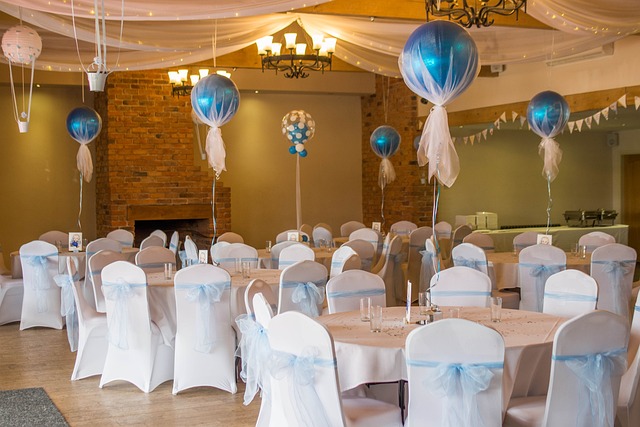
    4. Balloons are always a fun addition to any party, and they can be used in a variety of ways to decorate your venue. You can opt for traditional latex balloons or go for something more unique like metallic balloons or even confetti-filled balloons.
    5. Flowers are always a beautiful way to decorate any space, and they can be used in many different ways at your after-party. From bouquets and centerpieces to garlands and backdrops, there are endless possibilities when it comes to floral décor.

    Reception Hall Decoration

    When it comes to wedding after-party decor, the reception hall is often where couples spend the most time. This is where they will receive guests, dance the night away, and make memories that will last a lifetime. Therefore, it is important to choose decor that will set the tone for the evening and create an unforgettable experience for everyone involved.

    There are a few things to keep in mind when selecting reception hall decor. First, consider the overall theme or style of the wedding. The after-party decor should complement the overall aesthetic of the event. Second, think about what kind of atmosphere you want to create. Do you want something elegant and sophisticated? Or are you looking for a more laid-back and fun vibe? Third, take into account the size of the space and how many people will be attending the after-party. This will help you determine what kind of furniture and decorations you’ll need to accommodate everyone comfortably.

    Once you have a good idea of what you’re looking for, it’s time to start shopping! There are many online stores that sell wedding after-party decor, so you can easily find what you need without having to leave your home. Simply browse through different items and make a list of anything that catches your eye. When narrowing down your choices, keep your budget in mind and try to stick to items that will fit within your price range. With a little bit of planning and some help from online retailers, you can easily find everything you need

    Outdoor Space Decoration

    When the reception is over and it’s time to let loose, you want your after-party decor to be just as memorable as the rest of your wedding. Here are some ideas to make sure your guests have a night they’ll never forget.

    If you’re having your after-party outdoors, take advantage of the space by decorating with string lights or lanterns. You can also hang signs with fun sayings like ‘Let’s Get this Party Started!’ or ‘Last Night of Being Single!’ For extra fun, set up a photobooth with props so your guests can snap some memories of their own.

    No matter what kind of decor you choose, make sure it fits with the overall theme and style of your wedding. After all, this is one last chance to wow your guests before they head home!

    Bar & Lounge Area Décor Ideas

    When it comes to wedding after-party décor, there are endless possibilities to choose from. Whether you want to go all out with a glamorous and over-the-top setting, or keep it simple and elegant, the options are endless.

    For a bar and lounge area, you can go for a chic and sophisticated look by opting for sleek and modern furniture pieces in neutral tones. Add in some pops of color with accent pieces like vases or throw pillows, and don’t forget the all-important lighting! String lights or floor lamps will create a warm and inviting atmosphere for your guests to enjoy.

    If you’re looking for something a little more fun and festive, consider adding in some fun elements like yard games or a photo booth. And of course, no after-party is complete without some delicious food and drinks! Make sure to stock the bar with your guests’ favorite libations, and set out some light bites to keep everyone satisfied.

    DIY Wedding After Party Décor Ideas

    If you’re looking for unforgettable wedding after-party décor ideas, look no further! These DIY ideas are sure to make lasting memories.

    For a fun and festive atmosphere, hang streamers and lanterns in the party space. Balloons are always a hit, too! If you want to get really creative, spell out something special with the balloons – like “Just Married” or your new last name.

    Personalized touches always make a big impact. Use photos from the wedding day to create DIY photo booth props or table decorations. You can also have guests sign a large frame or guest book that can be displayed in your home after the wedding.

    To keep things organized (and avoid any miscommunications), create a detailed schedule of events and post it where everyone can see it. This way, everyone knows what’s happening and when – no one will miss a thing!

    Finally, don’t forget the music! A great playlist will keep the party going all night long. Make sure to include all of your guests’ favorite songs so everyone can enjoy themselves.

    Creative Wedding Favors

    When it comes to wedding favors, think outside the box! Get creative and give your guests something they’ll remember long after the big day.

    One fun idea is to create a “memory box” for each guest. Fill the box with items that represent your relationship and your wedding day, like a copy of your wedding invitation, a photo from the big day, and a handwritten note expressing your gratitude.

    Another unique favor idea is to personalize a piece of art for each guest. This could be anything from a hand-painted ceramic tile to a custom-made print with the couple’s names and wedding date. Not only will your guests love this one-of-a-kind gift, but they’ll also have a beautiful reminder of your special day that they can display in their home.

    For something edible, why not put together a gourmet cookie or candy bouquet? Arrange the treats in small vases or cellophane bags and add a pretty ribbon for an extra special touch. Your guests will love indulging in these delicious favors!

    Conclusion

    If you’re looking for unique decorations to make your wedding after-party memorable, look no further. From custom bars and LED light displays to interactive photo booths and personalized candy treats, there are a variety of ways that you can decorate your after-party to create lasting memories for both yourself and your guests. With these unforgettable decoration ideas, you’ll be sure to have an event that everyone will be talking about long after the night is over!