Author: Lee Blunt

  • Are You Protein Deficient? Here Are 7 Possible Signs To Look Out For

    Are You Protein Deficient? Here Are 7 Possible Signs To Look Out For

    Introduction

    If you’re not eating enough protein, your body will start to show signs of deficiency. You may feel fatigue, have trouble losing weight, and experience weak muscles and bones. Here are some other possible signs of protein deficiency:

    What is Protein?

    Protein is a macronutrient that is essential for the human body. It is made up of amino acids, which are the building blocks of cells and tissues. The body needs protein to build and repair muscles, bones, skin, and hair. It also plays a role in hormone production and metabolism.

    There are two types of protein: animal-based and plant-based. Animal-based proteins include meat, poultry, fish, eggs, and dairy products. Plant-based proteins include beans, legumes, nuts, seeds, and soy products.

    The recommended dietary allowance (RDA) for protein is 0.36 grams per pound (0.8 grams per kg) of body weight. For example, a person who weighs 150 pounds (68 kg) should consume 54 grams of protein per day. Athletes or people who engage in strenuous physical activity may need more protein.

    Protein deficiency is rare in developed countries like the United States but can occur in people who have trouble absorbing nutrients from food or who don’t eat enough calories overall. Symptoms of protein deficiency include fatigue, muscle weakness, thinning hair, brittle nails, and fluid retention. If you think you may be deficient in protein, talk to your doctor about ways to increase your intake through diet or supplements.

    Why Is It Important To Eat Enough Protein?

    If you don’t eat enough protein, your body will start breaking down muscle for energy. This can lead to muscle loss and weakness, as well as decreased immunity. Protein is also essential for proper growth and development in children and teenagers. Not getting enough protein can cause problems such as stunted growth, poor wound healing, and decreased muscle mass.

    Signs You Are Not Eating Enough Protein

    If you’re not sure whether you’re eating enough protein, there are some signs to look out for that may indicate you’re deficient. You may feel more tired than usual or have trouble recovering from workouts. You may also notice a decrease in muscle mass or strength, and you may get sick more often. If you suspect you’re not getting enough protein, talk to your doctor or a registered dietitian to find out how to increase your intake.

    • Low Energy Levels

    If you’re constantly tired and have low energy levels, it could be a sign that you’re protein deficient. Protein is an essential nutrient for the body, and not getting enough can lead to fatigue, muscle weakness, and other health problems. If you suspect you may be protein deficient, talk to your doctor about getting a blood test to check your levels.

    • Difficulty Building Muscle

    If you’re having difficulty building muscle, it’s possible that you’re protein deficient. Here are some signs to look out for:

    1. You’re not gaining weight.

    If you’re not gaining weight, it’s a sign that your body isn’t getting enough of the nutrients it needs to build muscle.

    1. You’re losing muscle mass.

    If you’re losing muscle mass, it’s a sign that your body isn’t getting enough of the nutrients it needs to maintain muscle.

    1. You have low energy levels.

    If you have low energy levels, it’s a sign that your body isn’t getting enough of the nutrients it needs to sustain energy levels.

    • Poor Recovery After Exercise

    If you’re not seeing the results you want from your workouts, and you feel like you’re putting in the effort, it might be because you’re not getting enough protein. Protein is essential for muscle growth and repair, so without enough of it, your body can’t recover properly after exercise. That means your muscles don’t get stronger, and you can even start to lose muscle mass.

    There are a few different ways to tell if you’re not getting enough protein. First, pay attention to how you feel after working out. If you’re feeling especially fatigued or sore, that could be a sign that your body isn’t able to recover properly. You might also notice that you’re not seeing the results you want in terms of muscle growth. If you’ve been lifting weights regularly but aren’t getting any bigger or stronger, protein deficiency could be the culprit.

    Finally, look at your diet. If you’re not eating enough protein-rich foods, or if most of your diet consists of processed carbs and fats, then it’s likely that you’re not getting enough protein. To make sure you’re getting enough, aim for 0.36 grams per pound of body weight per day (so if you weigh 150 pounds, aim for 54 grams of protein). You can get this from food sources like meat, poultry, fish, eggs, dairy, legumes, and nuts; or through supplementation with a quality protein powder.

    • Weak Immune System

    If you find yourself constantly getting sick or your wounds take forever to heal, it might be a sign that you are protein deficient. A weak immune system is one of the most common signs of protein deficiency, since proteins are responsible for the production of antibodies, which help fight off infection. If you think you might be protein deficient, be sure to talk to your doctor – they can perform a simple blood test to check your protein levels.

    • Poor Appetite Control

    If you’re not eating enough protein, it can affect your appetite in a few ways. First, you may feel less satisfied after meals and be more likely to experience hunger sooner than usual. Additionally, your body may start breaking down muscle tissue for energy, which can lead to fatigue and a general feeling of weakness. If you think you may be protein deficient, be sure to speak with your doctor or a registered dietitian for more information.

    • Slow Metabolism

    A slow metabolism can be one of the most frustrating things when it comes to weight loss. You could be doing everything right – eating healthy, exercising regularly – but the scale just isn’t moving. If you think you might have a slow metabolism, here are some signs to look out for:

    -You always feel tired, no matter how much sleep you get.
    -You have trouble losing weight, or even gaining weight.
    -Your hair is thinning, your skin is dry, and you’re constantly getting sick.

    If you’re experiencing any of these signs, it’s important to talk to your doctor. There could be an underlying health condition causing your slow metabolism, and it’s important to get to the bottom of it.

    • Hair Loss or Brittle Nails

    If you’re not getting enough protein in your diet, you may start to notice some changes in your body. Your hair may become brittle and start to fall out, or your nails may become weak and break easily. You may also feel fatigued and have difficulty building muscle. If you’re experiencing any of these symptoms, it’s important to talk to your doctor about ways to increase your protein intake.

    How Much Protein Do I Need?

    If you’re not sure how much protein you need, a general rule of thumb is to consume 0.36 grams for every pound of bodyweight. So, if you weigh 150 pounds, you should aim for 54 grams of protein per day.

    However, your protein needs may differ depending on various factors, such as your activity level and muscle mass. If you’re highly active or have a lot of muscle mass, you may need more protein than the general rule suggests.

    There are several ways to determine if you’re consuming enough protein. One is to look at your diet and see if it contains a variety of proteins from different sources. Another is to monitor your energy levels and strength. If you find that you’re constantly tired or your strength is declining, it could be a sign that you’re not getting enough protein.

    If you suspect that you might be protein deficient, talk to your doctor or a registered dietitian to get their professional opinion. They can help you determine how much protein you need and make sure that you’re getting enough from your diet.

  • Exploring Asia In Retirement: 5 Unforgettable Vacation Spots For Senior Citizens

    Exploring Asia In Retirement: 5 Unforgettable Vacation Spots For Senior Citizens

    Introduction to Exploring Asia as a Senior Citizen

    As we age, our travel preferences change. We may want to slow down the pace a bit and spend more time relaxing and taking in the sights. Asia is the perfect destination for senior citizens who want to explore different cultures and experience new adventures.

    There are many reasons why Asia is a great choice for retirees. The continent has a rich history and diverse culture that can be experienced through its food, art, architecture, and people. Asia is also home to some of the most beautiful natural scenery in the world. From the snow-capped mountains of Nepal to the beaches of Thailand, there is something for everyone to enjoy.

    Thailand: Beaches and Temples

    If you’re looking for a retirement destination that offers both beautiful beaches and ancient temples, look no further than Thailand! This Southeast Asian nation is a popular tourist destination for senior citizens, as it offers a wide variety of activities and attractions to suit all interests.

    Whether you want to relax on the beach, explore the jungle, or visit historical sites, Thailand has something for everyone. The country’s many beaches are perfect for swimming, sunbathing, and snorkeling, while its temples offer a glimpse into the nation’s rich culture and history. And with its friendly locals and affordable prices, Thailand is an ideal place to retire to on a budget.

    Japan: Culture and Nature

    Japan is a country with a rich culture and diverse landscape. From the bustling metropolis of Tokyo to the serene mountains of Kyoto, there is something for everyone in Japan. The country is also home to many incredible natural attractions, such as Mt. Fuji, hot springs, and beaches. Senior citizens can enjoy all of these things and more on a retirement trip to Japan.

    China: History and Cuisine

    China is one of the oldest civilizations in the world, with a rich history and culture that has been influence by a number of different dynasties. The cuisine of China is just as diverse as its history, with a wide variety of regional flavors and dishes.

    Whether you’re interested in exploring the Great Wall or sampling some delicious dumplings, China is an ideal destination for senior citizens looking to experience something new.

    India: Festivals and Monuments

    India is a land of festivals and monuments. From the Taj Mahal to the temples of Kerala, there are countless ways to explore India’s rich cultural heritage. Senior citizens can take advantage of India’s many festivals and monuments by visiting them during their retirement.

    The Taj Mahal is one of the most popular tourist destinations in India. It is a mausoleum complex built by Mughal Emperor Shah Jahan in memory of his late wife, Mumtaz Mahal. The Taj Mahal is considered one of the most beautiful buildings in the world and is a must-see for any senior citizen visiting India.

    Kerala is a state in southern India known for its beautiful temples and beaches. Seniors can enjoy exploring Kerala’s temples, such as the Padmanabhaswamy Temple, which is dedicated to the Hindu god Vishnu. Kerala’s beaches are also perfect for relaxing and enjoying the stunning views.

    Chennai, formerly Madras, is the capital city of Tamil Nadu state in southern India. It is home to many historical landmarks, such as Fort St George and Marina Beach. Senior citizens can learn about Chennai’s history and culture by visiting these landmarks.

    Mumbai, formerly Bombay, is the capital city of Maharashtra state in western India. It is home to some of India’s most iconic landmarks, such as the Gateway of India and the Taj Mahal Palace Hotel. Senior citizens can also enjoy Mumbai’s vibrant nightlife and delicious cuisine while visiting

    Singapore: Shopping and Sightseeing

    Singapore is a shopper’s paradise, with myriad malls, markets, and boutiques to explore. For those who enjoy people-watching, Orchard Road—with its high-end stores and luxury hotels—is the place to be. To get a taste of local flavor, head to Chinatown or Little India, where you can bargain for trinkets, sample spicy dishes, and soak up the vibrant atmosphere.

    When it comes to sightseeing, Singapore has plenty to offer, from historical landmarks like the Raffles Hotel and Fort Canning Park to modern marvels like the Marina Bay Sands Resort. Don’t miss the chance to ride the Singapore Flyer—the world’s largest Ferris wheel—for breathtaking views of the city skyline. And no visit to Singapore would be complete without taking a leisurely stroll through Gardens by the Bay, an enchanting 101-hectare park filled with Supertrees (vertical gardens), exotic flowers, and lush greenery.

    Conclusion

    Asia is a wonderful place to explore in retirement, and there are so many incredible vacation spots that you can visit. From the stunning beaches of Thailand to the ancient temples of Cambodia, there’s something for everyone. Senior citizens can enjoy an unforgettable experience while exploring these amazing places, from historical sites to vibrant nightlife. Whether it’s your first time or not, Asia has something special for every traveler looking for a dream getaway.

  • How To Survive A Long Flight: 10 Fun Things To Do On Your Next Plane Ride

    How To Survive A Long Flight: 10 Fun Things To Do On Your Next Plane Ride

    Tips for Surviving a Long Flight

    1. Get comfortable: Long flights can be uncomfortable, so do your best to get cozy. Wear loose-fitting clothes, bring a neck pillow, and consider an aisle seat so you can stretch your legs every once in awhile.
    2. Stay hydrated: It’s easy to get dehydrated on a long flight, so make sure to drink plenty of water. Avoid caffeine and alcohol, which can actually dehydrate you more.
    3. Eat healthy: Eating healthy foods will help you feel your best during a long flight. Avoid sugary snacks and opt for protein-rich foods like nuts or yogurt.
    4. Move around: Sitting in one spot for too long can make you feel sluggish, so make sure to get up and move around every few hours. Walk up and down the aisle or do some simple stretching exercises in your seat.
    5. Keep your mind occupied: Bring along some reading material or download some movies or TV shows to keep yourself entertained during the flight.

    Get Comfortable: What to Wear and Bring on the Plane

    Whether you’re flying for business or pleasure, spending hours on a plane can be tough. But it doesn’t have to be a pain if you know how to prepare and what to expect. Here are a few tips on how to make your next long flight more bearable, even fun:

    1. Get Comfortable: What to Wear and Bring on the Plane

    The key to surviving a long flight is being comfortable. That means wearing loose, breathable clothing and bringing along anything that will help you sleep, relax or stay entertained. Here’s a list of must-haves for your next long haul flight:

    -Comfortable clothes: Wear layers that you can take on and off as needed. A scarf or shawl can also double as a blanket or pillow.

    -Eye mask: To block out light and help you sleep.

    -Noise-cancelling headphones or earplugs: To drown out any annoying airplane noises or chatty seatmates.

    -Neck pillow: For extra comfort and support when trying to snooze in your cramped seat.

    • Kindle or other e-reader: For entertainment during takeoff and landing, or whenever you need a break from sleeping/relaxing. Make sure to download some books or magazines before your flight so you’re not stuck with in-flight entertainment options only.

    -Snacks and drinks: Planes tend to have terrible food options, so it’s

    Fun Activities to Do on a Plane

    Assuming you have a long flight ahead of you, there are plenty of fun activities to keep you occupied during the journey. Here are some great ideas to make the most of your time in the air:

    1. Get lost in a good book – A classic way to pass the time, reading is the perfect activity for a plane ride. Whether you bring your own book or take advantage of the in-flight entertainment system, this is a great way to relax and escape into another world.
    2. Play games – Games are a great way to stay entertained and can be played solo or with fellow passengers. Bring along your favorite travel games or try out some new ones from the in-flight magazine.
    3. Listen to music – Music can help you relax, feel energized, or even fall asleep. Create a playlist of your favorite tunes before your flight and enjoy!
    4. Watch a movie – Another great option for in-flight entertainment, watching a movie can help kill time on a long flight. Pop some popcorn and settle in for take-off.
    5. Chat with your seatmate – If you’re feeling social, strike up a conversation with your seatmate! You never know who you might meet or what interesting stories they may have to share.
    • Playing Games

    Assuming you don’t want to sleep the whole way, there are still plenty of things to do on a long flight to keep yourself entertained. One option is to bring along a few portable games to play by yourself or with fellow passengers. Games like Cards Against Humanity, SET, and Bananagrams are perfect for passing the time on a plane. If you’re traveling with kids, make sure to pack some travel-friendly games like Uno or Zingo! that won’t take up too much space in your carry-on. You can also take advantage of in-flight entertainment systems and download some digital games to play on your personal device. Many airlines now offer free movie and TV streaming services, so you can catch up on your favorite shows or watch a new movie while you’re in the air. And if all else fails, there’s always the classic standby of people watching – it’s amazing what you can learn about your seatmates just by observing them during the flight!

    • Watching Movies

    There’s nothing quite like settling in for a good movie on a long flight. Whether you’re catching up on the latest releases or revisiting old favorites, watching movies is a great way to pass the time on a plane. And with today’s technology, it’s easy to do.

    Most airlines now offer in-flight entertainment systems with a wide selection of movies to choose from. Many of these systems are free to use, so you can watch as many movies as you like during your flight. If you don’t have access to an in-flight entertainment system, you can always bring your own device and stream movies from Netflix or another service.

    So next time you’re facing a long flight, don’t despair—pop some popcorn and enjoy a movie (or two!).

    • Listening to Music

    If you’re someone who loves music, then there’s no doubt that listening to music is one of the best ways to survive a long flight. Not only will it help pass the time, but it can also be a great way to relax and de-stress.

    There are a few different ways that you can go about listening to music on your next plane ride. One option is to bring along your own portable music player and headphones. This way, you can control what you listen to and how loud it is.

    Another option is to take advantage of in-flight entertainment systems. Most long-haul flights these days have some form of in-flight entertainment, which often includes a wide selection of music to choose from. All you need is a set of headphones and you’re good to go!

    So, next time you’re facing a long flight, don’t forget that music can be a great way to make the time fly by.

    • Reading Books

    Assuming you’re not one of those people who can fall asleep anywhere, a long flight can be pretty tedious. But it doesn’t have to be! Here are some fun things you can do on your next plane ride to help pass the time:

    1. Read a book – If you’re an avid reader, bring along a good book to keep you entertained during the flight. Crime thrillers, suspenseful dramas, and lighthearted romances are all great options for long flights. Just make sure you pack enough books to last the entire trip in case you get stuck on a delayed flight!
    2. Play games – Games are a great way to kill time on long flights. Pack a deck of cards or download some apps onto your phone or tablet. Word games, Sudoku, and other brainteasers are perfect for while you’re stuck in your seat. And if you’re traveling with kids, games will keep them occupied so you can relax (or at least try to).
    3. Listen to music – Music is another great way to entertain yourself on a long flight. Make sure to bring along your headphones and download some tunes before takeoff. Pop, rock, classical, jazz—whatever genre gets you moving, crank it up and enjoy!
    4. Watch a movie – If reading isn’t really your thing or you just want to veg out for awhile, put on a movie. Most planes have an entertainment system with tons of movies available for purchase
    • Doing Puzzles & Crosswords

    Puzzles and crosswords are a great way to pass the time on a long flight. They can be a great way to keep your mind sharp and occupied. There are a few things to keep in mind when choosing puzzles and crosswords for your flight. First, make sure you have enough time to complete the puzzle or crossword. Second, choose puzzles and crosswords that are challenging but not too difficult. Third, make sure you have an eraser or pencil in case you make a mistake. Finally, enjoy yourself!

    • Writing in a Journal

    Assuming you’re flying solo, one of the best things you can do to pass the time is to write in a journal. This doesn’t have to be anything fancy, just a notebook where you can jot down your thoughts, musings, and impressions. If you’re traveling for business, use this time to brainstorm ideas or reflect on your meetings. If you’re vacationing, use it as an opportunity to capture all the sights and sounds of your trip. And if you’re just going home to see family, use it as a way to document all the little moments that make up your life. No matter what you use it for, journaling is a great way to kill time on a long flight.

    • People Watching

    When it comes to people watching, there are all sorts of interesting characters you can encounter on a long flight. From the chatty seatmate who never seems to take a break from talking, to the crying baby a few rows back, there’s always something to keep you entertained.

    If you’re looking for some light-hearted fun, why not make up stories about the people around you? Where are they going? What do they do for a living? What kind of life do they lead? It can be amusing to create backstories for complete strangers, and you may even end up making some new friends in the process.

    How to Stay Healthy During a Flight

    The first step to staying healthy during a flight is to stay hydrated. Drink plenty of water before, during, and after your flight. Avoid sugary drinks like soda and alcohol, which can dehydrate you.

    If you can, walk around the cabin every few hours to keep your blood flowing. Stretch in your seat or do some simple exercises to keep your muscles from stiffening up.

    Wear loose, comfortable clothing so you don’t restrict blood flow. And if you’re prone to motion sickness, consider taking medication before your flight.

    Tips for Dealing with Jet Lag

    Assuming you are flying eastward, it is important to reset your internal clock by exposing yourself to sunlight as soon as possible upon arrival. Try to avoid napping during the day so that you can fall asleep more easily at night. Drink lots of water and avoid alcohol, which can dehydrate you and make jet lag worse. Eating light meals high in protein and low in carbohydrates can also help, as can exercising regularly.

  • The Ideal Dog For Your Small Apartment: 5 Breeds That Make Great Companions

    The Ideal Dog For Your Small Apartment: 5 Breeds That Make Great Companions

    Introduction to Small Apartment Dogs

    Small apartment dogs are the perfect companions for city living. They’re low-maintenance, adaptable, and don’t require a lot of space. While all dog breeds can make great companions, some breeds are better suited for small apartments than others.

    The best small apartment dogs are typically toy or small breeds that don’t need a lot of exercise. Breeds that make great companions for small apartments include the Affenpinscher, American Eskimo Dog, Australian Terrier, Basset Hound, Beagle, Bichon Frise, Boston Terrier, Brussels Griffon, Bulldog, Cavalier King Charles Spaniel, Chihuahua, Chinese Crested Dog, Coton de Tulear, Dachshund, English Toy Spaniel, French Bulldog, Havanese, Italian Greyhound , Japanese Chin , Maltese , Manchester Terrier , Miniature Pinscher , Papillon , Pekingese , Pomeranian , Scottish Terrier , Shih Tzu , Silky Terrier , Toy Fox Terrier and Yorkshire Terrier .

    These breeds are generally easy to care for and don’t require a lot of space or exercise. If you’re looking for a small dog breed that will be a great companion for your small apartment, any of these breeds would be a good choice.

    The 5 Best Dog Breeds for Small Apartments

    Size doesn’t always dictate whether a dog is a good fit for city living. Some of the best apartment dogs are actually large breeds. But if you’re looking for a small dog that can live happily in a smaller space, here are five of the best breeds for small apartments:

    1. Chihuahuas are one of the smallest breeds of dogs, and they’re perfect for city living. They don’t need much exercise, so a short walk around the block is all they need. And since they’re so small, they don’t take up much space in your apartment.
    2. Pugs are another small breed that does well in apartments. They’re affectionate and loving, and they don’t require a lot of exercise. A pug is the perfect lapdog for city living.
    3. Yorkshire Terriers are another great choice for city living. They’re small, but they have a lot of energy and personality. They do need some daily exercise, but a quick walk around the block will suffice.
    4. Shih Tzus are another small breed that’s perfect for apartment living. They love to be with their owners and don’t require much exercise. A short walk or indoor playtime is all they need to stay happy and healthy.

    5 . Maltese are another great choice for small apartments . Like most small breeds , they don ‘ t require much exercise . A short walk or indoor playtime is all they need .

    • Pomeranian

    Pomeranians are one of the most popular small dog breeds and for good reason. They are intelligent, playful, and make great companions. They do well in small apartments and can be trained to use a doggy door. Pomeranians are active dogs and need daily exercise. A short walk or play session will suffice. They are also good watchdogs and will bark at strangers.

    • French Bulldog

    French bulldogs are one of the most popular breeds for city-dwellers. They’re small, relatively quiet, and low energy – perfect for a cramped apartment. They’re also loyal and affectionate, making them great companions. Just be prepared to do a lot of grooming; those cute wrinkles need to be cleaned out regularly to prevent infection.

    • Chihuahua

    Are you looking for a small, affectionate dog to keep you company in your small apartment? If so, the Chihuahua may be the ideal breed for you!

    Weighing in at only 6-8 pounds, Chihuahuas are the smallest breed of dogs. Despite their size, they are incredibly loyal and protective of their owners. They make great companion animals and will follow you around the house all day long!

    While they do not require a lot of exercise, Chihuahuas do need some mental stimulation. Be sure to provide them with plenty of toys and puzzles to keep their minds active.

    If you are looking for a small dog that will shower you with love and affection, the Chihuahua is the perfect breed for you!

    • Yorkie

    If you live in a small apartment, you may think that you can’t have a dog. But there are actually quite a few breeds that do well in smaller spaces. One of these is the Yorkie.

    Yorkies are relatively small, but they don’t require a lot of exercise. A short daily walk will suffice. They are also relatively quiet, so they won’t disturb your neighbors.

    Yorkies are known for being loyal and loving companions. They will quickly become attached to their owner and want to be close by at all times. This makes them great dogs for people who live alone.

    If you’re looking for a small dog that doesn’t require a lot of space or exercise, the Yorkie is a great choice.

    • Miniature Pinscher

    Assuming you’re looking for a dog that will do well in a small apartment, the Miniature Pinscher is an ideal breed. As the name suggests, the Miniature Pinscher is a smaller version of the Doberman Pinscher; however, don’t let their size fool you. The Miniature Pinscher is a spunky and feisty little dog with tons of personality. They are very active and love to play, making them great companions for people who live an active lifestyle. However, they can also be content relaxing in your lap after a long day. One thing to keep in mind with the Miniature Pinscher is that they can be quite vocal, so if you’re looking for a quiet dog this may not be the breed for you.

    Pros and Cons of Owning a Small Dog in a Small Apartment

    There are a few things to consider before deciding if a small dog is the right fit for your small apartment. Here are some pros and cons of owning a small dog in a small apartment:

    Pros:

    • Small dogs are generally less expensive to care for than large dogs.
    • They don’t need as much exercise as larger breeds, so they’re a good fit for busy lifestyles or small living spaces.
    • Small breeds typically have a longer lifespan than larger breeds.
    • Many small dogs are hypoallergenic, making them a good choice for people with allergies.

    Cons:

    • Some small dogs can be yappy and bark excessively, which may not be ideal for close quarters living.
    • Small breeds may be more prone to health problems due to their size.
    • They may also require special care, such as regular teeth cleaning and grooming sessions.

    Training Tips for Small Dogs in Apartments

    1. Training Tips for Small Dogs in Apartments

    If you live in a small apartment, you may think that owning a dog is out of the question. But there are plenty of small dog breeds that make great companions for apartment dwellers! With a little bit of training, your small dog can learn to coexist peacefully with your other roommates (human or otherwise). Here are some tips to get started:

    -Start with basic obedience training. This will teach your dog the basics like sit, stay, come, and down. It will also help them learn to listen to you and follow your commands.

    -Create rules and stick to them. Decide what behaviors are acceptable and which ones are not, and be consistent in enforcing the rules. For example, if you don’t want your dog on the furniture, make sure everyone in the household knows this rule and enforces it consistently.

    -Provide plenty of exercise. Small dogs have lots of energy, so it’s important to give them an outlet for all that pent-up energy. Daily walks or runs around the block are a great way to tire them out so they’re more relaxed indoors. If possible, take them to a nearby park or doggy daycare center where they can play and socialize with other dogs.

    With a little bit of effort, you can successfully train your small dog to live happily in your apartment!

    Conclusion

    Whether you’re looking for a cuddly companion or an active playmate, there are several breeds of dog that make the ideal pet for your small apartment. We hope this article has helped you find the perfect pup to fit in with your lifestyle, budget and space requirements. With so many wonderful breeds out there, it can be hard to choose just one! But whichever breed you pick, we wish you lots of love and fun times with your new furry friend!

  • 5 Simple Edits To Help You Streamline Your Life And Get Back On Track

    5 Simple Edits To Help You Streamline Your Life And Get Back On Track

    Introduction

    We all have those moments where everything feels like it’s spiraling out of control. Our to-do lists are a mile long, we’re constantly running late, and it feels like we’re never really catching up. If this sounds like you, then it might be time to streamline your life with some simple edits.

    By making a few small changes in your daily routine, you can get back on track and start living a more organized and stress-free life. Here are a few ideas to get you started:

    1. Wake up earlier: Waking up even just 30 minutes earlier can give you some much needed extra time in the morning to get yourself organized for the day ahead. Use this time to plan out your day, make a healthy breakfast, or just take some time for yourself before starting your busy day.
    2. declutter your space: A cluttered environment can often lead to a cluttered mind. Take some time each day to declutter your living space, desk, or any other areas that tend to get messy. This will help you feel more organized and in control of your surroundings.
    3. Set daily/weekly goals: One of the best ways to stay on track is by setting goals for yourself, both short-term and long-term. Having something to work towards can help keep you motivated and focused on what’s important. Plus, once you accomplish your goal, you’ll have a sense of accomplishment that will make you feel good.

    Edit #1: Identify Your Priorities

    The first step to streamlining your life is identifying your priorities. What is most important to you? What do you want to focus on?

    For many people, family is their top priority. If that’s the case for you, make sure you’re spending quality time with your loved ones. Other priorities might include your health, your career, or your personal hobbies and interests.

    Think about what’s most important to you and make sure you’re devoting enough time and energy to those areas of your life. Once you know what your priorities are, you can start making simple edits to help streamline your life and get back on track.

    Edit #2: Evaluate Your Time Commitments

    There’s no denying that life can sometimes feel like it’s one big to-do list. Between work, family, and social obligations, it can be tough to find time for yourself. But if you’re feeling overwhelmed and out of balance, it’s important to take a step back and evaluate your commitments.

    Are you saying yes to too many things? Are you taking on more than you can handle? Are there areas of your life where you could use some simplification?

    Take a close look at your calendar and see where your time is really going. Are there activities that are no longer serving you? Is there something you’ve been meaning to do but never seem to have the time for?

    Make a list of your current commitments and ask yourself if each one is truly necessary. If not, see if there’s any way you can cut back or eliminate it altogether. And don’t forget to schedule in some much-needed “me” time!

    Edit #3: Declutter Your Physical and Digital Spaces

    After a long day of work, the last thing you want to come home to is a cluttered house. Not only is it visually unappealing, but it can also be quite stressful. The same goes for your digital spaces. A cluttered desktops or an overflowing inbox can make it hard to focus and be productive.

    That’s why decluttering your physical and digital spaces is one of the best things you can do for your mental health. Taking a few minutes to straighten up your room or clear out your emails can make a world of difference in terms of your stress levels and overall well-being.

    So if you’re feeling overwhelmed, start with these simple edits:

    1) Declutter Your Physical Space: Take some time to go through your belongings and get rid of anything that you don’t need or use anymore. This includes clothes, books, knick-knacks, etc. If it’s been collecting dust on a shelf somewhere, chances are you don’t really need it. Donate items that are still in good condition or throw away anything that’s past its prime.

    2) Declutter Your Digital Space: Just like your physical space, your digital space can quickly become cluttered with unwanted files and emails. Go through your computer files and delete anything that you don’t need anymore. Unsubscribe from any newsletters or email lists that you no longer read. And most importantly, create a system for organizing everything so that it’s

    Edit #4: Establish Boundaries

    We all have different comfort levels when it comes to personal space and interactions with others. It’s important to establish boundaries in order to maintain a healthy balance in our lives.

    When we’re out in public, we’re constantly interacting with people we don’t know. We might be bumped, jostled, or even touched without consent. It can be overwhelming, and it’s important to remember that we don’t have to tolerate this type of interaction if we don’t want to. We can politely excuse ourselves or move away from the situation.

    In our personal relationships, we should also feel comfortable setting boundaries. If we’re not comfortable with physical affection, for example, we should communicate that to our partner. We should also feel free to say no if we don’t want to do something, even if it’s something our friends or family members are pressuring us to do.

    It’s okay to put yourself first and establish boundaries in your life. By doing so, you’ll be able to create a more positive and healthy lifestyle for yourself.

    Edit #5: Set Goals for the Future

    It’s never too late to set goals for the future. Whether you’re starting a new job, going back to school, or just trying to get your life back on track, setting goals is a great way to stay focused and motivated.

    Here are a few tips for setting goals that will help you streamline your life and get back on track:

    1. Make sure your goals are specific.

    When you’re setting goals, it’s important to be as specific as possible. This will help you stay focused and on track. For example, rather than setting a goal of “losing weight,” set a goal of “losing 10 pounds.”

    1. Set realistic goals.

    If your goal is too lofty, you’re likely to get discouraged and give up. So make sure your goals are realistic and achievable. If you’re not sure what’s realistic, talk to your doctor or a professional coach who can help you set appropriate goals.

    1. Set a deadline for your goal.

    Giving yourself a deadline will help you stay on track and motivated to achieve your goal. For example, if your goal is to lose 10 pounds, set a deadline of two months from now. This will give you something to work towards and keep you accountable.

    1. Make a plan of action.

    It’s easy to get caught up in the day-to-day and lose sight of your long-term goals. But if you want to stay on track, it’s important to set goals for the future and make a plan for how you’re going to achieve them.

    Think about what you want to accomplish in the next year, 5 years, and 10 years. What steps do you need to take to get there? What can you start doing today that will help you reach your goals?

    Write your goals down and review them regularly. This will help keep you focused and motivated. And don’t forget to celebrate your accomplishments along the way!

    Conclusion

    With these five simple edits, you can streamline your life and get back on track. Making small changes to your routine can make a big difference in how organized and productive you are. So, start by identifying what works for you and then taking the necessary steps to implement it into your life. By doing this, you’ll be well on your way to living a more balanced life with greater satisfaction across all areas of your life.

  • 7 Vastu-Approved Places To Keep A Buddha Statue In Your Home For Good Luck And Prosperity

    7 Vastu-Approved Places To Keep A Buddha Statue In Your Home For Good Luck And Prosperity

    Introduction

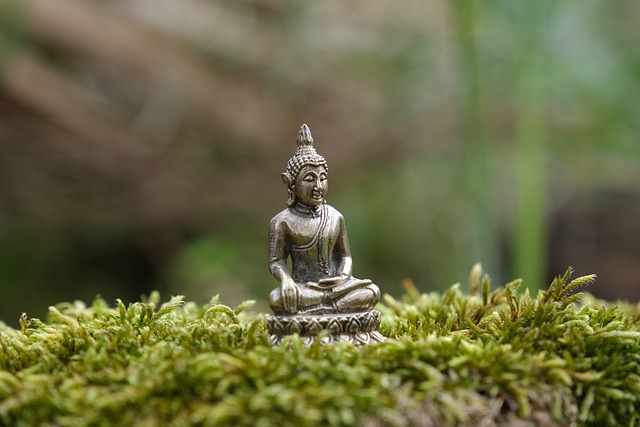
    Buddha statues are not only beautiful and serene, but they are also said to bring good luck and prosperity to those who keep them in their homes. But where is the best place to keep a Buddha statue in your home according to Vastu Shastra?

    Here are some approved places for keeping a Buddha statue in your home, according to Vastu:

    1. The North East corner of your home is known as the ‘Purushartha’ or ‘abode of God’. This is the ideal spot for placing a Buddha statue as it represents growth, progress, and abundance.
    2. The South West corner of your home is known as the ‘Trikona’ or ‘triangle’. This spot is said to be auspicious for placing a Buddha statue as it symbolizes creativity, inspiration, and knowledge.
    3. The center of your home is known as the ‘Brahma sthan’ or ‘seat of Brahma’. Placing a Buddha statue here is said to bring peace, harmony, and balance to your home.
    4. You can also place a Buddha statue in your office or workplace in any of these corners mentioned above. Doing so is said to bring good luck and success in your career.

    What is Vastu?

    According to Vastu, the Buddha statue should be placed in a room that gets a lot of natural light. The best spot is in the northeast corner of the room.

    The Buddha statue can also be placed in the southeast corner of the room. This is the wealth corner and it will help bring prosperity and good luck.

    The northwest corner is the place for spiritual growth. Placing the Buddha statue in this corner will help you to develop your spirituality.

    The southwest corner is the relationship corner. Placing the Buddha statue here will help to improve your relationships with others.

    Why Keep a Buddha Statue At Home?

    Buddha statues are not only incredibly beautiful and serene, but they also carry a lot of meaning and symbolism. According to the principles of vastu shastra, placing a Buddha statue in your home can bring good luck and prosperity.

    There are several reasons why you might want to keep a Buddha statue at home. For one, it can help you achieve a sense of inner peace and calm. In today’s hectic world, it’s important to take some time out for yourself to relax and de-stress. Having a Buddha statue in your home can serve as a gentle reminder to take a few deep breaths and just let go.

    Another reason to keep a Buddha statue at home is for its vastu benefits. Vastu is an ancient Indian science that deals with the placement of things in order to create harmony and balance in one’s life. According to vastu, placing a Buddha statue in the northeast corner of your home will bring positive energy into your space. This positive energy can then lead to increased wealth, good health, and overall happiness.

    So if you’re looking for ways to bring more peace and positivity into your life, consider keeping a Buddha statue at home. It may just be the best decision you ever make!

    7 Vastu Approved Places To Keep A Buddha Statue

    There are many different ways to incorporate a Buddha statue into your home according to the principles of vastu shastra. Here are some of the most popular and auspicious locations:

    1. The front entrance: Placing a Buddha statue at the front entrance of your home is said to bring good luck and fortune. It is also thought to protect against negative energy and evil spirits.
    2. The living room: The living room is considered to be the heart of the home, so it is an ideal place to keep a Buddha statue. It is said to promote harmony and peace in the household.
    3. The kitchen: The kitchen is another important area of the home, and it is believed that placing a Buddha statue here will help to bless the food that is prepared. It can also help to protect against fire accidents.
    4. The bedroom: Keeping a Buddha statue in the bedroom is said to promote good sleep and positive dreams. It can also help to create a peaceful and calming atmosphere in the room.
    • East or North Direction

    Buddha statues are said to bring good luck and prosperity when placed in certain areas of the home. According to vastu, the east or north direction is the best place to keep a Buddha statue. This is because these directions are associated with the element of water, which is said to be auspicious for wealth and success.

    Water is considered to be a powerful force in nature and is associated with many positive qualities. For example, water is associated with fertility, growth, and abundance. Therefore, placing a Buddha statue in the east or north direction of your home is said to encourage these qualities in your life.

    In addition, the east and north directions are also associated with the planet Jupiter. Jupiter is considered to be an auspicious planet that brings good fortune and luck. Therefore, by placing a Buddha statue in these directions, you can attract Jupiter’s positive energy into your home.

    Overall, the east or north direction is an ideal location for a Buddha statue if you want to bring good luck and prosperity into your life.

    • West Side of the Main Door

    According to the principles of vastu, the west side of the main door is the best place to keep a Buddha statue. This is because the west side is associated with the element of water, which is considered to be auspicious and represents growth and abundance.

    Water is also a symbol of purification, so having a Buddha statue in this area of your home can help to purify your space and bring good luck and prosperity.

    • Above the Puja Altar

    Buddha statues are not only beautiful but also believed to bring good luck and prosperity. While there are many places in your home where you can keep a Buddha statue, according to vastu, the puja altar is the best place for it.

    Here are some things to keep in mind when placing a Buddha statue on your puja altar:

    • The statue should be placed at a higher level than any other object on the altar. This signifies that the Buddha is revered and respected.
    • The statue should be facing east, which is the direction of sunrise and represents new beginnings.
    • The best day to place the statue on the altar is Thursday, which is considered auspicious for Lord Buddha.
    • Make sure that the altar is clean and free from any clutter before placing the statue on it.
    • Living Room

    When it comes to finding a good place to keep a Buddha statue in your home, the living room is always a great option. Not only is it one of the most popular rooms in the house, but it’s also a space where you can easily create an altar or shrine.

    If you have a large living room, you can easily place your Buddha statue on a small table or shelf. If you have a smaller living room, you can still create an altar by placing your Buddha statue on a bookshelf or in an empty corner.

    Whichever way you choose to display your Buddha statue, be sure to keep it in a clean and dust-free environment. Also, make sure that the statue is not placed in direct sunlight, as this can fade the color over time.

    • Bedroom

    Buddha statues are said to bring good luck and prosperity, so it’s no surprise that many people want to have one in their home. But where is the best place to keep a Buddha statue according to Vastu principles?

    Here are some approved bedroom locations:

    • On a bedside table
    • On a dresser or chest of drawers
    • In a corner of the room
    • Near the door leading into the room
    • Kitchen

    There are many different ways to incorporate a Buddha statue into your home according to the principles of vastu shastra. One of the most popular places to keep a Buddha statue is in the kitchen. This is because the kitchen is considered to be the heart of the home, and it is said that keeping a Buddha statue in this space will promote good luck and prosperity.

    Some tips for placing a Buddha statue in your kitchen:

    • The best location for a Buddha statue in the kitchen is on a counter or shelf near the stove.
    • It is said that if you place your Buddha statue facing outwards towards the door, this will invite positive energy into your home.
    • Avoid placing your Buddha statue near the sink or garbage disposal, as this can represent negative energy.
    • Study Room/Office Space

    Your home is your sacred space, and it should be treated as such. One way to bring good luck and prosperity into your home is by placing a Buddha statue in specific areas that are said to amplify its effects.

    The study room or office space is one of the best places to keep a Buddha statue. The reason for this is because the study room is a place of learning and growth. By having a Buddha statue in this space, you are inviting wisdom and knowledge into your life. This will help you to achieve success in whatever you pursue.

    It is important to note that not just any Buddha statue will do. You want to make sure that you choose a statue that represents the things you wish to manifest in your life. For example, if you are looking for wealth and abundance, then choose a Buddha statue that depicts him holding money or surrounded by Wealth God symbols. If you are seeking love and relationships, then pick a statue of the Happy Buddha with children or animals around him. There are endless possibilities, so take some time to find the perfect Buddha statue for your needs.

    Conclusion

    Placing a Buddha statue in your home is an auspicious way to bring good luck and prosperity. By following Vastu Shastra guidelines, you can ensure that energy flows freely throughout your home while honoring the spiritual beliefs of the ancient practice. We hope this article has given you some ideas on where to place your Buddha statue for maximum benefit and that it brings you peace, joy, and abundance into your life!

  • Home Decor Trend Alert: The 2023 Colour Code Palette To Refresh Your Space

    Home Decor Trend Alert: The 2023 Colour Code Palette To Refresh Your Space

    Introduction to the 2023 Colour Code Palette

    As we move into the new year, many of us are looking for ways to refresh our spaces. If you’re considering a home makeover, the 2023 Colour Code Palette is a great place to start. This palette is full of fresh, vibrant hues that will liven up any room.

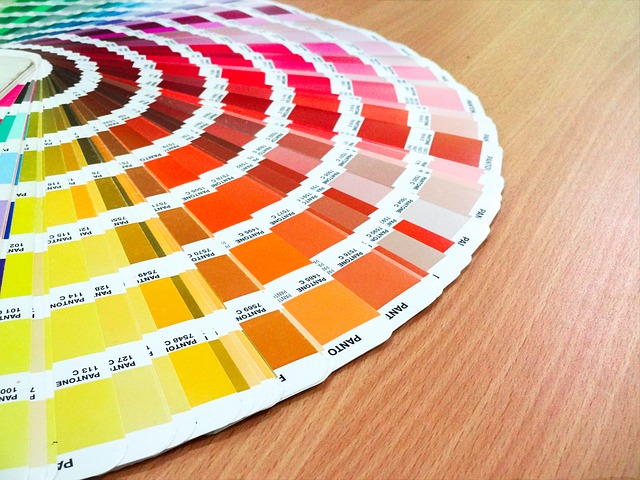
    The Colour Code Palette was created by Pantone, the world’s leading colour authority. Each year, they release a new palette of colours that they believe will be popular in the coming year. The 2023 palette is inspired by nature and includes both warm and cool tones.

    There are 12 colours in the 2023 Colour Code Palette:

    1. Blueberry Mint: A refreshing blue hue with a hint of mint.
    2. Coral Reef: A beautiful coral shade that evokes the tropical reefs of the ocean.
    3. Dragonfruit: A fun and lively pink shade with purple undertones.
    4. Hibiscus Pink: A bright and cheerful pink hue.
    5. Lemon Drop: A sunny yellow shade that’s sure to add some cheer to your space.
    6. Limeade: A zesty lime green shade with a touch of yellow.
    7. Ocean Mist: A calming blue-green hue reminiscent of a peaceful day at the beach.
    8. Pineapple Express:A sunny yellow-green shade inspired by everyone
    9. Papaya Punch: A vibrant and juicy orange shade.

        In case you haven’t noticed, there’s a new paint palette in town and it’s taking over homes everywhere! The Colour Code Palette is the latest trend in home decor and it’s perfect for refreshing your space.

        This palette is all about using bold, bright colours to add a pop of personality to your home. Whether you’re looking to add a statement wall or just want to inject some life into your decor, this palette is perfect for you.

        Some of our favourite colours from the Colour Code Palette include ‘Mellow Yellow’, ‘Tropical Tango’ and ‘Crazy for Cobalt’. To see how these colours can be used in your home, check out the following examples:

        Mellow Yellow: This cheerful hue is perfect for adding a sunny touch to any room. Try painting an accent wall or using yellow accessories to brighten up your space.

        Tropical Tango: This vibrant colour is perfect for adding some life to any room. Try painting an accent wall or using colourful accessories to make a statement.

        Crazy for Cobalt: This rich blue hue is perfect for creating a calming atmosphere in any room. Try painting an accent wall or using blue accessories to create a serene space.

        In the past few years, we’ve seen a huge shift in the world of home decor. Trends have come and gone, but one thing has remained consistent: the colour code palette. With so many different ways to refresh your space, it’s no wonder this trend has become so popular. From pillows and throws to furniture and accessories, there’s no shortage of ways to incorporate the colour code palette into your home.

        Whether you’re looking for a subtle way to add some colour to your space or you want to make a bold statement, the colour code palette is a great way to do it. And with so many different colours to choose from, you’re sure to find the perfect combination for your home.

        Accessorizing with Color

        A home’s decor is a reflection of the homeowner’s personality. It should be a space that is inviting and inspires creativity. This year, there is a new trend in home decor that is all about color. The Color Code Palette is a way to refresh your space with bold, vibrant colors.

        The Color Code Palette consists of four colors: black, white, pink, and green. These colors are perfect for creating a bold statement in any room. Black and white are classic colors that will never go out of style. Pink is a feminine color that adds a touch of elegance to any space. Green is a fresh, natural color that brings the outdoors inside.

        Whether you use all four colors or just one, the Color Code Palette is sure to give your home a fresh new look. Here are some ideas on how to incorporate these colors into your space:

        -Paint an accent wall in black or white.
        -Hang artwork with pops of pink or green.
        -Add throw pillows in each color to your sofa or bed.
        -Display flowers in vases that coordinate with the Color Code Palette.
        -Place candles or lanterns around your home in each color.
        -Use the Color Code Palette as inspiration for your next home decor project!

        When it comes to furniture, there are a few key trends that are emerging for 2019. One is the use of bold, bright colours. Gone are the days of bland, beige sofas – now it’s all about making a statement with your furniture. If you’re not sure where to start, try incorporating some jewel tones into your space. Another trend is mixing and matching different styles of furniture. This can create an eclectic look that is both unique and stylish. Finally, vintage pieces are making a comeback. Look for furniture with interesting details and patina for a timeless feel.

        Looking to refresh your space but not sure what colours to use? Look no further than the Colour Code Palette! This on-trend palette is perfect for creating a fresh, modern look in your home.

        Whether you’re looking to paint your walls, update your furnishings, or add some new accessories, the Colour Code Palette has something for everyone. With its mix of vibrant and neutral colours, there’s sure to be a shade that speaks to you. And with its range of light and dark tones, you can create any type of mood or atmosphere you desire.

        Ready to give the Colour Code Palette a try? Here are some tips to get you started:

        1. Use neutrals as a base. Neutrals like white, black, and grey provide the perfect backdrop for pops of colour. They also help to ground and anchor a space.
        2. Mix and match different shades of the same colour. Don’t be afraid to experiment with different shades of the same colour. You may be surprised at how well they go together!
        3. Use accents sparingly. A little goes a long way when it comes to accent colours. A few strategically placed pillows or a piece of art can make all the difference in a room.
        4. Bring in natural elements. Incorporating natural elements like wood, stone, or plants can help add visual interest and texture to a space.

        Home Decorating Tips & Tricks

        If you’re looking to refresh your home décor for the new year, why not try out the colour code palette? This trend is all about using a limited palette of colours to create a cohesive and stylish look in your home.

        Here are some tips and tricks to help you get started with this trend:

        1. Start with a neutral base. Choose a light or neutral wall colour as your starting point. This will help anchor the room and make it feel more spacious. From there, you can add in pops of colour with furniture, accessories, and art.
        2. Use a limited palette of colours. When choosing colours for your furnishings and accessories, stick to a maximum of three or four colours. This will create a sense of harmony in the space and prevent things from feeling too chaotic.
        3. Play with different shades and tones. Within your limited palette, experiment with different shades and tones to add interest and depth to the space. For example, if you’re using blue as one of your colours, try pairing it with both light and dark accents.
        4. Incorporate texture into the mix. In addition to playing with colour, texture is another great way to add interest to your space. Try incorporating different textures through materials such as wood, stone, metal, glass, or fabric.
        5. Accessorize judiciously. When it comes to accessories, less is usually more when working with a limited colour palette.

        Conclusion

        In conclusion, the 2023 colour code palette is here to help you refresh and modernize your home decor. Incorporating these shades into your living space will bring a breath of fresh air and elevate it with a touch of elegance. With so much diversity in terms of tones and hues, there’s something for everyone – whether you’re looking to add a subtle pop or create an intense statement piece. So go ahead, give yourself permission to experiment with different colours and find the perfect combination that reflects your personal style!