Author: Mary Jones

  • How to Travel the World Cheaper Than Staying at Home: Real Strategies That Actually Work

    How to Travel the World Cheaper Than Staying at Home: Real Strategies That Actually Work

    For many people, travel feels like a luxury expense while staying home seems like the “cheaper” option. In reality, long-term and smart travel can often cost less than daily life in your home country. Rent, utilities, groceries, commuting, and lifestyle inflation add up quickly. When approached strategically, traveling the world can actually reduce your monthly expenses while giving you richer experiences.

    This guide breaks down real, practical strategies that prove how traveling the world can be cheaper than staying at home, without relying on unrealistic hacks or extreme sacrifices.

    Understanding the True Cost of Staying at Home

    Most people underestimate how expensive staying home really is. Fixed costs such as rent or mortgage payments, electricity, internet, insurance, fuel, and subscriptions continue every month whether you enjoy them or not. Add eating out, impulse shopping, and social spending, and your baseline monthly cost becomes surprisingly high.

    Traveling, especially long-term, removes or reduces many of these fixed expenses. When you replace permanent housing with flexible accommodation and daily routines with intentional spending, your total costs often drop.

    Choosing Low-Cost Countries With High Living Standards

    One of the biggest secrets to affordable global travel is destination choice. Many countries offer an excellent quality of life at a fraction of the cost of major Western cities. Southeast Asia, Eastern Europe, parts of Latin America, and the Balkans provide affordable housing, food, transportation, and entertainment.

    Living in these regions allows travelers to enjoy comfortable apartments, frequent dining out, and local experiences while spending less per month than basic living expenses back home.

    Slow Travel Beats Short Vacations Every Time

    Short vacations are expensive because they compress costs. Flights are rushed, accommodations are priced for tourists, and daily spending increases due to limited time. Slow travel spreads costs over weeks or months, significantly lowering daily expenses.

    Monthly rentals are cheaper than hotels, transportation costs decrease, and travelers gain access to local pricing instead of tourist rates. Staying longer in one place creates a lifestyle, not a constant spending spree.

    Replacing Rent With Flexible Accommodation

    Accommodation is usually the biggest expense at home, and it’s also where travelers save the most money. Monthly rentals, serviced apartments, long-stay hotels, hostels with private rooms, and house-sitting opportunities dramatically reduce costs.

    Many destinations offer fully furnished apartments for less than what people pay for a single room in major cities. Utilities and internet are often included, eliminating unpredictable bills.

    Eating Better for Less by Eating Local

    Food costs drop dramatically when you eat like a local. Street food, local cafes, markets, and home cooking are far cheaper than restaurant-heavy lifestyles common at home. In many countries, fresh meals cost less than groceries from a supermarket.

    Travelers who shop at local markets and avoid tourist restaurants often eat healthier while spending less overall.

    Using Public Transport Instead of Owning a Car

    Car ownership is one of the most expensive lifestyle habits. Fuel, insurance, maintenance, parking, and depreciation add up quickly. Many travel destinations have reliable public transportation systems or are walkable.

    By relying on buses, trains, metros, and walking, travelers eliminate major transportation costs while experiencing cities more authentically.

    Travel Credit Cards, Rewards, and Smart Booking

    Flights are often perceived as expensive, but smart booking strategies reduce costs significantly. Travel reward cards, airline miles, fare alerts, flexible dates, and alternative airports help travelers secure affordable flights.

    When flights are planned as part of a long-term journey rather than frequent short trips, airfare becomes a manageable occasional expense instead of a constant drain.

    Working Remotely or Creating Location-Independent Income

    Many travelers reduce costs further by earning while traveling. Remote work, freelancing, consulting, online businesses, and passive income streams allow people to maintain financial stability abroad.

    Earning in stronger currencies while living in lower-cost countries creates a powerful financial advantage, often allowing travelers to save more than they did at home.

    Cutting Lifestyle Inflation Without Feeling Deprived

    At home, lifestyle inflation quietly increases spending through convenience, subscriptions, and social pressure. Travel naturally removes many of these expenses. There’s less shopping, fewer impulse purchases, and more focus on experiences rather than possessions.

    Travelers often discover that happiness comes from simplicity, not consumption, leading to lower spending without feeling restricted.

    Healthcare and Daily Services Cost Less Abroad

    In many countries, healthcare, wellness services, and daily necessities cost far less than in high-income nations. Doctor visits, dental care, fitness classes, and personal services are often affordable without insurance complications.

    This reduces long-term financial stress and makes extended travel sustainable.

    Travel Insurance Replaces Multiple Home Expenses

    Instead of juggling separate insurance policies at home, travelers often rely on comprehensive travel insurance that covers healthcare, belongings, and emergencies. This consolidation simplifies finances and reduces total monthly costs.

    For long-term travelers, insurance becomes a predictable and manageable expense rather than a collection of costly obligations.

    Building a Minimalist Travel Lifestyle

    Travel naturally encourages minimalism. Fewer possessions mean fewer purchases, less maintenance, and fewer financial commitments. This lifestyle shift often continues even after travel ends, leading to long-term savings.

    Minimalism also allows travelers to move freely without constantly spending money to manage belongings.

    Avoiding Tourist Traps and Travel Inflation

    Experienced travelers learn to avoid tourist traps that inflate prices unnecessarily. Local neighborhoods, authentic experiences, and community-based activities provide better value and deeper cultural connections.

    Planning ahead and researching destinations helps travelers enjoy premium experiences at local prices.

    Conclusion

    Traveling the world can genuinely be cheaper than staying at home when done strategically. By choosing affordable destinations, embracing slow travel, reducing fixed expenses, and adopting a simpler lifestyle, travelers often spend less per month while gaining more freedom and fulfillment. The idea that travel is expensive is outdated. With the right mindset and planning, the world becomes not only accessible but financially sustainable.
  • World’s Best Food Destinations Every Traveler Must Try

    World’s Best Food Destinations Every Traveler Must Try

    Food is often the heart of travel. Experiencing a country through its cuisine connects travelers to culture, history, and tradition in the most delicious way. From street food stalls to Michelin-star restaurants, every destination has its own culinary story to tell. If you’re a foodie planning your next adventure, these destinations are must-visits for 2025. They offer unforgettable flavors, unique dishes, and experiences that go far beyond ordinary dining.

    Tokyo, Japan – A Gastronomic Wonderland

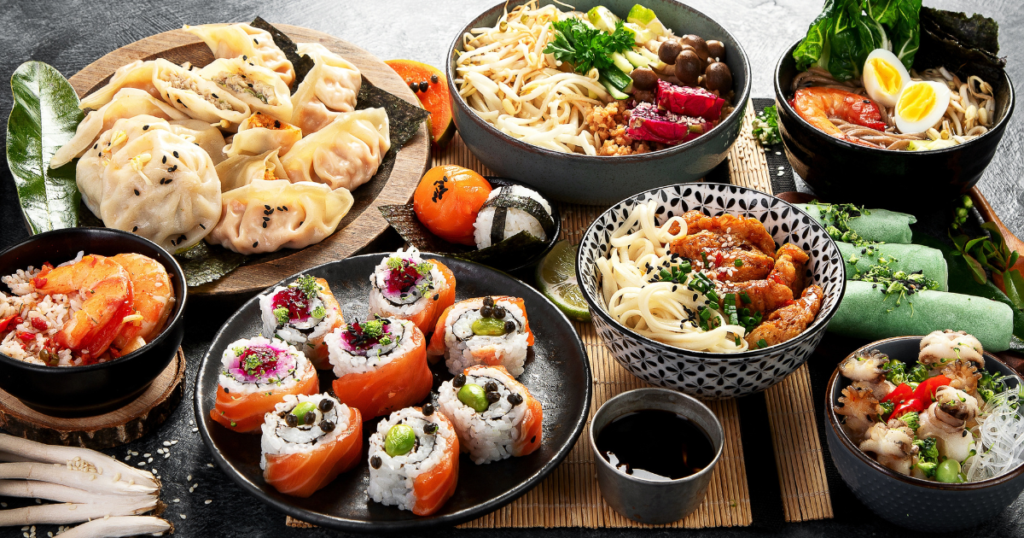
    Tokyo is a paradise for food lovers, blending tradition and modernity. From sushi and ramen to tempura and yakitori, the city offers world-class cuisine on every corner. Tsukiji Market remains a hotspot for fresh seafood, while street stalls in Asakusa serve affordable and delicious snacks. Beyond taste, the presentation and culture surrounding Japanese food make Tokyo an unforgettable culinary experience. Whether it’s high-end dining or local street food, Tokyo satisfies every palate.

    Bangkok, Thailand – Street Food Heaven

    Bangkok is legendary for its vibrant street food culture. Dishes like pad Thai, green curry, mango sticky rice, and som tam (papaya salad) are affordable and packed with flavor. The city’s food markets, floating markets, and night markets offer endless options for tasting local cuisine. Beyond street food, Bangkok has exceptional fine dining restaurants serving modern interpretations of traditional Thai dishes. Travelers can experience both authentic and contemporary flavors in a single city.

    Istanbul, Turkey – Where East Meets West

    Istanbul is a melting pot of cultures, and its food reflects that diversity. From savory kebabs, pide (Turkish pizza), and meze platters to sweet baklava and Turkish delight, the city offers endless culinary delights. The spice bazaars, local cafés, and historic neighborhoods provide a sensory journey through centuries of Turkish and Ottoman influence. Travelers can enjoy hearty meals, street snacks, and unique coffee rituals while exploring the city’s rich culture.

    Barcelona, Spain – Mediterranean Flavors

    Barcelona offers a perfect mix of tapas, seafood, and Mediterranean cuisine. Classic dishes like paella, patatas bravas, and fresh seafood are must-tries. La Boqueria Market showcases fresh produce, local cheeses, and vibrant flavors. The city is ideal for travelers who enjoy pairing culinary exploration with cultural sightseeing. From street cafés to high-end dining, Barcelona combines taste, atmosphere, and tradition.

    Mexico City, Mexico – Authentic Latin American Cuisine

    Mexico City is a haven for food enthusiasts seeking bold and authentic flavors. Tacos al pastor, tamales, mole, and churros are just the beginning. The city’s bustling markets, street vendors, and historic neighborhoods make it easy to experience authentic Mexican cuisine. Food tours, cooking classes, and local dining experiences allow travelers to dive deep into the culture behind each dish. Mexico City offers an unforgettable combination of flavor, history, and hospitality.

    Marrakech, Morocco – Spices, Flavors, and Tradition

    Marrakech is a feast for the senses, especially for food lovers. The medinas are filled with spices, tagines, couscous, fresh bread, and sweet pastries. Traditional Moroccan meals are often communal, offering an authentic glimpse into local life. Street markets and food stalls provide budget-friendly options while delivering rich flavors. For travelers interested in exotic tastes, Moroccan cuisine is a blend of history, culture, and culinary artistry.

    Lyon, France – The Capital of Gastronomy

    France is famous for its cuisine, and Lyon is often regarded as the culinary capital. Classic French dishes like coq au vin, quenelles, and saucisson are staples here. Lyon’s local markets, bouchons (traditional restaurants), and patisseries provide a rich, authentic experience. For travelers passionate about gastronomy, the city offers cooking classes, wine tastings, and unforgettable meals that showcase French culinary excellence.

    Ho Chi Minh City, Vietnam – Affordable and Flavorful

    Ho Chi Minh City (Saigon) offers incredible street food at extremely affordable prices. Pho, banh mi, fresh spring rolls, and coffee are highlights for travelers looking for authentic Vietnamese flavors. Markets, street vendors, and local eateries provide a diverse and flavorful experience. Minimal cost, maximum taste, and cultural immersion make the city ideal for budget-conscious travelers who love good food.

    Lima, Peru – The Fusion Capital

    Lima is renowned for its innovative cuisine, blending traditional Peruvian ingredients with international techniques. Ceviche, anticuchos, and lomo saltado are iconic dishes. Lima’s restaurants, markets, and culinary schools make it a food destination worth traveling for. The city is especially popular with foodies who appreciate fusion, experimentation, and high-quality ingredients, making it one of the top culinary cities in the world.

    Conclusion

    Traveling for food allows you to experience a country in a deeply immersive way. From Tokyo’s meticulous sushi to Bangkok’s bustling street food and Lima’s innovative dishes, every destination offers a unique culinary story. Exploring local markets, tasting authentic flavors, and engaging with culture through food makes travel richer, more memorable, and incredibly satisfying. For 2025, these food destinations promise a combination of culture, flavor, and unforgettable experiences for every traveler.

  • Ultimate 7-Day Europe Itinerary: Explore Paris, Rome, and Barcelona Efficiently

    Ultimate 7-Day Europe Itinerary: Explore Paris, Rome, and Barcelona Efficiently

    Europe offers a rich tapestry of culture, history, cuisine, and iconic landmarks, making it a dream destination for travelers. However, with so many cities to explore, planning an efficient itinerary is key to maximizing your experience. This 7-day Europe itinerary is designed to help travelers see the highlights of Paris, Rome, and Barcelona without feeling rushed. From iconic monuments to local experiences, each day balances sightseeing, relaxation, and culinary delights.

    Day 1: Arrival and Evening in Paris

    Arrive in Paris and settle into your hotel, ideally in central areas such as Le Marais or Saint-Germain for easy access to attractions. Spend your evening with a relaxing walk along the Seine River. Enjoy a traditional French dinner at a bistro and perhaps a brief visit to the Eiffel Tower for a night-time photo opportunity. This gentle start allows you to acclimate and set the mood for your European adventure.

    Day 2: Paris Landmarks and Museum Visits

    Dedicate your day to exploring Paris’s most iconic landmarks. Begin with a visit to the Louvre Museum to see world-famous artworks including the Mona Lisa. Next, explore the Notre-Dame Cathedral and stroll through the Latin Quarter. In the afternoon, take a Seine River cruise or visit the Montmartre district for charming streets and the Sacré-Cœur Basilica. End the day with dinner in a classic Parisian brasserie.

    Day 3: Paris Hidden Gems and Culinary Experiences

    Discover Paris beyond the main tourist attractions. Visit the Musée d’Orsay for Impressionist art, then explore hidden neighborhoods like Le Marais with its boutique shops and cafés. For lunch, try French pastries or a croque-monsieur at a local café. In the evening, consider attending a cabaret show at Moulin Rouge or enjoying wine and cheese at a quiet wine bar. These experiences capture the essence of Parisian culture.

    Day 4: Travel to Rome and Evening Exploration

    Take a morning flight or high-speed train to Rome. Check into a hotel in areas like Trastevere or near Piazza Navona. Spend the evening walking around the historic center, admiring landmarks such as the Pantheon and Piazza Venezia. Stop for gelato while wandering the streets, soaking in Rome’s lively atmosphere. This evening allows a gentle introduction to the Eternal City.

    Day 5: Rome’s Ancient Wonders

    Start your day with a guided tour of the Colosseum and Roman Forum. Discover the history and architecture of ancient Rome while learning fascinating stories about gladiators and emperors. After lunch, visit the iconic Trevi Fountain and Spanish Steps. Wrap up the day with dinner at a traditional Roman trattoria, enjoying pasta dishes like cacio e pepe or carbonara.

    Day 6: Vatican City and Local Experiences

    Dedicate this day to Vatican City. Explore St. Peter’s Basilica, the Vatican Museums, and the Sistine Chapel to see Michelangelo’s masterpieces. Afterward, enjoy a leisurely walk along the Tiber River or explore local markets. In the evening, attend a wine-tasting session or dine at a family-run osteria for an authentic Italian culinary experience.

    Day 7: Travel to Barcelona and Final Sightseeing

    Take a morning flight to Barcelona and check into a centrally located hotel near Las Ramblas or the Gothic Quarter. Visit the famous Sagrada Família and stroll through Park Güell, both showcasing Gaudí’s unique architectural style. Spend the evening wandering the Gothic Quarter’s narrow streets and enjoy tapas at a local bar. A Flamenco show or beachside walk provides a memorable end to your 7-day European adventure.

    Tips for an Efficient Itinerary

    • Book transportation in advance: High-speed trains and flights between cities save time.
    • Stay centrally: Hotels near main attractions reduce commuting time.
    • Plan meals strategically: Try local cuisine near attractions to maximize sightseeing time.
    • Buy skip-the-line tickets: Museums and landmarks often have long queues; pre-booking is a time-saver.
    • Pack light: A manageable carry-on helps you move easily between cities.

    Conclusion

    This 7-day Europe itinerary efficiently combines the highlights of Paris, Rome, and Barcelona, offering travelers a mix of history, culture, architecture, and culinary delights. From iconic monuments to hidden gems, each day balances sightseeing and relaxation, ensuring a memorable experience. By following this itinerary, you can explore Europe’s most enchanting cities efficiently while creating unforgettable memories of your European journey.

  • All-Inclusive vs DIY Travel: Which One Actually Saves You More Money in 2026

    All-Inclusive vs DIY Travel: Which One Actually Saves You More Money in 2026

    Travelers today are split between two popular styles of planning a trip. One group prefers all-inclusive packages where everything is paid for upfront, while the other enjoys DIY travel, booking flights, hotels, and experiences separately. Both approaches promise savings, but only one truly works depending on how and where you travel.

    This guide breaks down the real cost differences between all-inclusive travel and DIY planning in 2026 so you can decide which option actually saves you more money without sacrificing experience.

    Understanding the True Cost of All-Inclusive Travel

    All-inclusive travel bundles accommodation, meals, drinks, and activities into a single price. At first glance, this may seem expensive, but it removes many hidden costs that travelers often overlook.

    Resorts negotiate bulk pricing for food, transportation, and entertainment, which means individual travelers often cannot match these rates on their own. The upfront cost may be higher, but daily expenses are predictable and controlled.

    What DIY Travel Really Costs Over Time

    DIY travel gives you flexibility and control, but it also introduces multiple cost variables. Flight price changes, hotel surcharges, local transport, meals, and attraction tickets can quickly add up.

    Many travelers underestimate small daily expenses. Coffee stops, taxis, entry fees, tips, and last-minute bookings often push DIY travel budgets beyond what was originally planned.

    When All-Inclusive Travel Is Cheaper

    All-inclusive travel usually saves money in resort-based destinations where dining and transport are expensive or limited. Island destinations, remote beaches, and luxury-focused regions strongly favor all-inclusive packages.

    Families and group travelers benefit the most. Fixed pricing for meals and activities helps avoid budget surprises, and kids’ programs included in resorts reduce the need for paid entertainment.

    When DIY Travel Offers Better Value

    DIY travel tends to be cheaper in cities with strong public transport, affordable street food, and free or low-cost attractions. Budget-friendly countries with competitive accommodation markets also favor independent planning.

    Travelers who enjoy planning, comparing prices, and adjusting itineraries daily can reduce costs through flexibility. DIY travel works best for short stays or destinations where experiences matter more than resort comfort.

    Hidden Expenses Most Travelers Forget

    All-inclusive travel reduces unexpected spending, but not all packages are truly complete. Premium activities, spa services, and specialty dining may still cost extra.

    DIY travelers face even more hidden costs, including baggage fees, resort taxes, currency exchange losses, and booking platform service charges. These expenses often appear only after the trip begins.

    Time Value: The Cost Most People Ignore

    Time is money, especially in travel. All-inclusive vacations save hours of research, coordination, and decision-making. For professionals and families, this time savings has real value.

    DIY travel demands planning effort before and during the trip. While some travelers enjoy this, others find the mental load reduces relaxation, indirectly lowering the value of the trip.

    Travel Style Matters More Than Budget

    If relaxation, predictability, and comfort matter most, all-inclusive travel often delivers better value overall. If exploration, spontaneity, and cultural immersion are priorities, DIY travel may feel more rewarding even if it costs slightly more.

    Your travel pace, tolerance for uncertainty, and trip purpose play a bigger role than pure pricing when determining which option feels cheaper.

    Which Option Wins in 2026

    With rising costs in transportation, food, and accommodations worldwide, all-inclusive travel has become more competitive than ever. Resorts are offering aggressive pricing to lock in travelers early, making packages more attractive.

    DIY travel still wins in destinations with low daily costs and strong infrastructure. However, for longer stays and popular tourist regions, all-inclusive pricing often ends up being the smarter financial choice.

    How to Choose the Right Option for Your Next Trip

    Start by listing your non-negotiables. If you want zero stress and controlled spending, all-inclusive travel is likely the better option. If flexibility and discovery are more important, DIY travel may suit you better.

    Comparing total trip cost instead of daily rates gives a clearer picture. The cheapest-looking option upfront is not always the one that saves you money in the end.

    Conclusion

    All-inclusive and DIY travel both have their place, but neither is universally cheaper. The real savings depend on destination, trip length, travel style, and how much planning effort you’re willing to invest.

    In 2026, travelers who choose the right model for the right destination are the ones truly saving money. Understanding these differences helps you travel smarter, not just cheaper.

  • Hotels Perfect for Slow Travel: Stays Designed to Help You Unwind

    Hotels Perfect for Slow Travel: Stays Designed to Help You Unwind

    Slow travel is about more than just visiting a destination. It’s about experiencing a place deeply, moving at a relaxed pace, and giving yourself time to truly unwind. Instead of rushing through sightseeing checklists, slow travelers focus on comfort, connection, and meaningful experiences. The right hotel plays a crucial role in this kind of journey, acting not just as a place to sleep, but as a space to pause, reflect, and recharge.

    What Slow Travel Really Means for Modern Travelers

    Slow travel emphasizes quality over quantity. Travelers stay longer in one place, explore local culture gradually, and prioritize rest over constant movement. Hotels designed for slow travel support this mindset by offering calm environments, thoughtful amenities, and experiences that encourage guests to slow down and stay present.

    Why Your Hotel Choice Matters More in Slow Travel

    When you travel slowly, your hotel becomes part of the destination. You’re not just checking in for the night, you’re living there for a while. A well-designed slow travel hotel offers comfort, silence, and space to relax, making it easier to disconnect from stress and truly enjoy your surroundings.

    Peaceful Locations Away From Crowds

    Hotels perfect for slow travel are often located away from busy tourist centers. Whether set in the countryside, near the coast, in mountains, or in quiet neighborhoods, these stays offer tranquility. The absence of crowds allows travelers to enjoy nature, local life, and uninterrupted rest without constant noise or pressure.

    Design That Encourages Relaxation

    Slow travel hotels focus on calming design rather than flashy luxury. Natural materials, soft lighting, open spaces, and views of nature help create a soothing atmosphere. Rooms are designed to feel lived-in rather than temporary, encouraging guests to spend time reading, resting, or simply doing nothing at all.

    Comfortable Rooms Made for Long Stays

    Unlike standard hotels built for short visits, slow travel stays prioritize long-term comfort. Spacious rooms, comfortable beds, seating areas, balconies, and functional workspaces make it easy to settle in. Many also include kitchenettes or shared kitchens, allowing guests to cook and live more like locals.

    Wellness-Focused Amenities

    Wellness is central to slow travel. Hotels designed for this style often include yoga spaces, meditation gardens, spas, or wellness programs. These amenities encourage guests to focus on mental and physical well-being rather than constant activity, helping them return home refreshed rather than exhausted.

    Food Experiences That Promote Mindful Eating

    Slow travel hotels often emphasize food as an experience rather than a convenience. Locally sourced meals, farm-to-table dining, and relaxed meal schedules encourage mindful eating. Guests are invited to enjoy food slowly, appreciate flavors, and connect with local culinary traditions.

    Connection With Local Culture

    A key part of slow travel is immersion. Hotels that support this often collaborate with local communities, offering cultural workshops, guided walks, or recommendations beyond tourist hotspots. This helps travelers experience daily life in the destination rather than just its highlights.

    Technology That Supports, Not Distracts

    Slow travel hotels use technology thoughtfully. Reliable Wi-Fi supports remote work or longer stays, but screens and digital distractions are not the focus. Many hotels encourage digital detox by offering quiet spaces, libraries, or outdoor areas designed for reflection and relaxation.

    Nature as Part of the Experience

    Many slow travel hotels are designed to blend seamlessly with their surroundings. Gardens, walking paths, ocean views, forests, or mountain scenery become part of daily life. Spending time in nature naturally slows the pace and helps travelers reconnect with themselves.

    Ideal for Digital Nomads and Long-Term Travelers

    Slow travel hotels are increasingly popular among digital nomads and long-term travelers. They offer a balance of productivity and rest, making it possible to work without burnout. Comfortable environments and flexible stays allow guests to maintain routines while exploring new places.

    How Slow Travel Hotels Reduce Travel Stress

    By eliminating rushed schedules and crowded environments, these hotels reduce common travel stress. Guests don’t feel pressure to see everything or constantly move. Instead, they enjoy simple routines, peaceful surroundings, and the freedom to do less.

    Choosing the Right Hotel for Slow Travel

    When selecting a hotel for slow travel, look for places that emphasize comfort, location, and atmosphere over luxury branding. Reviews mentioning peace, relaxation, long stays, and personal service are strong indicators that a hotel supports a slow travel mindset.

    Why Slow Travel Is Becoming More Popular

    As travelers seek balance and meaning, slow travel continues to grow. Hotels that support this style align perfectly with modern values of wellness, sustainability, and mindful living. They offer an escape from fast-paced lifestyles without sacrificing comfort.

    Conclusion

    Hotels perfect for slow travel redefine what it means to stay somewhere. They are not just accommodations, but spaces designed to help you unwind, reconnect, and truly experience a destination. By focusing on comfort, calm surroundings, and meaningful experiences, these hotels make travel feel less rushed and far more rewarding. For travelers looking to slow down and savor the journey, choosing the right hotel makes all the difference.

  • Complete Europe Itinerary for Under $1,000

    Complete Europe Itinerary for Under $1,000

    Many travellers in the United States believe that visiting Europe requires a large budget. With rising flight prices and the perception that Europe is expensive, a European vacation can seem out of reach. However, with smart planning, strategic country selection, and cost-efficient travel choices, it is absolutely possible to explore Europe for under $1,000.

    This guide provides a complete, realistic itinerary designed specifically for US travellers who want to experience Europe affordably while still enjoying culture, architecture, heritage, and diverse landscapes.

    Understanding Affordable Travel in Europe

    Budget travel in Europe depends largely on three things: choosing the right countries, travelling during the right season, and booking accommodations early. Western Europe is generally expensive, but Central and Eastern Europe offer world-class experiences at a fraction of the cost.

    Countries like Hungary, Czech Republic, Poland, and Portugal consistently rank among the most affordable European destinations for American travellers.

    Planning ahead allows you to enjoy the European experience without sacrificing comfort or discovery.

    Choosing the Right Destinations

    Staying within a $1,000 budget requires focusing on cities where food, transportation, and accommodations are reasonably priced. Central Europe offers some of the best value-for-money destinations.

    Best budget-friendly countries for US travellers include:

    • Hungary (Budapest)
    • Czech Republic (Prague)
    • Poland (Krakow)
    • Portugal (Porto and Lisbon for shoulder seasons)

    These cities offer charming old towns, historic sites, friendly locals, and affordable daily expenses.

    Best Trip Duration for a $1,000 Budget

    A 6 to 7-day itinerary is ideal for a budget-friendly Europe trip. It helps keep accommodation, food, and transport costs comfortably within the spending limit.

    The following itinerary is designed for 7 days, covering three key European cities while staying well under $1,000 (excluding flights).

    Sample 7-Day Budget Itinerary

    This plan assumes:

    • Arrival flight from the US to Budapest or Prague
    • Travel to cities via budget buses
    • Hostels or budget hotels pre-booked
    • Daily food spend of $15–$25

    Budapest

    Budapest is one of Europe’s most affordable and charming capitals. American travellers love it for its beautiful architecture, riverside views, and historic thermal baths.

    Affordable things to do:

    • Walk across the Chain Bridge
    • Explore Buda Castle grounds
    • Visit the Parliament building’s exterior
    • Relax at Széchenyi Thermal Bath for a moderate entry fee
    • Enjoy local street food and bakeries

    Average daily budget in Budapest:
    $25–$35 including meals, local transport, and basic sightseeing.

    Vienna

    Vienna offers a blend of royal history and modern culture. While slightly more expensive than Budapest, it is still manageable on a budget when planned correctly.

    Affordable things to do:

    • Walk through Schönbrunn Palace gardens
    • Visit St. Stephen’s Cathedral
    • Explore Naschmarkt
    • Enjoy free museum days (depending on season)

    Daily budget in Vienna:
    $35–$45 depending on meals and transport tickets.

    Prague

    Prague is one of the most picturesque cities in Europe and surprisingly budget-friendly. With medieval streets, beautiful views, and excellent public transport, it is a dream for budget travellers.

    Affordable things to do:

    • Charles Bridge at sunrise or sunset
    • Explore the Old Town Square and Astronomical Clock
    • Walk through Prague Castle complex (free sections available)
    • Stroll along the Vltava River
    • Try local Czech cuisine at cheap eateries

    Daily budget in Prague:
    $25–$40 depending on food and attractions.

    Optional Addition: Krakow

    If your budget allows an extra city, Krakow is one of Europe’s cheapest and most historically rich destinations. But for under $1,000, sticking to three cities keeps spending safe.

    Saving on Accommodation

    Hostels and budget hotels are the best options for keeping daily expenses low. Most major European cities offer clean, safe, and centrally located hostels.

    Tips to save on stays:

    • Book hostels 4–8 weeks in advance
    • Choose shared dorms for lowest prices
    • Look for free breakfast options
    • Stay near public transportation or city centers

    Average hostel cost:

    • Budapest: $10–$15 per night
    • Vienna: $15–$25 per night
    • Prague: $12–$20 per night

    Total 6–7 nights: around $100–$120.

    Saving on Food

    Eating locally is the key to staying within budget.

    Strategies:

    • Buy snacks and breakfast from supermarkets
    • Try local bakeries
    • Eat street food
    • Avoid cafes in tourist hotspots
    • Cook at hostels when possible

    Daily food budget:
    $15–$25 depending on style of eating.

    Saving on Transport

    Europe offers great public transportation that is both efficient and affordable.

    Money-saving tips:

    • Use FlixBus for intercity travel ($10–$25 per ride)
    • Buy metro passes only if you travel frequently
    • Walk wherever possible (many cities are walkable)
    • Avoid taxis unless necessary

    Total city-to-city transport for this itinerary:
    $30–$60.

    Estimated Total Budget from Within Europe

    Here’s what you will likely spend after landing in Europe:

    • Accommodation (7 nights): $110
    • Food for 7 days: $120–$150
    • Local transport: $30–$40
    • Intercity buses: $40–$60
    • Sightseeing and extras: $50–$70

    Total estimated on-ground spending: $350–$430

    Keeping Total Trip Under $1,000 Including Flights

    Flight planning is the key. Americans can find round-trip flights to Europe for $350–$550 from major airports if booked early and during non-peak seasons.

    Cheapest departure cities include:

    • New York
    • Washington DC
    • Boston
    • Chicago
    • Miami

    A round-trip ticket + $400 on-ground cost = $750–$950 total trip cost.

    This keeps the entire Europe vacation comfortably within $1,000.

    Best Time for Americans to Travel Cheap

    To get the best prices, avoid peak summer months. Choose:

    • March to May
    • September to November
    • Late January to early March

    During these periods:

    • Flights are cheapest
    • Hostels have lower rates
    • Tourist crowds are smaller

    Final Thoughts

    A European vacation under $1,000 is not only possible for US travellers but surprisingly easy with the right planning. Focusing on affordable destinations like Budapest, Vienna, and Prague helps keep costs low while offering the full European cultural experience.

    With budget flights, hostels, public transport, and strategic sightseeing choices, you can enjoy history, architecture, nightlife, and scenic beauty across Europe without overspending.

    Smart planning turns the dream of Europe into an affordable, memorable reality.

  • Eco-Friendly Hotels That Combine Sustainability With Premium Comfort

    Eco-Friendly Hotels That Combine Sustainability With Premium Comfort

    Sustainable travel is no longer about compromising comfort or luxury. Today’s eco-friendly hotels prove that protecting the planet and enjoying premium experiences can go hand in hand. From energy-efficient architecture to locally sourced cuisine and thoughtful guest experiences, these hotels are redefining what responsible luxury looks like. Travelers who care about the environment no longer have to choose between comfort and conscience.

    What Makes a Hotel Truly Eco-Friendly

    An eco-friendly hotel goes beyond reusing towels or reducing plastic. True sustainability includes renewable energy use, water conservation systems, waste reduction, eco-conscious construction, and ethical sourcing. These hotels design every detail to minimize environmental impact while maintaining high standards of comfort. Sustainability is integrated into daily operations, not treated as a marketing label.

    Luxury Without Environmental Guilt

    Modern eco-hotels show that luxury does not have to come at the planet’s expense. Guests can enjoy spacious rooms, high-quality linens, spa experiences, fine dining, and personalized service while knowing the hotel operates responsibly. Natural materials, smart technology, and energy-efficient systems create a premium feel without excessive consumption.

    Thoughtful Architecture That Works With Nature

    One of the most noticeable features of eco-friendly hotels is their design. Many are built using local, sustainable materials and positioned to maximize natural light and ventilation. Instead of fighting the environment, these hotels work with it. This approach reduces energy use while creating serene spaces that feel more connected to nature.

    Sustainable Comfort Inside the Rooms

    Eco-conscious guest rooms focus on both comfort and responsibility. Organic bedding, non-toxic furnishings, energy-efficient lighting, and smart temperature controls are common features. Many hotels also use refillable toiletries, biodegradable products, and water-saving fixtures without compromising guest experience. Comfort feels intentional rather than excessive.

    Farm-to-Table Dining With Purpose

    Food plays a major role in sustainable hospitality. Eco-friendly hotels often partner with local farmers and suppliers to offer fresh, seasonal cuisine. This reduces carbon footprint while supporting local communities. Guests enjoy healthier, flavorful meals that reflect the destination’s culture, adding depth to the travel experience.

    Wellness Experiences Rooted in Sustainability

    Many eco-hotels combine sustainability with wellness. Spas use organic products, yoga spaces are integrated into natural surroundings, and wellness programs focus on balance and mindfulness. These experiences align with the eco-conscious mindset, offering relaxation that feels meaningful and restorative rather than indulgent.

    Technology That Reduces Impact, Not Comfort

    Smart technology allows eco-friendly hotels to maintain luxury while conserving resources. Automated lighting, climate control, and energy management systems reduce waste without guests noticing any inconvenience. Technology works quietly in the background to support sustainability while preserving a seamless stay.

    Supporting Local Communities

    True sustainable hotels understand that environmental responsibility includes social impact. Many hire local staff, support artisans, and invest in community development. Guests benefit from authentic experiences, cultural insight, and genuine hospitality while contributing positively to the destination.

    Why Travelers Are Choosing Eco-Friendly Luxury

    Travelers are becoming more conscious of how their choices affect the planet. Eco-friendly hotels appeal to those who want meaningful travel without sacrificing comfort. Staying at such hotels allows guests to align their values with their lifestyle, making travel feel more responsible and fulfilling.

    Destinations Leading the Eco-Luxury Movement

    Eco-friendly luxury hotels can now be found worldwide, from tropical islands to mountain retreats and urban centers. These destinations show that sustainability is not limited by geography. Each hotel adapts eco-practices to its environment while offering a refined experience tailored to modern travelers.

    The Future of Sustainable Hospitality

    As sustainability becomes a priority rather than a trend, eco-friendly hotels will continue to evolve. Innovation, transparency, and guest education will shape the next generation of hospitality. Premium comfort and environmental responsibility will no longer be separate concepts but standard expectations.

    How to Choose the Right Eco-Friendly Hotel

    Travelers should look for verified certifications, clear sustainability policies, and genuine efforts rather than vague claims. Reading about a hotel’s environmental initiatives, community involvement, and operational practices helps identify truly responsible properties that deliver both comfort and ethics.

    Why Eco-Friendly Hotels Enhance the Travel Experience

    Staying in a sustainable hotel often enhances the overall journey. Guests feel more connected to their destination, more relaxed in natural surroundings, and more satisfied knowing their stay supports positive change. Sustainability adds depth and purpose to luxury travel.

    Conclusion

    Eco-friendly hotels that combine sustainability with premium comfort represent the future of travel. They prove that luxury does not have to harm the planet and that responsible choices can elevate the guest experience. By blending thoughtful design, ethical practices, and high-end comfort, these hotels offer travelers the best of both worlds, memorable stays that feel good in every sense.

  • Solo Traveler’s Guide to Exploring the World by Train Safely and Comfortably

    Solo Traveler’s Guide to Exploring the World by Train Safely and Comfortably

    Traveling solo by train is an increasingly popular choice for adventurers seeking flexibility, comfort, and scenic experiences. Unlike other modes of transport, trains offer space to relax, move around, and interact with locals, all while passing through breathtaking landscapes. However, solo travelers need to plan carefully to ensure safety, comfort, and an unforgettable journey.

    This guide covers practical tips, must-know safety measures, ideal scenic routes, and ways to make the most of solo train travel around the world.

    Why Train Travel Is Perfect for Solo Travelers

    Trains provide a unique balance of independence and comfort. Solo travelers can choose their pace, select the best seating, and enjoy panoramic views without worrying about driving or navigating crowded airports.

    Many routes, particularly scenic or heritage trains, also offer social spaces where solo travelers can meet fellow passengers, making the experience both relaxing and socially engaging.

    Choosing the Right Routes for Solo Travel

    Selecting the right train route is crucial for a smooth solo journey. Some of the best options include:

    • Europe: High-speed rail networks like France’s TGV or Spain’s AVE allow fast, safe, and reliable travel between major cities. Scenic routes like the Rhine Valley in Germany or the Bernina Express in Switzerland provide breathtaking views.
    • Asia: Japan’s Shinkansen and India’s Darjeeling Himalayan Railway offer unique experiences with cultural immersion and exceptional comfort.
    • North America: The Rocky Mountaineer in Canada or the California Zephyr in the U.S. combines stunning natural vistas with top-notch service.

    Choosing well-traveled routes with reliable schedules ensures both safety and convenience.

    Booking Tips for Solo Travelers

    Booking strategically can enhance safety and comfort. Here are some key tips:

    • Reserve Seats in Advance: Early reservations increase the chances of getting window seats or cabins with extra privacy.
    • Consider Sleeper or Private Cabins: For long journeys, private compartments provide security, quiet, and a comfortable space to rest.
    • Check for Solo Discounts: Some rail companies offer special fares or discounts for single travelers.
    • Use Trusted Platforms: Booking through official railway websites or trusted aggregators like Trainline and Omio ensures ticket validity and access to support services.

    Safety Tips for Solo Train Travel

    While train travel is generally safe, solo travelers should take certain precautions:

    • Keep Valuables Secure: Store passports, wallets, electronics, and important documents in a safe, easily accessible place.
    • Stay Aware of Surroundings: Remain alert during stops or when entering crowded stations.
    • Travel in Well-Populated Cars: Opt for sections with families or other travelers rather than empty compartments.
    • Inform Someone of Your Itinerary: Share your travel schedule with family or friends for added security.

    Maximizing Comfort on Long Journeys

    Long train rides can be enjoyable if you prepare properly:

    • Pack Essentials: Include snacks, water, entertainment, and a travel pillow.
    • Dress Comfortably: Layers help adapt to temperature changes on-board.
    • Use Observation Cars: Panoramic cars offer the best views and enhance the scenic experience.
    • Take Short Walks: Moving around periodically improves circulation and keeps you refreshed.

    Making the Journey Social

    Solo travel doesn’t have to be lonely. Many scenic and heritage trains provide opportunities to socialize:

    • Dining Cars: Share a table with other travelers for conversation and cultural exchange.
    • Guided Excursions: Participate in optional stopover activities to meet fellow adventurers.
    • Travel Forums and Apps: Connect with other solo travelers before your journey to share tips or coordinate meet-ups.

    Essential Planning Considerations

    Successful solo train travel requires planning:

    • Check Timetables and Connections: Ensure smooth transfers and avoid long waits at stations.
    • Budget Wisely: Account for seat reservations, optional excursions, and meals.
    • Learn Basic Local Phrases: Knowing simple greetings and questions in the local language can help navigate stations and interact with staff.
    • Travel Insurance: Protect against unforeseen delays, cancellations, or emergencies.

    Conclusion

    Traveling solo by train offers an unparalleled mix of freedom, comfort, and adventure. Routes across Europe, Asia, and North America provide stunning scenery, cultural immersion, and opportunities to meet fellow travelers while maintaining privacy and independence.

    With careful planning, seat selection, safety measures, and strategic bookings, solo travelers can enjoy a secure, comfortable, and memorable journey. Train travel is not just about reaching a destination—it’s about embracing the journey itself, making every mile of the trip a unique and rewarding experience.

  • Best Tours & Activities to Book on GetYourGuide: Trusted, Easy & Perfect for Every Traveler

    Best Tours & Activities to Book on GetYourGuide: Trusted, Easy & Perfect for Every Traveler

    If you love discovering new places without the stress of planning every detail, GetYourGuide is one of the best platforms you can rely on. It connects travelers with thousands of tours, activities, fast-track tickets, day trips, and unique experiences across the world. Whether you’re traveling solo, as a couple, with friends, or with family, GetYourGuide helps you explore destinations in a more organized, enjoyable, and affordable way.

    From iconic attractions like the Eiffel Tower and Colosseum to hidden gems, food tours, river cruises, adventure excursions, and skip-the-line museum entries—GetYourGuide offers it all with verified reviews and easy mobile tickets. Let’s explore the best tours and activities you can book on the platform and why so many travelers trust it for a seamless travel experience.

    City Sightseeing Tours for First-Time Travelers

    City sightseeing tours are some of the most popular experiences on GetYourGuide, especially for travelers who want to cover major highlights in limited time. These tours usually include expert guides, hotel pickup options, and comfortable transportation.

    You can choose from hop-on hop-off buses, walking tours, guided city tours, or even private experiences. Cities like Paris, Rome, Dubai, London, and New York offer incredible sightseeing routes that make exploring easy and affordable.

    Skip-the-Line Tickets for Famous Attractions

    Standing in long queues wastes time, especially at world-famous attractions. GetYourGuide’s skip-the-line tickets let you enter popular landmarks without waiting for hours.

    Whether it’s the Louvre Museum, Sagrada Familia, Vatican Museums, Burj Khalifa, or the Acropolis, these tickets save time and offer fast access. Many even include guided tours or audio guides for a richer experience.

    Adventure Tours for Thrill Seekers

    For travelers who want excitement, GetYourGuide offers hundreds of adventure activities. These include speedboat rides, dune bashing, scuba diving, paragliding, hiking trips, snowmobile tours, and zip-lining adventures.

    Destinations like Dubai, Bali, Switzerland, Costa Rica, Thailand, and New Zealand offer thrilling outdoor activities that are easy to book and highly rated by previous travelers.

    Food & Culinary Tours for Food Lovers

    If discovering a destination through its flavors is your style, food tours are a must. GetYourGuide has curated experiences like street food walks, wine tasting, cooking classes, and gourmet dining tours.

    Cities like Tokyo, Bangkok, Istanbul, Barcelona, Paris, and Mexico City are packed with culinary experiences that showcase local dishes, traditions, and stories shared by expert locals.

    Cultural & Historical Guided Tours

    Travel becomes more meaningful when you understand the culture and history behind a place. With GetYourGuide, you can join guided tours of historical sites, ancient ruins, royal palaces, temples, and UNESCO World Heritage locations.

    Popular examples include guided tours of Pompeii, the Great Wall of China, the Colosseum underground, Machu Picchu, and Egyptian pyramids. These tours provide deep insights led by licensed, knowledgeable guides.

    Day Trips & Excursions to Nearby Destinations

    One of the biggest advantages of GetYourGuide is easy access to full-day and half-day trips from major cities. These trips allow you to explore nearby islands, mountains, countryside villages, and natural wonders.

    Some favorites include day trips from Tokyo to Mount Fuji, from Rome to Tuscany, from Barcelona to Montserrat, and from Dubai to Abu Dhabi. You get round-trip transportation and a complete itinerary—no planning needed.

    Boat Tours & Cruises for Scenic Explorations

    If you enjoy relaxing journeys, boat tours on GetYourGuide include river cruises, sunset sailing experiences, island-hopping tours, and speedboat adventures.

    Cities like Amsterdam, Paris, Istanbul, Sydney, and Venice offer stunning cruises that provide unique views of iconic landmarks. These tours are great for families, couples, and groups.

    Unique Experiences You Won’t Find Easily Elsewhere

    GetYourGuide stands out because it also features one-of-a-kind activities you won’t normally find in regular travel guides. These experiences include hot-air balloon rides, Northern Lights hunting tours, helicopter rides, desert camps, wildlife safaris, and traditional shows.

    Whether it’s a Flamenco performance in Spain, a Maori cultural show in New Zealand, or a desert overnight tour in Dubai, these special activities make your trip unforgettable.

    Why Travelers Trust GetYourGuide

    Travelers around the world prefer using GetYourGuide because the platform is easy, reliable, and full of verified information. You get mobile tickets, free cancellation on many bookings, 24/7 support, transparent prices, and real reviews from millions of users.

    The platform also works with trusted local operators, ensuring high-quality experiences at fair prices. From planning to booking and exploring, GetYourGuide makes travel smoother and more enjoyable.

  • World’s Best Boutique Hotels for Travelers Who Love Unique Stays

    World’s Best Boutique Hotels for Travelers Who Love Unique Stays

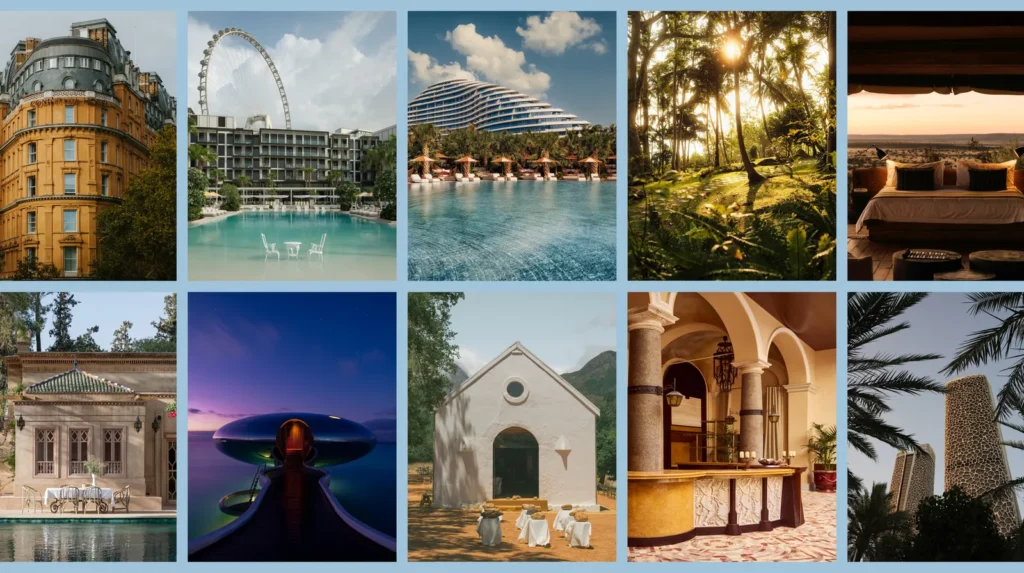
    Boutique hotels have transformed the way travelers experience a destination. Unlike standard hotels, boutique properties are known for their personalized service, distinctive design, and one-of-a-kind character. These hotels are not just places to sleep — they are destinations in themselves. From converted historic buildings and minimalist urban retreats to eco-friendly hideaways and artistic sanctuaries, boutique hotels offer experiences that feel curated and intimate. For travelers seeking a stay that stands out, these boutique hotels around the world provide unforgettable aesthetics, immersive experiences, and a touch of luxury that makes every visit memorable.

    The Upper House, Hong Kong – Minimalist Luxury in the Heart of the City

    Perched high above the bustling streets of Hong Kong, The Upper House offers tranquility and elegance with minimalist design and panoramic city views. The rooms feature muted colors, sleek furniture, and floor-to-ceiling windows that capture the skyline. Personalized service, quiet lounges, and curated art installations make this hotel a haven for travelers who value refined simplicity. The combination of serene interiors and urban vistas ensures memorable photographs and an intimate boutique experience.

    Hotel Saint Cecilia, Austin, USA – Rock ’n’ Roll Meets Luxury

    This boutique hotel in Austin combines music culture with eclectic design, appealing to travelers who want character and style. Each suite is unique, featuring vintage furniture, custom artwork, and rich textures. The property’s private pool, lush gardens, and intimate common spaces create the perfect environment for relaxation and photography. Located near Austin’s live music scene, the hotel is ideal for travelers who want a local, immersive experience without sacrificing comfort or design.

    Can Bordoy Grand House & Garden, Mallorca, Spain – Mediterranean Elegance

    Set in a restored 19th-century mansion, Can Bordoy combines Mediterranean charm with contemporary design. Each room reflects local craftsmanship and historical details, from vintage woodwork to modern art pieces. The garden terrace, rooftop pool, and cozy library spaces provide picture-perfect areas to relax and take stunning photos. This boutique hotel allows guests to experience authentic Mallorcan culture in an intimate and stylish setting, making it perfect for travelers who value heritage and aesthetics.

    Propeller Island City Lodge, Berlin, Germany – Art and Eccentricity

    Propeller Island is for travelers who crave the unusual. Every room is a work of art, from inverted furniture and floating beds to whimsical design concepts that challenge perception. The hotel functions as a living gallery, creating a unique stay that is both playful and thought-provoking. Its eccentric décor makes every corner Instagram-worthy and offers guests an unforgettable story with every visit. This boutique hotel is ideal for art lovers and travelers looking for an unconventional experience.

    La Valise, Mexico City, Mexico – Chic, Urban Hideaway

    La Valise combines luxury and intimacy in Mexico City’s vibrant Roma district. The hotel features sleek, contemporary interiors, curated artwork, and thoughtfully designed guest rooms. Its rooftop terrace offers city views and is perfect for capturing urban landscapes. Guests can enjoy personalized service, private dining options, and cultural tours arranged by the hotel. This boutique hotel balances cosmopolitan style with local authenticity, making it a favorite for travelers who love design-driven stays.

    The Greenwich Hotel, New York, USA – Rustic Charm in Tribeca

    Located in Manhattan’s Tribeca district, The Greenwich Hotel offers a mix of rustic elegance and modern comfort. Each room is handcrafted with unique furnishings and materials sourced globally, creating a homey yet sophisticated vibe. The hotel features a serene courtyard, Shibui Spa, and Italian-inspired restaurant, offering guests multiple areas to relax and take memorable photos. Travelers seeking a boutique experience with personal service and distinctive interiors will find The Greenwich Hotel hard to forget.

    Hotel Esencia, Riviera Maya, Mexico – Private Luxury in Nature

    Hotel Esencia is a secluded beachfront boutique property that emphasizes privacy, luxury, and nature. Surrounded by tropical gardens and pristine beaches, the hotel provides a serene escape from busy tourist spots. Rooms are spacious, light-filled, and decorated with locally sourced furnishings. The infinity pool, beach cabanas, and spa areas offer incredible photo opportunities while maintaining a relaxed and intimate atmosphere. Esencia is perfect for travelers seeking a blend of design, comfort, and natural beauty.

    Château de Bagnols, France – Historic Elegance in Beaujolais

    Château de Bagnols, a historic castle turned boutique hotel, transports guests to another era. With stone walls, antique furnishings, and classic French gardens, it offers a fairytale-like experience. Guests can explore the vineyards, dine in grand halls, and enjoy the castle’s luxurious rooms. Its unique setting and historical charm make it a top choice for travelers who appreciate boutique hotels with a story. Photography here captures timeless elegance and European heritage at its finest.

    The Line Hotel, Los Angeles, USA – Modern Urban Cool

    Located in Koreatown, The Line blends contemporary design with vibrant street culture. The rooms feature minimalist décor, curated art, and industrial-inspired furniture. The rooftop pool, open-air lounges, and culinary hotspots create a youthful, energetic vibe ideal for both relaxation and photography. Guests can enjoy a blend of cultural immersion, modern design, and boutique luxury. It’s a must-stay for travelers seeking a creative and urban boutique experience.

    Conclusion

    Boutique hotels elevate travel by combining personalized service, distinctive design, and immersive experiences. From minimalist city retreats and artistic concept hotels to historic mansions and private beach resorts, these properties provide travelers with a unique way to connect with a destination. Choosing a boutique hotel allows you to experience places in a more intimate, curated, and visually inspiring way. For travelers who love capturing memories and staying somewhere that feels truly special, these boutique hotels are must-visit destinations for unforgettable trips.