Author: Mary Jones

  • A Practical Guide to Planning Your Blue Train Experience in South Africa: What to Know Before You Book

    A Practical Guide to Planning Your Blue Train Experience in South Africa: What to Know Before You Book

    The Blue Train is one of the most glamorous rail journeys in the world, combining African wilderness, 5-star luxury, and old-world charm. Often described as a “hotel on wheels,” this South African icon takes you through breathtaking landscapes while offering world-class service, fine dining, and unmatched comfort. Planning this journey requires a bit of preparation—choosing the right route, cabin type, time of year, and understanding what’s included. This guide covers everything you need before booking your Blue Train adventure.
    Why the Blue Train Is a Must-Experience Journey

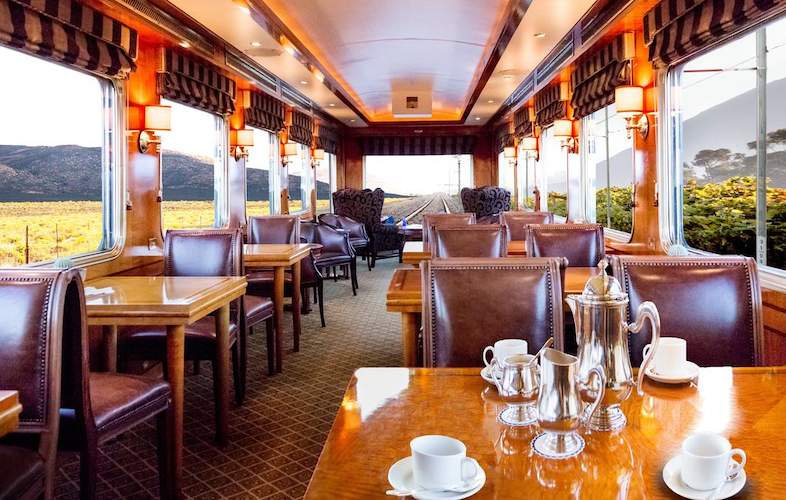
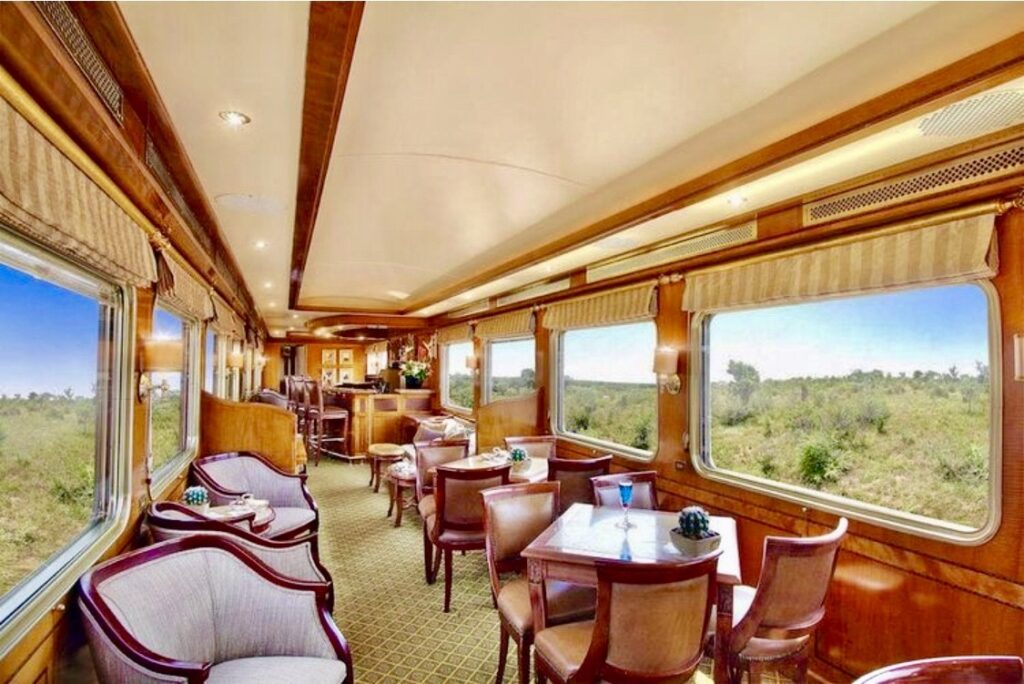
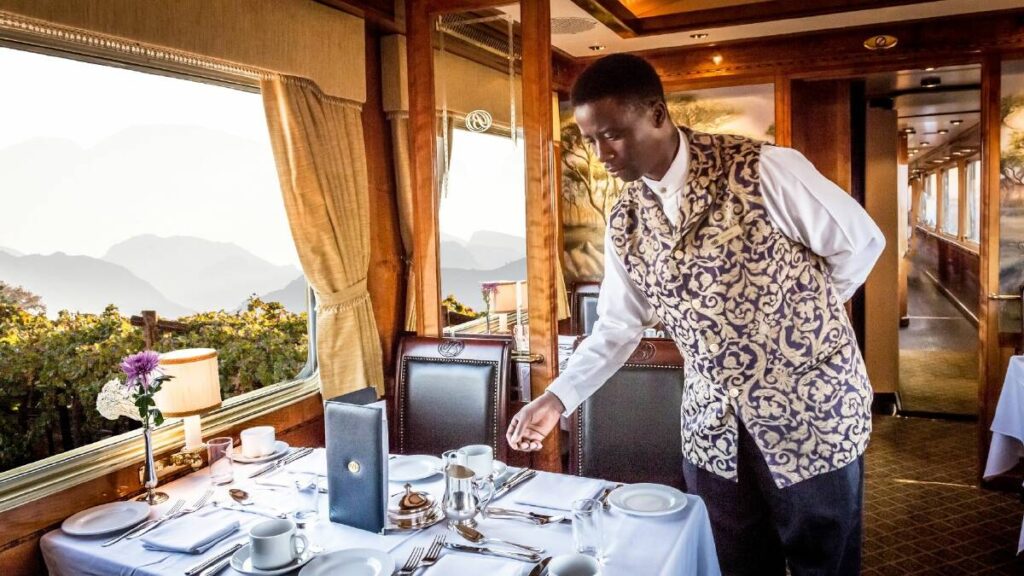
    The Blue Train isn’t simply transport—it’s a luxury travel experience known globally for elegance and hospitality. Expect lavish suites, gourmet meals, rich mahogany interiors, and panoramic windows overlooking deserts, mountains, and savannas. The onboard butler service ensures every need is taken care of, from morning coffee to turndown service. It’s perfect for honeymooners, couples, luxury explorers, and travelers looking for a once-in-a-lifetime experience.

    Understanding Blue Train Routes

    The Blue Train operates a few major routes, each offering a unique view of South Africa’s landscapes. Choosing the right route is the first step in planning your trip.

    Pretoria to Cape Town (Most Popular Route)

    This is the signature Blue Train route—almost 1,600 km of mountains, vineyards, semi-desert landscapes, and dramatic open plains. It’s a 31–33 hour journey with a stop in Kimberley, where guests visit the famous Big Hole Museum. This route perfectly showcases South Africa’s geographical diversity and is the most luxurious way to connect its two iconic cities.

    Best for: first-timers, honeymooners, luxury travelers, and nature lovers.

    Pretoria to Kruger National Park (Seasonal Route)

    This route is shorter but a dream for wildlife fans. It connects Pretoria to Kruger, one of the world’s greatest safari destinations. You can combine a luxury rail journey with a safari adventure, making it ideal for those seeking a mix of comfort and nature.

    Best for: safari lovers and travelers who want luxury + wildlife.

    Best Time to Travel on the Blue Train

    The Blue Train runs year-round, but each season offers a different vibe.

    Summer (December to February) brings warm landscapes and long daylight hours.
    Autumn (March to May) offers cooler weather and beautiful scenery.
    Winter (June to August) provides sunny but crisp days with fewer crowds.
    Spring (September to November) brings fresh greenery and ideal temperatures.

    The best time overall is April to September, with comfortable weather and clearer skies, perfect for viewing landscapes.

    What’s Included in the Blue Train Journey

    Blue Train tickets are all-inclusive, which simplifies planning and makes the experience feel premium. Your ticket includes:

    Luxury suite accommodation
    Fine-dining meals prepared by renowned chefs
    Unlimited drinks, including local wines and specialty spirits
    Personal butler service
    Off-train excursion (Big Hole Museum on the Pretoria–Cape Town route)
    Live entertainment on selected journeys
    High tea and lounge access

    The only exclusions are premium imported drinks and massages on select routes.

    Choosing the Right Suite: Luxury vs. De Luxe

    The Blue Train offers two suite categories, both exceptionally comfortable.

    Luxury Suite

    The most premium option, offering spacious interiors, full-size bathtub, private lounge area, writing desk, and large windows. The bed converts from a sofa during the day, and the butler prepares it for night rest. Luxury Suites are ideal for those wanting maximum comfort.

    De Luxe Suite

    Slightly smaller but still elegant, featuring a comfortable bed, seating area, and en-suite with a shower. These suites offer great value while retaining the classic Blue Train charm.

    Both options include:

    Underfloor heating
    Individual climate control
    Marble-finish bathrooms
    24-hour butler service

    Choose based on your preference for space and budget.

    How Long Does the Journey Take?

    The signature Pretoria–Cape Town route takes around 31 to 33 hours, including an excursion stop. The Kruger route depends on schedule but is generally shorter. Remember that although it’s a long journey, the entire experience is curated—gourmet meals, high tea, onboard entertainment, storytelling, and uninterrupted scenic views.

    How Much Does the Blue Train Cost?

    Pricing depends on season, route, and suite type.

    De Luxe Suites generally start around $1,200–$1,800 per person for the one-night journey.
    Luxury Suites range from $2,000–$3,000+ per person.
    Special safari combination packages can reach $4,000–$6,000+.

    Peak seasons and holiday months are the most expensive. Booking early (3–6 months ahead) can help secure better prices.

    How to Book Your Blue Train Trip

    You can book through:

    Official Blue Train website
    Trusted travel agents
    Luxury tour providers
    South African tourism partners

    If booking independently, compare multiple dates and suite types. The layout of each train set can vary slightly, so choosing early gives access to the best cabins.

    Tips for Planning Your Blue Train Experience

    Bring semi-formal attire—dinner on the Blue Train has a dress code.
    Keep your camera ready: the scenery changes constantly.
    Plan buffer time if catching flights before or after your journey.
    If combining with Kruger, book safari lodges well in advance.
    Avoid heavy luggage—storage in suites is limited.
    Inform staff of dietary restrictions beforehand; the train accommodates them well.

    Onboard Experience: What It’s Really Like

    From the moment you step aboard, you enter a world of luxury. Ornate décor, polished wood panels, warm lighting, and plush seating create an elegant atmosphere. The Observation Car offers wide windows for viewing landscapes, while the Club Car is ideal for relaxing with a drink.

    Meals are a highlight—think fresh seafood, tender lamb, South African wines, and beautifully plated desserts. Between meals, you can unwind in your suite, enjoy tea in the lounge, or simply gaze at passing mountains, vineyards, and plains. The butler service is exceptionally attentive, adding to the feeling of personalized luxury.

    Where to Stay Before and After Your Trip

    Pretoria: Choose a comfortable hotel near the station or in the upscale Embassy district.
    Cape Town: Stay near the V&A Waterfront for convenience and scenic beauty.
    Kruger: Look for lodges in Sabi Sands, Skukuza, or private reserves for ideal safari experiences.

    Many travelers combine the Blue Train with Cape Town sightseeing, Table Mountain tours, or multi-day safaris.

    Suggested 5–7 Day Itinerary

    Day 1: Arrive in Pretoria
    Day 2: Board The Blue Train
    Day 3: Arrive in Cape Town
    Day 4–5: Explore Cape Town (Table Mountain, V&A Waterfront, Cape Peninsula)
    Day 6–7: Optional Winelands or Safari extension

    If taking the Kruger route, reverse the order with safari at the end.

    Budget Tips for Blue Train Planning

    Travel in off-peak months for lower prices
    Choose De Luxe Suite if Luxury Suite exceeds your budget
    Book at least 3–5 months ahead
    Check seasonal promotions and package deals
    Combine with hotels through travel partners to get discounts
    Final Thoughts

    The Blue Train is one of the world’s most iconic luxury rail journeys, offering a seamless blend of comfort, elegance, and South African beauty. Whether you’re planning a romantic getaway, a once-in-a-lifetime trip, or a relaxed scenic vacation, this guide gives you everything you need to prepare confidently. With the right route, suite choice, timing, and planning strategy, your Blue Train adventure will be unforgettable from the moment you step onboard to the final arrival at your destination.

  • New Zealand Road Trip Itinerary: North to South Island in 14 Days

    New Zealand Road Trip Itinerary: North to South Island in 14 Days

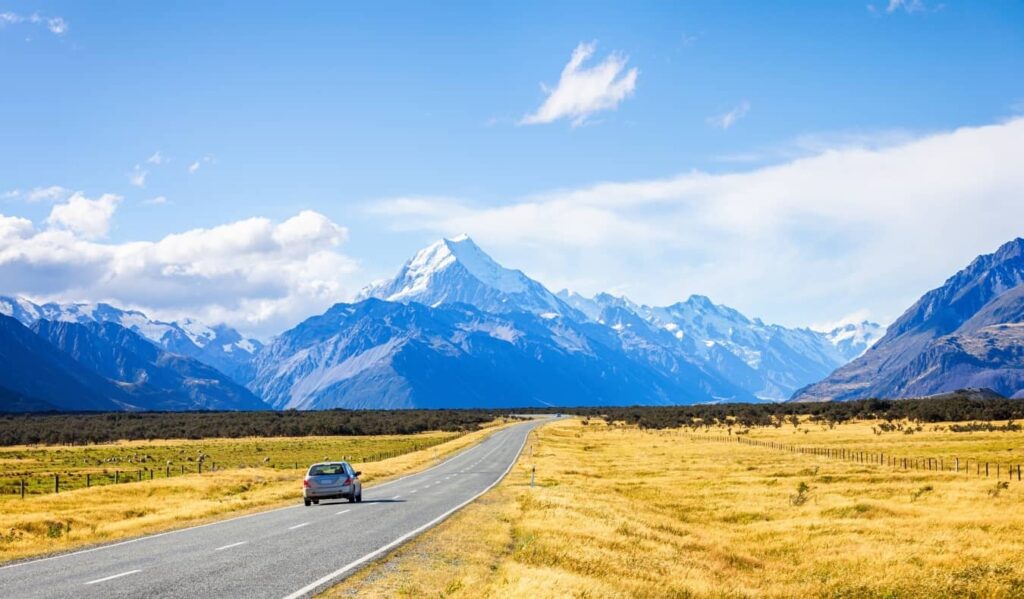
    New Zealand is one of the few countries where a road trip feels like the main attraction rather than just a way to get around. Snow-capped mountains, volcanic landscapes, turquoise lakes, dramatic coastlines, and charming towns appear almost constantly as you drive. A 14-day North to South Island road trip allows you to experience the country’s diversity without rushing while still covering its most iconic highlights.

    This itinerary is planned for travelers who want scenic drives, outdoor experiences, and well-paced days. It balances popular destinations with quieter stops, making it ideal for first-time visitors and those who want a complete New Zealand experience.

    Why a North to South Island Road Trip Makes Sense

    New Zealand’s geography is perfectly suited for road travel. Distances are manageable, roads are well-maintained, and every route offers something visually stunning. Starting in the North Island introduces you to culture, geothermal wonders, and rolling landscapes, while the South Island delivers alpine scenery, fjords, and dramatic natural beauty.

    Fourteen days gives enough time to explore both islands without feeling overwhelmed, provided the route is planned smartly.

    Days 1–2: Auckland – Arrival and Coastal Escapes

    Begin your journey in Auckland, New Zealand’s largest city and the most common international arrival point. Use the first day to recover from travel, explore the waterfront, and enjoy views of the harbor.

    On day two, take short drives outside the city. Visit nearby beaches, coastal viewpoints, or islands accessible by ferry. This gentle start helps you adjust while still experiencing New Zealand’s outdoor charm.

    Days 3–4: Rotorua – Geothermal Wonders and Maori Culture

    Drive south toward Rotorua, known for its geothermal activity and rich Maori heritage. Along the way, enjoy green countryside and small towns.

    In Rotorua, explore geysers, bubbling mud pools, and hot springs. Cultural experiences offer insight into Maori traditions, storytelling, and cuisine. Spend time relaxing in natural thermal pools to balance sightseeing with rest.

    Day 5: Taupo – Lakes, Waterfalls, and Volcanic Views

    Continue to Lake Taupo, New Zealand’s largest lake. This area is known for its clear waters and volcanic surroundings.

    Stop at powerful waterfalls and lakeside viewpoints. Taupo is a calm and scenic stop, perfect for unwinding before heading toward the capital region.

    Day 6: Wellington – Capital City and Creative Energy

    Drive south to Wellington, New Zealand’s compact and vibrant capital. Explore the waterfront, local cafés, and museums.

    Wellington’s creative atmosphere and walkable center make it a refreshing urban stop before transitioning to the South Island.

    Day 7: Ferry to South Island and Drive to Kaikoura

    Take the scenic ferry across Cook Strait to the South Island. The crossing itself is one of the most beautiful ferry rides in the world, passing through fjords and coastal landscapes.

    After arriving, drive to Kaikoura, a coastal town known for marine life. Enjoy ocean views and relax after the travel day.

    Days 8–9: Kaikoura to Lake Tekapo – Alpine Landscapes Begin

    From Kaikoura, drive inland toward the heart of the South Island. This route introduces dramatic mountain scenery and wide-open spaces.

    Stop at Lake Tekapo, famous for its turquoise waters and starry skies. Visit lakeside viewpoints and enjoy the peaceful surroundings. If skies are clear, stargazing here is unforgettable.

    Days 10–11: Queenstown – Adventure Capital of New Zealand

    Drive south to Queenstown, one of New Zealand’s most iconic destinations. Surrounded by mountains and lakes, Queenstown offers both adventure and relaxation.

    Spend your time exploring scenic viewpoints, enjoying lakeside walks, or trying adventure activities. A day trip to nearby alpine areas adds depth to your stay without requiring long drives.

    Day 12: Milford Sound – Fjords and Waterfalls

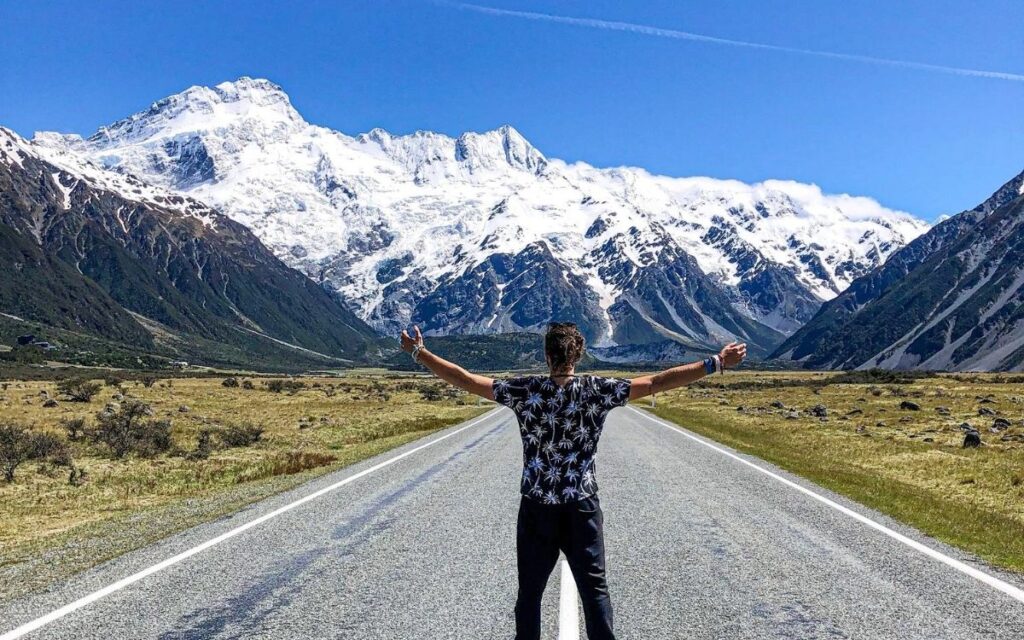
    Take a full-day trip to Milford Sound, one of New Zealand’s most famous natural attractions. The drive itself is spectacular, with mountains, valleys, and waterfalls along the way.

    Cruising through the fjord reveals towering cliffs and misty waterfalls, making this one of the most memorable experiences of the trip.

    Day 13: Wanaka – Quiet Beauty and Scenic Drives

    Head to Wanaka, a calmer alternative to Queenstown. Known for its lakefront views and relaxed atmosphere, Wanaka is ideal for slowing down.

    Enjoy short hikes, lakeside walks, and peaceful scenery. Wanaka offers a reflective pause near the end of your journey.

    Day 14: Return to Queenstown or Christchurch for Departure

    Depending on your flight, return to Queenstown or drive toward Christchurch. Use the final day for relaxed driving, photo stops, and enjoying the scenery one last time.

    Ending the trip without rushing ensures you finish the journey feeling satisfied rather than exhausted.

    Driving Tips for New Zealand Road Trips

    New Zealand drives on the left side of the road. Distances may look short, but roads are often winding, so allow extra time for driving.

    Plan fewer activities on driving days and take advantage of scenic pull-offs. Fuel stations can be limited in remote areas, so plan ahead.

    Best Time for a 14-Day New Zealand Road Trip

    The best months for this itinerary are late spring to early autumn, when weather conditions are favorable and roads are clear. Shoulder seasons offer fewer crowds and pleasant temperatures.

    Winter trips are possible but require careful planning, especially in alpine regions.

    Where to Stay During the Trip

    Mixing accommodations works best. Stay centrally in cities and choose scenic lodges or lakeside stays in rural areas. Booking in advance is recommended during peak travel seasons.

    Choosing accommodations close to your daily route helps reduce unnecessary driving.

    Conclusion

    A 14-day North to South Island road trip is one of the best ways to experience New Zealand’s true character. From geothermal landscapes and cultural centers to alpine lakes and dramatic fjords, this itinerary delivers variety, balance, and unforgettable scenery. With thoughtful planning and a steady pace, New Zealand becomes not just a destination, but a journey defined by the road itself.

  • Hotels That Redefine Comfort: Where Design, Service & Experience Come Together

    Hotels That Redefine Comfort: Where Design, Service & Experience Come Together

    Comfort in travel is no longer limited to soft beds and quiet rooms. Today’s most exceptional hotels redefine comfort by combining thoughtful design, intuitive service, and immersive experiences that make guests feel genuinely cared for. These are places where every detail is intentional, where comfort is emotional as well as physical, and where staying in feels just as rewarding as stepping out. For modern travelers, true comfort lies in how seamlessly a hotel supports rest, inspiration, and connection.

    The New Meaning of Comfort in Modern Travel

    Comfort has evolved alongside traveler expectations. It’s no longer just about luxury or price point, but about how a hotel makes you feel from the moment you arrive. A redefined sense of comfort includes ease, warmth, personalization, and a sense of belonging. Hotels that truly excel understand that guests want to relax without effort, work without friction, and enjoy without feeling overwhelmed.

    Design That Supports Rest and Flow

    Great hotel design goes beyond aesthetics. It shapes how guests move, rest, and interact with the space. Hotels that redefine comfort use design to create calm rather than clutter. Natural light, soothing color palettes, thoughtful room layouts, and high-quality materials all contribute to a sense of balance. Furniture is chosen not just for style, but for ergonomics and ease of use. Spaces feel intuitive, allowing guests to settle in quickly and feel at home.

    Rooms Designed for Real Living

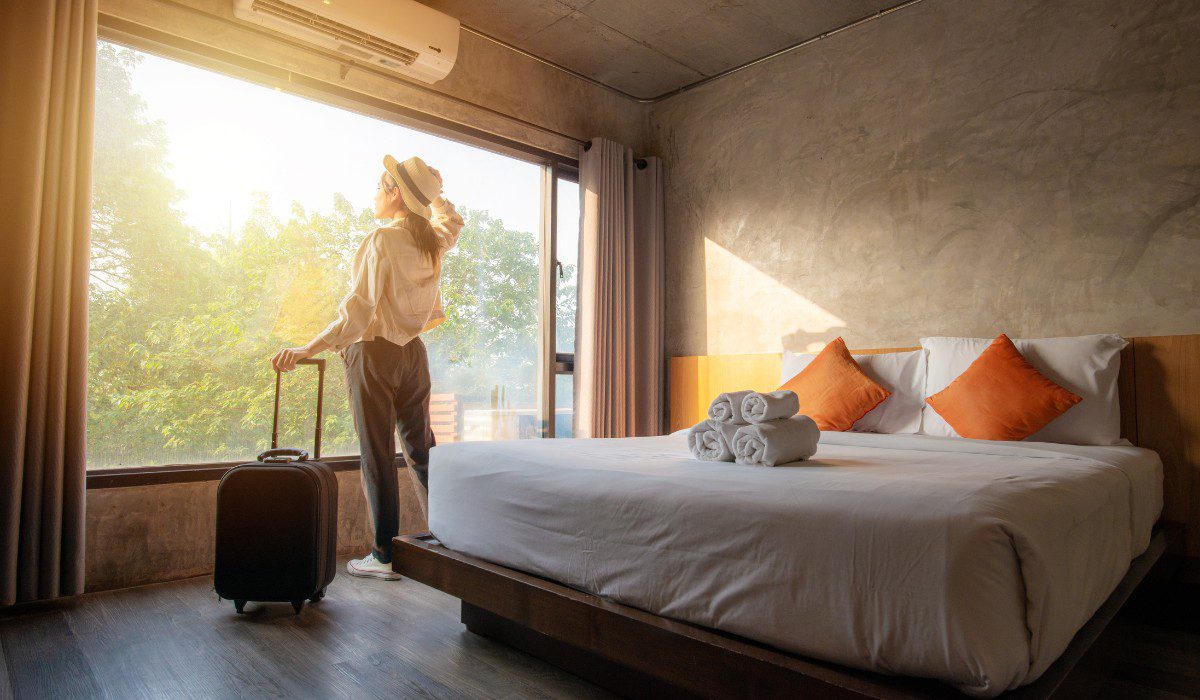
    Comfort-driven hotels design rooms for how people actually live, not just how they look in photos. Beds are engineered for deep sleep, lighting is adjustable for different moods, and soundproofing ensures true quiet. Storage is practical, workspaces are functional, and bathrooms feel spa-like without being impractical. These rooms support rest, productivity, and relaxation equally well, making them ideal for both short stays and extended visits.

    Service That Feels Natural, Not Scripted

    Exceptional service is one of the most important elements of true comfort. Hotels that redefine comfort train staff to anticipate needs rather than simply respond to requests. Interactions feel human and warm, not rehearsed. Whether it’s remembering a guest’s preferences, offering thoughtful recommendations, or solving problems quietly and efficiently, service becomes invisible support rather than a formal process.

    Personalization That Makes Every Stay Unique

    Comfort increases when a hotel feels tailored to you. Many modern hotels focus on personalization, adjusting everything from room temperature and pillow type to dining preferences and activity suggestions. Guests feel seen and understood rather than treated as just another booking. This level of personalization transforms a hotel stay from a transaction into a relationship.

    Experiences That Enhance, Not Exhaust

    Hotels that truly understand comfort curate experiences that add value without adding pressure. Instead of overwhelming guests with schedules and activities, they offer optional, well-paced experiences that align with relaxation and discovery. This might include guided walks, in-house wellness sessions, cultural workshops, or curated dining moments. Guests can engage deeply or simply enjoy the atmosphere without feeling they are missing out.

    Wellness as a Core Comfort Element

    Wellness is no longer an add-on; it’s central to how comfort is defined. Hotels that excel in this area integrate wellness naturally into the stay. This includes high-quality sleep environments, healthy dining options, quiet zones, and spaces designed for movement and mindfulness. Spas, fitness areas, and wellness programs are designed to feel accessible rather than exclusive, encouraging guests to care for themselves without effort.

    Technology That Simplifies the Stay

    When used thoughtfully, technology enhances comfort rather than complicating it. Hotels redefining comfort use smart systems to reduce friction, such as seamless check-ins, intuitive room controls, and reliable high-speed internet. Technology stays in the background, supporting convenience without dominating the experience. Guests feel empowered, not overwhelmed, by digital tools.

    Social Spaces That Feel Welcoming

    Comfort isn’t limited to private rooms. Shared spaces play a major role in how relaxed guests feel. Hotels that prioritize comfort design lounges, cafes, and common areas to encourage ease and connection. Seating is comfortable, acoustics are pleasant, and layouts invite guests to linger. These spaces feel inclusive rather than formal, allowing solo travelers, couples, and families to feel equally at home.

    Food That Comforts and Delights

    Dining is a key part of the comfort experience. Hotels that redefine comfort focus on food that is nourishing, thoughtfully prepared, and adaptable to different needs. Menus often balance indulgence with health, and service is flexible rather than rigid. Dining feels relaxed and enjoyable, whether it’s a casual breakfast, a quiet room service meal, or a refined dinner experience.

    Locations That Support Balance

    A hotel’s location plays a subtle but important role in comfort. The best comfort-driven hotels are positioned to minimize stress, whether that means being close to nature, well-connected to transport, or tucked away from noise. Easy access to surroundings allows guests to explore effortlessly or retreat peacefully, depending on their mood.

    Emotional Comfort and Peace of Mind

    True comfort is emotional as much as physical. Hotels that excel in this area create a sense of safety, trust, and ease. Clear communication, consistent quality, and thoughtful problem-solving help guests relax fully. When travelers don’t have to worry about logistics or surprises, they can truly enjoy their time away.

    Why Travelers Are Choosing Comfort Over Excess

    Many travelers today prefer meaningful comfort over showy luxury. They value quality sleep, attentive service, and thoughtful experiences more than grand lobbies or excessive amenities. Hotels that redefine comfort align perfectly with this shift, offering stays that feel restorative rather than overwhelming.

    Comfort That Encourages Longer Stays

    Because these hotels support daily life so well, guests often choose to stay longer. Remote workers, slow travelers, and repeat visitors gravitate toward hotels where comfort is consistent and genuine. These properties feel less like temporary stops and more like flexible homes away from home.

    Conclusion

    Hotels that redefine comfort understand that great stays are built on balance. By bringing together intelligent design, heartfelt service, and enriching experiences, they create environments where guests can truly relax and be themselves. These hotels don’t just offer comfort as an amenity; they weave it into every aspect of the stay. In a world where travel is increasingly about well-being and connection, these comfort-driven hotels set a new standard for how hospitality should feel.

  • Solo Female Travel: Safest Countries to Visit

    Solo Female Travel: Safest Countries to Visit

    Solo female travel has seen a massive rise in the past few years, with more women confidently exploring the world on their own. From discovering new cultures to gaining independence and building unforgettable memories, solo travel is empowering and transformative. But safety remains the number one priority when selecting a destination.
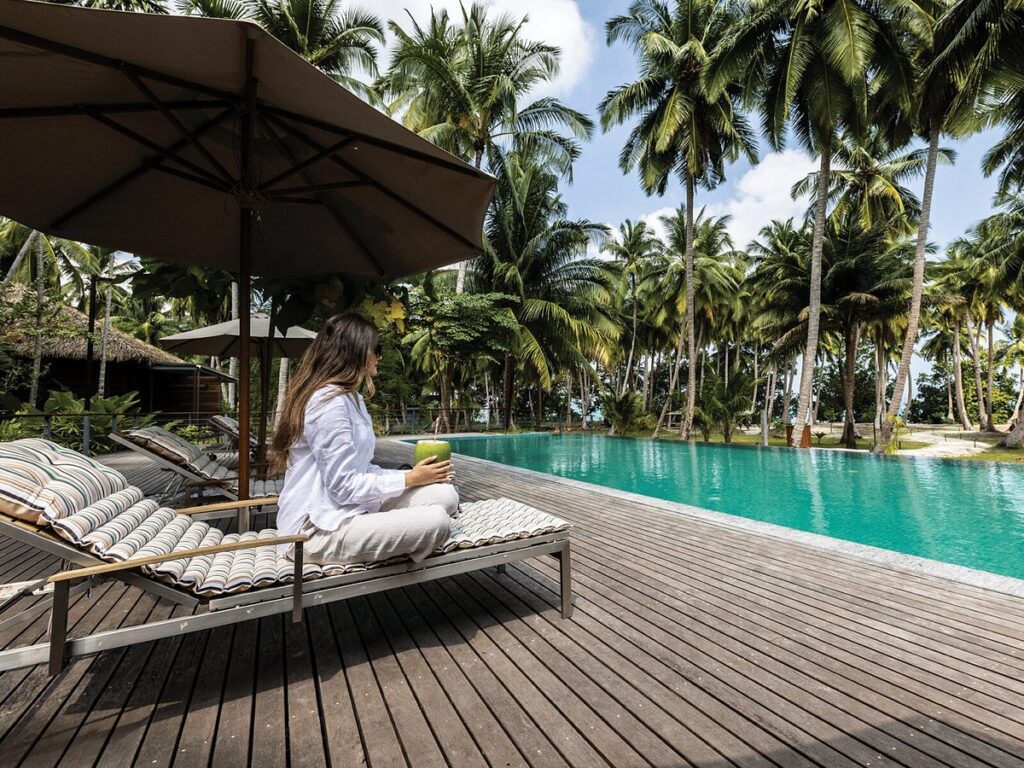
    Fortunately, there are several countries known for their welcoming locals, low crime rates, reliable public transport, and traveler-friendly environments. In this comprehensive guide, we explore the safest countries for solo female travelers, what makes them secure, and what experiences each location offers.

    Whether you’re planning your first solo trip or are already an experienced traveler, these destinations guarantee comfort, safety, and breathtaking adventures.

    Japan

    Japan consistently ranks as one of the safest countries in the world. With extremely low crime rates, efficient transportation, and a culture based on politeness and respect, Japan is ideal for solo female travelers.

    Why It’s Safe:

    • Very low crime levels
    • Friendly and helpful locals
    • Highly efficient public transport
    • Clean and organized cities

    Highlights:
    Explore Kyoto’s temples, enjoy Tokyo’s modern culture, relax in Hakone’s hot springs, and visit Osaka’s markets. Japan is also famous for its convenience stores, which make solo travel extremely comfortable.

    Iceland

    Iceland is often listed as the safest country on the planet, making it perfect for solo female adventurers who love nature. From glaciers and volcanoes to waterfalls and Northern Lights, Iceland offers surreal landscapes with top-level safety.

    Why It’s Safe:

    • Almost zero violent crime
    • Small population and very friendly environment
    • Easy self-drive routes
    • Well-developed tourism infrastructure

    Highlights:
    Drive the Golden Circle, visit the Blue Lagoon, explore Vik’s black sand beaches, and chase Northern Lights during winter.

    New Zealand

    Known for its natural beauty and warm hospitality, New Zealand is extremely welcoming for solo female travelers. With safe cities, a relaxed lifestyle, and well-maintained roads, it’s a perfect destination for peaceful and adventurous trips.

    Why It’s Safe:

    • Low crime
    • English-speaking and easy communication
    • Strong backpacking culture
    • Safe public transport and highways

    Highlights:
    Visit Queenstown for adventure sports, explore Hobbiton, hike Milford Track, or discover the glowworm caves in Waitomo.

    Canada

    Canada is known for its friendly people, efficient systems, and beautiful landscapes. It’s one of the safest and most comfortable countries for women traveling alone.

    Why It’s Safe:

    • Polite and respectful culture
    • Reliable transportation
    • Tight law and order
    • Clean and well-maintained cities

    Highlights:
    Explore the vibrant city life of Toronto, experience the culture in Montreal, or enjoy nature at Banff, Jasper, and Niagara Falls.

    Switzerland

    Switzerland is peaceful, organised, and extremely safe for female travelers. It offers a mix of mountains, lakes, luxury cities, and scenic train rides.

    Why It’s Safe:

    • One of Europe’s lowest crime rates
    • Efficient and on-time transportation
    • Multilingual and tourist-friendly culture
    • Excellent hospitality standards

    Highlights:
    Ride the Glacier Express, explore Interlaken, wander through Zurich’s old town, or enjoy the beauty of Lake Geneva.

    Portugal

    Portugal is becoming one of Europe’s favorite destinations for women traveling alone. It’s affordable, safe, and full of friendly locals.

    Why It’s Safe:

    • Very low violent crime
    • Accessible and tourist-friendly cities
    • Affordable transport and stays
    • Helpful English-speaking population

    Highlights:
    Visit Lisbon’s colorful streets, explore Porto’s riverside charm, relax in the Algarve beaches, and experience Sintra’s fairytale castles.

    Singapore

    Singapore is one of the world’s cleanest and safest countries. Strict laws and excellent infrastructure make it perfect for solo women travelers.

    Why It’s Safe:

    • Ultra-low crime
    • Very clean and well-lit streets
    • High-tech public transportation
    • People from diverse backgrounds who are welcoming to tourists

    Highlights:
    Visit Marina Bay Sands, Gardens by the Bay, Sentosa Island, and the vibrant neighborhoods of Chinatown and Little India.

    Finland

    Finland is peaceful, quiet, and incredibly safe. It offers stunning landscapes, including forests, lakes, and the magical Northern Lights.

    Why It’s Safe:

    • Polite and respectful locals
    • Simple, efficient public systems
    • Very low crime
    • Strong emphasis on equality and women’s rights

    Highlights:
    Visit Helsinki, explore Lapland, stay in a glass igloo, or enjoy Finnish saunas.

    Australia

    Australia combines great cities, beach culture, and adventure in one safe destination perfect for solo women.

    Why It’s Safe:

    • Friendly and easy-going locals
    • Reliable transport
    • English-speaking environment
    • Tourism-friendly facilities everywhere

    Highlights:
    Visit Sydney’s iconic harbor, snorkel in the Great Barrier Reef, explore Melbourne’s cafés, or drive the Great Ocean Road.

    Austria

    Austria may not be the first country that comes to mind, but it’s one of Europe’s safest and cleanest destinations for solo female travel.

    Why It’s Safe:

    • Low crime rate
    • Efficient city layouts
    • Beautiful pedestrian-friendly towns
    • Helpful locals

    Highlights:
    Explore Vienna’s palaces, visit Salzburg’s musical heritage, or relax in Hallstatt’s lakeside scenery.

    Essential Safety Tips for Solo Female Travelers

    Even in the safest countries, smart travel habits are important. Here are simple tips to ensure a smooth and enjoyable journey:

    Stay connected: Share your itinerary with a friend or family member.
    Avoid isolated areas at night: Stick to public streets and well-lit regions.
    Research local customs: Dress appropriately if visiting conservative countries.
    Use trusted transportation: Opt for public transport or verified taxi apps.
    Secure your belongings: Use anti-theft bags, locks, and hotel safes.
    Trust your instincts: If something feels off, walk away immediately.

    Final Thoughts

    Solo female travel is empowering, refreshing, and deeply fulfilling. The countries listed above stand out for their safety, friendliness, and ease of navigation, making them perfect for women exploring the world alone. Whether you prefer nature, cities, beaches, or culture, these destinations offer comfort along with adventure.

  • The Ultimate Guide to Famous Train Routes: Glacier Express, Shinkansen & More

    The Ultimate Guide to Famous Train Routes: Glacier Express, Shinkansen & More

    Train travel has long been a symbol of adventure, offering a unique way to explore the world’s landscapes, cultures, and cities. Famous train routes are especially captivating for travelers seeking a blend of comfort, scenic beauty, and memorable experiences. From Europe’s majestic Alps to Asia’s high-speed marvels, these routes have become bucket-list journeys for globetrotters worldwide.

    This guide provides a comprehensive overview of the most famous train routes, including practical tips, route highlights, and how to make the most of each journey.

    The current image has no alternative text. The file name is: 183e0fb6038f512c63e25e2d5a312512.webp

    Why Famous Train Routes Are Special

    Famous train routes stand out because they combine spectacular scenery with luxury or convenience. These trains often pass through regions that are difficult to access by car or plane, offering uninterrupted views of mountains, rivers, coastlines, and historic towns.

    Travelers also enjoy on-board experiences such as fine dining, panoramic windows, and themed journeys that enhance the sense of adventure. Unlike flights, trains provide a slower, immersive way to connect with the environment and local culture.

    Glacier Express, Switzerland

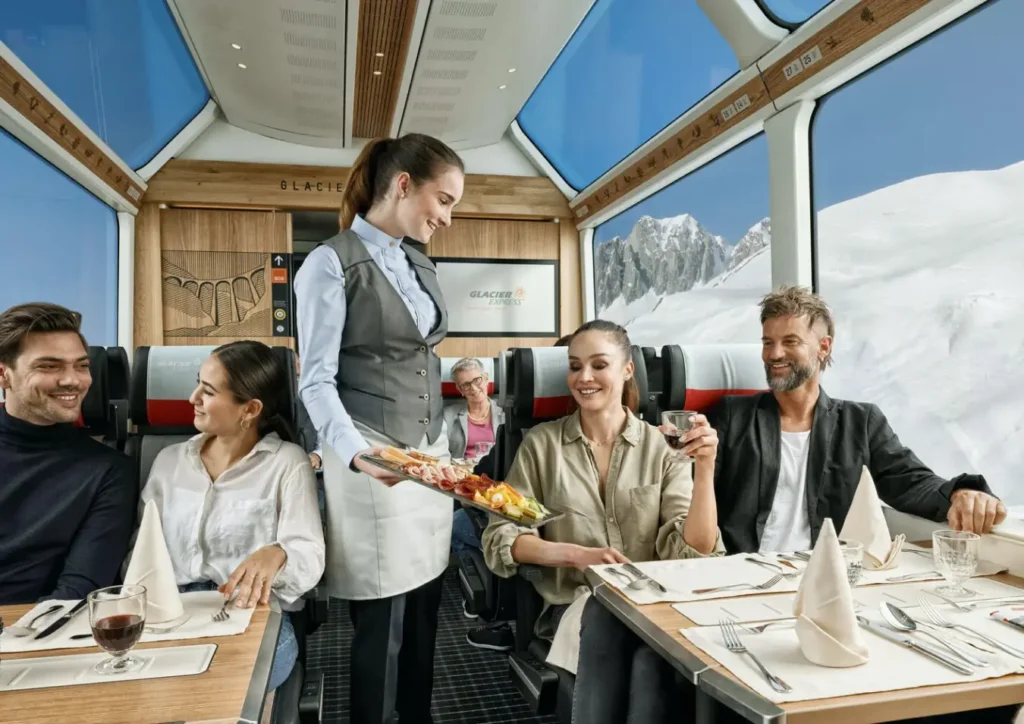
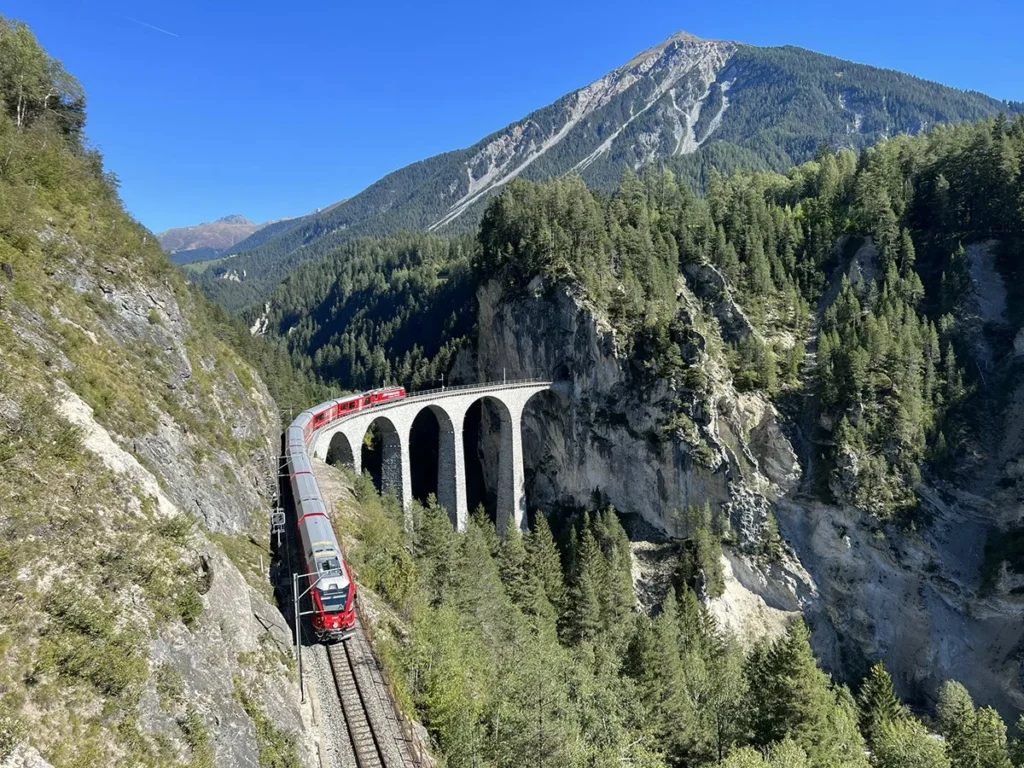
    The Glacier Express is one of the world’s most iconic scenic trains. Connecting Zermatt and St. Moritz, this route spans 291 bridges and 91 tunnels while traversing the Swiss Alps. Travelers witness snow-capped peaks, deep gorges, and charming alpine villages.

    Adventure enthusiasts can combine the journey with hiking in Zermatt, skiing in St. Moritz, or exploring historic Swiss towns. The Glacier Express is perfect for those seeking breathtaking mountain vistas and unforgettable photographic opportunities.

    Shinkansen, Japan

    Japan’s Shinkansen, or bullet train, revolutionized high-speed rail travel. Connecting Tokyo, Kyoto, Osaka, and beyond, the Shinkansen offers fast, punctual, and comfortable transportation.

    While the route itself is not primarily scenic compared to mountain trains, the Shinkansen provides a gateway to cultural and natural destinations across Japan. Travelers can use Japan Rail Passes to explore multiple cities efficiently, combining high-speed travel with excursions to temples, gardens, and hot springs.

    Rocky Mountaineer, Canada

    The Rocky Mountaineer offers multiple routes through the Canadian Rockies, featuring glaciers, rivers, and wildlife sightings. Routes like Vancouver to Banff or Jasper provide panoramic views through glass-domed coaches.

    Passengers can enhance the experience with stopovers for hiking, kayaking, or guided tours. This route is ideal for those seeking adventure combined with luxury and comfort.

    Eastern & Oriental Express, Southeast Asia

    Traveling from Singapore to Bangkok, the Eastern & Oriental Express passes through jungles, rice paddies, and rural villages. This train offers travelers the opportunity to experience Southeast Asia’s diverse landscapes and cultures in a relaxed and scenic setting.

    Optional excursions include river trips, jungle treks, and visits to local markets, providing a mix of adventure and cultural immersion.

    Venice Simplon-Orient-Express, Europe

    The Venice Simplon-Orient-Express is the epitome of luxury and nostalgia. Running through France, Switzerland, and Italy, this historic train features art deco interiors, fine dining, and personalized service.

    Passengers enjoy scenic European landscapes while experiencing a journey reminiscent of classic travel novels and films. Stopovers in cities like Venice, Paris, or Innsbruck allow travelers to explore culture, architecture, and cuisine.

    Blue Train, South Africa

    The Blue Train connects Pretoria to Cape Town, offering a luxurious journey across deserts, vineyards, and rolling hills. Wildlife sightings and scenic stops make this route appealing to adventure travelers who also value comfort.

    Excursions such as safaris, wine tastings, and hiking in nearby reserves complement the train experience, making it a comprehensive adventure.

    Tips for Planning Your Journey on Famous Train Routes

    • Book Early: Iconic routes often sell out quickly, especially premium cabins or panoramic cars.
    • Choose the Right Cabin: Suites and observation cars offer the best views and amenities.
    • Plan Stopovers Wisely: Include excursions and local exploration to maximize your experience.
    • Travel Off-Peak: Shoulder seasons provide fewer crowds and sometimes lower prices.
    • Pack Smart: Bring cameras, binoculars, and comfortable clothing for both on-board and off-train adventures.

    Why These Routes Are Bucket-List Experiences

    Famous train routes combine scenic beauty, cultural immersion, and comfort in a way that flights or road trips rarely can. They provide a slower, more immersive way to experience landscapes while offering opportunities for photography, relaxation, and adventure.

    Passengers often remember the journey itself as much as the destinations, making famous train routes a travel experience that goes beyond simple transportation.

    Conclusion

    Exploring the world by train offers a unique perspective on travel. Routes like the Glacier Express, Shinkansen, Rocky Mountaineer, Eastern & Oriental Express, Venice Simplon-Orient-Express, and the Blue Train each provide distinct experiences ranging from high-speed convenience to luxurious scenic journeys.

    Careful planning—selecting the right route, cabin, and excursions—ensures that travelers maximize both value and enjoyment. Famous train routes are more than just a means of transport; they are immersive adventures that combine landscapes, culture, and comfort into unforgettable journeys.

  • Best Island Getaways for a Peaceful Escape

    Best Island Getaways for a Peaceful Escape

    If you’re dreaming of a quiet escape far from crowds, city noise, and daily stress, island destinations offer the perfect retreat. Surrounded by crystal-clear waters, soft sands, and calming natural landscapes, these islands give travelers a chance to slow down, reconnect with themselves, and experience true tranquility. Whether you want a romantic hideaway, a wellness retreat, or a remote island adventure, these peaceful island getaways guarantee a refreshing escape from the rush of everyday life.

    Maldives – A Haven of Overwater Serenity

    The Maldives remains one of the world’s top peaceful island escapes, known for its turquoise lagoons, luxury overwater villas, and quiet, intimate ambiance. It’s perfect for couples, honeymooners, and travelers seeking privacy. Many resorts sit on private islands where you can enjoy spa therapies, beachside yoga, snorkeling with marine life, and candlelight dinners by the ocean. With limited crowds and slow island living, it’s the ideal destination to unwind completely.

    Bora Bora, French Polynesia – The Ultimate Romantic Paradise

    Often called the Jewel of the Pacific, Bora Bora mesmerizes with its calm lagoon and iconic Mount Otemanu. The island’s peaceful energy, lush greenery, and quiet beaches create a dreamlike atmosphere. Whether you choose a romantic overwater bungalow or a beach resort tucked in nature, the island offers unmatched serenity. Activities like snorkeling, lagoon cruises, and spa rituals add to the healing vibe of this island getaway.

    Seychelles – Secluded Beaches and Untouched Nature

    Located in the Indian Ocean, Seychelles is made up of 115 islands known for their white powder beaches, granite rocks, and protected nature reserves. It’s a paradise for travelers who want privacy without compromising on natural beauty. The calm beaches of La Digue, the quiet corners of Praslin, and the secluded luxury of North Island make Seychelles perfect for a peaceful escape. Hiking trails, nature walks, and eco-friendly resorts add to its quiet charm.

    Fiji – A Quiet Tropical Escape with Warm Hospitality

    Fiji’s remote islands are perfect for travelers who want peaceful beaches, friendly local culture, and a slow island lifestyle. Many boutique resorts are located on private islands, ensuring a peaceful ambiance. Whether you’re relaxing in a hammock under the palms, exploring coral reefs, or enjoying a traditional Fijian massage, the calmness of this island nation instantly refreshes the mind and soul.

    Koh Yao Islands, Thailand – A Quiet Alternative to Crowded Beaches

    If you want Thailand’s beauty without its hustle, the Koh Yao Islands (Koh Yao Noi & Koh Yao Yai) are hidden gems. Located between Phuket and Krabi, these islands offer peaceful beaches, simple island living, and a laid-back rural charm. Unlike the busy beaches of Phuket, Koh Yao remains untouched, offering quiet resorts, yoga retreats, and scenic coastal views perfect for relaxation.

    Zakynthos, Greece – Relaxed Greek Island Magic

    While some Greek islands can be crowded, Zakynthos offers pockets of peaceful beauty that feel untouched and serene. The island’s hidden coves, blue caves, and slow-paced coastal villages create the perfect escape for travelers seeking calm. With its Mediterranean charm, delicious food, and golden sunsets, Zakynthos is ideal for anyone wanting a peaceful European island getaway without the chaos.

    Maui, Hawaii – Calm Shores and Natural Healing

    Though Hawaii is famous worldwide, Maui still manages to retain peaceful spots where you can relax deeply. Quiet beaches, bamboo forests, scenic drives, and wellness resorts create a healing atmosphere. Whether it’s sunrise at Haleakalā, meditating by the ocean, or exploring hidden waterfalls, Maui offers a perfect blend of nature, peace, and soft adventure.

    Palawan, Philippines – Untouched Islands and Crystal Waters

    Palawan is consistently ranked as one of the most beautiful islands in the world, and for good reason. Its peaceful lagoons, towering limestone cliffs, and hidden beaches make it feel like paradise. El Nido’s private islands, Coron’s calm lakes, and Puerto Princesa’s eco-friendly accommodations offer travelers the chance to unwind without crowds. For nature lovers and peace seekers, Palawan is a dream destination.

    Cook Islands – Slow Living in the South Pacific

    The Cook Islands offer a laid-back atmosphere where time seems to slow down. With no tall buildings, minimal traffic, and quiet beaches, it’s the perfect destination to disconnect from digital chaos. Rarotonga and Aitutaki, the most popular islands, provide calm lagoons, friendly locals, and simple island living. It’s ideal for travelers seeking peace, romance, and natural beauty.

    Conclusion

    Island getaways offer something truly special—peace, calmness, and a chance to reset your mind in the middle of nature. Whether it’s the luxurious serenity of the Maldives, the untouched beauty of Palawan, or the slow life of the Cook Islands, each island provides its unique form of relaxation. When you need a break from the world, nothing heals like the quiet rhythm of island life. With soft sands, gentle waves, and endless horizons, these peaceful island destinations are perfect for your next refreshing escape.

  • All-Inclusive Phuket: Where to Stay, What to Eat & How to Save More in Thailand’s Paradise

    All-Inclusive Phuket: Where to Stay, What to Eat & How to Save More in Thailand’s Paradise

    Phuket is one of the world’s most popular island destinations—famous for its turquoise beaches, tropical nature, vibrant nightlife, and peaceful luxury escapes. While many travelers assume it’s expensive, the truth is that Phuket can easily fit into an all-inclusive-style holiday if you know how to plan it. With the right resort, meal strategy, transport choices, and activity planning, you can enjoy Phuket almost entirely without surprise expenses.

    This guide breaks down the best all-inclusive resorts, local food to try, hidden beaches, cheap transport, smart-saving hacks, and travel tips that help you get maximum value from your trip.

    Why Choose an All-Inclusive Trip in Phuket

    Phuket is perfect for an all-inclusive holiday because it offers every type of traveler a complete vacation experience—tropical beaches, spas, nightlife, nature adventures, and island hopping. Many resorts include meals, entertainment, activities, airport transfers, and even massage packages. Compared to other tropical destinations like Maldives or Bora Bora, Phuket’s all-inclusive options are far more affordable and still deliver luxury-level service.

    The island also has cheap street food, reasonable internal transport, and many free attractions, which makes it easy to create a budget-friendly all-inclusive experience even if you’re not booking a traditional package.

    Where to Stay: Best All-Inclusive Resorts in Phuket

    Phuket has a wide range of all-inclusive resorts—romantic beachfront escapes, family-friendly hotels, and affordable luxury options. Here are some of the best stays that provide meals, activities, transfers, and amenities that reduce your extra spending.

    The Village Coconut Island Beach Resort

    Located on a private island just off the Phuket coast, this resort offers beachfront villas, stunning sunsets, free kayaks, spa facilities, and multiple meal packages. Many stays include daily breakfast, dinner, airport transfers, and access to their private beach. It’s one of the best all-inclusive experiences for couples and families wanting a quiet tropical retreat.

    Phuket Marriott Resort & Spa, Merlin Beach

    Set on a private beach, this hotel is perfect for those wanting relaxation with access to top-tier amenities. Their packages include three meals a day, drinks, snorkeling gear, kids’ club access, yoga sessions, and more. This is ideal for travelers who want convenience without exploring too much outside the resort.

    Club Med Phuket

    This is Phuket’s most famous true all-inclusive resort offering unlimited gourmet dining, drinks, pools, bars, nightly shows, fitness classes, adventure activities, and kids’ programs. Everything—from food to entertainment—is included, making it a stress-free option for families and groups.

    Pullman Phuket Arcadia Naithon Beach

    A modern resort with ocean-facing rooms, infinity pools, premium breakfast buffets, and package plans that include meals and spa credits. It’s a great choice for couples wanting luxury without overspending.

    Centara Grand Beach Resort Phuket

    Great for families thanks to its waterpark-like pool, lazy river, and direct beach access. Meal plans include buffet breakfast and dinner, making it easier to enjoy a semi all-inclusive stay.

    What to Eat in Phuket Without Overspending

    Food is one of the most exciting parts of visiting Thailand, and Phuket is no exception. If your hotel includes meals, that’s great—but you should still step out and try local cuisine because it’s flavorful, fresh, and surprisingly affordable.

    Best Budget Foods to Try

    Pad Thai – The classic sweet and savory noodle dish found everywhere and super cheap
    Green Curry – Rich coconut curry with vegetables or chicken
    Som Tum – Famous spicy papaya salad
    Fried Rice – Flavorful and filling in dozens of variations
    Thai Iced Tea – Sweet, creamy, and refreshing
    Roti Pancake – Crispy dessert with banana and chocolate
    Grilled Seafood – Fresh, smoky, and priced reasonably near beaches

    Street food in Phuket is not only delicious but also clean and safe in most places. Areas like Patong, Kata, and Old Phuket Town have dozens of affordable spots.

    Where to Eat for Best Value

    Night Markets – Cheapest and tastiest meals in Phuket
    Local Thai Restaurants – More authentic than tourist zones
    Beachside Grills – Best value seafood
    Markets like Chillva Market & OTOP Night Market – Ideal for variety

    You don’t have to spend a lot to eat incredibly well in Phuket, even on a partial or full all-inclusive plan.

    Best Things to Do in Phuket That Fit All-Inclusive-Style Travel

    Phuket has endless attractions, but the best part is that many of them are low-cost or free. Combine these with resort-included activities, and your travel becomes even more affordable.

    Relax at the Beaches

    Phuket has dozens of beaches—some lively, some hidden. Many are free and stunning.

    Best free beaches include:
    Patong Beach – Energetic and nightlife-ready
    Kata Beach – Calm and great for swimming
    Karon Beach – Wide, clean, and peaceful
    Freedom Beach – Beautiful but quieter
    Nai Harn Beach – Clear waters and local vibes

    If you stay at a resort with a private beach, that’s even better for an all-inclusive feel.

    Visit Big Buddha

    A massive 45-meter-tall statue offering incredible views and completely free to visit.

    Explore Old Phuket Town

    A colorful mix of Sino-Portuguese buildings, cafés, murals, and markets. Walking around is free and enjoyable.

    Island Hopping

    While not free, you can find good package deals that include meals, snorkeling gear, transport, and drinks. Popular nearby islands include:
    Phi Phi Islands
    James Bond Island
    Coral Island
    Racha Island

    Booking these as all-inclusive tours helps save money.

    Spa & Massage

    Thai massages are famous worldwide—and very affordable in Phuket. Even if your resort doesn’t include spa access, local massage shops offer amazing prices.

    How to Save More in Phuket: Travel Hacks That Work

    Phuket can be as expensive or as affordable as you want. These saving tips help you enjoy an all-inclusive-style trip without spending extra.

    Travel During Shoulder Season

    November to early December and late April offer lower prices and fewer crowds.

    Choose Hotels with Breakfast Included

    This reduces your daily expenses by a big margin.

    Use Local Transport Instead of Taxis

    Phuket Smart Buses and tuk-tuks cost far less than taxis.

    Book Tours in Packages

    Island tours, snorkeling, and transfers become cheaper when booked together.

    Eat Local

    Street markets and small restaurants give you the best food at the best prices.

    Avoid Tourist Scams

    Overpriced taxis, pushy vendors, and fake tours can raise your budget unnecessarily.

    Sample 3-Day All-Inclusive Phuket Itinerary

    Day 1 – Beaches & Town

    Breakfast at resort
    Relax at Kata Beach
    Explore Old Phuket Town
    Dinner at a local night market

    Day 2 – Island Adventure

    Island hopping tour (Phi Phi or Racha Island)
    Snorkeling, beaches, buffet lunch included
    Evening massage near the resort

    Day 3 – Culture & Relaxation

    Visit Big Buddha
    Local Thai cooking class
    Sunset at Promthep Cape
    Dinner at resort or Patong

    Conclusion

    Phuket is a tropical paradise where you can easily enjoy an all-inclusive travel experience without overspending. With the right resort, smart dining choices, free attractions, cheap transportation, and budget-friendly tours, you’ll enjoy a luxurious, stress-free vacation at a fraction of the cost of similar destinations. Whether you want stunning beaches, delicious food, nightlife, or peaceful relaxation, Phuket delivers it all—and with smart planning, it becomes one of the world’s best-value all-inclusive destinations.

  • How to Score Free Upgrades on Flights, Hotels, and Cruises

    How to Score Free Upgrades on Flights, Hotels, and Cruises

    Everyone loves a free upgrade—whether it’s a flight seat that suddenly becomes more spacious, a hotel room that transforms into a suite, or a cruise cabin that offers a better view. Free upgrades can elevate your travel experience without adding extra cost, but they don’t happen randomly. In 2025, travel companies rely more on data, loyalty programs, and booking trends to decide who gets priority treatment. With the right strategies, timing, and travel-smart behavior, you can significantly improve your chances of being upgraded. Here’s how to get those complimentary perks across flights, hotels, and cruises.

    Join Loyalty Programs Even If You Travel Occasionally

    Loyalty programs are the strongest upgrade boosters in today’s travel world. Airlines, hotels, and cruise companies prioritize upgrades for members, even at entry-level tiers. You don’t need elite status to be considered—just being part of the program increases your chances. Points accumulation, digital profiles, and membership numbers help companies track your activity and reward you with unexpected perks. Signing up is free and takes seconds, yet offers long-term benefits every time you travel.

    Book Direct Instead of Using Third-Party Platforms

    Companies are more likely to upgrade travelers who book directly through their websites or mobile apps. Direct bookings save business costs and give them more flexibility for customer rewards. When you use OTAs or third-party platforms, you are often considered a low-priority guest because commissions are involved. By booking directly, you not only access better support but also become eligible for exclusive upgrade offers.

    Travel During Off-Peak Times or Midweek

    Upgrades are more common when flights and hotels have lower occupancy. Traveling during weekdays, slower months, or off-season periods dramatically increases your chances. A hotel that is 70% full is far more likely to offer free room upgrades compared to one operating at high capacity. Similarly, midweek flights with empty premium seats are perfect opportunities for surprise upgrades. Planning smart timing can make a big difference.

    Dress Presentably and Be Polite When Asking

    Although appearance alone won’t guarantee an upgrade, being well-presented helps create a positive impression. Staff members are more likely to assist polite, friendly, respectful travelers than those who are demanding. A simple, confident request like “Are there any complimentary upgrades available today?” can work surprisingly well. Kindness and charm go a long way in the hospitality industry.

    Use Credit Cards With Travel Privileges

    Many travel credit cards offer complimentary upgrades, priority boarding, hotel room category upgrades, lounge access, and cruise perks. Cards that partner with major airlines and hotel chains often include elite-like benefits even without meeting membership requirements. These cards also offer reward points that can be redeemed for upgraded seats or premium rooms. Using the right card during booking boosts your upgrade potential instantly.

    Arrive Early or Very Late for Check-In

    Timing matters. Arriving early allows you to secure premium seats or better rooms before they’re assigned. On the other hand, arriving later may result in being upgraded if standard rooms or seats are fully booked. Cruise lines sometimes upgrade passengers last-minute to balance ship occupancy. Being flexible with check-in times can create unexpected upgrade opportunities.

    Special Occasions and Celebrations Work in Your Favor

    Hotels and cruise lines especially love to make special moments memorable. If you’re celebrating a honeymoon, anniversary, birthday, or engagement, mentioning it politely during check-in can increase your chances. Staff often want to delight guests celebrating important life events, and an upgrade is the easiest way they can do that. Be honest, humble, and appreciative.

    Conclusion

    Scoring free upgrades isn’t about luck—it’s a combination of strategy, timing, loyalty, and respectful communication. By joining loyalty programs, booking directly, choosing the right travel times, using travel-friendly credit cards, and presenting yourself well, you increase your chances of enjoying premium experiences without extra expense. Whether you’re flying, cruising, or staying at a hotel, these insider hacks give you a real advantage in 2025. With the right approach, your next trip may come with a better seat, a bigger room, or a more luxurious cabin—all for free.

  • All-Inclusive vs Independent Travel: Which Option Saves More Money for Long Trips

    All-Inclusive vs Independent Travel: Which Option Saves More Money for Long Trips

    When planning a long trip, one of the biggest decisions travelers face is whether to choose an all-inclusive package or travel independently. Both options promise freedom, comfort, and memorable experiences, but the cost difference over weeks or months can be significant. What looks cheaper at first glance often turns out to be more expensive once hidden costs appear.

    This detailed guide breaks down all-inclusive travel and independent travel from a long-term budget perspective, helping you decide which option truly saves more money without sacrificing quality or experience.

    Understanding All-Inclusive Travel for Long Trips

    All-inclusive travel means paying one upfront price that covers accommodation, meals, drinks, entertainment, and often activities or local transport. For long trips, this structure offers predictability and financial clarity.

    Instead of managing daily expenses, travelers can relax knowing that most major costs are already covered. This is especially appealing for stays lasting two weeks or more, where daily spending can easily spiral out of control.

    What Independent Travel Really Involves

    Independent travel gives full control over every decision, from accommodation and meals to transport and activities. On paper, this flexibility seems cheaper, especially when booking budget hotels or using public transport.

    However, over a long trip, independent travelers often face fluctuating prices, unexpected costs, and decision fatigue. Eating out daily, booking activities separately, and handling transport logistics can add up faster than expected.

    Accommodation Costs Over Long Stays

    Accommodation is usually the biggest expense on extended trips. All-inclusive resorts often offer discounted long-stay rates that significantly reduce the per-night cost.

    Independent travelers may find cheaper nightly rates initially, but costs can increase due to location trade-offs, added transport expenses, and limited amenities that require spending elsewhere.

    Food and Dining Expenses Add Up Quickly

    Meals are where independent travel often becomes more expensive. Eating out two to three times a day for weeks can strain even the best-planned budgets.

    All-inclusive travel eliminates this issue by including unlimited meals, snacks, and beverages. Over long stays, this single factor alone can save hundreds or even thousands compared to paying per meal.

    Transportation and Daily Mobility

    Independent travelers often underestimate transport costs. Taxis, rideshares, rental vehicles, fuel, and public transport passes accumulate quickly over long trips.

    Many all-inclusive resorts include airport transfers, on-site shuttles, or guided excursions, reducing the need for daily transportation spending and simplifying logistics.

    Activities, Entertainment, and Experiences

    Long trips usually mean more activities, tours, and experiences. Booking these individually can significantly inflate costs, especially in popular destinations.

    All-inclusive packages often include water sports, fitness classes, cultural shows, excursions, and entertainment at no extra cost, providing excellent value over extended stays.

    Hidden Costs Most Travelers Don’t Expect

    Independent travel comes with hidden expenses such as booking fees, currency exchange losses, data plans, tourist taxes, tips, and last-minute bookings.

    All-inclusive travel minimizes these surprises by consolidating costs upfront. While not every expense is covered, the financial predictability is far higher.

    Flexibility vs Financial Control

    Independent travel wins when it comes to flexibility. Travelers can change plans easily, explore offbeat locations, and adjust their itinerary freely.

    All-inclusive travel trades some flexibility for financial control. For long trips where budgeting matters more than spontaneity, this trade-off often makes sense.

    Who Saves More With All-Inclusive Travel

    All-inclusive travel is usually more cost-effective for travelers staying in one destination for an extended period, families, couples, and those who enjoy resort-based experiences.

    It also works well for destinations where food, activities, and transport are expensive, making bundled pricing far more economical.

    Who Benefits More From Independent Travel

    Independent travel suits travelers who frequently move between cities, prefer local street food, and enjoy planning every detail themselves.

    It can be cheaper for minimalist travelers who avoid paid activities and choose very basic accommodation, but this requires strict budgeting discipline.

    Final Verdict: Which Option Saves More Money

    For long trips focused on relaxation, comfort, and predictable spending, all-inclusive travel usually saves more money in the long run. The bundled pricing structure protects travelers from rising daily expenses and unexpected costs.

    Independent travel can be cheaper for highly disciplined travelers who prioritize flexibility over comfort, but for most people, long-term savings are harder to maintain without strict control.

    Conclusion

    Choosing between all-inclusive and independent travel for long trips comes down to travel style, budgeting habits, and destination choice. While independent travel offers freedom, all-inclusive travel often delivers better overall value, especially for extended stays.

    For travelers who want to enjoy long trips without constantly worrying about expenses, all-inclusive travel remains one of the smartest and most cost-effective options available today.

  • Hidden Luxury Hotels Around the World That Most Travelers Don’t Know About

    Hidden Luxury Hotels Around the World That Most Travelers Don’t Know About

    Luxury travel is often associated with famous five-star brands and iconic resorts, but some of the most unforgettable stays are quietly tucked away from the spotlight. These hidden luxury hotels don’t rely on mass marketing or crowded popularity. Instead, they offer privacy, authenticity, and deeply personalized experiences that feel like secrets shared only with those who truly seek them out. For travelers who value exclusivity over exposure, these under-the-radar properties deliver a level of refinement that feels rare and special.

    What Defines a Hidden Luxury Hotel

    A hidden luxury hotel isn’t necessarily small or inexpensive. What makes it unique is its discretion. These properties are often located away from tourist centers, limit the number of guests, and focus on craftsmanship, service, and atmosphere rather than flashy branding. Many are independently owned, designed to blend into their surroundings, and known mostly through word of mouth. Guests choose them not for recognition, but for the experience itself.

    Remote Locations That Elevate the Experience

    Some of the world’s most luxurious hidden hotels are found in places that take effort to reach. Remote mountain lodges, private island retreats, desert hideaways, and jungle sanctuaries offer a level of isolation that feels intentional. Reaching these destinations often involves scenic drives, boat transfers, or small aircraft, which adds to the sense of escape. Once there, guests enjoy uninterrupted views, silence, and an intimate connection with nature that crowded luxury resorts simply cannot provide.

    Boutique Properties With Exceptional Attention to Detail

    Hidden luxury hotels often operate as boutique properties, where every room is thoughtfully designed and no two stays feel the same. Interiors reflect local materials, regional art, and cultural heritage rather than standardized décor. From handcrafted furniture to custom fragrances and personalized welcome rituals, these hotels focus on details that make guests feel individually cared for rather than processed through a system.

    Privacy as the Ultimate Luxury

    One of the biggest reasons travelers seek hidden luxury hotels is privacy. These properties often feature private villas, secluded suites, and exclusive-use areas that ensure guests never feel crowded. Pools, dining spaces, and wellness facilities are designed to feel intimate rather than communal. This makes them especially appealing for honeymooners, high-profile travelers, and anyone seeking a truly peaceful escape.

    Dining Experiences Known Only to Guests

    Unlike famous hotel restaurants that attract outside crowds, hidden luxury hotels often keep their culinary experiences reserved for in-house guests. Chefs design menus around seasonal, locally sourced ingredients, sometimes harvesting produce directly from on-site gardens. Dining feels personal, whether it’s a candlelit meal in a vineyard, a beachside dinner under the stars, or a private tasting menu prepared just for you. The focus is on quality, creativity, and connection rather than recognition.

    Wellness Retreats That Feel Deeply Personal

    Many hidden luxury hotels prioritize wellness in a way that feels organic rather than commercial. Instead of crowded spas, guests experience tailored wellness journeys that may include private yoga sessions, guided meditation, holistic therapies, and nature-based healing practices. These retreats are often set in serene environments, allowing travelers to disconnect from daily stress and reconnect with themselves in a meaningful way.

    Cultural Immersion Without the Tourist Crowds

    Hidden luxury hotels often act as quiet gateways into local culture. Guests may be invited to participate in traditional ceremonies, artisan workshops, or guided experiences led by local experts. Because these hotels host fewer guests, cultural interactions feel authentic and respectful rather than staged. Travelers leave with a deeper understanding of the destination, not just surface-level impressions.

    Sustainable Luxury With a Purpose

    Many under-the-radar luxury hotels are leaders in sustainable travel. They invest in eco-friendly architecture, renewable energy, water conservation, and community support initiatives. Rather than promoting sustainability as a trend, they integrate it naturally into the guest experience. Travelers who care about responsible tourism often find these hotels align perfectly with their values while still delivering exceptional comfort.

    Why These Hotels Stay Under the Radar

    Hidden luxury hotels often choose not to pursue mass visibility. Limited room counts, remote locations, and a focus on exclusivity mean they don’t aim to host thousands of guests each year. Some prefer returning guests over new ones, maintaining a sense of familiarity and trust. This intentional low profile allows them to preserve the atmosphere that makes them special in the first place.

    Who These Hidden Hotels Are Perfect For

    These hotels are ideal for travelers who prioritize experience over recognition. Couples seeking romance, solo travelers looking for meaningful solitude, and seasoned explorers tired of crowded luxury resorts often gravitate toward these stays. They appeal to those who value silence over social scenes, craftsmanship over trends, and authenticity over status.

    How to Find Hidden Luxury Hotels

    Discovering these hotels requires a different approach to planning. Instead of relying solely on mainstream booking platforms, travelers often explore niche travel blogs, curated hotel collections, and insider recommendations. Flexibility with location and dates also helps, as these properties may have limited availability. The effort spent researching is usually rewarded with an experience few others have had.

    The Emotional Impact of Staying Somewhere Secret

    Staying at a hidden luxury hotel often leaves a lasting emotional impression. Guests remember not just the comfort, but the feeling of being somewhere special and undiscovered. These are the kinds of places travelers think about long after returning home, not because of extravagance, but because of how the stay made them feel.

    Why Hidden Luxury Is the Future of High-End Travel

    As travelers become more experienced, many move away from obvious luxury toward quieter, more meaningful experiences. Hidden luxury hotels represent this shift. They offer refinement without excess, service without intrusion, and beauty without crowds. In a world where everything is shared online, these secret stays feel refreshingly personal.

    Conclusion

    Hidden luxury hotels prove that true luxury doesn’t need to be loud. By offering privacy, authenticity, and deeply personalized experiences, these under-the-radar properties deliver something increasingly rare in modern travel: a sense of discovery. For travelers willing to look beyond well-known names, these secret hotels offer some of the most rewarding and unforgettable stays in the world.