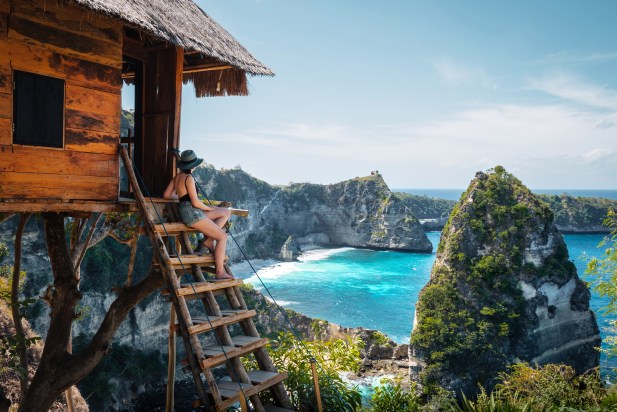
Author: Patricia Baker

  • Hidden Gem Cities You Should Visit Before They Get Famous

    Hidden Gem Cities You Should Visit Before They Get Famous

    When we think of travel, our minds instantly jump to the usual hotspots—Paris, Dubai, Bali, New York. But the world is full of underrated destinations quietly waiting to be explored. These hidden gem cities offer authentic culture, fewer crowds, affordable stays, and experiences untouched by commercial tourism. If you’re tired of mainstream places and want something fresh, these lesser-known cities deserve a top spot on your 2025 travel bucket list.
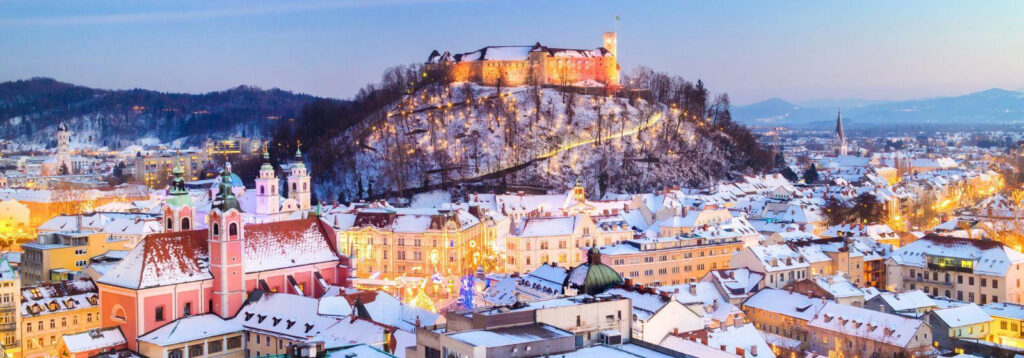
    1. Ljubljana, Slovenia
    Ljubljana is one of Europe’s most charming capitals, yet often overlooked. The city’s car-free old town, vibrant riverside cafés, and pastel-colored buildings make it feel like a fairytale. Travelers can explore the iconic Ljubljana Castle, kayak in the emerald-green Ljubljanica River, or relax in Tivoli Park. It’s budget-friendly, safe, clean, and perfect for couples or solo travelers who prefer a peaceful European escape.

    2. Tbilisi, Georgia
    Tbilisi blends ancient architecture with modern art, nightlife, and one of the world’s best wine scenes. The city’s warm hospitality, scenic hilltop views, and sulfur baths make it unique. With extremely affordable food, stays, and transport, it’s ideal for digital nomads and culture lovers. Wander through the Old Town, ride the cable car to Narikala Fortress, or explore Georgia’s stunning countryside just hours away.

    3. Valparaíso, Chile
    Known as the “Jewel of the Pacific,” Valparaíso is an artistic, colorful hillside city overlooking Chile’s coastline. Its graffiti-lined streets, funky cafés, and bohemian energy feel like a living art museum. With stunning viewpoints, historic funiculars, and delicious seafood, this city is perfect for creatives, photographers, and offbeat travelers seeking something different.

    4. Luang Prabang, Laos
    If you love serene landscapes and spiritual atmospheres, Luang Prabang is a dream destination. This UNESCO-listed city offers golden temples, beautiful waterfalls, scenic mountain views, and a peaceful riverside. Travelers can witness the famous almsgiving ceremony, explore Kuang Si Falls, and enjoy boat rides on the Mekong River. It’s quiet, affordable, and deeply cultural—a slow traveler’s paradise.

    5. Porto, Portugal
    Porto has been rising in popularity, but it’s still far less crowded than other European cities. With its riverfront charm, medieval architecture, and world-famous Port wine, the city feels warm and authentic. Explore the Ribeira district, enjoy wine-tasting experiences, or admire the Livraria Lello bookstore—known as one of the most beautiful in the world. Porto offers a rich cultural experience without the chaos of big capitals.

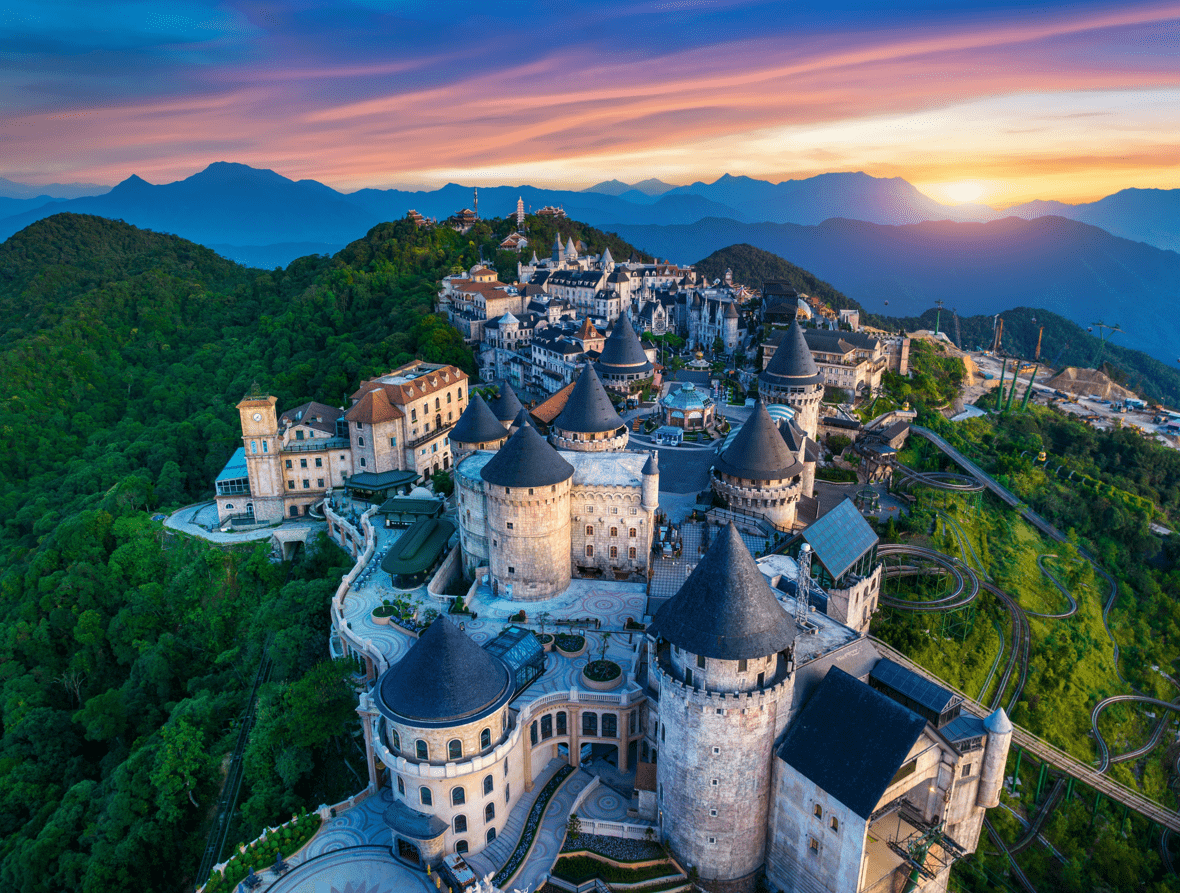
    6. Da Nang, Vietnam
    Da Nang perfectly blends modern city vibes with tropical beaches and stunning mountains. It’s cleaner and more relaxed than Hanoi or Ho Chi Minh City. Travelers can visit Marble Mountains, relax on My Khe Beach, or drive across the famous Golden Bridge—held by giant stone hands. With amazing food, luxury hotels at low prices, and easy access to Hoi An, Da Nang is an incredible yet underrated Asian destination.

    7. Gdańsk, Poland
    Gdańsk stands apart from other Polish cities with its colorful façades, maritime history, and beautiful Baltic Sea coastline. The Old Town looks like a movie set, with its pastel buildings and cobblestone streets. It’s perfect for history lovers, couples, and budget travelers. Visit St. Mary’s Church, the European Solidarity Centre, and the picturesque Motława River waterfront.

    8. Amman, Jordan
    While Petra gets all the global fame, Amman remains a surprising, culturally rich city many travelers skip. With ancient Roman ruins, buzzing markets, and delicious Middle Eastern food, Amman delivers a unique mix of old and new. It’s also a great base to explore Jerash, the Dead Sea, and Wadi Rum. Safe, friendly, and full of stories—Amman is a Middle Eastern gem waiting to shine.

    9. Baku, Azerbaijan
    Baku feels like Europe meets Dubai. From futuristic skyscrapers to ancient walled towns, the blend of modern and historical architecture is stunning. Walk through the Flame Towers, explore the ancient Maiden Tower, and enjoy the Caspian Sea promenade. The city is affordable, luxurious, and visually striking—perfect for first-time international travelers.

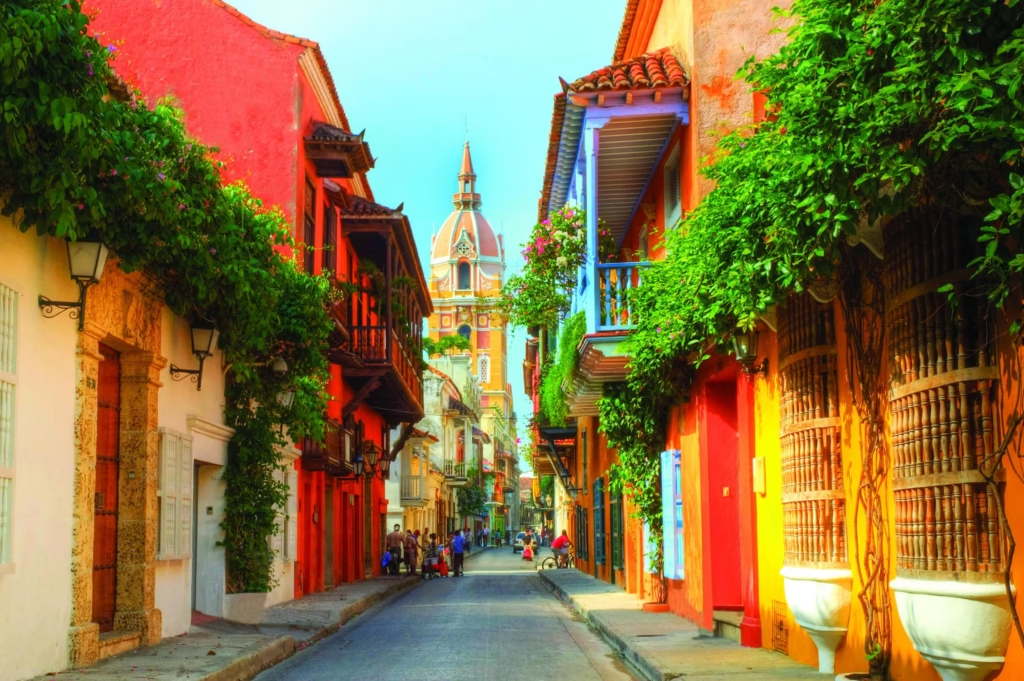
    10. Cartagena, Colombia
    Cartagena is a vibrant Caribbean city filled with colorful colonial streets, tropical vibes, and rich history. With its sun-drenched beaches, salsa music, and warm culture, the city feels alive every moment. It’s an ideal destination for beach lovers, solo travelers, and anyone who wants a mix of fun and relaxation.
    Final Thoughts
    Hidden gem cities offer some of the world’s most memorable travel experiences—without high prices or heavy crowds. Whether you crave adventure, culture, beaches, or food, these destinations promise something fresh and exciting. Before they become global hotspots, 2025 is the perfect year to explore these underrated wonders.
  • Iceland Ring Road Itinerary: A Complete Guide for First-Time Visitors

    Iceland Ring Road Itinerary: A Complete Guide for First-Time Visitors

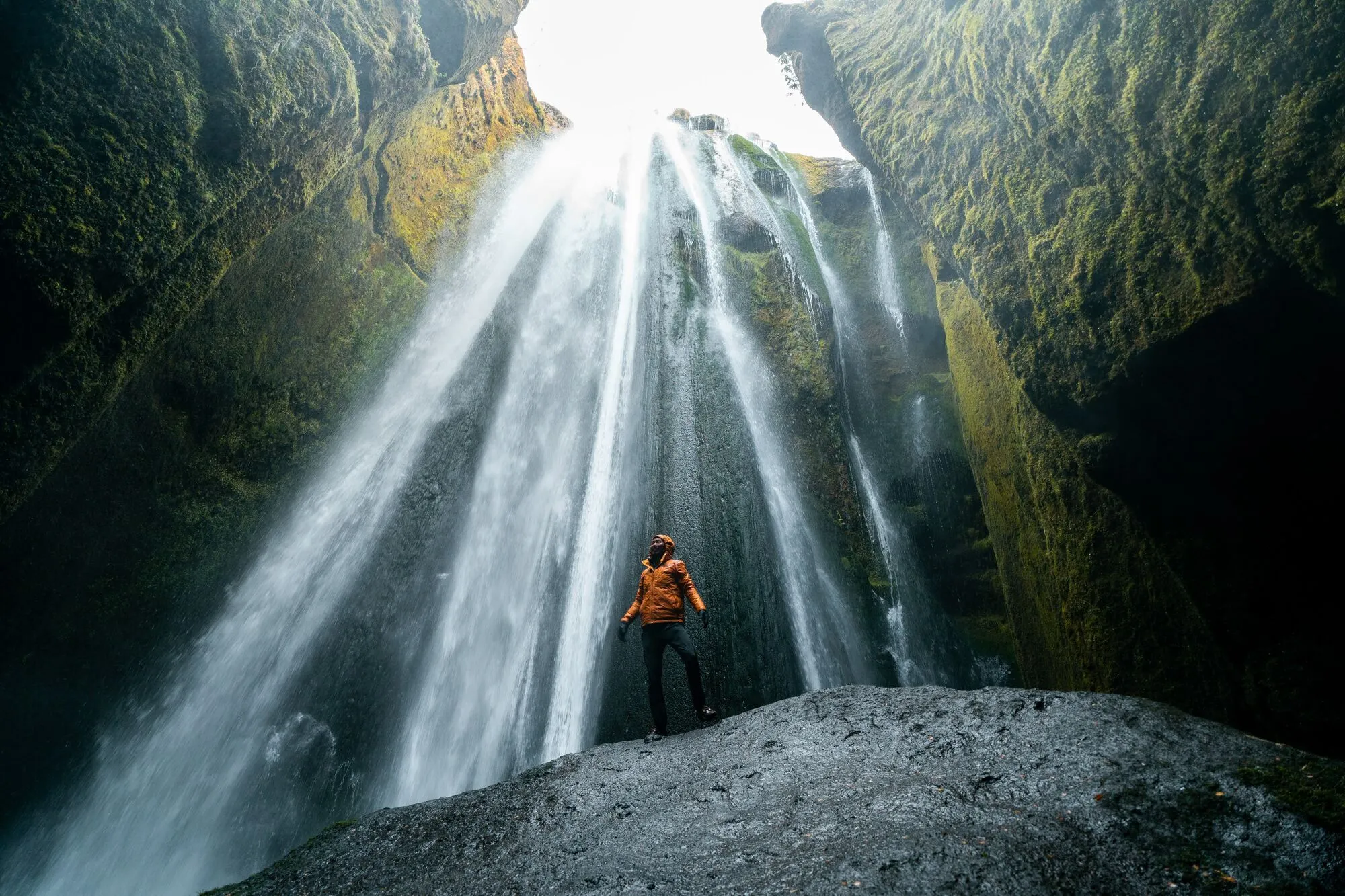
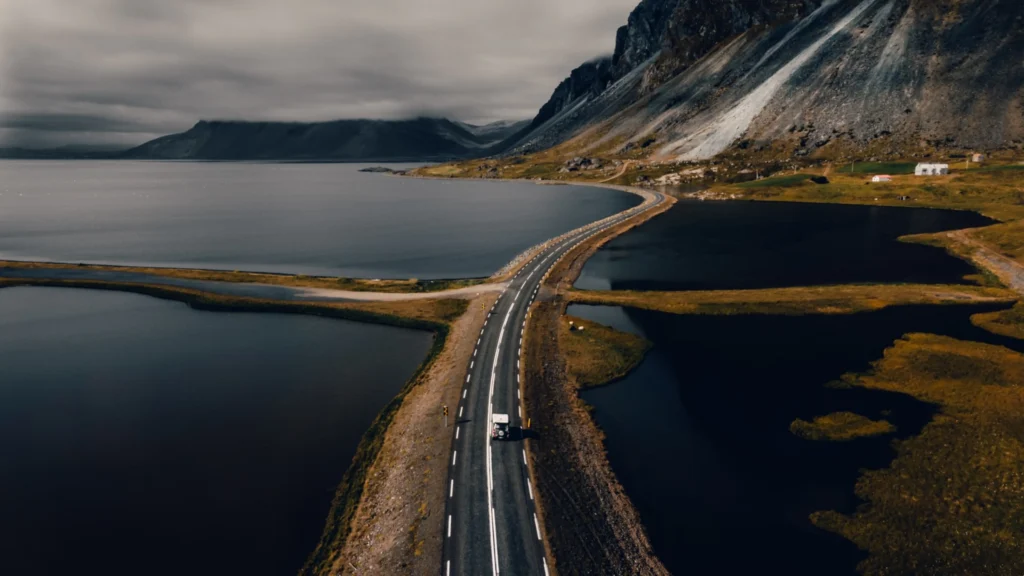
    Iceland’s Ring Road is one of the most iconic road trips in the world. Circling the entire country, Route 1 takes you through waterfalls, glaciers, volcanoes, black sand beaches, lava fields, fjords, and small fishing villages that feel untouched by time. For first-time visitors, driving the Ring Road is the best way to understand Iceland’s raw beauty and dramatic landscapes at your own pace.

    This complete guide is designed for travelers planning their first Iceland Ring Road adventure. It focuses on smart pacing, must-see stops, and practical tips so you can enjoy the journey without feeling rushed or overwhelmed.

    Why the Ring Road Is Perfect for First-Time Visitors

    The Ring Road is fully paved and well-maintained, making it accessible even for travelers new to Iceland. It connects most major attractions and towns, so you don’t need advanced off-road driving skills. Instead of constantly returning to Reykjavik, the Ring Road allows you to see Iceland as a whole, revealing how quickly the scenery changes from one region to another.

    For first-time visitors, this route offers a balanced mix of famous landmarks and lesser-known natural wonders.

    How Many Days You Need for the Ring Road

    While the Ring Road can technically be driven in a week, first-time travelers should plan 10 to 14 days. This allows time for sightseeing, weather flexibility, and short hikes without turning the trip into a race.

    A 10-day trip is ideal for those with limited time, while 12–14 days offers a more relaxed experience with extra stops and rest days.

    Day 1: Reykjavik and the Golden Circle

    Start your journey in Reykjavik, Iceland’s capital and main arrival point. Spend some time exploring the city before heading out on the Golden Circle route.

    The Golden Circle includes geysers, powerful waterfalls, and historic sites where Iceland’s early parliament was formed. This day is a perfect introduction to Iceland’s landscapes and sets the tone for the rest of the trip.

    Days 2–3: South Coast – Waterfalls, Glaciers, and Black Sand Beaches

    The South Coast is one of the most visually striking parts of Iceland. Drive east along the Ring Road and stop at multiple waterfalls that cascade from cliffs near the road.

    Glacier views dominate the landscape as you continue, followed by dramatic black sand beaches shaped by volcanic activity. Take your time here, as this region is packed with iconic sights that first-time visitors often consider the highlight of the trip.

    Day 4: Southeast Iceland – Glacial Lagoons and Ice Views

    Continue toward southeast Iceland, where glaciers come right down to the coast. Icebergs floating in glacial lagoons create surreal scenery, especially under changing light conditions.

    Short walks and roadside viewpoints make this area easy to explore without long hikes. It’s a great region for photography and quiet reflection amid Iceland’s raw natural power.

    Days 5–6: East Fjords – Quiet Roads and Coastal Beauty

    The East Fjords offer a slower pace and fewer crowds. Winding coastal roads lead through fishing villages, mountain passes, and remote fjords.

    This region feels more traditional and peaceful, making it ideal for travelers who enjoy scenic drives and small-town charm. Wildlife sightings are also more common here than in other parts of the country.

    Days 7–8: North Iceland – Volcanic Landscapes and Waterfalls

    As you reach North Iceland, the scenery becomes more volcanic and otherworldly. Lava fields, geothermal areas, and powerful waterfalls dominate this region.

    The north is also a great place to experience quieter natural attractions without large tour groups. The landscapes here feel vast and untamed, offering a different perspective from the South Coast.

    Day 9: Akureyri and Surroundings

    Akureyri is Iceland’s second-largest urban area and a good place to rest, refuel, and enjoy city comforts. Despite its size, it maintains a relaxed, small-town atmosphere.

    Use this day to explore nearby natural attractions or simply enjoy cafes, harbor views, and short walks. This break helps balance the intensity of continuous driving.

    Days 10–11: West Iceland – Lava Fields and Coastal Scenery

    West Iceland offers a mix of volcanic terrain, coastal cliffs, and scenic countryside. This area is often overlooked by rushed itineraries, but it rewards travelers with diverse landscapes and quieter attractions.

    The region provides a smooth transition back toward Reykjavik while still offering memorable sights.

    Day 12: Return to Reykjavik

    Complete the Ring Road loop by driving back to Reykjavik. Use the final day for last-minute sightseeing, souvenir shopping, or relaxing before departure.

    Ending the trip in Reykjavik allows easy access to the airport and a comfortable conclusion to your journey.

    Best Time to Drive the Iceland Ring Road

    The best time for first-time visitors is late spring through early autumn. Roads are clear, daylight hours are long, and most attractions are accessible.

    Winter travel is possible but requires experience with icy roads and flexible planning due to weather conditions.

    Driving Tips for First-Time Visitors

    Weather can change quickly in Iceland, so always check road conditions before driving. Plan shorter driving days to allow time for unexpected stops and changing conditions.

    Fuel stations can be far apart in remote regions, so refuel whenever possible. Download offline maps and keep emergency supplies in your vehicle.

    Where to Stay Along the Ring Road

    Accommodation options range from hotels and guesthouses to cabins and farm stays. Booking in advance is essential during peak season.

    Staying close to the Ring Road reduces driving time and allows early starts for sightseeing.

    Conclusion

    Driving the Iceland Ring Road for the first time is an unforgettable experience that showcases the country’s dramatic beauty and natural diversity. From roaring waterfalls and glaciers to quiet fjords and volcanic landscapes, every day feels unique. With careful planning, a relaxed pace, and flexibility for weather, this itinerary offers first-time visitors the perfect introduction to Iceland’s wild and breathtaking world.

  • Most Photogenic Places Around the World

    Most Photogenic Places Around the World

    In the age of visual storytelling, travel is no longer just about visiting new places—it’s about capturing moments that leave an impact. Social media, especially Instagram, has transformed the way people choose travel destinations. Scenic backdrops, dream-like landscapes, vibrant streets, and extraordinary architecture now play a major role in how travelers plan their trips. Around the world, certain places stand out as irresistibly photogenic, attracting millions of visitors who want to fill their feeds with breathtaking visuals. This guide covers the most Instagrammable places around the world—destinations that consistently deliver stunning photographs, unforgettable views, and a picture-perfect travel experience.

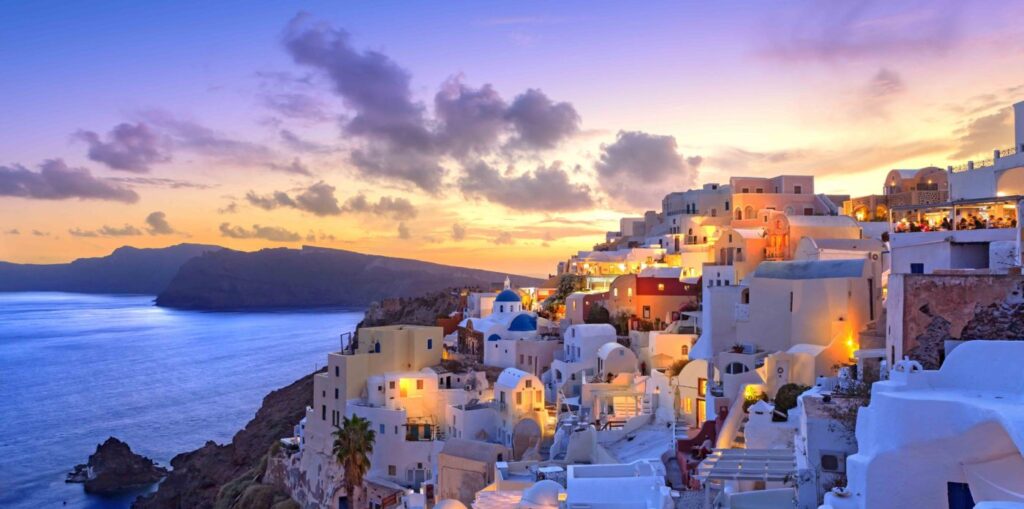
    Santorini, Greece

    Santorini is one of the world’s most iconic Instagram destinations. The white-washed houses, blue-domed churches, narrow cliffside paths, and panoramic Aegean Sea views make it a photographer’s dream. Oia and Fira offer postcard-perfect scenes at every turn, especially during sunset. The golden light reflecting over the caldera creates some of the most romantic and dramatic visuals you can capture. Whether you’re posing in front of a Cycladic house or overlooking the cliffs, Santorini guarantees stunning photos without any effort.

    Bali, Indonesia

    Bali is one of the most visually diverse destinations on earth. It offers everything from lush rice terraces and sacred temples to luxurious infinity pools and dramatic waterfalls. Tegallalang Rice Terraces, Pura Lempuyang’s famous “Gates of Heaven,” and the swings in Ubud are some of the island’s most photographed spots. Many resorts feature floating breakfasts and aesthetic poolside views that dominate Instagram trends. Bali is perfect for travelers seeking nature, culture, and lifestyle content in one location.

    Paris, France

    Paris has been synonymous with timeless beauty and elegance for decades. The Eiffel Tower, Louvre Museum, Montmartre streets, and Seine River bridges create a backdrop so iconic that even the simplest picture feels special. Parisian cafés, narrow cobblestone lanes, and romantic balcony views add to its charm. Whether you’re capturing sunrise at Trocadéro or posing on Pont Alexandre III, the city blends history and luxury in a way that never goes out of style.

    Kyoto, Japan

    Kyoto is a dream destination for photographers who appreciate tradition and culture. Its ancient temples, bamboo forests, and traditional wooden houses create visuals that feel like stepping back in time. The Arashiyama Bamboo Grove is one of the most unique photoshoot locations in the world. Fushimi Inari Shrine’s endless rows of red torii gates are instantly recognizable on social media. During cherry blossom season or autumn foliage, Kyoto becomes even more visually captivating.

    Dubai, UAE

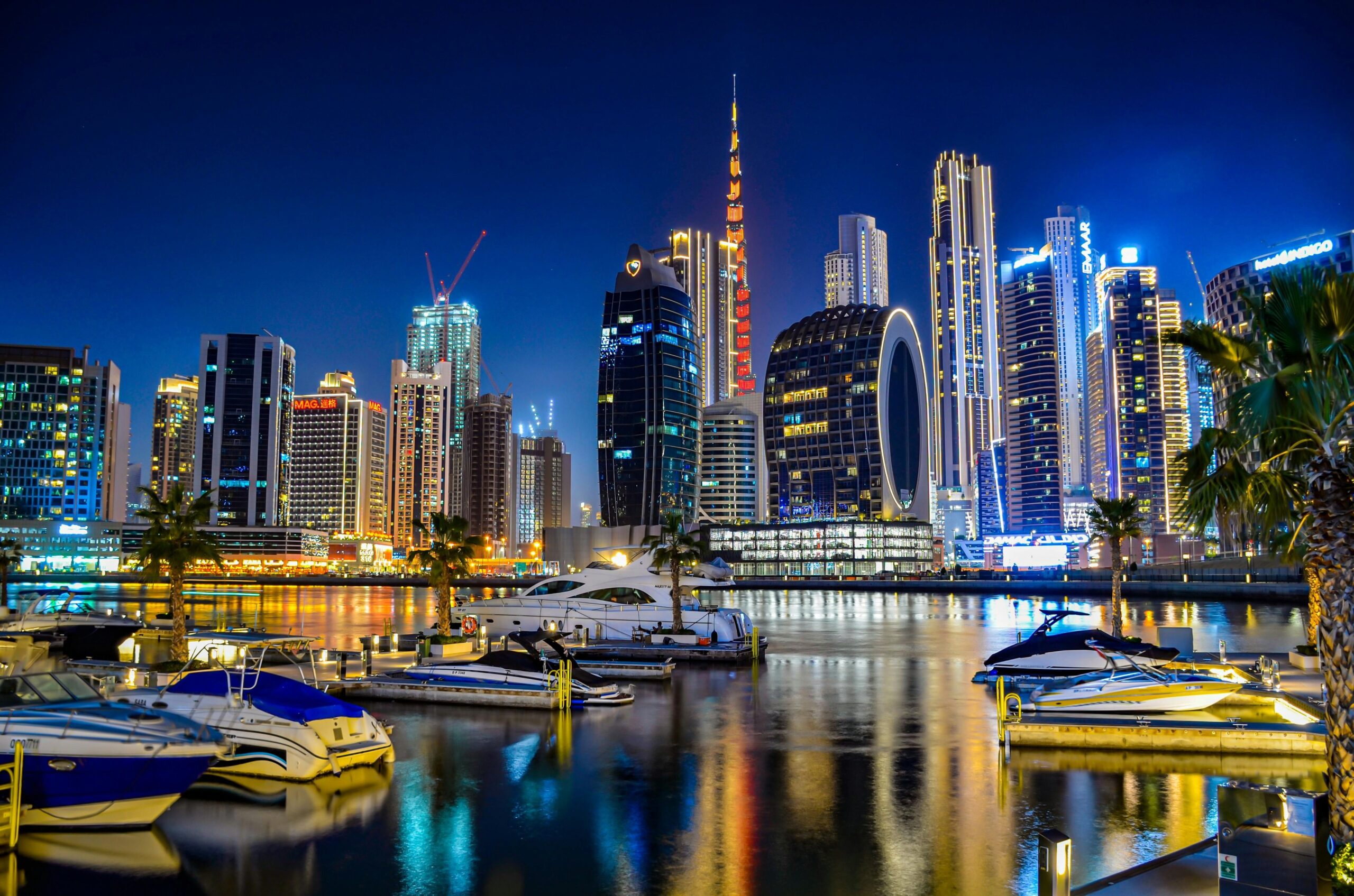
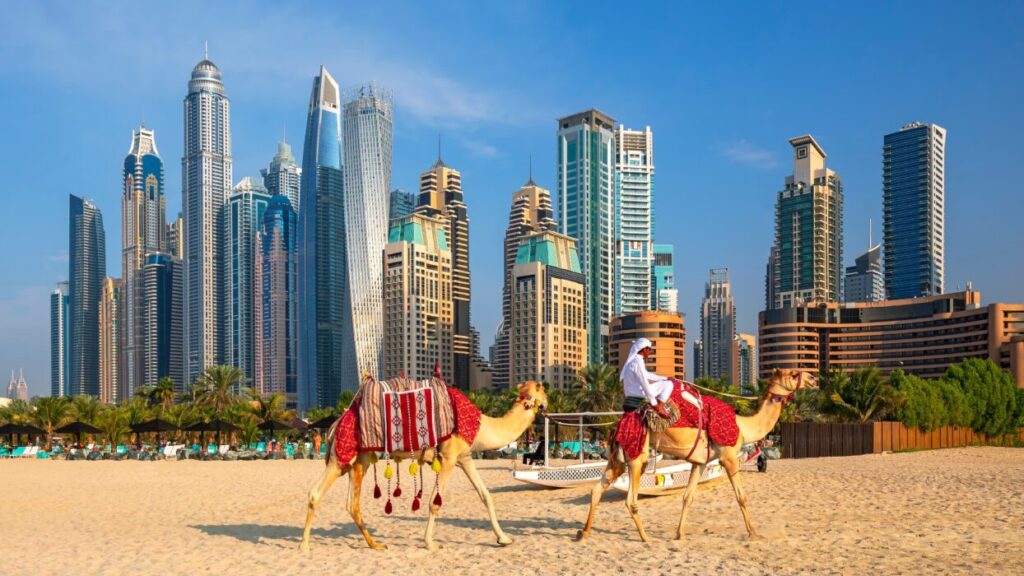
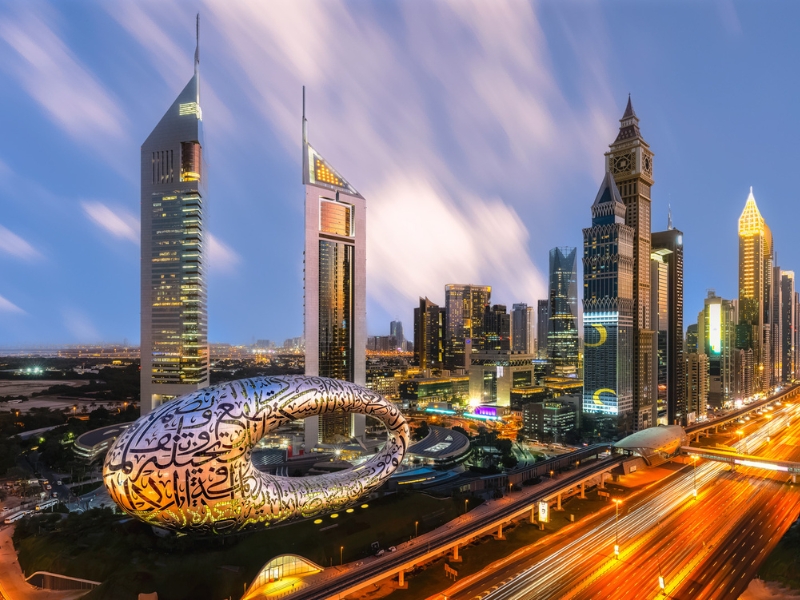
    Dubai is the definition of futuristic luxury. The towering Burj Khalifa, desert landscapes, extravagant resorts, and man-made islands create a striking contrast between city and sand. Popular Instagram spots include the desert dunes, Museum of the Future, Dubai Marina, and high-rise rooftop pools. The city’s unique modern architecture offers endless opportunities for creative photography. Dubai’s blend of innovation and elegance makes it one of the most visually appealing places to shoot high-end content.

    New York City, USA

    New York City offers a fast-paced and dynamic photographic experience. From Times Square’s neon lights to Central Park’s peaceful greenery, the city provides iconic backdrops at every corner. The Brooklyn Bridge, Manhattan skyline, and Soho streets create some of the most popular Instagram scenes worldwide. NYC’s diversity, energy, and endless urban views ensure that every traveler leaves with an album full of bold, cinematic photos.

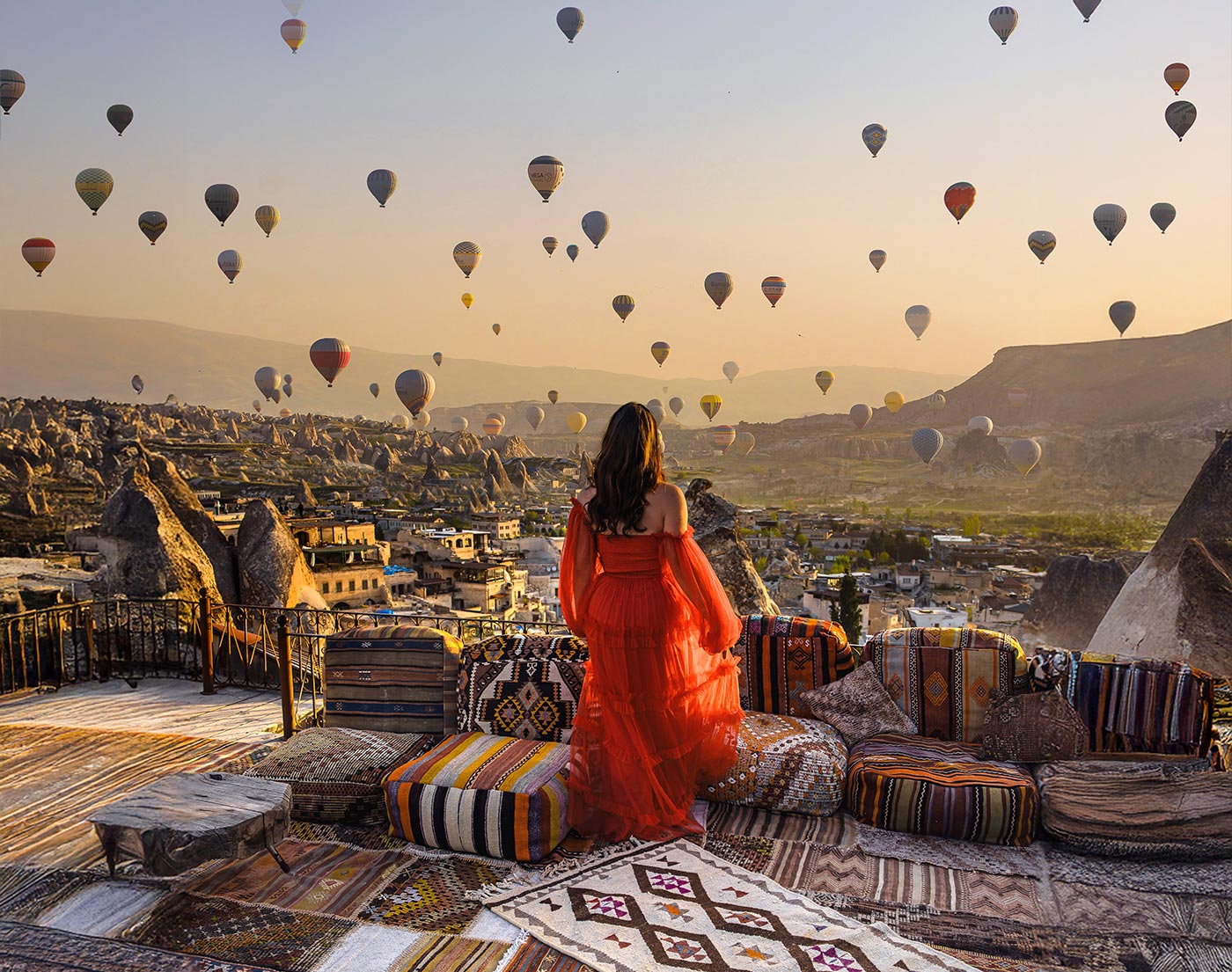
    Cappadocia, Turkey

    Cappadocia is unlike any place on earth. Its fairy-chimney rock formations and hot-air balloon-filled skies create surreal visuals at sunrise. Many travelers visit specifically to capture photos from cave hotels overlooking the valley. The combination of unique geology, warm colors, and floating balloons makes Cappadocia one of the most dreamlike Instagram destinations globally. It’s ideal for romantic pictures, adventure shots, and creative travel photography.

    Maldives

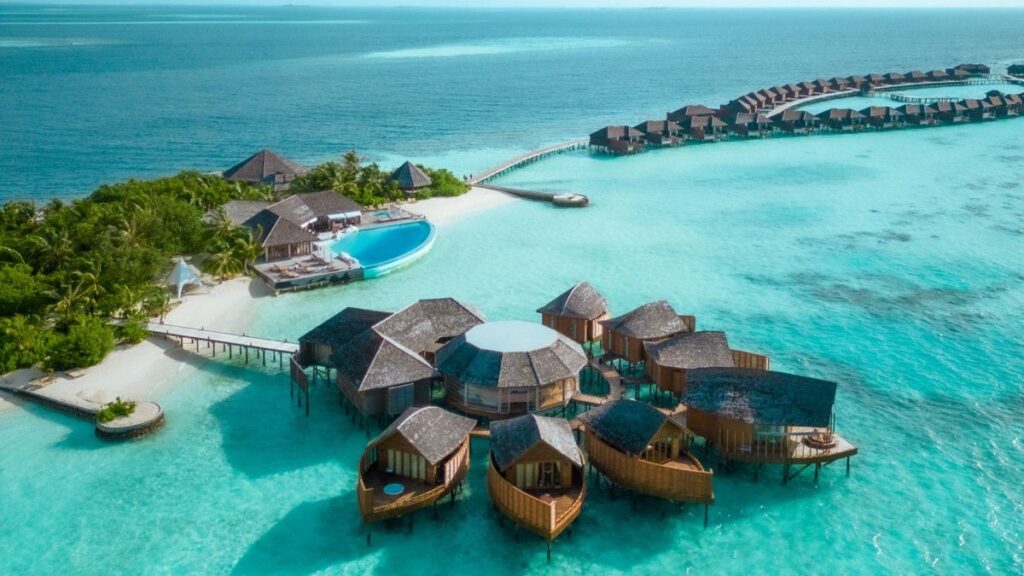
    The Maldives is one of the most luxurious and photogenic island destinations. Overwater villas, crystal-clear lagoons, white sand beaches, and sunset views create endless opportunities for postcard-like photos. Many resorts offer private pools, glass floors, underwater restaurants, and floating breakfasts—elements that perform exceptionally well on social media. The Maldives is perfect for honeymooners, couples, and solo travelers wanting aesthetic island content.

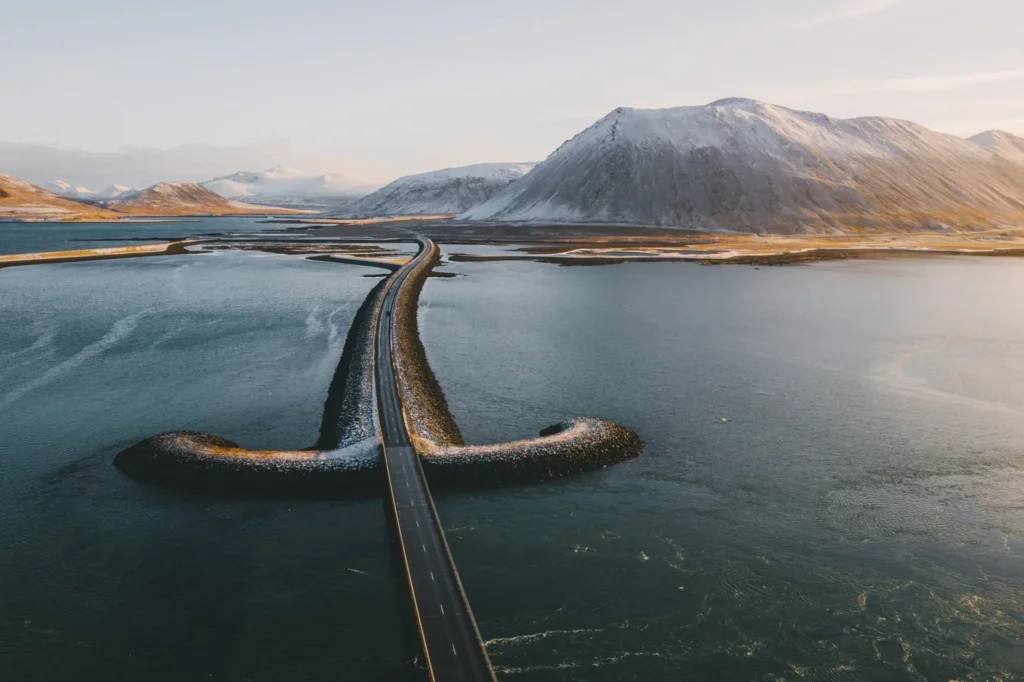
    Iceland

    Iceland is a paradise for nature lovers and photographers. Its dramatic landscapes include waterfalls, glaciers, black sand beaches, geothermal pools, and the northern lights. Spots like Skógafoss, Jökulsárlón Glacier Lagoon, and the Blue Lagoon attract millions of visitors for their surreal beauty. The country’s rugged, untouched scenery creates a powerful visual appeal, making Iceland one of the most Instagrammable destinations for adventure travelers.

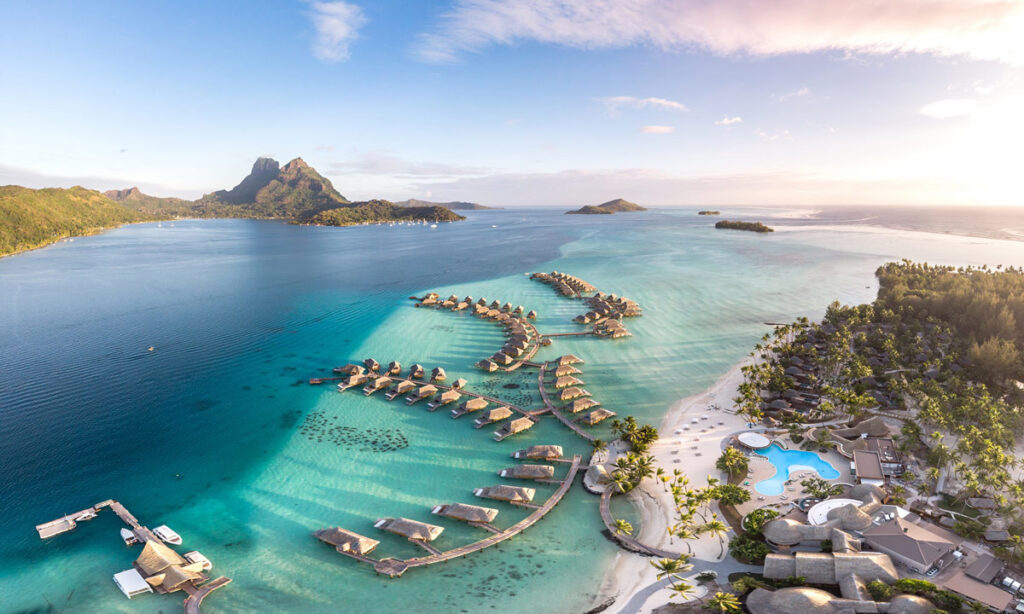
    Bora Bora, French Polynesia

    Bora Bora is known for its turquoise lagoon, coral reefs, and luxury overwater bungalows. It offers picture-perfect settings that feel straight out of a high-end travel magazine. Mount Otemanu serves as a dramatic backdrop for many photos, and the lagoon’s crystal clarity enhances every image. Bora Bora is the ideal destination for travelers seeking serene, tropical, high-luxury photos.

    Conclusion

    From the romantic cliffs of Santorini to the futuristic skyline of Dubai and the natural wonders of Iceland, the world is filled with destinations that offer extraordinary visual beauty. These Instagrammable places aren’t just social media favorites—they provide unforgettable travel experiences, unique landscapes, and the perfect backdrop for capturing memories that last a lifetime. Whether you prefer ancient culture, modern architecture, tropical islands, or dramatic natural scenery, these destinations guarantee stunning photos that elevate your travel storytelling.

  • How Trivago Helps You Find the Best Hotel Deals Worldwide: A Complete Guide

    How Trivago Helps You Find the Best Hotel Deals Worldwide: A Complete Guide

    Finding the perfect hotel at the right price can be one of the most stressful parts of travel planning. With countless booking websites, fluctuating prices, and different amenities, it’s easy to feel overwhelmed. Trivago simplifies this process by serving as a global hotel comparison platform that helps travelers find the best deals, compare options, and book with confidence. Whether you’re traveling for leisure, business, or adventure, Trivago ensures you get the most value for your stay. In this guide, we’ll explore how Trivago works, its features, and why it’s an essential tool for travelers worldwide.

    What Makes Trivago Stand Out?

    Trivago is more than just a search engine; it’s a comprehensive hotel comparison platform. It aggregates offers from hundreds of booking websites, including popular platforms like Booking.com, Expedia, Agoda, and Hotels.com. By presenting all available options for a hotel in one place, Trivago allows travelers to see prices, availability, and room types at a glance. This transparency ensures that you can make informed choices and avoid overpaying for your accommodations.

    How Trivago Helps You Save Money

    One of Trivago’s key benefits is its ability to find the lowest rates across multiple booking platforms. Travelers can compare prices for the same room, identify hidden deals, and access special discounts. Trivago also highlights seasonal promotions and last-minute offers, which can significantly reduce the cost of a stay. By showing the best available price for each property, Trivago ensures you maximize your savings without compromising quality.

    Powerful Filters for Smart Booking

    Trivago’s user-friendly interface allows travelers to refine searches based on their preferences. Filters include:

    • Price range: Set minimum and maximum limits to stay within budget.
    • Star rating: Choose between luxury 5-star hotels, mid-range options, or budget-friendly stays.
    • Amenities: Select hotels with Wi-Fi, pools, gyms, or free breakfast.
    • Location: Search for hotels near landmarks, airports, or city centers.
    • Guest ratings: Focus on highly rated properties with consistent positive reviews.

    These filters save time and ensure you find a hotel that meets your needs without compromising on convenience or comfort.

    Global Coverage for International Travelers

    Trivago covers over 5 million hotels in more than 190 countries, making it an ideal platform for international travelers. Whether you are planning a European getaway, a North American road trip, or a tropical escape, Trivago has options that fit your budget and preferences. Its extensive database allows travelers to plan multi-destination trips with ease, compare accommodation options in each city, and make informed decisions before booking.

    Mobile App for On-the-Go Bookings

    Trivago’s mobile app brings the platform’s powerful comparison engine to your fingertips. Travelers can search for hotels, compare prices, and book directly from their smartphones. The app also provides push notifications for price drops and last-minute deals, helping users seize the best offers quickly. With mobile tickets and e-confirmations, you can manage your bookings conveniently without worrying about printing paper confirmations.

    Tips to Get the Best Deals Using Trivago

    Trivago offers several ways to maximize savings:

    • Flexible dates: Prices often vary depending on the day of the week or season, so checking alternative dates can yield better deals.
    • Alternative locations: Staying slightly outside a city center can sometimes be significantly cheaper.
    • Combining bookings: For multi-city trips, compare hotels across different booking sites to find the most cost-effective itinerary.
    • Monitoring alerts: Sign up for price alerts to be notified when rates drop for a desired hotel or location.

    Using these strategies, travelers can ensure they get excellent value for every stay.

    Ideal for Families, Couples, and Solo Travelers

    Trivago caters to all types of travelers. Families can find spacious rooms or family suites with amenities like pools, breakfast, and kid-friendly facilities. Couples can select romantic getaways or boutique hotels, while solo travelers can find budget-friendly stays in central locations. Trivago’s filters and reviews help each traveler identify properties that suit their needs, making the platform versatile and user-friendly.

    Affiliate and Blogging Opportunities With Trivago

    For bloggers and travel content creators, Trivago’s affiliate program is an excellent opportunity to earn commissions. By linking to Trivago in travel guides, reviews, or booking tips, affiliates can generate revenue when readers make bookings. Its reputation as a reliable and money-saving tool makes it easier to convince audiences to use the platform. Providing practical tips on finding deals, using filters, or comparing options can increase engagement and conversions.

    Customer Support and Trustworthiness

    Trivago maintains its reputation as a reliable platform by providing accurate information and transparent pricing. While actual bookings are completed on the partner websites, Trivago ensures that users have access to guest reviews, amenities, and up-to-date prices. Any issues with bookings can be addressed through the original booking site’s support, giving travelers peace of mind and confidence in their choices.

    Conclusion: Trivago Makes Booking Hotels Easy, Smart, and Affordable

    Trivago transforms hotel booking into a stress-free, efficient, and money-saving experience. By comparing prices across hundreds of platforms, offering powerful search filters, and covering properties worldwide, it ensures travelers can find accommodations that match their needs and budget. Whether you’re planning a solo trip, family vacation, or romantic getaway, Trivago helps you book with confidence, transparency, and convenience.

    For travelers looking to maximize value and minimize effort, Trivago is the smartest tool for hotel searches. Its intuitive interface, mobile app, and extensive coverage make it a must-use platform for anyone planning a trip, ensuring that finding the best hotel deals worldwide is easier than ever.

  • Unbelievable Destinations You Won’t Believe Actually Exist

    Unbelievable Destinations You Won’t Believe Actually Exist

    The world is full of extraordinary places, yet many travelers only scratch the surface when planning a holiday. Beyond the well-known cities and tourist-heavy beaches, there are destinations so magical, so unreal, that they feel like something out of a dream. These places are not just visually stunning—they offer rare experiences, untouched nature, and cultural wonders that most people have never even heard of. If you are looking for unique travel ideas or want to explore destinations that seem impossible in real life, this guide will take you through some of the most unbelievable places on Earth.

    Whether you love surreal landscapes, crystal-blue waters, remote islands, or mysterious natural formations, these hidden gems promise to change the way you see the world. And the best part? Most of these destinations are still off the typical tourist map, giving you the chance to enjoy them without crowds.

    Salar de Uyuni, Bolivia – A Mirror to the Sky

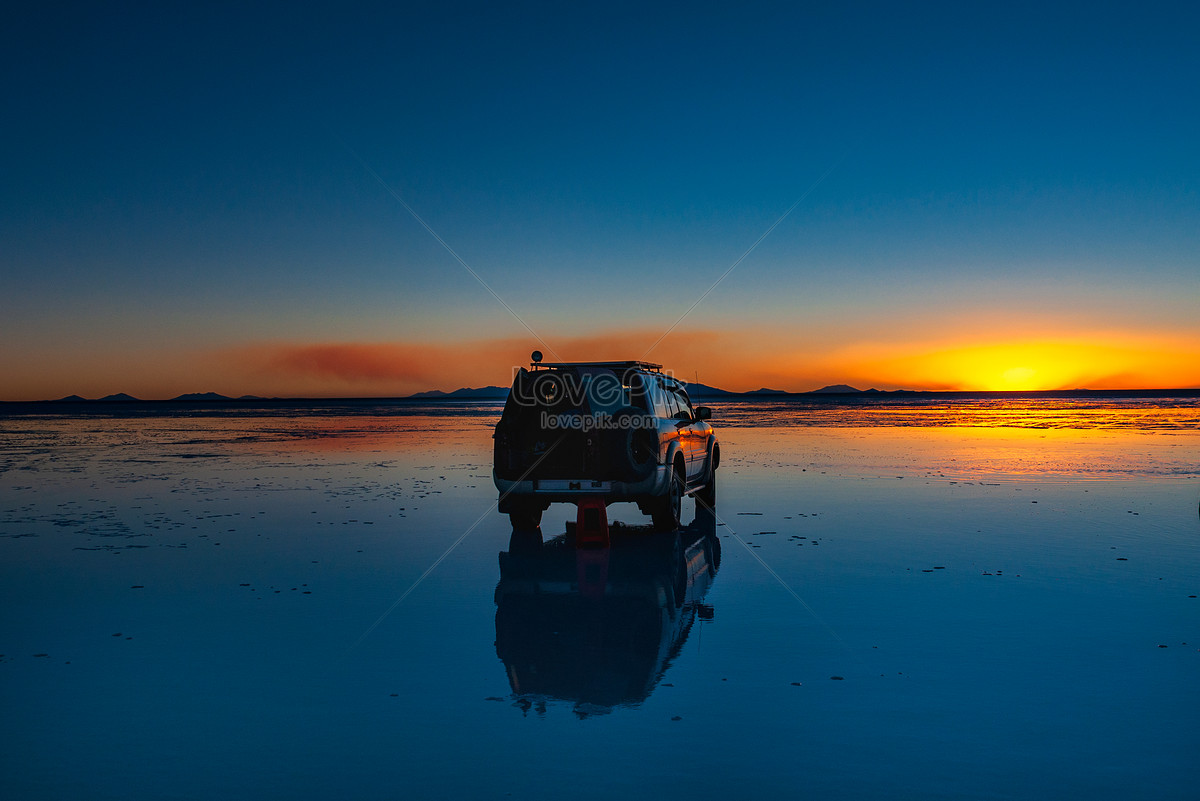
    Salar de Uyuni looks like something from another planet. It is the world’s largest salt flat, and during the rainy season, it transforms into a giant natural mirror reflecting the sky. The horizon disappears, and the ground beneath you dissolves into clouds, creating one of the most surreal travel experiences imaginable.

    Walking on this giant mirror feels like floating in the sky. Photographers from around the world visit to capture breathtaking reflections, and during sunset, the entire landscape changes color as the sky shifts from orange to pink to deep blue. Whether you’re watching star-filled nights or standing in the middle of the vast white desert, this destination is nothing short of magical.

    Antelope Canyon, USA – Nature’s Masterpiece

    Located in Arizona, Antelope Canyon is a narrow slot canyon carved naturally by flash floods and wind over thousands of years. Sunlight enters from the top, creating glowing waves of red, orange, and gold along smooth sandstone walls.

    The moment you step inside, it feels like entering a sacred natural cathedral. The curves, patterns, and textures inside the canyon are incredibly detailed—every corner looks like a painting. This is one of the most photographed places in the world and easily one of the most unbelievable natural wonders you will ever see.

    Pamukkale, Turkey – Terraces of White Cotton

    Pamukkale, which translates to “Cotton Castle,” is famous for its white terraces made of calcium-rich mineral water. The pools look like layers of fluffy clouds, perfectly shaped and filled with warm turquoise water.

    People have been visiting Pamukkale’s thermal pools for thousands of years, and the warm natural springs make the experience relaxing and unforgettable. The contrast between the snow-white formations and the bright blue water is so striking that it almost feels unreal. It is a perfect combination of nature, wellness, and history—especially with the ancient ruins of Hierapolis located right above the terraces.

    Zhangjiajie National Forest, China – The Real-Life Avatar Mountains

    If you have watched the movie Avatar, you’ll immediately recognize the floating mountains of Pandora. What many people don’t know is that these dramatic pillar-like formations were inspired by Zhangjiajie National Forest in China.

    These towering sandstone columns rise above the clouds, covered in lush greenery. Mist surrounds them, making them look like massive floating islands. The region is home to breathtaking glass bridges, skywalks, and viewing platforms that allow you to stand above the clouds and see the full beauty of these natural giants. It is one of the most surreal destinations on Earth and a must-visit for adventure lovers.

    Socotra Island, Yemen – Earth’s Most Alien Landscape

    Socotra Island is often called the “most alien-looking place on Earth.” The island is home to strange-looking dragon blood trees with umbrella-shaped tops, crystal-clear beaches, rare plants, and wildlife found nowhere else on the planet.

    Because of its remote location, Socotra has stayed untouched by mass tourism. The landscapes here feel like science-fiction movies—massive trees with bright red sap, white sand dunes, and turquoise waters all exist in one place. For travelers who want something completely unique and offbeat, Socotra is a paradise waiting to be explored.

    Waitomo Glowworm Caves, New Zealand – A Galaxy Underground

    Imagine floating quietly on a boat through an underground cave while thousands of glowworms twinkle above you like the night sky. The Waitomo Caves in New Zealand offer exactly that experience.

    The glowworms emit a natural blue light that illuminates the cave’s ceiling, creating a serene and magical environment. The silence inside the cave, combined with the shimmering lights, makes it one of the most unforgettable travel moments you can experience. If you want a peaceful, otherworldly adventure, this destination is perfect.

    Whitehaven Beach, Australia – Pure White Perfection

    Whitehaven Beach, located in the Whitsundays, is famous for having the whitest sand in the world. The sand is made of 98% silica, giving it a soft, powdery feel that never gets hot, even under strong sunlight.

    The beach is surrounded by turquoise water, swirling patterns, and untouched natural beauty. It is consistently ranked among the world’s best beaches—and once you’re there, it’s easy to see why. Whether you’re relaxing on the shore, swimming in warm waters, or flying over the beach to capture aerial views, Whitehaven Beach is a masterpiece.

    Lake Bled, Slovenia – A Fairytale Come to Life

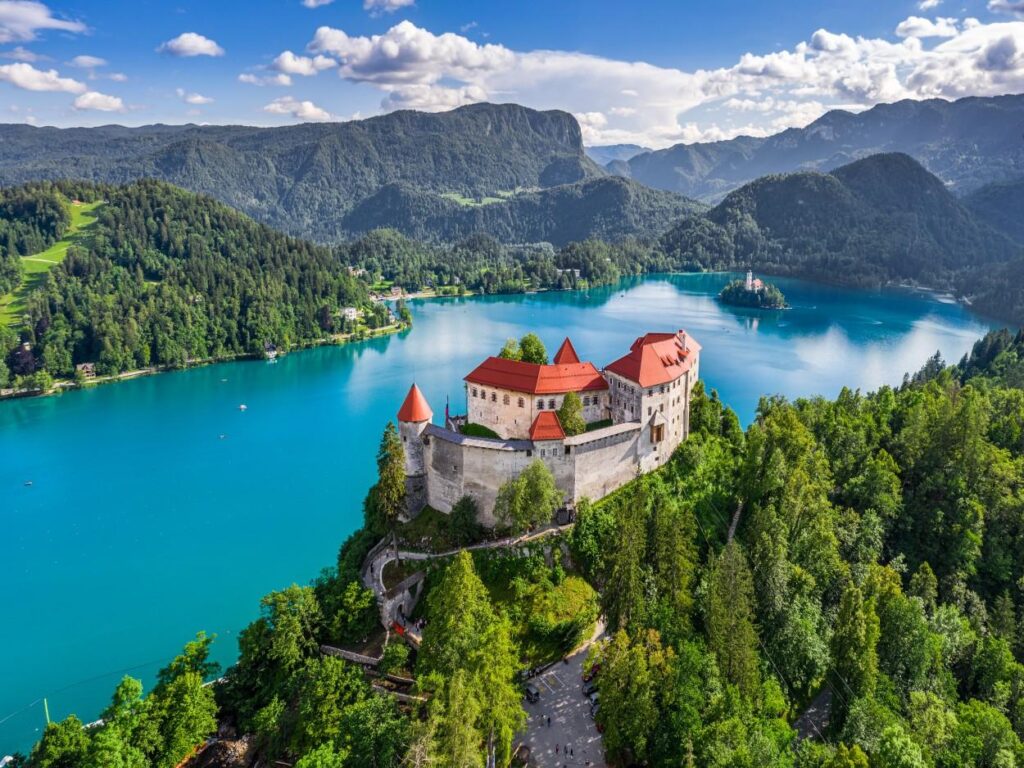
    Lake Bled looks straight out of a fairy tale: a crystal-blue lake, a small island in the center with a church on top, and a charming castle perched on a cliff above the water.

    Visitors can paddle to the island using traditional wooden boats. The peaceful atmosphere, lush forests, and snow-covered mountains surrounding the lake make it incredibly picturesque. Whether you visit during summer or winter, Lake Bled remains one of the most magical and romantic destinations in Europe.

    Final Thoughts

    The world is filled with hidden wonders, and these unbelievable destinations prove that nature is the greatest artist. Whether you’re dreaming of magical landscapes, relaxing beaches, or mysterious natural formations, these locations offer travel experiences that feel too extraordinary to be real.

    Exploring such places not only gives you unforgettable memories but also reminds you how incredibly diverse and beautiful our planet is. If you’re planning a unique trip that stands out from typical tourist destinations, these wonders deserve a spot at the top of your travel bucket list.

  • Ultimate Dubai Itinerary: Luxury, Desert Safaris & Cultural Highlights

    Ultimate Dubai Itinerary: Luxury, Desert Safaris & Cultural Highlights

    Dubai is a city that combines modern luxury with rich cultural heritage. From towering skyscrapers and world-class shopping to traditional souks and expansive deserts, it offers a diverse range of experiences. A well-planned itinerary ensures you can enjoy both its luxurious amenities and cultural highlights without missing the city’s essence. This guide is perfect for first-time visitors who want to experience Dubai in a balanced and memorable way.

    Why Dubai Is a Must-Visit

    Dubai has transformed from a small desert town into a global hub for business, tourism, and luxury. Its appeal lies in the stark contrasts: futuristic architecture sits alongside historic neighborhoods, and high-end resorts coexist with desert landscapes. Visiting Dubai gives travelers a chance to experience luxury, adventure, and cultural heritage in one destination.

    Day 1: Arrival and Downtown Dubai

    Arrive in Dubai and settle into your hotel. Spend the first day exploring Downtown Dubai, home to the iconic Burj Khalifa and the Dubai Mall. Enjoy views from the observation deck and watch the Dubai Fountain show in the evening. Downtown Dubai is ideal for easing into the city while seeing some of its most famous landmarks.

    Day 2: Old Dubai and Cultural Experiences

    Dedicate a day to exploring historic neighborhoods such as Al Fahidi and the Dubai Museum. Walk through the traditional souks, including the Gold Souk and Spice Souk, to experience local commerce and culture. A dhow cruise along Dubai Creek offers a unique perspective on the city’s maritime heritage.

    Day 3: Desert Safari Adventure

    Book a desert safari for an unforgettable experience. Many tours include dune bashing, camel rides, and sandboarding. Finish the evening with a traditional Bedouin-style dinner under the stars while enjoying cultural performances. Desert safaris provide a perfect blend of adventure and cultural immersion.

    Day 4: Palm Jumeirah and Beach Relaxation

    Spend the day on Palm Jumeirah, Dubai’s iconic artificial island. Relax at a luxury resort, swim at private beaches, or explore the Atlantis Hotel and its attractions. This day balances leisure and sightseeing, allowing you to enjoy Dubai’s famous coastal lifestyle.

    Day 5: Modern Dubai and Entertainment

    Explore modern Dubai’s futuristic architecture, including the Dubai Marina and Jumeirah Beach Residence. Try water sports, visit the Dubai Aquarium, or enjoy a helicopter tour for panoramic city views. Evenings can be spent at rooftop lounges or luxury dining venues to experience the city’s nightlife and gastronomic offerings.

    Day 6: Day Trip to Abu Dhabi (Optional)

    For travelers with an extra day, a trip to Abu Dhabi is highly recommended. Visit the Sheikh Zayed Grand Mosque, Louvre Abu Dhabi, and Yas Island attractions. This adds depth to your Middle Eastern experience and provides insight into another emirate’s unique culture and modernity.

    Where to Stay in Dubai

    Dubai offers a range of accommodations from luxury resorts to boutique hotels. Staying in Downtown Dubai or near the Marina provides easy access to major attractions and scenic views. For a more relaxed experience, beachfront resorts or Palm Jumeirah properties offer comfort and privacy.

    Best Time to Visit Dubai

    The ideal months for visiting Dubai are November through March when temperatures are milder. Summers can be extremely hot, making outdoor activities less enjoyable. Early mornings and evenings are ideal for sightseeing and desert excursions.

    Travel Tips for a Smooth Trip

    Dress appropriately for cultural sites and outdoor activities. Stay hydrated, especially during desert excursions, and plan transportation ahead since distances between attractions can be significant. Using taxis or ride-hailing apps is convenient for city travel, while organized tours are best for desert and day trips.

    Conclusion

    A well-planned Dubai itinerary allows travelers to experience luxury, culture, and adventure seamlessly. By combining city landmarks, traditional neighborhoods, desert activities, and coastal relaxation, you get a complete picture of what makes Dubai extraordinary. Whether you are visiting for the first time or returning, following a thoughtfully organized itinerary ensures a memorable and stress-free journey through this dazzling city.

  • Travel Mistakes to Avoid: Tips From Frequent Flyers

    Travel Mistakes to Avoid: Tips From Frequent Flyers

    Traveling is exciting, but even experienced travelers make mistakes that can turn a great trip into a stressful one. Whether you’re flying for the first time or you travel often, learning from frequent flyers can help you save time, money, and unnecessary hassle. Here are the most common travel mistakes to avoid for a smooth and enjoyable journey.

    Overpacking Instead of Packing Smart

    One of the most common mistakes is carrying more than you need. Overpacking leads to extra luggage fees and the hassle of dragging heavy bags everywhere. Frequent travelers recommend choosing versatile outfits, using packing cubes, and carrying only essential items to keep your luggage light and manageable.

    Skipping Travel Insurance

    Many travelers assume nothing will go wrong, so they skip travel insurance. But unexpected medical emergencies, lost luggage, trip cancellations, and delays can happen anytime. Travel insurance is a small investment that can save you from big losses during your trip.

    Reaching the Airport Too Late

    Arriving late creates unnecessary stress, especially during busy travel seasons. Frequent flyers always reach 2–3 hours early for international flights and at least 1–1.5 hours early for domestic ones. This ensures smooth check-in, security clearance, and a relaxed travel experience.

    Not Checking Visa and Entry Rules Properly

    Every country has different entry rules. Some require pre-approved visas, certain vaccination certificates, or specific travel documents. Assuming visa-on-arrival is available everywhere is a major mistake. Always check visa requirements and passport validity before booking your trip.

    Forgetting to Organize Important Documents

    Misplacing or forgetting essential documents like a passport, ID, or boarding pass can ruin your trip instantly. Frequent travelers keep digital copies stored securely on their phones and cloud services. Physical documents should always be kept in one organized folder for quick access.

    Ignoring Local Transportation Options

    Relying only on taxis or private cabs is expensive and can limit your experience. Local transportation—metros, buses, trams—helps you save money and explore like a local. Many frequent flyers research public transport routes beforehand for convenience.

    Poor Planning of Currency Exchange

    Exchanging money at airports often means higher rates and extra charges. A smarter option is to use ATMs abroad, compare rates online, or use a forex card. Planning your currency beforehand helps you avoid unnecessary losses.

    Conclusion

    A great trip depends on smart planning and avoiding common travel mistakes. Frequent flyers emphasize packing light, checking travel requirements, arriving early, and managing money wisely. With the right preparation and awareness, you can enjoy smoother, safer, and more memorable travels anywhere in the world.

  • Best All-Inclusive Destinations in the World for Stress-Free Travel

    Best All-Inclusive Destinations in the World for Stress-Free Travel

    All-inclusive travel is designed for one simple goal: a holiday where you don’t have to plan every detail or worry about daily expenses. Choosing the right destination makes all the difference. Some places are naturally suited for all-inclusive experiences, offering better value, smoother logistics, and a more relaxing overall trip.

    This guide highlights the best all-inclusive destinations around the world where stress-free travel truly lives up to the promise. These destinations combine quality resorts, easy transportation, great weather, and experiences that don’t require constant planning.

    What Makes a Destination Ideal for All-Inclusive Travel

    Not every destination works well for all-inclusive vacations. The best ones are places where resorts are built around comfort, beaches or natural beauty are close by, and traveling outside the resort can be costly or time-consuming.

    Destinations that focus heavily on tourism infrastructure tend to offer better all-inclusive value. When resorts handle dining, entertainment, and activities efficiently, travelers can focus on relaxation instead of logistics.

    Mexico: The Global Leader in All-Inclusive Resorts

    Mexico remains one of the most popular all-inclusive destinations in the world, and for good reason. The country offers a massive range of resorts, from affordable family-friendly properties to luxury adults-only experiences.

    Well-developed resort areas make transportation easy, food quality consistently high, and service levels strong. The blend of beaches, culture, and value makes Mexico a top choice for travelers seeking stress-free vacations.

    Caribbean Islands: Effortless Beach Escapes

    The Caribbean is built for all-inclusive travel. Many islands rely heavily on resort tourism, which means resorts are designed to provide everything travelers need on-site.

    Calm beaches, clear waters, and compact island layouts reduce the need for complex planning. All-inclusive resorts in the Caribbean often include water sports, entertainment, and dining that feels tailored to leisure-focused travelers.

    Dominican Republic: High Value and Wide Choices

    The Dominican Republic is known for offering some of the best value all-inclusive resorts in the Caribbean. Large beachfront properties, extensive dining options, and family-friendly amenities make it especially appealing.

    Resorts here often operate like self-contained vacation villages, allowing travelers to enjoy long stays without ever needing to leave the property. This makes it ideal for those who prioritize relaxation and convenience.

    Turkey: Cultural Depth Meets All-Inclusive Luxury

    Turkey offers a unique all-inclusive experience that blends luxury with history. Coastal resort regions are famous for large-scale resorts that include gourmet dining, wellness facilities, and entertainment.

    What sets Turkey apart is the combination of cultural experiences and resort comfort. Travelers can enjoy spa treatments and beach days while still accessing historic sites and local cuisine through organized excursions.

    Maldives: Ultimate All-Inclusive Escape

    The Maldives is one of the best destinations in the world for all-inclusive travel, especially for travelers seeking privacy and luxury. Resorts are located on private islands, making independent travel impractical.

    All-inclusive packages here often cover meals, drinks, water activities, and transfers, eliminating surprises. This structure allows travelers to fully relax in a remote paradise without worrying about daily expenses.

    Thailand: Affordable Luxury With Flexibility

    Thailand offers a different style of all-inclusive travel. While not every resort operates on a traditional all-inclusive model, many luxury resorts provide packages that cover meals, experiences, and wellness activities.

    Thailand works well for travelers who want a balance between resort relaxation and cultural exploration. All-inclusive-style packages here often provide excellent value compared to similar experiences elsewhere.

    Spain: Relaxed European All-Inclusive Holidays

    Spain’s coastal regions are ideal for all-inclusive travel, especially for travelers who want European culture with minimal effort. Resorts are well-connected and designed for comfort, entertainment, and dining.

    Spain’s all-inclusive resorts often cater to couples and families seeking warm weather, beaches, and simple itineraries without sacrificing food quality or atmosphere.

    Who Benefits Most From These Destinations

    These all-inclusive destinations are best for travelers who want predictable costs, minimal planning, and a slower pace. Families benefit from included meals and activities, while couples enjoy stress-free romantic escapes.

    First-time international travelers also find these destinations easier to navigate, as resorts handle most logistics and language barriers.

    How to Choose the Right Destination for Your Travel Style

    Start by deciding what matters most to you. If privacy and luxury are your priorities, remote island destinations work best. If value and variety matter more, resort-focused regions with competition between properties offer better deals.

    Climate, flight duration, and resort size also play a major role in satisfaction. Matching the destination to your expectations ensures the experience feels effortless rather than limiting.

    Common Mistakes When Booking All-Inclusive Destinations

    One common mistake is choosing a destination that doesn’t align with your interests. Booking an all-inclusive resort in a culture-rich city often leads to frustration.

    Another mistake is ignoring resort scale. Large resorts offer variety but can feel crowded, while smaller resorts provide intimacy but fewer options. Understanding this balance avoids disappointment.

    Conclusion

    The best all-inclusive destinations in the world are those designed around comfort, simplicity, and experience quality. When chosen carefully, these destinations deliver exactly what all-inclusive travel promises: relaxation without stress, predictable costs, and memorable experiences.

    By selecting destinations where the all-inclusive model truly works, travelers can enjoy holidays that feel effortless from arrival to departure. If relaxation is your goal, the right destination makes all the difference.

  • 10-Day Japan Itinerary for First-Time Travelers: Tokyo, Kyoto, Osaka & Day Trips

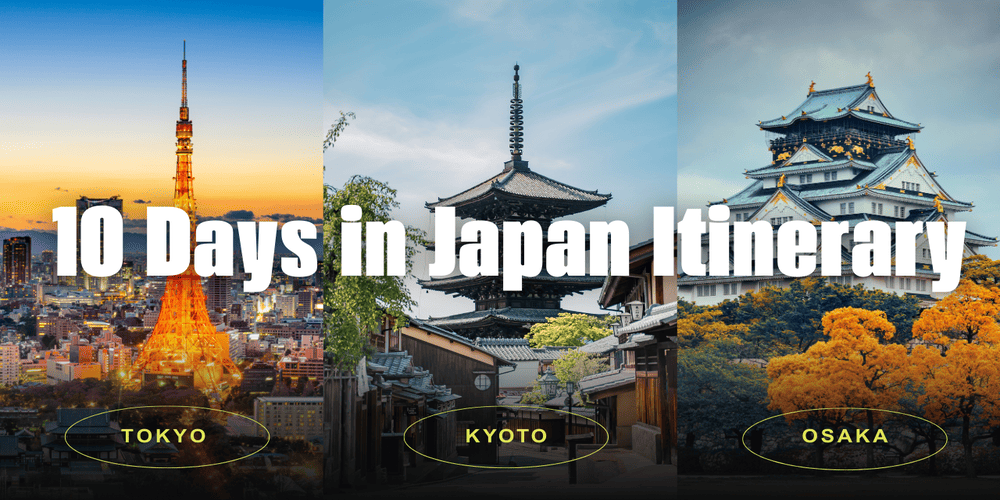
    10-Day Japan Itinerary for First-Time Travelers: Tokyo, Kyoto, Osaka & Day Trips

    Japan is one of the most fascinating countries in the world, blending ancient traditions with cutting-edge modern life. For first-time visitors, planning a Japan trip can feel overwhelming because there is so much to see and experience. This 10-day Japan itinerary is designed to help you explore Tokyo, Kyoto, and Osaka, along with carefully chosen day trips, without feeling rushed or exhausted.

    This plan focuses on culture, food, iconic landmarks, and smooth transportation so you can enjoy Japan at a comfortable and rewarding pace.

    Why This 10-Day Japan Itinerary Is Ideal for First-Time Visitors

    Ten days is the perfect amount of time to experience Japan’s highlights without constant packing and long travel days. Tokyo offers modern city life, Kyoto showcases traditional Japan, and Osaka brings vibrant street food and nightlife. Day trips add depth without requiring hotel changes.

    Japan’s excellent rail system makes travel efficient, predictable, and stress-free, even for travelers visiting the country for the first time.

    Day 1: Arrival in Tokyo and Easy Exploration

    Arrive in Tokyo and check into your hotel, ideally in areas like Shinjuku, Shibuya, or Ginza for convenience. After a long flight, keep the day light and focus on adjusting to the time zone.

    Take an evening walk to explore your neighborhood, enjoy your first Japanese meal, and experience the city’s neon-lit streets. Convenience stores, ramen shops, and casual eateries make it easy to eat well without planning.

    Day 2: Tokyo Highlights and City Life

    Spend your day exploring Tokyo’s iconic districts. Visit Shibuya to see the famous crossing and explore nearby shopping streets. Head to Harajuku to experience youth culture and visit Meiji Shrine, a peaceful green space in the heart of the city.

    In the afternoon, explore Shinjuku, including observation decks for city views. Tokyo’s energy is best experienced by walking and discovering hidden streets, cafes, and local shops.

    Day 3: Traditional Tokyo and Cultural Experiences

    Dedicate this day to Tokyo’s traditional side. Visit Asakusa to see Senso-ji Temple and walk along Nakamise Street for local snacks and souvenirs. Take a river cruise or enjoy views along the Sumida River.

    In the afternoon, explore Ueno Park or nearby museums, depending on your interests. End the day in Akihabara or Ginza, depending on whether you prefer electronics and pop culture or upscale shopping and dining.

    Day 4: Day Trip to Nikko or Hakone

    Take a day trip outside Tokyo to experience nature and history. Nikko offers stunning shrines, forested mountains, and cultural landmarks, while Hakone provides hot springs and views of Mount Fuji on clear days.

    Both destinations are easily accessible by train and provide a refreshing contrast to Tokyo’s fast pace. Return to Tokyo in the evening for your final night in the city.

    Day 5: Travel to Kyoto and Evening Stroll

    Take the Shinkansen from Tokyo to Kyoto, a smooth journey of around 2.5 hours. Upon arrival, check into your hotel and enjoy a relaxed afternoon.

    Explore the Gion district in the evening, known for traditional wooden houses, lantern-lit streets, and historic charm. This slower pace helps you transition from modern Tokyo to traditional Kyoto.

    Day 6: Kyoto’s Temples and Historic Areas

    Spend the day visiting Kyoto’s most iconic landmarks. Start with Kinkaku-ji, the Golden Pavilion, followed by Ryoan-ji and its famous rock garden. These sites offer insight into Japan’s Zen traditions.

    In the afternoon, explore Arashiyama, including the bamboo grove and nearby temples. Walking slowly and taking in the surroundings is the best way to enjoy Kyoto’s peaceful atmosphere.

    Day 7: Fushimi Inari and Local Kyoto Experiences

    Visit Fushimi Inari Shrine early in the morning to walk through its famous torii gates without crowds. You can hike part of the trail or enjoy the lower sections at a relaxed pace.

    Spend the afternoon exploring local neighborhoods, tea houses, or traditional craft shops. Consider attending a tea ceremony or simply relaxing along the Kamogawa River.

    Day 8: Travel to Osaka and City Exploration

    Travel from Kyoto to Osaka, a short journey of about 30 minutes by train. Check into your hotel and start exploring the city.

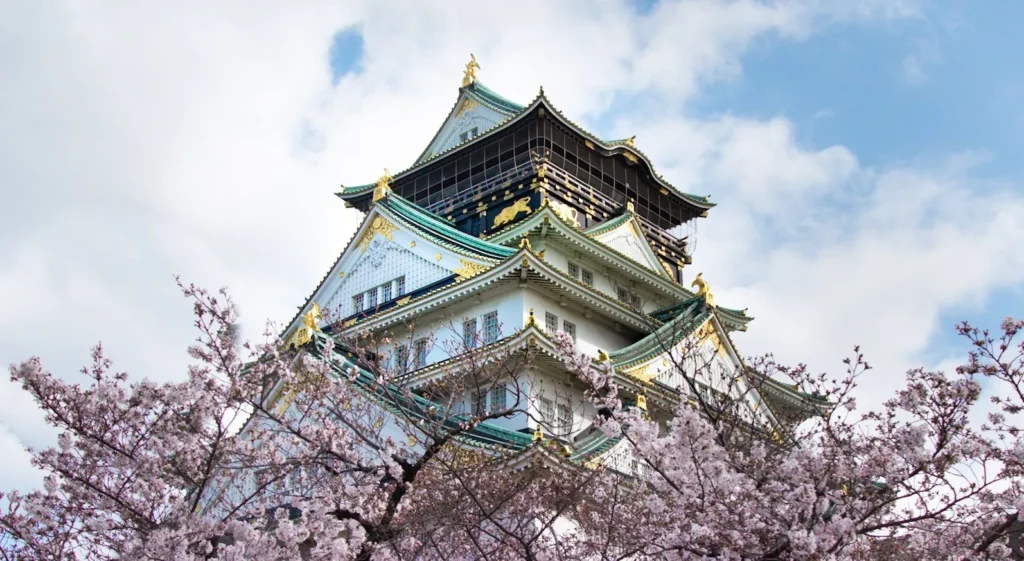
    Visit Osaka Castle and its surrounding park, then head to Dotonbori in the evening. Osaka is known for its street food culture, so try local favorites and enjoy the lively atmosphere.

    Day 9: Day Trip to Nara or Kobe

    Use this day for a nearby day trip. Nara is famous for its free-roaming deer, large temples, and relaxed pace. Kobe offers scenic harbor views and renowned cuisine.

    Both destinations are easy to reach from Osaka and add variety to your itinerary without additional hotel changes. Return to Osaka in the evening for your final night.

    Day 10: Final Shopping and Departure

    Spend your final day shopping for souvenirs or revisiting favorite areas. Osaka offers great shopping districts, while Kyoto and Tokyo both provide unique gifts and local products.

    Depending on your flight schedule, head to the airport using Japan’s efficient transport system, which makes departures smooth and reliable.

    Best Time to Follow This Japan Itinerary

    Spring and autumn are the best seasons for this itinerary, offering comfortable weather and scenic beauty. Cherry blossom season in spring and colorful foliage in autumn add an extra layer of magic to the trip.

    Summer is lively but hot, while winter offers fewer crowds and beautiful snowy landscapes in certain regions.

    Getting Around Japan Easily

    Japan’s transportation system is one of the best in the world. High-speed trains, local rail lines, and subways are reliable and well-marked in English.

    Using a rail pass or pre-booking major train journeys helps save time and money. Walking is also one of the best ways to explore cities like Kyoto and Tokyo.

    Tips for First-Time Travelers in Japan

    Carry cash for smaller shops, respect local customs, and follow signage carefully in stations. Japan is safe, clean, and welcoming, making it ideal for first-time international travelers.

    Allow time for rest and spontaneity. Some of the best moments in Japan come from unplanned discoveries.

    Conclusion

    This 10-day Japan itinerary offers the perfect balance of modern cities, traditional culture, and scenic day trips for first-time travelers. By combining Tokyo, Kyoto, and Osaka with carefully chosen excursions, you experience the true diversity of Japan without feeling rushed. With thoughtful planning and an open mindset, this journey becomes an unforgettable introduction to one of the world’s most captivating countries.

  • Best Hotels for Digital Nomads: Fast Wi-Fi, Comfort & Perfect Locations

    Best Hotels for Digital Nomads: Fast Wi-Fi, Comfort & Perfect Locations

    In the era of remote work, the world has become one giant co-working space. Digital nomads no longer need to be tied to one city — they can explore new places while working efficiently and comfortably. But to do that, choosing the right hotel is crucial. The best hotels for digital nomads offer reliable high-speed internet, comfortable work spaces, amenities that enhance productivity, and locations that enrich your experience after work hours.

    This guide highlights top hotel features digital nomads should prioritize and the best destinations globally that combine professionalism with lifestyle, making work-from-anywhere truly enjoyable.

    What Digital Nomads Need in a Hotel

    Before diving into destination recommendations, it’s important to understand what makes a hotel truly nomad-friendly. For a hotel to support your work and travel lifestyle, it should offer:

    • Fast and reliable Wi-Fi: Minimum speeds that support video calls, cloud uploads, and multiple connected devices.
    • Dedicated work areas: Comfortable seating, desks, ergonomic chairs, and quiet zones to help you stay focused.
    • Convenient power outlets: Easily accessible plugs near workspaces and bedside stations.
    • Good location: Close to cafes, co-working spaces, public transport, and attractions to balance work and life.
    • Community or networking opportunities: Shared lounges or social spaces where nomads can connect.
    • Flexible stay options: Weekly or monthly rates that reduce cost compared to short-term bookings.

    With these essentials in mind, let’s explore some of the best cities and hotels around the world catering specifically to digital nomads.

    Bali, Indonesia – Work, Beach & Culture

    Bali is a perennial favorite for digital nomads due to its balance of affordability, beauty, and work-friendly infrastructure. Many hotels in Ubud, Canggu, and Seminyak are designed with remote workers in mind.

    Nomad-friendly hotels in Bali often feature co-working lounges, high-speed fiber internet, and poolside work nooks for a relaxed yet productive environment. Most properties are also close to cafes and wellness spaces — perfect for work breaks and after-hours activities.

    Lisbon, Portugal – European Charm Meets Productivity

    Lisbon has rapidly become a top destination for digital nomads in Europe. Its temperate climate, English-friendly culture, and vibrant lifestyle make it an excellent base for long stays.

    Many boutique hotels in neighborhoods like Bairro Alto and Avenida da Liberdade offer fast Wi-Fi, comfortable work spaces, and rooftop views. Lisbon also has a growing co-working culture, so living and working here feels seamless.

    Chiang Mai, Thailand – Affordable & Nomad-Friendly

    Chiang Mai offers outstanding value for remote workers. Known for its affordability, safety, and welcoming nomad community, it makes work life easy and enjoyable.

    Nomad-friendly hotels in Chiang Mai provide dedicated spaces for remote work, excellent connectivity, on-site cafes, and networking events. The city’s balance of tradition and modern amenities makes it a great long-term home base.

    Buenos Aires, Argentina – Culture, Cafes & Connectivity

    Buenos Aires is both stylish and energetic, with plenty of co-working spaces, affordable food, and cultural attractions. Hotels in Palermo, Recoleta, and San Telmo cater to nomads with strong internet, reliable work areas, and social spaces.

    This city pairs vibrant urban living with work-friendly infrastructure, so after a productive day, you can explore tango shows, local markets, and creative neighborhoods.

    Medellín, Colombia – Innovation & All-Season Spring

    Medellín’s pleasant weather year-round makes it ideal for digital nomads. Known as the “City of Eternal Spring,” its transformation into a tech-friendly hub has drawn remote workers from all over the world.

    Hotels in El Poblado and Laureles offer reliable Wi-Fi, modern work spaces, and access to co-working hubs. Nomads here enjoy beautiful city views, mountain escapes, and a rich culinary scene.

    Tallinn, Estonia – Digital Nomad Visa & Tech-Forward Lifestyle

    Estonia’s capital, Tallinn, is a dream for tech workers. Estonia offers a digital nomad visa, excellent connectivity, and a charming medieval core combined with modern amenities.

    Hotels in the Old Town and Kadriorg areas often include business facilities, high-speed internet, and easy access to co-working communities. Tallinn’s innovative mindset makes it easier for remote work to flow smoothly.

    Tbilisi, Georgia – Budget-Friendly & Emerging Hotspot

    Tbilisi is rapidly gaining attention as a cost-effective destination for digital nomads. The city’s relaxed visa policies and affordable lifestyle make it appealing for long stays.

    Hotels here combine modern comforts with reliable internet and proximity to vibrant neighborhoods. After work, nomads enjoy wine bars, historic sites, and scenic mountain views just outside the city.

    Cape Town, South Africa – Nature, Culture & Co-Working

    Cape Town is a stunning destination with beautiful beaches, mountain backdrops, and an active digital nomad scene. Hotels in the city’s center and beachfront neighborhoods offer strong Wi-Fi, peaceful work corners, and quick access to co-working spaces.

    This city is ideal for nomads who want a balance of productivity and natural beauty — from Table Mountain hikes to ocean sunsets after work.

    Tokyo, Japan – Ultra-Reliable Connections & Urban Energy

    Tokyo stands out for its infrastructural excellence. With some of the fastest internet speeds in the world, this megacity is ideal for nomads who prioritize connectivity and efficiency.

    Hotels in Shinjuku, Shibuya, or Ginza offer business lounges, ergonomic workspaces, and lounge areas. The local cafe culture also provides diverse environments for remote work during afternoons.

    Vancouver, Canada – Outdoor Lifestyle Meets Efficiency

    Vancouver is one of the most livable cities in the world, blending urban sophistication with nature. Its hotels often feature business services, stable Wi-Fi, and scenic work environments.

    Digital nomads here can finish work and immediately step into mountain trails, seaside walks, or cozy local coffee shops. The city’s relaxed yet modern vibe makes it ideal for long-term stays.

    How to Choose the Best Hotel for Your Work Style

    Choosing the right hotel as a digital nomad depends on your priorities:

    • Budget Conscious: Look for hotels that offer weekly or monthly discounts.
    • Work-Centric: Prioritize properties with business centers, quiet spaces, and reliable internet.
    • Social Nomads: Choose hotels near co-working hubs or with active communities.
    • Lifestyle Focused: Select locations near nature, nightlife, or cultural activities to balance work and life.

    Reading recent reviews and checking internet speed tests from past guests can help ensure the hotel truly delivers what remote workers need.

    Conclusion

    For digital nomads, a hotel is more than just a place to sleep — it’s an office, a launch pad for adventures, and a home base for productivity. The best hotels for digital nomads combine fast Wi-Fi, comfortable work spaces, and great locations that enhance both work and life.

    Whether you prefer the beaches of Bali, the tech culture of Tallinn, or the mountains of Vancouver, there are amazing hotels that support remote work without sacrifice. Choosing the right hotel can transform a travel experience into a fulfilling lifestyle where you truly live and work from anywhere in the world.