Author: Phil Davies

  • 10 Traits of Highly Irritating People: Are You Guilty of any?

    10 Traits of Highly Irritating People: Are You Guilty of any?

    Introduction

    If you’ve ever been the victim of someone’s irritation, you know how frustrating it can be. But what if you’re the one causing the irritation? If you’re not careful, you could be guilty of some of the following irritating behaviors.

    Do you:

    Interrupt people when they’re speaking?
    Finish other people’s sentences for them?
    Talk too much?
    Ask too many personal questions?
    Touch people without their permission?
    Make assumptions about others?
    Fail to listen to what others are saying?
    Constantly criticize others?
    Complain all the time?
    Gossip about others behind their back?
    Exaggerate or tell lies?

    If any of these sound familiar, then you may want to work on becoming less irritating. Other people will appreciate it, and you’ll likely find yourself in fewer difficult situations.

    Trait 1: Overly Opinionated

    If you’re the type of person who is always spouting off your opinions, you’re probably pretty irritating to be around. People don’t want to hear you constantly going on and on about your views on everything. If you can’t keep your mouth shut, you’re probably driving people crazy.

    Trait 2: Always Interrupting

    If you’re the type of person who always has to be the center of attention, you’re probably also the type of person who interrupts others constantly. It’s not that you don’t know how to take turns in a conversation – you just don’t see the point. Why let someone else have the floor when you could be talking instead?

    This behavior is so annoying that it even has a name: “conversational narcissism.” And it’s a surefire way to make everyone around you wish they could find a way to tune you out.

    So what can you do if you’re guilty of this irritating trait? The next time you’re in a group setting, try to be aware of how often you’re speaking. If you find yourself interrupting others frequently, make an effort to hold back and give others a chance to contribute to the conversation. You might be surprised at how much more interesting and enjoyable conversations can be when everyone gets a chance to participate.

    Trait 3: Unwilling to Listen

    There are some people who are just impossible to have a conversation with because they’re never willing to listen. They’re always ready to jump in and share their own opinion, regardless of whether or not it’s relevant to the discussion. This can be extremely frustrating, especially if you’re trying to have a serious discussion about something important. If you find yourself constantly being interrupted and talked over, it might be time to reevaluate your relationships with these people.

    Trait 4: Passive Aggressive Behavior

    Passive aggressive behavior is a form of indirect aggression. It is characterized by a pattern of passive, or covert, resistance to expected work requirements, coupled with an avoidance of direct confrontation.

    The hallmark of passive aggressive behavior is a chronic, simmering resentment. If you’re the target of someone’s passive aggression, you may feel confused, frustrated, and even threatened. After all, it can be difficult to tell whether the person intends to be helpful or harmful.

    There are many possible factors that contribute to passive aggressive behavior. In some cases, it may be a learned response to childhood experiences such as strict parental controls or abuse. It may also be a way of coping with feelings of powerlessness or insecurity. Or it could be simply habit.

    Whatever its cause, passive aggressive behavior generally stems from a fear of conflict and an inability (or unwillingness) to express anger directly. Instead of openly dealing with their hostility, the person passes it off as jokes or sarcasm, neglects important tasks, “forgets” deadlines, or uses other indirect strategies to get back at someone they perceive as threatening.

    If you find yourself frequently on the receiving end of this type of treatment, you might want to try to set some boundaries with the person in question. Explain that their behavior is upsetting and ask them to stop. If they refuse or are unable to change their ways, it may be best to limit your exposure to

    Trait 5: Blaming Others for Their Mistakes

    Blaming others for their mistakes is a common trait of highly irritating people. This behaviour is often seen in people who are trying to cover up their own mistakes or deflect responsibility. Blaming others not only comes across as arrogant and unprofessional, but it can also damage relationships and create an environment of mistrust. If you find yourself regularly blaming others for their mistakes, try to take a step back and examine your own behaviour. Are you really looking out for the best interests of others, or are you just trying to protect yourself? If it’s the latter, try to change your behaviour and take responsibility for your own actions.

    Trait 6: Constantly Negativity and Criticism

    If you’re constantly negative and critical, you’re probably pretty irritating to be around. No one wants to hear someone complaining all the time, or putting them down. If this sounds like you, try to find something positive in every situation, and focus on building people up instead of tearing them down. It’ll make you a lot more pleasant to be around, and people will be much more likely to want to spend time with you.

    Trait 7: Refusing to Apologize

    Many people find it highly irritating when others refuse to apologize, even when they are clearly in the wrong. This trait is often seen in people who are excessively proud or have a very low tolerance for admitting they were wrong. If you know someone like this, you may have experienced firsthand how frustrating it can be to try and get them to say “I’m sorry.” In some cases, people may even go so far as to make up excuses or blame others in order to avoid apologizing. If you’re guilty of this trait yourself, try to be more conscious of it in future interactions with others.

    Trait 8: Being Manipulative

    Some people are just plain ol’ manipulative. They’re always trying to get something from someone, whether it’s material goods, favors, or attention. And they’re not above using underhanded tactics to get what they want. If you know someone like this, you probably find them pretty irritating. But what if you’re the one being manipulative? Well, that’s not so great either.

    If you’re always trying to get something from someone, chances are you’re pretty irritating. Whether you’re after material goods, favors, or attention, people can see right through your manipulations. And let’s be honest, it’s not a very admirable quality. So if you find yourself constantly trying to get one over on others, it might be time to reevaluate your behavior. Otherwise, you’ll just end up annoying everyone around you.
  • Boost Your Immunity With These Ayurvedic Practices For Better Health

    Boost Your Immunity With These Ayurvedic Practices For Better Health

    What is Ayurveda?

    Ayurveda is an ancient system of medicine that originated in India. It is based on the belief that good health and well-being depend on a balanced state of mind, body, and spirit. Ayurvedic practitioners use a variety of techniques to restore balance and improve health, including massage, herbal remedies, dietary changes, and yoga.

    Ayurveda means “life knowledge” in Sanskrit. It is based on the Vedas, a collection of sacred texts that date back to 1500 BC. Ayurvedic principles are also found in other ancient texts, such as the Charaka Samhita and the Sushruta Samhita.

    Ayurvedic medicine is holistic, meaning it takes into account the whole person – mind, body, and spirit. The goal of Ayurveda is to promote good health and prevent disease by maintaining balance in the body.

    There are three main principles in Ayurveda:

    1) The mind and body are interconnected; they influence each other.
    2) Everyone has a unique constitution (prakriti), which is determined by their physical characteristics, mental tendencies, and emotional makeup.
    3) Health is achieved when there is a balance of the three doshas – Vata (air), Pitta (fire), and Kapha (earth).

    Benefits of Ayurvedic Practices

    Ayurvedic practices are said to be beneficial for overall health and well-being. Some of the benefits associated with these practices include:

    1. Improved digestion: Ayurvedic practices are said to help improve digestion and absorption of nutrients in the body. This can lead to better overall health and wellness.
    2. Increased energy levels: Ayurveda is said to help increase energy levels and stamina. This can help you feel better overall and have more energy to get through your day.
    3. Reduced stress levels: Ayurvedic practices are said to help reduce stress and anxiety levels. This can lead to a calmer mind and body, which can be beneficial for overall health.
    4. Better sleep: Ayurveda is said to help improve sleep quality. This can leave you feeling more rested and refreshed, which can lead to improved overall health.
    5. Boosted immunity: One of the most touted benefits of ayurvedic practices is that they can help boost immunity. This can help protect you from getting sick, and can also lead to faster recovery if you do get sick

    How to Strengthen Your Immunity?

    Ayurveda is an ancient system of medicine that takes a holistic approach to health and wellbeing. It emphasises the importance of balance in the body and mind, and recognises that everything is interconnected.

    There are many simple Ayurvedic practices that can help to boost your immunity and keep you healthy. Here are some of the most effective:

    1. Eat a balanced diet: Eat plenty of fresh fruits and vegetables, whole grains, legumes, nuts, and seeds. Include small amounts of dairy and organic meat if you eat it. Avoid processed foods, sugar, caffeine, alcohol, and tobacco.
    2. Get regular exercise: Exercise helps to increase circulation and promote detoxification. It also helps to reduce stress levels, which can impact immunity negatively. Aim for 30 minutes of moderate exercise most days of the week.
    3. Take time for yourself: Make sure to schedule some “me time” into your day or week. Relaxation techniques such as yoga or meditation can help to reduce stress levels and promote overall wellbeing.
    4. Keep your environment clean: Both your home and work environment should be clean and free from toxins. Make sure to ventilate well, use natural cleaning products where possible, and avoid excessive exposure to chemicals or pollution.
    5. Manage your stress levels: Stress can have a negative impact on immunity, so it’s important to find ways to manage it effectively. Techniques such as

    Foods to Boost Immunity

    The immune system is responsible for protecting the body against infection and disease. When it is functioning properly, it can help to keep you healthy and free from illness. However, when it is not working properly, you may be more susceptible to getting sick. There are a number of different ways that you can boost your immunity with Ayurvedic practices.

    One way to boost your immunity is to eat certain foods that are known to support the immune system. These include foods that are high in antioxidants, vitamins, and minerals. Some examples of these types of foods include dark leafy greens, berries, nuts, seeds, and garlic. Another way to support your immune system is to avoid processed foods and refined sugars as much as possible. These can actually weaken the immune system and make you more susceptible to getting sick.

    In addition to eating the right kinds of foods, there are also a number of different Ayurvedic practices that can help to boost your immunity. One such practice is oil pulling. This involves swishing oil around in your mouth for several minutes each day. This helps to remove toxins from the body and supports overall oral health. Another practice that can help to boost your immunity is nasal irrigation. This involves using a Neti pot or other device to flush out the sinuses with saline water. This helps to reduce inflammation and remove allergens and irritants from the nasal passages.

    By following these simple tips, you can help to boost your immunity and

    Herbal Remedies for Immunity

    Herbal remedies have been used for centuries to help boost immunity and fight off infection. There are many different herbs that can be used, each with its own unique benefits. Here are a few of the most popular herbal remedies for immunity:

    Echinacea: Echinacea is one of the most popular herbal remedies for immunity. It is believed to stimulate the immune system and help fight off infection. It is often taken at the first sign of a cold or flu.

    Goldenseal: Goldenseal is another popular herb for immunity. It is thought to have antibacterial and anti-inflammatory properties. It is often used in combination with other herbs, such as echinacea, to boost immunity.

    Ginseng: Ginseng is an Asian herb that has been used for centuries to boost immunity. It is thought to increase energy levels and improve overall health. Ginseng is available in many forms, including capsules, tablets, and teas.

    These are just a few of the many herbal remedies that can help boost immunity. Talk to your doctor or a qualified herbalist before taking any herbs, especially if you have a medical condition or are taking medications.

    Exercise and Meditation to Support Immunity

    When it comes to boosting immunity, ayurveda recommends a holistic approach that includes exercise and meditation.

    Regular exercise is important for overall health and immunity. It helps to improve circulation and increase the production of white blood cells, which are key to fighting infection.

    Meditation is also beneficial for immunity. It helps to reduce stress levels, which can weaken the immune system. Meditation can also help to increase levels of antibodies, which help to protect the body against illness.

    Conclusion

    In conclusion, Ayurveda provides a wealth of health-boosting practices and remedies that can help you to boost your immunity. Whether you choose to incorporate one or more of the above strategies into your routine or select other options that suit your lifestyle better, following an Ayurvedic approach to improving immune function is sure to bring tangible long-term benefits. Taking simple yet effective steps such as these will not only help guard against infection but also allow us to enjoy improved physical and mental wellbeing overall.

  • Deliciously Delicious Gluten-Free Breakfast Recipes For People With Celiac Disease

    Deliciously Delicious Gluten-Free Breakfast Recipes For People With Celiac Disease

    Introduction: What is Celiac Disease?

    If you have celiac disease, your body can’t tolerate gluten. This protein is found in wheat, rye, and barley. When you eat foods that contain gluten, your immune system reacts by damaging your villi. These are the tiny fingerlike projections that line your small intestine and help you absorb nutrients from food.

    The only treatment for celiac disease is to follow a strict gluten-free diet. This can be difficult to do because gluten is found in many common foods, such as bread, pasta, cereal, and baked goods. It’s also used as a thickener or filler in some processed foods, such as soups, sauces, and salad dressings.

    Fortunately, there are now many delicious gluten-free breakfast options available. Here are some of our favorites:

    Benefits of Eating Gluten-Free

    If you have celiac disease, going gluten-free is essential for your health. But avoiding gluten can also have some surprising benefits, even if you don’t have celiac disease. Here are a few benefits of eating gluten-free:

    1. Gluten-free diets can help with weight loss.

    If you’re trying to lose weight, cutting out gluten can help. A lot of processed foods and junk foods contain gluten, so eliminating it from your diet can lead to weight loss.

    1. Gluten-free diets can improve your digestion.

    For people with celiac disease or non-celiac gluten sensitivity, gluten can cause digestive problems like bloating, gas, diarrhea, and constipation. Going gluten-free can help improve your digestion and make you feel more comfortable after meals.

    1. Gluten-free diets can reduce inflammation.

    Inflammation is a common issue for people with celiac disease and non-celiac gluten sensitivity. Eating a gluten-free diet can help reduce inflammation throughout your body and make you feel better overall.

    1. Gluten-free diets can boost your energy levels.

      If you’re feeling sluggish and fatigued, going gluten-free could give your energy levels a boost. Eliminating gluten from your diet can help you feel more alert and energized throughout the day.

      Necessary Substitutions to Make Recipes Gluten-Free

      When you have celiac disease, your body cannot tolerate gluten, a protein found in wheat, rye, and barley. That means you have to be careful about the ingredients you use in your recipes. Here are some necessary substitutions to make recipes gluten-free:

      For flour, use a gluten-free all-purpose flour blend. Be sure to check the labels on all of your other ingredients to make sure they are also gluten-free.

      If a recipe calls for bread crumbs, you can substitute crushed gluten-free corn flakes or rice cereal. Or you can make your own bread crumbs by pulsing gluten-free bread in a food processor.

      Instead of using regular pasta, look for gluten-free varieties made from rice, quinoa, or lentils. These can usually be found in the natural foods section of your grocery store.

      To thicken sauces or gravies, use cornstarch or arrowroot powder instead of flour.

      Breakfast Ideas

      If you have celiac disease, you know that breakfast can be a challenge. You can’t eat wheat, barley, or rye, which means most traditional breakfast foods are off-limits. But don’t despair! There are plenty of delicious gluten-free breakfast options out there. Here are some of our favorites:

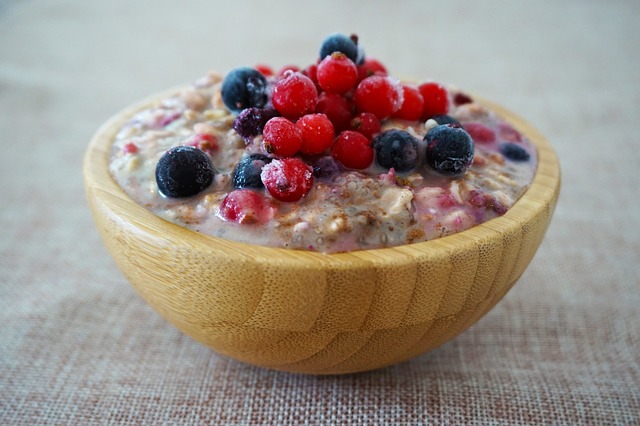
      1. Overnight oats: Oats are a great source of fiber and protein, and they’re naturally gluten-free. Soak them in milk or yogurt overnight, then top with your favorite fruits and nuts in the morning.
      2. Egg dishes: Whether you like them scrambled, poached, or sunny-side up, eggs make a great gluten-free breakfast option. Add in some veggies for extra nutrition.
      3. Pancakes or waffles: Just because you can’t eat wheat doesn’t mean you have to give up pancakes or waffles! There are plenty of recipes out there for gluten-free versions of these beloved breakfast staples.
      4. Breakfast burrito: Wrap up eggs, potatoes, cheese, and your favorite fillings in a gluten-free tortilla for a hearty and satisfying meal on the go.
      5. Smoothie: Start your day with a nutritious and refreshing smoothie made with fruits, veggies, milk or yogurt, and a little bit of honey or agave nectar for sweetness
      • Overnight Oats

      Overnight oats are a quick and easy breakfast option for those with celiac disease. Simply combine gluten-free oats, milk, and your favorite toppings in a jar or container the night before, and refrigerate overnight. In the morning, simply grab and go!

      There are endless possibilities when it comes to flavors and toppings for overnight oats. For a sweet option, try adding some fresh fruit or a dollop of honey. For a savory twist, stir in some shredded cheese or diced ham. And don’t forget the nuts and seeds for a crunchy topping!

      • Protein Pancakes

      Protein pancakes are a delicious and nutritious way to start your day. They’re packed with protein, which will help keep you feeling full and satisfied all morning long. Plus, they’re gluten-free, so they’re perfect for people with celiac disease.

      To make protein pancakes, you’ll need:

      1/2 cup gluten-free oat flour

      1/2 cup almond flour

      1 tsp baking powder

      1/4 tsp salt

      1 cup almond milk or other non-dairy milk (I used unsweetened vanilla)

      2 tbsp olive oil or other vegetable oil (I used coconut oil)

      2 eggs (I used flax eggs)

      Optional toppings: fresh fruit, maple syrup, nut butter, etc.

      In a large bowl, whisk together the oat flour, almond flour, baking powder and salt. In another bowl or a glass measuring jug, whisk together the milk and oil. Add the wet ingredients to the dry ingredients and mix until well combined. If using flax eggs, add them now and mix until well combined.

      Preheat a frying pan or griddle over medium heat. Scoop 1/4 cup batter into the pan for each pancake. Cook for 2-3 minutes per side, until golden brown and cooked through. Serve with your favourite toppings!

      • Smoothie Bowls

      Assuming you would like a content section for the blog article Deliciously Delicious Gluten-Free Breakfast Recipes For People With Celiac Disease:

      When it comes to breakfast, there are few things more refreshing than a big bowl of fruit. But if you’re looking for something a little more substantial, a smoothie bowl is the perfect option. Packed with nutrients and protein, these bowls will keep you full until lunchtime. And best of all, they’re incredibly easy to make. Simply blend your favorite fruits and vegetables with some milk or yogurt, pour into a bowl, and top with whatever you like. We’ve got some great recipes below to get you started.

      Strawberry Banana Smoothie Bowl: This classic flavor combination is always a winner. Simply blend strawberries, banana, milk, and yogurt until smooth. Top with granola and fresh bananas for extra texture and flavor.

      Mixed Berry Smoothie Bowl: Another delicious option that’s perfect for summertime. Start by blending frozen mixed berries, milk, and yogurt until smooth. Then top with your favorite nuts or seeds for some crunch.

      Tropical Smoothie Bowl: If you’re craving something tropical, this one’s for you. Blend pineapple, mango, coconut milk, and yogurt until combined. Top with shredded coconut flakes and fresh pineapple slices for a real treat.

      • Egg Dishes

      When you have celiac disease, breakfast can be a tough meal. You can’t have pancakes or waffles because of the gluten in the flour. You can’t have oatmeal because it’s usually made with gluten-containing oats. And you can’t have eggs because, well, they usually come with bread. But don’t worry, we’ve got you covered. Here are some delicious egg dishes that are completely gluten-free.

      First up is this amazing frittata. It’s packed with veggies and has a light, fluffy texture that will make you forget all about the bread you’re missing out on. Plus, it’s easy to make and can be tailored to whatever ingredients you have on hand.

      If you’re in the mood for something a little sweeter, try these baked eggs in ham cups. They’re like mini quiches without the crust, so they’re perfect for people with celiac disease. And they’re bite-sized, so they’re easy to eat on the go.

      Finally, if you need something to fuel your morning workout, try this protein-packed egg bake. It’s loaded with healthy fats and protein to give you sustained energy throughout your day.

      • Yogurt Parfaits

      There’s no need to miss out on a delicious breakfast just because you have celiac disease! These gluten-free yogurt parfaits are the perfect way to start your day.

      Layer some gluten-free granola, fresh fruit, and yogurt in a jar or cup, and you’ve got a healthy and satisfying breakfast that will keep you going until lunchtime. If you’re feeling extra hungry, top your parfait with some nuts or seeds for an added boost of protein.

      Conclusion

      Eating gluten-free doesn’t have to be boring. There are plenty of delicious breakfast recipes that you can create with a few ingredients for those who suffer from celiac disease. Whether it’s pancakes, omelets, or smoothies, there is something for everyone to enjoy. With these delicious recipes at your fingertips, you can start each day off right and avoid any discomfort due to gluten consumption. Eating well is the key to feeling energized and healthy — so make sure you try out some of these amazing gluten-free breakfast recipes today!

    2. Why Your Blood Pressure May Be Going On A Roller Coaster Ride: Causes and Solutions

      Why Your Blood Pressure May Be Going On A Roller Coaster Ride: Causes and Solutions

      What is Blood Pressure?

      If you have ever felt your heart racing or your head throbbing, you may have experienced what is known as high blood pressure. Blood pressure is the force of your blood pushing against the walls of your arteries. When this happens, it can cause a number of health problems, including heart disease and stroke.

      There are a number of factors that can contribute to high blood pressure, including stress, obesity, smoking, and drinking alcohol. If you are experiencing any of these symptoms, it is important to see a doctor so they can help you find a solution. There are a number of ways to lower blood pressure, including medication, diet, and exercise.

      If you are concerned about your blood pressure, there are a few things you can do at home to keep track of it. You can purchase a home blood pressure monitor or use a smartphone app to check your readings. Additionally, many pharmacies offer free blood pressure screenings. By keeping track of your blood pressure and taking steps to lower it if necessary, you can help reduce your risk of serious health problems.

      Causes of High Blood Pressure Fluctuations

      There are many factors that can cause your blood pressure to fluctuate. Some of the most common causes include:

      • Stress: Both physical and emotional stress can cause your blood pressure to rise.

      • Caffeine: Caffeine is a stimulant and can therefore cause your blood pressure to increase.

      • Alcohol: Drinking alcohol can also cause your blood pressure to rise.

      • Nicotine: Smoking or using other nicotine products can also cause your blood pressure to increase.

      • Medications: Certain medications can cause your blood pressure to either increase or decrease. If you are concerned about a medication you are taking, talk to your doctor.

      • Illness: Many illnesses can cause your blood pressure to fluctuate. If you are feeling ill, it is important to monitor your blood pressure closely.

      If you are experiencing sudden or severe fluctuations in your blood pressure, it is important to seek medical attention as soon as possible as this could be a sign of a more serious underlying condition.

      Symptoms of High Blood Pressure Fluctuations

      If you have high blood pressure, you may experience fluctuations in your readings. Your blood pressure may spike suddenly and then drop quickly, or it may slowly increase and then suddenly dip. These fluctuations can be caused by a variety of things, including stress, diet, and medications.

      If you notice that your blood pressure is fluctuating more than usual, it’s important to talk to your doctor. They can help determine the cause and recommend solutions to help stabilize your readings. In some cases, such as when fluctuations are caused by stress, relaxation techniques or lifestyle changes may be enough to bring your numbers back down. If your medication is the cause of the problem, your doctor may adjust your dosage or switch you to a different medication.

      Whatever the cause of your high blood pressure fluctuations, it’s important to work with your doctor to find a solution. uncontrolled high blood pressure can lead to serious health complications, so it’s important to keep it under control.

      Dietary Solutions to Lower Blood Pressure Fluctuations

      If your blood pressure is constantly changing, it can be difficult to know how to keep it under control. Making small dietary changes can help to stabilize your blood pressure and keep it from fluctuating too much.

      Eating a diet that is high in fiber and low in salt can help to lower blood pressure. Fiber helps to reduce the amount of sodium that is absorbed into the body, while salt causes the body to retain water and can raise blood pressure. Eating plenty of fruits and vegetables, whole grains, and beans can help increase your fiber intake. Reducing the amount of processed foods, fast food, and sugary drinks that you consume will also help lower your salt intake.

      Drinking plenty of water throughout the day can also help keep blood pressure stable. Water helps to flush out the toxins from your body and keeps you hydrated, which is important for keeping your blood pressure at a healthy level. Avoiding caffeine and alcohol can also help to keep blood pressure from fluctuating too much. Caffeine can cause an increase in blood pressure, while alcohol can cause a decrease.

      Exercise Solutions to Lower Blood Pressure Fluctuations

      If you’ve been tracking your blood pressure and notice that it seems to be fluctuating a lot, you’re not alone. Many people experience blood pressure fluctuations, and there can be a number of reasons why this happens.

      One common reason for blood pressure fluctuations is dehydration. When you’re dehydrated, your body’s blood vessels constrict, which can cause an increase in blood pressure. To avoid this, make sure to drink plenty of water throughout the day.

      Another reason for blood pressure fluctuations is stress. When you’re feeling stressed, your body releases hormones that constrict blood vessels and raise blood pressure. To counteract this, try to find ways to relax and de-stress yourself during the day. Exercise, meditation, and spending time in nature are all great ways to lower stress levels.

      If you notice that your blood pressure is fluctuating more than normal, talk to your doctor about possible causes and solutions. In some cases, medication may be necessary to help regulate blood pressure.

      Medication Solutions to Lower Blood Pressure Fluctuations

      If you find yourself frequently checking your blood pressure and noticing that it seems to be all over the place, you’re not alone. Many people experience fluctuations in their blood pressure throughout the day, and there can be a number of reasons why. However, there are also medication solutions that can help to lower blood pressure fluctuations.

      One common cause of blood pressure fluctuation is stress. When we’re under stress, our bodies release hormones that cause our blood vessels to constrict and our heart to pump faster, which raises our blood pressure. If you find yourself experiencing frequent fluctuations due to stress, relaxation techniques such as yoga or meditation can be helpful in bringing your numbers down.

      Certain medications can also cause blood pressure fluctuation. For example, decongestants and some allergy medications can narrow your blood vessels and lead to higher blood pressure. If you suspect your medication is the culprit, talk to your doctor about switching to a different drug.

      If you have high blood pressure that is not well controlled with medication, lifestyle changes may be necessary. Eating a healthy diet low in salt and fat, getting regular exercise, and avoiding tobacco products can all help to lower your numbers. If you are struggling to control your blood pressure on your own, talking to a doctor or other healthcare professional can help you find the right solution for you.

      Natural Remedies for High Blood Pressure Fluctuations

      If your blood pressure is going up and down like a roller coaster, it’s important to understand what might be causing the fluctuations and how to address them. There are many potential causes of blood pressure fluctuations, including stress, diet, medications, and underlying health conditions. While some causes may be out of your control, there are often natural remedies that can help to stabilize your blood pressure.

      Some simple lifestyle changes can make a big difference in managing stress and maintaining a healthy blood pressure. Exercise and relaxation techniques like yoga or meditation can help to reduce stress levels. Eating a healthy diet rich in fruits, vegetables, whole grains, and lean protein can also help to keep your blood pressure in check. If you’re taking any medications that could be affecting your blood pressure, talk to your doctor about adjusting the dosages or switching to another medication.

      There are also several herbal supplements that have been shown to help lower blood pressure. These include garlic, ginger, hibiscus tea, and omega-3 fatty acids. If you’re considering taking any of these supplements, it’s important to talk with your doctor first to make sure they won’t interact with any other medications you’re taking. With some lifestyle changes and natural remedies, you can get your blood pressure back on track and avoid the dangerous fluctuations.

      Conclusion

      In conclusion, there can be many causes of a roller coaster ride in your blood pressure that must be addressed to ensure your health and well-being. This could include lifestyle changes, such as reducing stress or improving diet and exercise; medication adjustments; or underlying conditions that require medical attention. Therefore, if you are experiencing unexplained fluctuations in your blood pressure levels, it is important to contact your doctor for testing and diagnosis so that any necessary treatments can be administered.

    3. 9 Signs You Are Super Attractive And Don’t Realize It

      9 Signs You Are Super Attractive And Don’t Realize It

      Introduction

      We all have moments where we feel like we’re not as attractive as we could be. Maybe our hair is a little messy, or we’re wearing clothes that are a bit too tight. But what if you’re actually super attractive and don’t realize it?

      Here are some signs that you might be more attractive than you think:

      -You always get compliments from strangers.
      -People are always smiling at you.
      -You have no problem getting dates.
      -People seem to gravitate towards you.
      -You always look put together, even when you’re not trying.

      9 Signs You Are Super Attractive And Don’t Realize It

      If you’re not sure whether you’re good looking or not, don’t worry – there are plenty of signs that you might be more attractive than you think. Here are some things that super attractive people do without even realizing it:

      They make eye contact: Super attractive people are confident and they know how to hold eye contact. If you can look someone in the eye and hold their gaze, it shows that you’re comfortable with yourself and your own appearance.

      They smile: A genuine smile is always attractive, no matter what else is going on. If you find yourself smiling a lot, it could be a sign that you’re unconsciously flirting – and people will definitely find that irresistible.

      They have good posture: Good posture shows that you’re confident and in control of your body. It also makes you look taller and more powerful, which is always attractive. So stand up straight and tall, and watch as the compliments start rolling in.

      They dress well: This one goes without saying – if you want to look good, you need to put some effort into your appearance. Super attractive people take the time to pick out flattering clothes and style their hair in a way that suits them. As a result, they always look put-together and effortlessly chic.

      • You Get Compliments Unprompted

      If you find that people are constantly complimenting you, it’s a good sign that you’re super attractive and don’t realize it. This could be in the form of compliments on your appearance, personality, or ability. If you find that people are drawn to you and want to be around you, it’s likely because they find you very attractive.

      • People Stare At You

      When you are out in public, do people ever stop and stare at you? If so, it could be a sign that you are super attractive and don’t even realize it.

      People might stare at you because they are drawn to your physical appearance. Maybe you have an symmetrical face, perfect skin, or striking features. Or maybe you just have a really great sense of style. Whatever the reason, if people can’t help but stare at you when they see you, it’s a good indication that you’re pretty darn good-looking.

      Of course, being super attractive isn’t all fun and games. It can also be a bit of a burden. People might expect more from you than they would from someone who isn’t as good-looking. They might think you’re smarter or funnier or better in bed. And while there’s nothing wrong with having high standards, it can be tough to always live up to other people’s expectations.

      So if you’ve noticed that people tend to stare at you when you’re out and about, don’t get too worried about it. It’s just a sign that you’re hotter than you realize!

      • You Make Eye Contact

      When you are attracted to someone, you naturally make eye contact with them. This is a sign that you are interested in them and want to get to know them better. If you find yourself making eye contact with someone more often than not, it could be a sign that they are attracted to you as well.

      • People Remember Your Name

      If you find that people tend to remember your name after meeting you just once, it’s a good indication that you are super attractive. This is because when people meet someone they’re attracted to, they’re more likely to pay attention and remember their name. So if you find that people often say your name back to you after only hearing it once, it’s a good sign that they’re attracted to you!

      • You Have Natural Charisma

      If you’re reading this, then you’re probably attractive. But what makes someone super attractive? Is it their looks? Their personality? Their sense of humor?

      There are many factors that make someone attractive, but one of the most important is charisma. Charisma is the ability to charm and mesmerize others. It’s not just about being good looking – it’s about having a certain je ne sais quoi that makes people want to be around you.

      If you have natural charisma, then you’re probably super attractive and don’t even realize it. Here are some signs that you might be super attracted:

      • People are drawn to you like a magnet. Whenever you enter a room, people can’t help but notice you. They may not know why, but they just feel drawn to your energy.
      • You have an easy time making friends. People are naturally drawn to your friendly personality and find it easy to connect with you.
      • You’re always the life of the party. No matter where you go or what you do, people always seem to have more fun when you’re around. That’s because your positive energy is infectious!
      • You’re a natural leader. People naturally look up to you and follow your lead. This is because they trust your judgement and know that you always have their best interests at heart.
      • People Notice When You Enter a Room

      When you enter a room, people take notice. Your presence commands attention and draws people in. You may not realize it, but you are exuding confidence and charisma. This is one of the signs that you are super attractive and don’t realize it.

      • Your Clothing Choices Stand Out

      If you’re always receiving compliments on your outfit choices, it’s a sign that you are super attractive and don’t realize it. Your clothing choices may be bold and unique, or they may simply be put together in a way that is flattering and catches people’s attention. Either way, you have a great sense of style that makes you stand out from the crowd.

      • Your Smile Draws Attention

      Your smile is one of the first things that people notice about you, and it can be a powerful asset in making a good impression. When you smile, you convey confidence and approachability, two qualities that are highly attractive to others. In addition, research has shown that smiling can actually make you appear more physically attractive to others.

      • Your Posture

      Your posture says a lot about you. Good posture indicates confidence, while poor posture can make you look insecure. If you want to appear more attractive, stand up straight and avoid slouching.

    4. 10 Hair Oils To Strengthen Your Locks And Give You A Boost Of Confidence

      10 Hair Oils To Strengthen Your Locks And Give You A Boost Of Confidence

      Introduction

      If you’re looking for a way to give your hair a boost of strength and shine, then consider using hair oils. These natural products can help to nourish and protect your locks, giving you the confidence to show off your healthy hair.

      There are a number of different hair oils available on the market, each with its own unique benefits. For example, coconut oil is a popular choice for those seeking to add moisture to their hair, while jojoba oil is ideal for those wanting to improve the health of their scalp.

      To use hair oils, simply massage a small amount into your scalp and work it through your damp or dry hair. You can then style your hair as usual. Be sure to wash your hands after application to avoid getting the oil on your clothes.

      When used regularly, hair oils can help to improve the condition of your hair, making it stronger and more resistant to damage. So if you’re looking for a way to give your locks a little boost, consider using one of these natural products.

      Avocado Oil

      Avocado oil is one of the best hair oils for strengthening your locks. It is rich in vitamins A, D, and E, which are essential for healthy hair growth. Avocado oil also has a high content of monounsaturated fatty acids, which help to nourish and moisturize your hair.

      Argan Oil

      When it comes to hair oils, argan oil is one of the best. This oil is extracted from the kernels of argan trees and is rich in vitamins, minerals, and antioxidants. Argan oil can help to strengthen your hair, improve its elasticity, and protect it from damage. It can also help to boost your confidence by giving you healthier, more lustrous locks.

      Coconut Oil

      When it comes to hair oils, there are a lot of different options out there. But if you’re looking for something that will help to strengthen your locks and give you a boost of confidence, then coconut oil is a great choice.

      Coconut oil is packed with nutrients that are essential for healthy hair. It’s rich in vitamins E and K, as well as fatty acids that help to nourish and condition the hair. Coconut oil can also help to protect the hair from damage caused by UV rays and heat styling.

      When using coconut oil on your hair, be sure to apply it evenly from root to tip. You can leave it on for a few hours or overnight, then shampoo and condition as usual. For best results, use coconut oil once or twice a week.

      Jojoba Oil

      Jojoba oil is a natural oil that’s extracted from the jojoba plant. It’s been used for centuries by Native Americans for its healing properties. Jojoba oil is rich in vitamins and minerals, and it’s known to be an effective treatment for hair loss and scalp conditions. Jojoba oil is also a great way to add shine and softness to your hair.

      Castor Oil

      If you’re looking for an all-natural way to give your hair a boost, then castor oil is the way to go. This oil is derived from the seeds of the castor plant, and it’s been used for centuries to promote hair health.

      Castor oil is rich in nutrients like vitamin E, essential fatty acids, and proteins, which all work together to nourish and strengthen your hair. This oil can also help stimulate hair growth, so if you’re trying to grow out your locks, castor oil is a great option.

      To use castor oil on your hair, simply massage it into your scalp and roots. You can leave it in for a few hours or overnight before washing it out with shampoo. For best results, use castor oil once or twice a week.

      Olive Oil

      Olive oil has been used as a natural hair treatment for centuries. It is rich in vitamins A and E, which help to nourish and condition the hair. Olive oil also contains fatty acids that help to lock in moisture and prevent split ends.

      Rosemary Oil

      If you’re looking for an oil that will strengthen your hair and give you a boost of confidence, rosemary oil is a great option. This oil is known for its ability to stimulate hair growth, prevent hair loss, and improve circulation. It’s also said to be beneficial for dry scalp and dandruff. Rosemary oil can be used on its own or mixed with other oils such as jojoba or coconut oil. To use, simply massage a few drops into your scalp and let it sit for 30 minutes before washing it out.

      Almond Oil

      Almond oil is one of the most popular hair oils used to strengthen and protect locks. This oil is loaded with vitamins A, B, and E, which are essential for healthy hair growth. Almond oil also has a high moisture content, making it an excellent choice for those with dry or damaged hair. To use almond oil on your hair, simply massage a small amount into your scalp and then work it through your locks. Leave the oil in for at least an hour before shampooing out.

      Tea Tree Oil

      If you’re looking for a hair oil that will strengthen your locks and give you a boost of confidence, look no further than tea tree oil. This natural oil is derived from the leaves of the tea tree and has been used for centuries to treat various scalp conditions. Tea tree oil is an effective treatment for dandruff, dry scalp, and oily scalp. It’s also helpful in stimulating hair growth and preventing hair loss. To use tea tree oil for your hair, add a few drops to your shampoo or conditioner, or massage it into your scalp. You can also make a DIY hair mask by mixing tea tree oil with other ingredients like aloe vera gel, olive oil, and honey.

      Lavender Oil

      Lavender oil is one of the best hair oils for strengthening your locks. This oil has been used for centuries to help strengthen and protect hair. It is also known to promote hair growth. Lavender oil is rich in nutrients and antioxidants that help to keep your scalp healthy and your hair looking its best.

      Conclusion

      Hair oils can be a great way to help nourish and strengthen your locks, as well as giving you a boost of confidence. The 10 hair oils discussed in this article provide an excellent starting point for choosing the right product to suit your needs. Whether you are looking for intense hydration or want something with natural ingredients that will leave your scalp feeling refreshed, there is sure to be something here that fits the bill. So don’t wait any longer – give one of these amazing hair oils a try and see how it works wonders on your mane!

    5. How To Transition Into Fall With Positive Mental Health Tips

      How To Transition Into Fall With Positive Mental Health Tips

      Introduction to the End of Summer Mental Health Transition

      As the warm days of summer start to wind down, it’s normal to feel a bit sad or anxious about the impending change of season. For some people, this feeling can be more intense and may even lead to seasonal affective disorder (SAD). If you’re struggling with the end of summer mental health transition, here are some tips to help you cope:

      1. Get outside every day. Enjoy the last of the summer sun by spending time outdoors every day. Go for a walk, ride your bike, or just sit in the park and soak up the rays.
      2. Stay active. Don’t let your fitness routine fall by the wayside as summer comes to an end. Continue to exercise regularly and stay active to boost your mood and keep your energy levels up.
      3. Connect with loved ones. As autumn approaches, take time to connect with loved ones near and far. Whether it’s catching up on the phone or planning a visit, quality time with those we care about is always good for our mental health.
      4. Make plans for fun autumn activities. Just because summer is ending doesn’t mean the fun has to stop! Start planning now for all the things you want to do in autumn, whether it’s visiting a pumpkin patch or going on a hayride. Having something to look forward to can help chase away those end-of-summer blues.

      Exploring Ways to Stay Connected with Others

      The leaves are falling and the air is getting chilly, which can only mean one thing: fall is here! For some people, this is their favorite time of year. The colors are changing, the pumpkin spice lattes are back, and there’s a sense of cozy comfort in the air. But for others, fall can be a difficult time. The shorter days and longer nights can lead to feelings of sadness and loneliness. If you’re struggling to adjust to the change in season, here are a few tips to help you transition into fall with positive mental health:

      1. Get outside: One of the best ways to beat the autumn blues is to get outside and enjoy the fresh air. Take a walk in your neighborhood or go for a hike in the woods. The exercise will boost your energy and mood, and you’ll get to appreciate all the beauty that fall has to offer.
      2. Stay connected: It’s important to stay connected with your friends and family as the days get shorter and colder. Schedule regular check-ins via text, phone, or video chat. Make plans for socially-distanced outdoor activities like picnics or walks together. Or simply send a handwritten letter or card to let your loved ones know you’re thinking of them.
      3. Be kind to yourself: Fall can be a busy time as we prepare for holidays and end-of-year deadlines at work or school.

      Evaluating Your Diet for Healthy Eating Habits

      As the weather cools and the leaves begin to change color, it’s a great time to take inventory of your diet and make sure it’s supporting your mental health. Here are a few things to consider:

      1. How well balanced is your diet? A healthy diet includes a variety of foods from all the food groups, including lean protein, healthy fats, whole grains, fruits, vegetables, and dairy. If you find that you’re eating mostly unhealthy or processed foods, it’s time to make some changes.
      2. Are you getting enough nutrients? Mental health requires a variety of nutrients like omega-3 fatty acids, vitamin D, magnesium, zinc, and more. Make sure you’re eating nutrient-rich foods or taking supplements if needed.
      3. How much sugar are you consuming? Too much sugar can lead to mood swings and energy crashes. Cut back on sugary drinks and foods and opt for healthier options like fruit or unsweetened yogurt instead.
      4. Are you drinking enough water? Staying hydrated is crucial for overall health, including mental health. Aim to drink eight glasses of water per day.
      5. Do you need to cut back on caffeine? Caffeine can cause anxiety and interfere with sleep, both of which can impact mental health negatively. If you find yourself feeling jittery or anxious after drinking caffeine, try cutting back or eliminating it altogether.

      Finding Fun Activities to Try During Fall

      The fall season is a great time to try new things and get out of your comfort zone. There are so many fun activities to do during this time of year, and they can help improve your mental health. Here are a few ideas:

      1. Go for a nature walk or hike. Fall is the perfect time to appreciate the beauty of nature. Get some fresh air and exercise while you’re at it!
      2. Visit a pumpkin patch or go apple picking. These are quintessential fall activities that will definitely get you into the autumn spirit.
      3. Make some cozy comfort food. There’s nothing better than curling up with a warm bowl of soup or stew on a cool day.
      4. Have a bonfire or roast marshmallows. This is a great activity to do with friends or family. It’s also really relaxing to sit by the fire and watch the flames dance.
      5. Go on a hayride or visit a corn maze. If you want to add a bit of excitement to your fall days, these are both great options!

      Creating a Positive Environment at Home

      The summer is coming to an end and for some, that can be a difficult time. The days are getting shorter, the weather is getting colder, and there is a lot less daylight. This change in season can trigger feelings of sadness, anxiety, and depression for many people. However, there are things that you can do to help make the transition into fall a positive experience. Here are some tips:

      1. Get outside: Take advantage of the cooler temperatures and get outside! Go for a walk, bike ride, or hike. Spend time in nature and take in the beauty of the changing leaves. Getting fresh air and exercise will help improve your mood and mental health.
      2. Connect with loved ones: Fall is a great time to reconnect with friends and family. Have a bonfire, go apple picking, or host a game night. Spending time with loved ones will help boost your mood and make the transition into fall feel less daunting.
      3. Be mindful of your diet: As the weather gets colder, we tend to crave comfort foods that are high in sugar and carbs. While it’s okay to indulge every once in awhile, try to balance it out with healthy meals as well. Eating nutritious foods will help improve your mood and energy levels.
      4. Practice self-care: Make sure to take care of yourself both physically and mentally this fall season. Get enough sleep, exercise regularly, eat healthy foods, and take breaks when you can.

      Making Plans for the Future and Setting Goals

      It’s that time of year again! The leaves are changing color, the air is getting cooler, and pumpkin spice lattes are back at Starbucks. Fall is a time of change, and for some people, that can be a difficult transition. If you’re feeling the seasonal blues, here are a few tips to help you ease into fall with positive mental health:

      1. Make plans for the future: One way to combat the negative feelings that can come with change is to have something to look forward to. Start planning your next vacation, set goals for the upcoming year, or make a list of things you’d like to accomplish in the next month. Having something to focus on will help you stay positive during this transitional time.
      2. Set goals: Another way to stay positive during a time of change is to set goals for yourself. Whether it’s quitting smoking, losing weight, or saving money, having specific targets to strive for will give you a sense of purpose and keep you motivated.
      3. Stay active: It’s important to stay active both physically and mentally during this season of change. Take up a new hobby, go for walks in the crisp autumn air, or sign up for a fitness class. Staying active will help boost your mood and keep your mind distracted from negative thoughts.
      4. Spend time with loved ones: One of the best ways to fight off the blues is to spend time with those you love. Plan fun outings with your loved ones.

      Learning How To Prioritize Self Care and Self Compassion

      Making the transition from summer to fall can be tough for anyone, but it can be especially difficult if you’re struggling with your mental health. The good news is that there are things you can do to ease the transition and help yourself feel better. One of the most important things you can do for your mental health is to prioritize self-care and self-compassion.

      Self-care means taking care of yourself physically, emotionally, and mentally. It’s important to make time for activities that make you happy and help you relax. This could include anything from reading a book to taking a yoga class. It’s also important to eat healthy foods, get enough sleep, and exercise regularly.

      Self-compassion means being kind and understanding towards yourself, even when you make mistakes or have setbacks. It’s normal to feel down sometimes, but beating yourself up about it will only make things worse. Instead, try to treat yourself with the same compassion and understanding that you would show towards a friend. Forgive yourself, move on, and focus on the positive.

      By prioritizing self-care and self-compassion, you can help ease the transition into fall and set yourself up for success all season long.

      Conclusion

      As the fall season approaches, it’s important to remember that there are many ways to transition into this new season with a positive mindset. Whether you take part in nature-based activities, practice self-care habits or even try different mindfulness techniques – each of these ideas can help you adjust and adapt to the changing of seasons while keeping your mental health in check. With just a few simple additions to your daily routine, you can ensure that autumn is filled with growth and positivity!

    6. The Ultimate Guide To Better Sleep: 5 Steps To Rejuvenate Your Body And Mind

      The Ultimate Guide To Better Sleep: 5 Steps To Rejuvenate Your Body And Mind

      Introduction to Better Sleep

      Most of us don’t get enough sleep. In fact, according to the National Sleep Foundation, 64 percent of Americans report that they have sleep problems at least a few nights a week.1

      Sleep is essential for our physical and mental health. It helps to restore our energy levels, repair our bodies, and refresh our minds. Yet, many of us struggle to get enough quality sleep on a regular basis.

      There are a number of factors that can contribute to poor sleep including stress, anxiety, travel, and work demands. Luckily, there are some simple steps you can take to improve your sleep quality and get the rest you need to feel your best.

      In this guide, we will explore some of the best tips for better sleep. We will cover everything from how to create a relaxing bedtime routine to what foods to eat (and avoid) before bed. By following these steps, you can start getting the deep, restful sleep your body and mind need to function at their best.

      Step 1: Establish A Bedtime Routine

      If you want to improve your sleep, one of the best things you can do is establish a bedtime routine. This means going to bed and waking up at the same time each day, even on weekends.

      Creating a bedtime ritual can also help. This can involve taking a bath, reading a book, or doing some other calming activity that helps you relax before bed.

      It’s important to avoid electronics in the bedroom, as the blue light they emit can interfere with sleep. If you must use electronics before bed, consider using dimmed screens and wearing blue-light blocking glasses.

      Step 2: Take Time To Wind Down Before Going To Bed

      It’s important to give your body and mind time to wind down before going to bed. This means taking some time for yourself to relax and de-stress. There are a few things you can do to help yourself relax:

      • Take a warm bath or shower: The warmth of the water can help relax your muscles and ease tension.
      • Read a book or listen to calm music: Taking some time to read or listen to calming music can help quiet your mind and prepare you for sleep.
      • Practice some deep breathing exercises: Deep breathing helps to slow down your heart rate and can be very calming.

      Step 3: Create A Comfortable Sleeping Environment

      To get deep, restful sleep, you need to create a comfortable sleeping environment. This means making sure your bedroom is dark, quiet, and cool. You might also want to invest in a comfortable mattress and pillows. Creating a relaxing bedtime routine can also help you sleep better.

      Step 4: Practice Mindful Breathing And Meditation

      Mindful breathing and meditation are two of the most effective ways to relax your body and mind.

      When you focus on your breath, it helps to clear your mind of any racing thoughts or worries. This allows you to focus on the present moment and be more in tune with your body.

      Meditation is also a great way to calm your mind and body. When you meditate, you focus on your breath and allow yourself to drift off into a state of deep relaxation. This can help to reduce stress and anxiety levels.

      Both mindful breathing and meditation can be done anywhere, at any time. You don’t need any special equipment or clothing. All you need is a quiet place to sit or lie down.

      If you’re new to mindfulness or meditation, there are plenty of resources available online or in books. There are also many apps that can guide you through the process.

      Step 5: Address Any Underlying Issues That Could Be Impacting Your Sleep

      If you’re still not sleeping well after following the first four steps, it’s time to look at any underlying issues that could be impacting your sleep. Often, poor sleep is caused by an underlying health condition, such as anxiety, depression, or insomnia. If you think you might have one of these conditions, talk to your doctor. They can help you get the treatment you need to start sleeping better.

      Conclusion

      The five tips outlined in this guide should help you get the best sleep possible and enable you to wake up feeling well-rested and energetic. Making these changes may not happen overnight, but with a little bit of effort, consistency and dedication you can soon find yourself sleeping better than ever before. With better sleep comes improved concentration levels, lower stress levels, improved mental health, enhanced physical performance and overall wellbeing – so don’t wait any longer – start implementing these steps today!

    7. Slow Down and Enjoy Life: What You Miss When You’re Always On The Go

      Slow Down and Enjoy Life: What You Miss When You’re Always On The Go

      Introduction: Benefits of Slowing Down

      It’s no secret that we live in a fast-paced world. We are constantly being bombarded with new technology, new work demands, and new distractions. It’s easy to get caught up in the rat race and forget what’s truly important in life.

      But what if we told you that slowing down can actually improve your life in a number of ways? That’s right, there are many benefits to slowing down and taking time to enjoy life. In this article, we will explore some of those benefits and show you why it’s important to slow down every once in a while.

      One of the main benefits of slowing down is that it gives you time to focus on what’s important. When you’re always on the go, it’s easy to lose sight of your goals and what you want out of life. Slowing down allows you to take a step back and reassess what’s truly important to you. It also allows you to focus on the present moment instead of worrying about the future or dwelling on the past.

      Another benefit of slowing down is that it can help reduce stress and anxiety levels. If you’re always rushing around, your body is in a constant state of fight-or-flight mode, which can lead to increased levels of stress hormones such as cortisol. This can wreak havoc on your mind and body, causing everything from anxiety and insomnia to

      What You Miss When You’re Always On The Go

      We live in a world that is always on the go. We are constantly bombarded with messages telling us that we need to be faster, better, and more productive. This can lead to a lot of stress and anxiety, and it can also make us miss out on some of the best parts of life.

      When you’re always on the go, you miss out on the little things that make life special. You miss out on the opportunity to relax and enjoy your surroundings. You miss out on quality time with friends and family. And you miss out on the chance to just be yourself.

      If you’re always rushing around, try to take a step back and slow down once in awhile. Enjoy the simple things in life. Spend time with those you love. And don’t forget to just relax and have some fun!

      • Moments of Reflection

      There are many benefits to slowing down and taking time to reflect on our lives. When we’re always on the go, we miss out on important moments of reflection that can help us connect with ourselves and our surroundings.

      Slowing down gives us the opportunity to really see and appreciate the world around us. We can take in all the details that we would otherwise miss if we were rushing through life. We can also use this time to connect with nature, and appreciate the beauty of the world we live in.

      Reflection can also help us process our emotions and figure out what’s important to us. It allows us to step back from our busy lives and take a look at the big picture. What do we want to achieve? What kind of person do we want to be? Moments of reflection can help us get clarity on these things.

      Slow down and enjoy life – it’s not about how fast you move, it’s about savoring every moment.

      • Connecting With Others

      When you’re always on the go, it’s easy to miss out on important relationships. You may not have time for family or friends, and you may find yourself feeling isolated and alone. It’s important to take a step back and make time for the people who matter most to you. Whether it’s taking a walk with a friend, having dinner with your family, or just spending some time talking with someone you care about, slowing down and enjoying life will help you feel connected and supported.

      • Appreciating the Little Things

      It’s easy to get caught up in the hustle and bustle of everyday life and forget to appreciate the little things. When you’re always on the go, it’s easy to miss out on the beauty of life. Take a moment to slow down and enjoy the simple things in life. Appreciate the smell of fresh flowers, the sound of birds chirping, or the feel of a gentle breeze. These are just a few of the many things we take for granted when we’re always on the go.

      It’s important to slow down and appreciate life because it can help reduce stress and anxiety. When we’re always rushing around, we don’t have time to relax and enjoy ourselves. This can lead to feeling overwhelmed and stressed out. If you find yourself feeling this way, take a step back and remember to appreciate the little things in life. It can make all the difference.

      Strategies to Slow Down and Enjoy Life

      In a fast-paced world, it can be easy to get caught up in the rat race and forget to slow down and enjoy life. If you find yourself always on the go, it’s important to take a step back and make time for things that are important to you. Here are a few strategies to help you slow down and enjoy life:

      1. Schedule some “me” time: Make sure to schedule some time each week for yourself, whether it’s taking a yoga class, going for a walk in nature, or just reading your favorite book.
      2. Disconnect from technology: Take some time each day to disconnect from technology and clear your mind. This could mean meditating, spending time in nature, or simply putting your phone away and being present in the moment.
      3. Spend time with loved ones: Make sure to schedule regular time with your loved ones, whether it’s going out for dinner or just spending an afternoon together. Cherish these moments and savor them instead of rushing through them.
      4. Live in the moment: When you’re always on the go, it’s easy to miss out on the little moments that make life special. Make an effort to be present in each moment and savor the experience instead of rushing through it.
      5. Be mindful of your thoughts: Pay attention to your thoughts and focus on positive thinking. This will help you feel calmer and more at peace overall.
      • Learn to Say No

      It can be difficult to slow down and enjoy life when you feel like you’re always on the go. You may feel like you’re missing out on what’s happening around you. But it’s important to learn to say no sometimes so that you can take the time to appreciate life.

      Saying no doesn’t mean you’re a bad person. It just means that you need some time for yourself. And that’s okay! In fact, it’s more than okay – it’s necessary. When you’re always on the go, it’s easy to forget what’s important in life. Slow down, take a breath, and remember what matters most to you.

      learning to say no is an important step in slowing down and enjoying life. It allows you to set boundaries and prioritize your time. So next time someone asks you to do something, think about whether or not it’s really something you want to do. If not, don’t be afraid to say no!

      • Set Aside Time for Yourself

      It can be easy to get caught up in the hustle and bustle of everyday life. We are constantly on the go, always trying to get ahead. But what are we missing when we’re always on the go? We’re missing out on the little moments that make life special.

      We need to slow down and take time for ourselves. Set aside some time each day to do something that you enjoy. It doesn’t have to be anything big or fancy. Just take some time to relax and recharge. Maybe read a book, take a walk, or just sit and enjoy the silence.

      When we slow down and take time for ourselves, we can appreciate life more. We can savor the little moments that make life worth living. So slow down and enjoy life! You’ll be glad you did.

      • Practice Mindfulness

      Mindfulness is the practice of being present in the moment. It is about paying attention to your thoughts, feelings, and sensations without judgment. When you are mindful, you are not trying to change or fix anything. You are simply observing what is happening in the present moment.

      There are many benefits to mindfulness. Research has shown that mindfulness can help reduce stress, anxiety, and depression. It can also help improve sleep quality, increase focus and concentration, and boost immunity.

      If you would like to start practicing mindfulness, there are a few things you can do:

      • Set aside some time each day for mindfulness. Even just a few minutes can make a difference.

      • Find a comfortable place to sit or lie down. You may want to close your eyes if it feels comfortable to do so.

      • Pay attention to your breath. Notice the sensation of the air moving in and out of your body.

      • Be aware of your thoughts and feelings without judging them as good or bad. Just let them come and go as they please.

      • If your mind wanders, gently bring it back to the present moment by focusing on your breath once again.

      Conclusion

      Life is full of surprises, and it can be easy to miss out on the little things when you’re always on the go. Taking a step back from our fast-paced lives and slowing down every once in a while can help us appreciate all that life has to offer. By taking time for yourself and enjoying life one moment at a time, you can make sure that your days are filled with meaning and joy instead of rushing through them without stopping to smell the roses.

    8. Summer Home Decor Inspiration From The Best Movies Of All Time

      Summer Home Decor Inspiration From The Best Movies Of All Time

      Introduction

      As summer comes to an end, many of us are looking for ways to spruce up our homes. If you’re in need of some inspiration, look no further than the silver screen. From classic films set in the Hamptons to modern-day beach houses, there are plenty of cinematic abodes that will have you dreaming of summer all year long.

      To help you get started, we’ve rounded up some of our favorite summer home decor ideas from the best movies of all time. Whether you’re looking for a nautical theme or simply want to add a few colorful accents, these film-inspired ideas are sure to give your home a fresh and inviting feel.

      So grab some popcorn and settle in for a little movie-inspired home decor inspiration!

      The Wizard of Oz

      The Wizard of Oz is one of the most classic summer movies of all time. The story of Dorothy Gale and her adventures in the Land of Oz has inspired generations of children and adults alike. There are few movie scenes more iconic than when Dorothy steps out into the Technicolor world of Oz for the first time.

      If you’re looking for some summer home decor inspiration that is both classic and timeless, look no further than The Wizard of Oz. Use bold colors and patterns to create a fun and festive atmosphere in your home. Add a touch of whimsy with some homemade decorations inspired by the characters and settings in the movie. And don’t forget to keep an eye out for flying monkeys!

      Home Alone

      When it comes to summer home decor, there are few things more inspiring than the classic film Home Alone. The movie, which tells the story of a young boy who is accidentally left home alone when his family goes on vacation, is chock full of creative ideas for summertime living.

      One of the best things about Home Alone is that it shows how to make the most of a small space. For example, Kevin McCallister (the main character) turns his basement into a personal fun zone, complete with a zip line and a homemade carnival. He also transforms his bedroom into a fort, complete with pillows and blankets for walls. These are just two examples of how to get creative with limited space – something that can come in handy if you’re trying to avoid spending money on a hotel room or rental property this summer.

      Another great thing about Home Alone is that it’s full of budget-friendly DIY projects. From building a cardboard box car to making your own pizzas from scratch, there are plenty of ways to save money while still having fun. So whether you’re looking for ideas on how to entertain your kids or simply want to find some new ways to save money, be sure to check out Home Alone for some great summer inspiration.

      The Notebook

      Few movies are as romantic as The Notebook, which tells the story of a young couple, Noah and Allie, who fall in love against the odds. The film is set in the 1940s, and its production design is absolutely gorgeous. If you’re looking for summer home decor inspiration that’s romantic and timeless, look no further than The Notebook.

      The interiors in The Notebook are warm and inviting, with plenty of wood paneling and antique furniture. The color palette is soft and muted, with lots of whites, creams, and pale blues. To get the look in your own home, start with a neutral base and add in pops of color with fresh flowers or vintage finds. And don’t forget the candles! They’ll create the perfect ambiance for reading Noah’s love letters to Allie or simply enjoying a quiet moment together.

      Grease

      Grease is the perfect movie to watch for summer home decor inspiration. The film is set in the 1950s, and features a lot of classic Americana design elements. You can get inspiration for your own summer home decor by taking cues from the set design of Grease. Look for ways to incorporate vintage furniture, colorful fabrics, and retro accessories into your space.

      Harry Potter

      If you’re looking for some summer home decor inspiration, look no further than the Harry Potter series. The magical world of Hogwarts is the perfect place to start when it comes to adding a touch of whimsy to your home. From colorful throw pillows to light-up wall art, there are plenty of ways to bring the magic of Harry Potter into your home.

      One great way to add a touch of Harry Potter to your home is with some colorful throw pillows. You can find these pillows in a variety of colors and designs, so there’s sure to be one that’s perfect for your space. If you want something a little more unique, try looking for pillows that feature characters or symbols from the series. For example, you can find pillows with the Hogwarts crest or the Deathly Hallows symbol.

      Another great way to add some Harry Potter style to your home is with light-up wall art. There are a number of different designs available, so you can choose something that fits your personal style. You can also find wall art that features quotes from the books or movies. These make great gifts for Harry Potter fans and are sure to brighten up any room in your house.

      Pretty in Pink

      If you’re looking for some pretty in pink summer home decor inspiration, look no further than the classic films of the past. From ‘The Sound of Music’ to ‘The Wizard of Oz’, there are plenty of movies that feature this lovely hue.

      In ‘The Sound of Music’, the von Trapp family home is filled with beautiful pink flowers. You can recreate this look by adding some fresh flowers to your own home. Pink roses would be a perfect addition to any room.

      In ‘The Wizard of Oz’, Dorothy’s ruby slippers are a iconic symbol of the film. You can add a touch of magic to your summer decor by placing a pair of ruby red slippers on your doorstep.

      If you’re a fan of classic films, then you’re sure to find some great pink summer home decor inspiration from them.

      Rocky Horror Picture Show

      The Rocky Horror Picture Show is a 1975 British musical comedy horror film directed by Jim Sharman. The screenplay by Sharman and Richard O’Brien is based on the 1973 musical stage production The Rocky Horror Show, with music and lyrics by O’Brien. The film stars Tim Curry, Susan Sarandon, Barry Bostwick, Richard O’Brien, Patricia Quinn, Nell Campbell, and Jonathan Adams.

      Rocky Horror was generally well-received when it was first released. In the United Kingdom, it was voted the seventh greatest ever British film in a poll of 2,000 people carried out by ITV in 2015. In the United States, it has earned cult classic status for its campy humor and outlandish performances, particularly Curry’s as the cross-dressing mad scientist Dr. Frank-N-Furter.

      Breakfast at Tiffany’s

      In the classic film Breakfast at Tiffany’s, Audrey Hepburn plays a fashionable New York City socialite who is madly in love with diamonds and all things luxurious. While the movie is set in the winter, we can’t help but be inspired by Holly Golightly’s summery home decor. From the chic breakfast nook to the beautiful bedroom, this movie is full of inspiring ideas for your own summer home.

      In the breakfast nook, we love the idea of using a simple white tablecloth and adding some glamour with sparkling stemware and pretty flowers. For the bedroom, Holly’s mix of antique furnishings and modern art is both eye-catching and stylish. And we can’t get enough of that fabulous four-poster bed! Finally, no summer home would be complete without a lovely outdoor space. We love Holly’s balcony overlooking Central Park – it’s the perfect spot for sipping cocktails and enjoying the warm summer breeze.

      Conclusion

      We hope that this article has provided you with some home decor inspiration from the best movies of all time. Whether your style leans towards beachy vibes or rustic charm, there’s something for everyone in these iconic films. Don’t be afraid to mix and match different elements from each movie to create a unique aesthetic that is truly yours. With a little bit of creativity, you can transform your space into an oasis that reflects your own personal style and taste. So what are you waiting for? It’s time to get inspired!