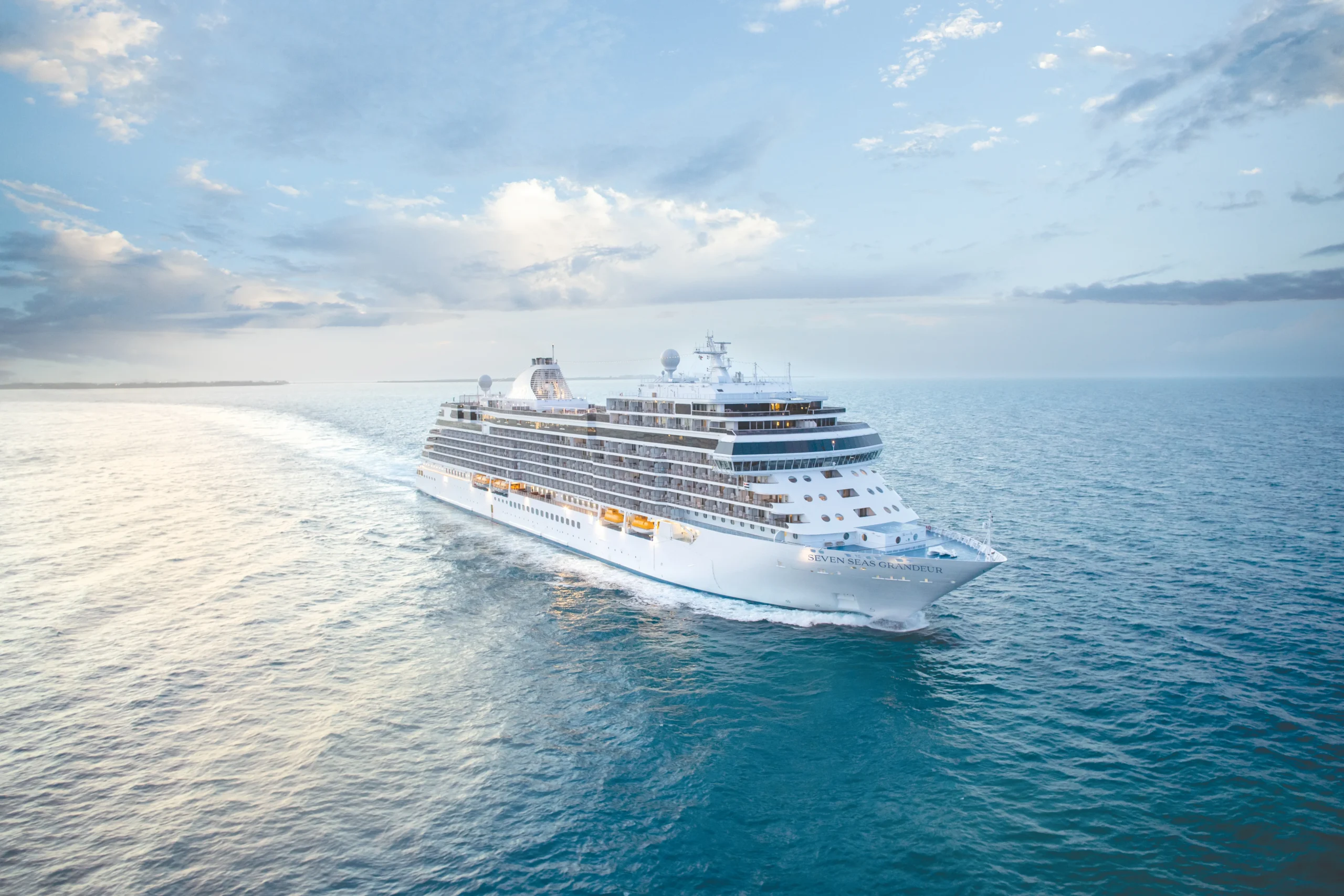
Cruising in 2026 is more exciting, advanced, and traveler-friendly than ever before. Modern cruise ships are floating cities with world-class dining, entertainment, wellness spaces, and carefully curated shore experiences. However, for first-time cruisers, the experience can feel overwhelming without the right preparation.
Understanding how cruises actually work, what costs to expect, and how to make the most of your time onboard can completely change your journey. These essential tips are designed specifically for first-time cruisers who want a smooth, stress-free, and memorable experience in 2026.
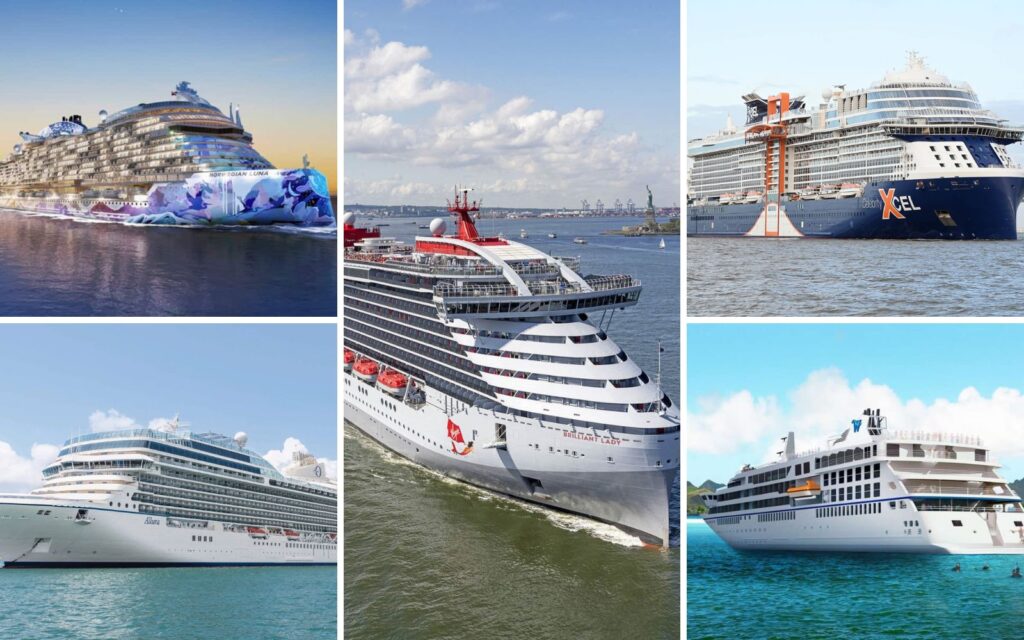
Choose the Right Cruise Line for Your Travel Style
Not all cruises are the same, and picking the right cruise line is one of the most important decisions you’ll make. Some cruise lines focus on families with kids’ clubs and water parks, while others cater to couples, luxury travelers, or adventure seekers. There are also cruise lines known for party atmospheres, cultural immersion, or ultra-luxury experiences.
Before booking, research what type of onboard vibe, dining style, and passenger demographic the cruise line attracts. A cruise that matches your personality ensures you enjoy every moment instead of feeling out of place.
Understand What’s Included and What’s Not
One of the biggest surprises for first-time cruisers is realizing that not everything is included in the base fare. While accommodations, main dining, entertainment, and basic amenities are usually covered, extras can add up quickly.
Specialty restaurants, premium drinks, shore excursions, spa treatments, Wi-Fi packages, and gratuities may cost extra depending on the cruise line. Reviewing the fine print before booking helps you plan your budget realistically and avoid unexpected expenses onboard.
Pick the Right Cabin to Maximize Comfort
Your cabin choice plays a huge role in your overall cruise experience. Inside cabins are budget-friendly but lack natural light, while ocean-view and balcony cabins provide scenic views and fresh air. Suites offer extra space, priority services, and exclusive perks.
First-time cruisers often underestimate how much time they’ll spend in their cabin, especially on sea days. Choosing the right location on the ship also matters, as mid-ship cabins on lower decks tend to experience less motion.
Plan Shore Excursions Strategically
Cruise ports are often the highlight of the journey, but poor planning can turn them into rushed or overpriced experiences. Cruise-line excursions are convenient and reliable, but they can be more expensive. Independent tours often offer better value and smaller group experiences.
Research ports in advance and prioritize destinations where excursions are essential versus those you can explore independently. Always account for ship departure times to avoid missing the ship, as cruise schedules are strict.
Arrive Early and Plan Embarkation Smartly
Embarkation day sets the tone for your cruise, and arriving unprepared can cause unnecessary stress. Flying in on the same day as departure is risky, especially for international cruises. Arriving at the port city at least a day early adds peace of mind.
Online check-in, selecting arrival times, and preparing required documents in advance speeds up the boarding process. Once onboard, explore the ship while most passengers are still embarking to enjoy quieter spaces and better dining availability.
Pack Smart for Sea Days and Port Days
Cruise packing is different from regular travel packing. You’ll need outfits for casual daytime activities, evening dining, themed nights, shore excursions, and possibly formal events. Comfortable shoes are essential, as ships are large and ports often involve walking.
Don’t forget essentials like motion sickness remedies, reusable water bottles, swimwear, and a small day bag for excursions. Packing thoughtfully prevents last-minute onboard purchases at premium prices.
Take Advantage of Onboard Activities Without Overbooking
Cruise ships offer endless activities, from live shows and fitness classes to workshops and entertainment events. It’s tempting to book everything at once, but overscheduling can lead to burnout.
Review the daily schedule and prioritize experiences you truly care about. Balance busy days with downtime at the pool, spa, or quiet lounges. Cruises are designed for relaxation as much as exploration.
Use Cruise Apps and Technology to Your Advantage
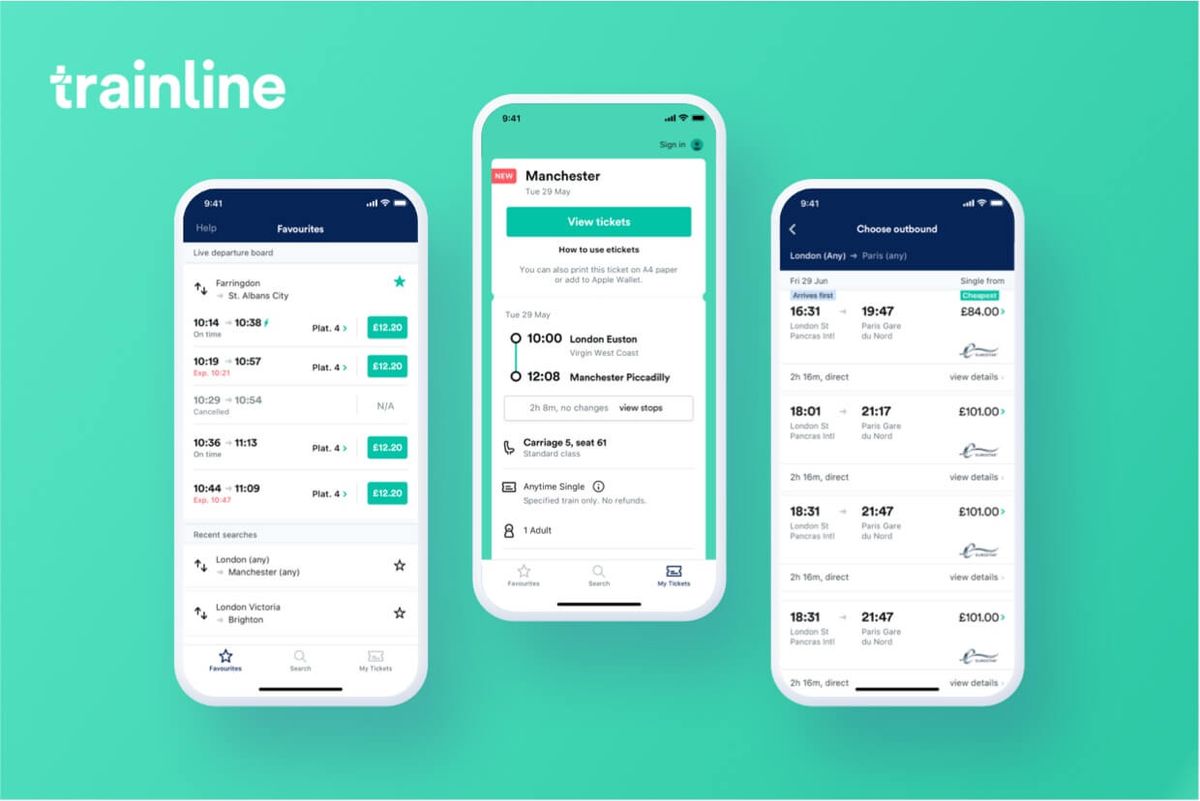
In 2026, cruise technology has become more advanced than ever. Most cruise lines offer mobile apps that allow you to book dining, reserve shows, check daily schedules, message fellow travelers, and track onboard spending.
Downloading and setting up the app before departure saves time and helps you manage your itinerary efficiently. Staying informed through the app ensures you don’t miss important updates or exclusive onboard opportunities.
Be Mindful of Internet and Connectivity Costs
Internet access at sea is improving, but it’s still more expensive than on land. Decide in advance whether you truly need Wi-Fi or can disconnect during your cruise. Some travelers prefer limited access to stay present and enjoy the experience fully.
If connectivity is necessary, compare Wi-Fi packages carefully and avoid paying for high-speed plans you may not need.
Embrace the Cruise Lifestyle
Cruising is a unique way of traveling that blends relaxation, entertainment, and exploration. First-time cruisers often enjoy their experience more when they let go of rigid expectations and embrace the rhythm of life at sea.
Take time to meet fellow travelers, try new cuisines, attend shows you wouldn’t normally choose, and enjoy the journey as much as the destinations.
Conclusion
A first cruise in 2026 can be one of the most rewarding travel experiences when approached with the right mindset and preparation. By choosing the right cruise line, understanding costs, planning smartly, and embracing onboard life, first-time cruisers can avoid common mistakes and maximize every moment at sea. With these essential tips, your first sailing can turn into the beginning of a lifelong love for cruising.