Author: Robert Taylor

  • How to Choose the Perfect Hotel: Location, Amenities & Hidden Fees Explained

    How to Choose the Perfect Hotel: Location, Amenities & Hidden Fees Explained

    Choosing the right hotel can make or break your travel experience. A perfect hotel balances convenience, comfort, and value while ensuring you get the amenities you need without unpleasant surprises. From location and room features to hidden fees and extra services, understanding what to consider before booking can save time, money, and frustration. Here’s a comprehensive guide to help travelers select the ideal hotel for any trip.

    Consider the Location Carefully

    Location is one of the most important factors when choosing a hotel. Ideally, the hotel should be close to the main attractions, public transportation, and dining options. Travelers should also consider safety, noise levels, and walkability. Staying near a metro or bus station can save money on transportation, while proximity to restaurants and shops ensures convenience. Researching the neighborhood through maps and reviews helps ensure you choose a hotel in an area that aligns with your travel goals.

    Evaluate Amenities and Services

    Amenities can greatly enhance your stay. Consider whether you need a pool, gym, spa, free breakfast, or business facilities. For families, kid-friendly amenities such as play areas and babysitting services may be crucial. Travelers on a budget may prioritize free Wi-Fi, complimentary parking, or breakfast included in the room rate. Luxury travelers might look for concierge service, in-room spa treatments, or private balconies. Understanding which amenities are essential for your comfort can guide your hotel selection.

    Check Room Types and Comfort

    Room type and comfort are critical for a pleasant stay. Evaluate bed sizes, room layouts, views, and in-room facilities like air conditioning, mini-fridges, or coffee makers. Some hotels offer suites or rooms with kitchenettes, which are ideal for longer stays or families. Reading reviews about room cleanliness, noise levels, and comfort ensures your expectations match reality. A well-chosen room enhances rest and relaxation throughout your trip.

    Understand Pricing and Hidden Fees

    While the room rate is important, hidden fees can turn a budget-friendly stay into an expensive one. Check for resort fees, parking charges, taxes, Wi-Fi costs, and extra guest fees. Some hotels advertise low nightly rates but add mandatory charges that increase the final bill. Always read the fine print before booking and consider total cost rather than just the advertised rate. Transparency in fees ensures no surprises at check-out.

    Read Reviews and Ratings

    Online reviews provide valuable insight into a hotel’s quality and service. Focus on recent reviews to assess cleanliness, staff behavior, and overall experience. Pay attention to comments about location convenience, noise, and amenities. Comparing reviews across platforms like TripAdvisor, Booking.com, and Google can provide a more accurate picture. Reviews help you identify potential issues before arrival and set realistic expectations.

    Consider Booking Policies

    Flexible booking policies are increasingly important, especially in uncertain times. Look for hotels that offer free cancellations, refundable deposits, or date-change options. This flexibility allows you to adjust travel plans without losing money. Additionally, understand check-in and check-out times, pet policies, and extra charges for early arrivals or late departures. Knowing policies in advance ensures a smooth stay.

    Look for Special Deals and Packages

    Many hotels offer packages that include meals, excursions, spa treatments, or transport. These deals can save money and enhance your travel experience. Loyalty programs, seasonal discounts, and early booking offers may also provide added value. Comparing packages and promotions helps you choose a hotel that maximizes both convenience and cost-effectiveness.

    Conclusion

    Selecting the perfect hotel requires balancing location, amenities, room comfort, and pricing transparency. Understanding hidden fees, reading reviews, and checking policies can prevent unpleasant surprises and ensure a memorable stay. By considering what truly matters for your trip—whether convenience, luxury, or budget—you can choose a hotel that complements your travel goals. Thoughtful hotel selection enhances your overall travel experience, allowing you to relax, explore, and enjoy your journey without compromise.


  • Ultimate Guide to Planning Your First Cruise Vacation

    Ultimate Guide to Planning Your First Cruise Vacation

    A cruise vacation is one of the most relaxing and enjoyable ways to explore multiple destinations in a single trip. For first-time travelers, planning a cruise may feel overwhelming, but with the right information, the process becomes smooth and exciting. From choosing the right cruise line to understanding onboard activities, budgeting, and packing essentials, this guide covers everything you need to know before you sail away on your first cruise adventure.

    Choose the Right Cruise Line for Your Travel Style

    Not all cruise lines are the same. Some focus on family entertainment, while others offer luxury, adventure, or budget-friendly experiences. Popular options include Royal Caribbean for families and thrill-seekers, Carnival for budget travelers, Norwegian for flexible dining, and Celebrity Cruises for premium comfort. Researching their routes, entertainment, cabin options, and onboard atmosphere helps you pick the one that matches your travel style and budget.

    Pick the Best Itinerary and Duration

    Cruise itineraries vary widely—from short three-day escapes to long two-week voyages. First-time cruisers often start with a shorter itinerary to experience cruising without committing to a long trip. Caribbean, Mediterranean, Alaska, and Asian routes are among the most popular for beginners. Consider the travel time, ports of call, weather, and activities offered at each destination before booking. Choosing an itinerary that includes both sea days and port days gives you the best balance between relaxation and exploration.

    Understand Cabin Types Before Booking

    The type of cabin you choose significantly impacts your cruise experience. Interior cabins are budget-friendly, while ocean-view and balcony cabins offer scenic views and fresh air. Suites provide extra space and added amenities. If you are prone to seasickness, choosing a cabin located mid-ship on a lower deck can help reduce motion. Checking cabin location on the deck map before booking ensures you avoid noisy areas near elevators, entertainment zones, or engine rooms.

    Learn What’s Included and What Costs Extra

    Cruises are often advertised as all-inclusive, but not everything is covered in the base fare. Most cruise lines include accommodation, meals at main dining venues, entertainment shows, pools, and basic activities. Extras such as specialty dining, spa treatments, internet packages, shore excursions, alcoholic beverages, and certain onboard classes usually come with an additional cost. Understanding this helps you set a realistic budget and avoid surprises during your trip.

    Plan Shore Excursions Wisely

    Shore excursions enhance your cruise experience by allowing you to explore different destinations. Cruise lines offer guided tours, but you can also book with trusted local operators or explore independently. Popular excursions include snorkeling trips, city tours, hiking adventures, and cultural experiences. Make sure to book early if your cruise stops at popular destinations, as many excursions fill up quickly. Checking reviews and comparing prices ensures you choose the best value for your itinerary.

    Pack Smart for Life at Sea

    Packing for a cruise requires planning because you’ll experience different activities and environments. Comfortable clothing, swimwear, evening outfits, water shoes, sunscreen, motion-sickness medication, and a small day bag are essential. Some cruises have themed nights or formal evenings, so check the dress code beforehand. Carry important items like documents, medications, and valuables in your hand luggage; your checked bags may take a few hours to reach your cabin after boarding.

    Know Onboard Tips and Cruise Etiquette

    Understanding how things work onboard makes your trip smoother. Most cruises operate with daily schedules, so keep an eye on the app or newsletter to avoid missing activities. Arrive early for popular shows, explore dining options, and make reservations if needed. Tipping is common on cruises, and many lines automatically add gratuities to your bill. It’s also important to follow ship safety guidelines, respect shared spaces, and be punctual when returning from shore excursions to avoid missing the ship.

    Conclusion

    Planning your first cruise vacation becomes simple when you understand the essentials: choosing the right cruise line, picking the best itinerary, selecting the ideal cabin, budgeting for extras, and preparing for onboard life. A well-planned cruise offers a perfect mix of relaxation, adventure, and luxury, all in one floating destination. With this guide, you can confidently embark on your first cruise and create unforgettable memories as you explore the world by sea.

  • Ultimate 2-Week Europe Itinerary: How to See 6 Countries the Smart Way

    Ultimate 2-Week Europe Itinerary: How to See 6 Countries the Smart Way

    Europe is one of the best regions in the world for multi-country travel. Excellent transport connections, compact distances, and cultural diversity make it possible to experience several countries in a single trip without exhaustion. The key is planning smartly instead of trying to see everything at once.

    This ultimate 2-week Europe itinerary is designed to help you explore 6 iconic countries while maintaining a relaxed pace, minimizing travel stress, and maximizing experiences. It’s ideal for first-time visitors who want variety without burnout.

    Why This 2-Week Europe Itinerary Works

    This itinerary focuses on geographically logical routes and high-speed connections to reduce long travel days. Each destination offers a distinct culture, cuisine, and atmosphere, ensuring every stop feels different.

    Instead of hopping cities daily, this plan allows enough time in each place to explore highlights, enjoy local food, and absorb the vibe of each country.

    Days 1–3: Paris, France

    Start your journey in Paris, one of Europe’s most iconic cities. Spend your first day adjusting to the time zone with relaxed walks along the Seine, visiting neighborhoods like Le Marais, and enjoying French cuisine at a local café.

    On the second day, visit major landmarks such as the Eiffel Tower, Louvre Museum, and Notre-Dame area. Balance sightseeing with leisure by spending time in gardens or enjoying long meals.

    Use the third day to explore Montmartre, local markets, or take a short river cruise. Paris sets the perfect tone for your European adventure with culture, romance, and history.

    Days 4–5: Amsterdam, Netherlands

    Travel from Paris to Amsterdam by high-speed train, which takes just a few hours. Amsterdam offers a more relaxed and creative atmosphere compared to Paris.

    Spend your time exploring canals, cycling through neighborhoods, and visiting museums like the Anne Frank House or Rijksmuseum. Walk through Jordaan, enjoy local cafes, and experience the city’s unique blend of history and modern lifestyle.

    Amsterdam’s compact size makes it easy to explore without rushing, making it an excellent second stop.

    Days 6–7: Rome, Italy

    Fly or take an overnight train to Rome to experience Southern Europe’s warmth and energy. Rome is a living museum, offering ancient ruins, lively streets, and unforgettable food.

    Spend one day exploring the Colosseum, Roman Forum, and historic squares. Use the second day for Vatican City, Trastevere, and quieter neighborhoods where you can enjoy authentic Roman cuisine.

    Rome’s slower dining culture encourages you to pause, relax, and fully enjoy the moment.

    Days 8–9: Florence, Italy

    Travel by high-speed train from Rome to Florence, which takes about 1.5 hours. Florence offers a refined and artistic atmosphere compared to Rome’s grandeur.

    Explore the Duomo, Uffizi Gallery, and Ponte Vecchio. Spend time walking through local streets, enjoying Tuscan food, and soaking in views from scenic viewpoints.

    Florence’s compact layout allows you to experience its highlights comfortably while still enjoying downtime.

    Days 10–11: Barcelona, Spain

    Fly from Italy to Barcelona for a complete shift in energy. Barcelona blends beach life, architecture, and vibrant street culture.

    Spend your time exploring landmarks like Sagrada Familia, strolling through the Gothic Quarter, and relaxing near the waterfront. Evenings are perfect for tapas, live music, and people-watching.

    Barcelona offers a refreshing balance between sightseeing and relaxation.

    Days 12–14: Zurich and Lucerne, Switzerland

    End your trip in Switzerland for breathtaking scenery and a calm, scenic finale. Fly into Zurich and use it as a base to explore Lucerne and nearby alpine regions.

    Enjoy lake views, mountain excursions, and scenic train rides. Switzerland’s natural beauty provides a peaceful contrast to busy cities, allowing you to unwind before heading home.

    This final stop helps you end your journey feeling refreshed rather than exhausted.

    Getting Around Europe Efficiently

    Europe’s transport network makes multi-country travel easy. High-speed trains work best for nearby cities, while short flights save time for longer distances.

    Booking trains and flights in advance helps secure better prices and seat availability. Traveling with carry-on luggage makes transitions smoother and faster.

    Accommodation Strategy for This Itinerary

    Choose centrally located hotels or apartments near major train stations or city centers. Staying close to transport hubs reduces daily commuting time and makes early departures easier.

    Consider mixing hotels with short-stay apartments to balance comfort and budget.

    How to Avoid Burnout While Visiting Multiple Countries

    Limit major attractions to one or two per day. Leave space for unplanned exploration, long meals, and rest. Europe is best experienced slowly, even when visiting multiple countries.

    Plan travel days as lighter days and avoid scheduling major activities immediately after long journeys.

    Best Time to Follow This Europe Itinerary

    Spring and early autumn are ideal for this itinerary due to mild weather and fewer crowds. Summer offers longer days but higher prices and busier attractions.

    Traveling during shoulder seasons allows you to enjoy popular destinations comfortably and affordably.

    Conclusion

    This ultimate 2-week Europe itinerary proves that seeing multiple countries doesn’t have to be exhausting. By choosing smart routes, balancing sightseeing with downtime, and focusing on quality experiences, you can explore six diverse countries while still enjoying every moment. With thoughtful planning, Europe becomes not just a checklist of destinations, but a deeply rewarding journey filled with culture, beauty, and unforgettable memories.

  • All-Inclusive Deals That Sell Out Fast: How to Book at the Best Price

    All-Inclusive Deals That Sell Out Fast: How to Book at the Best Price

    All-inclusive travel deals are some of the fastest-selling offers in the travel industry. When prices are right and inclusions are strong, these packages disappear quickly, often weeks or even months before the travel date. For travelers who miss the booking window, the same resort can suddenly cost significantly more or sell out entirely.

    Understanding why all-inclusive deals sell out so fast and knowing how to book them at the best possible price can make a huge difference to your travel budget. This guide breaks down how these deals work, when to book, and the smartest strategies to secure the best value before prices rise.

    Why All-Inclusive Deals Sell Out So Quickly

    All-inclusive resorts operate with limited inventory. They have a fixed number of rooms and set allocations for discounted packages. Once those rooms are sold, prices increase or availability disappears.

    Travelers are also increasingly drawn to all-inclusive holidays because they offer predictable costs, convenience, and strong value. As demand grows, especially during popular travel periods, the best deals are often snapped up first.

    What Makes an All-Inclusive Deal Truly Exceptional

    Not every discounted package is a great deal. The best all-inclusive offers combine high-quality accommodation, strong dining options, premium drinks, activities, and minimal hidden costs.

    Deals that include airport transfers, multiple restaurants, and flexible cancellation policies tend to sell out fastest because they remove uncertainty and add extra value.

    The Best Time to Book All-Inclusive Deals

    Timing is everything when it comes to all-inclusive travel. Booking too late often means higher prices or limited options, while booking too early without research can lead to missed savings.

    In most cases, the best prices appear during early booking windows or limited-time promotions. These deals are designed to fill rooms in advance and reward travelers who plan ahead.

    Why Flexibility Saves You Money

    Travelers who are flexible with dates, destinations, or room categories consistently find better all-inclusive deals. Even shifting travel by a few days can unlock significantly lower prices.

    Flexibility also helps when demand spikes unexpectedly. Being open to alternative resorts or nearby destinations increases your chances of securing a strong deal.

    How Travel Seasons Affect Availability

    Peak travel seasons are when all-inclusive deals sell out the fastest. School holidays, festive periods, and summer months see the highest demand.

    Shoulder seasons often offer the same resort experience at much lower prices. Booking during these periods gives travelers access to premium resorts before demand pushes prices higher.

    Why Popular Resorts Disappear First

    Well-reviewed resorts with strong reputations sell out quicker than lesser-known properties. Travelers trust proven quality, especially for all-inclusive stays where the experience depends heavily on resort standards.

    Once a resort gains popularity for offering luxury at a reasonable price, its discounted inventory disappears rapidly.

    Booking Platforms Matter More Than You Think

    Where you book can directly affect the price you pay. Some platforms receive exclusive allocations or promotional pricing that is not available elsewhere.

    Comparing multiple trusted booking platforms increases the chance of finding early-access deals or limited-time discounts before they sell out.

    Understanding Package Inclusions Before Booking

    Many travelers lose good deals by hesitating due to uncertainty. Understanding what’s included helps you make faster decisions when a deal appears.

    Knowing whether drinks, specialty dining, activities, transfers, and entertainment are included allows you to assess value quickly and book confidently before prices change.

    Why Waiting for Last-Minute Deals Is Risky

    While last-minute deals do exist, they are far less reliable for all-inclusive travel. Resorts prefer to sell rooms early rather than gamble on last-minute availability.

    Waiting too long often results in higher prices or limited room categories, especially for popular destinations and high-quality resorts.

    How to Track Deals Without Overthinking

    Successful deal hunters keep things simple. Instead of constantly checking prices, they monitor a few reliable platforms and sign up for alerts.

    This approach helps travelers act quickly when a strong deal appears, rather than missing out due to delayed decisions.

    Avoiding Common Booking Mistakes

    Many travelers miss great all-inclusive deals by focusing only on the headline price. Ignoring inclusions, resort quality, and cancellation policies can lead to regret later.

    Another common mistake is booking based purely on discounts without checking guest reviews, which can result in a poor overall experience.

    Why Cancellation Policies Matter

    Flexible cancellation policies allow travelers to book early deals without fear. If prices drop later or plans change, flexible bookings provide peace of mind.

    Resorts offering risk-free cancellation often see faster bookings because travelers feel more confident securing deals early.

    How Group and Family Bookings Affect Availability

    Family-friendly and group-friendly resorts tend to sell out faster due to limited room configurations. Large suites and connecting rooms are especially scarce.

    Families booking early have a major advantage when it comes to price and availability.

    When to Book for Maximum Savings

    For most destinations, booking several months in advance offers the best balance between price and availability. This window allows access to early deals without the pressure of last-minute scarcity.

    Travelers planning peak-season trips should book even earlier to avoid inflated pricing.

    Conclusion

    All-inclusive deals sell out fast because they offer what modern travelers value most: convenience, transparency, and strong value for money. The best deals are often limited, and hesitation usually leads to higher prices or missed opportunities.

    By understanding booking timing, staying flexible, and acting quickly when value appears, travelers can secure all-inclusive holidays at the best possible price. With the right strategy, booking early isn’t just smarter, it’s the key to stress-free travel and significant savings.

  • Perfect Weekend Getaways Near You: The Ultimate Guide for a Refreshing Short Break

    Perfect Weekend Getaways Near You: The Ultimate Guide for a Refreshing Short Break

    Weekend getaways are one of the best ways to escape your routine, recharge your mind, and enjoy a quick vacation without investing too much time or money. Whether you’re someone who loves beaches, mountains, historical places, wildlife, or peaceful countryside escapes, short trips offer the perfect balance of adventure and relaxation. This detailed guide highlights the best types of weekend getaways, travel tips, ideal locations, and how to plan the perfect 2–3 day trip anywhere in the world.

    Why Weekend Getaways Matter

    In today’s fast-paced life, long vacations often feel difficult to plan. That’s where weekend trips come in — short, refreshing, and easy to organize. A quick getaway helps:

    • Reduce stress and mental fatigue
    • Boost creativity and productivity
    • Strengthen relationships
    • Add excitement to everyday routine
    • Reconnect with nature and new experiences

    A well-planned weekend trip can feel just as fulfilling as a long vacation when done right.

    Beach Escapes for a Relaxing Break

    Beaches are one of the most popular options for weekend getaways. They offer relaxation, scenic views, and activities for all types of travelers.

    Why Choose a Beach Getaway

    • Calm, soothing atmosphere
    • Water sports and beachside activities
    • Affordable stays during non-peak season
    • Beautiful sunrises and sunsets
    • Perfect for couples, families, and solo travelers

    What to Do on a Beach Weekend

    • Swimming, snorkeling, and jet skiing
    • Enjoy café hopping and beachside restaurants
    • Take long beach walks
    • Try a sunset cruise
    • Explore nearby islands if available

    Beach destinations are ideal if you want a peaceful yet refreshing 2–3 day break.

    Hill Stations and Mountain Retreats

    If you’re someone who enjoys cool weather, scenic views, and nature trails, hill stations are the perfect weekend escape.

    Why Choose a Mountain Getaway

    • Clean, fresh air
    • Stunning viewpoints and landscapes
    • Cozy resorts and homestays
    • Ideal for trekking and photography

    Activities in the Hills

    • Short treks and nature walks
    • Bonfire nights
    • Visit waterfalls or hidden viewpoints
    • Explore local markets and cafés
    • Try mountain adventure sports (depending on the location)

    A mountain weekend offers a refreshing break from city pollution and noise.

    Heritage Cities and Cultural Destinations

    For travelers who love history, architecture, and culture, heritage cities make excellent weekend trips.

    Why Choose a Culture-Focused Getaway

    • Explore historic monuments
    • Visit museums and traditional markets
    • Enjoy local cuisines
    • Learn about ancient stories and traditions

    What to Expect

    • Old forts and palaces
    • Temples, cathedrals, or mosques
    • Local festivals and street food
    • Artistic experiences and performances

    This type of trip is perfect for families, couples, and photography lovers.

    Countryside and Nature Retreats

    If your goal is to disconnect from technology and enjoy peace, countryside getaways are ideal.

    Why Choose a Countryside Trip

    • Quiet, peaceful environment
    • Organic food and farm experiences
    • Green landscapes and open skies
    • Slow-paced lifestyle

    Activities in Countryside Trips

    • Village walks
    • Cycling around farms
    • Stargazing
    • Fishing or boating (location dependent)
    • Reading, relaxing, and digital detox

    These trips are perfect for anyone looking to escape stress and rejuvenate mentally.

    Wildlife and National Park Getaways

    Adventure seekers and nature lovers often enjoy wildlife-focused weekend trips.

    Why Choose a Wildlife Getaway

    • Opportunity to see rare animals
    • Safari experiences
    • Forest stays and eco-lodges
    • Beautiful trails and rivers

    Activities to Enjoy

    • Jeep or boat safari
    • Birdwatching
    • Nature photography
    • Forest walks with guides

    These short trips are thrilling and ideal for families, photographers, and adventure enthusiasts.

    Adventure and Outdoor Activity Getaways

    For travelers who love adrenaline-filled activities, an adventure weekend is the perfect choice.

    Popular Adventure Activities

    • Trekking and hiking
    • Camping under the stars
    • River rafting and kayaking
    • Ziplining or bungee jumping
    • Rock climbing or mountain biking

    Such getaways refresh the mind and offer memorable experiences.

    City Escapes for Food, Shopping, and Nightlife

    Sometimes, exploring a new city for two days offers enough excitement and relaxation.

    Why Choose a City Getaway

    • Unlimited cafés and restaurants
    • Popular shopping districts
    • Museums, theaters, and concerts
    • Nightlife and entertainment

    What to Do

    • Food tours
    • Explore old town areas
    • Visit top landmarks
    • Try rooftop restaurants
    • Attend local cultural events

    This is perfect for couples, friends, and solo travelers looking for a fun weekend.

    How to Choose the Perfect Weekend Getaway

    Choosing the right destination depends on your mood, budget, and travel goals. Consider:

    • Distance (2–5 hours travel time is ideal)
    • Weather conditions
    • Type of experience you want — beach, mountain, culture, adventure, etc.
    • Budget for accommodation and activities
    • Transport availability

    Make sure the trip fits within the 2–3 day time frame.

    Essential Tips for Planning a Weekend Trip

    To make your weekend getaway smooth and enjoyable, keep these tips in mind:

    • Pack light to avoid travel stress
    • Pre-book your stay to avoid last-minute price hikes
    • Start early in the morning to maximize your weekend
    • Research 3–4 must-do activities in advance
    • Use offline maps when visiting remote areas
    • Carry necessary medication, chargers, and travel documents

    Small planning steps make a huge difference in short trips.

    Why Weekend Getaways Are Perfect for 2025 Travelers

    As remote work grows and people seek meaningful travel experiences, weekend getaways have become more popular than ever. In 2025, travelers prefer short, flexible, and budget-friendly trips to break routine and maintain work-life balance.

    Weekend getaways are:

    • Affordable
    • Easy to plan
    • Great for mental health
    • Perfect for bonding with friends or partners
    • Suitable for spontaneous travelers

    This trend will only continue to grow as people prioritize experiences over long commitments.

    Conclusion

    The perfect weekend getaway depends on what you enjoy — whether it’s quiet beaches, mountain retreats, cultural cities, wildlife adventures, or countryside escapes. With smart planning and the right destination, a 2–3 day trip can give you the refresh, inspiration, and happiness you need. In a busy lifestyle, weekend getaways are the ideal way to explore, relax, and create meaningful travel memories.

  • US West Coast Road Trip Itinerary: San Francisco to Los Angeles in 10 Days

    US West Coast Road Trip Itinerary: San Francisco to Los Angeles in 10 Days

    The US West Coast is a dream destination for road trip enthusiasts, offering breathtaking coastal drives, iconic cities, and natural wonders. A 10-day itinerary from San Francisco to Los Angeles allows travelers to explore urban landmarks, scenic routes, and hidden gems along the Pacific Coast. From Golden Gate views to Malibu beaches, this guide helps you plan an efficient, memorable road trip.

    Day 1: Arrival in San Francisco

    Arrive in San Francisco and settle into a hotel in neighborhoods like Union Square or Fisherman’s Wharf. Spend the evening exploring Pier 39, enjoying local seafood, and walking along the waterfront. A brief visit to the Embarcadero or Ghirardelli Square sets the tone for your West Coast adventure.

    Day 2: San Francisco Landmarks

    Explore iconic landmarks such as the Golden Gate Bridge, Alcatraz Island, and Lombard Street. Visit neighborhoods like Chinatown and North Beach to experience the city’s culture and cuisine. Evening options include a cable car ride or dining at a rooftop restaurant with city views.

    Day 3: Muir Woods and Sausalito

    Take a short drive to Muir Woods National Monument to walk among towering redwoods. Continue to Sausalito, a charming waterfront town, for lunch and boutique shopping. Return to San Francisco in the evening or start heading south toward Monterey for the next leg of your trip.

    Day 4: Monterey and Carmel-by-the-Sea

    Explore Monterey’s famous Cannery Row and the Monterey Bay Aquarium. Drive along 17-Mile Drive to Carmel-by-the-Sea, enjoying scenic coastal views. Relax at Carmel Beach and dine at local seafood restaurants. Overnight in Monterey or Carmel provides a coastal retreat before continuing your journey.

    Day 5: Big Sur Adventure

    Drive through Big Sur, one of the most picturesque stretches of the Pacific Coast Highway. Stop at Bixby Creek Bridge, McWay Falls, and Pfeiffer Beach for photos and short hikes. Overnight in the Big Sur area or nearby towns allows you to enjoy the sunset along the rugged coastline.

    Day 6: San Simeon and Santa Barbara

    Visit Hearst Castle in San Simeon for a glimpse into American history and architecture. Continue along the coast to Santa Barbara, known as the “American Riviera.” Enjoy a beachfront stroll, wine tasting at local vineyards, and dinner in the historic downtown area.

    Day 7: Los Angeles Arrival and Evening Fun

    Arrive in Los Angeles and check into a hotel in areas such as Hollywood, Santa Monica, or Downtown LA. Spend your evening exploring Venice Beach or enjoying nightlife in Santa Monica. A sunset walk along the pier offers a perfect start to your time in LA.

    Day 8: Los Angeles Sightseeing

    Visit iconic landmarks like the Hollywood Walk of Fame, Griffith Observatory, and TCL Chinese Theatre. Explore Beverly Hills and Rodeo Drive for luxury shopping and celebrity spotting. Evening options include attending a live show or enjoying dinner in West Hollywood.

    Day 9: Malibu and Santa Monica

    Take a scenic drive along the Pacific Coast Highway to Malibu. Relax on Malibu beaches, explore coastal hiking trails, and enjoy fresh seafood. Return to Santa Monica for shopping and a sunset visit to the Santa Monica Pier. This day balances nature, relaxation, and urban experiences.

    Day 10: Departure or Final Exploration

    Spend your final day visiting any remaining attractions in Los Angeles, such as The Getty Center or Venice Canals. Wrap up with a farewell meal and souvenir shopping before heading to the airport. This day ensures a smooth conclusion to a scenic and adventure-filled road trip.

    Tips for a Smooth West Coast Road Trip

    • Rent a comfortable vehicle: Opt for a car suitable for long drives and coastal roads.
    • Plan for traffic: Cities like Los Angeles and San Francisco can have heavy traffic; allow extra time.
    • Book accommodations in advance: Popular areas fill quickly, especially during peak season.
    • Carry essentials: Snacks, water, and navigation tools are essential for coastal drives.
    • Take breaks and enjoy stops: The West Coast has numerous scenic viewpoints worth exploring.

    Conclusion

    A 10-day West Coast road trip from San Francisco to Los Angeles combines coastal beauty, urban attractions, and cultural experiences. From iconic landmarks and scenic drives to charming towns and hidden gems, this itinerary ensures travelers experience the best of California efficiently. Following this guide guarantees an unforgettable journey along one of the most stunning stretches of the American coastline.

  • Best All-Inclusive Vacation Packages for 2025 You Can Actually Afford

    Best All-Inclusive Vacation Packages for 2025 You Can Actually Afford

    All-inclusive vacations are becoming one of the most popular travel choices for 2025. With rising flight prices and unpredictable travel expenses, travelers want simplicity: one price, everything included, no surprise costs. From beachfront resorts to adventure-packed stays, all-inclusive packages make it easier to enjoy a stress-free holiday while keeping the budget in check. If you’re planning a getaway this year, these affordable, highly rated all-inclusive options offer the perfect mix of luxury and value without burning a hole in your pocket.

    Why All-Inclusive Packages Are Worth It in 2025

    Travelers love all-inclusive deals because they provide cost transparency. Your room, food, drinks, activities, airport transfers, and entertainment are all covered. This helps you stay within budget, especially for families, couples, and group trips. With rising global prices, choosing an all-inclusive package can save hundreds of dollars compared to managing everything separately.

    Affordable Beach Resorts That Feel Luxurious

    Beach lovers can find excellent all-inclusive deals in destinations like Mexico, the Dominican Republic, and Jamaica. Resorts in Cancun and Punta Cana offer oceanfront rooms, unlimited dining, and pools at prices far lower than other coastal destinations. Many resorts now include premium amenities like rooftop bars, evening shows, and water activities without extra charges. These destinations also have competitive pricing year-round, making them perfect for budget-conscious travelers.

    Hidden Gem All-Inclusive Spots That Cost Less

    Some of the most affordable all-inclusive packages are found in lesser-known places. Resorts in Turkey, Egypt, and Albania offer amazing value without compromising on comfort. These destinations have stunning beaches and warm sunny weather but cost significantly less than western European hotspots. Travelers can enjoy spacious rooms, multiple restaurants, private beaches, and spa services at prices that feel like a steal.

    All-Inclusive Packages Ideal for Families

    Families often struggle with unpredictable travel costs, especially when it comes to meals and activities. That’s where family-oriented all-inclusive resorts shine. Many properties offer kids’ clubs, water parks, babysitting services, and entertainment included in the package price. Places like the Riviera Maya, Costa Rica, and Tenerife are especially popular for affordable family all-inclusive vacations, giving parents peace of mind while keeping children entertained all day.

    Affordable Packages for Couples Seeking Romance

    Couples looking for a romantic escape can find incredible all-inclusive deals tailored to adults. Resorts in Bali, Mauritius, and Saint Lucia offer candlelight dinners, private pools, couple massages, and beach cabanas within the package. Off-season deals make these destinations even more budget-friendly, allowing couples to enjoy luxury without overspending. Adults-only packages are becoming increasingly popular in 2025 because they offer privacy and a more peaceful atmosphere.

    Tips to Find the Best All-Inclusive Deals in 2025

    Finding the best deals requires smart planning. Booking early helps secure lower rates, especially for peak seasons. Watching flight-hotel bundle deals can also save money, as many travel sites offer discounted combinations. Travelers should compare what each resort truly includes—some packages may look cheap but charge extra for amenities. Flexible travel dates, avoiding major holidays, and choosing weekday departures can further reduce costs.

    Best Time to Book an All-Inclusive Vacation

    For maximum savings, the best time to book all-inclusive packages is during flash sales, off-season months, and airline promotion periods. Traveling between April to June or September to November can save you hundreds of dollars while still offering great weather. Early-bird deals for 2025 have already begun, making it the perfect time to lock in an affordable luxury getaway.

    Conclusion

    All-inclusive vacations are one of the best ways to enjoy a stress-free, budget-friendly holiday in 2025. Whether you’re planning a romantic escape, a family trip, or a beach retreat, there are plenty of affordable packages that offer incredible value. With meals, drinks, activities, and accommodations included, you can relax fully without worrying about unexpected expenses. If you want comfort, convenience, and affordability in one place, an all-inclusive vacation should be at the top of your travel list this year.

  • Eco-Friendly Travel: How to Explore the World Sustainably

    Eco-Friendly Travel: How to Explore the World Sustainably

    Traveling is one of life’s greatest joys, but it also comes with environmental responsibilities. Eco-friendly travel, also called sustainable travel, allows adventurers to explore the world while minimizing their impact on the environment and supporting local communities. With climate change and overtourism becoming critical issues, sustainable travel has never been more important. This guide helps travelers understand how to reduce their footprint, make conscious choices, and enjoy enriching experiences without harming the planet.

    Understanding Eco-Friendly Travel

    Eco-friendly travel focuses on minimizing environmental damage, preserving natural habitats, and supporting local cultures. It includes making mindful decisions about transportation, accommodations, dining, and activities. Sustainable travel doesn’t require sacrificing comfort—it’s about choosing options that reduce carbon emissions, promote conservation, and respect the communities you visit.

    Choose Sustainable Accommodation

    Where you stay has a significant impact on the environment. Look for eco-friendly hotels, lodges, or hostels that use renewable energy, practice water and waste management, and source food locally. Many properties are certified for sustainable practices, such as Green Key or EarthCheck. Eco-lodges often provide immersive experiences, like guided nature walks, community tours, and educational programs about local ecosystems.

    Travel Responsibly

    Transportation is a major contributor to carbon emissions. Minimize air travel when possible and choose trains, buses, or carpooling for shorter distances. When flying is necessary, offset your carbon footprint through verified programs. While exploring destinations, walk or cycle whenever feasible. Using public transport not only reduces environmental impact but also allows travelers to connect with local life in an authentic way.

    Support Local Communities

    Sustainable travel also includes supporting local economies. Choose locally-owned accommodations, restaurants, and shops over international chains. Buy handicrafts directly from artisans and participate in cultural experiences run by local communities. Responsible tipping and respectful engagement help ensure that tourism benefits the people who live in the area.

    Reduce Waste and Plastic Use

    Minimizing waste is crucial for eco-conscious travelers. Carry reusable water bottles, utensils, shopping bags, and containers. Avoid single-use plastics and disposable items commonly found in tourist hotspots. Participate in local recycling programs when available. Small changes, like using refillable bottles or bringing eco-friendly toiletries, can collectively make a significant difference.

    Practice Mindful Wildlife Tourism

    Encountering wildlife can be a highlight of travel, but it must be done responsibly. Choose wildlife experiences that prioritize animal welfare and conservation. Avoid attractions that exploit animals for entertainment, such as elephant rides or photos with sedated animals. National parks, sanctuaries, and ethical wildlife tours offer safe and respectful ways to experience nature while contributing to conservation efforts.

    Conserve Energy and Water

    Being conscious of energy and water usage helps reduce your environmental footprint. Turn off lights, unplug electronics, and take shorter showers when staying in hotels or guesthouses. Choosing eco-certified properties often means better energy efficiency and water-saving systems. Even small actions contribute to sustainability and set an example for other travelers.

    Educate Yourself and Others

    A significant part of eco-friendly travel is awareness. Learn about the local environment, culture, and conservation efforts before and during your trip. Share your experiences to inspire other travelers to adopt sustainable practices. Understanding the impact of tourism on communities and ecosystems encourages responsible decision-making and long-term positive effects.

    The Benefits of Eco-Friendly Travel

    Sustainable travel enhances your experience by connecting you to authentic local cultures and environments. You enjoy nature, heritage, and local life while ensuring future generations can do the same. Eco-friendly travel also encourages slower, more mindful exploration, leading to more meaningful experiences and lasting memories.

    Conclusion

    Exploring the world sustainably doesn’t mean compromising your adventure or comfort. Eco-friendly travel allows you to minimize your footprint, support communities, and protect natural habitats while enjoying unforgettable experiences. By making conscious choices in transportation, accommodation, dining, and activities, you can travel responsibly in 2025 and beyond. Every small action contributes to a larger impact, ensuring that the places we love to explore remain vibrant and thriving for years to come.

  • Top Train Tours for Adventure Seekers: Mountains, Rivers & Hidden Landscapes

    Top Train Tours for Adventure Seekers: Mountains, Rivers & Hidden Landscapes

    For adventure seekers, train travel is more than just transportation—it’s a gateway to some of the world’s most stunning landscapes and hidden gems. Unlike road trips or flights, trains provide a unique vantage point, allowing travelers to experience mountains, rivers, forests, and valleys in a way that feels immersive and unforgettable.

    This guide explores the best train tours for adventure enthusiasts, offering tips on planning, must-see routes, onboard experiences, and how to make the most of these thrilling journeys.

    Why Train Tours Are Perfect for Adventure Travelers

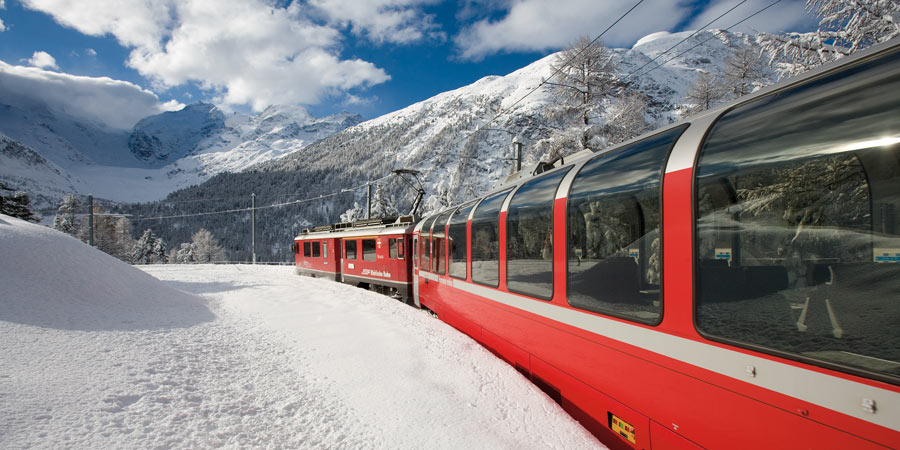
    Train travel offers an adventurous perspective without sacrificing comfort. Large panoramic windows, slow-paced routes, and access to remote areas allow passengers to enjoy nature’s grandeur up close.

    Adventure-focused train journeys often pass through regions inaccessible by car or plane, offering glimpses of untouched landscapes, wildlife, and local culture. Additionally, train travel eliminates the stress of navigation and traffic, letting travelers focus on exploration and photography.

    Glacier Express, Switzerland: Majestic Alpine Adventure

    The Glacier Express is known as one of the most scenic train routes in the world. Stretching from Zermatt to St. Moritz, it crosses 291 bridges and passes through 91 tunnels. The train winds through the Swiss Alps, offering panoramic views of snow-capped peaks, deep gorges, and charming alpine villages.

    Adventure seekers will appreciate optional activities at stops such as hiking, skiing, or exploring historic towns. The combination of dramatic scenery and outdoor excursions makes this journey ideal for thrill-seekers.

    Rocky Mountaineer, Canada: Wildlife and Mountain Exploration

    Canada’s Rocky Mountaineer offers multiple routes through the Rockies, featuring glaciers, rivers, waterfalls, and abundant wildlife. Passengers can spot bears, elk, and eagles while enjoying luxury rail cars with glass-domed ceilings.

    Adventure travelers can enhance the experience by combining the train journey with hiking, kayaking, or guided tours in Banff and Jasper National Parks. The Rocky Mountaineer is perfect for those who want to combine comfort with an adrenaline-pumping connection to nature.

    TranzAlpine, New Zealand: Southern Alps & Native Forests

    The TranzAlpine train between Christchurch and Greymouth provides some of New Zealand’s most dramatic scenery. Passengers pass through the Southern Alps, cross wide rivers, and traverse lush native forests.

    Stops along the route allow travelers to explore small towns, glaciers, and adventure activities like bungee jumping, river rafting, or cycling. The TranzAlpine is ideal for those seeking both scenic beauty and active excursions.

    Eastern & Oriental Express, Southeast Asia: Jungle and River Adventures

    Traveling from Singapore to Bangkok, the Eastern & Oriental Express offers a unique combination of cultural exploration and natural beauty. The train passes through dense jungles, rice paddies, and along winding rivers, offering glimpses of rural life in Southeast Asia.

    Adventure travelers can participate in guided jungle treks, river excursions, and local village tours. The slow pace of the journey allows travelers to soak in both the scenery and the culture.

    The Blue Train, South Africa: Desert, Vineyards & Wildlife

    South Africa’s Blue Train combines luxury with adventure. Traveling between Pretoria and Cape Town, it passes through the Kalahari Desert, vineyards, and rolling hills. Wildlife sightings and scenic landscapes make it a favorite among adventurous couples and solo travelers.

    Passengers can plan excursions like safaris, vineyard tours, or hiking trails near stops, making it a perfect blend of comfort and adrenaline-filled exploration.

    Tips for Planning Your Adventure Train Trip

    • Book Early: Popular scenic routes sell out quickly, especially for premium cabins or glass-domed observation cars.
    • Choose the Right Cabin: Observation cars or panoramic suites enhance scenic experiences.
    • Plan Stopover Activities: Research excursions, hikes, or local adventures at train stops to maximize your experience.
    • Pack Smart: Bring cameras, binoculars, layered clothing, and comfortable shoes for active excursions.
    • Travel Off-Peak: Shoulder seasons offer fewer crowds, lower prices, and still excellent scenery.

    Why Train Travel Adds Value to Adventure Trips

    Train travel allows adventurers to enjoy landscapes from a unique perspective while offering convenience and comfort. The ability to combine on-board relaxation with outdoor activities at stops creates a holistic adventure experience.

    Unlike flights, trains provide a slower pace that allows travelers to notice details in nature, interact with locals at stops, and capture unforgettable photographs.

    Conclusion

    Adventure seekers will find scenic train tours an exhilarating and immersive way to explore the world. From the Swiss Alps to Canada’s Rockies, New Zealand’s Southern Alps, and Southeast Asia’s jungles, these journeys showcase landscapes that are both breathtaking and off-the-beaten-path.

    Careful planning, choosing the right routes and cabins, and incorporating local excursions ensure a memorable adventure. Scenic train journeys are not just a way to travel—they are an experience that combines thrill, relaxation, and a deep connection with nature for travelers seeking the extraordinary.

  • All-Inclusive Travel Explained: What You Really Get and What Most Packages Don’t Tell You

    All-Inclusive Travel Explained: What You Really Get and What Most Packages Don’t Tell You

    All-inclusive travel sounds simple and tempting. One price, everything covered, no constant spending, no stress. For many travelers, it feels like the easiest way to enjoy a holiday. But what does “all-inclusive” actually include, and where do travelers often get surprised after booking?

    This guide breaks down what all-inclusive travel really offers, what is usually included, what is often excluded, and how to decide if it is the right choice for your next trip.

    What All-Inclusive Travel Really Means

    At its core, an all-inclusive package bundles accommodation, meals, drinks, and certain activities into a single price. Instead of paying separately for food, entertainment, and sometimes transportation, everything is prepaid.

    However, not all all-inclusive resorts operate the same way. The inclusions vary by destination, resort category, and even room type. Understanding this difference is essential before booking.

    What Is Usually Included in All-Inclusive Packages

    Most all-inclusive resorts cover accommodation, daily meals, snacks, and a selection of beverages. Buffet-style dining is common, while some resorts also include à la carte restaurants with reservation limits.

    Entertainment such as live shows, basic sports activities, pools, gyms, and non-motorized water sports are often included. Many resorts also offer kids’ clubs, making them popular with families.

    Airport transfers may be included in some packages, especially when booked through travel platforms or tour operators, but this is not guaranteed.

    What Is Often Not Included (And Surprises Travelers)

    Premium dining experiences, specialty restaurants, and top-shelf alcohol are frequently excluded or limited. Spa treatments, private excursions, scuba diving, and motorized water sports usually come at an extra cost.

    Room service, minibar refills beyond basic items, and late check-outs may also carry additional charges. Even tips and service fees are sometimes not included, depending on the destination.

    These hidden exclusions are where travelers often feel misled if they don’t read the fine print.

    Different Types of All-Inclusive Resorts

    Not all all-inclusive resorts target the same audience. Family-friendly resorts focus on kids’ activities, water parks, and group entertainment. Adults-only resorts prioritize privacy, relaxation, and premium dining.

    Luxury all-inclusive resorts offer fewer guests, higher-quality food, better service, and more inclusions, while budget all-inclusive resorts focus on value and volume. Knowing which category fits your travel style makes a big difference in satisfaction.

    Is All-Inclusive Travel Actually Cheaper

    All-inclusive travel can save money in destinations where food, transport, and activities are expensive. Travelers who plan to stay mostly within the resort often get excellent value.

    However, if you enjoy exploring local restaurants, booking independent tours, or moving between cities, all-inclusive packages may feel restrictive and overpriced. In such cases, flexible travel often costs less and offers more freedom.

    Best Destinations for All-Inclusive Travel

    Beach destinations tend to offer the best all-inclusive value. Coastal regions with resort-focused tourism are designed around this model, making it easy to relax without leaving the property.

    Islands and resort towns where transportation is limited or costly are also ideal for all-inclusive stays. In contrast, major cities usually offer better value through independent bookings.

    Who Should Choose All-Inclusive Travel

    All-inclusive travel works best for travelers who want minimal planning, predictable costs, and relaxation. Families, honeymooners, first-time international travelers, and those celebrating special occasions often benefit the most.

    Travelers who dislike budgeting on vacation or want to avoid decision fatigue usually find all-inclusive holidays more enjoyable.

    When All-Inclusive Travel Is Not the Best Option

    If your goal is cultural exploration, local food experiences, or visiting multiple destinations, all-inclusive travel may feel limiting. City-based trips, backpacking routes, and long-term travel are usually better suited to independent planning.

    Adventurous travelers who prefer flexibility may find all-inclusive resorts too structured.

    How to Choose the Right All-Inclusive Package

    Read inclusions carefully and compare resorts within the same destination. Look beyond price and check dining quality, resort size, guest reviews, and included activities.

    Pay attention to what level of drinks, dining, and services are included. A slightly higher upfront cost often delivers far better value overall.

    Common Mistakes Travelers Make

    Booking based only on price is the biggest mistake. Cheap all-inclusive deals often cut corners on food quality, service, and comfort.

    Another mistake is assuming everything is included without checking restrictions. Understanding limits on dining, drinks, and activities prevents disappointment.

    Conclusion

    All-inclusive travel can be an excellent choice when expectations align with reality. It offers convenience, cost control, and relaxation when chosen wisely. However, not every traveler or destination suits this style of travel.

    By understanding what is truly included, what usually costs extra, and whether it matches your travel goals, you can decide if an all-inclusive holiday will deliver real value or simply the illusion of it.