Author: Robert Taylor

  • Hotels That Feel Like Destinations Themselves: Stays Worth Traveling For

    Hotels That Feel Like Destinations Themselves: Stays Worth Traveling For

    Travel has evolved far beyond simply booking a place to sleep between sightseeing plans. Today, some hotels are so immersive, beautifully designed, and experience-driven that they become the main reason to travel. These are hotels that don’t just complement a destination, they are the destination. From remote islands and dramatic mountains to cultural hubs and natural wonders, these stays redefine what it means to go on holiday.
    What Makes a Hotel a Destination in Itself

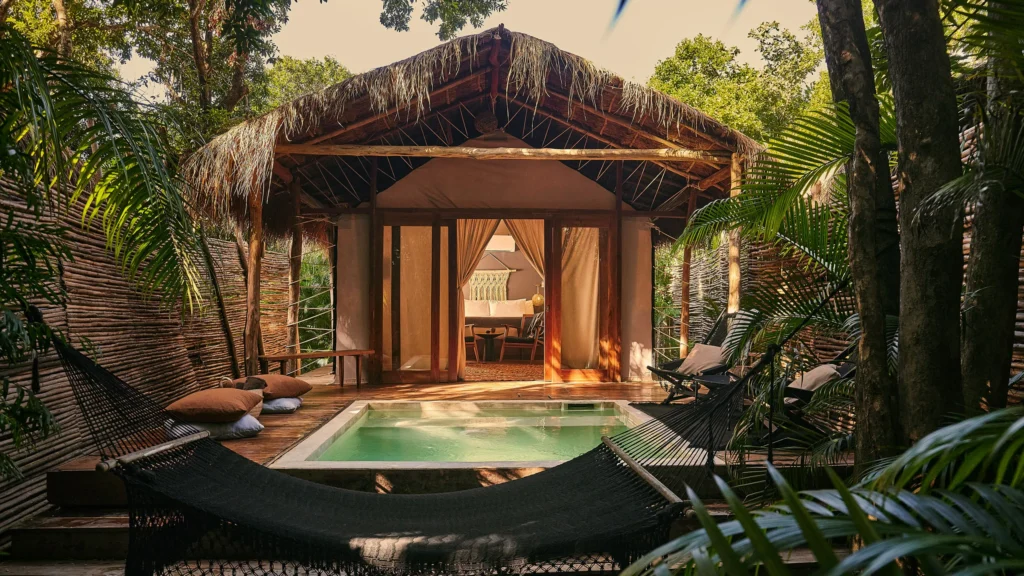
    A destination hotel offers much more than a comfortable room. It delivers a complete experience that blends location, design, culture, service, and activities into one seamless journey. Guests don’t feel the urge to step out every day because the hotel itself provides adventure, relaxation, dining, and discovery. Whether it’s a private beach, an in-house wildlife reserve, or curated cultural experiences, these hotels create a world of their own.

    Remote Locations That Redefine Escape

    Some of the most memorable destination hotels are found far from busy cities. Think private island resorts, jungle lodges, desert retreats, or mountain hideaways. These hotels are intentionally isolated to help travelers disconnect from routine and reconnect with nature. With panoramic views, open-air designs, and minimal distractions, guests often describe these stays as transformative rather than just relaxing.

    Architecture That Becomes an Attraction

    Many destination hotels are architectural icons. From overwater villas hovering above turquoise lagoons to cliffside suites carved into rock formations, design plays a central role in the experience. These hotels are often designed by world-renowned architects who integrate local materials, sustainable practices, and bold concepts. The result is a stay where every corner feels photo-worthy and thoughtfully crafted.

    Nature-Immersive Stays You’ll Never Forget

    Hotels surrounded by nature offer a deeper sense of place. Imagine waking up to wildlife outside your window, falling asleep to ocean waves, or soaking in an infinity pool overlooking a rainforest. Destination hotels often prioritize environmental harmony, allowing guests to experience landscapes without disturbing them. Activities like guided nature walks, stargazing, reef snorkeling, or glacier views become part of daily life rather than optional excursions.

    Cultural Experiences Without Leaving the Property

    Some hotels act as cultural gateways. They host local artists, chefs, musicians, and storytellers, allowing travelers to experience authentic traditions without traveling far. Cooking classes, traditional performances, craft workshops, and heritage tours organized by the hotel add depth to the stay. These experiences make the hotel feel deeply connected to its surroundings rather than isolated from them.

    Dining That Rivals World-Class Restaurants

    Destination hotels often treat dining as a central attraction. From farm-to-table menus and ocean-to-plate seafood to tasting menus curated by renowned chefs, food becomes a highlight of the trip. Many travelers plan stays specifically for signature restaurants, wine cellars, or unique dining settings like underwater restaurants, cliffside terraces, or candlelit desert dinners.

    Wellness Retreats Designed for Total Reset

    Wellness-focused hotels have become destinations for travelers seeking balance and renewal. These stays offer more than a spa; they provide structured wellness programs including yoga, meditation, nutrition planning, fitness coaching, and holistic therapies. Located in tranquil settings, these hotels help guests reset mentally and physically, often encouraging digital detox and mindful living.

    Adventure Built Into the Stay

    For travelers who crave excitement, some hotels build adventure directly into the experience. Safari lodges offer daily wildlife drives, ski resorts provide doorstep access to slopes, and coastal retreats include diving, sailing, or surfing programs. The convenience of having adventure activities managed by the hotel allows guests to enjoy thrilling experiences without logistical stress.

    Luxury That Goes Beyond Material Comfort

    True destination hotels redefine luxury. It’s not just about thread count or room size, but about privacy, personalization, and emotional impact. Dedicated hosts, customized itineraries, surprise experiences, and thoughtful details make guests feel truly valued. This type of luxury creates memories rather than just impressions.

    Why Travelers Are Choosing Hotels Over Sightseeing

    Modern travelers increasingly value quality over quantity. Instead of rushing through crowded attractions, they prefer meaningful stays that allow them to slow down. Destination hotels support this shift by offering immersive experiences that remove the pressure to constantly explore. Guests return home feeling rested, inspired, and fulfilled rather than exhausted.

    Perfect for Special Occasions and Once-in-a-Lifetime Trips

    Hotels that feel like destinations are especially popular for honeymoons, anniversaries, milestone birthdays, and personal celebrations. Their exclusivity and attention to detail make them ideal for moments that deserve something extraordinary. Many travelers plan entire trips around staying at one iconic hotel, treating it as a bucket-list experience.

    How to Choose the Right Destination Hotel

    Selecting the right hotel depends on travel goals. Nature lovers may prefer eco-lodges or island resorts, while culture seekers might choose heritage properties or boutique hotels rooted in local traditions. Budget, season, and length of stay also matter, as destination hotels are often best enjoyed without rushing. Researching experiences offered by the hotel is just as important as checking room features.

    The Rise of Experience-First Travel

    The popularity of destination hotels reflects a larger trend in travel where experiences matter more than checklists. Travelers want stories to tell, not just photos to post. Hotels that curate meaningful moments, foster connection, and respect their environment are leading this shift. These stays prove that where you sleep can define how you travel.

    Conclusion

    Hotels that feel like destinations themselves are changing the way people explore the world. They blur the line between accommodation and attraction, offering immersive experiences that linger long after checkout. Whether nestled in nature, rooted in culture, or designed as architectural masterpieces, these hotels invite travelers to slow down and fully embrace the journey. In a world where travel is becoming more intentional, destination hotels stand out as stays truly worth traveling for.

  • How to Plan a Last-Minute Trip Without Overspending

    How to Plan a Last-Minute Trip Without Overspending

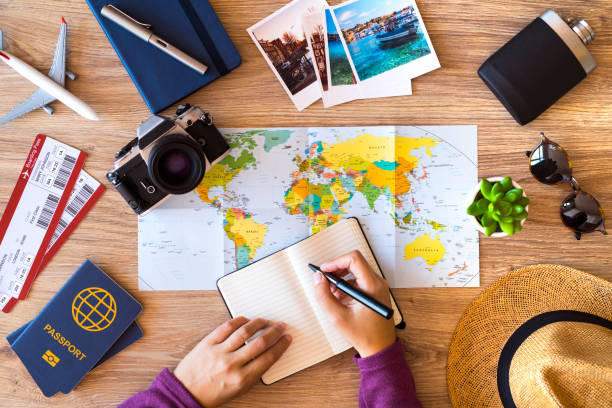
    Planning a last-minute trip doesn’t have to drain your bank account. While spontaneous travel is exciting, it often comes with the fear of high prices, limited availability, and rushed decisions. But with the right strategies, you can plan a budget-friendly, smooth, and enjoyable trip—even if you’re booking just a few days before departure. This guide breaks down the smartest ways to save money, avoid stress, and make your last-minute getaway truly memorable.

    Start With Flexible Dates and Destinations

    The biggest mistake travelers make with last-minute plans is sticking to one fixed destination or date. Prices for flights and hotels vary dramatically depending on the day, season, and region. Flexibility is your biggest money-saving tool. Use fare calendars to check the cheapest days to fly or explore alternative destinations that offer better deals. Keeping an open mind can help you discover amazing places at a fraction of the cost.

    Use Last-Minute Flight and Hotel Deals

    Airlines and hotels often drop prices close to the travel date to fill empty seats or rooms. Instead of panicking about high rates, use apps and websites that specialize in last-minute discounts. Many platforms offer real-time price drops, flash sales, and bundle deals that combine flights, hotels, or activities at significantly lower prices. Booking during off-peak hours—like late nights or weekdays—can also unlock better last-minute rates.

    Choose Budget-Friendly Accommodation Options

    Hotels are not your only option. When planning a last-minute trip, consider alternatives like hostels, guesthouses, boutique homestays, and vacation rentals. These options often have availability even during busy periods and can be booked instantly without high fees. Look for stays slightly outside the main tourist areas for lower prices. Some platforms also offer discounts for same-day check-ins, making spontaneous lodging surprisingly affordable.

    Travel Light to Avoid Extra Costs

    Packing light can save you both time and money. Last-minute travelers often rush, forget essentials, and end up overspending at airports or local stores. Carry a compact bag with versatile outfits, travel-sized toiletries, a power bank, and essentials like medications. A light backpack also helps you avoid checked luggage fees, move more freely, and adapt quickly if plans change.

    Use Public Transportation Instead of Taxis

    Transportation costs can add up quickly, especially when you’re unprepared. Instead of relying on expensive taxis, research local public transport options like metro lines, buses, trams, or shared rides. Many cities offer unlimited day passes for tourists, which helps you explore freely without worrying about individual fares. Not only is public transport cheaper, but it also gives you a more local and authentic travel experience.

    Plan Activities Wisely and Prioritize Free Experiences

    You don’t need to spend heavily to enjoy a spontaneous trip. Explore free walking tours, public beaches, local neighborhoods, cultural markets, viewpoints, and museums with free-entry days. Instead of booking premium packages at the last minute, choose flexible activities such as self-guided tours or outdoor adventures. Researching quickly before arriving can help you build a low-cost itinerary that’s still full of excitement.

    Use Travel Reward Points or Credit Card Benefits

    Last-minute travel is the perfect opportunity to use any accumulated rewards, miles, or cashback offers. Many credit cards offer instant discounts on flights and hotels or free travel insurance. Some loyalty programs allow last-minute redemptions that cost fewer points than usual. Using rewards strategically can reduce your overall travel expenses significantly, especially during unexpected trips.

    Eat Smart by Following Local Food Culture

    Dining at tourist-heavy restaurants can quickly blow your budget. Last-minute travelers often fall into this trap because they don’t have time to research. Save money by eating where the locals do—street food stalls, small cafés, and family-run restaurants. Not only is the food more authentic, but the prices are also far more affordable. Choosing accommodations with free breakfast or kitchen access can reduce expenses even more.

    Book Activities On-Site Instead of Online

    When you’re planning in a hurry, it’s tempting to book everything online immediately. But many times, local vendors offer lower prices for tours, rentals, and activities. Booking directly at the destination can save you 20%–40% on things like snorkeling, day trips, bike rentals, or sightseeing tours. Just ensure you compare prices and read quick reviews before committing.

    Conclusion

    A last-minute trip doesn’t have to be stressful or expensive. By staying flexible, searching smartly, traveling light, and making budget-conscious choices, you can enjoy a spontaneous getaway without overspending. Spontaneity may feel chaotic, but it can lead to some of the most exciting and memorable travel experiences. With the right approach, you can turn a last-minute idea into a perfectly planned, cost-effective adventure. So pack your bag, grab the best deal you can find, and let the journey begin—your wallet will thank you later.

  • Why Southeast Asia Should Be Your Next Travel Spot

    Why Southeast Asia Should Be Your Next Travel Spot

    Southeast Asia has emerged as one of the most sought-after travel regions in the world—and for good reason. It offers a rare combination of affordability, natural beauty, friendly locals, vibrant cultures, and diverse landscapes. Whether you are a backpacker searching for budget travel options, a couple planning a dreamy getaway, or a family looking for adventure, Southeast Asia delivers an unforgettable experience.

    This article explores why Southeast Asia deserves to be your next travel destination, covering everything from food and culture to beaches, budget tips, and adventure opportunities.

    A Perfect Blend of Multiple Cultures

    Southeast Asia is home to a unique mixture of traditions shaped by centuries of history, trade, and migration. Countries like Thailand, Cambodia, Vietnam, Malaysia, Indonesia, and the Philippines showcase incredibly rich cultural diversity. From Buddhist monasteries and ancient temples to traditional ceremonies and local festivals, every destination tells a story.
    Travelers get a first-hand experience of different cultures without traveling far distances. This makes the region ideal for cultural exploration and learning.

    Some of the Most Beautiful Beaches in the World

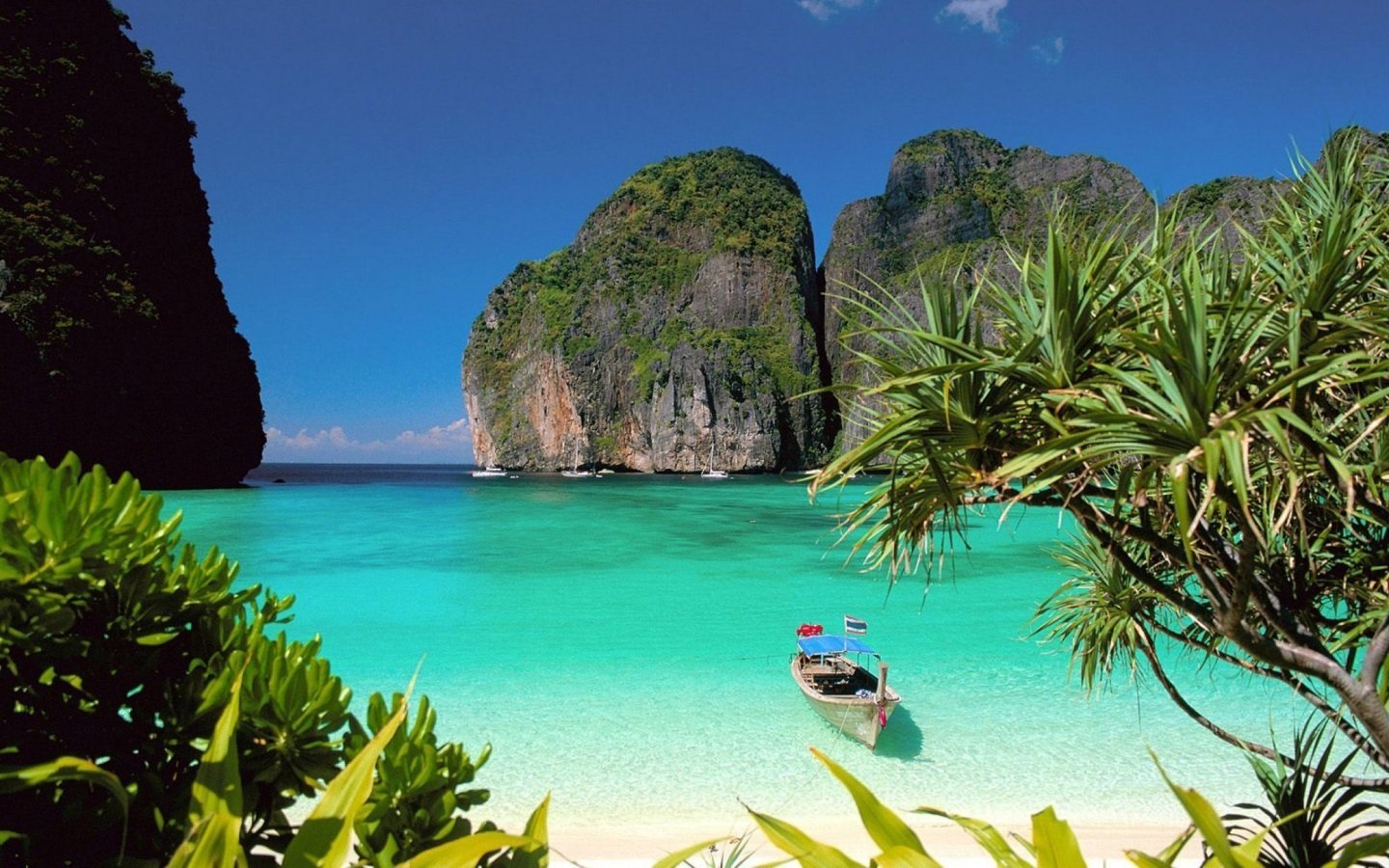
    Southeast Asia is known globally for its pristine beaches and crystal-clear waters. Popular destinations like Bali, Phuket, Boracay, and Koh Samui attract millions, but there are also many untouched gems waiting to be explored.
    White sand, turquoise waters, dramatic cliffs, and vibrant coral reefs make the beaches here perfect for relaxation, photography, and water activities. Whether you enjoy sunbathing, surfing, snorkeling, or simply watching sunsets, Southeast Asia offers beach experiences like no other.

    Extremely Affordable Travel and Stay

    One of the biggest reasons travelers choose Southeast Asia is its affordability. Accommodation ranges from luxurious beach resorts to ultra-budget hostels. Food is inexpensive yet delicious. Local transportation, activities, and even shopping cost much less compared to Western destinations.
    For backpackers or budget-conscious travelers, Southeast Asia provides maximum value. Even luxury travelers can enjoy premium experiences at a fraction of the cost.

    A Paradise for Food Lovers

    Food in Southeast Asia is diverse, flavorful, and deeply connected to local culture. Each country has its own signature dishes and cooking style, often using fresh herbs, spices, and local ingredients.
    From Thai curries and Indonesian satay to Vietnamese pho and Filipino adobo, the region offers unmatched culinary variety. Street food is a major attraction as well, providing affordable yet authentic food experiences in every city.

    Adventures for Every Type of Traveler

    Southeast Asia offers adventure in every form—land, water, and air. Travelers seeking thrills can go scuba diving, mountain trekking, wildlife spotting, kayaking, surfing, or even volcano hiking.
    Some of the world’s best dive sites are located here, including those in Malaysia, Indonesia, and the Philippines. Dense forests, waterfalls, caves, and cliffs provide endless opportunities for exploration and adrenaline-filled activities.

    Warm and Welcoming Local Communities

    The hospitality of Southeast Asian people is something tourists always talk about. Locals in the region are friendly, polite, and eager to help. This warm and welcoming attitude makes solo travel safe and comfortable.
    Many communities highlight their traditions through local experiences—cooking classes, temple stays, village tours, and cultural workshops—giving travelers an authentic connection to the region.

    Easy Travel Between Countries

    Another advantage of visiting Southeast Asia is the ease of traveling from one country to another. Budget airlines, buses, ferries, and trains make transportation convenient and affordable.
    A single trip can cover multiple countries—like Thailand, Cambodia, and Vietnam—without spending too much on travel. This flexibility allows visitors to create well-rounded itineraries and explore more in less time.

    A Blend of Modern Cities and Natural Wonders

    Southeast Asia perfectly balances urban excitement with natural beauty. Cities like Singapore, Bangkok, Kuala Lumpur, and Ho Chi Minh City offer nightlife, shopping, dining, and modern infrastructure.
    Beyond the cities lie rainforests, coral reefs, mountain ranges, rice fields, and exotic islands. Travelers can enjoy a mix of luxury urban experiences and peaceful nature escapes all in one trip.

    Ideal Weather for Most of the Year

    With warm tropical weather almost year-round, Southeast Asia is a great destination regardless of the season. Even during monsoon months, many regions remain accessible and pleasant for travel.
    The warm climate makes beach visits, outdoor activities, and sightseeing convenient for travelers from colder countries.

    A Photographer’s Dream Destination

    From forest-covered temples to floating markets, colorful festivals, and dramatic coastlines, Southeast Asia is a paradise for photography enthusiasts.
    Travelers can capture vibrant street life, unique architecture, and natural landscapes that stand out in every picture. The region’s stunning visual appeal makes it perfect for content creators, vloggers, and travel influencers as well.

    A Safe and Comfortable Destination for All Travelers

    Despite being highly diverse, Southeast Asia remains one of the safest regions for travelers—especially solo backpackers and women travelers. Tourism is a major industry here, and most countries ensure traveler safety with reliable infrastructure, transport, and hospitality services.
    With proper planning, basic precautions, and respect for local customs, visitors can explore the region comfortably.

    Conclusion

    Southeast Asia is more than just a travel destination—it is an experience that stays with you long after the trip ends. Its affordability, natural beauty, cultural richness, and warm hospitality make it perfect for every kind of traveler.
    Whether you are planning a short vacation or a long multi-country adventure, the region promises unforgettable memories, diverse experiences, and a renewed love for travel. That’s why Southeast Asia should be your next travel spot.

  • Perfect 7-Day Italy Itinerary: Rome, Florence & Venice Without Rushing

    Perfect 7-Day Italy Itinerary: Rome, Florence & Venice Without Rushing

    Italy is one of those countries where every city feels like a museum, every meal feels like an experience, and every street tells a story. Many travelers make the mistake of overpacking their itinerary, rushing from place to place and missing the real charm of Italy. This 7-day Italy itinerary is designed for travelers who want to experience Rome, Florence, and Venice at a comfortable pace without feeling exhausted.

    This plan focuses on iconic sights, local food, cultural experiences, and smooth travel between cities, making it ideal for first-time visitors as well as travelers who value quality over quantity.

    Why This 7-Day Italy Itinerary Works

    Rome, Florence, and Venice are well connected by high-speed trains, making travel easy and time-efficient. Each city offers a completely different experience: Rome is historic and grand, Florence is artistic and refined, and Venice is romantic and unique. Spending the right amount of time in each city allows you to explore deeply without constantly packing and unpacking.

    This itinerary balances sightseeing with free time so you can truly enjoy Italy instead of just ticking off landmarks.

    Day 1: Arrival in Rome and Evening Walk

    Arrive in Rome and settle into your hotel, preferably near the historic center. After a long journey, avoid intense sightseeing and instead go for a relaxed evening walk. Stroll through lively piazzas, admire fountains, and enjoy your first Italian meal at a local trattoria.

    Popular evening spots include Piazza Navona, the Pantheon area, and Trevi Fountain. Seeing these places lit up at night sets the perfect tone for your Italy trip without feeling rushed.

    Day 2: Ancient Rome and Iconic Landmarks

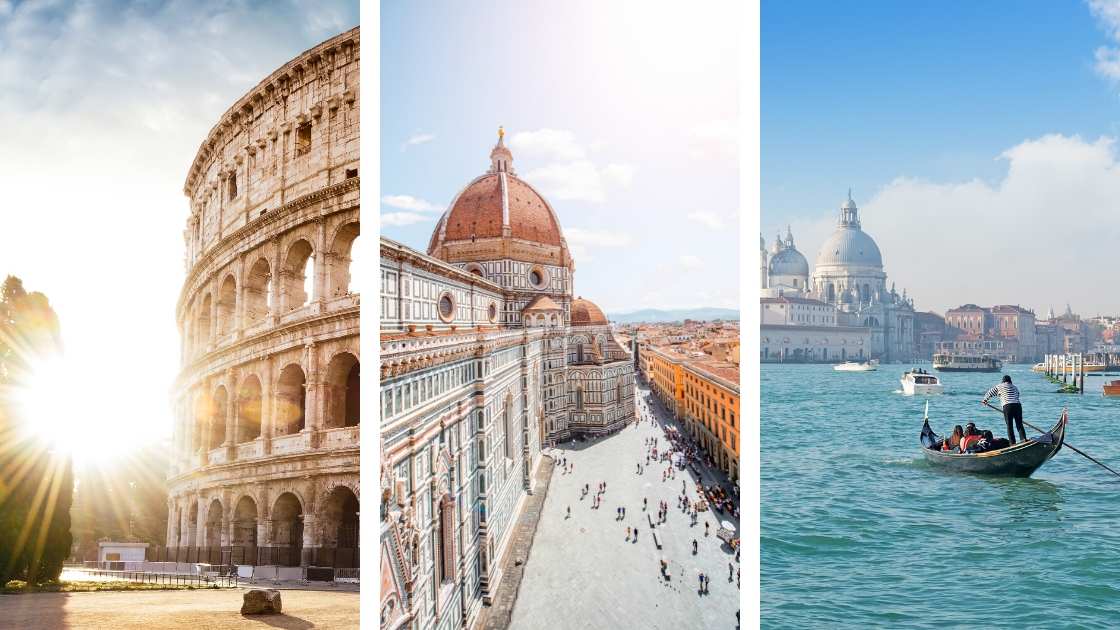
    Dedicate your second day to exploring Ancient Rome. Visit the Colosseum, Roman Forum, and Palatine Hill to understand the city’s historical significance. Booking skip-the-line tickets in advance saves time and energy.

    In the afternoon, explore landmarks like the Pantheon and Trevi Fountain at a relaxed pace. Stop for gelato, coffee, or people-watching along the way. End the day with dinner in Trastevere, a neighborhood known for its authentic Roman food and charming streets.

    Day 3: Vatican City and Rome’s Hidden Corners

    Spend your morning exploring Vatican City. Visit the Vatican Museums, Sistine Chapel, and St. Peter’s Basilica. These are among the most visited attractions in the world, so early entry tickets are highly recommended.

    After lunch, slow down by exploring Rome’s lesser-known areas. Walk through local neighborhoods, small churches, or quiet streets away from the crowds. This balance of major sights and hidden corners makes Rome feel more personal and enjoyable.

    Day 4: Travel to Florence and Explore the City Center

    Take a high-speed train from Rome to Florence, which takes about 1.5 hours. Once you arrive, check into your hotel and head out to explore Florence’s compact historic center on foot.

    Visit the Florence Cathedral (Duomo), Piazza della Signoria, and Ponte Vecchio. Florence is best experienced by wandering slowly, discovering small artisan shops and local cafes. In the evening, enjoy a traditional Tuscan dinner and a glass of local wine.

    Day 5: Art, Views, and Tuscan Flavors

    Start your day with Florence’s art treasures. Visit the Accademia Gallery to see Michelangelo’s David or the Uffizi Gallery for Renaissance masterpieces. Choose one major museum to avoid museum fatigue.

    In the afternoon, walk up to Piazzale Michelangelo for panoramic views of Florence. This is one of the best viewpoints in Italy and a great place to relax. Spend the rest of the evening enjoying local food, wine bars, and Florence’s calm nightlife.

    Day 6: Travel to Venice and Evening Gondola Views

    Travel from Florence to Venice by train, which takes around 2 hours. Once you arrive, Venice immediately feels different from anywhere else in the world. Check into your hotel and take some time to get oriented.

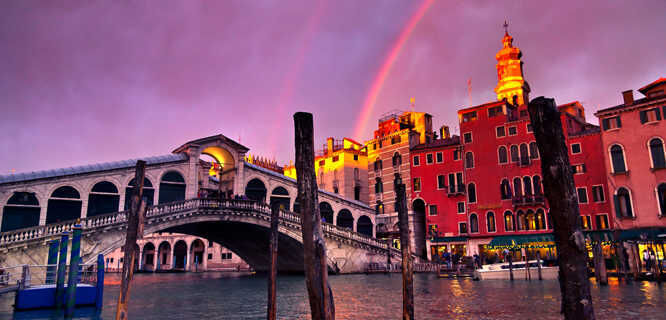
    Spend the evening wandering through narrow alleys, crossing canals, and enjoying the unique atmosphere. A gondola ride is optional, but simply watching gondolas glide through the canals during sunset is just as magical. Enjoy dinner near the canals for a memorable final night experience.

    Day 7: Venice Highlights and Departure

    Use your final day to explore Venice’s main highlights. Visit St. Mark’s Square, St. Mark’s Basilica, and the Doge’s Palace. These landmarks showcase Venice’s rich maritime history and architectural beauty.

    If time allows, take a vaporetto ride along the Grand Canal to see Venice from the water. This is one of the most scenic and affordable ways to experience the city. Depending on your flight schedule, depart Venice or return to a nearby airport.

    Best Time to Follow This Italy Itinerary

    The best time to visit Italy for this itinerary is during spring and autumn. These seasons offer pleasant weather, fewer crowds, and better travel conditions. Summer is popular but can be crowded and hot, while winter offers fewer tourists but shorter daylight hours.

    Booking accommodations and train tickets in advance helps secure better prices and smoother travel.

    Getting Around Italy Efficiently

    Italy’s high-speed train network makes this itinerary easy to follow. Trains between Rome, Florence, and Venice are frequent, fast, and comfortable. Booking tickets early often results in better seating options and lower prices.

    Within cities, walking is usually the best way to explore, especially in Florence and Venice. Public transport is useful in Rome due to its size.

    Tips to Avoid Feeling Rushed

    Focus on quality experiences rather than trying to see everything. Choose one or two major attractions per day and allow time for spontaneous discoveries. Sitting at a cafe, enjoying a long meal, or wandering without a plan often becomes the highlight of an Italy trip.

    Avoid overbooking tours and leave space for rest, especially if you’re dealing with jet lag or long travel days.

    Conclusion

    This perfect 7-day Italy itinerary allows you to experience Rome, Florence, and Venice without rushing or exhaustion. By balancing iconic landmarks with relaxed exploration, you get a deeper connection to Italy’s culture, history, and lifestyle. Instead of feeling like a checklist, this journey feels like a true Italian experience filled with unforgettable moments, incredible food, and timeless beauty.