Category: Blog

Your blog category

  • The Quiet Magic of Arriving Somewhere New at Night

    The Quiet Magic of Arriving Somewhere New at Night

    When the World Feels Softer After Dark

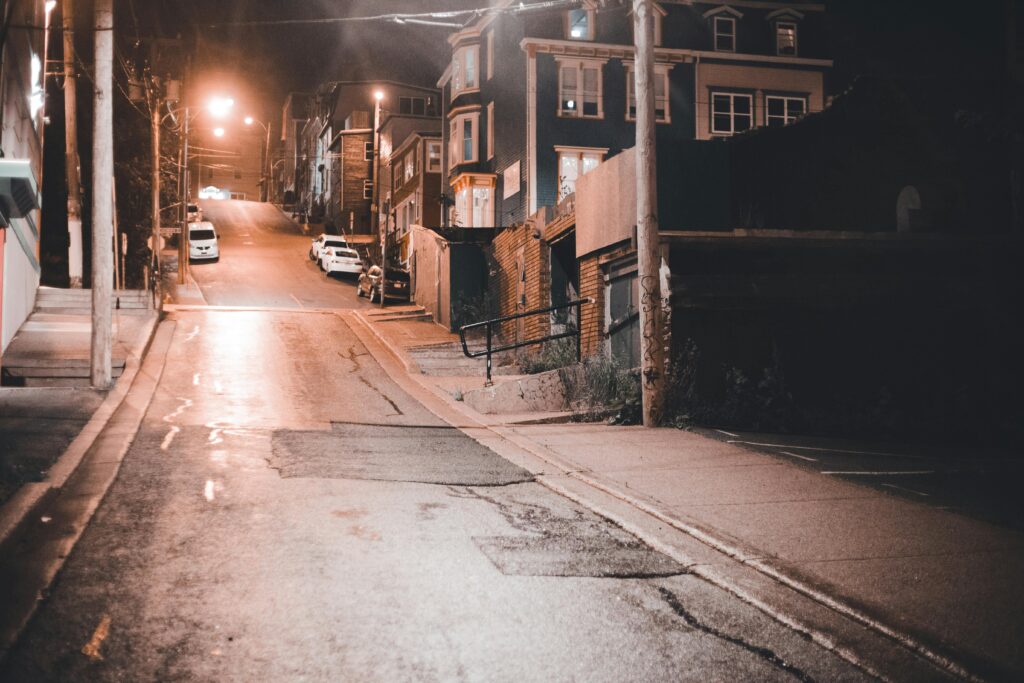
    Arriving in a new place at night feels different from arriving during the day. The streets are quieter, lights replace landmarks, and the city reveals only fragments of itself. There’s less to absorb, and that makes everything feel gentler.

    You’re not overwhelmed yet. You’re simply here.

    First Steps Without a Plan

    Dragging luggage through unfamiliar streets under streetlights creates a strange sense of courage. You don’t know where anything is, but you trust that you’ll figure it out by morning.

    There’s freedom in not fully understanding a place right away. It allows curiosity to replace control.

    Hotel Rooms That Feel Like Temporary Homes

    Night arrivals turn hotel rooms into shelters rather than bases. You notice small details—the hum of air conditioning, curtains moving slightly, distant traffic sounds.

    Even the most ordinary room feels comforting because it’s yours for now. It holds the promise of what tomorrow will bring.

    Cities Introduce Themselves Slowly

    At night, cities don’t demand attention. They whisper. A late-night café. A corner store still open. A couple talking softly on a bench.

    You don’t need to understand the city yet. You just need to feel safe inside it.

    The Emotional Reset That Happens Overnight

    Sleep in a new place resets something internal. When you wake up, you’re no longer arriving—you’re beginning.

    Morning brings confidence. Maps make sense. Streets feel familiar. But that first night holds a special kind of vulnerability that travelers rarely forget.

    Why Night Arrivals Stay in Memory

    You remember night arrivals not for what you saw, but for how you felt—uncertain, open, and quietly excited.

    They mark the moment travel truly begins.


  • The Strange Comfort of Being Anonymous While Traveling

    The Strange Comfort of Being Anonymous While Traveling

    Becoming Invisible in a New Place

    There is a quiet relief in being unknown. In a place where no one recognizes you, expectations disappear. You are not defined by your job, your past, or other people’s opinions. You are simply another face in the crowd, free to exist without explanation.

    Travel offers this anonymity effortlessly. In unfamiliar cities, you walk without history, and for the first time in a long while, that feels light.

    Freedom Without Witnesses

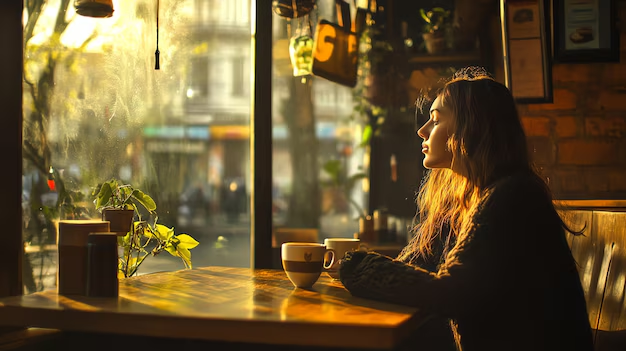
    Anonymity allows behavior that feels strangely honest. You linger longer at cafés, wander without purpose, sit alone without discomfort. There is no pressure to perform or be productive.

    You dress differently. You speak less or more. You notice how much of daily life back home is shaped by being seen and remembered.

    Conversations That End Gently

    Some of the most meaningful conversations while traveling happen with people you will never meet again. A stranger on a train, a café owner, someone sharing a table.

    There is honesty in these brief connections. Without long-term consequences, people speak openly. And when the moment ends, it ends cleanly—without obligation.

    The Beauty of Temporary Belonging

    Travel creates moments where you feel like you belong, even though you don’t. Sitting in a park, walking familiar streets after a few days, recognizing a local shop.

    You belong just enough to feel comfortable, but not enough to feel trapped. It’s a delicate balance that only travel seems to offer.

    Why Anonymity Can Be Healing

    Being anonymous gives space to think clearly. Without constant reminders of who you are supposed to be, you reconnect with who you actually are.

    Many travelers don’t realize they are seeking rest not from work, but from identity. Travel gives that rest quietly.

    Leaving Without Explanation

    There is something peaceful about leaving a place without needing closure. No long goodbyes, no future plans promised. Just gratitude and movement.

    You leave behind memories without expectations—and carry lessons without weight.

    Carrying the Feeling Forward

    The goal isn’t to escape identity forever. It’s to remember how light life feels when it’s less defined.

    Travel teaches that anonymity is not emptiness. It’s space.


  • Waking Up in a Different Country: Why Slow Travel Changes Everything

    Waking Up in a Different Country: Why Slow Travel Changes Everything

    The First Morning That Feels Different

    There is a moment when travel stops feeling like a vacation and starts feeling real. It usually happens in the morning. The noise outside the window is unfamiliar, the light feels softer, and the day stretches ahead with no urgency. This is the moment slow travel begins.

    Instead of rushing between landmarks, slow travel invites you to stay still long enough to notice small details—how people greet each other, what locals eat for breakfast, and how time moves differently.

    Living Instead of Visiting

    Slow travel is not about how many places you see but how deeply you experience one place. Staying longer in a neighborhood allows routines to form. You find a café where the staff recognizes you, learn the easiest bus route, and stop checking maps constantly.

    This way of traveling feels less like tourism and more like temporary living. It creates comfort in unfamiliar places and makes goodbyes harder.

    Meals That Become Memories

    Food plays a central role in slow travel. Without a packed itinerary, meals stop being rushed. You sit longer, order unfamiliar dishes, and learn what locals truly enjoy.

    Markets become classrooms. Small family-run restaurants feel personal. Some of the most memorable travel moments happen not at famous attractions but over simple meals shared without hurry.

    Time Moves Differently on the Road

    When schedules loosen, time stretches. A walk that was meant to take ten minutes turns into an hour. A planned afternoon indoors turns into an unplanned adventure.

    Slow travel removes pressure. There is no fear of missing out because there is always tomorrow. This freedom allows curiosity to guide the day rather than a checklist.

    The Emotional Side of Staying Longer

    Extended stays create emotional connections. You start to recognize faces, understand local humor, and feel a sense of belonging. Leaving becomes surprisingly difficult.

    Travel stops being about escape and becomes about connection—to people, places, and yourself.

    Why Travelers Are Choosing Less but Better

    More travelers are realizing that constant movement leads to exhaustion. Slow travel offers balance. It reduces stress, creates richer experiences, and often costs less over time.

    Choosing fewer destinations but staying longer allows travel to feel sustainable, meaningful, and deeply personal.

    Bringing the Slow Travel Mindset Home

    The impact of slow travel does not end when the trip ends. It changes how you experience everyday life. You notice more, rush less, and value presence over productivity.

    Travel becomes more than a break from life—it becomes a lesson in how to live.

  • Eco-Luxury Resort Stays That Blend Comfort With Nature

    Eco-Luxury Resort Stays That Blend Comfort With Nature

    Why Eco-Luxury Resorts Are the Future of Travel

    Eco-luxury resorts combine sustainability with high-end comfort. These stays focus on preserving the environment while offering thoughtful design, personalized service, and immersive natural experiences.

    Destinations Known for Eco-Luxury Resorts

    Costa Rica leads with rainforest resorts powered by renewable energy. Africa offers eco-lodges that support wildlife conservation. Southeast Asia blends bamboo architecture with modern luxury in jungle settings.

    Experiences That Define an Eco-Luxury Stay

    Guided nature walks, farm-to-table dining, wildlife encounters, and low-impact spa treatments allow guests to connect deeply with their surroundings.

    What to Look for When Booking

    Certifications, local community involvement, and responsible resource use are key indicators of genuine eco-luxury.


    Boutique Resort Stays for Travelers Who Love Privacy

    What Makes Boutique Resorts So Appealing

    Boutique resorts focus on intimacy, personalized service, and distinctive design. With fewer rooms and curated experiences, they feel exclusive and relaxed.

    Where Boutique Resorts Shine Globally

    Mediterranean coastal towns, Southeast Asian islands, and European countryside destinations are known for charming boutique resorts with strong character.

    The Boutique Experience

    Expect customized dining, unique interiors, peaceful settings, and attentive staff who know guests by name.

    Best Trips for Boutique Resorts

    Romantic getaways, solo retreats, and slow travel experiences are ideal for boutique stays.


    Safari Lodge Resorts Offering Luxury in the Wild

    Why Safari Lodges Create Unforgettable Stays

    Safari lodges place guests in the heart of wildlife landscapes while offering refined comfort. The combination of adventure and luxury is unmatched.

    Iconic Safari Lodge Locations

    East and Southern Africa host world-renowned safari lodges set within private reserves and national parks.

    What a Safari Lodge Stay Includes

    Game drives, guided bush walks, open-air dining, and luxury tents or lodges with panoramic views define the experience.

    Best Time to Visit Safari Lodges

    Dry seasons offer better wildlife viewing, while green seasons provide lush scenery and fewer visitors.


    Floating Resort Stays That Redefine Waterfront Living

    Why Floating Resorts Are So Unique

    Floating resorts offer a completely different way to experience water destinations. Built on lakes, rivers, or lagoons, these resorts provide tranquility and unmatched views.

    Destinations With Floating Resorts

    Southeast Asia, parts of Europe, and select island regions offer floating resorts designed for both comfort and sustainability.

    Life at a Floating Resort

    Kayaking from your doorstep, sunrise reflections, and peaceful evenings surrounded by water are part of daily life.

    Planning a Floating Resort Stay

    Choose calm-water locations, confirm stability features, and plan minimal luggage for easy access.


    Heritage Resort Stays Inside Historic Properties

    Why Heritage Resorts Tell a Story

    Heritage resorts preserve history by transforming palaces, forts, monasteries, and estates into luxury accommodations.

    Destinations Known for Heritage Resorts

    Europe, South Asia, and parts of the Middle East offer remarkable heritage resorts that combine old-world charm with modern comfort.

    What Makes These Stays Special

    Architectural details, antique furnishings, traditional cuisine, and guided heritage tours enrich the stay.

    Tips for Booking Heritage Resorts

    Check restoration quality, modern amenities, and cultural experiences offered onsite.

    Ski Resort Stays for Winter Escapes and Alpine Luxury

    Why Ski Resorts Offer More Than Snow

    Ski resorts combine outdoor adventure with cozy luxury. Even non-skiers enjoy the atmosphere, spa facilities, and mountain views.

    World-Class Ski Resort Destinations

    The Alps, Rockies, and select Asian mountain regions are known for premium ski resorts.

    Experiences Beyond Skiing

    Après-ski lounges, heated pools, wellness spas, and scenic gondola rides define the resort lifestyle.

    Best Time to Visit Ski Resorts

    Mid-winter offers peak snow conditions, while early and late season provide quieter stays.

  • Ultimate Paris Travel Guide What to See, Eat & Do on Your First Trip to Paris

    Ultimate Paris Travel Guide What to See, Eat & Do on Your First Trip to Paris

    Paris Travel Guide for Americans | Best Things to Do, Food & Tips Planning a trip to Paris from the USA? This complete Paris travel guide covers top attractions, food, itineraries, travel tips, and best time to visit.


    Introduction: Why Paris Is a Must-Visit Destination for Americans

    Paris, often called The City of Light, is one of the most iconic travel destinations in the world—and for good reason. From historic landmarks and world-class museums to charming cafés and unforgettable food, Paris offers American travelers a perfect mix of culture, romance, and adventure.

    Whether it’s your first trip to Europe or a long-awaited dream vacation, Paris delivers an experience that feels both timeless and exciting. This complete Paris travel guide for Americans will help you plan the perfect trip, avoid common mistakes, and make the most of every moment.

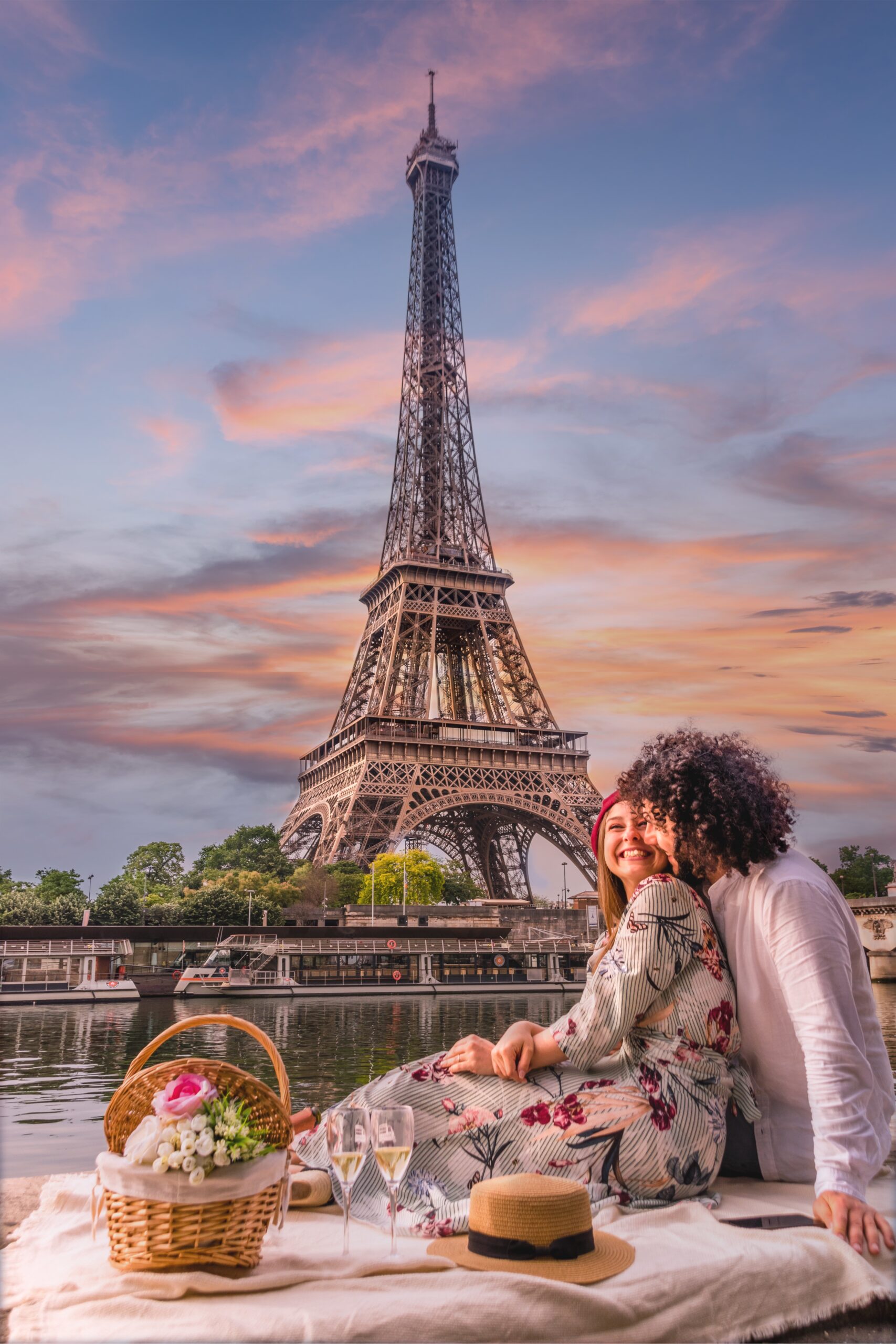
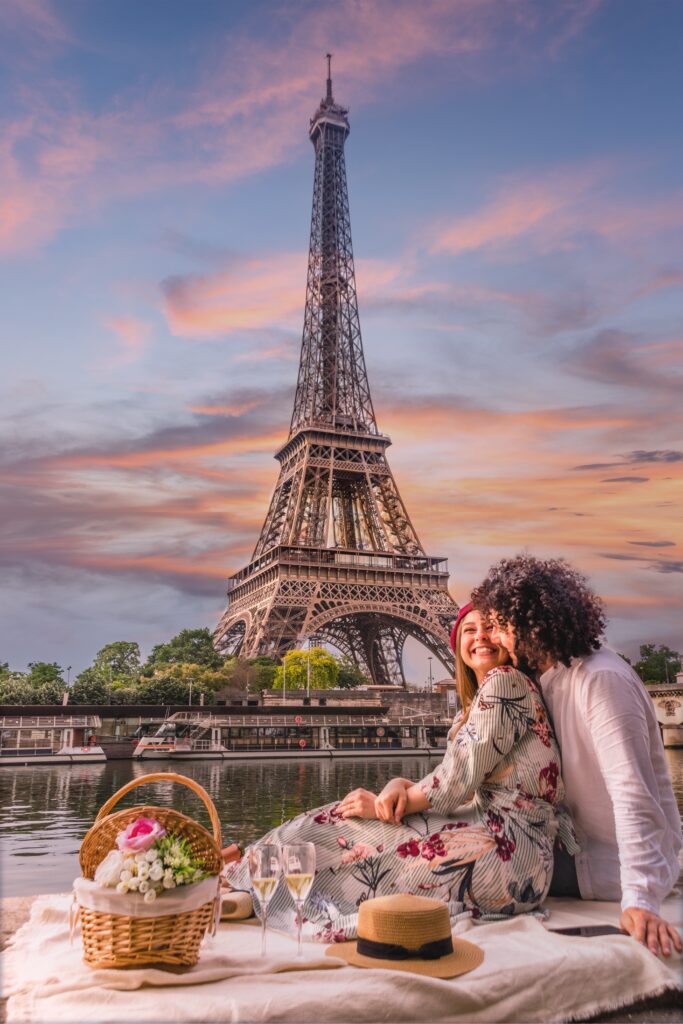
    PARIS, FRANCE – Jun 07, 2019: A happy couple is celebrating love with a picnic, wine and flowers with the view of the Eiffel Tower and the Seine river at sunset.

    Best Time to Visit Paris (From a US Traveler’s Perspective)

    The best time to visit Paris is April to June and September to October.

    Why Americans Love These Months:

    • Mild weather (60–75°F)
    • Fewer crowds than summer
    • Lower airfare from major US cities
    • Beautiful spring blooms or fall colors

    Summer (July–August) is lively but crowded and expensive, while winter offers cheaper flights and a quieter, romantic vibe—perfect if you don’t mind cooler weather.


    Top Things to Do in Paris (First-Time Visitors)

    Visit the Eiffel Tower

    No Paris trip is complete without seeing the Eiffel Tower. You can:

    • Go to the top for panoramic views
    • Enjoy a picnic at Champ de Mars
    • Take a Seine River cruise at night

    Pro tip for Americans: Book Eiffel Tower tickets online in advance to avoid long lines.


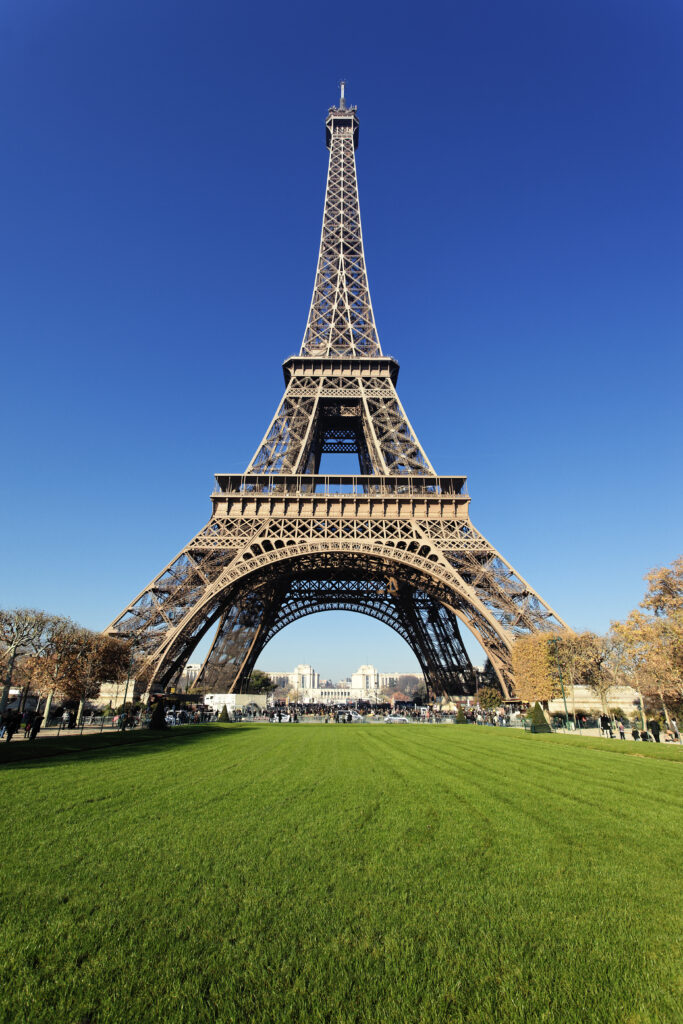
    Eiffel tower in Paris with gorgeous colors in autumn

    Explore the Louvre Museum

    Home to the Mona Lisa, the Louvre is the world’s largest museum. Plan at least 3–4 hours or book a guided tour if you’re short on time.

    Must-see highlights:

    • Mona Lisa
    • Venus de Milo
    • Winged Victory of Samothrace

    Walk Through Montmartre

    Montmartre feels like stepping into a painting. Cobblestone streets, street artists, and stunning city views make it one of the most charming neighborhoods in Paris.

    Don’t miss:

    • Sacré-Cœur Basilica
    • Place du Tertre
    • Local bakeries and cafés


    What to Eat in Paris (American-Friendly Guide)

    French food is a highlight of any Paris trip—even for picky eaters.

    Must-Try Foods:

    • Croissants & Pain au Chocolat – Better than anything you’ll find in the US
    • Crêpes – Sweet or savory, available everywhere
    • Steak Frites – Simple and delicious
    • Macarons – Ladurée and Pierre Hermé are famous choices
    • Cheese & Wine – Ask for recommendations; locals love helping

    Tip: Many restaurants now offer English menus, especially in tourist areas.


    Where to Stay in Paris (Best Areas for Americans)

    Best Neighborhoods:

    • Le Marais – Trendy, central, great shopping
    • Saint-Germain-des-Prés – Classic Paris vibe, cafés, bookstores
    • Latin Quarter – Budget-friendly, lively, walkable
    • Opera District – Great hotels and transport links

    Hotel tip: Paris hotel rooms are smaller than US hotels—this is normal!


    Getting Around Paris Easily

    Paris has one of the best public transportation systems in the world.

    Transportation Options:

    • Metro: Fast, affordable, easy to use
    • Walking: Best way to explore neighborhoods
    • Uber: Widely available and reliable
    • Airport transfer: RER train or taxi from Charles de Gaulle

    Travel hack: Buy a 10-ticket carnet instead of single tickets to save money.


    Paris Travel Tips for Americans

    • ✔️ Credit cards are widely accepted, but carry some cash
    • ✔️ Learn basic French phrases—it’s appreciated
    • ✔️ Pickpocketing exists; use anti-theft bags
    • ✔️ Tipping is included, but rounding up is polite
    • ✔️ Comfortable walking shoes are essential

    Sample 3-Day Paris Itinerary

    Day 1: Eiffel Tower, Seine cruise, Champs-Élysées
    Day 2: Louvre, Notre-Dame (outside), Latin Quarter
    Day 3: Montmartre, shopping, café hopping


    Final Thoughts: Is Paris Worth It for Americans?

    Absolutely. Paris is one of those rare destinations that lives up to—and often exceeds—the hype. It’s romantic without being cliché, historic yet modern, and welcoming to travelers from the United States.

    Whether you’re visiting for culture, food, fashion, or just the experience of being in Europe, Paris delivers memories you’ll cherish forever.

  • Smart Budget Travel in the USA: How to Explore More While Spending Less


    Traveling across the United States doesn’t have to mean draining your savings. From vibrant cities to scenic national parks, the USA offers countless experiences that can be enjoyed on a budget with the right planning. Whether you’re a first-time visitor or a frequent traveler, smart budget travel strategies can help you explore more destinations, stay longer, and travel with confidence — without compromising comfort or safety.

    This guide focuses on practical, positive, and proven ways to travel affordably in the USA while still enjoying quality stays, smooth transportation, and memorable experiences.


    Planning Your Budget Travel Strategy in the USA

    Budget-friendly travel always starts with thoughtful planning. The earlier you plan, the more control you have over costs. Flexible dates, advance bookings, and realistic expectations can make a significant difference in your total travel budget.

    Choosing the right travel season is one of the smartest money-saving decisions. Spring and fall are ideal for budget travelers because flight prices tend to be lower, accommodations offer better deals, and popular destinations are less crowded. Traveling during shoulder seasons allows you to enjoy pleasant weather without peak-season pricing.

    Creating a simple daily budget before booking anything helps you stay organized. When you know how much you want to spend on lodging, food, and transportation, it becomes easier to select affordable options. Many travelers find that using travel budgeting apps or prepaid travel cards helps them track expenses and avoid overspending.


    2. Finding Affordable Flights and Transportation

    Flights are often the biggest expense when traveling in the USA, but there are many ways to reduce this cost. Booking flights early, flying midweek, and choosing alternative airports can significantly lower airfare prices. Budget airlines offer competitive fares for domestic travel and are especially useful for short-distance routes.

    For ground transportation, buses and trains are excellent budget-friendly options. Long-distance buses connect major cities at affordable rates, while rail travel offers comfort and scenic views. Renting a car can also be economical, especially for group travel or road trips, when costs are shared.

    Ridesharing services and public transportation systems in most US cities are reliable and cost-effective. Purchasing day passes or weekly transit cards can help reduce daily commuting expenses and make city exploration easier.


    3. Budget-Friendly Accommodation Options

    Accommodation doesn’t have to be expensive to be comfortable. The USA offers a wide range of affordable lodging options that suit different travel styles. Budget hotels, hostels, and vacation rentals are popular among cost-conscious travelers.

    Many travelers prefer booking accommodations that include free breakfast, Wi-Fi, and flexible cancellation policies. These small inclusions can lead to meaningful savings over the course of a trip. Staying slightly outside city centers often provides better value while still offering convenient access through public transportation.

    For longer stays, serviced apartments and short-term rentals can be a practical choice. They often include kitchen facilities, allowing travelers to save money by preparing simple meals. Loyalty programs and travel booking platforms also offer exclusive discounts that frequent travelers can benefit from.


    4. Saving Money on Food, Activities, and Experiences

    Food and entertainment are essential parts of any trip, and enjoying them on a budget is easier than many people expect. Local eateries, food trucks, and neighborhood cafés often provide authentic flavors at reasonable prices. Many cities in the USA are known for affordable local food scenes that offer great value.

    Free and low-cost attractions are widely available across the country. Museums, parks, beaches, hiking trails, and cultural neighborhoods provide enriching experiences without high entry fees. Many museums offer free admission days, and city tourism websites regularly list free events and activities.

    Guided walking tours, city passes, and attraction bundles can help travelers save money while experiencing top highlights. Planning activities in advance allows you to compare options and choose experiences that fit your budget without missing out.


    5. Essential Travel Tools That Help You Save More

    Using the right travel tools can make budget travel easier and more secure. Travel booking platforms help compare prices for flights, hotels, and car rentals, ensuring you get the best available deals. Travel insurance is another smart investment, offering peace of mind and financial protection during your trip.

    Packing smart also contributes to savings. Lightweight luggage, travel-friendly clothing, and reusable items help avoid extra fees and unnecessary purchases. Travel accessories such as portable chargers, travel organizers, and refillable water bottles are small investments that add convenience and reduce expenses during your journey.

    Many experienced travelers also rely on travel reward cards and cashback programs. These tools help earn points, discounts, or credits on everyday spending, making future trips more affordable.


    Conclusion

    Budget travel in the USA is not about cutting corners — it’s about making informed choices. With smart planning, flexible travel options, and the right tools, you can explore the country comfortably while staying within your budget. From affordable transportation and accommodation to low-cost food and memorable experiences, every part of your trip can be optimized for value.

    By focusing on quality over excess spending, budget travelers often enjoy more authentic and meaningful journeys. Whether you’re planning a city escape, a road trip, or a multi-state adventure, the USA offers endless opportunities for affordable and rewarding travel.

    With the right approach, your next US trip can be both budget-friendly and unforgettable.

  • Best Cruise Destinations in the World for First-Time Travelers

    Cruising is one of the most beginner-friendly ways to explore the world. You unpack once, visit multiple destinations, enjoy meals and entertainment onboard, and avoid the stress of constant hotel check-ins and transportation planning. For first-time travelers, choosing the right cruise destination is crucial because it shapes your entire experience and determines how comfortable and enjoyable your first voyage will be.

    The best cruise destinations for beginners share a few important qualities: well-developed ports, easy shore excursions, safe environments, and a good balance between relaxation and exploration. Below are the top cruise destinations in the world that every first-time traveler should consider for a smooth and memorable introduction to cruising.

    Caribbean Cruises: The Easiest First Cruise Experience

    The Caribbean remains the most popular cruise destination for first-time travelers worldwide. Calm waters, short sailing distances, and highly organized ports make this region extremely beginner-friendly. Cruises typically visit destinations like the Bahamas, Jamaica, Cozumel, St. Lucia, and Barbados.

    Caribbean cruises focus heavily on relaxation, beaches, and fun activities. Shore excursions are simple and well-structured, ranging from snorkeling and island tours to beach clubs and cultural experiences. Many islands speak English, and local vendors are accustomed to cruise visitors, which makes navigation stress-free.

    Another major advantage is flexibility. First-time cruisers can choose short 3 to 5-day itineraries to test the experience or opt for 7-day cruises for a deeper exploration. The Caribbean also offers excellent value for money, with frequent deals and a wide range of cruise lines to choose from.

    Mediterranean Cruises: Culture, History, and Iconic Cities

    Mediterranean cruises are perfect for first-time travelers who want a rich cultural experience without complex travel planning. These itineraries often include famous destinations such as Rome, Barcelona, Athens, Venice, Dubrovnik, and Marseille.

    What makes the Mediterranean ideal for beginners is how close many ports are to city centers. Travelers can step off the ship and easily explore historical landmarks, museums, cafes, and shopping areas without needing long transfers. Public transportation is well-developed, and cruise excursions are clearly organized.

    Mediterranean cruises also allow travelers to experience multiple countries in a single trip. For first-time international travelers, this is a huge advantage because it eliminates the need to manage visas, trains, and flights between destinations.

    Alaska Cruises: Nature and Wildlife Without the Hassle

    Alaska is one of the best cruise destinations for travelers who prefer nature over busy cities. It offers breathtaking landscapes, glaciers, wildlife, and untouched beauty that would be difficult to explore independently.

    An Alaska cruise removes the logistical challenges of traveling through remote areas. Travelers enjoy scenic sailing days through glacier-filled waters, with guided excursions such as whale watching, glacier hikes, and national park visits. Many of these experiences are difficult or expensive to arrange without a cruise.

    For first-time cruisers, Alaska feels calm, organized, and immersive. The focus on nature creates a slower pace, making it an excellent choice for travelers who want a peaceful and visually stunning introduction to cruising.

    Northern Europe and Baltic Cruises: Clean, Safe, and Organized

    Northern Europe and Baltic cruises are ideal for first-time travelers who value structure, cleanliness, and safety. Popular stops include Copenhagen, Stockholm, Helsinki, Tallinn, and sometimes St. Petersburg.

    These destinations are known for excellent infrastructure, clear signage, and easy-to-use public transport. Ports are often walkable, and cities feel safe and welcoming for travelers who may be visiting Europe for the first time.

    Baltic cruises offer a great mix of medieval towns, modern cities, museums, and waterfront views. The distances between ports are short, which means less time at sea and more time exploring on land, something many first-time cruisers appreciate.

    Southeast Asia Cruises: Exotic Experiences Made Easy

    Southeast Asia may seem intimidating to first-time travelers, but cruising makes it surprisingly accessible. Cruises in this region often include destinations like Singapore, Thailand, Vietnam, and Malaysia.

    The biggest advantage of a Southeast Asia cruise is structure. Language barriers, transportation challenges, and cultural differences are managed through guided excursions and organized ports. Travelers get to experience temples, street food, markets, and coastal scenery while returning to the comfort of their ship each evening.

    For first-time travelers who want something more adventurous than Europe or the Caribbean, Southeast Asia cruises offer an exciting yet controlled way to explore a new part of the world.

    Australia and New Zealand Cruises: Comfortable and Familiar

    Australia and New Zealand cruises are excellent for first-time travelers who want scenic beauty with minimal cultural adjustment. English-speaking destinations, familiar food options, and high safety standards make these cruises especially comfortable.

    Itineraries often include cities such as Sydney, Melbourne, Auckland, and Wellington, along with natural highlights like Milford Sound. Shore excursions range from city tours to wildlife encounters and scenic drives.

    These cruises typically have a relaxed pace and longer port stays, making them ideal for travelers who want to explore without rushing. The combination of modern cities and dramatic landscapes makes this region a strong choice for a first cruise.

    Why These Destinations Are Perfect for Beginners

    The destinations listed above work well for first-time cruisers because they reduce uncertainty. Ports are designed for cruise visitors, excursions are easy to book, and local tourism industries are highly experienced with international travelers.

    Cruises also provide consistency, which is especially important for beginners. You return to the same cabin every night, enjoy familiar dining options, and have access to onboard assistance whenever needed. This creates a sense of comfort while still allowing you to explore new places each day.

    Choosing a beginner-friendly destination ensures that your first cruise builds confidence rather than stress, making you more likely to enjoy future cruise experiences.

    Final Thoughts

    Your first cruise sets the tone for how you experience cruising as a travel style. Destinations like the Caribbean, Mediterranean, Alaska, Northern Europe, Southeast Asia, and Australia offer the perfect balance of comfort, exploration, and simplicity for beginners.

    These regions provide well-organized ports, diverse experiences, and a smooth introduction to life at sea. By starting with the right destination, first-time travelers can enjoy the excitement of cruising without feeling overwhelmed.

    A well-chosen first cruise doesn’t just give you a great vacation—it opens the door to a whole new way of exploring the world with ease and confidence.