Category: Budget Travel

  • Ultimate City Break Guides for Short Vacations

    Ultimate City Break Guides for Short Vacations

    Why City Breaks Are Perfect for Quick Getaways

    City breaks offer culture, food, shopping, and entertainment in a compact time frame. They are ideal for long weekends and spontaneous travel plans.

    What to Include in a City Break Itinerary

    Walkable neighborhoods, iconic landmarks, local food spots, and efficient transport are key elements of a successful city break.

    How to Choose the Right City

    Consider flight connectivity, safety, seasonal events, and accommodation options when selecting a destination.

    Planning Tips

    Stay centrally, pre-book attractions, and group activities by area to save time.

    Ultimate City Break Guides for Short Vacations

    Why City Breaks Are Perfect for Quick Getaways

    City breaks offer culture, food, shopping, and entertainment in a compact time frame. They are ideal for long weekends and spontaneous travel plans.

    What to Include in a City Break Itinerary

    Walkable neighborhoods, iconic landmarks, local food spots, and efficient transport are key elements of a successful city break.

    How to Choose the Right City

    Consider flight connectivity, safety, seasonal events, and accommodation options when selecting a destination.

    Planning Tips

    Stay centrally, pre-book attractions, and group activities by area to save time.

    Image Suggestions:
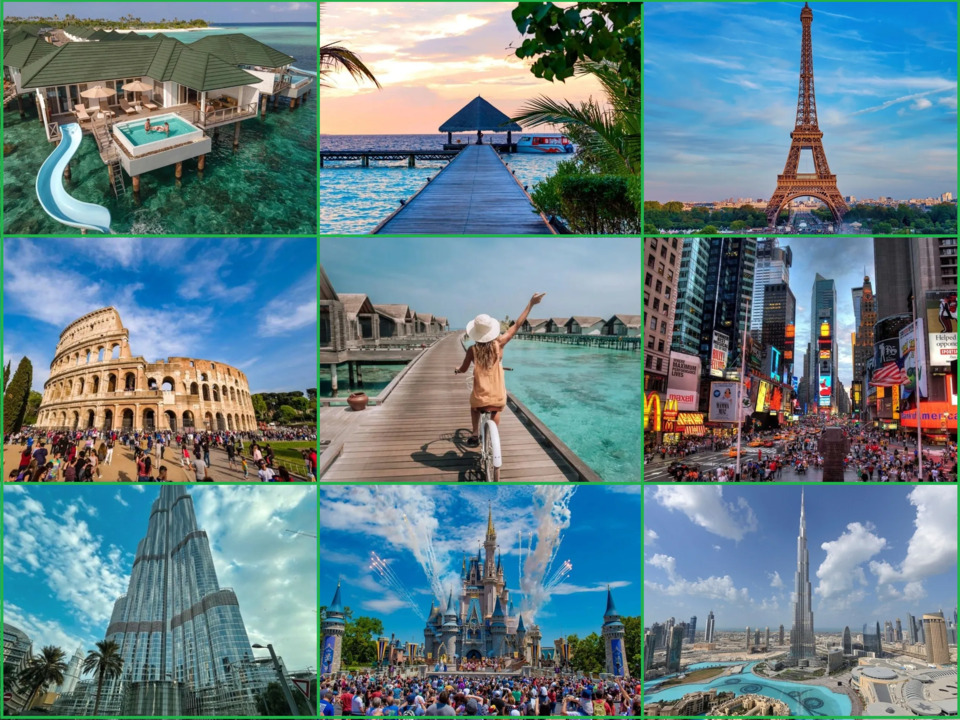
    City skyline • Street café scene • Night city lights


    Complete Travel Guides for First-Time Visitors

    Why First-Time Travel Guides Matter

    First-time visitors need clarity, confidence, and structure. A well-written guide removes confusion and improves the overall travel experience.

    What Every First-Time Guide Should Cover

    Visa basics, transport, accommodation areas, cultural norms, and safety information are essential sections.

    Common Mistakes to Avoid

    Overpacking itineraries, ignoring local customs, and underestimating travel time can affect the trip.

    Helpful Advice

    Keep plans flexible and focus on quality experiences rather than quantity.
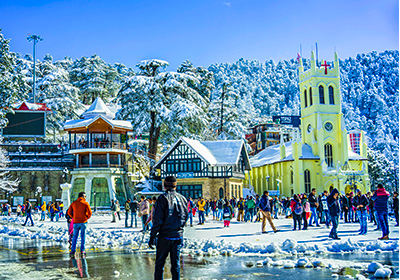
    Image Suggestions:
    Famous landmark • Local street scene • Traveler exploring city


    Budget Travel Guides That Actually Save Money

    Why Budget Travel Content Performs Well

    Budget travel remains one of the most searched travel topics. Travelers look for realistic ways to save without sacrificing experiences.

    Where to Cut Costs Smartly

    Accommodation location, transport passes, free attractions, and local dining offer major savings.

    Affordable Destinations Worth Exploring

    Emerging destinations and off-season travel provide excellent value.

    Budget Travel Planning Tips

    Track daily expenses, book early, and use public transport whenever possible.

    Image Suggestions:
    Budget hotel room • Street food market • Public transport scene


    Luxury Travel Guides for Premium Experiences

    Why Luxury Travel Content Attracts High-Value Readers

    Luxury travel focuses on exclusivity, comfort, and curated experiences, appealing to travelers seeking quality over quantity.

    What Defines a Luxury Trip

    Private transfers, boutique accommodations, fine dining, and personalized services elevate the journey.

    Destinations Known for Luxury Travel

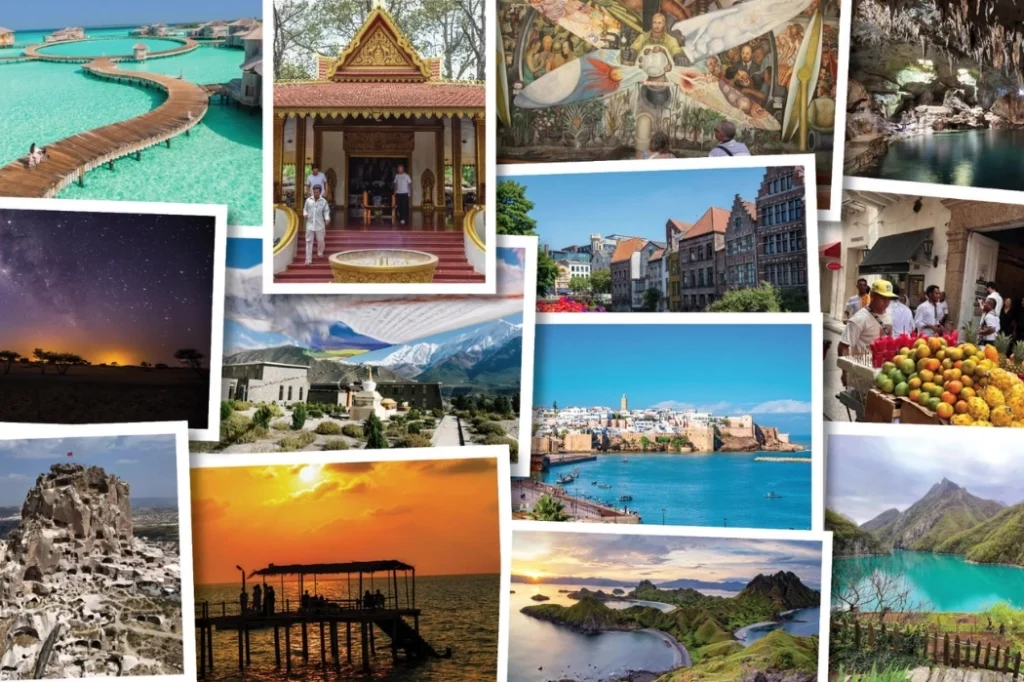
    Island escapes, historic cities, and scenic landscapes often host world-class luxury experiences.

    How to Plan a Luxury Trip

    Research service standards, book reputable properties, and prioritize experience quality.

    Image Suggestions:
    Luxury hotel suite • Private dining experience • Scenic premium view


    Travel Safety Guides Every Traveler Should Read

    Why Safety Content Builds Trust

    Safety guides reassure travelers and establish credibility for travel websites.

    Topics That Improve Travel Confidence

    Health precautions, local laws, scams to avoid, and emergency contacts are vital.

    How to Stay Safe While Traveling

    Awareness, preparation, and respect for local culture reduce risks significantly.

    Smart Safety Planning

    Travel insurance, digital backups, and emergency planning are essential.

    Image Suggestions:
    Traveler with backpack • Airport security scene • Safe city street


    Food Travel Guides for Culinary Exploration

    Why Food Travel Is a Major Travel Motivation

    Local food offers cultural insight and authentic experiences, making it a powerful travel theme.

    What Food Travel Guides Should Include

    Signature dishes, food markets, dining etiquette, and regional specialties enhance credibility.

    Experiences Food Lovers Seek

    Street food tours, cooking classes, and local cafés are popular choices.

    Food Travel Tips

    Try local recommendations, avoid tourist traps, and respect dietary customs.
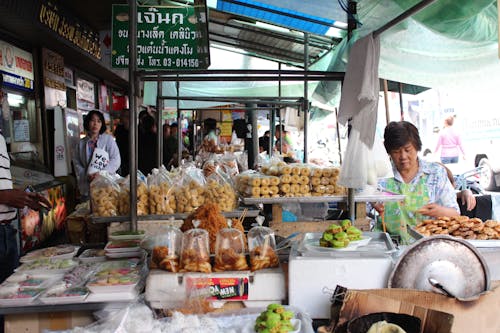
    Image Suggestions:
    Local street food • Traditional dish • Market food stalls


    Seasonal Travel Guides for Year-Round Planning

    Why Seasonal Travel Content Performs Well

    Seasonal guides help travelers plan smarter and avoid crowds or extreme weather.

    What Seasonal Guides Should Cover

    Weather, festivals, pricing trends, and packing advice are key components.

    Best Use of Seasonal Planning

    Traveling during shoulder seasons often balances experience and cost.

    Practical Advice

    Monitor local events and book accommodations early during peak seasons.

    Image Suggestions:
    Seasonal landscape • Festival celebration • Travel packing scene


    Travel Itineraries for Different Travel Styles

    Why Itinerary Content Is Essential

    Itineraries help travelers visualize trips and reduce planning stress.

    Types of Itineraries Travelers Look For

    Weekend trips, slow travel, adventure-focused, and family-friendly itineraries are popular.

    How to Design a Useful Itinerary

    Balance activities, downtime, and logistics for a realistic experience.

    Itinerary Planning Tips

    Avoid over planning and allow flexibility for exploration.


    Complete Travel Guides for First-Time Visitors

    Why First-Time Travel Guides Matter

    First-time visitors need clarity, confidence, and structure. A well-written guide removes confusion and improves the overall travel experience.

    What Every First-Time Guide Should Cover

    Visa basics, transport, accommodation areas, cultural norms, and safety information are essential sections.

    Common Mistakes to Avoid

    Overpacking itineraries, ignoring local customs, and underestimating travel time can affect the trip.

    Helpful Advice

    Keep plans flexible and focus on quality experiences rather than quantity.


    Budget Travel Guides That Actually Save Money

    Why Budget Travel Content Performs Well

    Budget travel remains one of the most searched travel topics. Travelers look for realistic ways to save without sacrificing experiences.

    Where to Cut Costs Smartly

    Accommodation location, transport passes, free attractions, and local dining offer major savings.

    Affordable Destinations Worth Exploring

    Emerging destinations and off-season travel provide excellent value.

    Budget Travel Planning Tips

    Track daily expenses, book early, and use public transport whenever possible.


    Luxury Travel Guides for Premium Experiences

    Why Luxury Travel Content Attracts High-Value Readers

    Luxury travel focuses on exclusivity, comfort, and curated experiences, appealing to travelers seeking quality over quantity.

    What Defines a Luxury Trip

    Private transfers, boutique accommodations, fine dining, and personalized services elevate the journey.

    Destinations Known for Luxury Travel

    Island escapes, historic cities, and scenic landscapes often host world-class luxury experiences.

    How to Plan a Luxury Trip

    Research service standards, book reputable properties, and prioritize experience quality.

    Travel Safety Guides Every Traveler Should Read

    Why Safety Content Builds Trust

    Safety guides reassure travelers and establish credibility for travel websites.

    Topics That Improve Travel Confidence

    Health precautions, local laws, scams to avoid, and emergency contacts are vital.

    How to Stay Safe While Traveling

    Awareness, preparation, and respect for local culture reduce risks significantly.

    Smart Safety Planning

    Travel insurance, digital backups, and emergency planning are essential.


    Food Travel Guides for Culinary Exploration

    Why Food Travel Is a Major Travel Motivation

    Local food offers cultural insight and authentic experiences, making it a powerful travel theme.

    What Food Travel Guides Should Include

    Signature dishes, food markets, dining etiquette, and regional specialties enhance credibility.

    Experiences Food Lovers Seek

    Street food tours, cooking classes, and local cafés are popular choices.

    Food Travel Tips

    Try local recommendations, avoid tourist traps, and respect dietary customs.

    Seasonal Travel Guides for Year-Round Planning

    Why Seasonal Travel Content Performs Well

    Seasonal guides help travelers plan smarter and avoid crowds or extreme weather.

    What Seasonal Guides Should Cover

    Weather, festivals, pricing trends, and packing advice are key components.

    Best Use of Seasonal Planning

    Traveling during shoulder seasons often balances experience and cost.

    Practical Advice

    Monitor local events and book accommodations early during peak seasons.


    Travel Itineraries for Different Travel Styles

    Why Itinerary Content Is Essential

    Itineraries help travelers visualize trips and reduce planning stress.

    Types of Itineraries Travelers Look For

    Weekend trips, slow travel, adventure-focused, and family-friendly itineraries are popular.

    How to Design a Useful Itinerary

    Balance activities, downtime, and logistics for a realistic experience.

    Itinerary Planning Tips

    Avoid overplanning and allow flexibility for exploration.

  • How to Travel the World Cheaper Than Staying at Home: Real Strategies That Actually Work

    How to Travel the World Cheaper Than Staying at Home: Real Strategies That Actually Work

    For many people, travel feels like a luxury expense while staying home seems like the “cheaper” option. In reality, long-term and smart travel can often cost less than daily life in your home country. Rent, utilities, groceries, commuting, and lifestyle inflation add up quickly. When approached strategically, traveling the world can actually reduce your monthly expenses while giving you richer experiences.

    This guide breaks down real, practical strategies that prove how traveling the world can be cheaper than staying at home, without relying on unrealistic hacks or extreme sacrifices.

    Understanding the True Cost of Staying at Home

    Most people underestimate how expensive staying home really is. Fixed costs such as rent or mortgage payments, electricity, internet, insurance, fuel, and subscriptions continue every month whether you enjoy them or not. Add eating out, impulse shopping, and social spending, and your baseline monthly cost becomes surprisingly high.

    Traveling, especially long-term, removes or reduces many of these fixed expenses. When you replace permanent housing with flexible accommodation and daily routines with intentional spending, your total costs often drop.

    Choosing Low-Cost Countries With High Living Standards

    One of the biggest secrets to affordable global travel is destination choice. Many countries offer an excellent quality of life at a fraction of the cost of major Western cities. Southeast Asia, Eastern Europe, parts of Latin America, and the Balkans provide affordable housing, food, transportation, and entertainment.

    Living in these regions allows travelers to enjoy comfortable apartments, frequent dining out, and local experiences while spending less per month than basic living expenses back home.

    Slow Travel Beats Short Vacations Every Time

    Short vacations are expensive because they compress costs. Flights are rushed, accommodations are priced for tourists, and daily spending increases due to limited time. Slow travel spreads costs over weeks or months, significantly lowering daily expenses.

    Monthly rentals are cheaper than hotels, transportation costs decrease, and travelers gain access to local pricing instead of tourist rates. Staying longer in one place creates a lifestyle, not a constant spending spree.

    Replacing Rent With Flexible Accommodation

    Accommodation is usually the biggest expense at home, and it’s also where travelers save the most money. Monthly rentals, serviced apartments, long-stay hotels, hostels with private rooms, and house-sitting opportunities dramatically reduce costs.

    Many destinations offer fully furnished apartments for less than what people pay for a single room in major cities. Utilities and internet are often included, eliminating unpredictable bills.

    Eating Better for Less by Eating Local

    Food costs drop dramatically when you eat like a local. Street food, local cafes, markets, and home cooking are far cheaper than restaurant-heavy lifestyles common at home. In many countries, fresh meals cost less than groceries from a supermarket.

    Travelers who shop at local markets and avoid tourist restaurants often eat healthier while spending less overall.

    Using Public Transport Instead of Owning a Car

    Car ownership is one of the most expensive lifestyle habits. Fuel, insurance, maintenance, parking, and depreciation add up quickly. Many travel destinations have reliable public transportation systems or are walkable.

    By relying on buses, trains, metros, and walking, travelers eliminate major transportation costs while experiencing cities more authentically.

    Travel Credit Cards, Rewards, and Smart Booking

    Flights are often perceived as expensive, but smart booking strategies reduce costs significantly. Travel reward cards, airline miles, fare alerts, flexible dates, and alternative airports help travelers secure affordable flights.

    When flights are planned as part of a long-term journey rather than frequent short trips, airfare becomes a manageable occasional expense instead of a constant drain.

    Working Remotely or Creating Location-Independent Income

    Many travelers reduce costs further by earning while traveling. Remote work, freelancing, consulting, online businesses, and passive income streams allow people to maintain financial stability abroad.

    Earning in stronger currencies while living in lower-cost countries creates a powerful financial advantage, often allowing travelers to save more than they did at home.

    Cutting Lifestyle Inflation Without Feeling Deprived

    At home, lifestyle inflation quietly increases spending through convenience, subscriptions, and social pressure. Travel naturally removes many of these expenses. There’s less shopping, fewer impulse purchases, and more focus on experiences rather than possessions.

    Travelers often discover that happiness comes from simplicity, not consumption, leading to lower spending without feeling restricted.

    Healthcare and Daily Services Cost Less Abroad

    In many countries, healthcare, wellness services, and daily necessities cost far less than in high-income nations. Doctor visits, dental care, fitness classes, and personal services are often affordable without insurance complications.

    This reduces long-term financial stress and makes extended travel sustainable.

    Travel Insurance Replaces Multiple Home Expenses

    Instead of juggling separate insurance policies at home, travelers often rely on comprehensive travel insurance that covers healthcare, belongings, and emergencies. This consolidation simplifies finances and reduces total monthly costs.

    For long-term travelers, insurance becomes a predictable and manageable expense rather than a collection of costly obligations.

    Building a Minimalist Travel Lifestyle

    Travel naturally encourages minimalism. Fewer possessions mean fewer purchases, less maintenance, and fewer financial commitments. This lifestyle shift often continues even after travel ends, leading to long-term savings.

    Minimalism also allows travelers to move freely without constantly spending money to manage belongings.

    Avoiding Tourist Traps and Travel Inflation

    Experienced travelers learn to avoid tourist traps that inflate prices unnecessarily. Local neighborhoods, authentic experiences, and community-based activities provide better value and deeper cultural connections.

    Planning ahead and researching destinations helps travelers enjoy premium experiences at local prices.

    Conclusion

    Traveling the world can genuinely be cheaper than staying at home when done strategically. By choosing affordable destinations, embracing slow travel, reducing fixed expenses, and adopting a simpler lifestyle, travelers often spend less per month while gaining more freedom and fulfillment. The idea that travel is expensive is outdated. With the right mindset and planning, the world becomes not only accessible but financially sustainable.

  • Bali on a Budget: Beaches, Food, and Hidden Spots You Can Explore Cheaply

    Bali on a Budget: Beaches, Food, and Hidden Spots You Can Explore Cheaply

    Bali may be known for luxury resorts, infinity pools, and influencers, but it’s also one of the best destinations in the world for budget travelers. With affordable stays, cheap local food, low-cost transportation, and countless free experiences, you can explore Bali without spending much at all. Here’s your complete guide to experiencing the island’s beaches, culture, food, and hidden gems on a budget.

    Best Budget-Friendly Beaches in Bali

    Some of Bali’s most stunning beaches cost absolutely nothing to enjoy. Kuta Beach is great if you want sunsets, surfing lessons, and a lively atmosphere at low prices. For a more peaceful vibe, head to Balangan Beach—its soft sand and cliff viewpoints make it perfect for photos and relaxation. Another favorite among budget travelers is Padang Padang Beach, where a small entrance fee gives you access to crystal-clear waters ideal for swimming.

    Affordable Local Food and Warungs

    The best way to save money in Bali is to eat like a local. Warungs—small family-run eateries—serve delicious traditional food at extremely low prices. Must-try dishes include Nasi Goreng, Mie Goreng, Babi Guling, and Satay. If you’re staying in tourist-heavy areas like Seminyak or Canggu, walk a few streets away from the main markets and you’ll find warungs offering huge meals for very little. Street food in Bali is flavorful, safe, and a lifesaver for budget travelers.

    Budget Stays That Don’t Feel Cheap

    Bali offers some of the world’s best-value accommodations. Many hostels come with pools, coworking spaces, and breakfast included. Guesthouses in Ubud are especially affordable and often located right in the middle of rice fields. If you prefer privacy, homestays and locally owned villas are budget-friendly while still offering Balinese hospitality and comfort.

    Hidden Spots You Can Explore for Almost Nothing

    Going off the tourist trail will not only save money but also give you a more authentic Bali experience. The Tukad Cepung Waterfall is a magical spot where sunlight beams through a canyon—an incredible scene for photographers. Visit the Campuhan Ridge Walk in Ubud for a peaceful sunset hike with breathtaking views. Sidemen Valley is another underrated area with lush fields and quiet villages that feel far removed from busy tourist zones.

    Cheap Transportation Tips

    Scooter rentals are the cheapest and most flexible way to travel around Bali. Public buses like Kura-Kura Bus are extremely budget-friendly if you’re not comfortable driving. Ride-hailing apps also offer low-cost rides for short distances. Staying in a central area like Ubud or Seminyak helps reduce transportation costs because most attractions are nearby.

    Free and Low-Cost Activities

    Bali is full of activities that cost little to nothing. Beaches, markets, and temples are either free or charge a minimal entrance fee. You can join community yoga sessions, explore local night markets, visit sunset viewpoints, or watch traditional dance performances at budget-friendly venues. Many travelers spend days wandering local villages, meeting artisans, and discovering Bali’s cultural side without spending much at all.

    Conclusion

    Bali proves that paradise doesn’t have to be expensive. From budget-friendly beaches to cheap and delicious local food, low-cost transportation, and hidden gems waiting to be explored, the island offers countless experiences without stretching your wallet. Whether you’re a solo traveler, a couple, or a group of friends, Bali is one of the world’s best destinations for affordable travel. Pack light, stay flexible, and enjoy the Island of the Gods—without overspending.

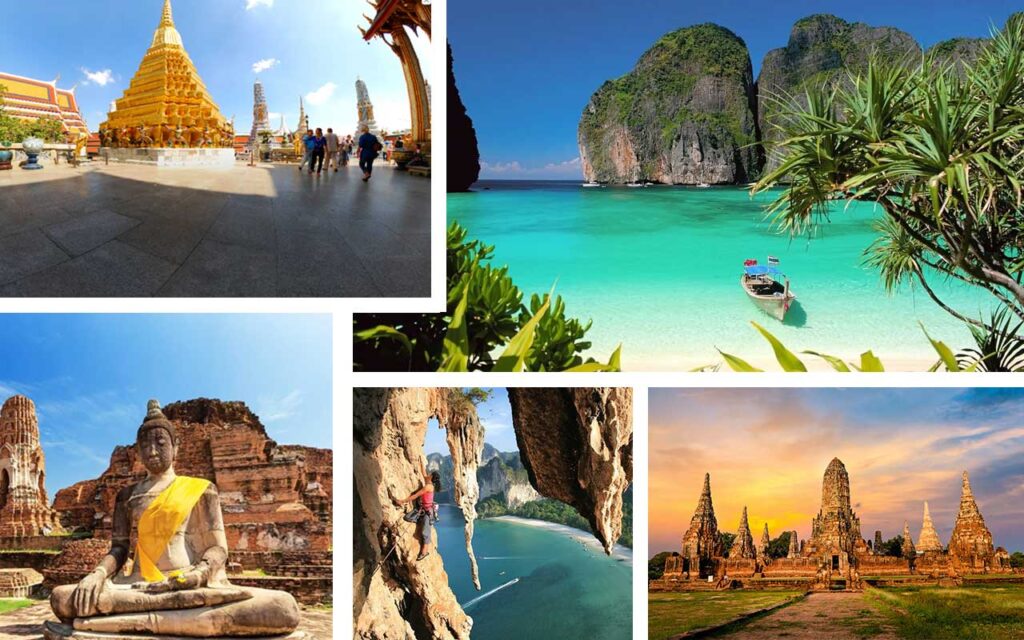
  • Thailand for Budget Travelers: How to Enjoy Bangkok, Phuket, and Chiang Mai Affordably

    Thailand for Budget Travelers: How to Enjoy Bangkok, Phuket, and Chiang Mai Affordably

    Thailand is one of the most budget-friendly destinations in the world, and exploring Bangkok, Phuket, and Chiang Mai doesn’t have to cost much at all. With cheap street food, affordable transport, budget stays, and countless free cultural experiences, Thailand is perfect for travelers looking to stretch their money while enjoying world-class attractions. Here’s exactly how to experience these three major cities affordably.

    Affordable Things to Do in Bangkok

    Bangkok offers a mix of culture, nightlife, and food—without breaking your budget. Street markets like Chatuchak and Pratunam are perfect for cheap shopping. Many temples are either free or charge a very small entrance fee; Wat Arun and Wat Pho offer stunning architecture and peaceful grounds ideal for budget explorers. Don’t miss the Chao Phraya River ferry ride—it’s a cheap and scenic way to see the city from the water. For nightlife, Khao San Road gives you bars, music, and food stalls at extremely affordable prices.

    Budget-Friendly Food in Thailand

    Thailand is world famous for its street food, and eating local is the best way to save money. Dishes like Pad Thai, Som Tam, Tom Yum, and Mango Sticky Rice are available at unbelievably low prices in Bangkok, Chiang Mai, and Phuket. Night markets such as Rod Fai Market, Sunday Walking Street in Chiang Mai, and Phuket Weekend Market offer huge food varieties without costing much. Not only is the food cheap, but it’s also delicious and fresh.

    How to Explore Phuket on a Budget

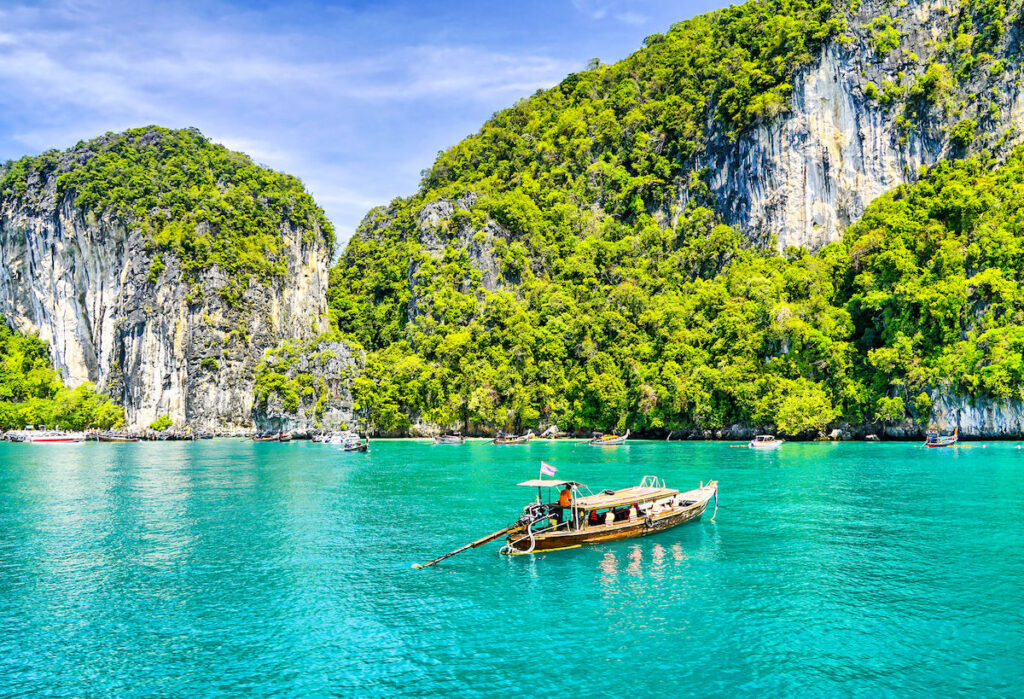
    Phuket may seem luxurious, but budget travelers can enjoy it easily. Patong Beach, Kata Beach, and Karon Beach are free to visit and perfect for relaxing or swimming. Instead of expensive tours, take local buses or shared taxis to explore different beaches and viewpoints. Big Buddha and Old Phuket Town are free attractions that give you culture, history, and stunning photos. Stay in guesthouses around Patong or Kata for affordable accommodations close to the main attractions.

    Budget Travel Tips for Chiang Mai

    Chiang Mai is one of Thailand’s most affordable cities and perfect for slow travelers. The Old City is filled with free temples, quiet cafes, and charming streets to explore on foot. Night bazaars are ideal for budget shopping, and motorbike rentals are extremely cheap for exploring mountains and waterfalls around the city. Don’t miss Doi Suthep—it has a small entry fee and offers incredible views of Chiang Mai. If you love nature, Chiang Mai’s waterfalls and hiking trails are budget-friendly and beautiful.

    Cheap Accommodations Throughout Thailand

    Thailand offers some of the best-value accommodations in Southeast Asia. Hostels in Bangkok start extremely low, often including Wi-Fi, air-conditioning, and free breakfast. In Phuket and Chiang Mai, guesthouses and boutique hostels offer comfortable stays at budget-friendly prices. Look for local homestays for a more authentic experience while saving money.

    Saving Money on Transportation

    Public transport in Bangkok—BTS Skytrain and MRT—is affordable and helps avoid traffic. In Phuket and Chiang Mai, renting scooters is the most cost-saving option for short-distance travel. For long routes, Thailand’s trains and buses are cheap and comfortable, making them perfect for travelers moving between cities on a budget.

    Conclusion

    Thailand is truly a budget traveler’s paradise. Whether you’re discovering Bangkok’s vibrant markets, relaxing on Phuket’s beautiful beaches, or exploring Chiang Mai’s temples and mountains, you can enjoy the best of Thailand while spending very little. With cheap food, low-cost transport, and endless free attractions, Thailand makes it easy to travel affordably without missing out on unforgettable experiences. Pack your essentials, stay flexible, and explore Thailand the smart way—without overspending.

  • Budget-Friendly Beach Destinations for 2025 Travelers

    Budget-Friendly Beach Destinations for 2025 Travelers

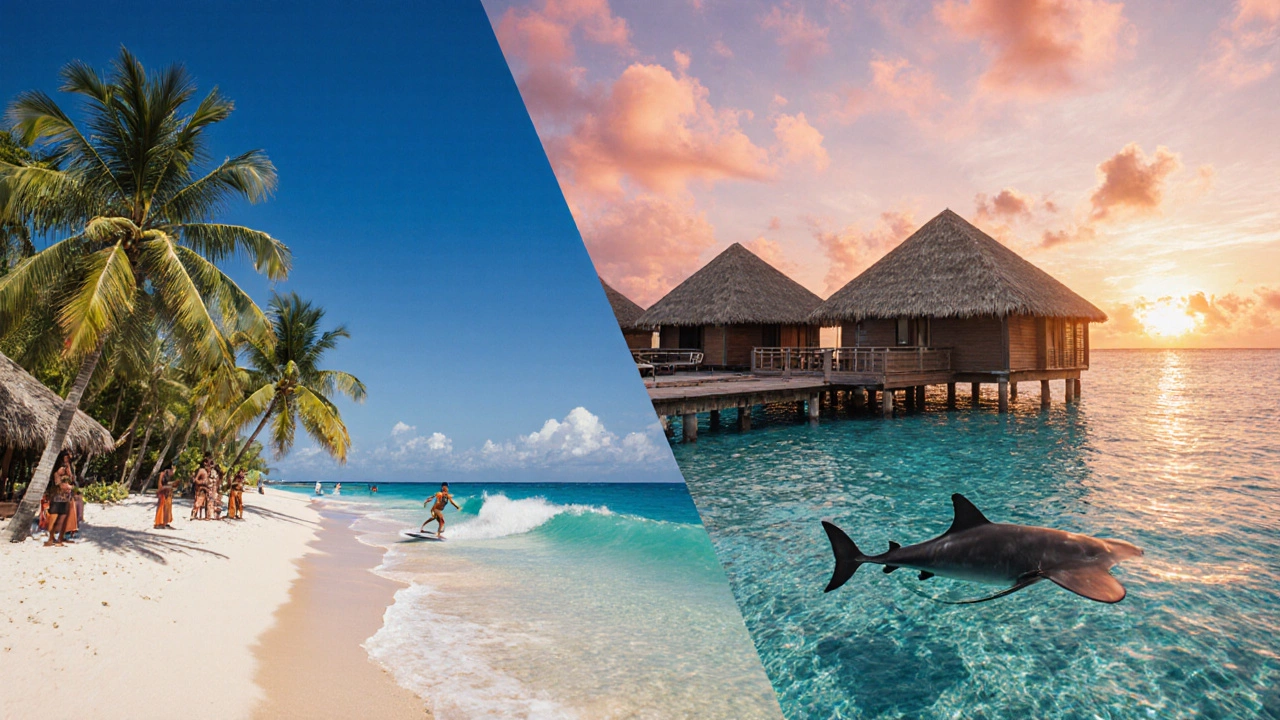
    Craving sun, sand, and sea but don’t want to blow your savings? The great news is that you don’t need to splurge to enjoy a memorable beach holiday. Around the world, there are countless coastal spots that offer stunning beaches, warm hospitality, and reasonable costs — perfect for travelers on a budget. In this guide, we’ll explore some of the most affordable and beautiful beach destinations for 2025. Each location balances beauty with value, making it easier to plan a beach getaway without draining your wallet.

    Goa, India – Classic Budget Beach Charm

    Goa continues to be a top destination for those seeking sun-soaked beaches and laid-back vibes at budget-friendly prices. Especially if you steer clear of peak season (December–February), you’ll find comfortable guesthouses, mid-range hotels, and even budget hostels for a fraction of what you’d pay in developed beach resorts. North Goa offers lively beach shacks, nightlife, and vibrant culture — perfect for young travelers and backpackers. South Goa, on the other hand, delivers tranquil shores, peaceful coves, and relaxed energy for couples and families. Local food, public transport, and modest stays keep daily expenses low. For travelers from within India or neighboring countries, Goa remains one of the most accessible beach destinations for 2025.

    Hoi An / Da Nang, Vietnam – Tropical Beaches on a Budget

    Vietnam combines cultural charm, delicious food, and beautiful beaches, making it one of the most underrated budget beach destinations. The coastal region near Hoi An and Da Nang stands out for its wide sandy beaches, warm sea, and colorful local vibe. Accommodation ranges from budget guesthouses to boutique beachfront hotels, often at rates much lower than comparable resorts in popular countries. Dining on Vietnamese street food or local restaurants adds to savings while offering unforgettable flavors. With direct flights from major Asian hubs becoming more common, travel to Vietnam in 2025 is more affordable than ever. For travelers looking to combine beach, culture, and affordability — this region is a hidden gem.

    Nha Trang, Vietnam – Affordable Beach Life and Island Escapes

    Another Vietnamese destination worth checking out is Nha Trang — a coastal city with long beaches, crystal-blue water, and a lively yet still budget-friendly scene. Nha Trang offers a wide range of accommodation from budget hostels to mid-range resorts. Day trips to nearby islands, snorkeling, or boat tours remain affordable compared to international prices. Street food stalls and local markets make meals inexpensive, and overall daily expenses remain low. For solo travelers or groups wanting beach fun without high costs, Nha Trang remains one of Vietnam’s top value beach destinations.

    Algarve Coast, Portugal – European Beaches Without Breaking the Bank

    For budget-conscious travelers from Europe or beyond who want a dose of Mediterranean charm without elite pricing, Portugal’s Algarve coast offers golden beaches, dramatic cliffs, and a laid-back vibe at relatively modest costs. Staying in smaller towns or guesthouses, especially outside the peak summer months, can be surprisingly affordable. Public transport or inexpensive car rentals make it easy to hop between beaches, and local eats tend to be cheaper than in many Western European countries. With direct flights from many European cities, Algarve delivers sun, sea, and culture without the typical Eurozone price tag, especially if booked in shoulder season (spring or early autumn).

    Bali (Canggu / Sanur / North Bali), Indonesia – Island Paradise for Less

    Bali is often associated with luxury villas and crowded tourist spots, but savvy travelers in 2025 can still enjoy its beaches on a budget. Areas like Canggu, Sanur, or lesser-known North Bali offer affordable stays ranging from guesthouses to mid-range resorts. Street food, local markets, and inexpensive transport make daily costs manageable. Beaches are cleaned regularly, and the vibe remains welcoming. For travelers seeking a tropical island escape with vibrant culture, friendly locals, and manageable prices — Bali remains an unbeatable value pick.

    Sri Lanka (Arugam Bay / Mirissa / Hikkaduwa) – Tropical Beaches and Warm Budget

    Sri Lanka’s coastline is packed with scenic beaches, warm ocean water, and a relaxed atmosphere at very low prices compared to typical beach resorts globally. Places like Arugam Bay, Mirissa, and Hikkaduwa offer surf beaches, calm shores, and local guesthouses that are inexpensive yet comfortable. Street food, tuk-tuk rides, and local transport keep travel expenses low. Especially for travelers from South Asia or Europe looking for a mix of culture, nature, and beach relaxation, Sri Lanka offers unmatched value. In 2025, better flight connectivity and developing tourism infrastructure make it even more accessible.

    Mexico’s Yucatán Peninsula (Tulum / Playa del Carmen / Puerto Escondido) – Beach Affordability Meets Tropical Beauty

    For travelers from the Americas or those willing to travel long haul, Mexico’s Yucatán Peninsula brings together turquoise waters, tropical climate, rich culture, and affordable prices. Towns like Tulum, Playa del Carmen, or Puerto Escondido offer budget hostels, mid-range hotels, and beachfront cabanas at reasonable rates. Local street food, shared transport, and economical tours help make a beach vacation quite affordable compared to European or Caribbean resorts. Moreover, Mexico combines beach life with cultural experiences, local markets, and delicious cuisine — a great combination for 2025 travelers seeking value.

    Albania’s Riviera – Europe’s Best-Kept Coastal Secret

    Albania is emerging as a hidden gem in Europe for its Adriatic coastline, pristine beaches, and affordable travel costs. The Albanian Riviera features soft sandy beaches, clear seas, and small coastal towns where prices for accommodation and food are significantly lower than neighboring Mediterranean hotspots. Visitors can stay in guesthouses, enjoy affordable seafood by the beach, and explore local culture without crowds. For budget-conscious European travelers or backpackers seeking a coastal European escape without typical Mediterranean price tags, Albania stands out in 2025 as a must-visit beach destination.

    The Philippines (Cebu / Palawan / Siargao) – Island Beauty on a Budget

    The Philippines remains one of Southeast Asia’s most budget-friendly beach destinations. Islands like Cebu, Palawan, and Siargao offer powdery beaches, clear water, coral reefs, and relaxed island life at very low costs. Budget hostels, cottage-style stays, and small resorts accommodate travelers affordably. Local transport (ferries and buses), inexpensive meals, and island-hopping tours add great value. For adventurers, divers, and beach lovers on a budget, the Philippines offers one of the best combinations of natural beauty and travel affordability in 2025.

    Mexico’s Yucatán & Caribbean (Isla Holbox / Bacalar Lake) – Peaceful Beach Escapes

    Beyond the popular coasts, Mexico’s less-commercialized spots like Isla Holbox or Bacalar Lake offer tranquil beach escapes at lower costs. With calm waters, relaxed vibes, and affordable beachfront cabanas, these small destinations combine serenity and affordability. They’re perfect for travelers who want peaceful beach holidays without expensive resorts, ideal for 2025 travelers thinking outside the typical tourist path.

    How to Travel Beaches on a Budget in 2025

    To get maximum value from your beach holiday, follow these smart travel tips: travel during shoulder or off-season when hotels and flights are cheaper; choose guesthouses, hostels, or Airbnb-style stays instead of luxury resorts; eat local food instead of fancy restaurants; use public transport or rent scooters locally; plan ahead and book flights early; travel in groups if possible to split costs; avoid tourist traps and overpriced tours; and mix beach days with free activities like hikes, local markets, or exploring nearby towns.

    Why Budget Beach Holidays Are Worth It

    Beach vacations don’t always need luxury. Affordable beach destinations often come with warmth, authentic culture, less crowded beaches, and real travel value. You get to relax, explore local life, and enjoy sun and sea without financial stress. In 2025, rising flight connectivity, better infrastructure in developing countries, and increased awareness among travelers make budget beach travel easier and more appealing than ever.

  • Budget-Friendly Europe: How to Explore Budapest, Prague, and Krakow for Less

    Budget-Friendly Europe: How to Explore Budapest, Prague, and Krakow for Less

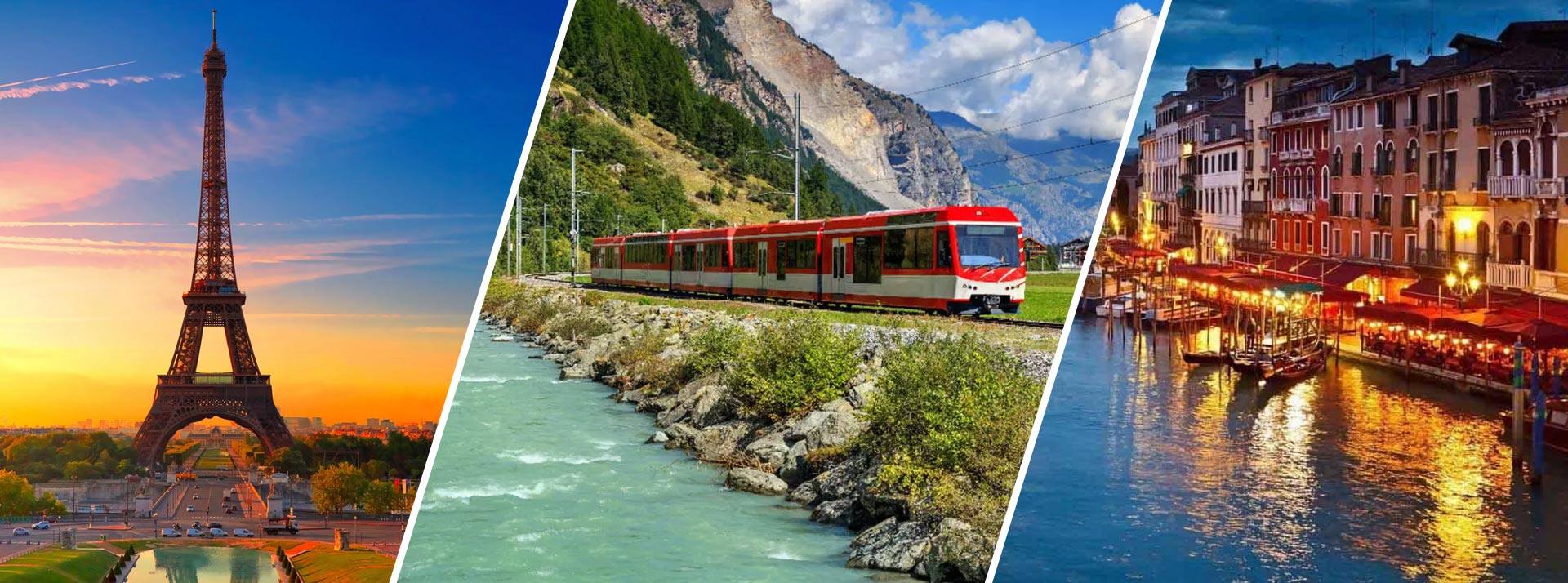
    Exploring Europe doesn’t always mean spending a lot. Central Europe—especially Budapest, Prague, and Krakow—offers rich culture, beautiful architecture, and unforgettable experiences at some of the lowest prices on the continent. Whether you’re traveling solo, as a couple, or with friends, these three cities give you the perfect mix of history, food, nightlife, and scenic views without stretching your budget. Here’s how to explore them smartly and affordably.

    Why Central Europe Is Perfect for Budget Travelers

    Central Europe is known for its incredible value. Public transport is cheap, food portions are large and affordable, and most top attractions have low entry fees or are completely free. Hostels and guesthouses are also reasonably priced, making it easy for travelers with any budget to enjoy a comfortable stay. Plus, all three cities are well connected by buses and trains, offering low-cost travel between destinations.

    Exploring Budapest on a Budget

    Budapest feels luxurious with its thermal baths, grand parliament building, and river views, yet it remains surprisingly affordable. Walk across the Chain Bridge, explore Fisherman’s Bastion for iconic city views, and enjoy the lively atmosphere of the Jewish Quarter—all without spending much. Budapest is also famous for its thermal baths; some are expensive, but affordable options like Lukacs Bath offer a relaxing experience on a budget. Street food markets around the city provide delicious local dishes at low prices, and sunset views along the Danube River are completely free.

    Affordable Things to Do in Prague

    Prague looks straight out of a fairytale with its medieval streets and gothic architecture, but it’s also a budget-friendly destination. Many popular attractions, such as Charles Bridge, Old Town Square, and the Astronomical Clock, can be enjoyed free of charge. While Prague Castle has an entrance fee, exploring its courtyards and viewpoints is free and offers beautiful scenery. Traditional Czech food is hearty and inexpensive, especially if you eat at local pubs instead of tourist areas. Public transportation is efficient and affordable, making it easy to navigate the city.

    How to Explore Krakow for Less

    Krakow is one of the most affordable cities in Europe and offers rich history along with great food and nightlife. The Old Town is walkable and filled with beautiful landmarks such as St. Mary’s Basilica and the Market Square. Wawel Castle has certain free-entry areas where you can enjoy the views without spending anything. For budget-friendly meals, local milk bars—traditional Polish cafeterias—serve delicious home-style food at extremely low prices. Don’t miss Kazimierz District for cafes, vintage shops, and cultural spots.

    Saving Money on Food, Stays, and Transport

    Eating locally is one of the easiest ways to stay within your budget in these cities. Street food markets and local restaurants serve great meals without high prices. Hostels, boutique stays, and small hotels in non-touristy neighborhoods offer excellent value. For transportation, buses and trams in all three cities are cheap, reliable, and easy to navigate. If you plan to visit multiple attractions in a day, look for day passes to save even more.

    Best Time to Visit for Cheaper Travel

    Traveling during the shoulder seasons—spring and early autumn—is the best way to keep costs low. These months offer pleasant weather, fewer tourists, and better prices for accommodations and attractions. Winter can be even cheaper, and although colder, the cities look magical during Christmas markets and festive lights.

    Conclusion

    Budapest, Prague, and Krakow prove that Europe can absolutely be explored on a budget. From charming streets and free historical sites to affordable local food and efficient transportation, each city offers a complete travel experience without the high price tag found in many Western European destinations. With smart planning and a flexible approach, you can enjoy the best of Central Europe while spending far less than expected. Pack light, stay curious, and get ready for an unforgettable and affordable European adventure.

  • How to Travel the World on a Low Budget

    How to Travel the World on a Low Budget

    Traveling the world is a dream many people have, but the idea of high costs often stops them before they even begin planning. However, world travel does not have to be expensive. With smart planning, flexible choices, and the right strategies, you can explore multiple countries without spending a fortune. Budget travel is all about making informed decisions, knowing where to save, and prioritizing meaningful experiences over luxury. This guide will help you understand how to travel internationally at a low cost while still enjoying comfort, safety, and unforgettable memories.

    Understanding the Basics of Budget Travel

    Budget travel is not about sacrificing comfort or choosing unsafe options. It is about spending money wisely and avoiding unnecessary expenses. This approach allows you to stretch your budget across more countries and longer trips. Whether you want to backpack across Southeast Asia, explore Europe, or experience South America, the foundation of budget travel lies in choosing affordable destinations, planning early, and staying flexible with transportation and accommodation options.

    Choose Affordable Destinations

    The destination you select plays a major role in how much money you will spend. Some countries are naturally budget-friendly due to low living costs, cheap transport, and affordable food. Southeast Asia is one of the most popular regions for budget travelers, with countries like Vietnam, Thailand, Laos, Cambodia, and Indonesia offering beautiful landscapes, delicious food, and budget stays. Eastern Europe is another great region with countries like Poland, Hungary, and Romania offering cultural richness without high prices.

    Choosing the right destination helps your money go further while still providing exciting travel experiences. South America, including Peru, Bolivia, and Ecuador, is also extremely affordable for long-term travel. Avoiding expensive destinations like Switzerland, Iceland, Norway, or Singapore keeps your travel budget under control.

    Travel During Off-Season

    One of the easiest ways to reduce costs is to avoid peak travel seasons. Flights, hotels, and activities are much cheaper when tourist crowds are low. Off-season travel not only saves money but also gives you a more peaceful experience. You get less crowded attractions, shorter queues, and a more authentic feel of the place. Weather may not be perfect, but the trade-off often works in your favor financially.

    Every destination has its own off-season. Researching before booking your trip helps you pick dates that offer good weather while still being affordable.

    Use Flexible Dates for Flights

    Airfare is usually one of the biggest expenses in international travel. However, using flexible dates can reduce the cost significantly. Tools like Google Flights, Skyscanner, and Kayak allow travelers to see the lowest prices across entire months. Flying mid-week, early morning, or late at night often gives cheaper fares.

    Booking flights at least six to eight weeks in advance offers good deals for international trips. Additionally, being open to flying from different airports helps save money. For example, flying from a bigger hub airport can sometimes be hundreds of dollars cheaper than flying from a smaller city.

    Book Budget Accommodation

    Accommodation can take up a large part of your travel budget. Staying in budget hotels, hostels, dorm rooms, and guesthouses is a great way to save money. Hostels, in particular, are popular among travelers because they offer social environments, free activities, and communal kitchens where you can cook your own meals.

    Platforms like Booking.com, Hostelworld, and Airbnb provide a wide range of low-cost stays. Many guesthouses and homestays offer private rooms at a fraction of the cost of hotels. If you want long-term travel, monthly rentals or co-living spaces are another affordable option.

    Use Public Transport

    Public transportation is another essential part of budget travel. Trains, buses, trams, and metro systems are significantly cheaper than taxis or rental cars. Many countries offer travel passes that allow unlimited rides at low prices. Walking is also an excellent way to save money while exploring cities at a leisurely pace.

    In some destinations like Japan or Europe, long-distance train passes can save a lot of money if you plan to visit multiple cities. Regional buses or shared vans in Southeast Asia are extremely affordable and widely available.

    Eat Local Food

    Food can quickly become expensive if you only dine at tourist-oriented restaurants. Eating local food not only saves money but also provides authentic cultural experiences. Street food is safe and delicious in many countries like Thailand, Malaysia, Mexico, and Turkey.

    Visiting local markets, food courts, and family-run cafes gives you access to fresh, affordable meals. If you have access to a kitchen, cooking some meals at your accommodation also helps reduce spending.

    Avoid Expensive Activities

    Many travelers assume they need expensive tours to enjoy a destination, but that is not always true. Hiking, exploring local neighborhoods, visiting public beaches, attending free walking tours, and exploring cultural landmarks are often inexpensive or free. Budget travelers prioritize meaningful experiences over luxury.

    If you do want to participate in paid activities, compare prices online, read reviews, and avoid last-minute bookings. Many travel websites offer discounted tickets if you book early.

    Travel Slow

    Slow travel is one of the most effective ways to reduce expenses. Staying longer in one place saves on transport costs, reduces stress, and allows you to understand a location more deeply. Many accommodations offer weekly or monthly discounts, making long-term stays cheaper.

    Slow travel also allows you to find local markets, cheaper food, and hidden spots that tourists often miss. Instead of rushing through six countries in a week, staying longer helps you enjoy more and spend less.

    Use Travel Reward Programs

    Credit card reward programs, airline miles, and hotel loyalty programs can help you travel on a low budget. Many travelers use accumulated points to get free flights or discounted stays. If you plan early and use the right cards, you can significantly reduce your travel costs.

    Several airlines offer cheap reward flights if you book early or travel during off-season. Budget travelers can combine airline points with low-cost carriers to maximize savings.

    Connect with Other Travelers

    Talking to other travelers helps you learn real-time tips on affordable food, transportation, and hostels. Many budget travelers share deals, split taxi fares, group up for day trips, and exchange helpful information. Hostels, travel forums, and social media groups provide several opportunities to connect with fellow travelers.

    Conclusion

    Traveling the world on a low budget is absolutely possible with the right planning and mindset. Selecting budget-friendly destinations, traveling during off-season, staying flexible with flight dates, using public transportation, and eating local can significantly reduce your expenses. By avoiding unnecessary luxuries and choosing meaningful experiences, you can travel far and long without breaking your budget. The world is full of beautiful places, and budget travel allows you to experience them all without worrying about money. With smart decisions and a little research, world travel becomes not just a dream but a realistic and exciting adventure.

  • How to Travel the World Full-Time on a Budget

    How to Travel the World Full-Time on a Budget

    Traveling the world full-time sounds like an impossible dream for many, but thousands of people do it every year without being rich. The secret lies in smart planning, budget-conscious choices, and adopting a lifestyle that prioritizes experiences over luxury. If you’ve ever imagined waking up in a new destination every month while spending less than you do at home, this guide will show you exactly how to make it happen.

    Choose Affordable Destinations

    One of the biggest secrets to full-time travel is choosing countries where your money stretches further. Regions like Southeast Asia, Eastern Europe, South America, and parts of Africa offer lower living costs, affordable transportation, and budget-friendly food. In places such as Vietnam, Indonesia, Georgia, or Colombia, you can live comfortably on a fraction of what you’d spend in the US or Europe. Picking destinations wisely allows you to travel for longer without financial stress.

    Slow Travel Instead of Hopping Cities

    Full-time travelers save the most money by choosing slow travel. Staying longer in each place reduces transportation costs, gives access to monthly apartment rentals, and helps you settle into a more sustainable routine. Slow travel also lets you explore deeply, connect with local communities, and avoid burnout. Instead of rushing to tick destinations off a list, you enjoy the journey at a relaxed pace while keeping expenses under control.

    Turn Travel Into Income

    Earning money while traveling is the key to sustaining a full-time travel lifestyle. Many travelers work remotely as freelancers, content creators, graphic designers, digital marketers, English teachers, or virtual assistants. Others teach yoga, run travel blogs, or start online businesses. Even part-time income can cover your living costs in budget-friendly destinations. With remote work becoming more common, earning from anywhere in the world is easier than ever.

    Find Budget Accommodation Options

    Accommodation is usually the biggest expense, but there are countless ways to save. Hostels, budget guesthouses, and homestays offer affordable stays. Platforms like Airbnb provide great monthly discounts, while housesitting lets you stay in homes for free in exchange for taking care of pets or properties. Long-term stays often come with negotiated rates, so it’s always worth asking for a discount. Choosing simple, comfortable stays over luxury hotels drastically reduces costs.

    Master Cheap Transportation

    Traveling full-time doesn’t require constantly buying expensive flights. Budget travelers rely on overnight buses, trains, ferries, and rideshares to cut transportation costs. Using travel apps to track cheap flights, booking early, and staying flexible with dates helps save hundreds of dollars a year. Many long-term travelers also choose to stay within one region at a time, reducing the need for long-haul flights and keeping travel costs manageable.

    Cook Your Own Meals

    Eating out every day can drain your budget quickly. Cooking simple meals, buying groceries from local markets, and choosing street food instead of restaurants helps you save significantly. In many countries, local cuisine is delicious and incredibly cheap, giving you the perfect balance of flavor and affordability. Preparing your own meals whenever possible keeps your daily expenses low and frees up money for experiences.

    Travel During Off-Season

    Traveling during off-season or shoulder season allows you to experience destinations at lower prices with fewer crowds. Hotels, flights, and tours are heavily discounted, and you get a more authentic experience without tourists everywhere. Off-season travel is one of the smartest ways to keep your full-time travel budget steady while enjoying places in a relaxed environment.

    Avoid Tourist Traps

    Popular attractions often come with inflated prices. Full-time travelers avoid tourist traps and seek local experiences instead. Visiting free viewpoints, exploring local neighborhoods, hiking nature trails, and discovering hidden gems can be far more rewarding than paying high entrance fees. Researching beforehand helps you choose meaningful and budget-friendly activities that still give you an incredible travel experience.

    Use Travel Reward Programs

    Frequent travelers maximize savings through travel reward programs, points, and loyalty memberships. Using the right credit cards can earn you free flights, discounted hotel stays, and cashback on travel expenses. Over time, these rewards can cover a significant part of your travel budget. Smart travelers keep track of points and use them strategically to reduce long-term costs.

    Carry Only What You Need

    Traveling full-time becomes much easier when you pack light. Excess baggage adds airline fees, limits your mobility, and makes travel stressful. Minimalist packing helps you stay flexible, move faster, and save money. A compact wardrobe, essential gadgets, and multipurpose items are all you need for long-term travel. Living light also reinforces the freedom that comes with full-time travel.

    Conclusion

    Traveling the world full-time on a budget isn’t a fantasy—it’s a lifestyle built on smart decisions, flexible planning, and purposeful choices. By choosing affordable destinations, traveling slowly, earning remotely, and focusing on meaningful experiences instead of luxury, you can explore the globe without draining your finances. With the right approach, you can wake up in your dream destinations, live more freely, and create unforgettable memories while keeping costs under control. The world is more accessible than ever—your budget-friendly adventure awaits.

  • Best Budget Travel Destinations for Solo Travellers — Affordable Solo Trips 2025

    Best Budget Travel Destinations for Solo Travellers — Affordable Solo Trips 2025

    Best Budget Travel Destinations for Solo Travellers (2025) — Explore More, Spend Less

    Introduction

    Travelling solo doesn’t have to be expensive. In 2025, smart solo travellers choose destinations that balance culture, safety, affordability, and ease of getting around. This guide lists the best budget-friendly places for solo travellers, with practical tips and rough cost estimates so you can plan a memorable trip without breaking the bank.

    1. Vietnam — Hanoi, Hoi An & Ho Chi Minh City

    Vietnam consistently tops budget travel lists for solo adventurers. Street food is cheap and delicious, hostels are social and affordable, and intercity travel by sleeper bus or budget airlines is common. Cities like Hanoi and Hoi An offer rich culture; the Mekong Delta and Phong Nha caves deliver natural adventure.

    • Why it’s cheap: Affordable food, budget transport, low-cost attractions.
    • Must-do: Street food tour, motorbike loop, UNESCO Hoi An old town at night.

    2. Thailand — Chiang Mai & Northern Towns

    Thailand is a classic for solo travellers, but Chiang Mai and the northern hill towns are far more budget-friendly than Phuket or Bangkok. Cozy guesthouses, low-cost trekking, and an active digital nomad scene make it ideal for longer stays.

    • Why it’s solo-friendly: Lots of group tours, easy language basics, plentiful hostels.
    • Must-do: Night markets, cooking classes, short treks to hill tribes.

    3. Indonesia — Yogyakarta & Java

    Bali is popular but pricier; for a budget solo trip, head to Yogyakarta and explore Java’s temples like Borobudur and Prambanan. Guesthouses and local warungs (eateries) are extremely affordable, and travellers can join shared tours for volcano hikes.

    • Why it’s great: Low cost of living, cultural attractions, easy community travel.
    • Must-do: Sunrise at Borobudur, local batik workshops, Borobudur cycling tours.

    4. Nepal — Kathmandu & Pokhara

    Nepal is perfect for solo travellers on a budget who love trekking and nature. Accommodation and food are inexpensive. Short treks around Pokhara or longer ones in the Annapurna region cater to all budgets and fitness levels.

    • Why it’s cheap: Low accommodation costs and local transport fares.
    • Must-do: Short day hikes, lake-side relaxation in Pokhara, cultural temples in Kathmandu.

    5. Mexico — Oaxaca & Guanajuato

    Mexico offers vibrant culture, fascinating history, and affordable travel—especially outside major tourist hubs. Oaxaca and Guanajuato are wallet-friendly, safe for most solo travellers, and full of local markets, colonial streets, and delicious street food.

    • Why it’s solo budget-friendly: Inexpensive local transport and food; many free sights.
    • Must-do: Try local moles, visit artisan villages, wander colorful plazas.

    6. Georgia — Tbilisi & Kazbegi

    Georgia (the country) is a rising budget destination for solo travellers: safe, welcoming, and surprisingly cheap. Incredible mountain scenery, cheap wine, and guesthouses with warm hospitality make it ideal for independent exploration.

    • Why it’s trending: Affordable guesthouses, breathtaking landscapes, easy bus routes.
    • Must-do: Tbilisi old town, day trip to Kazbegi, Georgian supra (traditional feast).

    Budget Breakdown & Smart Planning Tips

    Below are rough daily budget estimates for solo travellers (moderate style): accommodation in hostels/guesthouses, local transport, street food, and low-cost activities.

    DestinationDaily Budget (USD)
    Vietnam$18–$35
    Thailand (Chiang Mai)$20–$40
    Indonesia (Yogyakarta)$18–$36
    Nepal$15–$30
    Mexico (Oaxaca)$25–$45
    Georgia$20–$40

    Pro tip: Book hostels with common areas to meet other travellers. Use local buses and night trains to save on accommodation and time.

    Safety Tips for Solo Travellers on a Budget

    • Keep digital copies of your passport and emergency contacts.
    • Blend in — avoid flashy jewellery and expensive gear in public.
    • Use reputable hostel booking sites and check recent reviews.
    • Trust your instincts: join group tours if a remote area feels unsafe.

    Conclusion

    Solo travel on a budget is more accessible than ever. Choose destinations with affordable local costs, vibrant hostel scenes, and easy transport links. Whether you crave mountains, temples, food, or culture, the destinations above offer memorable experiences without a heavy price tag. Plan smart, stay flexible, and you’ll find that travelling alone can be both enriching and economical.Start planning your budget solo trip

    Want this article tailored to a specific duration, country of origin, or travel style? Reply and I’ll customise it for you.

  • How to Plan a Last-Minute International Trip Without Paying Sky-High Prices

    How to Plan a Last-Minute International Trip Without Paying Sky-High Prices

    Planning an international trip at the last minute doesn’t have to drain your wallet. While spontaneous travel often seems expensive, smart strategies, flexible planning, and the right tools can help you secure flights, hotels, and experiences at surprisingly affordable rates. In 2026, more travelers are taking spontaneous trips, and airlines, hotels, and travel platforms are making it easier than ever to book late without overspending.

    Here is a detailed guide on how to plan a last-minute international trip without paying premium prices — and still enjoy an amazing travel experience.

    Start With Flexible Dates and Destinations

    When planning last-minute international travel, flexibility is your biggest money-saver. Instead of choosing exact travel dates, use flexible date tools on flight search engines to compare prices across days and even weeks. A single-day shift can reduce airfare dramatically. Flexibility with destinations also opens the door to cheaper, trending locations where demand is lower. Instead of insisting on one expensive city, search for “Everywhere” or “Flexible Destinations” to find the best deals available at the moment.

    Use Multi-City and Alternative Airport Hacks

    Airlines often adjust prices based on demand and route popularity. Multi-city itineraries can sometimes reduce costs, especially on last-minute bookings. Flying into one city and returning from another may be cheaper than a standard round-trip ticket. Another powerful strategy is using alternative airports. Major international hubs tend to be pricey, but secondary airports nearby may offer budget-friendly fares with the same convenience. Even a short train or bus ride from an alternate airport can save you hundreds.

    Search on the Right Platforms for Last-Minute Deals

    The platform you use matters when booking last-minute travel. Certain sites specialize in spontaneous bookings and provide exclusive discounts. Apps like Omio, Skyscanner, Google Flights, and Hopper track price drops and show hidden deals. They allow you to compare airlines, routes, and timing options within seconds. Some platforms even send alerts for last-minute international price drops. For hotels, use sites like Booking.com, HotelTonight, and Trivago, which negotiate last-minute room rates with unused inventory. These tools help you secure high-quality stays at a fraction of the usual price.

    Choose Off-Peak Travel Times

    Traveling during off-peak hours dramatically reduces last-minute prices. Early morning, late-night, or midweek flights are consistently cheaper than weekend or midday departures. Many airlines lower fares for flights that are harder to fill. If you can travel Tuesday to Thursday or take a red-eye flight, your last-minute costs will drop significantly. This strategy also helps with hotel rates, as midweek stays are often cheaper than Fridays and Saturdays.

    Consider All-Inclusive Packages for Instant Savings

    While spontaneous travel can seem stressful, all-inclusive packages can save both time and money. Many travel platforms offer bundled deals on flights, hotels, airport transfers, and tours. Booking a bundle often costs less than booking each component separately — especially last minute. Packages also eliminate the hassle of searching for separate reservations. For destinations like Mexico, Thailand, Greece, or the Caribbean, last-minute all-inclusive resorts often release discounted rooms when inventory is still available.

    Be Smart With Travel Rewards, Miles & Points

    Last-minute international fares are perfect opportunities to use travel rewards. Airlines often release unsold seats to reward programs, making it easier to redeem miles at lower rates. Use miles to cover expensive routes or upgrade to better classes without paying extra. Hotel loyalty programs also provide discounted last-minute stays, free nights, or room upgrades. If you have a travel credit card, check your points balance — you may be closer to a free flight or hotel night than you think. Using rewards strategically is one of the best ways to reduce last-minute travel costs.

    Book Direct for Hidden Discounts & Perks

    While travel comparison sites are excellent for finding deals, sometimes the lowest fare appears directly on the airline or hotel’s website. Airlines may offer exclusive web discounts, waived baggage fees, or free seat selection when you book directly. Hotels often provide free breakfast, early check-in, late checkout, or room upgrades as incentives for direct reservations. It can be worth checking both comparison platforms and official websites before booking.

    Pack Light to Avoid Extra Last-Minute Fees

    Last-minute travel becomes more expensive when extra baggage fees are added. Pack light and opt for carry-on luggage whenever possible. Budget airlines often charge heavy fees for checked bags on last-minute bookings, and international carriers may raise baggage prices close to departure. A lightweight packing approach gives you flexibility to switch airlines, rebook flights, or move through airports quickly — all crucial advantages when traveling spontaneously.

    Stay Open to Alternative Accommodation Options

    If hotels are expensive during your travel dates, try alternatives such as serviced apartments, hostels, boutique guesthouses, or vacation rentals. Many travelers overlook these options, but they can save significant money without sacrificing comfort. Hostels now offer private rooms that feel like budget hotels, while guesthouses often include breakfast and local guidance. These choices not only cut costs but also offer unique travel experiences that hotels sometimes lack.

    Use Local Transportation Instead of Taxis

    Transportation costs add up quickly on last-minute trips, especially when travelers rely on taxis or airport transfers. Learn about local transport like buses, trams, subways, or shared shuttles. Public transportation abroad is often reliable, clean, and budget-friendly. Apps like Omio help compare trains, buses, and ferries instantly, letting you avoid overpriced taxi fares and travel around the city cheaply.

    Keep Your Itinerary Light & Focused

    Last-minute international trips are more enjoyable when you avoid overcrowding your schedule. Pick two to three major experiences and allow time to explore spontaneously. A lighter itinerary also helps avoid high last-minute entrance fees, sold-out tours, or overpriced same-day bookings. Instead, you can enjoy free attractions, public parks, beaches, markets, and local neighborhoods. This approach not only saves money but makes your trip feel more relaxed and authentic.

    Conclusion

    Planning a last-minute international trip doesn’t have to be expensive. With flexibility, smart tools, and strategic choices, you can enjoy affordable spontaneous travel without sacrificing comfort or experience. From using flexible dates and reward points to choosing alternative airports and all-inclusive deals, these tips help you explore the world on short notice while keeping costs under control. Whether you’re craving beaches, historic cities, or cultural adventures, the right planning ensures your spontaneous trip becomes unforgettable — and surprisingly budget-friendly.