Category: Flights

  • Ultimate Guide to Flight Deals: Best Websites, Apps & Timing Secrets for Big Savings

    Ultimate Guide to Flight Deals: Best Websites, Apps & Timing Secrets for Big Savings

    Finding the best flight deals isn’t just luck—it’s a mix of timing, smart tools, and knowing where to search. With the right strategy, you can save hundreds of dollars on airfare, upgrade your travel experience, and stretch your budget further. Whether you’re planning a last-minute getaway or booking months in advance, this ultimate guide will show you how to secure the cheapest flights using trusted websites, powerful apps, and insider timing secrets travelers swear by.

    Why Finding Flight Deals Matters More Than Ever

    Airfare prices have become unpredictable, and travelers often end up paying more simply because they book at the wrong time or through the wrong platform. Cheap flights allow you to travel more frequently, explore new destinations, and still stay within your budget. A well-planned flight deal can free up money for hotels, activities, and food, ultimately making your entire trip more enjoyable. With global travel demand rising, learning how to track deals effectively is one of the most valuable skills a traveler can have today.

    Best Websites to Find Flight Deals

    Some websites consistently offer better prices and flexible search tools that make deal-hunting easier. Google Flights is the most comprehensive platform for comparing prices across airlines and dates. Its calendar view helps you instantly spot the cheapest days to fly and track price fluctuations. Skyscanner is great for flexible travelers—you can search for flights to “Everywhere,” making it perfect when you want the cheapest possible destination. Kayak is another reliable platform, especially for comparing carriers and receiving price alerts. Momondo is underrated but often finds fares that other sites miss. For U.S. travelers, Hopper provides forecasts and predicts future airfare trends with good accuracy. Visiting airline websites directly is also smart because many carriers offer exclusive web-only discounts and flash sales not shown on third-party platforms.

    Flight Deal Apps Every Traveler Should Use

    Mobile apps give you instant notifications so you never miss a price drop. Hopper analyzes billions of prices daily and tells you whether to buy now or wait. Skyscanner’s app allows flexible searches and alerts for your chosen routes. Google Flights, while not technically an app, works perfectly on mobile browsers and sends quick price alerts. Apps like Kayak, Trip.com, and Expedia also offer app-exclusive discounts. For spontaneous travelers, apps like Going (formerly Scott’s Cheap Flights) and Secret Flying push notifications for incredible mistake fares and flash deals—sometimes up to 80% off. With the right apps, you can catch deals within minutes of price drops, which is essential because cheap fares disappear fast.

    Timing Secrets That Help You Save Big

    Timing matters more than platform choice. One of the biggest secrets is avoiding peak travel seasons because prices are naturally inflated during holidays, school breaks, and summer months. Instead, try shoulder seasons like April–May and September–October, when flights drop significantly. Midweek flights—especially Tuesdays and Wednesdays—are often cheaper because business travelers prefer Mondays and Fridays. Late-night or early-morning departures also tend to have lower fares. Booking at the right moment is crucial: the best booking window is usually 1–3 months before domestic flights and 3–6 months before international travel. However, for major holidays, book even earlier. Flight prices also drop frequently between 11 PM and 2 AM because airlines update inventory at night. Keeping these timing strategies in mind helps you lock in the lowest prices before demand increases.

    How to Use Fare Alerts Like a Pro

    Fare alerts are one of the simplest and most effective ways to monitor prices without constantly checking websites. Google Flights allows you to track specific routes and will notify you instantly when the price changes. Skyscanner and Kayak work similarly and let you set customizable alerts. Hopper’s strength lies in predicting whether prices will rise or fall, helping you buy at the right moment. When setting alerts, track multiple date ranges, airports, and even nearby destinations. This gives you more flexibility and a greater chance of finding a cheaper fare. Consider tracking alternative airports—flying into a smaller airport just an hour away can sometimes reduce costs dramatically.

    Hidden Tricks to Unlock Even Cheaper Flight Prices

    There are several lesser-known hacks that frequent travelers use to save big. One effective technique is searching flights in incognito mode to avoid price tracking. Another smart move is checking one-way tickets instead of round-trips because mixing different airlines or airports can sometimes be cheaper. It’s also worth exploring “hacker fares” on websites like Kayak and Momondo, where two separate one-way tickets combine to form a cheaper itinerary. Using regional variations can also help—prices may differ when searching from another country’s location. Additionally, consider booking flights from nearby airports or mixing transport modes like bus + flight or train + flight for long-distance routes. Budget airlines often offer unbelievable deals, but always compare baggage fees and add-ons to avoid unexpected costs.

    Why Flexibility Is the Biggest Money Saver

    Travelers who are flexible with dates, times, and even destinations almost always get the cheapest flights. Being open to flying a day earlier or later can save you hundreds. If your travel isn’t fixed, use Skyscanner’s “Cheapest Month” or Google Flights’ calendar map to explore multiple options. Flexibility with airports helps too—consider flying into secondary airports like Paris Beauvais, Tokyo Narita, or London Gatwick. Even being flexible with flight class can help. Premium Economy or Business deals sometimes drop during flash sales, allowing you to enjoy comfort at a fraction of the regular cost. Flexibility gives you more control and opens up opportunities casual travelers miss.

    Avoiding the Most Common Mistakes When Searching for Deals

    Many travelers unknowingly make mistakes that lead to higher costs. Waiting too long to book is one of the biggest issues, especially for popular routes. Another common mistake is not comparing prices across multiple platforms. Relying solely on travel agents or airline websites limits your options. Not checking baggage policies can also ruin your budget—low-cost airlines often lure travelers with cheap base fares but charge high fees for luggage. Booking non-refundable tickets without certainty can also cause problems. Lastly, avoiding late-night searches means you may miss out on sudden price drops that occur after airlines update inventory. Being aware of these pitfalls can save you time, money, and stress.

    How Credit Card Rewards Help You Save Even More

    Travel credit cards are a powerful tool for finding cheaper flights. Many cards offer welcome bonuses that can be redeemed for flights, hotel stays, or upgrades. Cards that partner with airlines allow you to earn miles faster, while flexible reward programs like Chase Ultimate Rewards, American Express Membership Rewards, and Capital One Miles offer better redemption options. Using travel cards for everyday purchases helps you accumulate points quickly, turning regular spending into travel benefits. Some cards also offer perks like priority boarding, free checked luggage, and airport lounge access, making your entire travel experience smoother while saving money at the same time.

    Final Thoughts: Mastering Flight Deals for a Lifetime of Affordable Travel

    Finding great flight deals is all about using the right tools, staying flexible, and understanding how airline pricing works. With the best websites, powerful apps, and smart timing strategies, you can consistently secure cheaper flights and travel more often without stretching your budget. Whether you’re planning a family trip, a romantic escape, or a spontaneous solo adventure, applying these tactics will help you unlock incredible airfare savings. Once you master these deal-hunting skills, traveling the world becomes not just a dream—but an affordable lifestyle.


  • Fly Smarter: How to Book Long-Haul Flights Without Breaking the Bank

    Fly Smarter: How to Book Long-Haul Flights Without Breaking the Bank

    Long-haul flights often feel expensive, but with the right strategies, you can travel halfway across the world without draining your savings. Whether you’re planning a romantic getaway, a family holiday, or a solo adventure, understanding how airlines price tickets and how to take advantage of tools, timing, and smart hacks can significantly reduce your costs. With airfare constantly changing, knowing how to book smart is more important than ever. This guide reveals the best ways to save money on long-haul flights in 2025 while still ensuring a comfortable, stress-free journey.

    Book at the Right Time for the Lowest Fares

    Timing is everything when it comes to flight prices. Airlines adjust fares based on demand, season, and seat availability. Booking too early can be just as expensive as booking too late. The ideal window for long-haul flights is usually between two to four months before departure, depending on the route. Flying during shoulder seasons, such as late spring or early fall, helps unlock significantly cheaper tickets. Keeping flexibility in your travel dates often makes a big difference in finding the best deals.

    Use Fare Comparison Tools and Alerts

    Smart travelers rely on technology to track and compare flight prices. Tools like Google Flights, Skyscanner, Kayak, and Hopper can show price trends, low-fare calendars, and alerts for price drops. These platforms analyze thousands of routes daily, ensuring you never miss a discount. Switching on fare alerts is one of the easiest ways to catch sudden price drops, especially for long international routes. You can compare airlines, view alternative dates, and find cheaper airports without spending hours searching manually.

    Choose Budget-Friendly Airlines and Mixed Carriers

    Not all airlines price long-haul flights the same way. Some low-cost international carriers offer excellent long-distance routes at far less than major airlines. Mixing and matching carriers for your outbound and return flights can lead to surprising savings. Multi-city or split-ticket options are often cheaper than traditional round-trip bookings. Just ensure your layovers leave enough buffer time, especially when using different carriers.

    Consider Nearby Airports for Cheaper Options

    Flying out of or into alternative airports can reduce airfare dramatically. Many major cities have secondary airports with lower taxes and fees, leading to cheaper tickets. Sometimes driving or taking a short domestic flight to a different departure city can save hundreds of dollars on a long-haul route. This is especially true for international travel where nearby countries might offer significantly cheaper connections.

    Take Advantage of Loyalty Points and Credit Card Rewards

    Airline loyalty programs and travel reward credit cards can cover a large portion—sometimes even all—of your long-haul flight cost. Earning points through daily spending, sign-up bonuses, or partner promotions can quickly add up. Many cards offer perks like free checked bags, priority boarding, airport lounge access, and discounted companion tickets. Combining reward points with airfare sales is one of the most effective strategies for reducing long-distance travel costs.

    Optimize Your Layovers and Flight Routes

    Direct flights are convenient but rarely the cheapest. Opting for one or two layovers can reduce costs significantly. Some airlines also offer extended layovers at no extra charge, allowing you to explore another city on your way. Routing through budget-friendly hubs in the Middle East, Southeast Asia, or Europe can lower your overall fare. Flexible routing is an underrated way to make long-haul travel more affordable.

    Conclusion

    Booking long-haul flights doesn’t have to be financially stressful when you know how to navigate the system. By timing your bookings well, using the right tools, choosing alternative airports, leveraging loyalty programs, and staying flexible with routes and dates, you can fly across continents while saving hundreds of dollars. Smart planning turns long-haul travel from an expensive dream into an affordable reality, helping you explore more destinations without overspending. And with airfare constantly fluctuating, applying these strategies ensures you always get the best deal.

  • Best International Trips Under a $500 Flight: Budget-Friendly Destinations for 2026 Travelers

    Best International Trips Under a $500 Flight: Budget-Friendly Destinations for 2026 Travelers

    International travel no longer needs to come with a luxury price tag. With smarter flight searches, flexible travel dates, and the rise of budget airlines, flying abroad for under $500 is becoming increasingly common. In 2026, travelers are prioritizing value-driven destinations that offer rich experiences without draining savings. From cultural capitals to tropical escapes, many international trips now cost less than a domestic vacation.

    This blog explores the best international destinations you can realistically reach with a flight under $500, along with why these places remain affordable and how to plan your trip wisely.

    Why Sub-$500 International Flights Are More Common Than Ever

    Airline competition, expanded low-cost routes, and improved travel search tools have significantly lowered international airfare. Many airlines now operate direct or one-stop routes between major hubs, making overseas travel faster and cheaper. Flexible departure cities and midweek travel further increase the chances of finding deals under $500.

    Travelers who plan ahead, avoid peak seasons, and monitor price alerts often discover international fares that were once considered impossible.

    Mexico Remains the Ultimate Budget International Destination

    Mexico continues to be one of the best international trips under a $500 flight. Cities like Cancun, Mexico City, Guadalajara, and Puerto Vallarta are well-connected with frequent low-cost flights from North America. Beyond flights, accommodation, food, and transportation remain highly affordable.

    Mexico offers something for every traveler, from beaches and resorts to historic ruins and vibrant cities. The value-for-money experience makes it a top choice for budget-conscious travelers in 2026.

    Colombia Is a Rising Star for Affordable Travel

    Colombia has quickly become one of the most budget-friendly international destinations. Flights to Bogotá, Medellín, and Cartagena frequently fall under $500, especially from major U.S. cities. The country offers colorful architecture, rich history, and diverse landscapes at a fraction of the cost of Europe.

    Daily expenses in Colombia are low, allowing travelers to enjoy great food, guided tours, and comfortable accommodations without overspending.

    Portugal Offers European Charm on a Budget

    Portugal stands out as one of the cheapest ways to experience Europe. Flights to Lisbon and Porto often drop below $500 during shoulder seasons. Once there, travelers enjoy affordable public transport, reasonably priced hotels, and some of the best food value in Western Europe.

    Portugal combines coastal beauty, historic towns, and warm hospitality, making it ideal for travelers seeking European experiences without premium costs.

    Japan Can Be Surprisingly Affordable

    Japan may not sound budget-friendly, but flight deals to Tokyo and Osaka under $500 are increasingly common. Budget airlines and increased competition have reduced airfare significantly. While accommodation in major cities can be costly, capsule hotels, business hotels, and local dining options keep daily expenses manageable.

    Japan’s efficient transportation, safety, and cultural richness make it a high-value destination even for budget travelers.

    Thailand Continues to Be a Budget Travel Favorite

    Thailand remains one of the best international trips under a $500 flight for travelers from many regions. Flights to Bangkok are frequently discounted, and once there, expenses drop dramatically. Street food, budget hotels, and affordable domestic transport make it easy to travel extensively without overspending.

    From beaches and islands to temples and nightlife, Thailand offers exceptional variety at a low cost.

    Turkey Bridges Europe and Asia Affordably

    Turkey is another destination where flights under $500 are often available, especially to Istanbul. The city offers an incredible mix of history, culture, and cuisine. Accommodation and food are far cheaper than in most European capitals, allowing travelers to enjoy luxury experiences on a budget.

    Turkey also serves as a great gateway to explore nearby regions without additional visa or cost complications.

    Central America Is Perfect for Short Budget Trips

    Countries like Costa Rica, Guatemala, El Salvador, and Panama are easily reachable with flights under $500. These destinations offer rainforests, beaches, volcanoes, and cultural heritage at affordable prices.

    Short travel distances, low-cost accommodations, and adventure activities make Central America ideal for both quick getaways and extended stays.

    Eastern Europe Offers Incredible Value

    Eastern European destinations such as Poland, Hungary, Romania, and the Czech Republic often have flights under $500. Cities like Prague, Budapest, and Kraków provide historic charm, lively nightlife, and excellent food at prices much lower than Western Europe.

    Public transportation is efficient, and accommodations remain budget-friendly even in central locations.

    How to Find International Flights Under $500

    Finding affordable international flights requires flexibility and smart planning. Use fare comparison platforms, set price alerts, and search from nearby airports. Flying midweek, avoiding holidays, and booking during airline sales significantly improves your chances.

    Being open to alternative destinations rather than fixed locations often leads to the biggest savings.

    When to Book for the Best Deals

    The best time to book international flights is typically two to five months in advance, depending on the destination. Shoulder seasons, such as early spring and late fall, offer the best balance of weather and price.

    Avoiding peak travel months not only reduces flight costs but also lowers accommodation and activity expenses.

    Making the Most of a Budget International Trip

    Once flights are secured, choosing affordable accommodations, using public transport, and eating locally can dramatically reduce costs. Many budget destinations offer free walking tours, low-cost attractions, and rich cultural experiences without additional spending.

    Planning activities in advance helps avoid tourist traps and ensures better value.

    Conclusion

    International travel under a $500 flight is no longer a rare opportunity—it’s a smart travel strategy for 2026. With the right destinations, flexible planning, and a value-focused mindset, travelers can explore the world without overspending. From Europe and Asia to Latin America and beyond, budget-friendly international trips are more accessible than ever, proving that unforgettable experiences don’t require expensive airfare.

  • How to Choose the Right Flight Class: Economy vs. Premium Economy vs. Business vs. First

    How to Choose the Right Flight Class: Economy vs. Premium Economy vs. Business vs. First

    Choosing the perfect flight class can completely transform your travel experience. Whether you’re planning a short domestic trip or a long-haul international journey, the right seat can determine how rested, comfortable, and stress-free your flight feels. With airlines offering multiple cabin options today—Economy, Premium Economy, Business, and First Class—the question becomes: which one is actually worth your money? This detailed guide helps you understand what each class offers, who it’s best suited for, and how to make the smartest choice based on comfort, budget, and travel style.

    Economy Class: Affordable, Simple, and Ideal for Budget Travelers

    Economy is the most common cabin class and the best option when you want to keep travel costs low. Seats generally come with standard legroom, basic meals on long flights, and access to shared amenities. While comfort may be limited, modern airlines have made notable improvements, offering personal entertainment screens, USB charging ports, and better cushioning on newer aircraft.
    Economy is ideal for short trips, budget-conscious travelers, backpackers, and students. If your priority is reaching your destination at the lowest possible cost—and you don’t care much about premium services—this cabin is perfect. You can also improve the experience by choosing seats with extra legroom or paying a small fee for preferred seating.

    Premium Economy: A Comfortable Middle Ground Without High Costs

    Premium Economy is becoming increasingly popular because it offers more comfort without the heavy price tag of Business Class. Travelers get wider seats, extra legroom, better meals, priority boarding, and an overall quieter cabin environment. On long-haul flights, the difference between Economy and Premium Economy can feel significant, especially when it comes to sleep and personal space.
    This class is ideal if you want better comfort for overnight or international flights but don’t want to spend on Business Class. It’s also favored by taller travelers who need more legroom and by remote workers who want a comfortable space to use laptops or work during flights. Premium Economy gives the perfect balance of affordability and comfort.

    Business Class: Luxury, Space, and Premium Comfort for Long Journeys

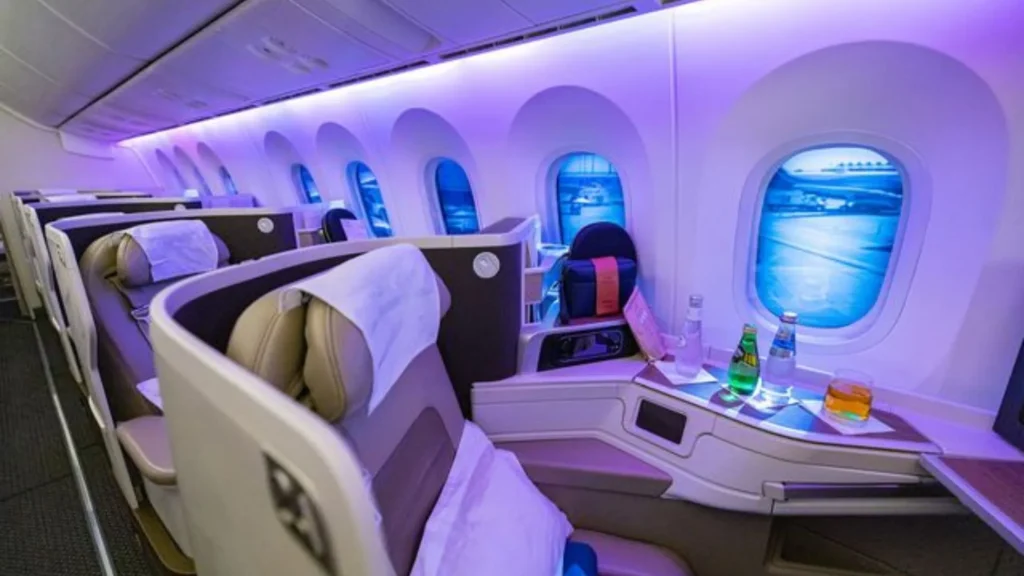
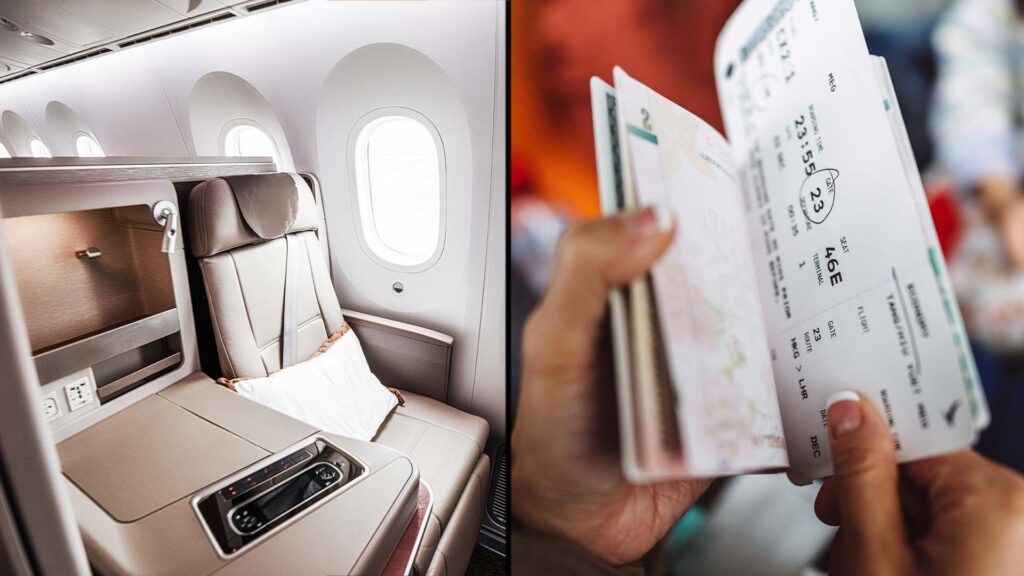
    Business Class is where premium travel truly begins. You usually get spacious seats that convert into fully flat beds, world-class dining, airport lounge access, priority baggage, dedicated check-in counters, and elevated service. Many airlines offer privacy partitions or full suites in their Business Class cabins.
    This cabin is ideal for business travelers, honeymooners, frequent fliers, and anyone taking long-haul flights where rest is essential. If comfort, sleep quality, and premium service matter to you, Business Class is worth the investment—especially on flights longer than 8 hours. For many travelers, the lounge access and comfortable beds alone justify the price difference.

    First Class: The Ultimate in Luxury, Privacy & Exclusivity

    First Class represents the highest level of luxury in the aviation world. Travelers enjoy private suites, sliding doors, on-board chefs, personalized service, ultra-soft bedding, premium amenity kits, and exclusive airport lounges that surpass anything offered to other cabins. Some airlines even include showers and fully enclosed rooms.
    First Class is perfect for travelers seeking unmatched luxury, privacy, and comfort. It’s commonly chosen for special occasions such as anniversaries, milestone trips, or luxury vacations. While expensive, First Class delivers an unforgettable flying experience. Many flights no longer offer First Class because Business Class has improved so much, making First Class even more exclusive.

    How to Choose the Right Class Based on Your Trip Length

    For short domestic flights, Economy or Premium Economy is usually enough, since the journey is brief and comfort needs are minimal. For medium-haul flights of 4–7 hours, Premium Economy offers a noticeable upgrade without high cost. For long-haul trips over 8 hours, Business Class provides true rest and comfort with lie-flat beds, making a big difference in how refreshed you feel upon landing. First Class becomes ideal only if you value exclusivity, privacy, and top-tier service more than budget considerations.

    Which Class Fits Your Budget and Travel Priorities?

    If your priority is saving money, Economy is clearly the best option and offers the simplest travel experience. If you want comfort while staying cost-effective, Premium Economy offers excellent value. For travelers who need rest, prefer privacy, or have long flights, Business Class provides the ideal balance of luxury and comfort. If luxury and exclusivity matter more than cost, First Class is the top choice.
    The right choice depends on whether your trip is for business, leisure, a honeymoon, or a family vacation. Always consider comfort needs, flight duration, and total trip budget before finalizing.

    How to Get Cheaper Upgrades for Better Cabin Classes

    One of the best ways to experience premium cabins without paying full price is by using upgrade strategies. These include bidding for upgrades, using airline loyalty points, checking for airport counter upgrades, and watching for fare sales or seat upgrade alerts. Many airlines also offer discounted Business or Premium Economy upgrades within 48 hours of departure. Booking during off-peak seasons or midweek also increases your chances of finding lower fares. Smart timing and flexible travel dates can help you secure better seats at significantly lower prices.

    Conclusion

    Choosing the right flight class is all about balancing comfort, budget, and travel needs. Economy keeps your trip affordable, Premium Economy offers comfort without luxury prices, Business Class gives a premium experience ideal for long journeys, and First Class delivers unmatched exclusivity. When you understand what each class offers and what matters most for your trip, selecting the perfect cabin becomes easy. With the right research—and a bit of smart planning—you can travel comfortably without overspending and make every journey feel effortless.

  • How to Find the Cheapest Flights Every Time: Insider Hacks That Work

    How to Find the Cheapest Flights Every Time: Insider Hacks That Work

    Flight prices keep rising, and finding a cheap ticket has become a skill every traveler wants to master. The good news is that with the right strategies, tools, and timing, you can consistently book flights at the lowest possible price. Travel experts and frequent flyers use very specific tricks that help them grab the best deals—sometimes saving hundreds of dollars. This guide breaks down the proven methods that actually work, ensuring you never overpay for airfare again.

    Be Flexible With Your Travel Dates and Times

    Flexibility is the number one factor in finding cheaper flights. Airfare changes dramatically depending on the day of the week, time of year, and even the time of day you fly. Midweek flights—especially Tuesday and Wednesday—tend to be cheaper, while weekends usually cost more. Red-eye flights or early-morning departures are often significantly less expensive. If your schedule allows flexibility, you will always find better deals.

    Use the Right Flight Search Tools

    Not all flight search engines show the same results. Some show discounted fares that others hide. Tools like Google Flights, Skyscanner, Momondo, and Kayak are popular because they compare hundreds of airlines at once. They also allow you to track price drops and set alerts. Using multiple platforms ensures you never miss a hidden deal or limited-time offer.

    Book at the Right Time

    Timing matters when booking flights. Prices often fluctuate based on demand, booking windows, and airline promotions. For international trips, the best time to book is usually two to six months in advance. For domestic flights, the sweet spot is one to three months before departure. Avoid booking last minute unless you’re traveling during off-season; prices usually spike the closer it gets to the travel date.

    Take Advantage of Flight Alerts and Price Tracking

    Flight prices change constantly, sometimes multiple times a day. Using price alerts helps you monitor these fluctuations automatically. As soon as the fare drops, you get notified. This helps you book at the lowest possible rate instead of guessing when to purchase. Tools like Hopper and Google Flights offer accurate predictions that can save you a lot of money.

    Fly From Alternative Airports When Possible

    Major airports are often more expensive due to higher demand and limited flight options. Checking nearby airports can sometimes reduce your ticket cost dramatically. For example, flying from smaller or secondary airports may save you anywhere from $50 to $300, depending on the route. Many frequent travelers intentionally choose alternative airports because the savings add up, especially for international travel.

    Clear Cookies or Use Incognito Mode While Searching

    Airline websites and search engines sometimes track your searches and raise prices when they detect repeated interest in the same route. Searching in incognito/private mode, or clearing your cookies, prevents this price manipulation. While this trick doesn’t always guarantee lower fares, it eliminates the risk of artificially inflated prices caused by browsing history.

    Use Points, Rewards, and Airline Miles

    Travel hacking with points and miles is one of the most effective ways to reduce flight costs. Credit cards with travel rewards, airline loyalty programs, and partner airline systems can help you get flights for a fraction of the price—or even for free. By accumulating miles through everyday purchases, you can redeem them for upgrades, discounted fares, or complete flight tickets. Smart travelers combine cash deals with loyalty points to maximize savings.

    Consider Booking One-Way or Mixed-Airline Tickets

    Round-trip tickets aren’t always the cheapest option. Booking two one-way flights with different airlines can sometimes reduce the total cost significantly. In some cases, flying out with one airline and returning with another opens up unique fare combinations you wouldn’t find otherwise. Searching for mixed-airline itineraries increases your chance of finding the lowest possible price.

    Conclusion

    Finding cheap flights consistently isn’t about luck—it’s about strategy. By staying flexible, using smart tools, tracking prices, trying multiple airports, and using rewards wisely, you can drastically cut your travel costs. Frequent flyers rely on these insider hacks because they work every time. With the right approach, you can travel more often, save more money, and enjoy stress-free planning for every trip.

  • 12 Best Websites for Cheap Flights and Hotel Deals That Actually Work

    12 Best Websites for Cheap Flights and Hotel Deals That Actually Work

    Finding affordable flights and hotel deals can save you a huge amount of money while planning your next trip. But with so many platforms available, choosing the right one can feel confusing. To make things easier, here is a complete guide to the 12 best websites for cheap flights and hotel deals that consistently deliver real savings, trusted options, and smooth booking experiences.

    Skyscanner

    Skyscanner is one of the most popular travel search engines for finding cheap flights worldwide. It compares fares across hundreds of airlines and travel agencies, helping you find the lowest possible price. You can also set price alerts to track fare drops easily. Skyscanner’s flexible date search makes it perfect for travelers who want the cheapest month or day to fly.

    Google Flights

    Google Flights is fast, accurate, and extremely useful for planning or adjusting travel dates. It shows the cheapest days to fly and gives predictions on whether prices may rise or fall. You can filter by stops, airlines, and duration to get the best match. It’s ideal for quick comparisons and smart booking decisions.

    Booking.com

    Booking.com is one of the largest platforms for hotels, apartments, villas, and resort stays. It offers great discounts, free cancellations on many properties, and verified guest reviews. Whether you’re planning a short trip or long stay, you’ll find countless options at competitive prices.

    Expedia

    Expedia is an all-in-one travel website offering flights, hotels, car rentals, cruises, and full vacation packages. You can save more by bundling your flight and hotel together. Their reward program also gives you points you can redeem for future bookings.

    Kayak

    Kayak scans hundreds of travel sites to bring you the best deals on flights and hotels. It also includes tools like price alerts, deal predictions, and flexible search filters. Kayak’s Explore feature helps you find the cheapest destinations based on your budget.

    Momondo

    Momondo is known for its deep flight searches that show both major and lesser-known travel agencies, often revealing hidden cheap fares. The interface is colorful and user-friendly, making it simple to compare ticket prices and choose the best option.

    Agoda

    Agoda is especially strong for hotel deals in Asia, offering discounted prices, flash sales, and exclusive insider offers. Many properties provide extra savings for mobile bookings, making it perfect for last-minute stays.

    Hostelworld

    If you want the cheapest accommodation possible, Hostelworld is the best place for budget stays, hostels, guesthouses, and shared rooms. It’s ideal for backpackers, solo travelers, and students looking to minimize costs while meeting people from around the world.

    Hotels.com

    Hotels.com offers a simple but attractive reward program: stay 10 nights and get 1 night free. With thousands of international listings, it helps you find affordable hotels and enjoy customer-friendly booking policies.

    Priceline

    Priceline’s best feature is its “Express Deals,” where you get heavily discounted hotel prices. You won’t see the hotel name until after booking, but you can save up to 60 percent. They also offer flight and hotel combos at great rates.

    Traveluro

    Traveluro is an upcoming hotel deal platform that often shows lower prices compared to mainstream competitors. It’s a good option for last-minute hotel bookings, discounted stays, and hidden low-price deals.

    Trip.com

    Trip.com is one of the biggest travel platforms in Asia, offering cheap flights, hotels, trains, and full travel packages. It regularly provides coupons, seasonal discounts, and member benefits that make your bookings more affordable.

    Conclusion

    Whether you’re planning an international vacation or a quick weekend getaway, these twelve websites consistently provide the best deals on flights and hotels. Using price alerts, flexible dates, and smart comparisons can help you save more with every trip. The next time you’re ready to book your travel, check these platforms first to make sure you’re getting the lowest possible price and the best value for your money.

  • Business Class on a Budget: How to Upgrade Without Paying Full Price

    Business Class on a Budget: How to Upgrade Without Paying Full Price

    Flying business class is one of the best travel luxuries—lie-flat beds, gourmet meals, airport lounges, priority boarding, and a quiet cabin. But the price tag? Not so comforting. A round-trip business class ticket can easily cost 3–10x the price of an economy seat.

    The good news: you don’t need to pay full price to enjoy it.

    With the right strategies, timing, and tools, you can experience premium travel for a fraction of the cost. This guide explains exactly how smart travelers score business class upgrades—without burning thousands of dollars.

    xr:d:DAFFJvJwfmg:3,j:29855907337,t:22070107

    Understand Why Business Class Seats Get Discounted

    Airlines prefer a full premium cabin over empty luxury seats. If they can’t sell enough business class seats, they quietly offer discounts or upgrade opportunities close to departure. Here’s why:

    • Business travelers often book last-minute—but not always enough.
    • Airlines want to maintain high service perceptions by flying full cabins.
    • Premium seats are better sold cheaper than left empty.

    This means savvy travelers can take advantage—if they know where to look.

    Book an Economy Ticket With Upgrade Potential

    Some economy fares allow upgrades more smoothly than others. When booking:

    • Avoid Basic Economy as it rarely allows upgrades.
    • Look for flexible or standard economy—usually upgrade-eligible.
    • Check the fare class (codes like Y, B, H often have better upgrade chances).

    If your airline displays upgrade eligibility during booking, choose the fare with upgrade options even if it’s slightly more expensive. You’ll recover the value once upgraded.

    Use Credit Card Points & Loyalty Miles

    One of the most powerful ways to get business class on a budget is through points.

    Earn Airline Miles Easily

    You can rack up miles faster through:

    • Travel credit cards
    • Welcome bonuses
    • Daily spending categories
    • Airline dining programs
    • Shopping portals

    Sometimes, a business class upgrade costs 20,000–40,000 miles + small fee, which is way cheaper than buying a premium ticket.

    Transferable Points Are Best

    Cards like:

    • American Express Membership Rewards
    • Chase Ultimate Rewards
    • Citi ThankYou Points

    can be transferred to airlines for premium upgrades.

    Often, transferring points and upgrading beats buying a business class ticket outright by a large margin.

    Bid for an Upgrade (Secret Weapon for Cheap Premium Travel)

    Most airlines today offer “upgrade bidding” where passengers submit a price they’re willing to pay.

    Here’s why it’s great:

    • You choose your price.
    • If accepted, you get a premium seat at a huge discount.
    • Rejected bids cost nothing.

    Common airlines offering bidding include:

    • Emirates
    • Etihad
    • Lufthansa
    • British Airways
    • Air New Zealand
    • Qatar Airways
    • Singapore Airlines

    A good starting point is 30–50% of normal upgrade cost.

    Check for Last-Minute Airport Upgrade Deals

    At check-in or at the boarding gate, airlines sometimes push discounted upgrades.

    These appear when:

    • The business cabin is not full.
    • Economy is overbooked.
    • The airline wants to sell remaining seats quickly.

    Examples of typical discounts:

    • $200–$500 upgrades on long haul flights
    • $50–$150 upgrades on short haul flights

    To access these:

    • Check-in online early.
    • Use mobile apps to monitor upgrade notifications.
    • Ask the staff politely at check-in:
      “Are there any upgrade offers available today?”

    You’ll be surprised at how often they say yes.

    Fly When Business Class Demand Is Low

    Business travelers dominate premium cabins. Avoid peak times for corporate travel to score cheaper upgrades.

    Best times for discounted business class:

    • Weekends
    • Major holidays
    • Midday flights
    • Red-eye flights
    • Off-season travel months (May, September, November)

    When business demand is low, airlines rely more heavily on leisure traveler upgrades.

    Choose Routes Where Upgrades Are Cheaper

    Some long-haul routes offer naturally cheaper business class upgrades.

    Example affordable routes:

    • Southeast Asia ↔ Middle East
    • Europe ↔ US East Coast
    • Europe ↔ India
    • Australia ↔ Asia

    Sometimes, starting your trip in certain cities (like Cairo, Istanbul, Colombo) can reduce business class fares by 30–50% due to lower regional pricing.

    Split Your Journey for Better Upgrade Chances

    Instead of booking one long business class ticket, split your trip:

    • Buy economy for the entire route
    • Upgrade only the longest leg

    For example:
    Mumbai → Dubai → London
    Upgrade the Dubai–London segment only.

    This trick cuts cost massively while giving you the premium long-haul experience.

    Use Status Perks to Get Free or Discounted Upgrades

    Frequent flyers with status enjoy:

    • Complimentary upgrades (subject to airline policy)
    • Priority on upgrade waitlists
    • Cheaper upgrade fees
    • Free mileage upgrades

    Even low-tier status makes a difference. If you travel often—even domestically—loyalty pays off.

    Monitor Fare Drops & Flash Sales

    Airlines sometimes run unannounced business class sales lasting only a few hours.

    To catch them:

    • Set price alerts on Google Flights
    • Follow airline social channels
    • Join mileage forums
    • Subscribe to travel deal newsletters

    Flash sales can cut business class fares by 40–70%, letting you book premium seats practically at economy-plus prices.

    Use Mistake Fares When They Happen

    Occasionally, airlines publish wrong prices by accident.

    A $4,000 business seat may accidentally drop to $300–$500.

    You must book immediately—these prices vanish in minutes.

    Bookmark websites that track mistake fares, such as:

    • Secret Flying
    • The Flight Deal
    • Fly4Free

    Mistake fares are rare but incredibly rewarding.

    Combine Points + Cash

    Many airlines now allow mixed payments:

    Example:
    Pay ₹15,000 + 20,000 miles → business upgrade.

    This hybrid option is perfect if you don’t have enough miles for a full redemption.

    Book Through Partner Airlines

    Sometimes, booking through a partner airline gives cheaper mileage upgrade rates.

    For example:

    • Using Alaska Airlines miles for Japan Airlines business class
    • Using Avianca LifeMiles for Lufthansa business class

    Partner programs often have more generous charts—letting you ride luxury cabins cheaper.

    Choose Airlines Known for Affordable Upgrades

    Some airlines are simply more upgrade-friendly.

    Best for cheap upgrades:

    • Turkish Airlines
    • Qatar Airways
    • Etihad
    • LATAM
    • Air China
    • EgyptAir

    Worst for cheap upgrades:
    Delta, United, Cathay Pacific, and Qantas (premium-heavy networks).

    Final Thoughts: Enjoy Business Class Without the High Price Tag

    Business class upgrades don’t have to be a luxury for the ultra-rich. With smart planning, a bit of patience, and the right strategies, you can enjoy:

    • Spacious lie-flat seats
    • Gourmet food
    • Airport lounges
    • Priority services
    • A peaceful, premium flight experience

    All without paying full price.

    Whether you’re using miles, bidding for discounts, grabbing last-minute deals, or leveraging credit card perks—your dream business class experience is 100% achievable.

  • Red-Eye Flights Explained: Pros, Cons & How to Survive Them Comfortably

    Red-Eye Flights Explained: Pros, Cons & How to Survive Them Comfortably

    Red-eye flights are a unique part of air travel: late-night departures, overnight journeys, and early-morning arrivals that allow travelers to maximize their time and sometimes save money. While some people swear by them for productivity, convenience, and budget travel, others avoid them at all costs due to sleep disruption and fatigue. If you’ve ever wondered whether red-eye flights are worth it—or how to survive them comfortably—this detailed guide breaks down everything you need to know.

    What Exactly Are Red-Eye Flights?

    A red-eye flight is a late-night or overnight flight that typically departs between 9:00 PM and 1:00 AM, arriving early in the morning. They’re called “red-eye” flights because passengers often land with tired, bloodshot eyes after a night of interrupted sleep. These flights are especially popular on long routes, cross-country trips, and certain international journeys. They are designed to help travelers reach their destination without losing a full day to travel. For business travelers, red-eye flights allow arriving in time for morning meetings. For tourists, they maximize vacation time by shifting the travel hours to nighttime.

    The Biggest Advantages of Taking Red-Eye Flights

    One of the main reasons people prefer red-eye flights is time efficiency. You fly while you’d normally be asleep and arrive ready to start the day. This is especially useful when you want to make the most of limited vacation time or maximize productivity on business trips. Another major advantage is potentially lower ticket prices. Red-eye flights are often cheaper because they’re less desirable for families, children, and casual travelers. Since the demand is relatively low, airlines sometimes reduce fares or offer discounted upgrade options. Red-eye flights also tend to be less crowded, and airports are usually calmer at night, making check-ins smoother and security lines shorter. Evening flights also reduce the chance of delays since airports are not as congested. Weather patterns can also be calmer at night, leading to fewer disruptions. Many travelers also love that you can avoid peak-time traffic on the way to the airport.

    The Downsides: Why Some Travelers Dislike Red-Eye Flights

    Despite their benefits, red-eye flights do come with several drawbacks. The most obvious one is sleep quality. Even if you’re good at sleeping on planes, it’s rarely as restful as sleeping in your own bed. People often land feeling groggy, dehydrated, or disoriented, especially if the flight crosses multiple time zones. For travelers with early morning commitments, this can be challenging. Another disadvantage is that aircraft cabins are noisier at night due to food service, seat adjustments, and crying babies. Additionally, if you don’t prepare properly, you may end up with neck pain, dry eyes, or jet lag. Red-eye flights can be particularly uncomfortable for travelers with medical conditions, anxiety, or sensitive sleep patterns. Lastly, if your flight is delayed, your entire schedule may get disrupted because everything is already late at night when services are limited.

    Who Should Consider Booking a Red-Eye Flight?

    Red-eye flights are ideal for frequent travelers, business professionals, and budget-conscious passengers who value efficiency over comfort. Students, backpackers, and solo travelers often choose these flights because they save money and maximize daylight hours. They’re also great for travelers heading to destinations where mornings are the best time to explore. However, families with young children, elderly travelers, or people with strict sleep routines may want to avoid them. If you’re highly sensitive to sleep disturbances, prefer daytime travel, or have important tasks planned immediately after landing, a red-eye might not be the best choice. Ultimately, choosing a red-eye flight depends on your travel goals, your body’s tolerance for sleep interruptions, and your schedule flexibility.

    How to Prepare for a Red-Eye Flight the Smart Way

    Preparation can make or break your red-eye experience. Start by choosing the right seat—window seats are ideal because you can lean against the wall and avoid getting disturbed by the passenger next to you. Avoid aisle seats, as people will constantly pass by or bump your arm. If possible, avoid the last row or seats near the lavatories since noise levels are higher. Bring proper sleep gear, including a neck pillow, fleece blanket, eye mask, noise-canceling headphones, and earplugs. Wear comfortable clothing and bring layers because cabin temperatures can fluctuate. Avoid caffeine or sugary foods in the hours before departure; instead, eat something light that won’t interfere with sleep. Stay hydrated throughout the day but avoid drinking too much right before boarding to minimize bathroom trips. Also, organize your carry-on bag so you can easily access anything you need without fumbling around in the dark.

    In-Flight Tips to Help You Sleep Better on Red-Eye Flights

    Once onboard, try to adjust your body to sleep mode immediately. Set your watch to your destination time zone if crossing regions. Recline your seat gently and find a comfortable position. Use your neck pillow and eye mask to block out light. Play calming music, white noise, or guided sleep tracks through noise-canceling headphones. These reduce cabin noise significantly and help your mind relax. Avoid using bright screens during the early part of the flight; the blue light makes it harder to fall asleep. If you must use your phone, switch to night mode. Deep breathing exercises are extremely useful in calming your body. Keep your seatbelt fastened above your blanket so flight attendants don’t wake you for checks. If complimentary or paid meals are offered, consider skipping them to maximize sleep time. Sleeping even 4–5 hours on a red-eye makes a huge difference upon arrival.

    How to Stay Fresh and Alert After Landing

    Landing from a red-eye can feel challenging if you’re not fully rested, but there are effective ways to recover quickly. Start by drinking water as soon as you land to combat dehydration. Wash your face or use refreshing wipes. Light stretching helps stimulate blood flow and reduces stiffness from long hours of sitting. If you have time, grab a light breakfast or a warm drink to wake up your system. Spend time outdoors in natural sunlight to reset your internal clock—this reduces grogginess and helps regulate your sleep cycle. Avoid taking long naps immediately after landing; instead, take a short 20-minute power nap if necessary. For business travelers with morning meetings, planning arrival at least a few hours early ensures you can freshen up, change clothes, and mentally prepare.

    When Red-Eye Flights Are the Best Option

    Red-eye flights are excellent for destinations where you want your full day available upon arrival. For example, flying from the West Coast to the East Coast of the U.S., or from India to Dubai, Singapore, or Europe often works perfectly with overnight schedules. For business travelers, they are a lifesaver—arrive early, work all day, and return home quickly. For budget travelers, there’s no better combination of time and cost savings. Red-eye flights also make sense when you want to reduce jet lag since sleeping during the flight helps align your internal clock with your destination. If your schedule is tight or you’re trying to maximize vacation time, choosing a red-eye can add an entire extra day to your trip at no cost.

    Final Thoughts: Are Red-Eye Flights Worth It?

    Red-eye flights are not a one-size-fits-all solution. They offer time efficiency, cost savings, and flexible travel schedules, but they also come with challenges like limited sleep, fatigue, and potential discomfort. The key is preparation—choosing the right seat, bringing proper sleep essentials, and managing your schedule before and after the flight. If you follow the tips above, you can transform what many consider a tiring travel experience into a productive and surprisingly comfortable journey. For travelers who want to maximize every hour of the day, red-eye flights may become your new favorite way to fly.

  • How to Score Free Upgrades on Flights, Hotels, and Cruises

    How to Score Free Upgrades on Flights, Hotels, and Cruises

    Everyone loves a free upgrade—whether it’s a flight seat that suddenly becomes more spacious, a hotel room that transforms into a suite, or a cruise cabin that offers a better view. Free upgrades can elevate your travel experience without adding extra cost, but they don’t happen randomly. In 2025, travel companies rely more on data, loyalty programs, and booking trends to decide who gets priority treatment. With the right strategies, timing, and travel-smart behavior, you can significantly improve your chances of being upgraded. Here’s how to get those complimentary perks across flights, hotels, and cruises.

    Join Loyalty Programs Even If You Travel Occasionally

    Loyalty programs are the strongest upgrade boosters in today’s travel world. Airlines, hotels, and cruise companies prioritize upgrades for members, even at entry-level tiers. You don’t need elite status to be considered—just being part of the program increases your chances. Points accumulation, digital profiles, and membership numbers help companies track your activity and reward you with unexpected perks. Signing up is free and takes seconds, yet offers long-term benefits every time you travel.

    Book Direct Instead of Using Third-Party Platforms

    Companies are more likely to upgrade travelers who book directly through their websites or mobile apps. Direct bookings save business costs and give them more flexibility for customer rewards. When you use OTAs or third-party platforms, you are often considered a low-priority guest because commissions are involved. By booking directly, you not only access better support but also become eligible for exclusive upgrade offers.

    Travel During Off-Peak Times or Midweek

    Upgrades are more common when flights and hotels have lower occupancy. Traveling during weekdays, slower months, or off-season periods dramatically increases your chances. A hotel that is 70% full is far more likely to offer free room upgrades compared to one operating at high capacity. Similarly, midweek flights with empty premium seats are perfect opportunities for surprise upgrades. Planning smart timing can make a big difference.

    Dress Presentably and Be Polite When Asking

    Although appearance alone won’t guarantee an upgrade, being well-presented helps create a positive impression. Staff members are more likely to assist polite, friendly, respectful travelers than those who are demanding. A simple, confident request like “Are there any complimentary upgrades available today?” can work surprisingly well. Kindness and charm go a long way in the hospitality industry.

    Use Credit Cards With Travel Privileges

    Many travel credit cards offer complimentary upgrades, priority boarding, hotel room category upgrades, lounge access, and cruise perks. Cards that partner with major airlines and hotel chains often include elite-like benefits even without meeting membership requirements. These cards also offer reward points that can be redeemed for upgraded seats or premium rooms. Using the right card during booking boosts your upgrade potential instantly.

    Arrive Early or Very Late for Check-In

    Timing matters. Arriving early allows you to secure premium seats or better rooms before they’re assigned. On the other hand, arriving later may result in being upgraded if standard rooms or seats are fully booked. Cruise lines sometimes upgrade passengers last-minute to balance ship occupancy. Being flexible with check-in times can create unexpected upgrade opportunities.

    Special Occasions and Celebrations Work in Your Favor

    Hotels and cruise lines especially love to make special moments memorable. If you’re celebrating a honeymoon, anniversary, birthday, or engagement, mentioning it politely during check-in can increase your chances. Staff often want to delight guests celebrating important life events, and an upgrade is the easiest way they can do that. Be honest, humble, and appreciative.

    Conclusion

    Scoring free upgrades isn’t about luck—it’s a combination of strategy, timing, loyalty, and respectful communication. By joining loyalty programs, booking directly, choosing the right travel times, using travel-friendly credit cards, and presenting yourself well, you increase your chances of enjoying premium experiences without extra expense. Whether you’re flying, cruising, or staying at a hotel, these insider hacks give you a real advantage in 2025. With the right approach, your next trip may come with a better seat, a bigger room, or a more luxurious cabin—all for free.

  • How to Get Cheap Flight Tickets Every Time: The Ultimate Guide for Smart Travelers

    How to Get Cheap Flight Tickets Every Time: The Ultimate Guide for Smart Travelers

    Flight prices are unpredictable — they rise, fall, and change without warning. But the truth is, cheap flight tickets are not about luck. They follow patterns, algorithms, and trends that smart travelers understand and use. With the right strategies, you can save hundreds of dollars on every trip, whether it’s a domestic getaway or an international vacation.

    This detailed guide covers the most reliable, proven, and practical methods to book cheap flight tickets every single time.

    Why Flight Prices Keep Changing

    Airlines use dynamic pricing systems that adjust ticket costs in real time. Factors that affect these prices include:

    • Demand and seat availability
    • Day and time of booking
    • Season and festivals
    • Location-based pricing
    • Search history
    • Competition between airlines

    Understanding these factors gives you an advantage while searching for flights.

    Always Use Incognito Mode

    When you repeatedly search for a route, airline websites and travel platforms track your activity. As they detect increased interest, prices often rise.

    The simplest solution is:

    • Use Incognito/Private mode in your browser
    • Clear cookies before searching
    • Try searching on different devices

    This prevents websites from increasing airfare based on your browsing behavior.

    Book Flights at the Right Time

    Timing plays a major role in getting cheaper flights.

    Best time to book domestic flights

    • 4–8 weeks before travel

    Best time to book international flights

    • 2–5 months before travel

    Cheapest days to book flights

    • Tuesday, Wednesday, and Thursday

    Avoid booking on

    • Weekends, especially Friday night and Sunday evening when demand is highest

    Planning ahead nearly always leads to lower airfare.

    Travel on Cheaper Days

    Some days are naturally more affordable because fewer people fly.

    Cheapest days to travel

    • Tuesday
    • Wednesday
    • Saturday

    Flights on these days often cost significantly less because airlines want to fill empty seats.

    Days to avoid

    • Friday and Sunday
      These are the most expensive travel days due to weekend rush.

    Use Flight Comparison Websites

    Instead of checking airlines one by one, use advanced fare comparison tools.

    Popular platforms include:

    • Google Flights
    • Skyscanner
    • Kayak
    • Momondo
    • Hopper

    These sites show price trends, cheapest months, flexible dates, and nearby airports options.
    They also highlight sudden drops and offer price alerts.

    Be Flexible With Your Travel Dates

    Flexibility is the biggest money-saving advantage. If your travel schedule is adjustable by even 2–3 days, you can save a significant amount.

    Tips for flexible travel:

    • Check the whole month view on Google Flights
    • Choose dates with green (lowest) price indicators
    • Avoid long weekends and public holidays

    A flexible traveler always finds cheaper tickets.

    Choose Budget Airlines When Possible

    Budget airlines offer some of the cheapest fares worldwide. They may charge extra for luggage, food, or preferred seats, but even after additional fees, they often remain more affordable.

    Some well-known budget airlines:

    • Southwest
    • Ryanair
    • AirAsia
    • JetBlue
    • Spirit
    • Scoot
    • Indigo
    • Frontier

    Budget airlines are perfect for short trips or when traveling light.

    Fly From Alternative Airports

    Major airports tend to have higher fees and taxes, increasing flight prices.
    Choosing smaller or nearby airports can reduce costs.

    Examples:

    • Instead of LAX → Try Long Beach or Burbank
    • Instead of New York JFK → Try Newark or LaGuardia

    Sometimes a 30–60 minute drive can save $100–$300.

    Use Points, Miles, and Loyalty Programs

    If you travel frequently, joining loyalty programs is one of the best long-term money-saving strategies.

    Ways to earn miles:

    • Using airline credit cards
    • Booking flights through partner airlines
    • Shopping via airline reward portals
    • Frequent flyer programs

    Redeeming miles often gives free flights or major discounts.

    Set Price Alerts for Best Deals

    Price alerts notify you instantly when ticket prices drop.
    This eliminates the need to check manually every day.

    Platforms like Skyscanner, Kayak, and Google Flights provide customizable alerts based on:

    • Destination
    • Dates
    • Price range

    This helps you book the ticket as soon as it hits the lowest price.

    Look for Special Sales and Discount Events

    Airlines frequently run limited-time sales. Some of the most popular ones include:

    • New Year Sale
    • Black Friday and Cyber Monday Deals
    • Summer and Spring Offers
    • Anniversary Sales
    • Festival Discounts

    To catch these deals:

    • Follow airlines on social media
    • Subscribe to newsletters
    • Turn on notifications on travel apps

    A little vigilance can lead to massive savings.

    Avoid Extra Fees With Smart Packing

    Airlines make a lot of extra money from add-on fees. To avoid this:

    • Travel with a carry-on only
    • Avoid overweight luggage
    • Skip seat selection if possible
    • Bring your own snacks and water bottle

    Traveling light can reduce your overall travel cost significantly.

    Take Advantage of Layovers

    Direct flights are convenient but often expensive. Choosing flights with layovers can reduce costs by 20–40%.

    Sometimes longer layovers allow you to:

    • Explore a new city
    • Enjoy free airport tours (like Singapore, Doha, Seoul)
    • Save hundreds on airfare

    Smart travelers use layovers to their advantage.

    Use Credit Cards for Airline Rewards

    Certain credit cards offer:

    • Welcome bonuses
    • Free lounge access
    • Priority boarding
    • Discounts on flights
    • Free checked bags

    These perks reduce travel costs and increase comfort.

    Airline co-branded cards are especially beneficial for frequent flyers.

    Book One-Way Tickets on Different Airlines

    Sometimes booking two one-way tickets on different airlines is cheaper than a round trip.

    This is especially true for:

    • International flights
    • Budget airlines
    • Off-season travel

    Always compare one-way fares before booking round-trip tickets.

    Avoid Booking at the Last Minute

    Last-minute booking only works when airlines slash prices to fill empty seats.
    But in most cases, last-minute flights are higher, especially for:

    • Holidays
    • Peak seasons
    • Popular destinations

    Plan earlier for better prices and availability.

    Conclusion

    Booking cheap flight tickets is not magic — it’s strategy. By using the right tools, planning early, being flexible with dates, comparing prices, and taking advantage of deals, you can consistently save money on every trip. Smart travelers follow these proven methods and make flying affordable and enjoyable.

    Whether you’re traveling for a weekend getaway or a long international vacation, these techniques ensure you get the best possible deal every time.