Category: Health

  • Moving Stress-Free: 8 Self-Care Tips For An Easy Transition

    Moving Stress-Free: 8 Self-Care Tips For An Easy Transition

    Introduction

    Making a move can be one of the most stressful life events. But it doesn’t have to be! By taking care of yourself and planning ahead, you can make your transition as smooth as possible. Here are some self-care tips to help you move stress-free:

    1. Get organized: Moving is a lot of work, so it’s important to be organized and have a plan. Make lists of what needs to be done and when, so you don’t get overwhelmed.
    2. Take breaks: When you’re in the middle of packing boxes and dealing with logistics, it’s easy to get overwhelmed and burnt out. Take breaks throughout the day to relax and recharge. Go for a walk, take a nap, or just step away from the situation for a few minutes.
    3. Stay positive: It’s normal to feel stressed during a big life transition like moving. But try to focus on the positive aspects of the change, like starting fresh in a new place or having an adventure. Remind yourself that this is temporary and things will eventually settle down.
    4. Seek support: Talk to your friends and family about your move and let them know if you need help with anything. It’s also helpful to join an online community or group for people who are going through the same thing as you – they can offer support and advice.
    5. Be gentle with yourself: Don’t expect everything to go perfectly during your move – it’s OK if things take longer than expected or don’t go as planned. Be patient with yourself and give yourself grace when it’s needed.
    6. Take care of your physical health: Eating healthy, getting adequate rest, and exercising regularly can help ease the stress of a move. Taking the time for self-care will help you feel more energized and better able to handle any challenges that arise during the transition.
    7. Celebrate small victories: Moving can be exhausting, so remember to celebrate even the small wins along the way – like finally finishing all your packing! Congratulate yourself on all your hard work and try to enjoy the process as much as possible.
    8. Seek professional help: If you’re feeling overwhelmed or anxious about moving, don’t hesitate to reach out for professional help from a therapist or counselor. They can provide support and guidance during this time of transition.
    9. Moving doesn’t have to be stressful – by following these self-care tips, you can make sure that your transition is smooth and stress-free! From organizing ahead of time to taking care of your physical health, these strategies will ensure that you stay calm and collected throughout the move process.

    Tip 1: Get Organized Before the Move

    When you’re getting ready to move, it’s important to get organized. This means making a list of everything you need to do, and when you need to do it. It also means packing up your belongings in an orderly fashion. By getting organized before the move, you can make the transition much smoother and less stressful.

    So, what are some tips for getting organized before a move? First, start by making a list of all the things you need to do in order to prepare for the move. This may include packing up your belongings, arranging for transportation, and change of address forms. Make sure to give yourself plenty of time to complete these tasks so that you’re not rushed or stressed out.

    Once you have a list of everything you need to do, start tackling each task one by one. For example, if you’re packing up your belongings, start with the items that you won’t need right away. This will make it easier and less overwhelming. As you pack, be sure to label each box with its contents and the room it belongs in at your new home. This will make unpacking much easier once you arrive at your destination.

    By following these tips, you can get organized before your move and make the transition much smoother and less stressful. So take some time to plan ahead and get everything squared away before moving day arrives.

    Tip 2: Don’t Let Perfectionism Slow You Down

    One of the most common stressors during a move is the pressure to make everything perfect. Whether you’re moving into a new home or office, it can be easy to fall into the trap of wanting everything to look just right. However, perfectionism can actually be a major roadblock when it comes to getting things done.

    Here are a few tips to help you let go of perfectionism and get through your move:

    1. Make a list of priorities.

    When you’re feeling overwhelmed by the details, take a step back and identify what’s most important to you. Make a list of your top priorities and focus on those first. Everything else can be tackled later.

    1. Set realistic goals.

    If you’re trying to do too much at once, you’re likely setting yourself up for disappointment. Break down your goals into smaller, more manageable pieces and focus on one thing at a time.

    1. Give yourself some grace.

    Things will inevitably go wrong during a move – that’s just part of the process! Try to roll with the punches and cut yourself some slack. Remember that not everything has to be perfect in order for it to be successful.

    Tip 3: Take Breaks When Needed

    When you’re in the midst of a move, it’s easy to get caught up in the stress and feel like you have to keep going until everything is done. But it’s important to take breaks when you need them, both for your physical and mental health. If you’re feeling overwhelmed, take a few minutes to yourself to relax and regroup. Take a deep breath, go for a walk, or do whatever else helps you clear your head. And don’t forget to give yourself some time to adjust to your new surroundings once you’ve moved in – it can be a big adjustment and you’ll need some time to settle in.

    Tip 4: Create a Moving Support System

    When you’re going through a big life transition, it’s important to have a supportive network to rely on. Whether it’s your family, friends, or even a professional therapist, make sure you have people in your corner who understand what you’re going through and can offer helpful advice and guidance.

    If you don’t have a lot of close friends or family nearby, there are still plenty of ways to create a supportive community for yourself. There are online forums and groups dedicated to helping people through tough transitions, and sometimes just talking to strangers about what you’re going through can be incredibly cathartic.

    No matter how strong and independent you are, moving is a tough process that can take a toll on your mental health. So don’t be afraid to reach out for help when you need it—you’ll be glad you did.

    Tip 5: Make Time for Self Care During the Process

    The moving process can be stressful, but it’s important to make time for self-care. Here are some tips:

    1. Get enough sleep: Moving can be exhausting, so make sure you’re getting enough rest.
    2. Eat healthy: Eating nutritious meals will help you stay energized during the move.
    3. Exercise: Taking some time to exercise will help you relieve stress and stay in shape.
    4. Take breaks: When you feel overwhelmed, take a few minutes to relax and rejuvenate.
    5. Seek support: Talking to friends or family members can help you cope with stress during the moving process.

    Tip 6: Stay Connected With Friends and Family

    The move may be stressful, but it doesn’t have to mean saying goodbye to your social life. Stay connected with friends and family during your transition by doing the following:

    1. Make sure you have everyone’s contact information updated in your new address book.
    2. Schedule time for regular check-ins with friends and family members, whether that’s through video chats, phone calls, or good old-fashioned snail mail.
    3. Keep up with shared interests and activities, even if you can’t do them together in person right now. For example, if you and a friend are both avid readers, trade books back and forth or discuss what you’re reading over the phone or online.

    Tip 7: Allow Yourself to Feel All Emotions

    Emotions are a natural and essential part of life. They provide us with information about our environment and ourselves, and help us to navigate our way through the world. However, when we’re under stress, it can be difficult to process and manage our emotions in a healthy way. This can lead to feeling overwhelmed, out of control, and like we’re not coping.

    Allowing yourself to feel all emotions – both the good and the bad – is an important part of self-care. It’s okay to feel sad, angry, scared, or any other emotion when you’re going through a tough time. Acknowledging your emotions allows you to process them in a healthy way, which can help reduce stress levels.

    If you’re finding it difficult to cope with your emotions, there are some things you can do to help:

    • Talk to someone you trust about how you’re feeling. This could be a friend, family member, therapist, or anyone else who will listen and support you.

    • Write down how you’re feeling in a journal or diary. This can be a helpful way of exploring your emotions and working through them.

    • Get creative! Expressing yourself through art, music, or writing can be a great way to process your emotions in a positive way.

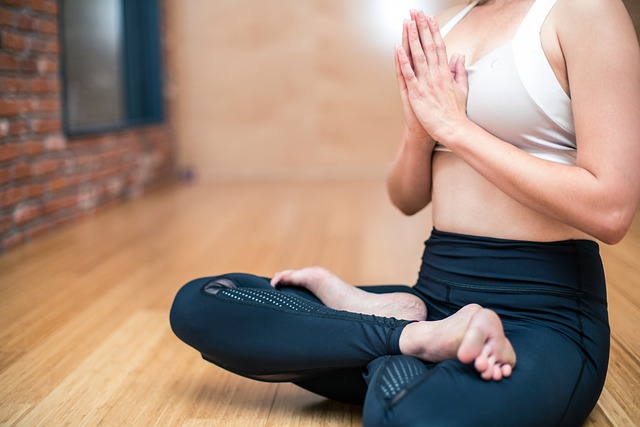
    • Take some time for yourself. Relaxation techniques such as yoga, meditation, or deep breathing can help to calm and focus the mind.

    Tip 8: Celebrate Your Acc

    Small victories are worth celebrating, especially when you’re in the midst of a big life change. When you take the time to acknowledge your accomplishments, no matter how small, you’re increase your feelings of self-worth and remind yourself that you’re capable of handling whatever comes next. So, when you cross something off your moving checklist, take a moment to celebrate your success!

  • How To Transition Into Fall With Positive Mental Health Tips

    How To Transition Into Fall With Positive Mental Health Tips

    Introduction to the End of Summer Mental Health Transition

    As the warm days of summer start to wind down, it’s normal to feel a bit sad or anxious about the impending change of season. For some people, this feeling can be more intense and may even lead to seasonal affective disorder (SAD). If you’re struggling with the end of summer mental health transition, here are some tips to help you cope:

    1. Get outside every day. Enjoy the last of the summer sun by spending time outdoors every day. Go for a walk, ride your bike, or just sit in the park and soak up the rays.
    2. Stay active. Don’t let your fitness routine fall by the wayside as summer comes to an end. Continue to exercise regularly and stay active to boost your mood and keep your energy levels up.
    3. Connect with loved ones. As autumn approaches, take time to connect with loved ones near and far. Whether it’s catching up on the phone or planning a visit, quality time with those we care about is always good for our mental health.
    4. Make plans for fun autumn activities. Just because summer is ending doesn’t mean the fun has to stop! Start planning now for all the things you want to do in autumn, whether it’s visiting a pumpkin patch or going on a hayride. Having something to look forward to can help chase away those end-of-summer blues.

    Exploring Ways to Stay Connected with Others

    The leaves are falling and the air is getting chilly, which can only mean one thing: fall is here! For some people, this is their favorite time of year. The colors are changing, the pumpkin spice lattes are back, and there’s a sense of cozy comfort in the air. But for others, fall can be a difficult time. The shorter days and longer nights can lead to feelings of sadness and loneliness. If you’re struggling to adjust to the change in season, here are a few tips to help you transition into fall with positive mental health:

    1. Get outside: One of the best ways to beat the autumn blues is to get outside and enjoy the fresh air. Take a walk in your neighborhood or go for a hike in the woods. The exercise will boost your energy and mood, and you’ll get to appreciate all the beauty that fall has to offer.
    2. Stay connected: It’s important to stay connected with your friends and family as the days get shorter and colder. Schedule regular check-ins via text, phone, or video chat. Make plans for socially-distanced outdoor activities like picnics or walks together. Or simply send a handwritten letter or card to let your loved ones know you’re thinking of them.
    3. Be kind to yourself: Fall can be a busy time as we prepare for holidays and end-of-year deadlines at work or school.

    Evaluating Your Diet for Healthy Eating Habits

    As the weather cools and the leaves begin to change color, it’s a great time to take inventory of your diet and make sure it’s supporting your mental health. Here are a few things to consider:

    1. How well balanced is your diet? A healthy diet includes a variety of foods from all the food groups, including lean protein, healthy fats, whole grains, fruits, vegetables, and dairy. If you find that you’re eating mostly unhealthy or processed foods, it’s time to make some changes.
    2. Are you getting enough nutrients? Mental health requires a variety of nutrients like omega-3 fatty acids, vitamin D, magnesium, zinc, and more. Make sure you’re eating nutrient-rich foods or taking supplements if needed.
    3. How much sugar are you consuming? Too much sugar can lead to mood swings and energy crashes. Cut back on sugary drinks and foods and opt for healthier options like fruit or unsweetened yogurt instead.
    4. Are you drinking enough water? Staying hydrated is crucial for overall health, including mental health. Aim to drink eight glasses of water per day.
    5. Do you need to cut back on caffeine? Caffeine can cause anxiety and interfere with sleep, both of which can impact mental health negatively. If you find yourself feeling jittery or anxious after drinking caffeine, try cutting back or eliminating it altogether.

    Finding Fun Activities to Try During Fall

    The fall season is a great time to try new things and get out of your comfort zone. There are so many fun activities to do during this time of year, and they can help improve your mental health. Here are a few ideas:

    1. Go for a nature walk or hike. Fall is the perfect time to appreciate the beauty of nature. Get some fresh air and exercise while you’re at it!
    2. Visit a pumpkin patch or go apple picking. These are quintessential fall activities that will definitely get you into the autumn spirit.
    3. Make some cozy comfort food. There’s nothing better than curling up with a warm bowl of soup or stew on a cool day.
    4. Have a bonfire or roast marshmallows. This is a great activity to do with friends or family. It’s also really relaxing to sit by the fire and watch the flames dance.
    5. Go on a hayride or visit a corn maze. If you want to add a bit of excitement to your fall days, these are both great options!

    Creating a Positive Environment at Home

    The summer is coming to an end and for some, that can be a difficult time. The days are getting shorter, the weather is getting colder, and there is a lot less daylight. This change in season can trigger feelings of sadness, anxiety, and depression for many people. However, there are things that you can do to help make the transition into fall a positive experience. Here are some tips:

    1. Get outside: Take advantage of the cooler temperatures and get outside! Go for a walk, bike ride, or hike. Spend time in nature and take in the beauty of the changing leaves. Getting fresh air and exercise will help improve your mood and mental health.
    2. Connect with loved ones: Fall is a great time to reconnect with friends and family. Have a bonfire, go apple picking, or host a game night. Spending time with loved ones will help boost your mood and make the transition into fall feel less daunting.
    3. Be mindful of your diet: As the weather gets colder, we tend to crave comfort foods that are high in sugar and carbs. While it’s okay to indulge every once in awhile, try to balance it out with healthy meals as well. Eating nutritious foods will help improve your mood and energy levels.
    4. Practice self-care: Make sure to take care of yourself both physically and mentally this fall season. Get enough sleep, exercise regularly, eat healthy foods, and take breaks when you can.

    Making Plans for the Future and Setting Goals

    It’s that time of year again! The leaves are changing color, the air is getting cooler, and pumpkin spice lattes are back at Starbucks. Fall is a time of change, and for some people, that can be a difficult transition. If you’re feeling the seasonal blues, here are a few tips to help you ease into fall with positive mental health:

    1. Make plans for the future: One way to combat the negative feelings that can come with change is to have something to look forward to. Start planning your next vacation, set goals for the upcoming year, or make a list of things you’d like to accomplish in the next month. Having something to focus on will help you stay positive during this transitional time.
    2. Set goals: Another way to stay positive during a time of change is to set goals for yourself. Whether it’s quitting smoking, losing weight, or saving money, having specific targets to strive for will give you a sense of purpose and keep you motivated.
    3. Stay active: It’s important to stay active both physically and mentally during this season of change. Take up a new hobby, go for walks in the crisp autumn air, or sign up for a fitness class. Staying active will help boost your mood and keep your mind distracted from negative thoughts.
    4. Spend time with loved ones: One of the best ways to fight off the blues is to spend time with those you love. Plan fun outings with your loved ones.

    Learning How To Prioritize Self Care and Self Compassion

    Making the transition from summer to fall can be tough for anyone, but it can be especially difficult if you’re struggling with your mental health. The good news is that there are things you can do to ease the transition and help yourself feel better. One of the most important things you can do for your mental health is to prioritize self-care and self-compassion.

    Self-care means taking care of yourself physically, emotionally, and mentally. It’s important to make time for activities that make you happy and help you relax. This could include anything from reading a book to taking a yoga class. It’s also important to eat healthy foods, get enough sleep, and exercise regularly.

    Self-compassion means being kind and understanding towards yourself, even when you make mistakes or have setbacks. It’s normal to feel down sometimes, but beating yourself up about it will only make things worse. Instead, try to treat yourself with the same compassion and understanding that you would show towards a friend. Forgive yourself, move on, and focus on the positive.

    By prioritizing self-care and self-compassion, you can help ease the transition into fall and set yourself up for success all season long.

    Conclusion

    As the fall season approaches, it’s important to remember that there are many ways to transition into this new season with a positive mindset. Whether you take part in nature-based activities, practice self-care habits or even try different mindfulness techniques – each of these ideas can help you adjust and adapt to the changing of seasons while keeping your mental health in check. With just a few simple additions to your daily routine, you can ensure that autumn is filled with growth and positivity!

  • Get The Care You Need: How Zocdoc Can Help You Find A Doctor

    Get The Care You Need: How Zocdoc Can Help You Find A Doctor

    What is Zocdoc?

    Zocdoc was founded in April of 2007. It is headquartered in New York City.

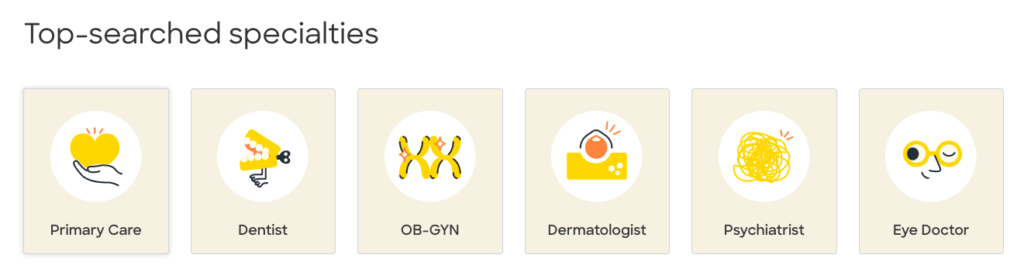
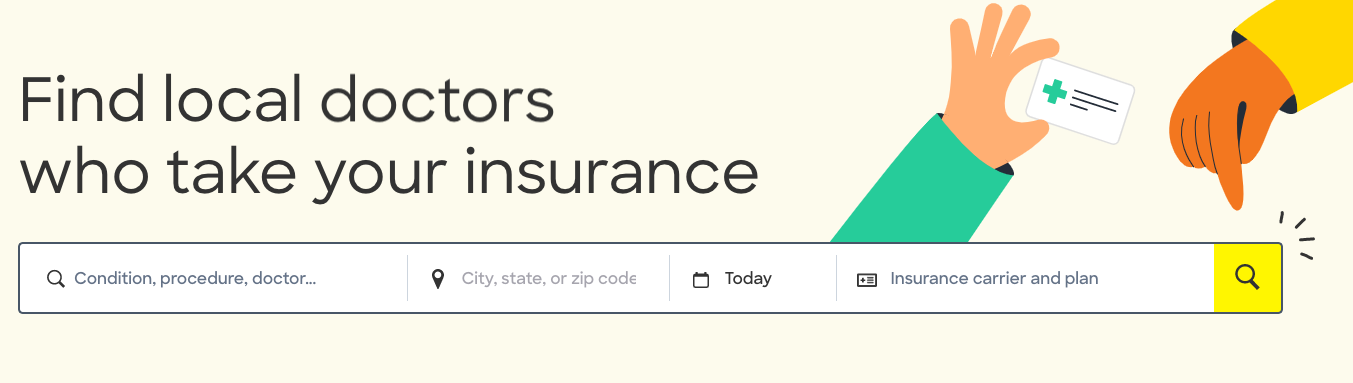
    Zocdoc is an online tool that helps patients find doctors in their area. The site allows users to search for doctors by location, insurance, and specialty. Patients can also read reviews of doctors on Zocdoc, which can help them make informed decisions about their care.

    In addition to helping patients find doctors, Zocdoc also offers a number of features that makes scheduling appointments and managing health care easier. For example, patients can use Zocdoc to schedule appointments with doctors, view their medical history, and track their medications. Patients can also message their doctor through the Zocdoc platform.

    Overall, Zocdoc is a helpful resource for patients who are looking for doctors in their area. The site’s search capabilities and patient reviews can help patients find the right doctor for their needs. And, the platform’s appointment-scheduling and medical-history features make it easier for patients to manage their health care.

    How Does it Work?

    When you need to see a doctor, the process can be daunting. You may not know where to start or how to find a qualified physician in your area. Zocdoc is here to help. We are a digital platform that connects patients with doctors.

    Here’s how it works:

    First, you create an account and enter some basic information about yourself and your healthcare needs. Then, you browse through our extensive network of doctors, read reviews from other patients, and book an appointment all in one place. It’s simple, convenient, and free!

    Once you’ve found the right doctor for you, we’ll send you all the information you need to prepare for your visit. We’ll also help you keep track of your appointments and medications so you can focus on staying healthy.

    Zocdoc is changing the way people access healthcare. With our platform, you can take control of your health and get the care you deserve.

    Benefits of Using Zocdoc

    If you’re looking for a doctor, Zocdoc can help you find the right one for your needs. With Zocdoc, you can search for doctors by location, specialty, and insurance coverage. You can also read reviews from other patients to help you make your decision.

    Once you’ve found a doctor that you’d like to see, you can book an appointment online through Zocdoc. This makes it easy and convenient to get the care you need. You can even choose the time and date of your appointment so that it fits into your schedule.

    Zocdoc also offers a variety of other features to help you make the most of your visit to the doctor. For example, you can fill out your medical history online before your appointment so that the doctor can be prepared. And if you have any questions about your health or the treatment options available to you, Zocdoc’s team of experts are always on hand to provide guidance and support.

    Finding a Doctor on Zocdoc

    If you’re looking for a new doctor, Zocdoc can help you find the right one for your needs. You can search by location, insurance, and speciality, and read reviews from other patients.

    Once you’ve found a few doctors that look promising, you can book an appointment directly on Zocdoc. Just enter your preferred date and time, and you’ll be able to see which appointments are available. You can also view the doctor’s profile to learn more about their education, experience, and ratings.

    Zocdoc makes it easy to get the care you need from the comfort of your own home. With just a few clicks, you can find a great doctor and schedule an appointment.

    Tips for Selecting a Doctor

    There are a few things to keep in mind when you’re looking for a new doctor. Here are a few tips to help you find the right one:

    1. Location: You’ll want to find a doctor who is conveniently located near you. That way, you won’t have to travel far for appointments.
    2. Schedule: Make sure that the doctor’s schedule works with your schedule. You don’t want to have to miss work or school for appointments.
    3. Services: Find a doctor who offers the services that you need. If you have a specific health condition, make sure that the doctor is qualified to treat it.
    4. Reviews: Check out online reviews of doctors in your area. See what others have to say about their experiences.
    5. Insurance: Make sure that the doctor accepts your insurance plan. You don’t want to be stuck with high out-of-pocket costs.

    Booking an Appointment with the Doctor

    If you’re looking for a new doctor or specialist, Zocdoc can help you find the right one for you. You can search by location, insurance, and doctor’s specialty. Once you’ve found a few doctors that look like a good fit, you can read reviews from other patients, check their availability, and book an appointment right from the Zocdoc website or app.

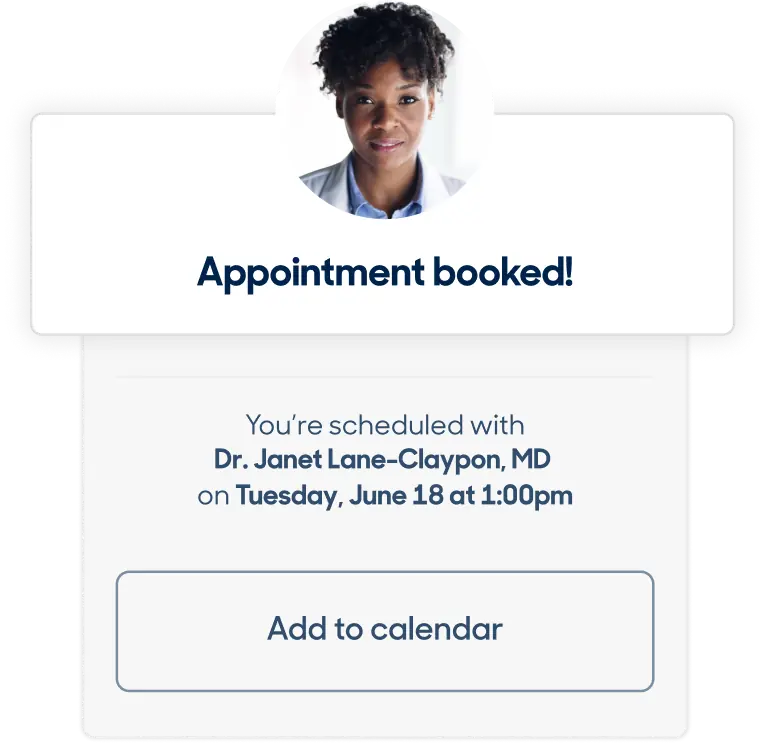
    When you book an appointment through Zocdoc, you’ll be asked to provide some basic information about yourself and the reason for your visit. You’ll also be able to choose a preferred time and date for your appointment. Once your appointment is booked, you’ll receive an email confirmation with all of the details.

    If you need to cancel or reschedule your appointment, you can do so directly from the confirmation email. We understand that life happens and sometimes things come up that prevent us from keeping our appointments. However, we ask that if possible, please try to give at least 24 hours notice so that we can offer the time slot to another patient in need.

    Alternatives to Zocdoc

    If you’re looking for alternatives to Zocdoc, there are a few other options out there. One option is Healthgrades, which allows you to search for doctors in your area and read reviews from other patients. Another option is Vitals, which provides similar information to Healthgrades. You can also try searching for doctors on Google or Yelp. Whichever route you choose, make sure to do your research so you can find the best doctor for your needs.

    Conclusion

    In conclusion, Zocdoc is an invaluable tool for those seeking to find a doctor quickly and conveniently. It takes the hassle out of trying to search for doctors in your area and makes it easy to make appointments. The website also provides useful information on insurance plans, helping you make sure you have the coverage necessary before making an appointment. By taking advantage of what Zocdoc has to offer, you can be sure that you are getting the care you need when you need it most.

  • The Ultimate Guide To Better Sleep: 5 Steps To Rejuvenate Your Body And Mind

    The Ultimate Guide To Better Sleep: 5 Steps To Rejuvenate Your Body And Mind

    Introduction to Better Sleep

    Most of us don’t get enough sleep. In fact, according to the National Sleep Foundation, 64 percent of Americans report that they have sleep problems at least a few nights a week.1

    Sleep is essential for our physical and mental health. It helps to restore our energy levels, repair our bodies, and refresh our minds. Yet, many of us struggle to get enough quality sleep on a regular basis.

    There are a number of factors that can contribute to poor sleep including stress, anxiety, travel, and work demands. Luckily, there are some simple steps you can take to improve your sleep quality and get the rest you need to feel your best.

    In this guide, we will explore some of the best tips for better sleep. We will cover everything from how to create a relaxing bedtime routine to what foods to eat (and avoid) before bed. By following these steps, you can start getting the deep, restful sleep your body and mind need to function at their best.

    Step 1: Establish A Bedtime Routine

    If you want to improve your sleep, one of the best things you can do is establish a bedtime routine. This means going to bed and waking up at the same time each day, even on weekends.

    Creating a bedtime ritual can also help. This can involve taking a bath, reading a book, or doing some other calming activity that helps you relax before bed.

    It’s important to avoid electronics in the bedroom, as the blue light they emit can interfere with sleep. If you must use electronics before bed, consider using dimmed screens and wearing blue-light blocking glasses.

    Step 2: Take Time To Wind Down Before Going To Bed

    It’s important to give your body and mind time to wind down before going to bed. This means taking some time for yourself to relax and de-stress. There are a few things you can do to help yourself relax:

    • Take a warm bath or shower: The warmth of the water can help relax your muscles and ease tension.
    • Read a book or listen to calm music: Taking some time to read or listen to calming music can help quiet your mind and prepare you for sleep.
    • Practice some deep breathing exercises: Deep breathing helps to slow down your heart rate and can be very calming.

    Step 3: Create A Comfortable Sleeping Environment

    To get deep, restful sleep, you need to create a comfortable sleeping environment. This means making sure your bedroom is dark, quiet, and cool. You might also want to invest in a comfortable mattress and pillows. Creating a relaxing bedtime routine can also help you sleep better.

    Step 4: Practice Mindful Breathing And Meditation

    Mindful breathing and meditation are two of the most effective ways to relax your body and mind.

    When you focus on your breath, it helps to clear your mind of any racing thoughts or worries. This allows you to focus on the present moment and be more in tune with your body.

    Meditation is also a great way to calm your mind and body. When you meditate, you focus on your breath and allow yourself to drift off into a state of deep relaxation. This can help to reduce stress and anxiety levels.

    Both mindful breathing and meditation can be done anywhere, at any time. You don’t need any special equipment or clothing. All you need is a quiet place to sit or lie down.

    If you’re new to mindfulness or meditation, there are plenty of resources available online or in books. There are also many apps that can guide you through the process.

    Step 5: Address Any Underlying Issues That Could Be Impacting Your Sleep

    If you’re still not sleeping well after following the first four steps, it’s time to look at any underlying issues that could be impacting your sleep. Often, poor sleep is caused by an underlying health condition, such as anxiety, depression, or insomnia. If you think you might have one of these conditions, talk to your doctor. They can help you get the treatment you need to start sleeping better.

    Conclusion

    The five tips outlined in this guide should help you get the best sleep possible and enable you to wake up feeling well-rested and energetic. Making these changes may not happen overnight, but with a little bit of effort, consistency and dedication you can soon find yourself sleeping better than ever before. With better sleep comes improved concentration levels, lower stress levels, improved mental health, enhanced physical performance and overall wellbeing – so don’t wait any longer – start implementing these steps today!

  • Don’t Ignore These Early Warning Signs Of A Fatty Liver Disease

    Don’t Ignore These Early Warning Signs Of A Fatty Liver Disease

    Introduction to Fatty Liver Disease

    If you have a fatty liver, it means that there are fat deposits in your liver. Fatty liver can be caused by many things, including obesity, diabetes, and drinking too much alcohol. A fatty liver is not usually serious and can be reversed with lifestyle changes. However, if left untreated, it can lead to more serious problems such as cirrhosis or liver cancer.

    If you think you might have a fatty liver, it’s important to see your doctor so they can confirm the diagnosis and come up with a treatment plan. Treatment for a fatty liver typically involves lifestyle changes such as eating a healthier diet and exercising more. In some cases, medication may also be necessary.

    If you have fatty liver disease, it’s important to make lifestyle changes to reverse the condition and prevent further damage to your liver. Often, these changes are all that is needed to improve your health and avoid complications.

    Early Warning Signs of Fatty Liver Disease

    If you have a fatty liver, you may not have any symptoms. But some people with fatty liver disease develop symptoms including:

    • Enlarged liver
    • Pain in the upper right side of the abdomen
    • Fatigue
    • Weakness
    • Loss of appetite
    • Nausea
    • Yellowing of the skin and eyes (jaundice)
    • Dark urine color
    • Fluid buildup in the abdomen (ascites)

    Symptoms of Fatty Liver Disease

    If you have a fatty liver, you may not have any symptoms. But as the disease progresses, you may develop symptoms including:

    • Fatigue
    • Weight loss
    • Loss of appetite
    • Nausea
    • Yellowing of the skin and eyes (jaundice)
    • Pain in the upper right side of your abdomen
    • Dark urine
    • Spider-like blood vessels on your skin

    Risk Factors for Developing Fatty Liver Disease

    There are a number of risk factors for developing fatty liver disease, including obesity, diabetes, high cholesterol, and high triglycerides. Other risk factors include drinking too much alcohol, having hepatitis C, and taking certain medications.

    If you have any of these risk factors, it’s important to be aware of the early warning signs of fatty liver disease. These include fatigue, weight loss, abdominal pain, and yellowing of the skin and eyes (jaundice). If you develop any of these symptoms, see your doctor right away so that you can be properly diagnosed and treated.

    Diagnosis and Treatment for Fatty Liver Disease

    If you are experiencing any of the early warning signs of fatty liver disease, it is important to see your doctor for a proper diagnosis. Once diagnosed, there are treatments available that can help to improve your overall health and reduce the risk of further liver damage.

    Your doctor will likely recommend some lifestyle changes as part of your treatment plan. These may include eating a healthier diet, losing weight if you are overweight, and exercising regularly. You may also need to take medications to help control your blood sugar levels or manage other conditions that can contribute to fatty liver disease. In some cases, surgery may be recommended to remove part of the liver.

    If you have fatty liver disease, it is important to follow your treatment plan and attend all scheduled appointments with your doctor. By doing so, you can help improve your chances of living a long and healthy life despite this condition.

    Prevention Tips for Maintaining a Healthy Liver

    If you have a fatty liver, it is important to take measures to prevent the progression of the disease. Here are some tips for preventing a fatty liver:

    1. Maintain a healthy weight. If you are overweight or obese, lose weight gradually through a combination of diet and exercise.
    2. Eat a healthy diet. Avoid processed foods and eat plenty of fruits, vegetables, and whole grains. Also, limit your intake of saturated fat, trans fat, and cholesterol.
    3. Exercise regularly. Get at least 30 minutes of moderate-intensity aerobic activity most days of the week.
    4. Limit your alcohol intake. If you drink alcohol, do so in moderation (no more than two drinks per day for men and one drink per day for women).
    5. Avoid harmful toxins and medications. Some toxins (such as those found in certain types of fish) can damage the liver. Medications that can harm the liver include acetaminophen (Tylenol), amiodarone (Cordarone), methotrexate (Rheumatrex), and others. Be sure to talk to your doctor about any medications you are taking or considering taking, as well as any supplements you take regularly

    Conclusion

    Ignoring early warning signs of fatty liver disease can have serious consequences. If detected at an early stage, the disease can be managed with simple lifestyle changes and appropriate treatment. Therefore, it is essential to be aware of the symptoms and seek medical help if they persist for more than a few days. Following a healthy diet and exercising regularly are important steps in preventing or managing fatty liver disease. It is also important to discuss any medications you are taking with your healthcare professional as some may make the condition worse. Taking these measures can help keep your liver health in check and reduce your risk of developing this potentially life-threatening condition.

  • 5 Kitchen Spices That Can Help You Fight Cough & Cold Symptoms Naturally

    5 Kitchen Spices That Can Help You Fight Cough & Cold Symptoms Naturally

    Introduction

    If you’re like most people, when you start to feel a cough or cold coming on, your first instinct is to reach for the medicine cabinet. But did you know that there are certain kitchen spices that can help you fight cough and cold symptoms naturally?

    There’s nothing quite like a warm cup of tea with honey and lemon to help soothe a scratchy throat. But did you know that adding a few other simple ingredients to your cup can make it even more effective at fighting off a cold?

    Cinnamon is a spice that has been used medicinally for centuries. It’s known for its anti-inflammatory properties, which can help reduce soreness and inflammation in the throat. Adding just a quarter teaspoon of cinnamon to your tea can make a big difference.

    Ginger is another spice with powerful medicinal properties. It can help ease nausea and vomiting, and is also an expectorant, which means it helps loosen congestion in the chest. A small piece of fresh ginger root added to your tea will do the trick.

    These are just two of the many kitchen spices that can help you fight cough and cold symptoms naturally. So next time you’re feeling under the weather, reach for the spice rack instead of the medicine cabinet!

    What are the symptoms of colds and coughs?

    There are a few different types of cold and cough symptoms, which can include:

    • Sore throat
    • Congestion
    • Runny nose
    • Coughing
    • Sneezing
    • Fever
    • Body aches

    Most people will experience at least a few of these symptoms when they have a cold or cough. However, the severity can vary greatly from person to person. For example, some people may only have a mild sore throat, while others may develop a high fever and severe body aches.

    What kitchen spices can help with colds and coughs?

    There are many kitchen spices that can help you fight cough and cold symptoms naturally. Here are some of the most effective:

    Ginger: Ginger is a great spice for fighting coughs and colds. It helps to break down mucus and congestion, making it easier to breathe. It also has anti-inflammatory properties that can help to reduce swelling in the throat.

    Cayenne pepper: Cayenne pepper is a powerful spice that can help to clear congestion and reduce inflammation. It also has antibacterial properties that can help to kill viruses and bacteria.

    Turmeric: Turmeric is another spice with anti-inflammatory properties. It can help to soothe a sore throat and reduce congestion.

    Cinnamon: Cinnamon is a warming spice that can help to improve circulation and boost the immune system. It can also help to relieve nausea and vomiting associated with colds and flu.

    How to use these spices to treat colds and coughs?

    There are many kitchen spices that can help you fight cold and cough symptoms naturally. Here are some of the most effective:

    1. Ginger: Ginger has anti-inflammatory properties that can help to reduce swelling in the airways and relieve cough symptoms. Add a teaspoon of grated ginger to a cup of hot water and drink it several times a day. You can also take ginger supplements if you prefer.
    2. Garlic: Garlic is another excellent natural remedy for colds and coughs. It contains allicin, which has powerful antibacterial and antiviral properties. To use garlic, simply eat two or three cloves raw every day or add it to your cooking.
    3. Honey: Honey is a popular home remedy for colds and coughs because it is both soothing and has antimicrobial properties. Simply mix a tablespoon of honey with a glass of warm water and drink it several times a day. You can also add honey to herbal teas or take it straight by the spoonful.
    4. Turmeric: Turmeric is known for its anti-inflammatory properties and has been used as a natural remedy for colds and coughs for centuries. Add a teaspoon of turmeric powder to a cup of milk or water and drink it twice daily, or take turmeric supplements according to package directions

    Benefits of using these kitchen spices for colds and coughs

    There are many benefits to using kitchen spices to fight cold and cough symptoms. These spices can help clear congestion, reduce inflammation, and boost immunity. They can also help soothe a sore throat and calm a cough.

    When used in cooking, these spices can add flavor and nutrients to your meals. When used medicinally, they can provide relief from cold and flu symptoms. Here are some of the best kitchen spices for fighting coughs and colds:

    Ginger: Ginger is a powerful anti-inflammatory that can help reduce swelling in the airways. It is also a natural expectorant, meaning it helps to loosen and expel mucus from the lungs. Drinking ginger tea or adding fresh ginger to your food is a great way to get these benefits.

    Turmeric: Turmeric is another potent anti-inflammatory spice that can help relieve congestion and coughing. It also has antioxidant and antimicrobial properties that make it beneficial for boosting immunity. Add turmeric to soups, stews, curries, or smoothies for an easy way to get these benefits.

    Cinnamon: Cinnamon is a warming spice that can help improve circulation and ease congestion. It is also antimicrobial, making it helpful for preventing infections. Add cinnamon to coffee, tea, oatmeal, or baked goods for a tasty way to fight off cold symptoms.

    Cloves: Cloves are known for their ability to numb pain receptors, making them helpful for relieving a sore throat

    Precautions when using spices for treating cold and flu

    When using spices to treat cold and flu symptoms, there are a few precautions that should be taken. First, it is important to start with a small amount of the spice and increase gradually as needed. Second, some people may be more sensitive to certain spices than others, so it is important to pay attention to any adverse reactions. Lastly, it is best to consult with a healthcare provider before using spices for treating cold and flu symptoms, especially if you are pregnant or breastfeeding.

    Conclusion

    Herbal remedies can be a great way to fight the symptoms of colds and coughs, especially when the cause is mild. We hope this article has helped you explore some natural home remedies that involve kitchen spices. Spices such as ginger, cinnamon, turmeric, black pepper and cumin are all powerful ingredients for fighting colds and sore throats. With these easy-to-find items in your pantry or fridge, you can make your own soothing tea blend or even cook dishes with them that will help reduce inflammation and coughing spasms associated with these illnesses.

  • 4 Warning Signs You Shouldn’t Ignore: Your High Cholesterol May Lead To Fat Buildup In Artery Walls

    4 Warning Signs You Shouldn’t Ignore: Your High Cholesterol May Lead To Fat Buildup In Artery Walls

    Introduction to High Cholesterol

    If your cholesterol is high, it means you have too much of a waxy substance called cholesterol in your blood. Cholesterol comes from two sources: your liver and the food you eat. Too much cholesterol in your blood can lead to fat buildup in your artery walls, which can block blood flow and cause a heart attack or stroke.

    You may not know you have high cholesterol because there are usually no signs or symptoms. That’s why it’s important to get your cholesterol checked regularly, starting at age 20. The only way to know if your cholesterol is too high is with a blood test.

    There are two types of cholesterol: LDL (low-density lipoprotein) and HDL (high-density lipoprotein). LDL is sometimes called ‘bad’ cholesterol because it can build up on the walls of your arteries and form plaque. Plaque is made up of fat, cholesterol, calcium, and other substances found in the blood. HDL is sometimes called ‘good’ cholesterol because it helps remove LDL from the arteries and prevents plaque from forming.

    Your total cholesterol level is a number that includes both your LDL and HDL levels. To find out what your numbers mean, ask your doctor or check out this chart from the National Heart, Lung, and Blood Institute.

    Causes of High Cholesterol

    High cholesterol is often caused by a diet high in saturated and trans fats. These unhealthy fats can increase the levels of low-density lipoprotein (LDL) cholesterol in your blood. LDL cholesterol is known as ‘bad’ cholesterol because it can build up in your artery walls, causing them to narrow and harden. This condition is called atherosclerosis, and it can lead to heart disease, heart attack, and stroke. Other factors that can contribute to high cholesterol include obesity, diabetes, and hereditary factors.

    4 Warning Signs for Fat Buildup in Artery Walls

    -If you have high cholesterol, you may be at risk for fat buildup in your artery walls.
    -One of the first warning signs is a change in your blood pressure. If you notice that your blood pressure is rising, it could be an indication that there is fatty buildup in your arteries.
    -Another sign to look out for is changes in your cholesterol levels. If your cholesterol levels are increasing, it may be an indication that you have fatty buildup in your arteries.
    -If you notice any changes in your heart health, such as an irregular heartbeat or chest pain, it could be a sign of fatty buildup in your arteries.
    -If you experience any shortness of breath or difficulty breathing, it could be a sign that you have blockages in your arteries from fatty buildup.
    -Fatty buildup in artery walls can lead to serious health complications, such as heart attack or stroke. If you think you may be at risk for this condition, it is important to see a doctor so they can check for these warning signs and help you get treatment before it’s too late.

    How to Reduce Cholesterol Levels

    If you have high cholesterol, it’s important to take steps to reduce your levels. High cholesterol can lead to fat buildup in your artery walls, which can narrow the arteries and block blood flow. This can cause a heart attack or stroke.

    There are several things you can do to reduce your cholesterol levels:

    1. Eat a healthy diet. Eating foods that are low in saturated and trans fats can help reduce your cholesterol levels. Choose lean protein sources, such as fish, chicken, and beans. Eat plenty of fruits and vegetables. And choose whole grains over processed grains.
    2. Get more exercise. Exercise helps increase HDL (good) cholesterol and decrease LDL (bad) cholesterol. Aim for 30 minutes of moderate-intensity aerobic activity most days of the week.
    3. Quit smoking. Smoking damages the lining of your arteries, which can contribute to plaque buildup and narrowing of the arteries. If you smoke, quitting is one of the best things you can do for your heart health.
    4. Lose weight if you’re overweight or obese. Being overweight or obese raises your risk for developing high cholesterol and other cardiovascular problems. Losing weight can help reduce your cholesterol levels and improve your overall heart health

    Dietary Changes to Help Lower Cholesterol

    Making dietary changes is one of the most effective ways to lower your cholesterol and reduce your risk of heart disease. Here are some dietary changes that can help:

    1. Eat more fibre.soluble fibre can help reduce cholesterol by binding to it in the intestine and preventing its absorption into the bloodstream. Foods high in soluble fibre include oats, barley, legumes, fruits and vegetables.
    2. Limit saturated and trans fats. Saturated fats raise LDL (bad) cholesterol levels and trans fats can also increase LDL cholesterol levels as well as lower HDL (good) cholesterol levels. Foods high in saturated fat include fatty cuts of meat, full-fat dairy products, coconut oil and palm oil. Trans fats are found in processed foods such as biscuits, cakes, pastries, pies and deep-fried foods.
    3. Eat more unsaturated fats. Unsaturated fats can help to lower LDL cholesterol levels while maintaining HDL cholesterol levels. Good sources of unsaturated fats include olive oil, canola oil, nuts and seeds.
    4. Increase your intake of omega-3 fatty acids. Omega-3 fatty acids have numerous heart health benefits, including reducing blood pressure and lowering triglyceride levels as well as improving HDL cholesterol levels. Good sources of omega-3 fatty acids include oily fish such as salmon, mackerel and sardines, flaxseeds and chia seeds.

    Regular Exercise and Other Lifestyle Changes

    If you have high cholesterol, making lifestyle changes is one of the best things you can do to improve your health. Regular exercise and other healthy lifestyle choices can help lower your cholesterol and reduce your risk of heart disease.

    Here are some lifestyle changes that can help lower your cholesterol:

    • Exercise for 30 minutes on most days of the week.
    • Eat a healthy diet that includes plenty of fruits, vegetables, and whole grains.
    • Avoid saturated fats, trans fats, and refined carbohydrates.
    • Quit smoking.

    Making these lifestyle changes can be tough, but they’re worth it. Not only will they help improve your cholesterol levels, but they’ll also make you feel better and give you more energy. So get started today and make a commitment to living a healthier life!

    Conclusion

    High cholesterol can be a serious issue if left untreated. It is important to recognize the warning signs that your cholesterol levels may be too high and take actionable steps to reduce them before they lead to any further health complications. Taking preventive measures such as exercising regularly, eating a healthy diet, reducing stress, and managing any existing conditions can help keep your cholesterol at a safe level and protect you from long-term effects of fat build up in artery walls.

  • Restoring Hormonal Balance: 7 Simple Lifestyle Changes For Women

    Restoring Hormonal Balance: 7 Simple Lifestyle Changes For Women

    Introduction to Hormonal Imbalance

    The endocrine system regulates many different bodily processes including metabolism, growth and development, reproduction, and mood. The hormones produced by the endocrine glands (adrenal, thyroid, pituitary, ovaries, and testes) travel through the bloodstream and bind to specific receptors on target cells to produce a desired effect.

    A hormonal imbalance occurs when there is an abnormality in hormone production or action. This can lead to a variety of symptoms depending on which hormones are involved. Hormonal imbalances are relatively common in women of childbearing age due to the fluctuations in hormone levels that occur during the menstrual cycle, pregnancy, and menopause.

    There are a number of lifestyle factors that can contribute to hormonal imbalance such as stress, lack of sleep, poor diet, and excessive alcohol consumption. Making some simple lifestyle changes can often help to restore hormonal balance.

    Some tips for restoring hormonal balance include:

    -Reducing stress with relaxation techniques such as yoga or meditation

    -Getting enough sleep (aim for 7-8 hours per night)

    -Eating a healthy diet rich in fruits, vegetables, whole grains, and lean protein

    -Avoiding processed foods, sugary drinks, and excessive amounts of alcohol

    What Causes Hormonal Imbalance?

    There are many different factors that can contribute to hormonal imbalance in women. Stress is one of the most common culprits, as it can cause an increase in the stress hormone cortisol. This can lead to a domino effect, throwing other hormones out of balance. Other common causes include inadequate sleep, poor diet, and certain medications.

    If you suspect that you may be suffering from hormonal imbalance, it’s important to speak to your doctor. They will be able to run some tests and determine if there is an underlying issue that needs to be addressed. In many cases, simple lifestyle changes can make a big difference in restoring hormonal balance. Here are a few things you can do:

    • Get enough sleep: Most adults need around 7-8 hours of sleep per night. Make sure you’re getting enough shut-eye to help your body recover and reset itself.
    • Eat a balanced diet: A healthy diet is crucial for maintaining hormone levels. eat plenty of fresh fruits and vegetables, whole grains, lean protein, and healthy fats. Avoid processed foods, sugary drinks, and excessive caffeine.
    • Exercise regularly: Exercise helps to reduce stress levels and promote hormone health. A moderate amount of exercise is the key – too much or too little can actually disrupt hormone levels further.
    • Manage stress: As we mentioned before, stress is one of the biggest contributors to hormonal imbalance. Make sure you’re taking time for yourself every day to relax and de-

    7 Simple Lifestyle Changes For Women

    For many women, simple lifestyle changes can make a big difference when it comes to restoring hormonal balance. Here are some things you can do to help get your hormones back on track:

    1. Get regular exercise. Exercise helps to regulate hormones by reducing stress levels and promoting healthy sleep patterns.
    2. Eat a balanced diet. Eating a diet that is rich in whole foods and low in processed foods can help to promote hormone balance.
    3. Reduce stress levels. Stress can wreak havoc on hormones, so finding ways to reduce stress in your life is important for restoring balance.
    4. Get enough sleep. Sleep is essential for hormonal balance, so be sure to get 7-8 hours per night.
    5. Avoid environmental toxins. Exposure to toxins like pesticides and heavy metals can disrupt hormone balance, so try to limit your exposure as much as possible.
    • Exercise Regularly

    There are a lot of benefits to exercising regularly, and one of them is that it can help to restore hormonal balance. When you exercise, your body releases endorphins, which have mood-boosting and stress-reducing effects. Exercise also helps to increase circulation, which can help to reduce inflammation and promote hormone balance. Furthermore, exercise can help to regulate blood sugar levels, which is important for maintaining hormonal balance.

    • Get Enough Sleep

    It’s no secret that poor sleep habits can wreak havoc on our health. But did you know that lack of sleep can also lead to hormonal imbalances?

    That’s right, if you’re not getting enough zzz’s, it can throw off your body’s delicate hormone balance and cause a host of problems, from weight gain to mood swings.

    But don’t worry, there are plenty of simple lifestyle changes you can make to restore your hormonal balance and get the shut-eye you need.

    Here are some tips for getting enough sleep:

    1. Make sure your bedroom is dark, quiet, and cool. Create an environment that promotes relaxation and helps you drift off to sleep easily.
    2. Establish a regular sleep schedule and stick to it as much as possible. Going to bed and waking up at the same time each day helps to regulate your body’s natural sleep rhythm.
    3. Avoid caffeine in the afternoon and evening hours. Caffeine can stay in your system for 6-8 hours, so if you want to avoid sleepless nights, cut off caffeine consumption early in the day.
    4. Limit screen time before bedtime. The blue light emitted by screens can disrupt your body’s natural production of melatonin, making it harder to fall asleep at night. So turn off the TV, put away your phone, and power
    • Reduce Stress Levels

    It’s no secret that stress can wreak havoc on our bodies, causing everything from headaches and stomach problems to weight gain and anxiety. But did you know that stress can also disrupt your hormones? When your body is constantly in a state of stress, it can lead to imbalances in your hormone levels, which can then cause a whole host of other issues.

    So what can you do to reduce your stress levels and restore hormonal balance?Here are some simple lifestyle changes that can make a big difference:

    1. Get enough sleep: When you’re well-rested, your body is better able to handle stress. Aim for 7-8 hours of sleep each night.
    2. Eat a healthy diet: Eating nutritious foods helps to keep your body functioning well and helps to reduce stress levels. Make sure to include plenty of fresh fruits and vegetables, whole grains, and lean protein in your diet.
    3. Exercise regularly: Exercise is a great way to relieve stress and improve your overall health. Even just 30 minutes of moderate exercise each day can make a big difference.
    4. Take breaks during the day: Don’t try to do too much at once! If you’re feeling overwhelmed, take a few minutes to yourself to relax and rejuvenate. Take a hot bath, read your favorite book, or take a walk outdoors.
    5. Connect with loved ones: Spending time with loved ones can help reduce stress levels and promote feelings of
    • Avoid Refined Sugars and Processed Foods

    When it comes to restoring hormonal balance, one of the most important things you can do is avoid refined sugars and processed foods. These foods can throw off your body’s natural hormone levels and make it difficult to maintain a healthy balance. Instead, focus on eating fresh, whole foods that are rich in nutrients and will help support your body’s hormone levels.

    • Eat a Balanced Diet Rich in Nutrients

    A well-rounded diet is key to maintaining hormonal balance. According to the National Institutes of Health, a healthy diet should include:

    -Plenty of fruits and vegetables of all different colors, which are packed with nutrients like vitamins and minerals.

    -Lean protein, such as grilled chicken or fish, tofu, legumes, and eggs.

    -Whole grains like oatmeal, quinoa, and whole wheat bread.

    -Healthy fats like avocados, nuts, and seeds.

    Cutting out processed foods and eating mostly whole foods will help give your body the nutrients it needs to function properly.

    • Take Supplements as Recommended by Your Doctor

    If you are experiencing any type of hormonal imbalance, it is important to speak with your doctor before beginning any type of supplement regimen. Your doctor will be able to recommend the best supplements for your specific situation and can monitor your progress as you begin taking them.

    There are a variety of different supplements that can help to restore hormonal balance. Some of the most common include:

    • Vitamin D: Vitamin D is essential for calcium absorption and bone health. It can also help to regulate mood and reduce stress levels.
    • omega-3 fatty acids: Omega-3 fatty acids are beneficial for overall health, but can also help to improve hormone levels. They can be found in fish oil supplements or through food sources such as salmon, walnuts, and flaxseeds.
    • magnesium: Magnesium is involved in over 300 biochemical reactions in the body and helps to regulate blood sugar levels, blood pressure, and muscle function. It can be found in supplements or through food sources such as dark leafy greens, nuts, and seeds.
    • probiotics: Probiotics are live bacteria that promote a healthy gut environment. They can help to improve digestion and immunity, as well as reduce inflammation throughout the body. Probiotics can be found in yogurt, fermented foods, or supplements.
    • Balance Your Emotions

    If you want to restore hormonal balance, one of the most important things you can do is to balance your emotions. When you’re feeling stressed, anxious, or down, it can throw your hormones out of whack and make it difficult to lose weight, get pregnant, or just feel good in general.

    That’s why it’s so important to find ways to manage your stress and keep your emotions in check. Some simple lifestyle changes that can help include:

    • Exercise: Taking some time out for a brisk walk or other form of exercise can help relieve stress and improve your mood.

    • Meditation: Learning how to meditate can be a great way to calm your mind and body and reduce stress levels.

    • Relaxation techniques: things like yoga, deep breathing, and aromatherapy can all help you relax both mentally and physically.

    • Make time for yourself: It’s important to make sure you take some time each day for yourself – even if it’s just 10-15 minutes. This can help you de-stress and recharge your batteries.

    Conclusion

    Restoring hormonal balance is an important part of overall health and wellbeing for women. With the right lifestyle changes, it can be done naturally and without any expensive medications or treatments. We hope that our 7 simple lifestyle changes have provided you with some valuable insight into how to restore your own hormonal balance and make sure your hormones are in tip-top shape. Remember, a healthy body starts with a healthy mind, so take care of yourself!

  • 5 Simple Tips To Beat Bloat And Feel Better Every Day

    5 Simple Tips To Beat Bloat And Feel Better Every Day

    What is Bloat and Its Symptoms

    Bloat is a condition where the stomach becomes distended and swollen with gas. The main symptom of bloat is abdominal pain and discomfort. Other symptoms may include belching, burping, flatulence, nausea, and vomiting. If left untreated, bloat can lead to serious health complications such as dehydration, electrolyte imbalance, and even death.

    There are several ways to prevent and treat bloat. Some simple tips include avoiding carbonated beverages, eating smaller meals more slowly, avoiding high-fat foods, and not smoking. If you experience symptoms of bloat, over-the-counter medications such as antacids or simethicone can help to relieve symptoms. However, if you experience severe or persistent symptoms of bloat, it is important to see a doctor or other healthcare provider for treatment.

    Causes of Bloat

    There are many different causes of bloat, but the most common cause is gas. Gas can be caused by a number of things, including eating too much, drinking carbonated beverages, and smoking. Other causes of bloat include constipation, overeating, lactose intolerance, and pregnancy.

    Tip #1: Stay Hydrated

    When it comes to beating bloat, one of the simplest things you can do is to make sure you’re staying hydrated. Drinking plenty of water helps to keep things moving through your digestive system, which can help reduce bloating. And if you’re prone to constipation, staying hydrated is even more important since it can help keep things moving along.

    Tip #2: Avoid Foods That Cause Bloating

    There are certain foods that are more likely to cause bloating than others. These include dairy products, fried foods, processed meats, and sugary snacks. If you find that you’re prone to bloating after eating these types of foods, it’s best to avoid them altogether.

    Instead, focus on eating plenty of fruits and vegetables, lean protein, and whole grains. These healthy foods will help keep your digestive system running smoothly and prevent bloating.

    Tip #3: Move Your Body

    It’s no secret that exercise is good for you. But when you’re feeling bloated and sluggish, the last thing you want to do is get up and move your body. However, exercise is actually one of the best things you can do to beat bloat.

    When you move your body, you help to stimulate your digestive system and promote regularity. Exercise also helps to reduce stress, which can be a major contributor to bloating. And, of course, when you burn calories through exercise, you help to reduce excess water weight.

    So next time you’re feeling bloated, try taking a brisk walk, going for a swim, or even just doing some light stretching at home. You’ll be surprised at how much better you’ll feel!

    Tip #4: Manage Stress

    Stress can be a major contributor to bloating and other digestive issues. When you’re feeling stressed, your body produces cortisol, which can cause inflammation in the gut. This can lead to gas, pain, and other uncomfortable symptoms.

    To manage stress and reduce your risk of bloating, try to:

    -Identify your triggers: What situations or activities make you feel stressed? Once you know what your triggers are, you can start to avoid them or plan for them in advance.

    -Practice relaxation techniques: Deep breathing, meditation, and yoga can all help to calm the mind and body.

    -Exercise: Exercise releases endorphins that can help to improve your mood and reduce stress levels. Just be sure not to overdo it, as too much exercise can actually increase cortisol levels.

    -Get enough sleep: Lack of sleep can worsen stress levels, so be sure to get 7-8 hours per night.

    Tip #5: Get Enough Sleep

    Most people need around eight hours of sleep per night. If you’re not getting enough sleep, your body doesn’t have time to recover from the day’s activities. This can lead to feeling tired and sluggish the next day.

    To get enough sleep, establish a regular bedtime routine and stick to it as much as possible. disconnect from electronics screens at least 30 minutes before bedtime, and create a relaxing environment in your bedroom. If you have trouble falling asleep, try some relaxation techniques such as deep breathing or progressive muscle relaxation.

    Conclusion

    Bloating can be a nuisance, but it doesn’t have to ruin your day. By following these 5 simple tips, you can reduce the discomfort associated with bloating and also improve digestion. Eating smaller meals more often is an important part of managing bloating as well as drinking plenty of water and avoiding carbonated drinks. Additionally, including probiotics in your daily routine can help support healthy digestion and make a big difference in how you feel each day. So don’t let bloat slow you down – try these tips today for better digestive health!

  • Unlocking The Benefits Of Yoga Asanas For A Healthy Heart

    Unlocking The Benefits Of Yoga Asanas For A Healthy Heart

    Introduction to Yoga Asanas and Heart Health

    When it comes to heart health, yoga asanas can be extremely beneficial. From improving circulation and blood flow to strengthening the heart muscle and aiding in detoxification, there are many ways that yoga can help keep your heart healthy.

    One of the most important benefits of yoga asanas for heart health is their ability to improve circulation and blood flow. Poor circulation can lead to a number of problems, including high blood pressure, coronary artery disease, and stroke. By improving circulation, yoga asanas can help reduce the risk of these conditions.

    In addition to improving circulation, yoga asanas can also help strengthen the heart muscle. This is important because a strong heart muscle is better able to pump blood throughout the body. Yoga asanas that specifically target the heart muscle can help improve its strength and function.

    Finally, yoga asanas can also aid in detoxification. When we practice yoga, we help move toxins out of our bodies through our skin and breath. This helps improve overall cardiovascular health by reducing the strain on the heart.

    Types of Yoga Asanas That Can Help Improve Heart Health

    When it comes to heart health, there are a few key things to keep in mind. First, the heart is a muscle and, like all muscles, it benefits from regular exercise. Second, the heart is responsible for pumping blood throughout the body and so it’s important to keep the blood flowing smoothly. And third, the heart is sensitive to stress and so it’s important to find ways to manage stress effectively.

    Yoga asanas, or poses, can be helpful in all of these areas. Here are a few poses that are particularly beneficial for heart health:

    1. Cobra pose: This pose helps to strengthen the muscles around the heart and also increases blood flow to the area.
    2. Camel pose: This pose helps to open up the chest and lungs, which allows for better circulation and easier breathing.
    3. Triangle pose: This pose helps to stretch and tone the muscles around the heart and also aids in detoxification by promoting drainage of lymph fluid from around the organ.
    4. Half moon pose: This pose helps to improve balance and coordination while also strengthening the muscles around the heart.
    5. Corpse pose: This final resting pose helps to calmed an overactive mind and nervous system, both of which can contribute to high levels of stress hormones that can put strain on the heart.

    Benefits of Each Type Of Yoga Asana

    There are many different types of yoga asanas, each with its own unique benefits. Here are some of the most popular and beneficial yoga asanas for a healthy heart:

    1. Surya Namaskar: Surya Namaskar is a very popular and well-known yoga asana. It is often called the “sun salutation,” as it involves a sequence of 12 different poses that resemble the path of the sun. This asana is an excellent way to improve flexibility, strength, and stamina. It is also said to be very helpful in reducing stress and promoting overall cardiovascular health.
    2. Camel Pose: The Camel Pose is another excellent yoga asana for heart health. This pose helps to open up the chest and lungs, improving circulation and respiration. It is also said to be helpful in relieving stress and tension from the neck and shoulders.
    3. Half Camel Pose: The Half Camel Pose is a variation of the Camel Pose that is often used beginners. As its name suggests, this pose only requires you to half-way into the full Camel Pose. This pose still provides all of the same benefits as the full Camel Pose, but is a great way to ease into this more advanced asana.
    4. Cobra Pose: The Cobra Pose is yet another excellent yoga asana for heart health. This pose helps to strengthen and tone the muscles of the back and chest, while also increasing flexibility in the spine

    How to Incorporate Yoga Into Your Routine

    If you’re looking to improve your heart health, yoga may be a great option for you. Yoga asanas, or poses, can help to increase blood flow and improve circulation. They can also strengthen the muscles around your heart and help to reduce stress.

    To get started, simply find a yoga class that’s appropriate for your fitness level. If you’re new to yoga, it’s important to start slowly and listen to your body. Once you feel comfortable with the basic poses, you can begin to add more challenging poses to your routine.

    In addition to taking a yoga class, there are other ways to incorporate yoga into your routine. For instance, you can practice at home using a yoga video or DVD. Or, if you’re short on time, try doing some simple poses before bedtime or first thing in the morning.

    No matter how you choose to do it, adding yoga to your routine is a great way to support your heart health.

    Examples of Simple Yoga Asanas To Try

    1. Janu Sirsasana (Head-to-Knee Pose)
    2. Paschimottanasana (Seated Forward Bend)
    3. Purvottanasana (Upward Plank Pose)
    4. Setu Bandha Sarvangasana (Bridge Pose)
    5. Halasana (Plow Pose)
    6. Viparita Karani (Legs-up-the-Wall Pose)
    7. Matsyasana (Fish Pose)

    Tips For Beginners

    If you’re new to yoga, start with basic poses and work your way up to more challenging ones. Don’t push yourself too hard at first – it’s important to listen to your body and not overdo it.

    When you’re doing a yoga pose, focus on your breath and be aware of your body. Be sure to maintain good alignment in each pose. If you’re not sure how to do a pose correctly, ask a certified yoga instructor for help.

    Yoga is good for your heart health in many ways. It can help lower blood pressure, improve circulation, and reduce stress levels. So if you’re looking for a way to keep your heart healthy, give yoga a try!

    Conclusion

    The health benefits of yoga asanas are numerous and can be enjoyed by anyone, regardless of their age or fitness level. With regular practice, you can unlock the power of these poses to improve your cardiovascular health and overall wellbeing. Whether you’re looking for a relaxing escape from your daily routine or seeking to enhance your physical strength and flexibility, yoga is an excellent way to bring balance into your life. So why not give it a try today?