Every traveler has that one hotel they think about long after checkout. It’s not always the most expensive or the most famous, but it leaves a lasting impression that pulls guests back again and again. These are the hotels travelers return to not out of habit, but out of genuine attachment. Understanding what makes these stays so special reveals a lot about what modern travelers truly value.

A Feeling of Familiarity Without Losing Excitement
Hotels people return to strike a rare balance between comfort and novelty. Guests feel immediately at ease because they know what to expect, yet the experience never feels boring. Staff remember preferences, rooms feel familiar, and routines become comforting. At the same time, subtle updates, seasonal experiences, or new touches keep the stay feeling fresh. This blend of consistency and evolution creates emotional loyalty.
Exceptional Service That Feels Personal, Not Formal
One of the strongest reasons travelers return to the same hotel is service that feels human. These hotels go beyond polite professionalism and focus on genuine care. Staff remember names, favorite rooms, dietary needs, and small habits. Guests don’t feel like room numbers; they feel recognized. This kind of service builds trust and comfort, making travelers feel welcomed rather than processed.
Comfort That Never Disappoints
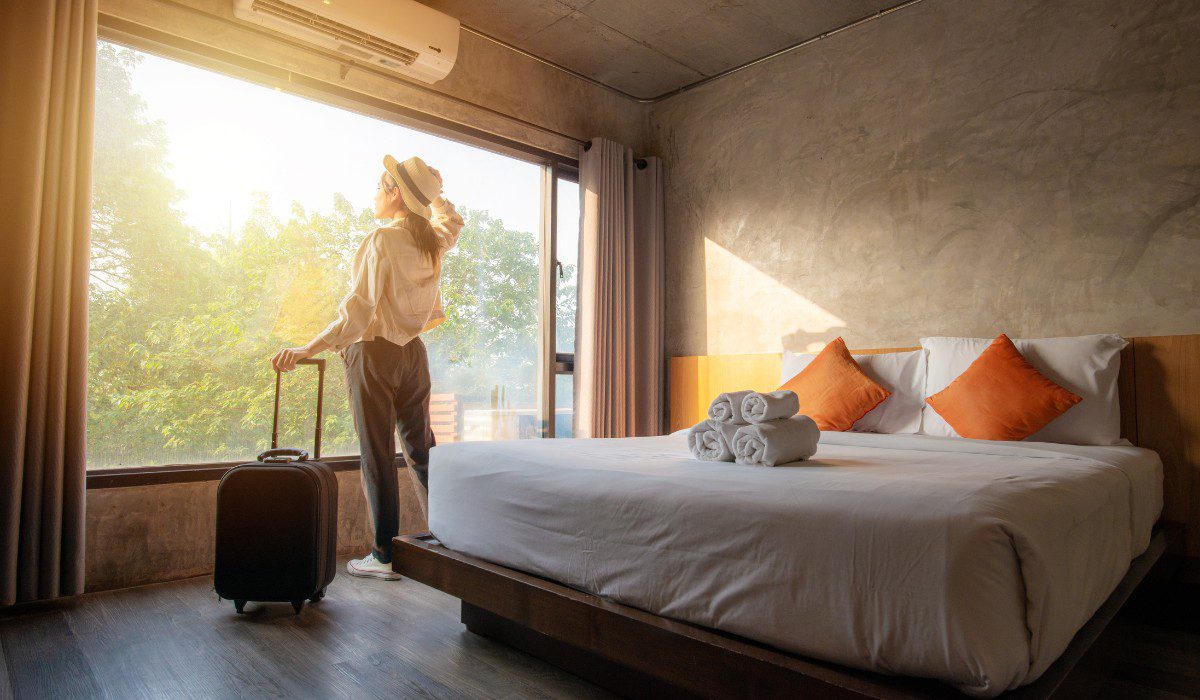
Reliable comfort is a powerful reason people return. Hotels that consistently deliver great sleep, quiet rooms, comfortable temperatures, and well-designed spaces become safe choices for travelers. Guests know they will rest well and feel relaxed, regardless of how busy or tiring their trip may be. When comfort is dependable, travelers are more likely to choose the same hotel again rather than risk disappointment elsewhere.
A Strong Sense of Place
Hotels travelers return to often reflect their destination beautifully. Instead of feeling generic, these hotels embrace local culture, architecture, food, and traditions. Guests feel connected to the place the moment they step inside. This sense of place creates emotional attachment, as travelers associate the hotel with the memories they’ve made in that destination. Returning feels like reconnecting with both the hotel and the city itself.
Staff Who Create Emotional Connections
Beyond service efficiency, repeat-visit hotels often have staff who create emotional connections. A warm conversation, thoughtful gesture, or simple kindness can leave a deep impression. Travelers remember how they were treated, especially during moments of stress or celebration. These emotional experiences are difficult to replicate and often outweigh physical amenities when deciding where to stay again.
Thoughtful Design That Feels Like Home
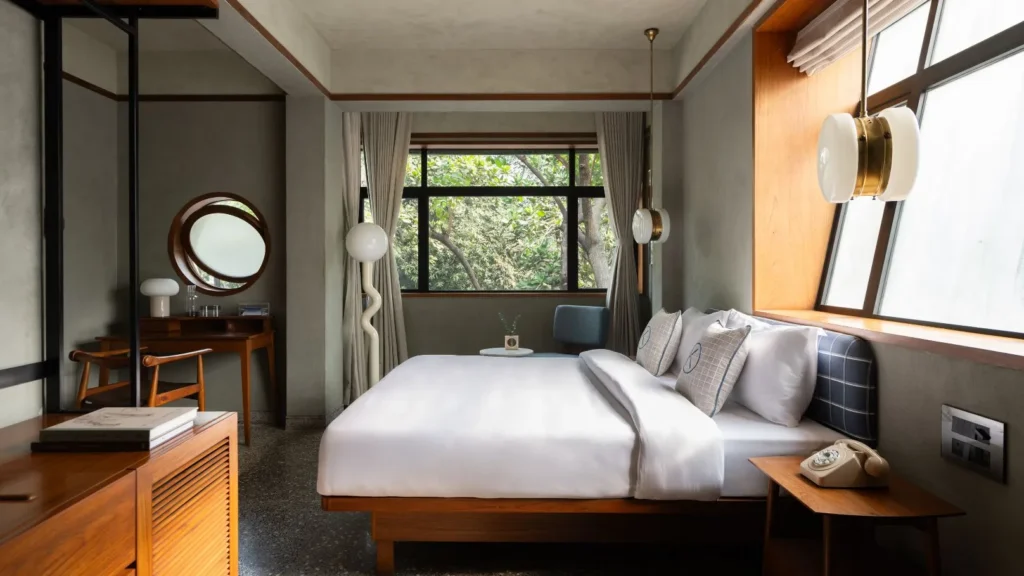
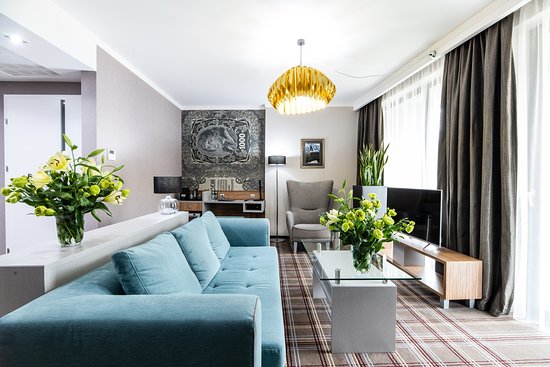
Design plays a subtle but important role in repeat stays. Hotels people return to often feel welcoming rather than overwhelming. Rooms are practical, lighting is warm, and layouts make sense. Public spaces invite guests to linger instead of rushing through. This sense of ease makes guests feel comfortable enough to relax fully, which is a key reason they choose to come back.
Consistency That Builds Trust
Consistency is essential for loyalty. Travelers return to hotels that deliver the same level of quality every time. Cleanliness, service, food, and room standards remain reliable across visits. When guests know they won’t face unpleasant surprises, they feel confident booking again. Trust built through consistency turns first-time guests into repeat visitors.
Experiences That Feel Effortless
Hotels travelers love often make everything feel easy. Check-ins are smooth, staff anticipate needs, and services are readily available without being intrusive. Guests don’t need to ask repeatedly or manage logistics. This effortless experience reduces travel stress and makes the stay feel seamless, encouraging travelers to return for the same sense of ease.
Locations That Fit Perfectly Into Travel Plans
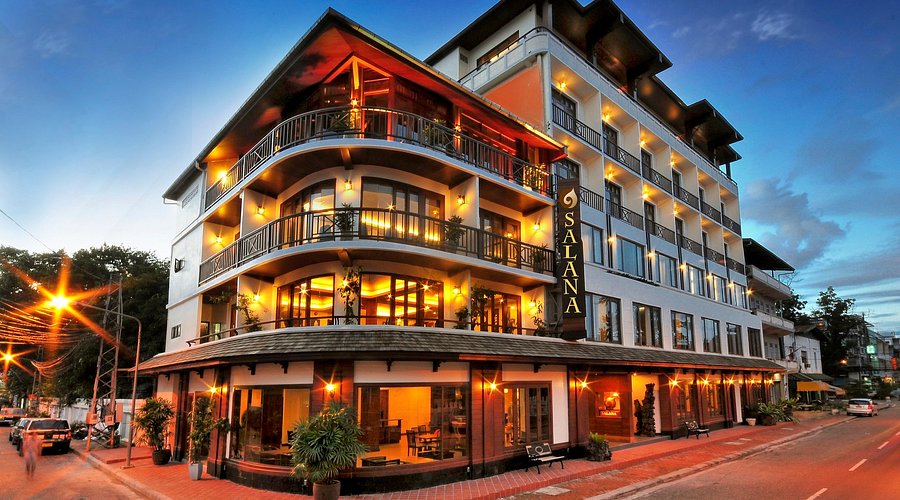
A hotel’s location often plays a major role in repeat bookings. Whether it’s close to attractions, business districts, beaches, or transport hubs, convenience matters. Hotels that allow guests to move easily and save time quickly become favorites. When a location proves ideal once, travelers are likely to choose it again on future trips.
Dining That Feels Comforting and Reliable
Food creates strong memories. Hotels travelers return to often offer dining that feels satisfying and dependable. Guests know they can count on a good breakfast, a comforting meal after a long day, or flexible room service when needed. Familiar flavors and quality dining add to the sense of comfort that keeps guests coming back.
A Sense of Belonging
The most powerful reason travelers return to the same hotel is a feeling of belonging. These hotels make guests feel like they belong there, even if they visit only once a year. Familiar faces, personalized touches, and a welcoming atmosphere create an emotional bond. Returning feels less like checking into a hotel and more like coming back to a place that knows you.
Adaptability to Changing Travel Needs
Hotels that retain loyal guests adapt to changing needs. A traveler who once visited for leisure may return later for business or family travel. Hotels that evolve their offerings without losing their identity remain relevant. This flexibility allows guests to grow with the hotel over time.
Memories Attached to Meaningful Moments
Many repeat stays are tied to memories. Honeymoons, anniversaries, solo trips, or important milestones often happen in specific hotels. When a hotel becomes part of a meaningful life moment, guests naturally feel drawn back. The emotional value of these memories often outweighs practical considerations.
Why Travelers Choose Familiar Comfort Over New Options
With endless hotel options available, choosing a familiar favorite is often about peace of mind. Travelers know they’ll be comfortable, well-treated, and relaxed. In a busy world, that certainty is valuable. Returning to a trusted hotel removes decision fatigue and allows travelers to focus on enjoying their trip.
How Hotels Build Long-Term Loyalty
Hotels that succeed in creating repeat guests focus on relationships rather than transactions. They listen, adapt, and care consistently. Loyalty programs may help, but emotional loyalty is built through experience. When guests feel understood and valued, returning becomes a natural choice.

Conclusion
Hotels travelers keep returning to are special because they go beyond accommodation. They create comfort, trust, and emotional connection through thoughtful service, consistent quality, and a strong sense of place. These hotels become part of a traveler’s story, not just a stop along the way. In a world full of options, the hotels that inspire return visits prove that genuine hospitality is what truly lasts.