Category: Itinerary

  • Complete Bali Itinerary: Beaches, Temples, Rice Terraces & Hidden Villages

    Complete Bali Itinerary: Beaches, Temples, Rice Terraces & Hidden Villages

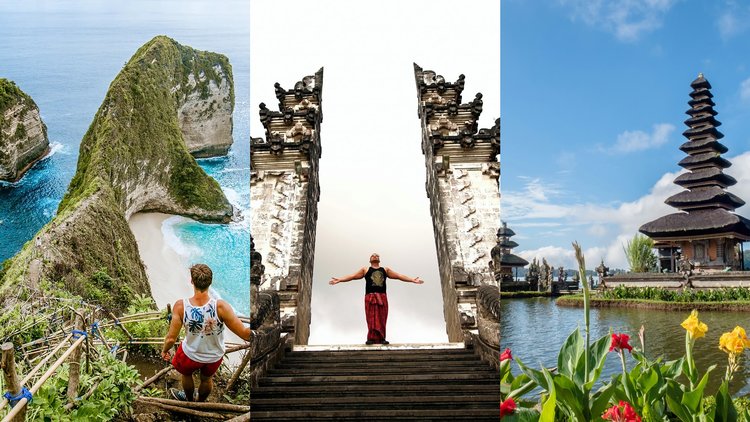
    Bali is more than just a tropical island with beaches. It’s a destination where spirituality, nature, culture, and adventure blend effortlessly. From dramatic sea temples and emerald rice terraces to quiet villages untouched by mass tourism, Bali offers something for every type of traveler.

    This complete Bali itinerary is designed to help you experience the island in a balanced way. It covers iconic highlights while also taking you beyond crowded spots into authentic local life. Whether you’re visiting for the first time or returning with more time, this plan ensures you see Bali without feeling rushed.
    Why Bali Is Perfect for a Well-Planned Itinerary

    Bali is compact, yet travel time can be slow due to traffic and winding roads. Planning your route smartly helps you avoid backtracking and long days on the road.

    This itinerary flows from cultural interiors to beach regions, allowing you to experience Bali’s diversity while keeping travel efficient and enjoyable.

    Days 1–3: Ubud – Culture, Rice Terraces & Spiritual Bali

    Start your Bali journey in Ubud, the cultural heart of the island. Ubud is surrounded by rice fields, temples, and jungle landscapes, making it perfect for easing into Bali’s rhythm.

    Spend your first day exploring central Ubud. Visit the Sacred Monkey Forest, walk through local art markets, and explore traditional temples. End the day with a relaxed dinner overlooking rice fields or rivers.

    On the second day, explore nearby rice terraces such as Tegallalang or lesser-known terraces around the outskirts of Ubud. Combine this with visits to ancient temples and waterfalls hidden in the countryside.

    Use the third day for spiritual and wellness experiences. Yoga classes, meditation centers, and traditional spa treatments are widely available. Ubud is ideal for slowing down and connecting with Bali’s spiritual side.

    Days 4–5: Sidemen – Hidden Villages & Rural Life

    After Ubud, head east to Sidemen, one of Bali’s most beautiful and least crowded regions. This area is known for traditional villages, scenic valleys, and views of Mount Agung.

    Spend time walking through rice fields, visiting local weaving communities, and enjoying village life. Sidemen offers a rare glimpse into Bali before mass tourism, where daily routines remain unchanged.

    This is the perfect place to disconnect, enjoy nature, and experience authentic Balinese hospitality.

    Days 6–7: Amed – Black Sand Beaches & Underwater Beauty

    Travel northeast to Amed, a peaceful coastal area known for its volcanic black sand beaches and excellent snorkeling.

    Spend your days swimming, snorkeling directly from the shore, and enjoying ocean views with Mount Agung in the background. Amed is quiet, uncrowded, and ideal for travelers who want relaxation without luxury crowds.

    Sunrises here are some of the best in Bali, offering serene moments before the day begins.

    Days 8–9: Nusa Islands – Dramatic Cliffs & Crystal Waters

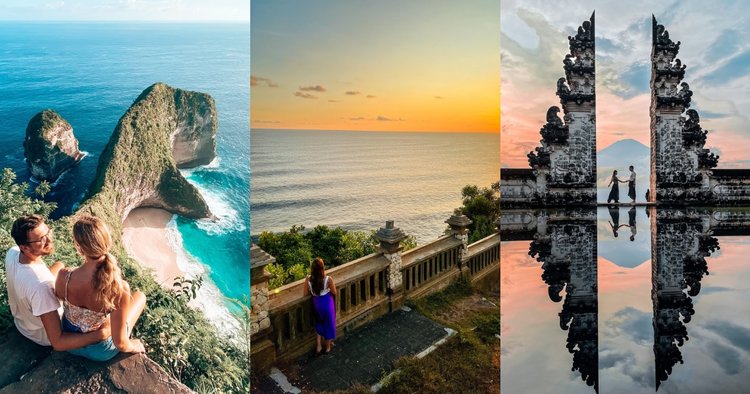
    From mainland Bali, take a boat to the Nusa Islands. These islands offer dramatic cliffs, turquoise waters, and some of Bali’s most striking landscapes.

    Spend time exploring scenic viewpoints, hidden beaches, and snorkeling spots. The Nusa Islands feel wilder and more rugged compared to mainland Bali, adding contrast to your journey.

    Two days are enough to experience the highlights while still keeping the trip relaxed.

    Days 10–11: Uluwatu – Temples, Cliffs & Surf Beaches

    Return to mainland Bali and head south to Uluwatu. This region is famous for dramatic cliffside temples and world-class surf beaches.

    Visit the iconic sea temple perched above the ocean and explore nearby beaches tucked between limestone cliffs. Evenings in Uluwatu are perfect for sunset views and relaxed dining with ocean breezes.

    Uluwatu offers a mix of spiritual landmarks and laid-back coastal living.

    Days 12–13: Seminyak or Canggu – Cafés, Shopping & Beach Life

    Spend the final days in Seminyak or Canggu, depending on your travel style. Seminyak offers upscale shopping, beach clubs, and stylish restaurants, while Canggu has a more relaxed, creative vibe with cafés and surf culture.

    Use this time for beach walks, shopping for souvenirs, and enjoying Bali’s food scene. These areas are ideal for unwinding before departure while still having plenty to do.

    Day 14: Departure or Optional Extension

    Use your final day for a relaxed breakfast, last-minute shopping, or a spa visit before heading to the airport. If you have extra time, you can extend your stay with more beach days or explore northern Bali.

    Ending your trip slowly helps you leave Bali feeling refreshed rather than rushed.

    Getting Around Bali Smoothly

    Hiring a private driver is the most comfortable way to move around Bali, especially for longer distances. Scooters are popular for short trips but may not be ideal for all travelers.

    Plan travel days as lighter days to avoid exhaustion and allow time for unexpected delays.

    Where to Stay for This Bali Itinerary

    Choose accommodations close to nature in Ubud and Sidemen, beachfront stays in Amed and Uluwatu, and central locations in Seminyak or Canggu.

    Mixing boutique hotels with guesthouses gives you both comfort and local charm.

    Best Time to Follow This Bali Itinerary

    The dry season from April to October is ideal for outdoor activities and island hopping. Shoulder months offer fewer crowds and pleasant weather.

    Avoid peak holiday periods if you prefer quieter experiences.
    Conclusion

    This complete Bali itinerary shows that the island is much more than just beaches. By combining temples, rice terraces, hidden villages, and coastal escapes, you experience Bali in a deeper and more meaningful way. With thoughtful planning and a balanced pace, Bali becomes not just a destination, but a journey that stays with you long after you leave.

  • Ultimate 7-Day Europe Itinerary: Explore Paris, Rome, and Barcelona Efficiently

    Ultimate 7-Day Europe Itinerary: Explore Paris, Rome, and Barcelona Efficiently

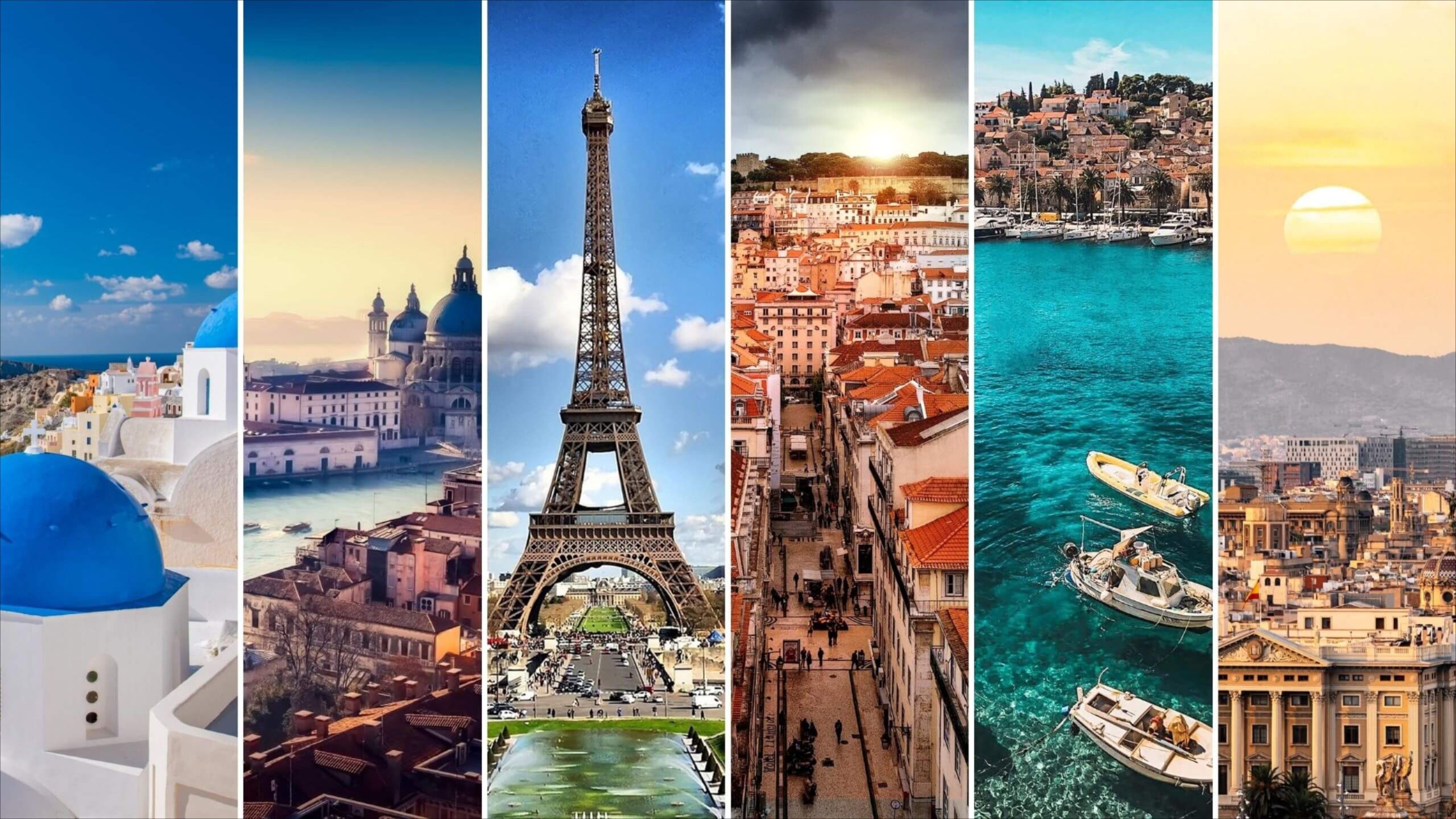
    Europe offers a rich tapestry of culture, history, cuisine, and iconic landmarks, making it a dream destination for travelers. However, with so many cities to explore, planning an efficient itinerary is key to maximizing your experience. This 7-day Europe itinerary is designed to help travelers see the highlights of Paris, Rome, and Barcelona without feeling rushed. From iconic monuments to local experiences, each day balances sightseeing, relaxation, and culinary delights.

    Day 1: Arrival and Evening in Paris

    Arrive in Paris and settle into your hotel, ideally in central areas such as Le Marais or Saint-Germain for easy access to attractions. Spend your evening with a relaxing walk along the Seine River. Enjoy a traditional French dinner at a bistro and perhaps a brief visit to the Eiffel Tower for a night-time photo opportunity. This gentle start allows you to acclimate and set the mood for your European adventure.

    Day 2: Paris Landmarks and Museum Visits

    Dedicate your day to exploring Paris’s most iconic landmarks. Begin with a visit to the Louvre Museum to see world-famous artworks including the Mona Lisa. Next, explore the Notre-Dame Cathedral and stroll through the Latin Quarter. In the afternoon, take a Seine River cruise or visit the Montmartre district for charming streets and the Sacré-Cœur Basilica. End the day with dinner in a classic Parisian brasserie.

    Day 3: Paris Hidden Gems and Culinary Experiences

    Discover Paris beyond the main tourist attractions. Visit the Musée d’Orsay for Impressionist art, then explore hidden neighborhoods like Le Marais with its boutique shops and cafés. For lunch, try French pastries or a croque-monsieur at a local café. In the evening, consider attending a cabaret show at Moulin Rouge or enjoying wine and cheese at a quiet wine bar. These experiences capture the essence of Parisian culture.

    Day 4: Travel to Rome and Evening Exploration

    Take a morning flight or high-speed train to Rome. Check into a hotel in areas like Trastevere or near Piazza Navona. Spend the evening walking around the historic center, admiring landmarks such as the Pantheon and Piazza Venezia. Stop for gelato while wandering the streets, soaking in Rome’s lively atmosphere. This evening allows a gentle introduction to the Eternal City.

    Day 5: Rome’s Ancient Wonders

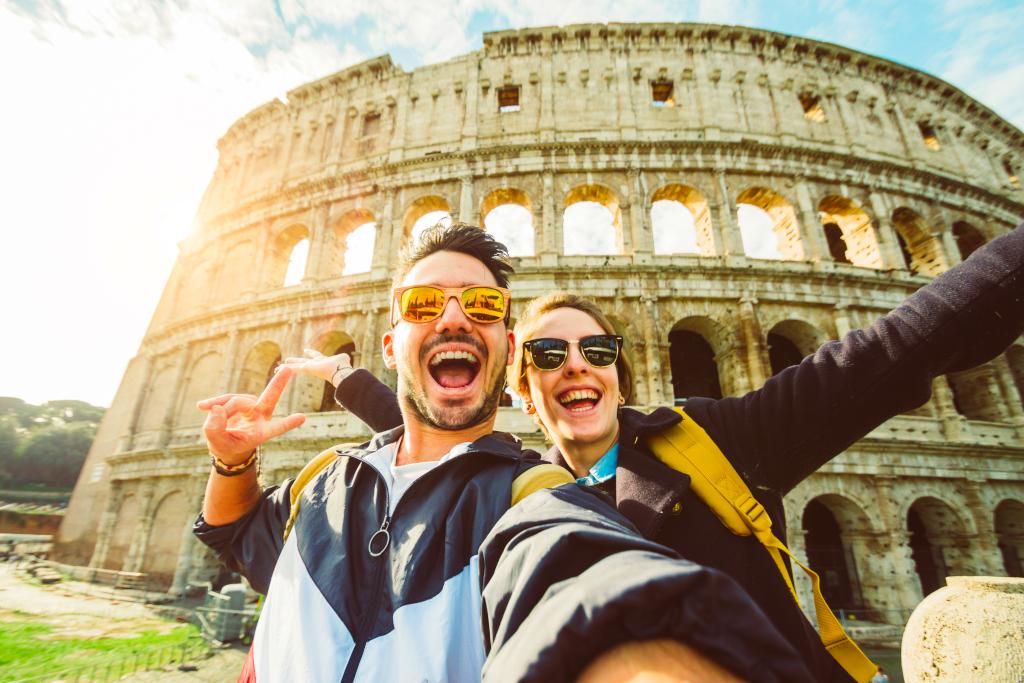
    Start your day with a guided tour of the Colosseum and Roman Forum. Discover the history and architecture of ancient Rome while learning fascinating stories about gladiators and emperors. After lunch, visit the iconic Trevi Fountain and Spanish Steps. Wrap up the day with dinner at a traditional Roman trattoria, enjoying pasta dishes like cacio e pepe or carbonara.

    Day 6: Vatican City and Local Experiences

    Dedicate this day to Vatican City. Explore St. Peter’s Basilica, the Vatican Museums, and the Sistine Chapel to see Michelangelo’s masterpieces. Afterward, enjoy a leisurely walk along the Tiber River or explore local markets. In the evening, attend a wine-tasting session or dine at a family-run osteria for an authentic Italian culinary experience.

    Day 7: Travel to Barcelona and Final Sightseeing

    Take a morning flight to Barcelona and check into a centrally located hotel near Las Ramblas or the Gothic Quarter. Visit the famous Sagrada Família and stroll through Park Güell, both showcasing Gaudí’s unique architectural style. Spend the evening wandering the Gothic Quarter’s narrow streets and enjoy tapas at a local bar. A Flamenco show or beachside walk provides a memorable end to your 7-day European adventure.

    Tips for an Efficient Itinerary

    • Book transportation in advance: High-speed trains and flights between cities save time.
    • Stay centrally: Hotels near main attractions reduce commuting time.
    • Plan meals strategically: Try local cuisine near attractions to maximize sightseeing time.
    • Buy skip-the-line tickets: Museums and landmarks often have long queues; pre-booking is a time-saver.
    • Pack light: A manageable carry-on helps you move easily between cities.

    Conclusion

    This 7-day Europe itinerary efficiently combines the highlights of Paris, Rome, and Barcelona, offering travelers a mix of history, culture, architecture, and culinary delights. From iconic monuments to hidden gems, each day balances sightseeing and relaxation, ensuring a memorable experience. By following this itinerary, you can explore Europe’s most enchanting cities efficiently while creating unforgettable memories of your European journey.

  • Best 5-Day Caribbean Cruise Itinerary: Islands, Beaches, and Local Culture

    Best 5-Day Caribbean Cruise Itinerary: Islands, Beaches, and Local Culture

    A Caribbean cruise offers the perfect combination of relaxation, adventure, and cultural exploration. With pristine beaches, turquoise waters, and vibrant island cultures, a well-planned cruise allows travelers to experience multiple destinations without the hassle of constant packing and transportation. This 5-day Caribbean cruise itinerary focuses on top islands, local attractions, and unforgettable beach experiences.

    Day 1: Departure and Onboard Activities

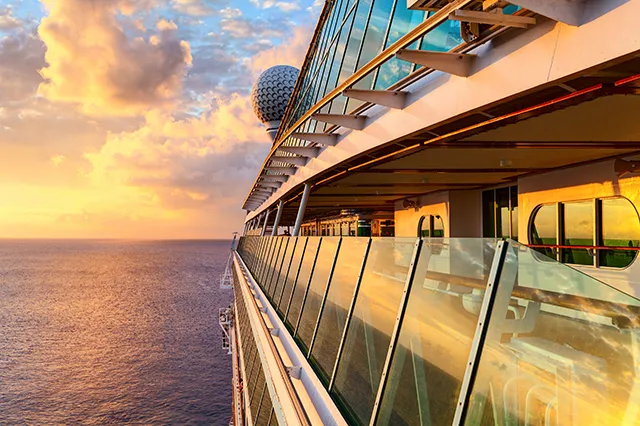
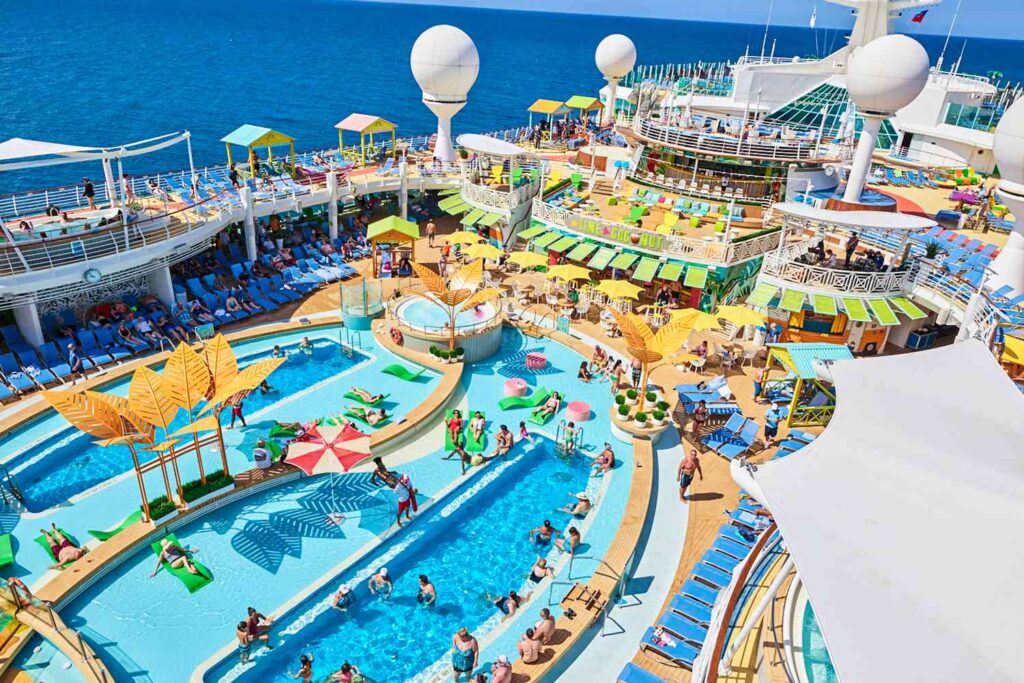
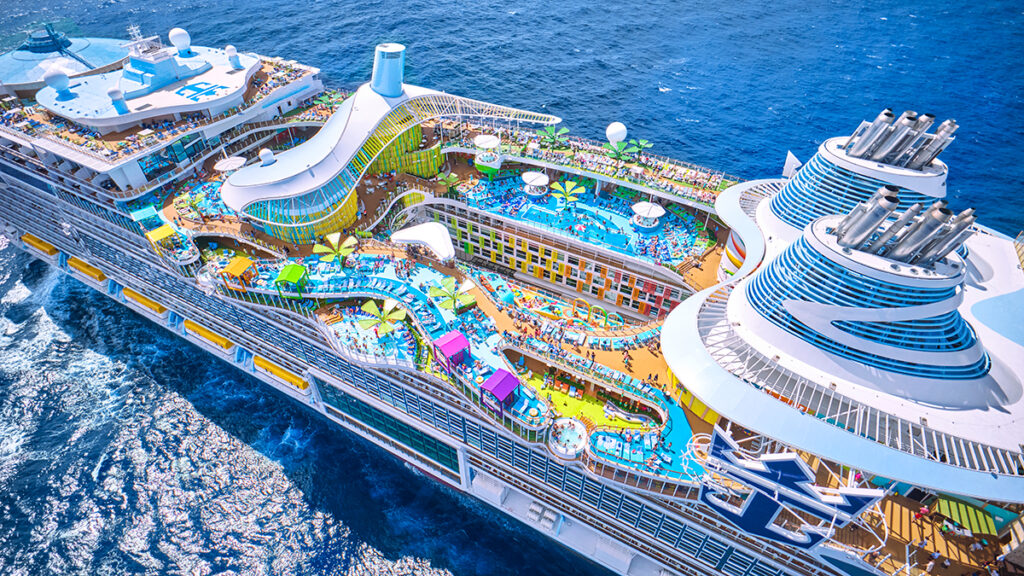
    Board your cruise ship at the designated port and familiarize yourself with the amenities. Cruise ships often offer pools, entertainment shows, and dining options. Spend the day exploring the ship, enjoying welcome events, and relaxing by the pool or spa. Evening entertainment such as live music or theatrical performances sets a festive tone for the journey ahead.

    Day 2: Nassau, Bahamas

    Arrive in Nassau and explore its vibrant culture. Visit Nassau’s Straw Market for local crafts and souvenirs, or tour historic landmarks like Fort Fincastle and Queen’s Staircase. Spend the afternoon at Cable Beach enjoying swimming, sunbathing, and water sports. In the evening, return to the cruise ship for dinner and onboard entertainment.

    Day 3: Cozumel, Mexico

    Dock in Cozumel, known for its stunning coral reefs and clear waters. Go snorkeling or scuba diving to explore marine life, or take a glass-bottom boat tour for a family-friendly option. Explore San Miguel town for local cuisine, handicrafts, and cultural experiences. Return to the ship in the evening, enjoying themed dining options or a cocktail by the deck.

    Day 4: St. Thomas, U.S. Virgin Islands

    Visit St. Thomas for a mix of beaches, shopping, and sightseeing. Magens Bay offers a perfect beach experience with calm waters ideal for swimming. Take a scenic ride on the Paradise Point Skyride or explore Charlotte Amalie’s historic streets. Evening activities back on the cruise ship include shows, live music, or casino entertainment.

    Day 5: Return and Farewell

    Spend the final morning enjoying onboard activities such as breakfast with ocean views, last-minute spa treatments, or a morning swim. Disembark at the original port, reflecting on the vibrant islands, beautiful beaches, and cultural experiences explored during the cruise. This day marks the perfect conclusion to a memorable Caribbean adventure.

    Tips for a Successful Caribbean Cruise

    • Pack smart and light: Include swimwear, sunscreen, comfortable shoes, and casual evening attire.
    • Book shore excursions in advance: Ensure popular tours like snorkeling or island tours are reserved.
    • Bring travel documents and passports: Keep them secure for customs and port entry.
    • Budget for onboard expenses: Drinks, specialty dining, and activities may not be included in the cruise fare.
    • Plan for seasickness: Pack remedies or medications if prone to motion sickness.

    Conclusion

    A 5-day Caribbean cruise perfectly blends island exploration, beach relaxation, and cultural immersion. From Nassau’s markets to Cozumel’s reefs and St. Thomas’ scenic views, travelers experience diverse destinations effortlessly. By following this itinerary, you can enjoy the best of the Caribbean with convenience, comfort, and unforgettable memories, making your cruise an ideal vacation for relaxation and adventure alike.

  • Perfect Paris Itinerary: How to Spend 5 Days Exploring the City of Lights

    Perfect Paris Itinerary: How to Spend 5 Days Exploring the City of Lights

    Paris is a city that rewards slow exploration. From iconic landmarks and historic neighborhoods to world-class food and hidden corners, the French capital offers far more than what can be seen in a quick visit. A well-planned 5-day itinerary allows first-time visitors to experience the essence of Paris without feeling rushed, while still leaving room for spontaneity and discovery.

    This itinerary is designed to balance famous attractions with local experiences, walkable neighborhoods, and time to simply enjoy the Parisian atmosphere.

    Why 5 Days Is Ideal for Paris

    Five days in Paris is the perfect amount of time to see the city’s highlights while still enjoying its lifestyle. You can explore major monuments, museums, and neighborhoods at a comfortable pace without turning your trip into a checklist.

    This duration also allows flexibility for café breaks, evening strolls, and discovering places that aren’t always listed in guidebooks.

    Day One: Classic Paris and Iconic Landmarks

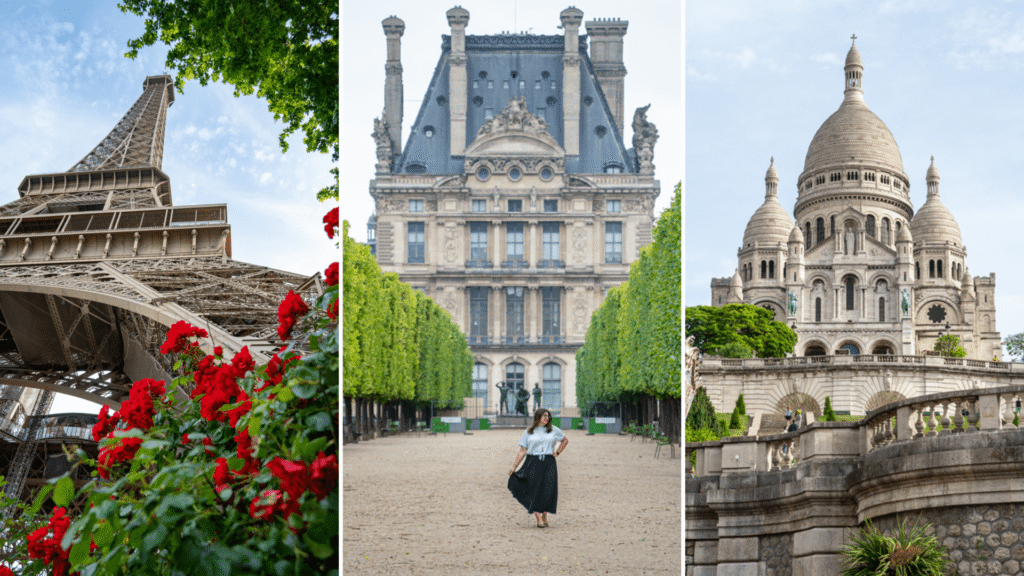
    Begin your Paris journey with the city’s most recognizable sights. Start near the Eiffel Tower early in the day to avoid crowds and enjoy views along the Seine River. Walking along the riverbanks introduces you to Paris’s elegant bridges and historic buildings.

    Continue toward nearby landmarks and take time to sit at a café and observe daily Parisian life. In the evening, enjoy a relaxed walk along the illuminated streets, which truly brings out the magic of the City of Lights.

    Day Two: Art, History, and the Heart of Paris

    Dedicate your second day to art and history. Explore one of the world’s most famous museums in the morning when energy levels are high. Focus on key sections rather than trying to see everything in one visit.

    Later, walk through central Paris neighborhoods filled with historic streets, bookstores, and charming squares. This area reflects Paris’s intellectual and cultural soul, making it ideal for wandering without a strict plan.

    Day Three: Montmartre and Parisian Charm

    Spend day three exploring Montmartre, one of Paris’s most atmospheric districts. Known for its artistic heritage, winding streets, and hilltop views, Montmartre feels like a village within the city.

    Walk slowly, explore side streets, and enjoy viewpoints overlooking Paris. This area is best experienced without rushing, allowing you to appreciate its creative history and relaxed rhythm.

    Day Four: Local Neighborhoods and Hidden Paris

    On day four, step away from major tourist areas and explore Paris like a local. Visit residential neighborhoods known for markets, bakeries, and independent shops.

    This is the perfect day for discovering hidden gardens, quiet streets, and neighborhood cafés. Spending time in less touristy areas gives you a deeper understanding of everyday Parisian life.

    Day Five: Shopping, Cafés, and a Relaxed Farewell

    Use your final day to revisit favorite areas or explore places you may have missed. Enjoy leisurely shopping, whether in local boutiques or classic shopping streets.

    End your trip with a long café visit or a peaceful walk through a park. A relaxed final day ensures you leave Paris feeling satisfied rather than exhausted.

    Getting Around Paris Efficiently

    Paris is an excellent city for walking, especially in central areas. Many attractions are close together, making it easy to explore on foot.

    Public transportation is reliable and convenient for longer distances. Planning your days by neighborhood helps reduce unnecessary travel time and keeps your itinerary smooth.

    Where to Stay for This Itinerary

    Choosing accommodation in a central location makes this itinerary more enjoyable. Staying near the Seine or within walking distance of major neighborhoods saves time and allows spontaneous exploration.

    Look for areas that offer easy access to public transport while still maintaining a local feel.

    Best Time to Visit Paris

    Spring and early autumn are ideal for visiting Paris, offering pleasant weather and manageable crowds. Summer brings longer days but also higher visitor numbers.

    Winter provides a quieter experience with fewer tourists and a cozy atmosphere, especially in cafés and museums.

    Dining Tips for First-Time Visitors

    Paris is known for its food culture, and dining is an essential part of the experience. Balance sit-down meals with casual bakeries and street-side cafés.

    Avoid restaurants near major attractions and explore side streets for more authentic options. Taking time to enjoy meals rather than rushing through them enhances your overall trip.

    Conclusion

    A perfect 5-day Paris itinerary is about balance rather than checking off attractions. By combining iconic landmarks, cultural experiences, local neighborhoods, and unstructured time, you experience Paris as more than just a tourist destination. This approach allows you to connect with the city’s rhythm, beauty, and charm, leaving you with memories that go far beyond photographs and sightseeing lists.

  • Family-Friendly Thailand Itinerary: Bangkok, Phuket, and Chiang Mai Adventures

    Family-Friendly Thailand Itinerary: Bangkok, Phuket, and Chiang Mai Adventures

    Thailand is a top destination for family travelers, offering a mix of vibrant cities, stunning beaches, rich culture, and kid-friendly attractions. A well-planned itinerary ensures that both adults and children enjoy the trip without feeling rushed. This guide takes you through Bangkok, Phuket, and Chiang Mai, highlighting family-oriented activities, cultural experiences, and relaxation spots.

    Back people enjoying travel trip and vacations, Silhouette of family father, mother, son and daughter holding hands together on beach, Happy family have fun jumping on beach in holiday at sunset

    Day 1: Arrival in Bangkok

    Arrive in Bangkok and check into a family-friendly hotel in areas such as Sukhumvit or Riverside. Spend the evening exploring nearby markets or taking a gentle river cruise on the Chao Phraya River. Enjoy a family dinner featuring Thai cuisine that accommodates all tastes, including kid-friendly options like pad thai or fried rice.

    Day 2: Bangkok Cultural and Kid-Friendly Experiences

    Start with a visit to the Grand Palace and Wat Pho, introducing children to Thailand’s rich culture. In the afternoon, explore the SEA LIFE Bangkok Ocean World or KidZania Bangkok for interactive learning and entertainment. End the day with a dinner cruise or a visit to Asiatique Night Market for shopping and snacks.

    Day 3: Bangkok to Phuket – Beach Arrival

    Take a morning flight to Phuket and check into a resort suitable for families. Spend the afternoon relaxing at Patong Beach or Kata Beach, building sandcastles, swimming, or enjoying water sports. Resorts often offer kids’ clubs and supervised activities, giving parents a chance to unwind while children are entertained.

    Day 4: Phuket Island Exploration

    Take a family-friendly boat tour to nearby islands such as Phi Phi or James Bond Island. Snorkeling, shallow-water swimming, and exploring natural caves make these excursions suitable for children. In the evening, explore Phuket Town’s colorful streets and enjoy a local dinner featuring fresh seafood and Thai desserts.

    Day 5: Phuket Adventure Activities

    Visit Phuket Fantasea, a cultural theme park with shows and performances that captivate kids and adults alike. Alternatively, explore the Phuket Elephant Sanctuary for an ethical and educational encounter with elephants. Finish the day with beachside relaxation or a sunset walk along the coast.

    Day 6: Travel to Chiang Mai

    Fly to Chiang Mai and check into a family-oriented hotel near the Old City. Spend the evening exploring local markets such as the Sunday Night Market or enjoying a traditional Khantoke dinner with cultural performances. Chiang Mai’s relaxed atmosphere offers a contrast to the bustling cities and beaches.

    Day 7: Chiang Mai Temples and Nature

    Visit kid-friendly temples like Wat Phra Singh and Wat Chedi Luang. In the afternoon, explore the Doi Suthep area for panoramic city views or visit the Elephant Nature Park for an educational and interactive animal experience. Families can enjoy hiking trails and nature walks around the region.

    Day 8: Adventure and Cultural Activities

    Take part in family-friendly activities such as Thai cooking classes, bamboo rafting, or zip-lining experiences suitable for children. These interactive adventures provide memorable experiences while immersing travelers in local culture. Evening options include exploring night markets or attending cultural performances.

    Day 9: Relaxation and Last-Minute Exploration

    Spend a relaxed day in Chiang Mai visiting botanical gardens, local parks, or artisan villages. Take time to enjoy local snacks, shop for souvenirs, and revisit favorite attractions. This day allows families to slow down and savor the Thai experience before departure.

    Day 10: Departure

    Use your final day to pack, enjoy a leisurely breakfast, and take a short stroll in nearby areas before heading to the airport. This ensures a smooth end to a well-planned, family-friendly adventure through Thailand.

    Tips for Traveling in Thailand with Family

    • Choose family-friendly accommodations: Resorts with kids’ clubs, pools, and babysitting services make travel easier.
    • Plan flights and transportation wisely: Domestic flights are fast and convenient for moving between cities.
    • Pack essentials for kids: Snacks, sun protection, and small toys help during transit and sightseeing.
    • Respect local customs: Teach children to observe temple etiquette and cultural norms.
    • Balance activity and rest: Ensure each day has downtime to avoid exhaustion, especially for young children.

    Conclusion

    This family-friendly Thailand itinerary balances cultural immersion, adventure, and relaxation across Bangkok, Phuket, and Chiang Mai. From bustling city streets and stunning beaches to serene temples and interactive experiences, families can enjoy a well-rounded and memorable trip. Following this guide ensures an efficient, enjoyable, and safe journey for travelers of all ages.

  • New Zealand Road Trip Itinerary: North to South Island in 14 Days

    New Zealand Road Trip Itinerary: North to South Island in 14 Days

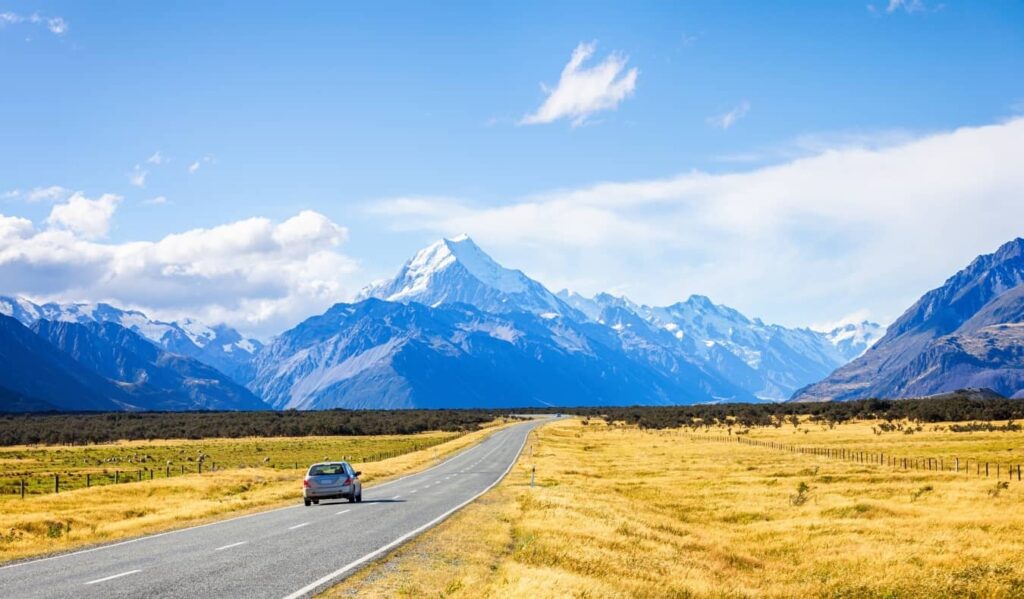
    New Zealand is one of the few countries where a road trip feels like the main attraction rather than just a way to get around. Snow-capped mountains, volcanic landscapes, turquoise lakes, dramatic coastlines, and charming towns appear almost constantly as you drive. A 14-day North to South Island road trip allows you to experience the country’s diversity without rushing while still covering its most iconic highlights.

    This itinerary is planned for travelers who want scenic drives, outdoor experiences, and well-paced days. It balances popular destinations with quieter stops, making it ideal for first-time visitors and those who want a complete New Zealand experience.

    Why a North to South Island Road Trip Makes Sense

    New Zealand’s geography is perfectly suited for road travel. Distances are manageable, roads are well-maintained, and every route offers something visually stunning. Starting in the North Island introduces you to culture, geothermal wonders, and rolling landscapes, while the South Island delivers alpine scenery, fjords, and dramatic natural beauty.

    Fourteen days gives enough time to explore both islands without feeling overwhelmed, provided the route is planned smartly.

    Days 1–2: Auckland – Arrival and Coastal Escapes

    Begin your journey in Auckland, New Zealand’s largest city and the most common international arrival point. Use the first day to recover from travel, explore the waterfront, and enjoy views of the harbor.

    On day two, take short drives outside the city. Visit nearby beaches, coastal viewpoints, or islands accessible by ferry. This gentle start helps you adjust while still experiencing New Zealand’s outdoor charm.

    Days 3–4: Rotorua – Geothermal Wonders and Maori Culture

    Drive south toward Rotorua, known for its geothermal activity and rich Maori heritage. Along the way, enjoy green countryside and small towns.

    In Rotorua, explore geysers, bubbling mud pools, and hot springs. Cultural experiences offer insight into Maori traditions, storytelling, and cuisine. Spend time relaxing in natural thermal pools to balance sightseeing with rest.

    Day 5: Taupo – Lakes, Waterfalls, and Volcanic Views

    Continue to Lake Taupo, New Zealand’s largest lake. This area is known for its clear waters and volcanic surroundings.

    Stop at powerful waterfalls and lakeside viewpoints. Taupo is a calm and scenic stop, perfect for unwinding before heading toward the capital region.

    Day 6: Wellington – Capital City and Creative Energy

    Drive south to Wellington, New Zealand’s compact and vibrant capital. Explore the waterfront, local cafés, and museums.

    Wellington’s creative atmosphere and walkable center make it a refreshing urban stop before transitioning to the South Island.

    Day 7: Ferry to South Island and Drive to Kaikoura

    Take the scenic ferry across Cook Strait to the South Island. The crossing itself is one of the most beautiful ferry rides in the world, passing through fjords and coastal landscapes.

    After arriving, drive to Kaikoura, a coastal town known for marine life. Enjoy ocean views and relax after the travel day.

    Days 8–9: Kaikoura to Lake Tekapo – Alpine Landscapes Begin

    From Kaikoura, drive inland toward the heart of the South Island. This route introduces dramatic mountain scenery and wide-open spaces.

    Stop at Lake Tekapo, famous for its turquoise waters and starry skies. Visit lakeside viewpoints and enjoy the peaceful surroundings. If skies are clear, stargazing here is unforgettable.

    Days 10–11: Queenstown – Adventure Capital of New Zealand

    Drive south to Queenstown, one of New Zealand’s most iconic destinations. Surrounded by mountains and lakes, Queenstown offers both adventure and relaxation.

    Spend your time exploring scenic viewpoints, enjoying lakeside walks, or trying adventure activities. A day trip to nearby alpine areas adds depth to your stay without requiring long drives.

    Day 12: Milford Sound – Fjords and Waterfalls

    Take a full-day trip to Milford Sound, one of New Zealand’s most famous natural attractions. The drive itself is spectacular, with mountains, valleys, and waterfalls along the way.

    Cruising through the fjord reveals towering cliffs and misty waterfalls, making this one of the most memorable experiences of the trip.

    Day 13: Wanaka – Quiet Beauty and Scenic Drives

    Head to Wanaka, a calmer alternative to Queenstown. Known for its lakefront views and relaxed atmosphere, Wanaka is ideal for slowing down.

    Enjoy short hikes, lakeside walks, and peaceful scenery. Wanaka offers a reflective pause near the end of your journey.

    Day 14: Return to Queenstown or Christchurch for Departure

    Depending on your flight, return to Queenstown or drive toward Christchurch. Use the final day for relaxed driving, photo stops, and enjoying the scenery one last time.

    Ending the trip without rushing ensures you finish the journey feeling satisfied rather than exhausted.

    Driving Tips for New Zealand Road Trips

    New Zealand drives on the left side of the road. Distances may look short, but roads are often winding, so allow extra time for driving.

    Plan fewer activities on driving days and take advantage of scenic pull-offs. Fuel stations can be limited in remote areas, so plan ahead.

    Best Time for a 14-Day New Zealand Road Trip

    The best months for this itinerary are late spring to early autumn, when weather conditions are favorable and roads are clear. Shoulder seasons offer fewer crowds and pleasant temperatures.

    Winter trips are possible but require careful planning, especially in alpine regions.

    Where to Stay During the Trip

    Mixing accommodations works best. Stay centrally in cities and choose scenic lodges or lakeside stays in rural areas. Booking in advance is recommended during peak travel seasons.

    Choosing accommodations close to your daily route helps reduce unnecessary driving.

    Conclusion

    A 14-day North to South Island road trip is one of the best ways to experience New Zealand’s true character. From geothermal landscapes and cultural centers to alpine lakes and dramatic fjords, this itinerary delivers variety, balance, and unforgettable scenery. With thoughtful planning and a steady pace, New Zealand becomes not just a destination, but a journey defined by the road itself.

  • Ultimate 2-Week Europe Itinerary: How to See 6 Countries the Smart Way

    Ultimate 2-Week Europe Itinerary: How to See 6 Countries the Smart Way

    Europe is one of the best regions in the world for multi-country travel. Excellent transport connections, compact distances, and cultural diversity make it possible to experience several countries in a single trip without exhaustion. The key is planning smartly instead of trying to see everything at once.

    This ultimate 2-week Europe itinerary is designed to help you explore 6 iconic countries while maintaining a relaxed pace, minimizing travel stress, and maximizing experiences. It’s ideal for first-time visitors who want variety without burnout.

    Why This 2-Week Europe Itinerary Works

    This itinerary focuses on geographically logical routes and high-speed connections to reduce long travel days. Each destination offers a distinct culture, cuisine, and atmosphere, ensuring every stop feels different.

    Instead of hopping cities daily, this plan allows enough time in each place to explore highlights, enjoy local food, and absorb the vibe of each country.

    Days 1–3: Paris, France

    Start your journey in Paris, one of Europe’s most iconic cities. Spend your first day adjusting to the time zone with relaxed walks along the Seine, visiting neighborhoods like Le Marais, and enjoying French cuisine at a local café.

    On the second day, visit major landmarks such as the Eiffel Tower, Louvre Museum, and Notre-Dame area. Balance sightseeing with leisure by spending time in gardens or enjoying long meals.

    Use the third day to explore Montmartre, local markets, or take a short river cruise. Paris sets the perfect tone for your European adventure with culture, romance, and history.

    Days 4–5: Amsterdam, Netherlands

    Travel from Paris to Amsterdam by high-speed train, which takes just a few hours. Amsterdam offers a more relaxed and creative atmosphere compared to Paris.

    Spend your time exploring canals, cycling through neighborhoods, and visiting museums like the Anne Frank House or Rijksmuseum. Walk through Jordaan, enjoy local cafes, and experience the city’s unique blend of history and modern lifestyle.

    Amsterdam’s compact size makes it easy to explore without rushing, making it an excellent second stop.

    Days 6–7: Rome, Italy

    Fly or take an overnight train to Rome to experience Southern Europe’s warmth and energy. Rome is a living museum, offering ancient ruins, lively streets, and unforgettable food.

    Spend one day exploring the Colosseum, Roman Forum, and historic squares. Use the second day for Vatican City, Trastevere, and quieter neighborhoods where you can enjoy authentic Roman cuisine.

    Rome’s slower dining culture encourages you to pause, relax, and fully enjoy the moment.

    Days 8–9: Florence, Italy

    Travel by high-speed train from Rome to Florence, which takes about 1.5 hours. Florence offers a refined and artistic atmosphere compared to Rome’s grandeur.

    Explore the Duomo, Uffizi Gallery, and Ponte Vecchio. Spend time walking through local streets, enjoying Tuscan food, and soaking in views from scenic viewpoints.

    Florence’s compact layout allows you to experience its highlights comfortably while still enjoying downtime.

    Days 10–11: Barcelona, Spain

    Fly from Italy to Barcelona for a complete shift in energy. Barcelona blends beach life, architecture, and vibrant street culture.

    Spend your time exploring landmarks like Sagrada Familia, strolling through the Gothic Quarter, and relaxing near the waterfront. Evenings are perfect for tapas, live music, and people-watching.

    Barcelona offers a refreshing balance between sightseeing and relaxation.

    Days 12–14: Zurich and Lucerne, Switzerland

    End your trip in Switzerland for breathtaking scenery and a calm, scenic finale. Fly into Zurich and use it as a base to explore Lucerne and nearby alpine regions.

    Enjoy lake views, mountain excursions, and scenic train rides. Switzerland’s natural beauty provides a peaceful contrast to busy cities, allowing you to unwind before heading home.

    This final stop helps you end your journey feeling refreshed rather than exhausted.

    Getting Around Europe Efficiently

    Europe’s transport network makes multi-country travel easy. High-speed trains work best for nearby cities, while short flights save time for longer distances.

    Booking trains and flights in advance helps secure better prices and seat availability. Traveling with carry-on luggage makes transitions smoother and faster.

    Accommodation Strategy for This Itinerary

    Choose centrally located hotels or apartments near major train stations or city centers. Staying close to transport hubs reduces daily commuting time and makes early departures easier.

    Consider mixing hotels with short-stay apartments to balance comfort and budget.

    How to Avoid Burnout While Visiting Multiple Countries

    Limit major attractions to one or two per day. Leave space for unplanned exploration, long meals, and rest. Europe is best experienced slowly, even when visiting multiple countries.

    Plan travel days as lighter days and avoid scheduling major activities immediately after long journeys.

    Best Time to Follow This Europe Itinerary

    Spring and early autumn are ideal for this itinerary due to mild weather and fewer crowds. Summer offers longer days but higher prices and busier attractions.

    Traveling during shoulder seasons allows you to enjoy popular destinations comfortably and affordably.

    Conclusion

    This ultimate 2-week Europe itinerary proves that seeing multiple countries doesn’t have to be exhausting. By choosing smart routes, balancing sightseeing with downtime, and focusing on quality experiences, you can explore six diverse countries while still enjoying every moment. With thoughtful planning, Europe becomes not just a checklist of destinations, but a deeply rewarding journey filled with culture, beauty, and unforgettable memories.

  • US West Coast Road Trip Itinerary: San Francisco to Los Angeles in 10 Days

    US West Coast Road Trip Itinerary: San Francisco to Los Angeles in 10 Days

    The US West Coast is a dream destination for road trip enthusiasts, offering breathtaking coastal drives, iconic cities, and natural wonders. A 10-day itinerary from San Francisco to Los Angeles allows travelers to explore urban landmarks, scenic routes, and hidden gems along the Pacific Coast. From Golden Gate views to Malibu beaches, this guide helps you plan an efficient, memorable road trip.

    Day 1: Arrival in San Francisco

    Arrive in San Francisco and settle into a hotel in neighborhoods like Union Square or Fisherman’s Wharf. Spend the evening exploring Pier 39, enjoying local seafood, and walking along the waterfront. A brief visit to the Embarcadero or Ghirardelli Square sets the tone for your West Coast adventure.

    Day 2: San Francisco Landmarks

    Explore iconic landmarks such as the Golden Gate Bridge, Alcatraz Island, and Lombard Street. Visit neighborhoods like Chinatown and North Beach to experience the city’s culture and cuisine. Evening options include a cable car ride or dining at a rooftop restaurant with city views.

    Day 3: Muir Woods and Sausalito

    Take a short drive to Muir Woods National Monument to walk among towering redwoods. Continue to Sausalito, a charming waterfront town, for lunch and boutique shopping. Return to San Francisco in the evening or start heading south toward Monterey for the next leg of your trip.

    Day 4: Monterey and Carmel-by-the-Sea

    Explore Monterey’s famous Cannery Row and the Monterey Bay Aquarium. Drive along 17-Mile Drive to Carmel-by-the-Sea, enjoying scenic coastal views. Relax at Carmel Beach and dine at local seafood restaurants. Overnight in Monterey or Carmel provides a coastal retreat before continuing your journey.

    Day 5: Big Sur Adventure

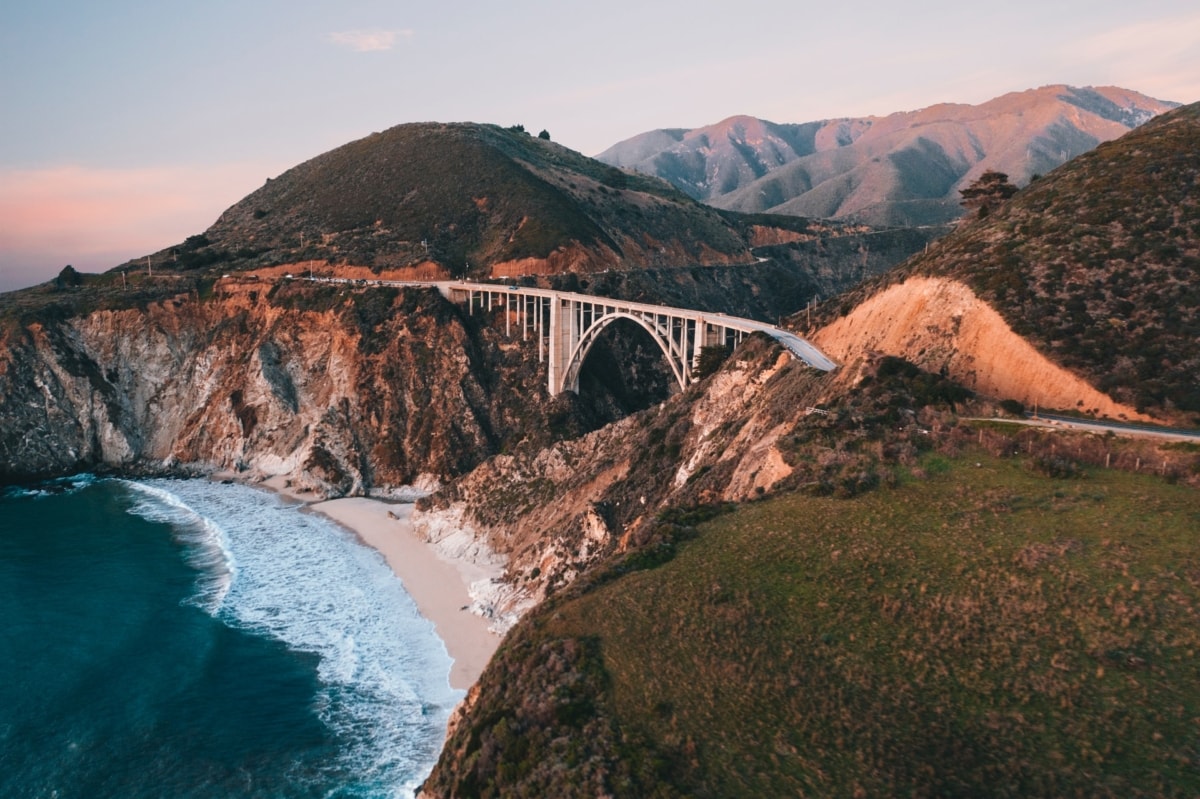
    Drive through Big Sur, one of the most picturesque stretches of the Pacific Coast Highway. Stop at Bixby Creek Bridge, McWay Falls, and Pfeiffer Beach for photos and short hikes. Overnight in the Big Sur area or nearby towns allows you to enjoy the sunset along the rugged coastline.

    Day 6: San Simeon and Santa Barbara

    Visit Hearst Castle in San Simeon for a glimpse into American history and architecture. Continue along the coast to Santa Barbara, known as the “American Riviera.” Enjoy a beachfront stroll, wine tasting at local vineyards, and dinner in the historic downtown area.

    Day 7: Los Angeles Arrival and Evening Fun

    Arrive in Los Angeles and check into a hotel in areas such as Hollywood, Santa Monica, or Downtown LA. Spend your evening exploring Venice Beach or enjoying nightlife in Santa Monica. A sunset walk along the pier offers a perfect start to your time in LA.

    Day 8: Los Angeles Sightseeing

    Visit iconic landmarks like the Hollywood Walk of Fame, Griffith Observatory, and TCL Chinese Theatre. Explore Beverly Hills and Rodeo Drive for luxury shopping and celebrity spotting. Evening options include attending a live show or enjoying dinner in West Hollywood.

    Day 9: Malibu and Santa Monica

    Take a scenic drive along the Pacific Coast Highway to Malibu. Relax on Malibu beaches, explore coastal hiking trails, and enjoy fresh seafood. Return to Santa Monica for shopping and a sunset visit to the Santa Monica Pier. This day balances nature, relaxation, and urban experiences.

    Day 10: Departure or Final Exploration

    Spend your final day visiting any remaining attractions in Los Angeles, such as The Getty Center or Venice Canals. Wrap up with a farewell meal and souvenir shopping before heading to the airport. This day ensures a smooth conclusion to a scenic and adventure-filled road trip.

    Tips for a Smooth West Coast Road Trip

    • Rent a comfortable vehicle: Opt for a car suitable for long drives and coastal roads.
    • Plan for traffic: Cities like Los Angeles and San Francisco can have heavy traffic; allow extra time.
    • Book accommodations in advance: Popular areas fill quickly, especially during peak season.
    • Carry essentials: Snacks, water, and navigation tools are essential for coastal drives.
    • Take breaks and enjoy stops: The West Coast has numerous scenic viewpoints worth exploring.

    Conclusion

    A 10-day West Coast road trip from San Francisco to Los Angeles combines coastal beauty, urban attractions, and cultural experiences. From iconic landmarks and scenic drives to charming towns and hidden gems, this itinerary ensures travelers experience the best of California efficiently. Following this guide guarantees an unforgettable journey along one of the most stunning stretches of the American coastline.

  • Iceland Ring Road Itinerary: A Complete Guide for First-Time Visitors

    Iceland Ring Road Itinerary: A Complete Guide for First-Time Visitors

    Iceland’s Ring Road is one of the most iconic road trips in the world. Circling the entire country, Route 1 takes you through waterfalls, glaciers, volcanoes, black sand beaches, lava fields, fjords, and small fishing villages that feel untouched by time. For first-time visitors, driving the Ring Road is the best way to understand Iceland’s raw beauty and dramatic landscapes at your own pace.

    This complete guide is designed for travelers planning their first Iceland Ring Road adventure. It focuses on smart pacing, must-see stops, and practical tips so you can enjoy the journey without feeling rushed or overwhelmed.

    Why the Ring Road Is Perfect for First-Time Visitors

    The Ring Road is fully paved and well-maintained, making it accessible even for travelers new to Iceland. It connects most major attractions and towns, so you don’t need advanced off-road driving skills. Instead of constantly returning to Reykjavik, the Ring Road allows you to see Iceland as a whole, revealing how quickly the scenery changes from one region to another.

    For first-time visitors, this route offers a balanced mix of famous landmarks and lesser-known natural wonders.

    How Many Days You Need for the Ring Road

    While the Ring Road can technically be driven in a week, first-time travelers should plan 10 to 14 days. This allows time for sightseeing, weather flexibility, and short hikes without turning the trip into a race.

    A 10-day trip is ideal for those with limited time, while 12–14 days offers a more relaxed experience with extra stops and rest days.

    Day 1: Reykjavik and the Golden Circle

    Start your journey in Reykjavik, Iceland’s capital and main arrival point. Spend some time exploring the city before heading out on the Golden Circle route.

    The Golden Circle includes geysers, powerful waterfalls, and historic sites where Iceland’s early parliament was formed. This day is a perfect introduction to Iceland’s landscapes and sets the tone for the rest of the trip.

    Days 2–3: South Coast – Waterfalls, Glaciers, and Black Sand Beaches

    The South Coast is one of the most visually striking parts of Iceland. Drive east along the Ring Road and stop at multiple waterfalls that cascade from cliffs near the road.

    Glacier views dominate the landscape as you continue, followed by dramatic black sand beaches shaped by volcanic activity. Take your time here, as this region is packed with iconic sights that first-time visitors often consider the highlight of the trip.

    Day 4: Southeast Iceland – Glacial Lagoons and Ice Views

    Continue toward southeast Iceland, where glaciers come right down to the coast. Icebergs floating in glacial lagoons create surreal scenery, especially under changing light conditions.

    Short walks and roadside viewpoints make this area easy to explore without long hikes. It’s a great region for photography and quiet reflection amid Iceland’s raw natural power.

    Days 5–6: East Fjords – Quiet Roads and Coastal Beauty

    The East Fjords offer a slower pace and fewer crowds. Winding coastal roads lead through fishing villages, mountain passes, and remote fjords.

    This region feels more traditional and peaceful, making it ideal for travelers who enjoy scenic drives and small-town charm. Wildlife sightings are also more common here than in other parts of the country.

    Days 7–8: North Iceland – Volcanic Landscapes and Waterfalls

    As you reach North Iceland, the scenery becomes more volcanic and otherworldly. Lava fields, geothermal areas, and powerful waterfalls dominate this region.

    The north is also a great place to experience quieter natural attractions without large tour groups. The landscapes here feel vast and untamed, offering a different perspective from the South Coast.

    Day 9: Akureyri and Surroundings

    Akureyri is Iceland’s second-largest urban area and a good place to rest, refuel, and enjoy city comforts. Despite its size, it maintains a relaxed, small-town atmosphere.

    Use this day to explore nearby natural attractions or simply enjoy cafes, harbor views, and short walks. This break helps balance the intensity of continuous driving.

    Days 10–11: West Iceland – Lava Fields and Coastal Scenery

    West Iceland offers a mix of volcanic terrain, coastal cliffs, and scenic countryside. This area is often overlooked by rushed itineraries, but it rewards travelers with diverse landscapes and quieter attractions.

    The region provides a smooth transition back toward Reykjavik while still offering memorable sights.

    Day 12: Return to Reykjavik

    Complete the Ring Road loop by driving back to Reykjavik. Use the final day for last-minute sightseeing, souvenir shopping, or relaxing before departure.

    Ending the trip in Reykjavik allows easy access to the airport and a comfortable conclusion to your journey.

    Best Time to Drive the Iceland Ring Road

    The best time for first-time visitors is late spring through early autumn. Roads are clear, daylight hours are long, and most attractions are accessible.

    Winter travel is possible but requires experience with icy roads and flexible planning due to weather conditions.

    Driving Tips for First-Time Visitors

    Weather can change quickly in Iceland, so always check road conditions before driving. Plan shorter driving days to allow time for unexpected stops and changing conditions.

    Fuel stations can be far apart in remote regions, so refuel whenever possible. Download offline maps and keep emergency supplies in your vehicle.

    Where to Stay Along the Ring Road

    Accommodation options range from hotels and guesthouses to cabins and farm stays. Booking in advance is essential during peak season.

    Staying close to the Ring Road reduces driving time and allows early starts for sightseeing.

    Conclusion

    Driving the Iceland Ring Road for the first time is an unforgettable experience that showcases the country’s dramatic beauty and natural diversity. From roaring waterfalls and glaciers to quiet fjords and volcanic landscapes, every day feels unique. With careful planning, a relaxed pace, and flexibility for weather, this itinerary offers first-time visitors the perfect introduction to Iceland’s wild and breathtaking world.

  • 10-Day USA West Coast Itinerary: Los Angeles, San Francisco & National Parks

    10-Day USA West Coast Itinerary: Los Angeles, San Francisco & National Parks

    The USA West Coast is one of the best regions in the world for a road trip. From iconic cities and coastal highways to dramatic national parks and desert landscapes, this route offers constant variety. A well-planned 10-day itinerary lets you experience the highlights of California and nearby natural wonders without rushing from place to place.

    This itinerary is designed for first-time visitors who want a balanced mix of cities, scenic drives, and national parks while keeping travel days realistic and enjoyable.

    Why the USA West Coast Is Perfect for a 10-Day Trip

    The West Coast is ideal for road travel because distances are manageable and scenery changes quickly. You can go from beaches to mountains, deserts to forests, and modern cities to quiet nature within a single day.

    Ten days is enough time to explore major cities like Los Angeles and San Francisco while still dedicating several days to world-famous national parks.

    Days 1–2: Los Angeles – Beaches, Culture, and City Icons

    Start your journey in Los Angeles, a city known for its diversity and energy. Spend your first day exploring coastal areas where beach culture defines the local lifestyle. Walking along the shoreline and nearby neighborhoods offers a relaxed introduction to the city.

    On day two, explore cultural and entertainment landmarks. Los Angeles is spread out, so plan by area rather than trying to see everything. End the day with views over the city, especially at sunset, when the skyline feels most impressive.

    Day 3: Pacific Coast Drive – Los Angeles to Big Sur

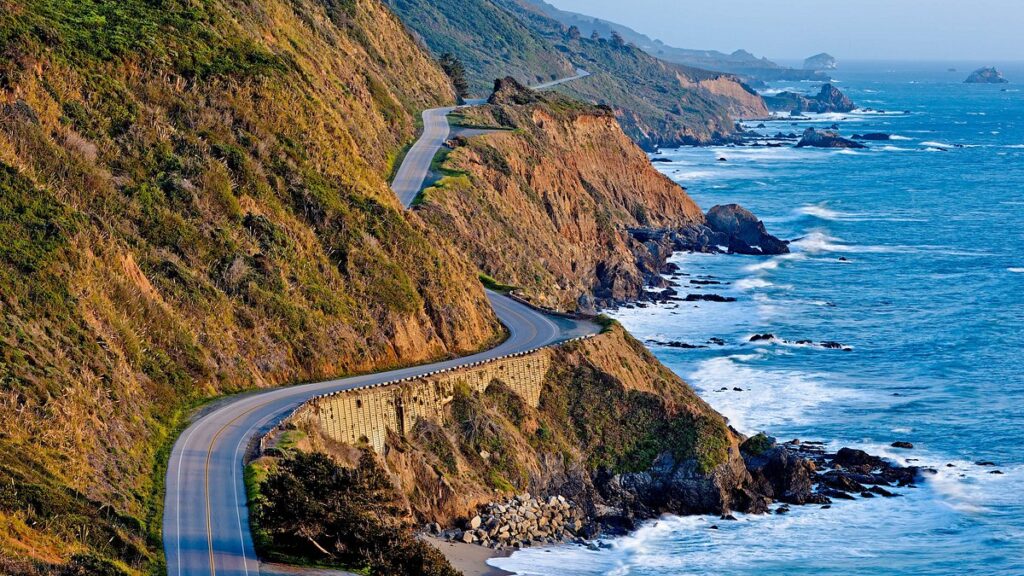
    Leave Los Angeles early and begin one of the most scenic drives in the United States. The coastal route offers dramatic cliffs, ocean views, and small seaside towns.

    Stop often for photos and short walks along the coast. Big Sur is not about rushing but about soaking in the raw beauty of the landscape. Spend the night nearby to fully enjoy the area.

    Day 4: Big Sur to San Francisco

    Continue north along the coast toward San Francisco. The drive remains scenic, with ocean views gradually transitioning into rolling hills and farmland.

    Arrive in San Francisco by afternoon and enjoy a relaxed evening exploring neighborhoods or walking along the waterfront. This slower arrival helps you settle into the city without fatigue.

    Days 5–6: San Francisco – Landmarks and Local Life

    Spend two full days exploring San Francisco. One day can be dedicated to iconic sights, including viewpoints, waterfront areas, and historic neighborhoods.

    The second day is ideal for exploring local districts known for food, culture, and unique architecture. San Francisco is compact and walkable, making it easy to experience different neighborhoods without long travel times.

    Day 7: Yosemite National Park – Mountains and Waterfalls

    Leave San Francisco early and drive inland toward Yosemite National Park. As you approach the park, landscapes change dramatically, with granite cliffs and alpine scenery dominating the horizon.

    Spend the afternoon exploring viewpoints and short trails. Yosemite’s scale is breathtaking, and even a single day provides unforgettable views of mountains, valleys, and waterfalls.

    Day 8: Yosemite to Sequoia National Park

    Continue your national park journey by driving south toward Sequoia National Park. This park is home to some of the largest trees on Earth, creating a completely different atmosphere from Yosemite.

    Walk among the giant sequoias and enjoy the quiet, forested environment. The experience feels both humbling and peaceful.

    Day 9: Sequoia to Death Valley

    Drive toward Death Valley, one of the most extreme landscapes in North America. The contrast between cool forests and desert terrain highlights the diversity of the West Coast.

    Explore viewpoints, salt flats, and desert scenery, especially during early morning or late afternoon when temperatures are more manageable and light is best for photography.

    Day 10: Death Valley to Las Vegas or Return Flight

    On the final day, drive toward your departure city. Many travelers end this itinerary in Las Vegas due to its proximity to Death Valley and major airport connections.

    Use this day as a relaxed conclusion to the trip, reflecting on the journey and enjoying the final scenic drive.

    Best Time to Do This Itinerary

    Spring and autumn are the best seasons for this route. Weather is pleasant in cities and national parks, and driving conditions are generally ideal.

    Summer is popular but brings higher temperatures, especially in desert areas. Winter can limit access to mountain parks due to snow.

    Driving Tips for the West Coast

    Plan fuel stops in advance when driving through national parks and desert areas. Keep water and snacks in the car, especially on long driving days.

    Start drives early to avoid traffic near cities and to enjoy parks before crowds arrive. Always check weather and road conditions when traveling through mountainous regions.

    Where to Stay During the Trip

    Choose centrally located hotels in cities to reduce travel time. In national parks, staying nearby allows early access and quieter experiences.

    Booking accommodations in advance is highly recommended, especially during peak travel seasons.

    What Makes This Itinerary Special

    This 10-day West Coast itinerary is designed to feel complete without feeling exhausting. It blends iconic cities, legendary coastal drives, and some of the most famous national parks in the United States.

    By pacing the journey carefully and focusing on quality experiences rather than quantity, travelers can truly appreciate the diversity of the West Coast.

    Conclusion

    A 10-day USA West Coast itinerary covering Los Angeles, San Francisco, and national parks delivers one of the most rewarding travel experiences in the world. From vibrant cities and scenic highways to towering mountains and vast deserts, every day feels different and memorable. With thoughtful planning and a flexible mindset, this journey becomes more than a trip—it becomes a story told through landscapes, roads, and unforgettable moments.