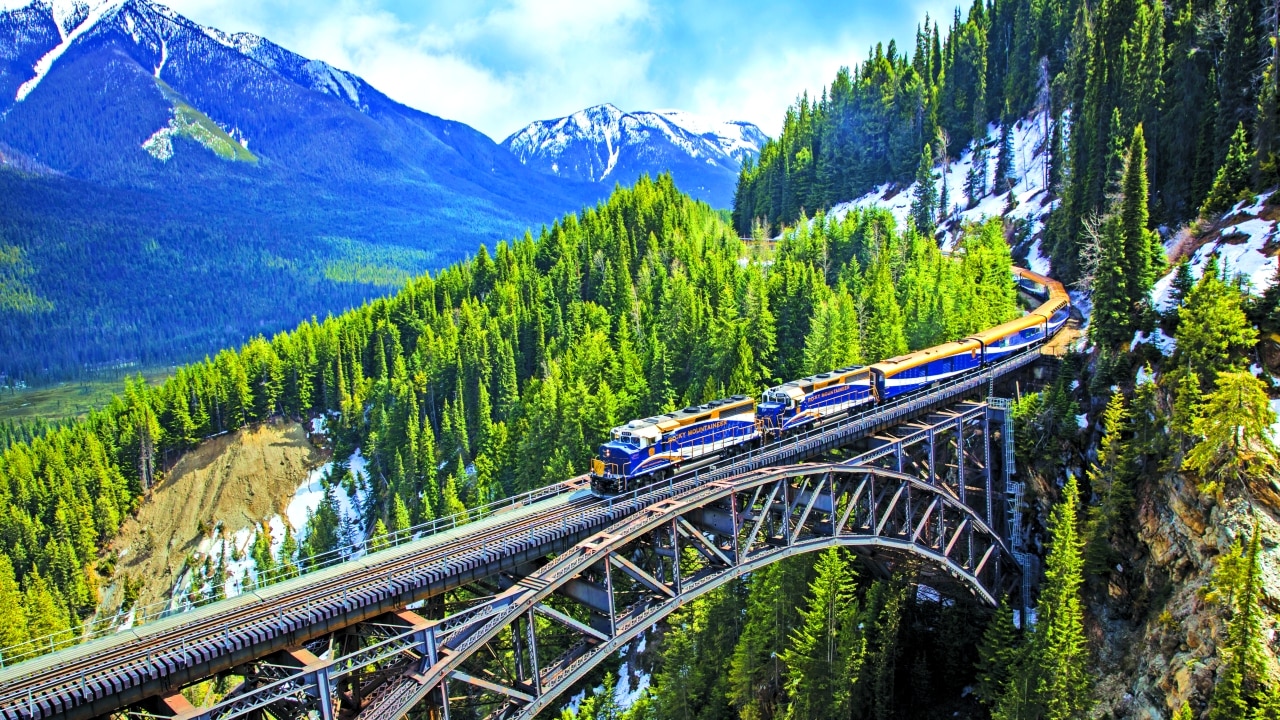
The Rocky Mountaineer is one of the world’s most luxurious and scenic train experiences, offering breathtaking views of Canada’s towering mountains, turquoise rivers, and dramatic canyons. Planning this journey requires strategy—choosing the best route, deciding on service levels, knowing the right travel season, and understanding package options. Whether you’re traveling solo, as a couple, or with family, this guide will help you plan the perfect Rocky Mountaineer adventure from start to finish.
Why Choose the Rocky Mountaineer?
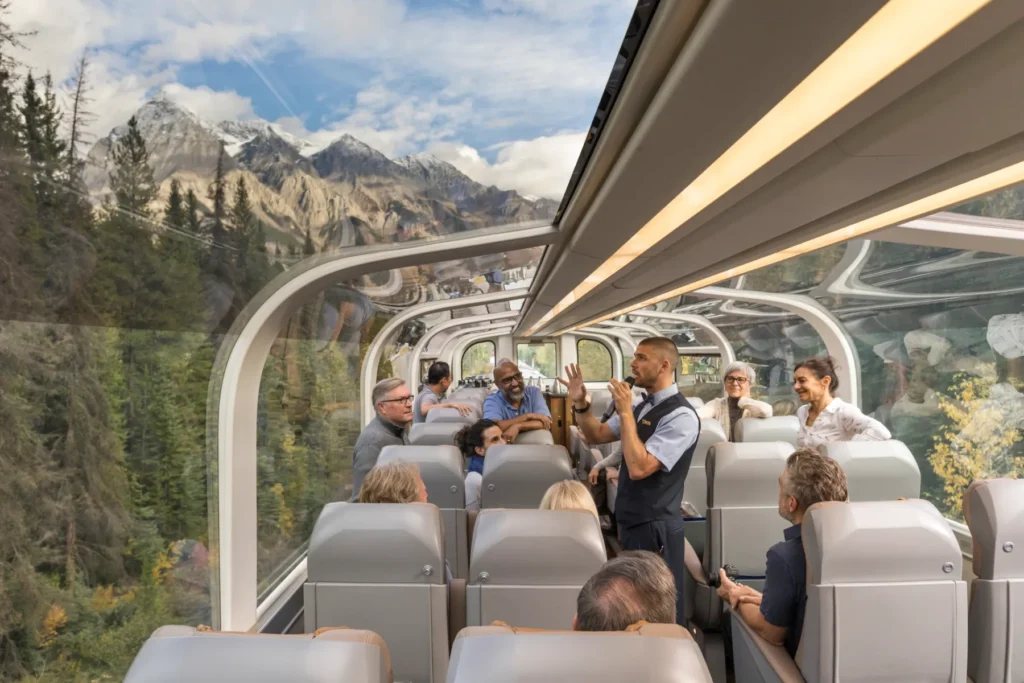
The Rocky Mountaineer isn’t an ordinary train ride—it’s a curated luxury travel experience. The journey is fully daylight-only, meaning you never miss a single view. Onboard hosts share stories about history, wildlife, and landscapes. Meals are chef-prepared using local Canadian ingredients, and panoramic windows offer 180-degree views. It’s an unforgettable slow-travel experience perfect for photography lovers and nature enthusiasts.
Understanding the Routes: Which One Should You Choose?
The Rocky Mountaineer runs multiple scenic routes through Western Canada and the Canadian Rockies. Each one offers a different experience, so choosing the right route is the key to planning your trip well.
First Passage to the West (Vancouver ↔ Banff/Lake Louise)
This is the most iconic route, charting the path of the historic Canadian Pacific Railway. You’ll travel from the Pacific Coast into the heart of the Rockies. Expect massive bridges, mountain tunnels, the Spiral Tunnels, and dramatic landscapes.
Best for: first-timers, photography lovers, and classic Rocky Mountains scenery.
Journey Through the Clouds (Vancouver ↔ Jasper)
This route takes you deeper into northern wilderness. You’ll witness the Fraser River Valley, Pyramid Falls, and views of Mount Robson—the highest peak in the Canadian Rockies.
Best for: wildlife lovers and those seeking remote landscapes.
Rainforest to Gold Rush (Vancouver ↔ Whistler ↔ Quesnel ↔ Jasper)
This is the longest route, combining ancient rainforests, desert landscapes, gold-rush history, and dramatic canyons.
Best for: travelers who want the most diverse scenery.
USA Route: Rockies to the Red Rocks (Denver ↔ Moab)
Rocky Mountaineer also operates a U.S. route with deep canyons, desert cliffs, and Colorado River views.
Best for: those wanting a warm-weather rail trip with American Southwest landscapes.
Choose based on your preferred scenery: snowy peaks, deep wilderness, rainforests, or desert canyons.
Best Time to Travel the Rocky Mountaineer
The train operates from April to October, each season offering something unique.
Spring (April–May) brings snow-capped peaks and fewer crowds.
Summer (June–August) offers the warmest weather and the most wildlife sightings.
Autumn (September–October) brings fall colors and quieter travel periods.
The best time overall is September—milder weather, beautiful foliage, and better availability.
How Many Days Do You Need?
Rocky Mountaineer is not a single-day journey. Most routes take 2–3 days, with overnight stays in hotels (included in packages). Many travelers combine the train journey with extra nights in Vancouver, Banff, Jasper, or Lake Louise for a full Canadian Rockies experience.
Recommended trip length: 5–10 days including sightseeing.
Understanding Rocky Mountaineer Service Levels
Rocky Mountaineer offers two luxurious levels—both far more premium than standard trains.
GoldLeaf Service
The top tier includes a two-level glass-domed carriage with enormous panoramic windows. You dine in a separate dining area with gourmet meals served on real china. An outdoor viewing platform lets you take open-air photos.
Best for: travelers wanting the best luxury experience.
SilverLeaf Service
A single-level coach with large windows and excellent meals served at your seat. It’s more budget-friendly but still luxurious.
Best for: travelers wanting comfort and great views at a lower price.
Pro tip: If photography is important to you, GoldLeaf’s outdoor viewing platform is a huge advantage.
How Much Does a Rocky Mountaineer Trip Cost?
Prices vary based on route, season, and service level.
SilverLeaf packages start around $1,600–$2,000 per person for short routes.
GoldLeaf packages typically range from $2,400–$4,000 per person.
Longer, multi-day packages can reach $5,000–$7,000+ per person.
Peak summer months are the most expensive, while April and October are more affordable.
Choosing the Right Package: What’s Included?
Rocky Mountaineer packages often include:
Hotel stays before and after the train journey
Meals onboard (breakfast, lunch, snacks)
Rail station transfers
Sightseeing tours (depending on package)
National park passes (for Banff, Lake Louise, or Jasper)
Some packages also include guided tours, helicopter rides, or lake cruises. You can customize these based on your interests.
How to Book Your Rocky Mountaineer Trip
Booking early is highly recommended, especially for GoldLeaf service.
You can book through:
Official Rocky Mountaineer website
Trusted travel agents
Tour package providers
Cruise add-on packages
The best approach is to compare 3–4 packages before deciding. Early bird discounts, seasonal promotions, and bundles with hotels or cruises can save hundreds of dollars.
Pre-Trip Tips: What to Know Before You Go
Pack layers because temperatures can vary between Vancouver and the Rockies.
Bring a camera with good zoom for wildlife and mountain photography.
Stay hydrated—altitudes change throughout the route.
Consider travel insurance, especially when connecting flights or other tours.
What to Expect Onboard
From the moment you board, onboard hosts provide exceptional service—answering questions, serving meals, and sharing stories about the landscape. The windows are massive, giving you panoramic views of canyons, forests, and rivers.
Meals are a highlight: think Alberta beef, local salmon, fresh vegetables, and regional wines. You can also enjoy snacks, drinks, and storytelling throughout the journey.
The train slows down for scenic highlights, giving you plenty of time to capture photos.
Where to Stay Before and After Your Train Trip
Vancouver: Stay near Downtown or the Waterfront for easy access to the station and sightseeing.
Banff: Choose a mountain lodge or resort for stunning views.
Jasper: Great for travelers who want quiet nature stays.
Lake Louise: Perfect for luxury travelers.
Ideal Itinerary Example (7 Days)
Day 1: Arrive in Vancouver
Day 2: Explore Stanley Park, Gastown, Seawall
Day 3–4: Rocky Mountaineer to Banff (overnight in Kamloops included)
Day 5: Explore Banff National Park
Day 6: Visit Lake Louise
Day 7: Departure or continue to Jasper
You can extend the trip by adding Yoho National Park, Icefields Parkway, or Whistler.
Booking Tips to Save Money
Book early—prices rise closer to departure
Travel in April, May, or October
Choose SilverLeaf if GoldLeaf is out of budget
Look for package deals with hotels included
Combine with an Alaska cruise for bundled savings
Final Thoughts
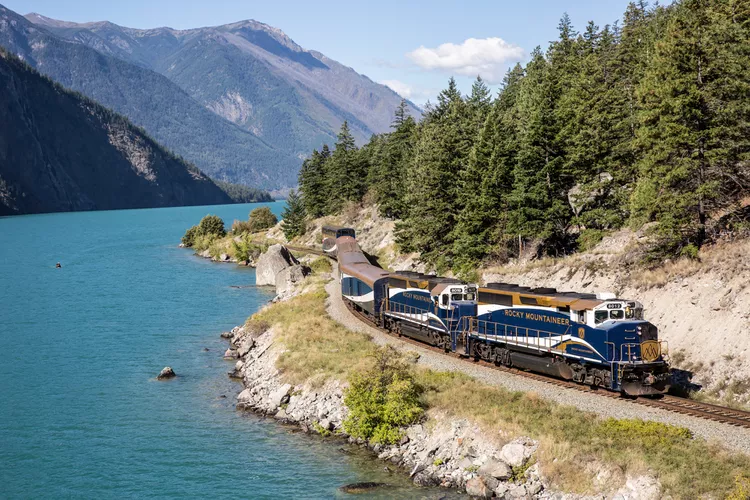
A Rocky Mountaineer adventure is one of the most unforgettable travel experiences in the world. With luxury service, stunning landscapes, and perfectly curated routes, it allows you to explore the Canadian Rockies in comfort and style. Whether you’re a photographer, nature lover, couple, or family traveler, this guide ensures you plan your journey perfectly—choosing the right route, time, package, and booking strategy for a smooth and memorable adventure.
Leave a Reply