Blog

  • Best Island Getaways for a Peaceful Escape

    Best Island Getaways for a Peaceful Escape

    If you’re dreaming of a quiet escape far from crowds, city noise, and daily stress, island destinations offer the perfect retreat. Surrounded by crystal-clear waters, soft sands, and calming natural landscapes, these islands give travelers a chance to slow down, reconnect with themselves, and experience true tranquility. Whether you want a romantic hideaway, a wellness retreat, or a remote island adventure, these peaceful island getaways guarantee a refreshing escape from the rush of everyday life.
    Maldives – A Haven of Overwater Serenity

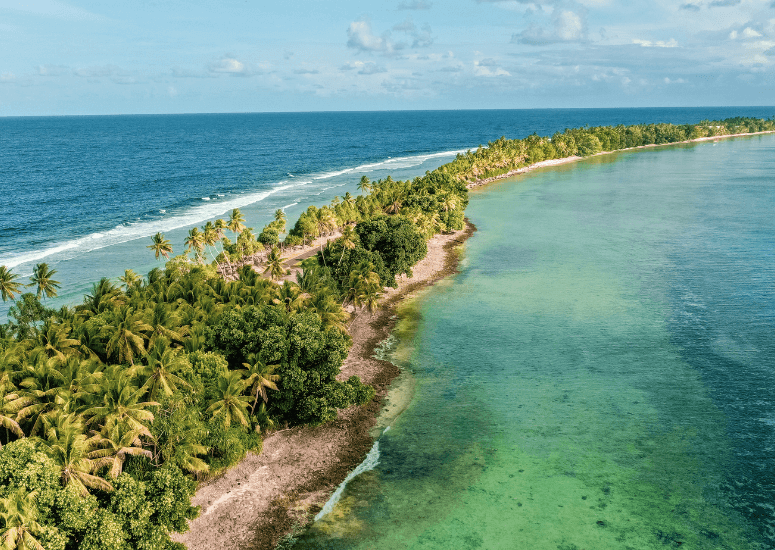
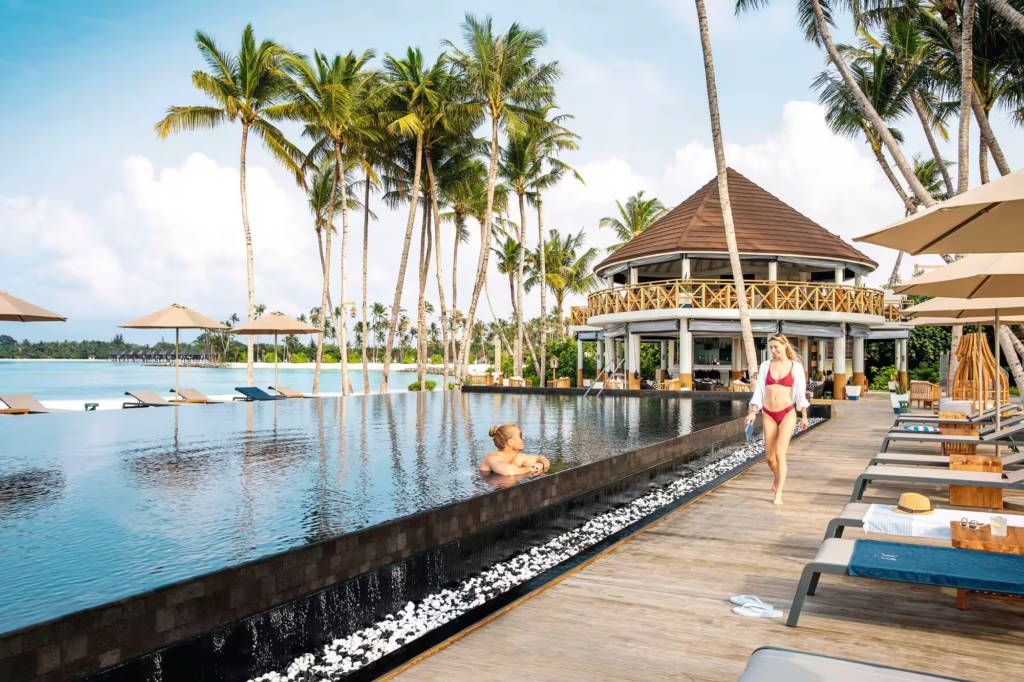
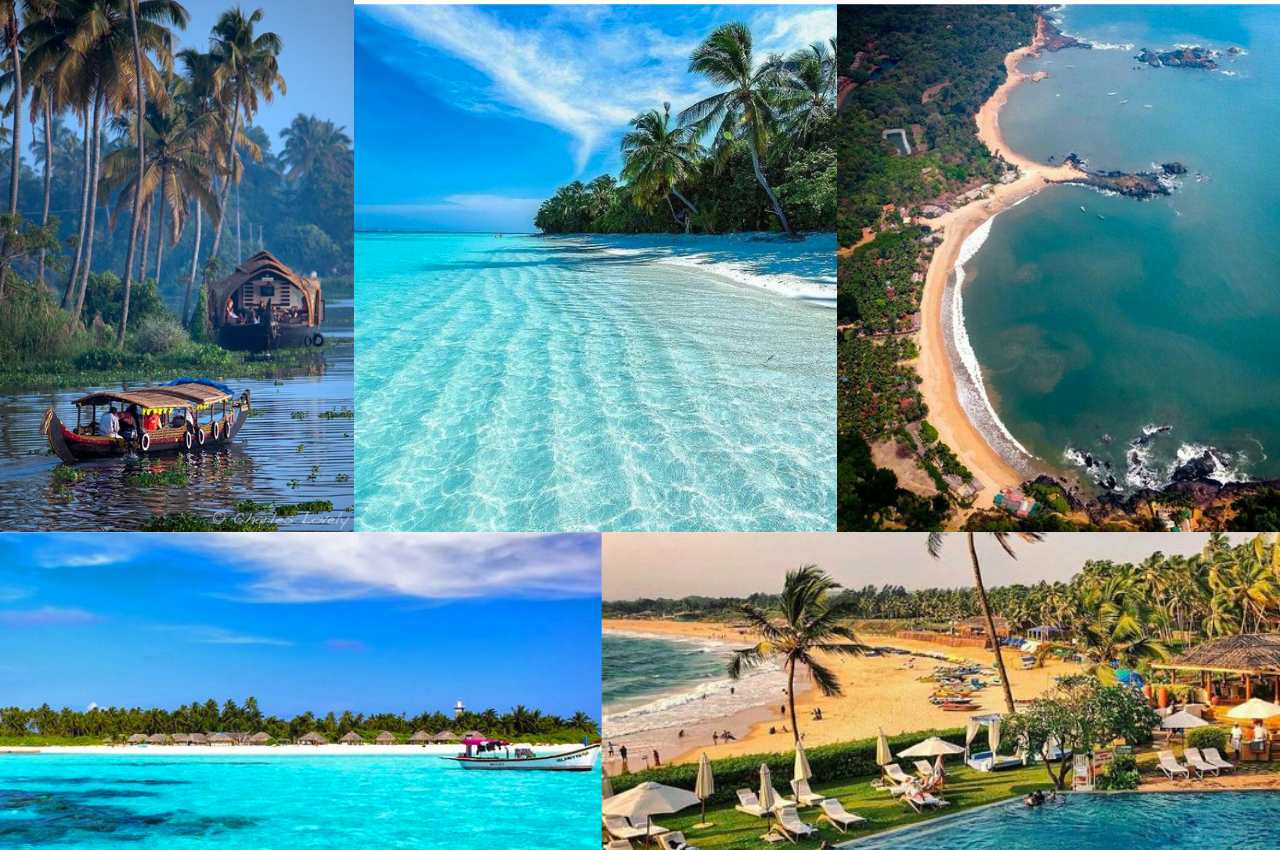
    The Maldives remains one of the world’s top peaceful island escapes, known for its turquoise lagoons, luxury overwater villas, and quiet, intimate ambiance. It’s perfect for couples, honeymooners, and travelers seeking privacy. Many resorts sit on private islands where you can enjoy spa therapies, beachside yoga, snorkeling with marine life, and candlelight dinners by the ocean. With limited crowds and slow island living, it’s the ideal destination to unwind completely.

    Bora Bora, French Polynesia – The Ultimate Romantic Paradise

    Often called the Jewel of the Pacific, Bora Bora mesmerizes with its calm lagoon and iconic Mount Otemanu. The island’s peaceful energy, lush greenery, and quiet beaches create a dreamlike atmosphere. Whether you choose a romantic overwater bungalow or a beach resort tucked in nature, the island offers unmatched serenity. Activities like snorkeling, lagoon cruises, and spa rituals add to the healing vibe of this island getaway.

    Seychelles – Secluded Beaches and Untouched Nature

    Located in the Indian Ocean, Seychelles is made up of 115 islands known for their white powder beaches, granite rocks, and protected nature reserves. It’s a paradise for travelers who want privacy without compromising on natural beauty. The calm beaches of La Digue, the quiet corners of Praslin, and the secluded luxury of North Island make Seychelles perfect for a peaceful escape. Hiking trails, nature walks, and eco-friendly resorts add to its quiet charm.

    Fiji – A Quiet Tropical Escape with Warm Hospitality

    Fiji’s remote islands are perfect for travelers who want peaceful beaches, friendly local culture, and a slow island lifestyle. Many boutique resorts are located on private islands, ensuring a peaceful ambiance. Whether you’re relaxing in a hammock under the palms, exploring coral reefs, or enjoying a traditional Fijian massage, the calmness of this island nation instantly refreshes the mind and soul.

    Koh Yao Islands, Thailand – A Quiet Alternative to Crowded Beaches

    If you want Thailand’s beauty without its hustle, the Koh Yao Islands (Koh Yao Noi & Koh Yao Yai) are hidden gems. Located between Phuket and Krabi, these islands offer peaceful beaches, simple island living, and a laid-back rural charm. Unlike the busy beaches of Phuket, Koh Yao remains untouched, offering quiet resorts, yoga retreats, and scenic coastal views perfect for relaxation.

    Zakynthos, Greece – Relaxed Greek Island Magic

    While some Greek islands can be crowded, Zakynthos offers pockets of peaceful beauty that feel untouched and serene. The island’s hidden coves, blue caves, and slow-paced coastal villages create the perfect escape for travelers seeking calm. With its Mediterranean charm, delicious food, and golden sunsets, Zakynthos is ideal for anyone wanting a peaceful European island getaway without the chaos.

    Maui, Hawaii – Calm Shores and Natural Healing

    Though Hawaii is famous worldwide, Maui still manages to retain peaceful spots where you can relax deeply. Quiet beaches, bamboo forests, scenic drives, and wellness resorts create a healing atmosphere. Whether it’s sunrise at Haleakalā, meditating by the ocean, or exploring hidden waterfalls, Maui offers a perfect blend of nature, peace, and soft adventure.

    Palawan, Philippines – Untouched Islands and Crystal Waters

    Palawan is consistently ranked as one of the most beautiful islands in the world, and for good reason. Its peaceful lagoons, towering limestone cliffs, and hidden beaches make it feel like paradise. El Nido’s private islands, Coron’s calm lakes, and Puerto Princesa’s eco-friendly accommodations offer travelers the chance to unwind without crowds. For nature lovers and peace seekers, Palawan is a dream destination.

    Cook Islands – Slow Living in the South Pacific

    The Cook Islands offer a laid-back atmosphere where time seems to slow down. With no tall buildings, minimal traffic, and quiet beaches, it’s the perfect destination to disconnect from digital chaos. Rarotonga and Aitutaki, the most popular islands, provide calm lagoons, friendly locals, and simple island living. It’s ideal for travelers seeking peace, romance, and natural beauty.

    Conclusion

    Island getaways offer something truly special—peace, calmness, and a chance to reset your mind in the middle of nature. Whether it’s the luxurious serenity of the Maldives, the untouched beauty of Palawan, or the slow life of the Cook Islands, each island provides its unique form of relaxation. When you need a break from the world, nothing heals like the quiet rhythm of island life. With soft sands, gentle waves, and endless horizons, these peaceful island destinations are perfect for your next refreshing escape.
  • 10-Day USA West Coast Itinerary: Los Angeles, San Francisco & National Parks

    10-Day USA West Coast Itinerary: Los Angeles, San Francisco & National Parks

    The USA West Coast is one of the best regions in the world for a road trip. From iconic cities and coastal highways to dramatic national parks and desert landscapes, this route offers constant variety. A well-planned 10-day itinerary lets you experience the highlights of California and nearby natural wonders without rushing from place to place.

    This itinerary is designed for first-time visitors who want a balanced mix of cities, scenic drives, and national parks while keeping travel days realistic and enjoyable.

    Why the USA West Coast Is Perfect for a 10-Day Trip

    The West Coast is ideal for road travel because distances are manageable and scenery changes quickly. You can go from beaches to mountains, deserts to forests, and modern cities to quiet nature within a single day.

    Ten days is enough time to explore major cities like Los Angeles and San Francisco while still dedicating several days to world-famous national parks.

    Days 1–2: Los Angeles – Beaches, Culture, and City Icons

    Start your journey in Los Angeles, a city known for its diversity and energy. Spend your first day exploring coastal areas where beach culture defines the local lifestyle. Walking along the shoreline and nearby neighborhoods offers a relaxed introduction to the city.

    On day two, explore cultural and entertainment landmarks. Los Angeles is spread out, so plan by area rather than trying to see everything. End the day with views over the city, especially at sunset, when the skyline feels most impressive.

    Day 3: Pacific Coast Drive – Los Angeles to Big Sur

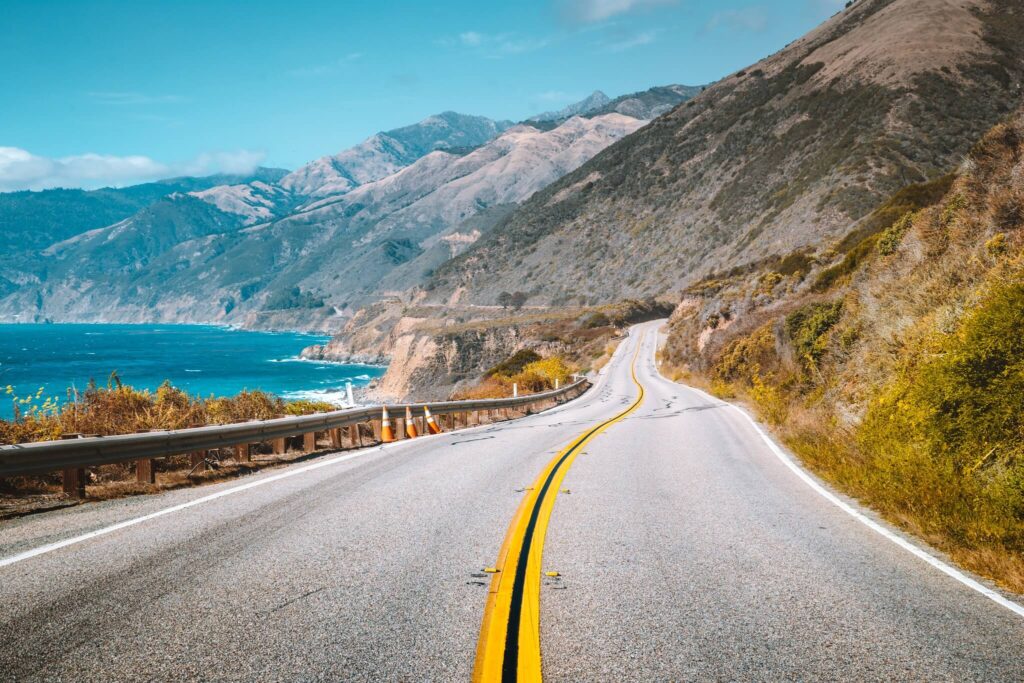
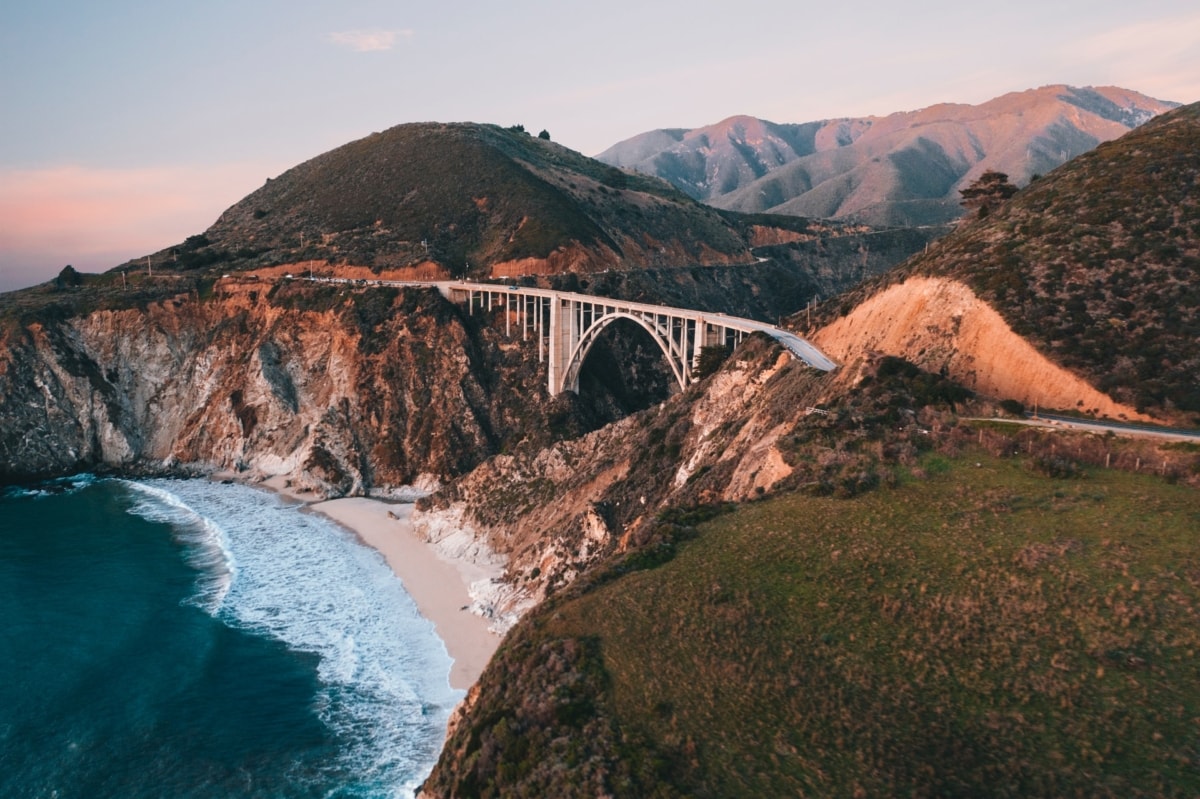
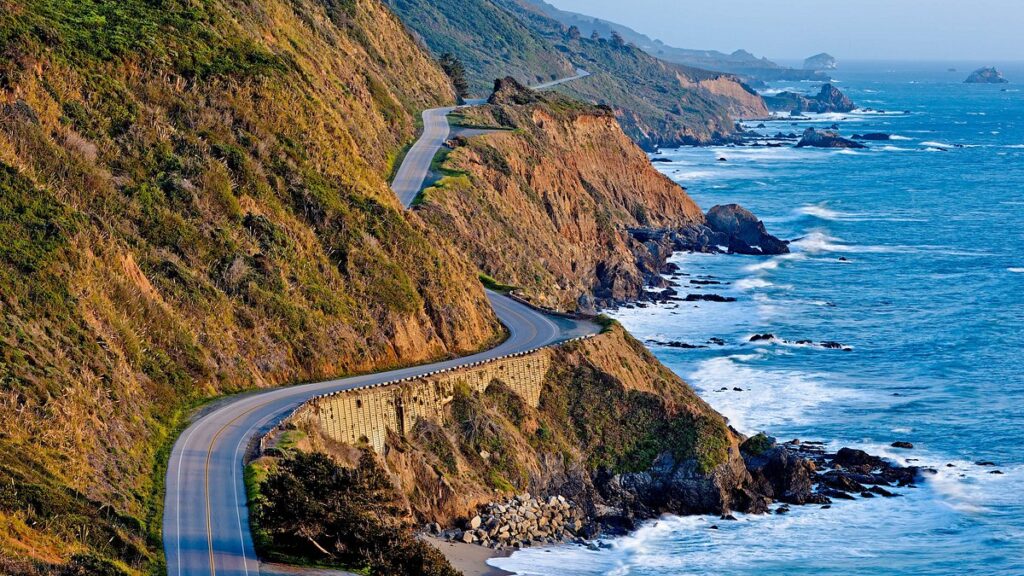
    Leave Los Angeles early and begin one of the most scenic drives in the United States. The coastal route offers dramatic cliffs, ocean views, and small seaside towns.

    Stop often for photos and short walks along the coast. Big Sur is not about rushing but about soaking in the raw beauty of the landscape. Spend the night nearby to fully enjoy the area.

    Day 4: Big Sur to San Francisco

    Continue north along the coast toward San Francisco. The drive remains scenic, with ocean views gradually transitioning into rolling hills and farmland.

    Arrive in San Francisco by afternoon and enjoy a relaxed evening exploring neighborhoods or walking along the waterfront. This slower arrival helps you settle into the city without fatigue.

    Days 5–6: San Francisco – Landmarks and Local Life

    Spend two full days exploring San Francisco. One day can be dedicated to iconic sights, including viewpoints, waterfront areas, and historic neighborhoods.

    The second day is ideal for exploring local districts known for food, culture, and unique architecture. San Francisco is compact and walkable, making it easy to experience different neighborhoods without long travel times.

    Day 7: Yosemite National Park – Mountains and Waterfalls

    Leave San Francisco early and drive inland toward Yosemite National Park. As you approach the park, landscapes change dramatically, with granite cliffs and alpine scenery dominating the horizon.

    Spend the afternoon exploring viewpoints and short trails. Yosemite’s scale is breathtaking, and even a single day provides unforgettable views of mountains, valleys, and waterfalls.

    Day 8: Yosemite to Sequoia National Park

    Continue your national park journey by driving south toward Sequoia National Park. This park is home to some of the largest trees on Earth, creating a completely different atmosphere from Yosemite.

    Walk among the giant sequoias and enjoy the quiet, forested environment. The experience feels both humbling and peaceful.

    Day 9: Sequoia to Death Valley

    Drive toward Death Valley, one of the most extreme landscapes in North America. The contrast between cool forests and desert terrain highlights the diversity of the West Coast.

    Explore viewpoints, salt flats, and desert scenery, especially during early morning or late afternoon when temperatures are more manageable and light is best for photography.

    Day 10: Death Valley to Las Vegas or Return Flight

    On the final day, drive toward your departure city. Many travelers end this itinerary in Las Vegas due to its proximity to Death Valley and major airport connections.

    Use this day as a relaxed conclusion to the trip, reflecting on the journey and enjoying the final scenic drive.

    Best Time to Do This Itinerary

    Spring and autumn are the best seasons for this route. Weather is pleasant in cities and national parks, and driving conditions are generally ideal.

    Summer is popular but brings higher temperatures, especially in desert areas. Winter can limit access to mountain parks due to snow.

    Driving Tips for the West Coast

    Plan fuel stops in advance when driving through national parks and desert areas. Keep water and snacks in the car, especially on long driving days.

    Start drives early to avoid traffic near cities and to enjoy parks before crowds arrive. Always check weather and road conditions when traveling through mountainous regions.

    Where to Stay During the Trip

    Choose centrally located hotels in cities to reduce travel time. In national parks, staying nearby allows early access and quieter experiences.

    Booking accommodations in advance is highly recommended, especially during peak travel seasons.

    What Makes This Itinerary Special

    This 10-day West Coast itinerary is designed to feel complete without feeling exhausting. It blends iconic cities, legendary coastal drives, and some of the most famous national parks in the United States.

    By pacing the journey carefully and focusing on quality experiences rather than quantity, travelers can truly appreciate the diversity of the West Coast.

    Conclusion

    A 10-day USA West Coast itinerary covering Los Angeles, San Francisco, and national parks delivers one of the most rewarding travel experiences in the world. From vibrant cities and scenic highways to towering mountains and vast deserts, every day feels different and memorable. With thoughtful planning and a flexible mindset, this journey becomes more than a trip—it becomes a story told through landscapes, roads, and unforgettable moments.

  • Top Underrated Countries Every Traveler Should Visit in 2025

    Top Underrated Countries Every Traveler Should Visit in 2025

    When people plan international trips, they usually think of the same popular destinations—France, Italy, Thailand, or Bali. But the world is full of extraordinary countries that remain overlooked, even though they offer better landscapes, richer cultures, friendlier locals, and far more affordable travel experiences. These underrated destinations are becoming the new favorites for smart travelers who want less crowd, more authenticity, and unforgettable adventures.

    As travel trends shift in 2025, more explorers are seeking unique, budget-friendly, and offbeat places instead of crowded tourist hubs. If you’re planning your next vacation, these underrated countries deserve a top spot on your bucket list. They offer everything—pristine nature, historic cities, mouthwatering food, and experiences that feel special because they remain relatively untouched by mass tourism.

    Slovenia – Europe’s Hidden Emerald

    Slovenia rarely gets the attention it deserves, yet it is one of Europe’s most breathtaking countries. From the crystal-clear waters of Lake Bled to the underground wonders of Postojna Cave, the landscapes here feel unreal.

    The capital city, Ljubljana, is eco-friendly, vibrant, and filled with charming riverside cafés. Travelers love Slovenia for its affordability compared to Western Europe, its safety, and the ease of exploring mountains, lakes, and coastal towns all in one trip. It’s the perfect country for nature lovers and couples looking for romantic scenery without the overwhelming crowds of places like Switzerland or Italy.

    Georgia – A Cultural and Culinary Treasure

    Georgia has everything: snow-covered mountains, ancient churches, delicious wine, and warm hospitality. The capital, Tbilisi, is known for its European-style streets, colorful architecture, and sulphur bathhouses.

    Georgia is one of the oldest wine-producing regions in the world, and wine tasting in Kakheti is a must. With its unique culture, budget-friendly travel costs, and visa-friendly policies, it is quickly becoming a favorite destination in 2025. Whether you prefer hiking in the Caucasus Mountains or exploring charming old towns, Georgia offers a mix of adventure and relaxation.

    Vietnam – The Perfect Blend of Nature and Culture

    While Vietnam is well known, it remains underrated when compared to Thailand or Singapore. The country offers incredible value for money, diverse landscapes, friendly local markets, and delicious street food.

    From the limestone cliffs of Ha Long Bay to the lantern-lit streets of Hoi An, Vietnam feels like stepping into a completely different world. Travelers seeking authentic experiences love exploring the rice terraces of Sapa, the historic tunnels of Cu Chi, and the lively atmosphere of Ho Chi Minh City. It’s a paradise for backpackers, photographers, food lovers, and culture seekers alike.

    Colombia – A Country Reborn

    Colombia has transformed dramatically in the last decade and is now one of South America’s fastest-growing travel destinations. With its colorful towns, tropical beaches, lush mountains, and world-class coffee farms, the country feels vibrant and full of energy.

    The city of Medellín, once known for its troubled past, is now famous for innovation, nightlife, and beautiful weather. Cartagena’s old town is a treasure of colonial architecture and Caribbean charm. Colombia offers unforgettable experiences and is far more affordable than popular countries like Brazil or Argentina. For travelers seeking culture, adventure, and beautiful scenery, Colombia is a hidden gem worth discovering.

    Albania – Europe’s Best Kept Secret

    Albania is often overshadowed by Greece or Croatia, but its natural beauty and affordability make it a rising star. The Albanian Riviera offers crystal-clear beaches that rival the Mediterranean, but without the high prices or crowds.

    Cities like Tirana and Berat are full of character, with friendly locals, colorful streets, and rich history. Travelers can explore mountains, beaches, lakes, and cultural towns all in one trip. Whether you are backpacking or planning a family holiday, Albania is a perfect choice for affordable and stunning European travel in 2025.

    Jordan – A Journey Through History

    Jordan is one of the Middle East’s safest and most welcoming countries. It offers a rare combination of ancient history and modern comfort. The ancient city of Petra, often called the “Rose City,” is one of the world’s most iconic archaeological sites.

    Travelers can float effortlessly in the Dead Sea, explore the dramatic desert landscapes of Wadi Rum, or enjoy the energy of Amman. Jordan is ideal for adventure seekers, history lovers, and anyone looking for a culturally rich and meaningful travel experience.

    Philippines – A Paradise of Islands

    The Philippines is home to over 7,000 islands, each offering something unique. While many travelers visit Southeast Asia, they often skip the Philippines—and that’s what makes it an underrated tropical paradise.

    Palawan consistently ranks among the world’s most beautiful islands. Boracay offers lively nightlife and powder-white beaches. El Nido and Coron are perfect for divers seeking shipwrecks, vibrant corals, and turquoise lagoons. The hospitality of locals and the country’s affordability make it a dream destination for beach lovers.

    Romania – Fairytale Landscapes and Medieval Charm

    Romania feels like a walk through medieval Europe. Castles, cobblestone streets, untouched countryside, and mystical forests make it one of Europe’s most atmospheric destinations.

    Transylvania, known for the legend of Dracula, is home to charming villages and beautiful fortified churches. The Carpathian Mountains offer excellent hiking, while cities like Bucharest blend modern energy with historic charm. Romania is much more affordable than Western Europe, making it a perfect destination for budget travelers.

    Oman – The Middle East’s Natural Beauty

    Oman stands out for its natural elegance—golden deserts, turquoise coastlines, dramatic canyons, and peaceful culture. Unlike busy tourist hubs, Oman offers calmness and authenticity.

    Visitors love exploring Wadi Shab, swimming in natural pools, watching turtles hatch at Ras Al Jinz, and camping under the stars in the desert. It is one of the safest and cleanest countries to travel in 2025. Oman feels luxurious without being overly commercial, making it perfect for travelers seeking classy, nature-oriented experiences.

    Uruguay – South America’s Hidden Beach Haven

    Uruguay is often overshadowed by Brazil and Argentina, but it offers some of the best beaches, wine regions, and coastal cities in the continent. Punta del Este is known for luxury, nightlife, and soft sandy beaches. Montevideo, its capital, is a mix of historic charm and relaxed seaside living.

    Uruguay is ideal for travelers who want a blend of culture, food, beaches, and safety—all without the rush of mass tourism.

    Final Thoughts

    In 2025, smart travelers are moving beyond the usual tourist hotspots and choosing destinations that offer authenticity, nature, affordability, and rich cultural experiences. These underrated countries prove that you don’t have to follow the crowd to enjoy an unforgettable holiday.

    Whether you want mountains, beaches, adventure, history, or peaceful landscapes, these hidden gems offer experiences that feel special—because they’re not overrun by tourists. Exploring them today means discovering the world at its most beautiful and untouched.

  • The Best Time to Visit Japan for the Perfect Travel Experience

    The Best Time to Visit Japan for the Perfect Travel Experience

    Japan is one of the most magical travel destinations in the world—rich culture, futuristic cities, ancient temples, incredible food, and landscapes that change with every season. Choosing the best time to visit Japan can make your experience truly exceptional. Weather, festivals, cherry blossoms, autumn foliage, and flight costs all vary throughout the year, so understanding seasonal differences is essential before planning your trip.

    Best Time to Visit Japan Overall

    For most travelers, the ideal months to visit Japan are March–April and October–November. Spring brings cherry blossoms and mild weather, while autumn offers vibrant foliage and comfortable temperatures. Both seasons provide excellent sightseeing conditions and rich cultural experiences.

    Visiting Japan in Spring (March to May)

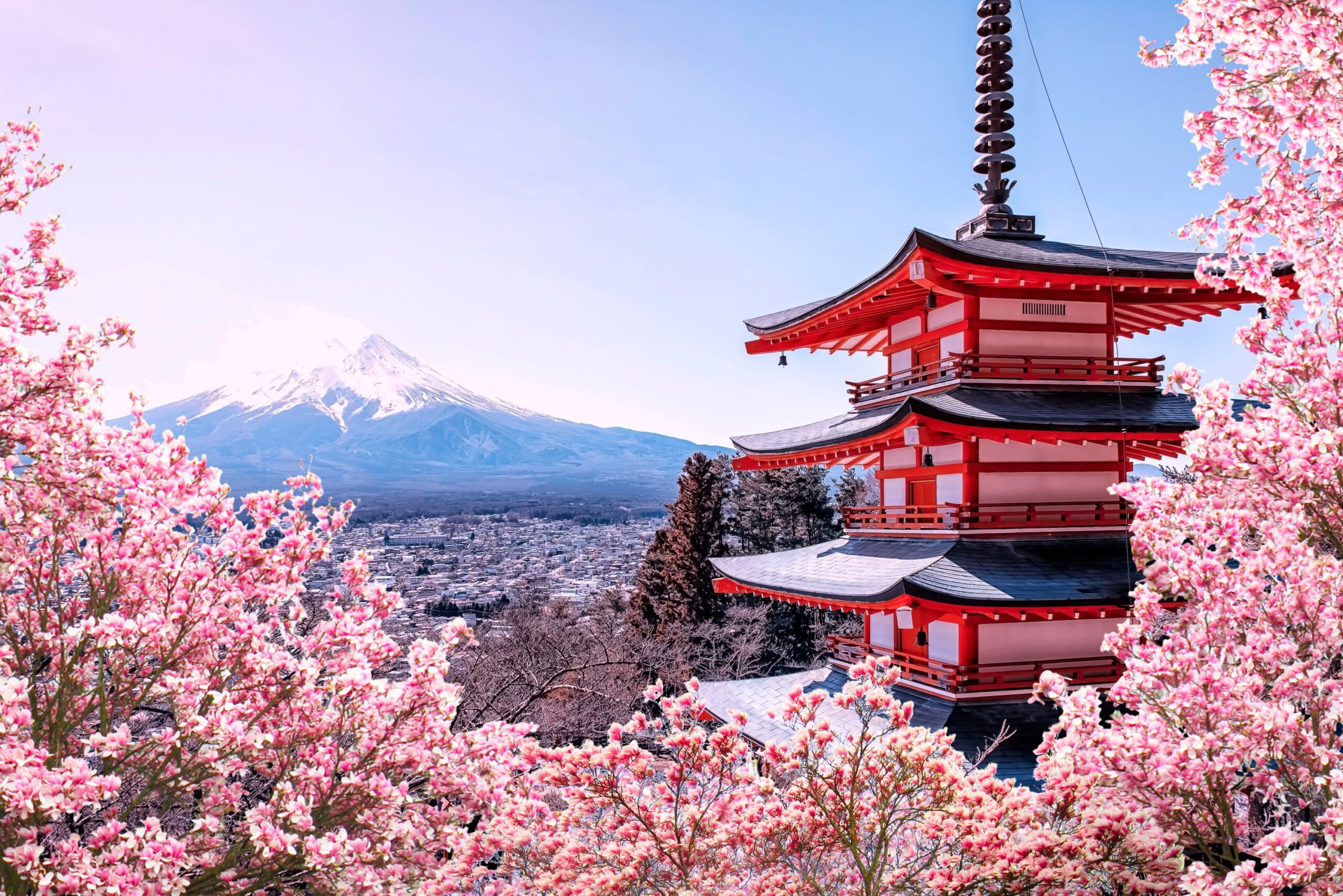
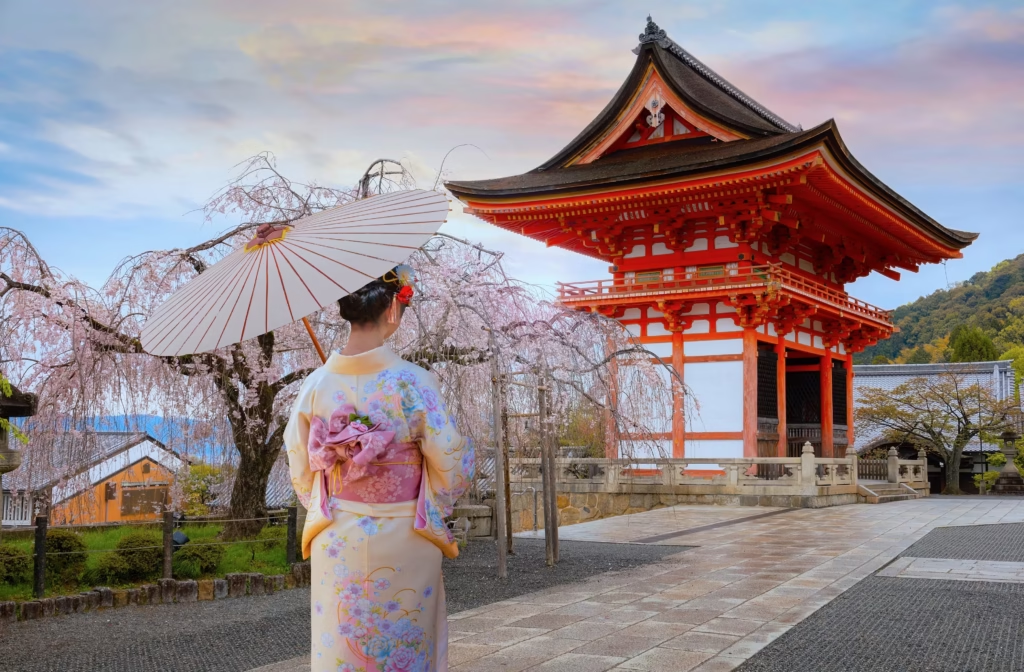
    Spring is the most iconic travel season in Japan, especially due to cherry blossoms that bloom in late March and early April. Temperatures stay between 15–22°C, making it perfect for outdoor activities, strolling through parks, and enjoying hanami picnics. Major cities like Tokyo, Kyoto, Osaka, and Hiroshima transform into pastel-colored landscapes. However, this popularity means higher flight prices, expensive hotels, and crowded attractions. Travelers should book early to secure good deals.

    Visiting Japan in Summer (June to August)

    Summer in Japan is lively and energetic. This season features traditional matsuri, fireworks festivals, and vibrant street celebrations. It’s a great time for trekking in the Japanese Alps or relaxing at Okinawa’s tropical beaches. But temperatures often rise above 32°C, humidity is high, and June brings the rainy season. Typhoons can occur in late August, so travelers should plan accordingly. Despite the heat, cultural experiences during summer are unmatched.

    Visiting Japan in Autumn (September to November)

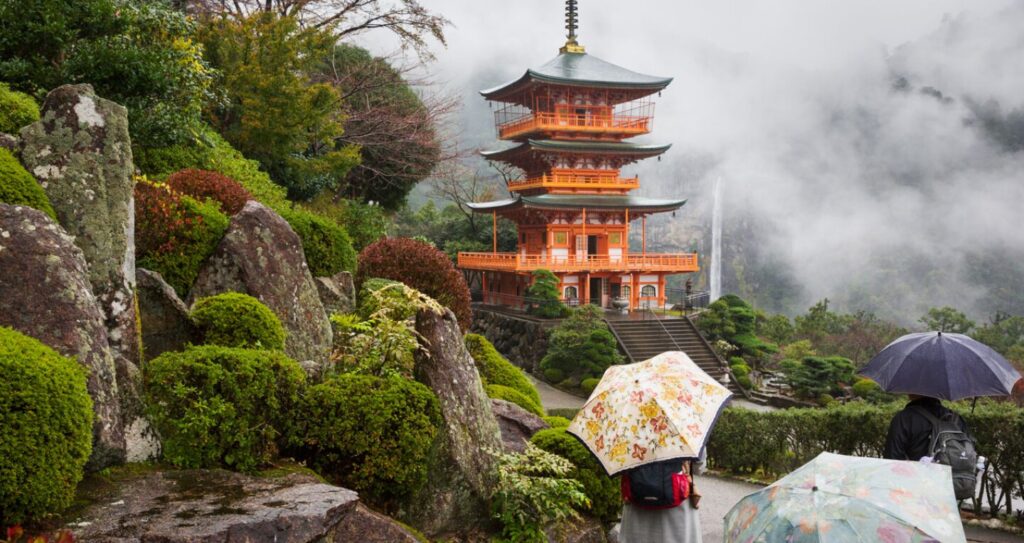
    Autumn rivals spring as the best time to visit Japan. Weather stays mild at 14–20°C, and trees turn shades of red, orange, and yellow—especially around Kyoto, Nara, Nikko, and Mount Fuji. It’s perfect for photography and exploring gardens and temples. Early autumn may bring typhoons, but late October to mid-November is ideal for viewing koyo, Japan’s famous fall foliage.

    Visiting Japan in Winter (December to February)

    Winter transforms Japan into a snowy paradise. Northern regions like Hokkaido, Nagano, and Niigata offer some of the world’s best skiing and snowboarding conditions. Hot springs (onsen) feel especially relaxing in winter, and cities host spectacular illumination events. Winter seafood is also at its peak. Temperatures can drop below freezing in the north, and some rural attractions may have limited hours, but winter is excellent for travelers who prefer fewer crowds and lower prices.

    Cheapest Time to Visit Japan

    For budget travelers, the most affordable months are January, February, June, and late September. You’ll find lower flight rates, cheaper hotels, and less crowding at major attractions. Avoid New Year holidays and Golden Week, as prices spike significantly.

    Best Time for Cherry Blossoms

    If cherry blossoms are your priority, plan your trip between March 25 and April 10. The bloom period lasts only about a week in each region, so timing matters. Tokyo, Kyoto, Hiroshima, Nagoya, and Osaka are among the top cherry blossom spots. Checking the sakura forecast can help you align your visit perfectly.

    Best Time for Snow and Winter Experiences

    For winter sports and snowy landscapes, visit between late December and early February. Hokkaido, Nagano, Furano, and Niseko are famous for world-class powder snow and ski resorts. This is also an excellent time to experience snow festivals and enjoy Japan’s relaxing onsen traditions.

    Best Time for Food Lovers

    Japan’s food scene is incredible year-round, but October to March offers the best seasonal seafood, comforting winter dishes like hotpots and ramen, and unique fall specialties. Markets across the country feature fresh catches and seasonal produce.

    Best Time for Festivals

    If festivals are your focus, summer (July–August) is the peak season for traditional matsuri filled with music, parades, lanterns, and fireworks. Autumn hosts cultural events and harvest festivals, while February brings snow and lantern festivals in the northern regions.

    Final Verdict: When Should You Visit Japan?

    For cherry blossoms: Late March–Early April
    For autumn colors: Late October–Mid November
    For skiing and snow activities: December–February
    For festivals: July–August
    For budget trips: January, February, June
    For pleasant weather and beautiful landscapes: October–November
    Japan is stunning throughout the year, but the best time depends on your interests and travel goals. Whether you want cherry blossoms, fall colors, winter snow, or traditional festivals, Japan always offers a memorable experience.

  • How to Plan the Perfect Glacier Express Trip in Switzerland: Routes, Costs & Best Time to Go

    How to Plan the Perfect Glacier Express Trip in Switzerland: Routes, Costs & Best Time to Go

    The Glacier Express is one of the most beautiful and iconic train journeys in the world. Known as the “slowest express train,” it takes you through the heart of the Swiss Alps, crossing deep valleys, dramatic bridges, crystal-blue rivers, and snow-covered peaks. Whether you’re a first-time traveler to Switzerland or someone looking for a once-in-a-lifetime rail experience, planning a Glacier Express trip requires a little knowledge—routes, timings, seat classes, ticket types, weather, and costs. This complete guide walks you through everything you need to know so your journey is smooth, well-timed, and unforgettable.

    Understanding the Glacier Express Route

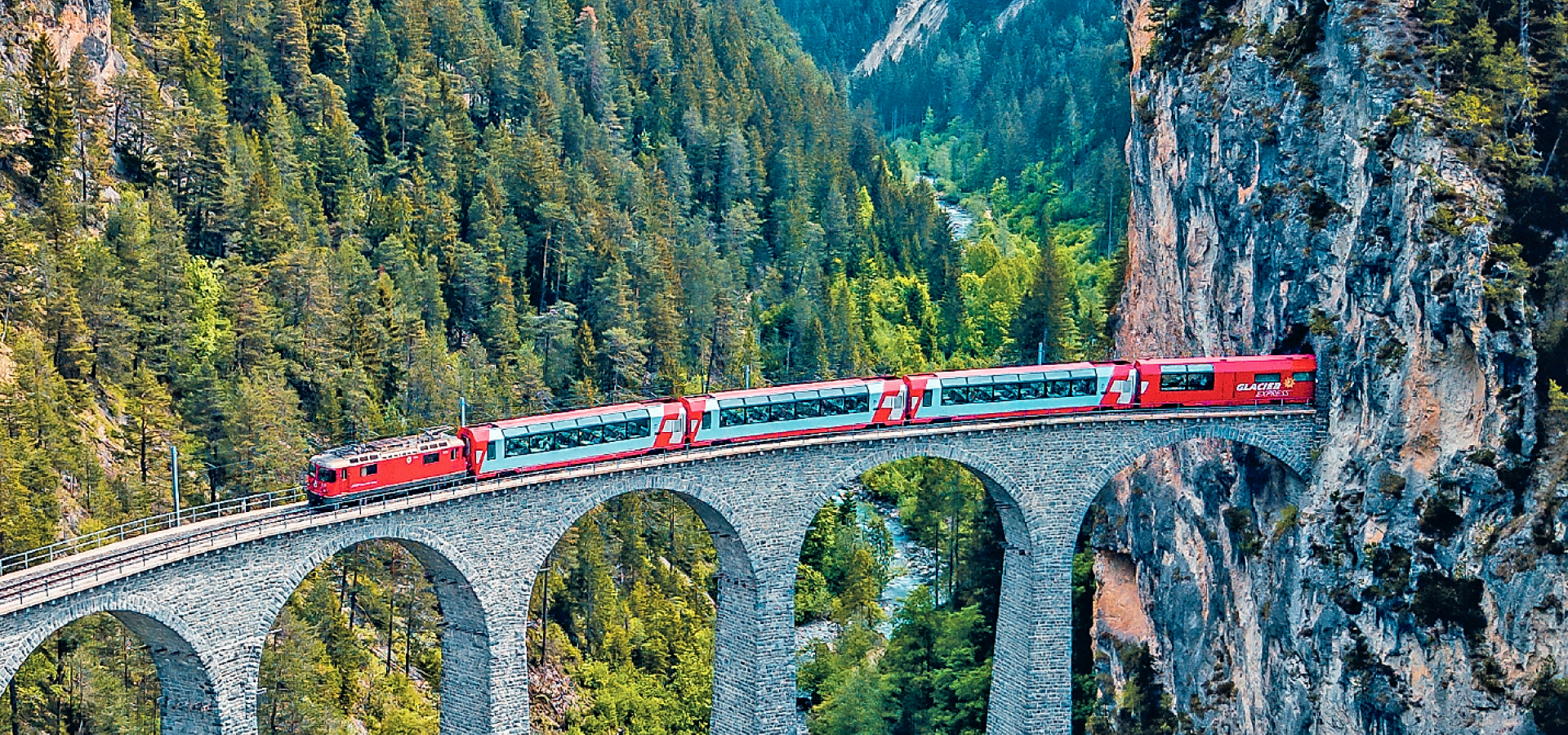
    The Glacier Express runs between Zermatt and St. Moritz, two of Switzerland’s most luxurious resort towns. The full journey covers around 291 kilometers and takes approximately eight hours. What makes this route special is the stunning diversity of landscapes. You’ll pass through the dramatic Oberalp Pass, glide along the Rhine Gorge (also known as the Swiss Grand Canyon), and cross nearly 300 bridges and 90 tunnels. The panoramic windows allow you to enjoy every viewpoint without missing the smallest detail. Many travelers choose to ride the entire route, but you can also board at intermediate stops like Andermatt, Chur, or Brig depending on your itinerary.

    Choosing the Best Direction for Your Trip

    Both directions—Zermatt to St. Moritz or St. Moritz to Zermatt—deliver the same breathtaking views. If you prefer starting your day early with sunshine on the peaks, St. Moritz to Zermatt offers amazing morning lighting. If you want to end your day watching the golden hour in the mountains, Zermatt to St. Moritz is a beautiful choice. Travelers coming from Italy usually start from Zermatt; those coming from Zurich often choose Chur or St. Moritz as the starting point. Ultimately, your direction depends on your broader Swiss itinerary and where you plan to stay before and after the train ride.

    Choosing the Right Class: 1st Class vs. Excellence Class

    Glacier Express tickets are available in several classes and it’s important to choose the one that matches your comfort preference and budget. 2nd Class: Comfortable seats, large windows, excellent views, and lower cost. Ideal for budget-focused travelers. 1st Class: More spacious seating, bigger windows, quieter carriages, and a more premium experience. Excellence Class: The ultimate luxury option. Includes lounge-style seating, a six-course gourmet meal, unlimited drinks, a dedicated concierge, and panoramic views. This is one of the most exclusive rail experiences in the world. If you’re planning a special occasion trip or want a true once-in-a-lifetime moment, Excellence Class is worth considering. Keep in mind that reservations are mandatory for all classes, and Excellence Class sells out very fast, especially during summer.

    Understanding Ticket Costs and How to Save Money

    The Glacier Express is a premium experience, but with the right planning, you can reduce your overall expenses. Standard tickets vary based on travel class and season. On top of the ticket, you must pay for a seat reservation, which is mandatory. However, Swiss discount passes can reduce costs significantly. Swiss Travel Pass: Covers the train fare entirely; you only need to pay the seat reservation. Highly recommended for multi-day Switzerland trips. Eurail or Interrail Pass: Reduces fare; seat reservation still required. Regional passes like the Swiss Half Fare Card can also offer partial discounts. Booking early helps secure the best prices, especially during high seasons. Traveling in shoulder season (April–May or late September–October) can also lower costs and reduce crowds.

    Best Time of Year to Travel on the Glacier Express

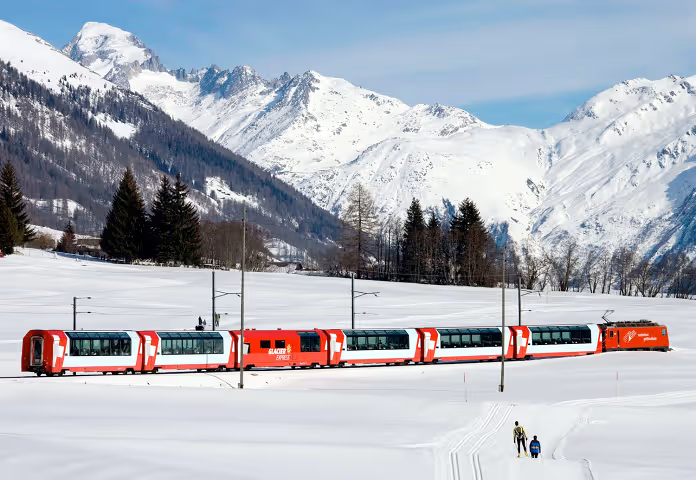
    The Glacier Express operates year-round except during a short maintenance break in late October to mid-December. Winter is magical with snow-covered mountains and frozen landscapes. It’s the classic Glacier Express experience. The lighting is soft, and the views of snowy valleys are unforgettable. Summer brings lush green fields, wildflowers, and crystal-clear skies. Perfect for photography and longer daylight hours. Spring and fall offer mild weather, fewer crowds, and better availability. If you want the best balance of scenery and comfort, June, September, and early October are ideal. Winter offers charm; summer delivers color. Choose based on the ambiance you want.

    Planning Your Seats, Timings, and Journey Style

    Since the full Glacier Express ride takes about eight hours, choosing the right seating arrangement and timing can transform your experience. Window seats are always the best and tend to get booked fast, especially on weekends and holidays. Morning departures give you consistent daylight for the entire ride. If you’re traveling in winter, aim for the earliest train to avoid losing daylight during the final stretch. Some travelers choose to break the journey by spending a night in Andermatt or Chur, especially if they want a slower travel style. Others prefer the full continuous route for a complete panoramic adventure. Either option is valid—it depends on how relaxed you want your itinerary to be.

    What to Expect Onboard the Glacier Express

    The Glacier Express is designed for comfort and scenic viewing. Panoramic windows extend up to the roof, offering wide views of mountains, rivers, and valleys. The commentary system provides audio insights about landmarks and history along the route. Meals are served directly to your seat, and you can choose between full-course dining or snacks depending on your reservation. Clean restrooms, temperature control, and a calm travel environment make the ride enjoyable even for long hours. If you’re planning to take photos or videos, remember there are reflections on the panoramic glass, so wearing darker clothes helps reduce glare. Also, avoid touching the window glass for clearer photography.

    Making the Most of Stops: Zermatt, St. Moritz & More

    Both endpoints of the Glacier Express are destinations worth experiencing before or after your journey. Zermatt: Famous for the Matterhorn, skiing, hiking, and the charming car-free village atmosphere. Great for luxury stays, mountain resorts, and scenic viewpoints. St. Moritz: Known for its high-end resorts, frozen lakes, gourmet dining, and outdoor activities. A paradise for travelers who love a premium mountain lifestyle. Intermediate stops like Andermatt, Brig, and Chur also offer unique towns, Alpine spas, and hiking trails. Planning extra days around the Glacier Express enhances your overall Switzerland experience.

    Practical Tips for a Smooth Glacier Express Trip

    Book tickets and seat reservations early to secure the best options. Wear comfortable clothing and bring layers since mountain temperatures can vary. Carry a power bank for your devices since you may take many photos. Arrive at the station early to avoid last-minute rush, especially during peak season. Choose a side seat based on lighting. Generally, both sides have great views, but the left side offers slightly better scenery when traveling from Zermatt to St. Moritz. Keep your camera ready; some of the best views appear unexpectedly. And most importantly, relax and enjoy the slow, steady journey through the heart of Switzerland.

    Conclusion: A Once-in-a-Lifetime Scenic Journey

    The Glacier Express is more than a train ride—it’s a cinematic journey through some of the most beautiful landscapes in Europe. With proper planning—choosing routes, timing your trip, selecting the right class, taking advantage of discount passes, and preparing for the season—you can enjoy a perfectly organized, fully memorable adventure. Whether you’re seeking snowy peaks, green summer valleys, luxurious comfort, or simply a peaceful day surrounded by nature, the Glacier Express delivers an experience you’ll never forget. If you want, I can now write the next article: Japan Shinkansen — Planning Guide, or any title you choose.

  • Ultimate Rail Adventure Itineraries for 2025: Europe, Asia & Beyond

    Ultimate Rail Adventure Itineraries for 2025: Europe, Asia & Beyond

    Train travel is making a massive comeback in 2025—thanks to its comfort, sustainability, scenic appeal, and the unique opportunity to slow down and truly experience the world. Whether you’re drawn to the snow-capped Alpine peaks of Europe, the futuristic bullet trains of Japan, or the vast deserts of Australia, rail adventures offer a blend of nostalgia and modern luxury that no other form of travel can match. This guide brings you some of the best rail itineraries across Europe, Asia, and beyond to help you plan unforgettable journeys in 2025.

    European Rail Adventure: Switzerland’s Glacier Express + Bernina Express Combo

    For travelers wanting the most scenic rail journey in Europe, pairing the Glacier Express with the Bernina Express creates a dream itinerary. Start in Zermatt, where the Glacier Express takes you through the heart of the Swiss Alps with panoramic windows revealing steep valleys, emerald lakes, waterfalls, and charming timber villages. As the train slowly winds through dozens of tunnels and hundreds of bridges, you get a front-row seat to Switzerland’s raw beauty.

    Arriving in St. Moritz, continue your adventure on the Bernina Express. This UNESCO-listed route cuts through glaciers, spiraling viaducts, and the iconic Brusio Circular Bridge, ending in Tirano, Italy. It’s the only train journey that feels like a curated cinema experience—natural landscapes shifting like scenes in a film. The best part? You can explore Swiss villages along the way, hike short alpine trails, or stay overnight in lakeside towns. This Europe itinerary blends luxury, nature, and cultural charm, making it perfect for couples, families, and solo travelers in 2025.

    Best of Japan by Rail: Tokyo to Osaka via the Shinkansen

    Japan’s Shinkansen remains the gold standard for fast, efficient, and comfortable rail travel. A 2025 itinerary through Tokyo, Kyoto, and Osaka allows you to fully experience Japan’s futuristic cities and deep-rooted traditions—all without the stress of flights or long drives. Begin your trip in Tokyo, exploring neighborhoods like Shinjuku, Shibuya, Akihabara, and Asakusa. When you’re ready to leave, simply hop on the Shinkansen, where speeds reach up to 320 km/h but the ride remains smooth, silent, and incredibly scenic.

    Kyoto awaits with its temples, bamboo forests, tea houses, traditional ryokans, and serene gardens. A few days later, continue onward to Osaka—Japan’s street food capital. The major benefit of traveling this route by rail is convenience: trains are punctual, clean, and frequent, with breathtaking views of Mount Fuji on clear days. Travelers can add stops in Nagoya, Nara, or Hiroshima for a longer itinerary. Japan’s rail journeys make everything feel seamless and connected, ideal for 2025 travelers who want both comfort and exploration.

    Canadian Wilderness by Train: The Rocky Mountaineer Journey

    The Rocky Mountaineer is one of the most iconic train adventures in the world and a top itinerary for 2025. Focused entirely on daytime travel, this luxury rail experience ensures passengers never miss the dramatic landscapes of Canada—towering mountain ranges, turquoise rivers, high bridges, canyons, wildlife, and endless pine forests. A popular itinerary starts in Vancouver and heads through Kamloops before reaching Banff or Jasper, two of Canada’s legendary national park towns.

    What sets the Rocky Mountaineer apart is the exceptional onboard experience: glass-domed coaches, gourmet meals inspired by Canadian cuisine, and storytelling hosts who share the history and legends of the region. Each stretch of the journey reveals new scenery—rushing rivers in British Columbia, golden plateaus, snow-covered peaks, and serene lakes. The itinerary pairs easily with road trips, wildlife tours, and luxury lodge stays, making it perfect for adventure lovers and nature travelers.

    Southeast Asia Discovery: Bangkok to Singapore by Train

    For travelers seeking a mix of culture, affordability, and diverse experiences, Southeast Asia offers one of the most fascinating rail itineraries—Bangkok to Singapore. This cross-country journey is a blend of modern rail lines, heritage stations, and beautiful landscapes. Begin in Bangkok, where the rail system connects effortlessly through Thailand’s countryside. Travelers pass rice fields, traditional farming villages, rivers, and forests before reaching the Malaysian border.

    Continuing south, the Malaysian stretch passes through Penang, Ipoh, Kuala Lumpur, and Johor Bahru. Each city offers its own flavor—street food, colonial architecture, waterfalls, caves, and cosmopolitan neighborhoods. The final ride into Singapore is smooth and quick, ending in one of the world’s most modern and vibrant cities. This itinerary is ideal for budget travelers looking for long-distance rail experiences, or for those wanting to explore Asia without flying between cities. It captures the region’s warmth, culture, and tropical charm, all wrapped in a comfortable rail journey.

    India’s Royal Rail Route: The Palace on Wheels

    India’s Palace on Wheels is a time capsule of luxury and history, giving travelers a royal experience reminiscent of Maharajas. As one of the most iconic luxury trains in the world, this itinerary takes you across Rajasthan—known for its palaces, deserts, forts, and vibrant culture. Starts usually begin in Delhi and continue through Jaipur, Udaipur, Jodhpur, Jaisalmer, Chittorgarh, Ranthambore, and Agra.

    Passengers stay in suite-style cabins inspired by royal decor, dine in elegant onboard restaurants, and enjoy guided excursions at each stop. From desert camel rides to palace tours, wildlife safaris, and riverfront sunsets, this itinerary blends cultural immersion with complete comfort. The slow, steady pace of the train through India’s historic landscapes creates a nostalgic atmosphere that feels both cinematic and luxurious.

    Australia’s Outback Rail Route: The Ghan Expedition

    The Ghan remains one of the greatest rail journeys on Earth and a top pick for 2025. Running from Adelaide to Darwin, it cuts through the heart of Australia—from vineyards and farmlands to deserts, red sands, and ancient landscapes shaped over millions of years. The itinerary includes off-train excursions such as hiking in the MacDonnell Ranges, exploring Alice Springs, or cruising along the Katherine River.

    What makes The Ghan extraordinary is how the landscape evolves: one moment you see open plains, then rugged mountains, then remote desert towns. The onboard experience is luxurious, offering comfortable cabins, regional cuisine, and excellent hospitality. Travelers looking to explore Australia’s wild and remote side will find this itinerary ideal, especially in 2025 as demand for slow, immersive travel grows globally.

    New Zealand’s South Island Scenic Route: TranzAlpine Journey

    The TranzAlpine route is one of New Zealand’s most stunning train itineraries. Running from Christchurch to Greymouth, this journey crosses the Canterbury Plains, climbs into the Southern Alps, and descends into lush rainforest landscapes on the West Coast. The itinerary is short but unforgettable, with dramatic gorges, icy rivers, alpine viaducts, and mountain valleys offering breathtaking views.

    Travelers can extend the itinerary by exploring Franz Josef Glacier, Hokitika’s beaches, or the towns around Arthur’s Pass. The combination of alpine scenery and coastal charm makes this route perfect for adventure seekers and nature lovers who want a rail experience that complements road trips and outdoor activities.

  • When All-Inclusive Travel Makes Sense and When You Should Avoid It

    When All-Inclusive Travel Makes Sense and When You Should Avoid It

    All-inclusive travel sounds like the perfect solution for a stress-free holiday. One price covers accommodation, meals, drinks, and often activities, making budgeting simple and predictable. However, all-inclusive travel is not always the best option for every traveler or every destination.

    Knowing when an all-inclusive holiday truly adds value and when it may actually cost more or limit your experience can help you make smarter travel decisions. This guide breaks down both sides so you can decide what works best for your travel style.

    When All-Inclusive Travel Makes Sense

    All-inclusive travel works best when convenience and cost control are top priorities. If you want a holiday where everything is handled in advance, this model can be extremely appealing.

    For travelers who prefer relaxing at a resort without planning daily meals or activities, all-inclusive packages remove decision fatigue. You arrive, settle in, and enjoy the experience without constantly reaching for your wallet.

    All-inclusive travel also makes sense for destinations where food, drinks, and activities are expensive. In such places, paying one upfront price often ends up being cheaper than paying separately throughout the trip.

    Families benefit greatly from all-inclusive resorts. Meals, snacks, kids’ clubs, and entertainment are included, which keeps children engaged while parents relax. Predictable costs are especially helpful when traveling with kids.

    All-inclusive holidays are ideal for short trips or celebrations. For honeymoons, anniversaries, or quick getaways, the focus is on comfort and enjoyment rather than exploration, making an all-inclusive setup practical.

    When All-Inclusive Travel Saves You Money

    All-inclusive travel often delivers strong value in resort-heavy destinations. Beach destinations, island getaways, and places with limited dining options outside resorts tend to favor all-inclusive packages.

    If you enjoy premium drinks, frequent dining, and resort activities, the bundled pricing can be significantly cheaper than paying for each experience individually.

    Travelers who prefer staying in one place rather than moving around also get more value. When most of your time is spent at the resort, you actually use what you’ve paid for.

    When You Should Avoid All-Inclusive Travel

    All-inclusive travel is not ideal for travelers who love exploring cities, local food, and culture. If you plan to spend most of your day outside the hotel, you may end up paying for meals and services you never use.

    In destinations known for street food, local restaurants, or affordable dining, independent travel is often cheaper and more rewarding. Paying for an all-inclusive package in such places can feel restrictive.

    Travelers who enjoy flexibility may find all-inclusive resorts limiting. Fixed meal times, set activities, and resort-focused experiences can reduce spontaneity and discovery.

    Why City Trips Rarely Suit All-Inclusive Travel

    Cities thrive on variety, and all-inclusive travel doesn’t always fit that environment. Urban destinations offer countless dining, shopping, and cultural options that are best experienced independently.

    When visiting major cities, paying for an all-inclusive resort often makes little sense because you’ll naturally want to explore beyond hotel boundaries.

    Hidden Costs to Watch Out For

    Not all all-inclusive packages are truly “all-inclusive.” Some exclude premium drinks, specialty restaurants, excursions, or spa services.

    Understanding what’s included before booking is essential. Otherwise, you may end up spending extra, reducing the value of the package.

    How Travel Style Affects the Decision

    Your travel personality plays a major role in deciding whether all-inclusive travel makes sense. Relaxation-focused travelers usually benefit more than adventure-driven explorers.

    If your ideal trip involves lounging by the pool, enjoying entertainment, and minimizing planning, all-inclusive travel aligns well with your preferences.

    If your ideal trip involves wandering neighborhoods, trying local cuisine, and changing plans daily, independent travel is often the better choice.

    Short Trips vs Long Trips

    All-inclusive travel works best for short to medium-length stays. For longer trips, the experience can become repetitive, especially if you enjoy variety.

    On extended trips, independent travel allows you to adapt your itinerary, change locations, and explore more deeply.

    Seasonal Factors Matter

    During peak seasons, all-inclusive deals can offer better value due to high local prices. In off-season periods, independent travel may be significantly cheaper.

    Understanding seasonal pricing helps determine whether an all-inclusive package is worth it at that time.

    Who Should Definitely Choose All-Inclusive

    First-time travelers, families with children, couples seeking relaxation, and travelers who prefer predictable budgets often benefit most from all-inclusive travel.

    It’s also a strong choice for travelers who want minimal planning and a smooth, hassle-free experience.

    Who Should Probably Skip It

    Backpackers, solo travelers, food lovers, digital nomads, and culture-focused explorers often get better value from independent travel.

    If discovery and flexibility matter more than convenience, all-inclusive travel may feel restrictive.

    How to Decide Before Booking

    Ask yourself how much time you’ll spend at the resort, how important local experiences are to you, and whether convenience outweighs flexibility.

    Comparing the cost of meals, activities, and accommodation separately can also clarify whether an all-inclusive deal truly saves money.

    Conclusion

    All-inclusive travel is neither universally good nor bad. It’s a tool that works exceptionally well in certain situations and poorly in others.

    When relaxation, convenience, and predictable costs matter most, all-inclusive travel makes perfect sense. When exploration, flexibility, and cultural immersion are your priorities, independent travel usually delivers a richer experience.

    The smartest choice is the one that matches your travel goals, destination, and personal style.

  • Ultimate Dubai Itinerary: Luxury, Desert Safaris & Cultural Highlights

    Ultimate Dubai Itinerary: Luxury, Desert Safaris & Cultural Highlights

    Dubai is a city that combines modern luxury with rich cultural heritage. From towering skyscrapers and world-class shopping to traditional souks and expansive deserts, it offers a diverse range of experiences. A well-planned itinerary ensures you can enjoy both its luxurious amenities and cultural highlights without missing the city’s essence. This guide is perfect for first-time visitors who want to experience Dubai in a balanced and memorable way.

    Why Dubai Is a Must-Visit

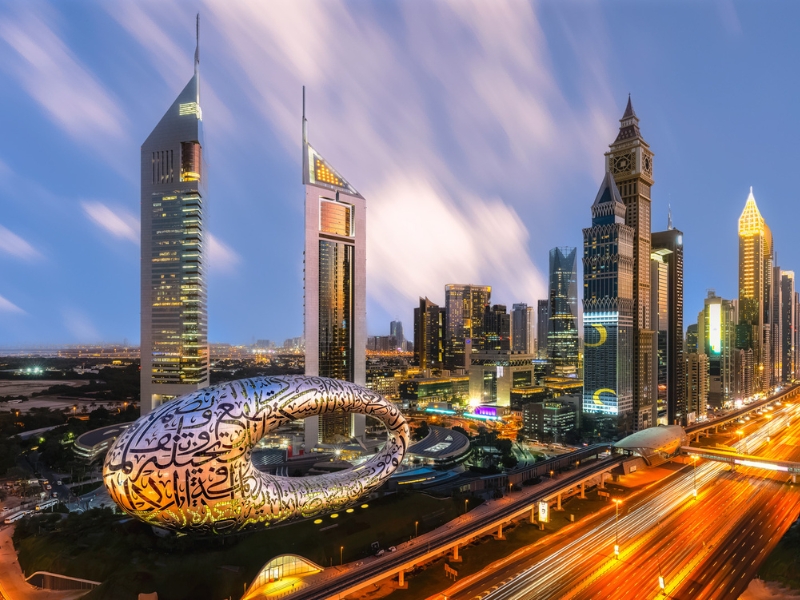
    Dubai has transformed from a small desert town into a global hub for business, tourism, and luxury. Its appeal lies in the stark contrasts: futuristic architecture sits alongside historic neighborhoods, and high-end resorts coexist with desert landscapes. Visiting Dubai gives travelers a chance to experience luxury, adventure, and cultural heritage in one destination.

    Day 1: Arrival and Downtown Dubai

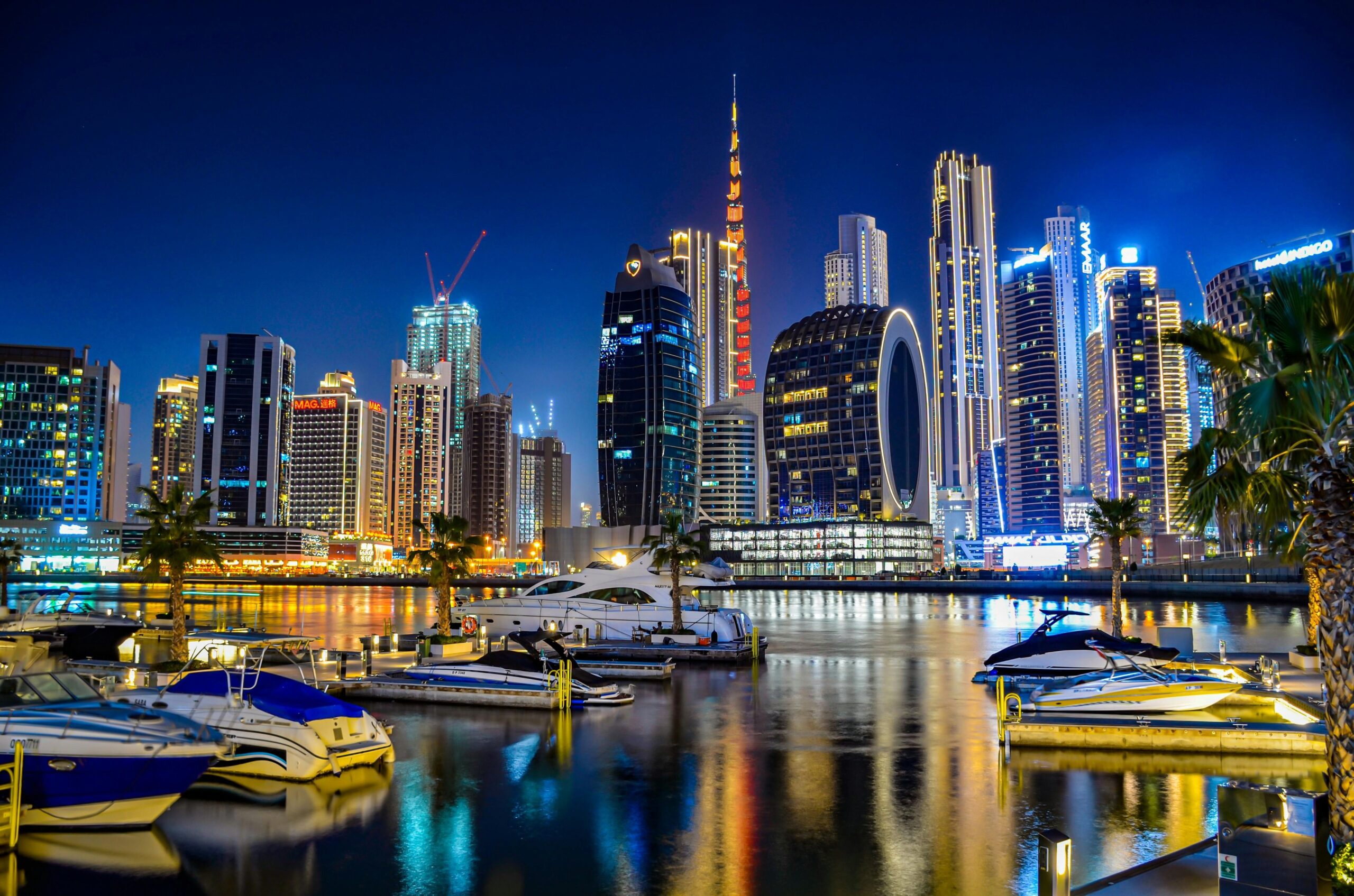
    Arrive in Dubai and settle into your hotel. Spend the first day exploring Downtown Dubai, home to the iconic Burj Khalifa and the Dubai Mall. Enjoy views from the observation deck and watch the Dubai Fountain show in the evening. Downtown Dubai is ideal for easing into the city while seeing some of its most famous landmarks.

    Day 2: Old Dubai and Cultural Experiences

    Dedicate a day to exploring historic neighborhoods such as Al Fahidi and the Dubai Museum. Walk through the traditional souks, including the Gold Souk and Spice Souk, to experience local commerce and culture. A dhow cruise along Dubai Creek offers a unique perspective on the city’s maritime heritage.

    Day 3: Desert Safari Adventure

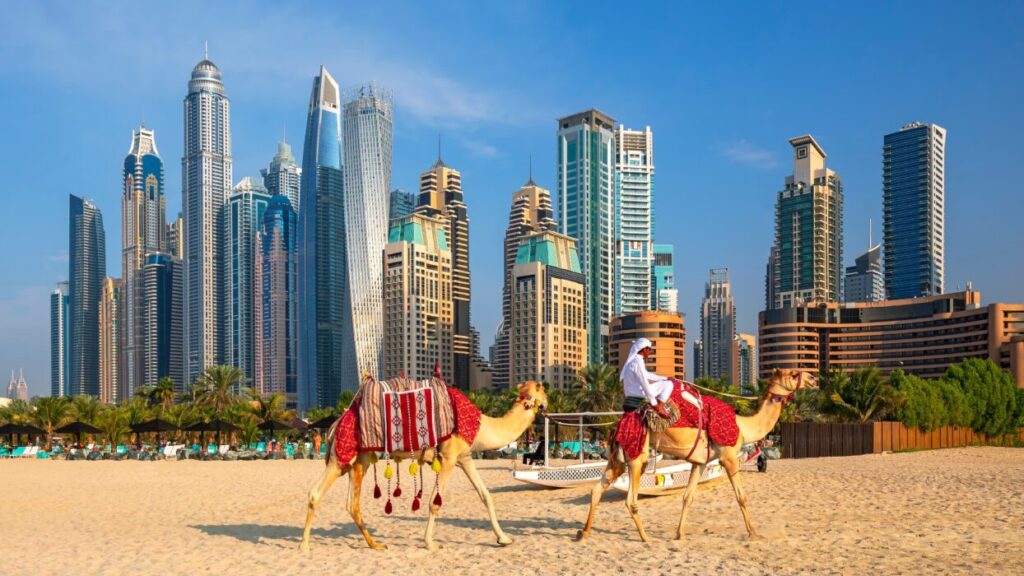
    Book a desert safari for an unforgettable experience. Many tours include dune bashing, camel rides, and sandboarding. Finish the evening with a traditional Bedouin-style dinner under the stars while enjoying cultural performances. Desert safaris provide a perfect blend of adventure and cultural immersion.

    Day 4: Palm Jumeirah and Beach Relaxation

    Spend the day on Palm Jumeirah, Dubai’s iconic artificial island. Relax at a luxury resort, swim at private beaches, or explore the Atlantis Hotel and its attractions. This day balances leisure and sightseeing, allowing you to enjoy Dubai’s famous coastal lifestyle.

    Day 5: Modern Dubai and Entertainment

    Explore modern Dubai’s futuristic architecture, including the Dubai Marina and Jumeirah Beach Residence. Try water sports, visit the Dubai Aquarium, or enjoy a helicopter tour for panoramic city views. Evenings can be spent at rooftop lounges or luxury dining venues to experience the city’s nightlife and gastronomic offerings.

    Day 6: Day Trip to Abu Dhabi (Optional)

    For travelers with an extra day, a trip to Abu Dhabi is highly recommended. Visit the Sheikh Zayed Grand Mosque, Louvre Abu Dhabi, and Yas Island attractions. This adds depth to your Middle Eastern experience and provides insight into another emirate’s unique culture and modernity.

    Where to Stay in Dubai

    Dubai offers a range of accommodations from luxury resorts to boutique hotels. Staying in Downtown Dubai or near the Marina provides easy access to major attractions and scenic views. For a more relaxed experience, beachfront resorts or Palm Jumeirah properties offer comfort and privacy.

    Best Time to Visit Dubai

    The ideal months for visiting Dubai are November through March when temperatures are milder. Summers can be extremely hot, making outdoor activities less enjoyable. Early mornings and evenings are ideal for sightseeing and desert excursions.

    Travel Tips for a Smooth Trip

    Dress appropriately for cultural sites and outdoor activities. Stay hydrated, especially during desert excursions, and plan transportation ahead since distances between attractions can be significant. Using taxis or ride-hailing apps is convenient for city travel, while organized tours are best for desert and day trips.

    Conclusion

    A well-planned Dubai itinerary allows travelers to experience luxury, culture, and adventure seamlessly. By combining city landmarks, traditional neighborhoods, desert activities, and coastal relaxation, you get a complete picture of what makes Dubai extraordinary. Whether you are visiting for the first time or returning, following a thoughtfully organized itinerary ensures a memorable and stress-free journey through this dazzling city.

  • Best 5-Star Hotels for 2025 Travelers: Where Luxury Meets Perfection

    Best 5-Star Hotels for 2025 Travelers: Where Luxury Meets Perfection

    Choosing the right 5-star hotel can transform an ordinary vacation into an extraordinary one. In 2025, luxury travel has reached new heights with hotels offering personalized service, world-class dining, advanced technology, and immersive cultural experiences. Whether you’re planning a romantic escape, a business trip, or a once-in-a-lifetime holiday, the best luxury hotels around the world ensure perfection in every detail. This guide highlights some of the top 5-star hotels for 2025 travelers—properties known for elegance, comfort, architectural brilliance, and unforgettable hospitality.

    What Defines a True 5-Star Hotel in 2025

    Luxury in 2025 is no longer just about marble floors and grand lobbies. Travelers now look for a mix of comfort, innovation, authenticity, and world-class service. The best 5-star hotels offer spacious rooms, premium bedding, curated dining experiences, wellness-focused amenities, and tech-friendly environments. From digital room controls to private butlers, these hotels combine classic luxury with modern convenience. Sustainability also plays a significant role, with many properties adopting eco-friendly materials, zero-waste dining, and energy-efficient designs—without compromising elegance.

    Burj Al Arab, Dubai – The Icon of Modern Luxury

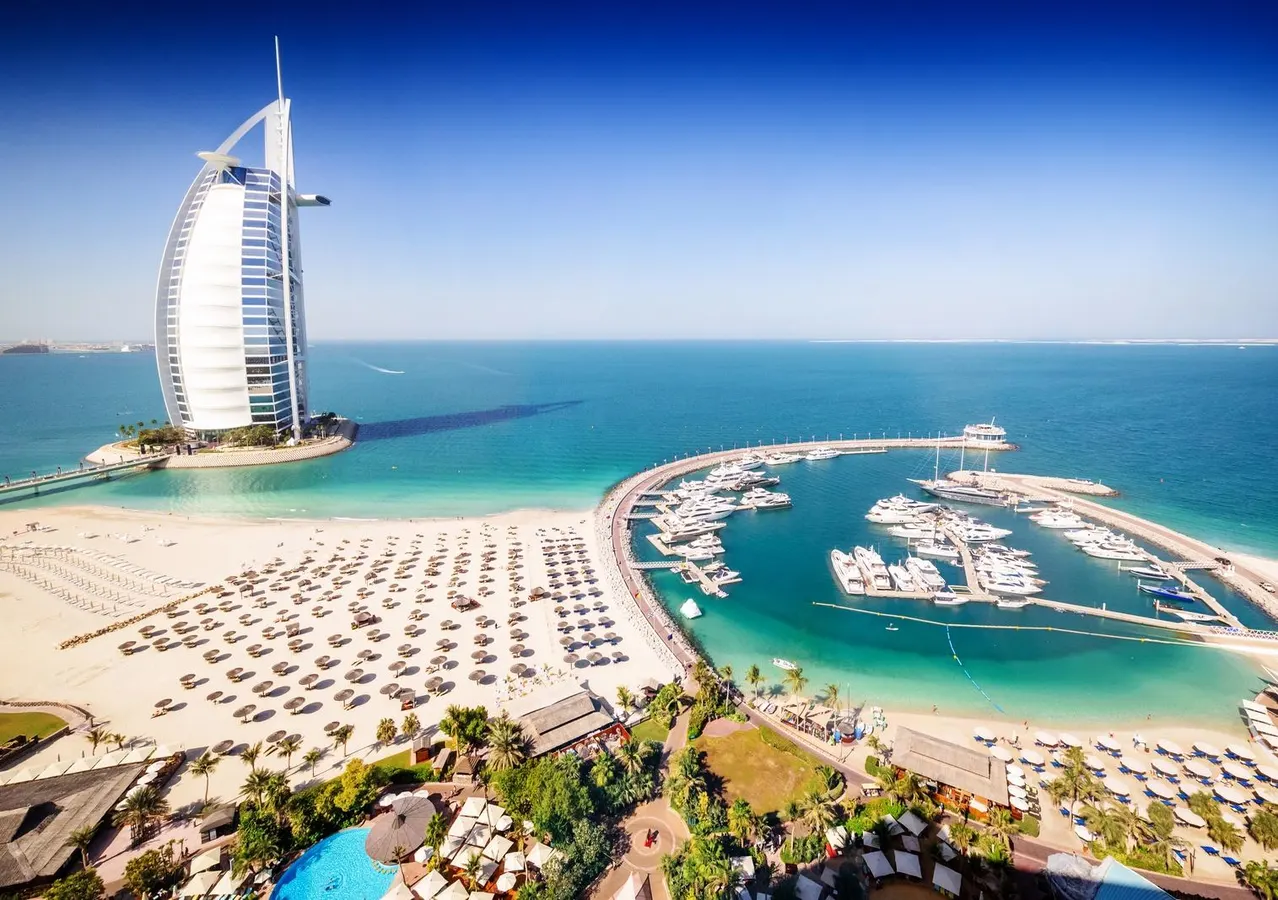
    Dubai remains synonymous with luxury, and the Burj Al Arab continues to be one of the world’s most iconic hotels. Known for its sail-shaped architecture and palatial interiors, the hotel offers duplex suites, gold-plated décor, private butler service, and chauffeured Rolls-Royces. Travelers in 2025 appreciate the seamless blend of opulence and technology—smart room controls, lavish spa facilities, and exclusive beach access. The infinity pool terrace, world-class dining options like Al Muntaha, and unmatched Arabian hospitality make it a dream destination for those seeking perfection.

    The Ritz-Carlton, Tokyo – Skyline Luxury Above the Clouds

    Set on the highest floors of the Tokyo Midtown Tower, The Ritz-Carlton offers breathtaking views of Mount Fuji and the Tokyo skyline. Guests love the beautifully appointed rooms featuring Japanese craftsmanship, deep soaking tubs, and plush bedding. The Michelin-starred dining, tranquil spa, and exceptional club lounge elevate the experience even further. What makes this hotel stand out in 2025 is its effortless fusion of modern luxury with traditional Japanese elegance, creating a serene escape in one of the world’s busiest cities.

    The Plaza Hotel, New York – Timeless Glamour in Manhattan

    Few hotels in the world are as legendary as The Plaza. Located on Fifth Avenue and overlooking Central Park, this iconic property combines classic charm with modern luxury. Rooms and suites feature sophisticated décor, marble bathrooms, and exceptional attention to detail. Travelers in 2025 love the personalized service, afternoon tea at The Palm Court, and the glamorous ambiance that makes every stay feel cinematic. Its central location also makes it perfect for shopping, sightseeing, and business travel.

    The Oberoi Udaivilas, Udaipur – Royalty on the Lakeside

    For travelers seeking luxury with cultural richness, The Oberoi Udaivilas remains one of the top 5-star hotels in the world. Located on the banks of Lake Pichola, the property features traditional Rajasthani architecture, domed courtyards, hand-carved décor, and expansive gardens. Guests enjoy private boat rides, personalized spa treatments, and rooms with direct pool access. In 2025, this hotel continues to be a favorite for romantic getaways and weddings due to its royal charm and world-class hospitality.

    Four Seasons Resort Bora Bora – Tropical Luxury at Its Best

    When it comes to dreamy island escapes, Bora Bora stands unmatched—and the Four Seasons Resort delivers an extraordinary blend of natural beauty and refined luxury. Overwater bungalows with glass floors, private plunge pools, and views of Mount Otemanu create a once-in-a-lifetime experience. The resort offers snorkeling with reef sharks, candlelight dinners by the lagoon, and world-class spa treatments. For travelers seeking relaxation, adventure, and privacy, this is one of the most luxurious choices of 2025.

    Mandarin Oriental, Bangkok – A Riverside Oasis with Timeless Elegance

    Often called one of the best hotels in Asia, the Mandarin Oriental, Bangkok has set the standard for luxury hospitality for decades. In 2025, it continues to impress with its riverside setting, lush gardens, teakwood interiors, and exceptional dining. The service is personalized, warm, and attentive without being intrusive. Guests enjoy river cruises, Thai cooking classes, award-winning spa therapies, and beautifully designed rooms that offer a peaceful retreat in the heart of the city. It is a perfect blend of tradition, comfort, and sophistication.

    The Peninsula Paris – European Elegance with Modern Comforts

    Located near the Arc de Triomphe, The Peninsula Paris is known for its grand architecture, artistic interiors, and impeccable service. Rooms feature cutting-edge technology, luxurious marble bathrooms, and private terraces in select suites. The rooftop restaurant offers stunning views of the Eiffel Tower, making it a romantic spot for evenings in Paris. Travelers in 2025 appreciate the hotel’s flawless attention to detail and the smooth integration of technology into every part of the guest experience.

    Marina Bay Sands, Singapore – Futuristic Luxury with Spectacular Views

    A global landmark for modern luxury, Marina Bay Sands is famous for its sky-high infinity pool overlooking Singapore’s skyline. The hotel offers spacious rooms, high-end shopping, award-winning restaurants, and direct access to Marina Bay’s attractions. In 2025, its focus on innovation, sustainability, and seamless guest experience places it among the top 5-star hotels worldwide. Whether you’re relaxing by the rooftop pool or exploring the ArtScience Museum, every moment feels extraordinary.

    Why These Hotels Stand Out in 2025

    The best 5-star hotels share common qualities: exceptional service, architectural beauty, immersive experiences, and unmatched comfort. They go beyond providing a place to sleep—they create memories. Travelers in 2025 value personalization, cultural authenticity, sustainability, and technological convenience. Each hotel on this list excels in different ways, but all deliver the same promise: luxury without compromise. From iconic city stays to serene island retreats, these hotels redefine perfection.

    Conclusion

    Luxury travel in 2025 is more exciting than ever, with five-star hotels pushing boundaries to offer unforgettable experiences. Whether you prefer futuristic skyscrapers, historic palaces, tropical hideaways, or royal retreats, there’s a perfect luxury stay waiting for you. These hotels prove that true perfection lies in thoughtful service, breathtaking design, and experiences that stay with you long after your journey ends. If you’re planning a trip this year, any of these world-class hotels will elevate your travel to a whole new level of comfort and sophistication.

  • Red-Eye Flights Explained: Pros, Cons & How to Survive Them Comfortably

    Red-Eye Flights Explained: Pros, Cons & How to Survive Them Comfortably

    Red-eye flights are a unique part of air travel: late-night departures, overnight journeys, and early-morning arrivals that allow travelers to maximize their time and sometimes save money. While some people swear by them for productivity, convenience, and budget travel, others avoid them at all costs due to sleep disruption and fatigue. If you’ve ever wondered whether red-eye flights are worth it—or how to survive them comfortably—this detailed guide breaks down everything you need to know.

    What Exactly Are Red-Eye Flights?

    A red-eye flight is a late-night or overnight flight that typically departs between 9:00 PM and 1:00 AM, arriving early in the morning. They’re called “red-eye” flights because passengers often land with tired, bloodshot eyes after a night of interrupted sleep. These flights are especially popular on long routes, cross-country trips, and certain international journeys. They are designed to help travelers reach their destination without losing a full day to travel. For business travelers, red-eye flights allow arriving in time for morning meetings. For tourists, they maximize vacation time by shifting the travel hours to nighttime.

    The Biggest Advantages of Taking Red-Eye Flights

    One of the main reasons people prefer red-eye flights is time efficiency. You fly while you’d normally be asleep and arrive ready to start the day. This is especially useful when you want to make the most of limited vacation time or maximize productivity on business trips. Another major advantage is potentially lower ticket prices. Red-eye flights are often cheaper because they’re less desirable for families, children, and casual travelers. Since the demand is relatively low, airlines sometimes reduce fares or offer discounted upgrade options. Red-eye flights also tend to be less crowded, and airports are usually calmer at night, making check-ins smoother and security lines shorter. Evening flights also reduce the chance of delays since airports are not as congested. Weather patterns can also be calmer at night, leading to fewer disruptions. Many travelers also love that you can avoid peak-time traffic on the way to the airport.

    The Downsides: Why Some Travelers Dislike Red-Eye Flights

    Despite their benefits, red-eye flights do come with several drawbacks. The most obvious one is sleep quality. Even if you’re good at sleeping on planes, it’s rarely as restful as sleeping in your own bed. People often land feeling groggy, dehydrated, or disoriented, especially if the flight crosses multiple time zones. For travelers with early morning commitments, this can be challenging. Another disadvantage is that aircraft cabins are noisier at night due to food service, seat adjustments, and crying babies. Additionally, if you don’t prepare properly, you may end up with neck pain, dry eyes, or jet lag. Red-eye flights can be particularly uncomfortable for travelers with medical conditions, anxiety, or sensitive sleep patterns. Lastly, if your flight is delayed, your entire schedule may get disrupted because everything is already late at night when services are limited.

    Who Should Consider Booking a Red-Eye Flight?

    Red-eye flights are ideal for frequent travelers, business professionals, and budget-conscious passengers who value efficiency over comfort. Students, backpackers, and solo travelers often choose these flights because they save money and maximize daylight hours. They’re also great for travelers heading to destinations where mornings are the best time to explore. However, families with young children, elderly travelers, or people with strict sleep routines may want to avoid them. If you’re highly sensitive to sleep disturbances, prefer daytime travel, or have important tasks planned immediately after landing, a red-eye might not be the best choice. Ultimately, choosing a red-eye flight depends on your travel goals, your body’s tolerance for sleep interruptions, and your schedule flexibility.

    How to Prepare for a Red-Eye Flight the Smart Way

    Preparation can make or break your red-eye experience. Start by choosing the right seat—window seats are ideal because you can lean against the wall and avoid getting disturbed by the passenger next to you. Avoid aisle seats, as people will constantly pass by or bump your arm. If possible, avoid the last row or seats near the lavatories since noise levels are higher. Bring proper sleep gear, including a neck pillow, fleece blanket, eye mask, noise-canceling headphones, and earplugs. Wear comfortable clothing and bring layers because cabin temperatures can fluctuate. Avoid caffeine or sugary foods in the hours before departure; instead, eat something light that won’t interfere with sleep. Stay hydrated throughout the day but avoid drinking too much right before boarding to minimize bathroom trips. Also, organize your carry-on bag so you can easily access anything you need without fumbling around in the dark.

    In-Flight Tips to Help You Sleep Better on Red-Eye Flights

    Once onboard, try to adjust your body to sleep mode immediately. Set your watch to your destination time zone if crossing regions. Recline your seat gently and find a comfortable position. Use your neck pillow and eye mask to block out light. Play calming music, white noise, or guided sleep tracks through noise-canceling headphones. These reduce cabin noise significantly and help your mind relax. Avoid using bright screens during the early part of the flight; the blue light makes it harder to fall asleep. If you must use your phone, switch to night mode. Deep breathing exercises are extremely useful in calming your body. Keep your seatbelt fastened above your blanket so flight attendants don’t wake you for checks. If complimentary or paid meals are offered, consider skipping them to maximize sleep time. Sleeping even 4–5 hours on a red-eye makes a huge difference upon arrival.

    How to Stay Fresh and Alert After Landing

    Landing from a red-eye can feel challenging if you’re not fully rested, but there are effective ways to recover quickly. Start by drinking water as soon as you land to combat dehydration. Wash your face or use refreshing wipes. Light stretching helps stimulate blood flow and reduces stiffness from long hours of sitting. If you have time, grab a light breakfast or a warm drink to wake up your system. Spend time outdoors in natural sunlight to reset your internal clock—this reduces grogginess and helps regulate your sleep cycle. Avoid taking long naps immediately after landing; instead, take a short 20-minute power nap if necessary. For business travelers with morning meetings, planning arrival at least a few hours early ensures you can freshen up, change clothes, and mentally prepare.

    When Red-Eye Flights Are the Best Option

    Red-eye flights are excellent for destinations where you want your full day available upon arrival. For example, flying from the West Coast to the East Coast of the U.S., or from India to Dubai, Singapore, or Europe often works perfectly with overnight schedules. For business travelers, they are a lifesaver—arrive early, work all day, and return home quickly. For budget travelers, there’s no better combination of time and cost savings. Red-eye flights also make sense when you want to reduce jet lag since sleeping during the flight helps align your internal clock with your destination. If your schedule is tight or you’re trying to maximize vacation time, choosing a red-eye can add an entire extra day to your trip at no cost.

    Final Thoughts: Are Red-Eye Flights Worth It?

    Red-eye flights are not a one-size-fits-all solution. They offer time efficiency, cost savings, and flexible travel schedules, but they also come with challenges like limited sleep, fatigue, and potential discomfort. The key is preparation—choosing the right seat, bringing proper sleep essentials, and managing your schedule before and after the flight. If you follow the tips above, you can transform what many consider a tiring travel experience into a productive and surprisingly comfortable journey. For travelers who want to maximize every hour of the day, red-eye flights may become your new favorite way to fly.