Blog

  • Most Scenic Road Trips Every Traveler Should Experience

    Most Scenic Road Trips Every Traveler Should Experience

    Road trips are the ultimate way to explore the world at your own pace. They combine adventure, freedom, and breathtaking landscapes while allowing travelers to immerse themselves in local culture. From winding coastal highways to mountain passes and desert roads, the journey itself becomes the destination. In 2025, scenic road trips offer unforgettable experiences, making them a must for every traveler seeking both adventure and tranquility.

    Pacific Coast Highway, USA

    The Pacific Coast Highway in California is legendary for its stunning ocean views, cliffs, and beaches. Travelers can drive from San Francisco to Los Angeles, passing through charming towns like Monterey, Carmel, and Santa Barbara. Along the route, you’ll find iconic landmarks such as Big Sur, Bixby Bridge, and picturesque lighthouses. The highway offers a perfect combination of coastal beauty, hiking opportunities, and culinary delights, making it one of the most scenic drives in the world.

    Great Ocean Road, Australia

    Australia’s Great Ocean Road is a must-visit for road trip enthusiasts. Stretching along the southeastern coast, it offers views of rugged cliffs, pristine beaches, and lush rainforests. Highlights include the Twelve Apostles rock formations, the Otway National Park, and surfing towns like Torquay. Wildlife sightings of kangaroos, koalas, and native birds add to the adventure. This road trip combines natural beauty with Australian coastal culture, ideal for travelers who love both exploration and relaxation.

    Ring Road, Iceland

    Iceland’s Ring Road circles the entire island, providing access to glaciers, waterfalls, volcanic landscapes, and geothermal areas. Highlights include the Golden Circle, Jökulsárlón Glacier Lagoon, and Skógafoss Waterfall. Travelers can spot wildlife such as puffins and seals along the way. Driving the Ring Road allows visitors to experience Iceland’s raw natural beauty, from black sand beaches to geysers, making it perfect for adventure seekers and photographers.

    Amalfi Coast, Italy

    The Amalfi Coast offers a picturesque drive along Italy’s Mediterranean coastline. Winding roads hug cliffs while offering views of turquoise waters, colorful villages, and terraced vineyards. Towns like Positano, Amalfi, and Ravello are filled with charming streets, local cuisine, and historic landmarks. The Amalfi Coast combines luxury with natural beauty, making it a favorite for travelers who want a scenic and culturally rich road trip.

    Garden Route, South Africa

    South Africa’s Garden Route stretches from Mossel Bay to Storms River, offering diverse landscapes including forests, lagoons, beaches, and mountains. Travelers can explore charming towns like Knysna, Plettenberg Bay, and Tsitsikamma National Park. Activities include hiking, whale watching, bungee jumping, and visiting wildlife reserves. This road trip provides a perfect mix of adventure, nature, and cultural experiences.

    Route 66, USA

    Route 66 is an iconic American road trip that spans from Chicago to Santa Monica. It combines nostalgia, historic landmarks, and classic roadside attractions. Travelers can experience small-town charm, quirky diners, and desert landscapes in states like Missouri, Arizona, and New Mexico. The route has a unique cultural appeal and offers a blend of history, adventure, and scenic diversity.

    North Coast 500, Scotland

    Scotland’s North Coast 500 is a breathtaking route through rugged highlands, lochs, and coastal cliffs. Travelers can visit castles, historic villages, and scenic viewpoints along the way. Wildlife, including deer and seabirds, adds to the experience. The North Coast 500 is ideal for those seeking dramatic landscapes, cultural heritage, and a peaceful journey through one of Europe’s most scenic regions.

    Andes Mountain Passes, South America

    Driving through the Andes Mountains in countries like Chile, Peru, and Argentina offers a road trip filled with stunning vistas, high-altitude landscapes, and remote villages. Routes such as the Carretera Austral in Chile or the road to Machu Picchu in Peru provide opportunities for hiking, photography, and cultural exploration. The Andes combine adventure and natural beauty, perfect for travelers who love rugged terrain and exploration.

    Conclusion

    Scenic road trips offer more than just transportation—they create memories, provide freedom, and allow travelers to experience landscapes and cultures intimately. From coastal drives in California and Italy to rugged mountain passes in Iceland, Scotland, and South America, each route has its unique charm. In 2025, these road trips are ideal for travelers seeking adventure, relaxation, and breathtaking scenery, making the journey as rewarding as the destination itself.
  • Best Budget Travel Destinations for Solo Travellers — Affordable Solo Trips 2025

    Best Budget Travel Destinations for Solo Travellers — Affordable Solo Trips 2025

    Best Budget Travel Destinations for Solo Travellers (2025) — Explore More, Spend Less

    Introduction

    Travelling solo doesn’t have to be expensive. In 2025, smart solo travellers choose destinations that balance culture, safety, affordability, and ease of getting around. This guide lists the best budget-friendly places for solo travellers, with practical tips and rough cost estimates so you can plan a memorable trip without breaking the bank.

    1. Vietnam — Hanoi, Hoi An & Ho Chi Minh City

    Vietnam consistently tops budget travel lists for solo adventurers. Street food is cheap and delicious, hostels are social and affordable, and intercity travel by sleeper bus or budget airlines is common. Cities like Hanoi and Hoi An offer rich culture; the Mekong Delta and Phong Nha caves deliver natural adventure.

    • Why it’s cheap: Affordable food, budget transport, low-cost attractions.
    • Must-do: Street food tour, motorbike loop, UNESCO Hoi An old town at night.

    2. Thailand — Chiang Mai & Northern Towns

    Thailand is a classic for solo travellers, but Chiang Mai and the northern hill towns are far more budget-friendly than Phuket or Bangkok. Cozy guesthouses, low-cost trekking, and an active digital nomad scene make it ideal for longer stays.

    • Why it’s solo-friendly: Lots of group tours, easy language basics, plentiful hostels.
    • Must-do: Night markets, cooking classes, short treks to hill tribes.

    3. Indonesia — Yogyakarta & Java

    Bali is popular but pricier; for a budget solo trip, head to Yogyakarta and explore Java’s temples like Borobudur and Prambanan. Guesthouses and local warungs (eateries) are extremely affordable, and travellers can join shared tours for volcano hikes.

    • Why it’s great: Low cost of living, cultural attractions, easy community travel.
    • Must-do: Sunrise at Borobudur, local batik workshops, Borobudur cycling tours.

    4. Nepal — Kathmandu & Pokhara

    Nepal is perfect for solo travellers on a budget who love trekking and nature. Accommodation and food are inexpensive. Short treks around Pokhara or longer ones in the Annapurna region cater to all budgets and fitness levels.

    • Why it’s cheap: Low accommodation costs and local transport fares.
    • Must-do: Short day hikes, lake-side relaxation in Pokhara, cultural temples in Kathmandu.

    5. Mexico — Oaxaca & Guanajuato

    Mexico offers vibrant culture, fascinating history, and affordable travel—especially outside major tourist hubs. Oaxaca and Guanajuato are wallet-friendly, safe for most solo travellers, and full of local markets, colonial streets, and delicious street food.

    • Why it’s solo budget-friendly: Inexpensive local transport and food; many free sights.
    • Must-do: Try local moles, visit artisan villages, wander colorful plazas.

    6. Georgia — Tbilisi & Kazbegi

    Georgia (the country) is a rising budget destination for solo travellers: safe, welcoming, and surprisingly cheap. Incredible mountain scenery, cheap wine, and guesthouses with warm hospitality make it ideal for independent exploration.

    • Why it’s trending: Affordable guesthouses, breathtaking landscapes, easy bus routes.
    • Must-do: Tbilisi old town, day trip to Kazbegi, Georgian supra (traditional feast).

    Budget Breakdown & Smart Planning Tips

    Below are rough daily budget estimates for solo travellers (moderate style): accommodation in hostels/guesthouses, local transport, street food, and low-cost activities.

    DestinationDaily Budget (USD)
    Vietnam$18–$35
    Thailand (Chiang Mai)$20–$40
    Indonesia (Yogyakarta)$18–$36
    Nepal$15–$30
    Mexico (Oaxaca)$25–$45
    Georgia$20–$40

    Pro tip: Book hostels with common areas to meet other travellers. Use local buses and night trains to save on accommodation and time.

    Safety Tips for Solo Travellers on a Budget

    • Keep digital copies of your passport and emergency contacts.
    • Blend in — avoid flashy jewellery and expensive gear in public.
    • Use reputable hostel booking sites and check recent reviews.
    • Trust your instincts: join group tours if a remote area feels unsafe.

    Conclusion

    Solo travel on a budget is more accessible than ever. Choose destinations with affordable local costs, vibrant hostel scenes, and easy transport links. Whether you crave mountains, temples, food, or culture, the destinations above offer memorable experiences without a heavy price tag. Plan smart, stay flexible, and you’ll find that travelling alone can be both enriching and economical.Start planning your budget solo trip

    Want this article tailored to a specific duration, country of origin, or travel style? Reply and I’ll customise it for you.

  • All-Inclusive Phuket: Where to Stay, What to Eat & How to Save More in Thailand’s Paradise

    All-Inclusive Phuket: Where to Stay, What to Eat & How to Save More in Thailand’s Paradise

    Phuket is one of the world’s most popular island destinations—famous for its turquoise beaches, tropical nature, vibrant nightlife, and peaceful luxury escapes. While many travelers assume it’s expensive, the truth is that Phuket can easily fit into an all-inclusive-style holiday if you know how to plan it. With the right resort, meal strategy, transport choices, and activity planning, you can enjoy Phuket almost entirely without surprise expenses.

    This guide breaks down the best all-inclusive resorts, local food to try, hidden beaches, cheap transport, smart-saving hacks, and travel tips that help you get maximum value from your trip.

    Why Choose an All-Inclusive Trip in Phuket

    Phuket is perfect for an all-inclusive holiday because it offers every type of traveler a complete vacation experience—tropical beaches, spas, nightlife, nature adventures, and island hopping. Many resorts include meals, entertainment, activities, airport transfers, and even massage packages. Compared to other tropical destinations like Maldives or Bora Bora, Phuket’s all-inclusive options are far more affordable and still deliver luxury-level service.

    The island also has cheap street food, reasonable internal transport, and many free attractions, which makes it easy to create a budget-friendly all-inclusive experience even if you’re not booking a traditional package.

    Where to Stay: Best All-Inclusive Resorts in Phuket

    Phuket has a wide range of all-inclusive resorts—romantic beachfront escapes, family-friendly hotels, and affordable luxury options. Here are some of the best stays that provide meals, activities, transfers, and amenities that reduce your extra spending.

    The Village Coconut Island Beach Resort

    Located on a private island just off the Phuket coast, this resort offers beachfront villas, stunning sunsets, free kayaks, spa facilities, and multiple meal packages. Many stays include daily breakfast, dinner, airport transfers, and access to their private beach. It’s one of the best all-inclusive experiences for couples and families wanting a quiet tropical retreat.

    Phuket Marriott Resort & Spa, Merlin Beach

    Set on a private beach, this hotel is perfect for those wanting relaxation with access to top-tier amenities. Their packages include three meals a day, drinks, snorkeling gear, kids’ club access, yoga sessions, and more. This is ideal for travelers who want convenience without exploring too much outside the resort.

    Club Med Phuket

    This is Phuket’s most famous true all-inclusive resort offering unlimited gourmet dining, drinks, pools, bars, nightly shows, fitness classes, adventure activities, and kids’ programs. Everything—from food to entertainment—is included, making it a stress-free option for families and groups.

    Pullman Phuket Arcadia Naithon Beach

    A modern resort with ocean-facing rooms, infinity pools, premium breakfast buffets, and package plans that include meals and spa credits. It’s a great choice for couples wanting luxury without overspending.

    Centara Grand Beach Resort Phuket

    Great for families thanks to its waterpark-like pool, lazy river, and direct beach access. Meal plans include buffet breakfast and dinner, making it easier to enjoy a semi all-inclusive stay.

    What to Eat in Phuket Without Overspending

    Food is one of the most exciting parts of visiting Thailand, and Phuket is no exception. If your hotel includes meals, that’s great—but you should still step out and try local cuisine because it’s flavorful, fresh, and surprisingly affordable.

    Best Budget Foods to Try

    Pad Thai – The classic sweet and savory noodle dish found everywhere and super cheap
    Green Curry – Rich coconut curry with vegetables or chicken
    Som Tum – Famous spicy papaya salad
    Fried Rice – Flavorful and filling in dozens of variations
    Thai Iced Tea – Sweet, creamy, and refreshing
    Roti Pancake – Crispy dessert with banana and chocolate
    Grilled Seafood – Fresh, smoky, and priced reasonably near beaches

    Street food in Phuket is not only delicious but also clean and safe in most places. Areas like Patong, Kata, and Old Phuket Town have dozens of affordable spots.

    Where to Eat for Best Value

    Night Markets – Cheapest and tastiest meals in Phuket
    Local Thai Restaurants – More authentic than tourist zones
    Beachside Grills – Best value seafood
    Markets like Chillva Market & OTOP Night Market – Ideal for variety

    You don’t have to spend a lot to eat incredibly well in Phuket, even on a partial or full all-inclusive plan.

    Best Things to Do in Phuket That Fit All-Inclusive-Style Travel

    Phuket has endless attractions, but the best part is that many of them are low-cost or free. Combine these with resort-included activities, and your travel becomes even more affordable.

    Relax at the Beaches

    Phuket has dozens of beaches—some lively, some hidden. Many are free and stunning.

    Best free beaches include:
    Patong Beach – Energetic and nightlife-ready
    Kata Beach – Calm and great for swimming
    Karon Beach – Wide, clean, and peaceful
    Freedom Beach – Beautiful but quieter
    Nai Harn Beach – Clear waters and local vibes

    If you stay at a resort with a private beach, that’s even better for an all-inclusive feel.

    Visit Big Buddha

    A massive 45-meter-tall statue offering incredible views and completely free to visit.

    Explore Old Phuket Town

    A colorful mix of Sino-Portuguese buildings, cafés, murals, and markets. Walking around is free and enjoyable.

    Island Hopping

    While not free, you can find good package deals that include meals, snorkeling gear, transport, and drinks. Popular nearby islands include:
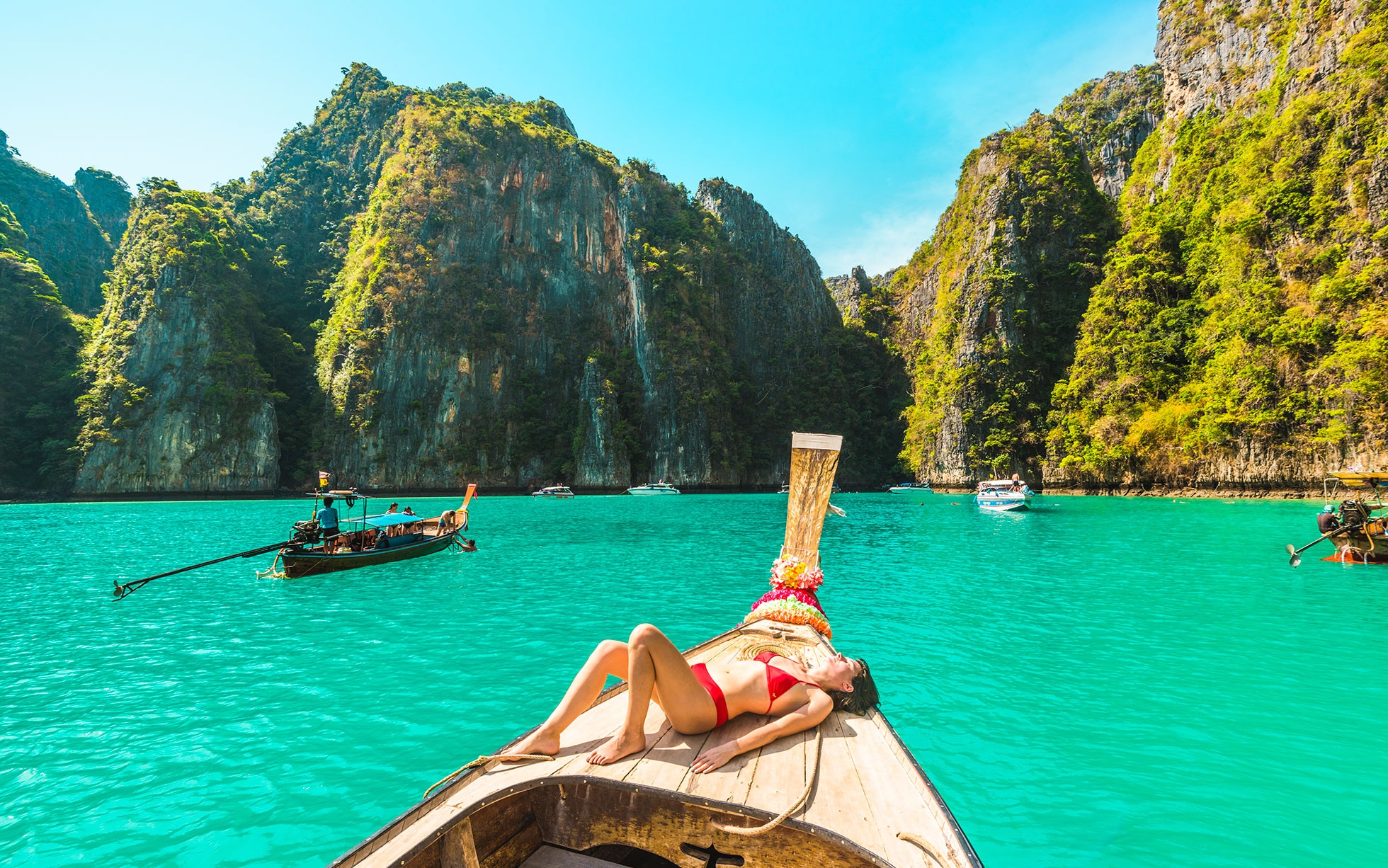
    Phi Phi Islands
    James Bond Island
    Coral Island
    Racha Island

    Booking these as all-inclusive tours helps save money.

    Spa & Massage

    Thai massages are famous worldwide—and very affordable in Phuket. Even if your resort doesn’t include spa access, local massage shops offer amazing prices.

    How to Save More in Phuket: Travel Hacks That Work

    Phuket can be as expensive or as affordable as you want. These saving tips help you enjoy an all-inclusive-style trip without spending extra.

    Travel During Shoulder Season

    November to early December and late April offer lower prices and fewer crowds.

    Choose Hotels with Breakfast Included

    This reduces your daily expenses by a big margin.

    Use Local Transport Instead of Taxis

    Phuket Smart Buses and tuk-tuks cost far less than taxis.

    Book Tours in Packages

    Island tours, snorkeling, and transfers become cheaper when booked together.

    Eat Local

    Street markets and small restaurants give you the best food at the best prices.

    Avoid Tourist Scams

    Overpriced taxis, pushy vendors, and fake tours can raise your budget unnecessarily.

    Sample 3-Day All-Inclusive Phuket Itinerary

    Day 1 – Beaches & Town

    Breakfast at resort
    Relax at Kata Beach
    Explore Old Phuket Town
    Dinner at a local night market

    Day 2 – Island Adventure

    Island hopping tour (Phi Phi or Racha Island)
    Snorkeling, beaches, buffet lunch included
    Evening massage near the resort

    Day 3 – Culture & Relaxation

    Visit Big Buddha
    Local Thai cooking class
    Sunset at Promthep Cape
    Dinner at resort or Patong

    Conclusion

    Phuket is a tropical paradise where you can easily enjoy an all-inclusive travel experience without overspending. With the right resort, smart dining choices, free attractions, cheap transportation, and budget-friendly tours, you’ll enjoy a luxurious, stress-free vacation at a fraction of the cost of similar destinations. Whether you want stunning beaches, delicious food, nightlife, or peaceful relaxation, Phuket delivers it all—and with smart planning, it becomes one of the world’s best-value all-inclusive destinations.

  • Travel Mistakes to Avoid: Tips From Frequent Flyers

    Travel Mistakes to Avoid: Tips From Frequent Flyers

    Traveling is exciting, but even experienced travelers make mistakes that can turn a great trip into a stressful one. Whether you’re flying for the first time or you travel often, learning from frequent flyers can help you save time, money, and unnecessary hassle. Here are the most common travel mistakes to avoid for a smooth and enjoyable journey.

    Overpacking Instead of Packing Smart

    One of the most common mistakes is carrying more than you need. Overpacking leads to extra luggage fees and the hassle of dragging heavy bags everywhere. Frequent travelers recommend choosing versatile outfits, using packing cubes, and carrying only essential items to keep your luggage light and manageable.

    Skipping Travel Insurance

    Many travelers assume nothing will go wrong, so they skip travel insurance. But unexpected medical emergencies, lost luggage, trip cancellations, and delays can happen anytime. Travel insurance is a small investment that can save you from big losses during your trip.

    Reaching the Airport Too Late

    Arriving late creates unnecessary stress, especially during busy travel seasons. Frequent flyers always reach 2–3 hours early for international flights and at least 1–1.5 hours early for domestic ones. This ensures smooth check-in, security clearance, and a relaxed travel experience.

    Not Checking Visa and Entry Rules Properly

    Every country has different entry rules. Some require pre-approved visas, certain vaccination certificates, or specific travel documents. Assuming visa-on-arrival is available everywhere is a major mistake. Always check visa requirements and passport validity before booking your trip.

    Forgetting to Organize Important Documents

    Misplacing or forgetting essential documents like a passport, ID, or boarding pass can ruin your trip instantly. Frequent travelers keep digital copies stored securely on their phones and cloud services. Physical documents should always be kept in one organized folder for quick access.

    Ignoring Local Transportation Options

    Relying only on taxis or private cabs is expensive and can limit your experience. Local transportation—metros, buses, trams—helps you save money and explore like a local. Many frequent flyers research public transport routes beforehand for convenience.

    Poor Planning of Currency Exchange

    Exchanging money at airports often means higher rates and extra charges. A smarter option is to use ATMs abroad, compare rates online, or use a forex card. Planning your currency beforehand helps you avoid unnecessary losses.

    Conclusion

    A great trip depends on smart planning and avoiding common travel mistakes. Frequent flyers emphasize packing light, checking travel requirements, arriving early, and managing money wisely. With the right preparation and awareness, you can enjoy smoother, safer, and more memorable travels anywhere in the world.

  • The Ultimate Guide to Digital Nomad Travel in 2025

    The Ultimate Guide to Digital Nomad Travel in 2025

    If you dream of working online while exploring the world, 2025 is one of the best years to become a digital nomad. Remote work has become mainstream, coworking spaces exist everywhere, and many countries now offer digital-nomad visas. This guide covers everything you need to know—best destinations, cost of living, safety, internet quality, visas, budgeting tips, and more—to help you plan your perfect work-and-travel lifestyle.

    Best Countries for Digital Nomads in 2025

    Choosing the right destination is the biggest decision. You need strong Wi-Fi, affordable living, a safe environment, and a vibrant community of remote workers.

    Portugal

    Portugal remains one of the top digital nomad hubs because it offers affordable living, great weather, high-speed internet, and an active international community. Cities like Lisbon, Porto, and Madeira are packed with coworking spaces and budget-friendly hostels.

    Thailand

    Bangkok, Phuket, and Chiang Mai are favorites among remote workers thanks to low living costs, amazing food, and reliable internet. Thailand also has a thriving digital nomad community, making it easy to network, meet people, and settle quickly.

    Mexico

    Cities like Mexico City, Playa del Carmen, Tulum, and Oaxaca have become remote-work hotspots. Mexico is affordable, culturally rich, and very welcoming. Many nomads choose it for long-term stays due to the easy visa policy and sunny weather.

    Georgia

    Georgia’s capital, Tbilisi, offers a low cost of living, friendly locals, and a simple visa process. You can stay for up to a year visa-free, making it one of the best choices for slow travelers.

    How Much Does the Digital Nomad Lifestyle Cost?

    One of the biggest advantages of being a digital nomad is cost flexibility. You can choose destinations that match your budget.

    Low-Budget Destinations ($700–$1,200/month)

    • Vietnam
    • Thailand
    • Indonesia (Bali)
    • Cambodia
    • The Philippines

    Mid-Budget Destinations ($1,500–$2,500/month)

    • Mexico
    • Portugal
    • Turkey
    • Spain
    • Malaysia

    High-Budget Destinations ($3,000+/month)

    • Singapore
    • South Korea
    • Japan
    • Dubai
    • Australia

    Digital Nomad Visa Options for 2025

    Many countries now welcome remote workers with special visas:

    • Portugal D7 Visa – great for freelancers
    • Spain Digital Nomad Visa – long stay allowed
    • Greece Digital Nomad Visa – simple process
    • Malaysia DE Rantau Visa – perfect for tech professionals
    • UAE Remote Work Visa – strong infrastructure

    These visas make long-term stays easier and safer for remote workers.

    Internet, Workspaces & Connectivity

    For digital nomads, internet reliability is non-negotiable. The top countries for strong connectivity in 2025 include:

    • South Korea
    • Singapore
    • Portugal
    • UAE
    • Japan
    • Thailand

    Coworking spaces are also booming worldwide. Popular options:

    • WeWork
    • Impact Hub
    • Selina CoWork
    • Regus

    These offer stable Wi-Fi, community events, networking opportunities, and flexible passes.

    What to Pack as a Digital Nomad

    Avoid overpacking. You’ll move around a lot.

    Pack essentials like:

    • Lightweight laptop
    • Universal travel adapter
    • Noise-canceling headphones
    • Portable Wi-Fi device
    • Backup hard drive
    • Comfortable everyday clothing
    • Basic first aid kit

    Choose a carry-on backpack instead of heavy luggage for easier travel.

    Safety Tips for Digital Nomads

    While traveling the world is exciting, safety should always come first.

    Follow these tips:

    • Always work from secure Wi-Fi networks
    • Keep digital backups
    • Use VPN for online security
    • Choose safe neighborhoods for your stay
    • Avoid sharing travel plans publicly
    • Use travel insurance

    For women digital nomads, destinations like Portugal, Japan, Canada, Finland, and Singapore are extremely safe.

    How to Find Cheap Long-Term Stays

    Digital nomads usually avoid hotels and choose cheaper, flexible options.

    Some reliable platforms:

    • Airbnb monthly stays
    • Hostelworld private rooms
    • Booking.com apartments
    • Facebook expat groups
    • Coliving spaces like Outsite, Selina, and NomadX

    Stay longer in one place to save even more money—long-term rates are usually 40–60% cheaper.

    Making Money as a Digital Nomad

    You don’t need an office job to travel. Many nomads earn money through:

    • Freelancing (design, writing, ads management, web development)
    • Remote corporate jobs
    • Virtual assistant work
    • Affiliate marketing
    • YouTube or blogging
    • Social media management
    • Online coaching or consulting
    • E-commerce and dropshipping

    The more skills you build, the more freedom you get.

    Final Thoughts

    The digital nomad lifestyle in 2025 is no longer just a trend—it’s a global movement. With more countries offering remote-work visas, better travel infrastructure, safer destinations, and affordable living options, almost anyone can start this lifestyle. Whether you want beaches, mountains, modern cities, or off-beat towns, there’s a perfect remote-work destination waiting for you.

  • Perfect Week in Bali: Beaches, Temples, and Hidden Gems

    Perfect Week in Bali: Beaches, Temples, and Hidden Gems

    Bali is a tropical paradise known for its stunning beaches, lush landscapes, vibrant culture, and hidden gems waiting to be discovered. Planning a week in Bali ensures you can experience a mix of relaxation, adventure, and cultural immersion. From serene temples to lively beach towns, this itinerary helps travelers explore the best of Bali without missing out on its unique charm.

    Day 1: Arrival and Seminyak Exploration

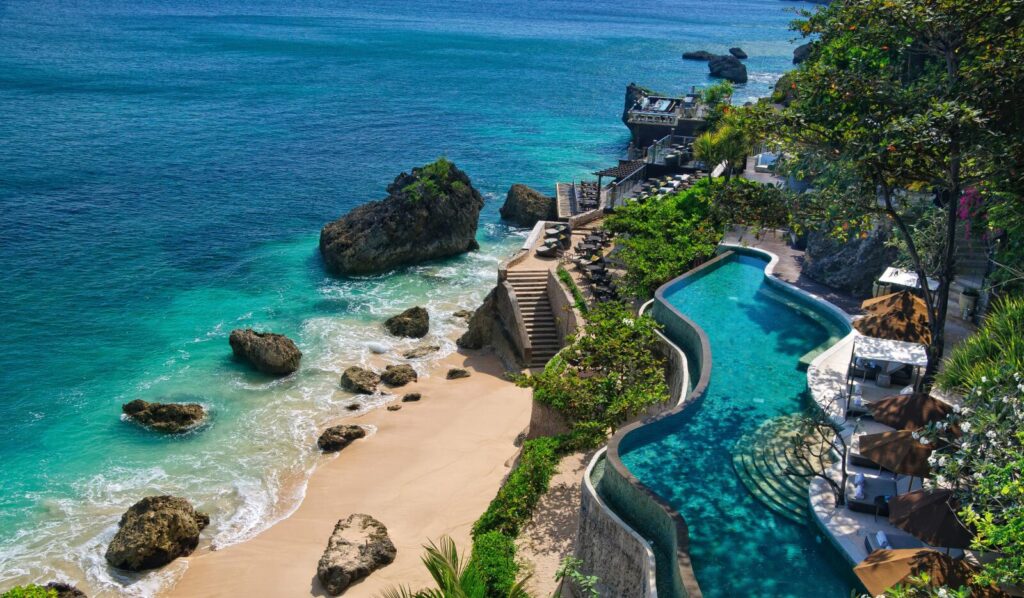
    Arrive in Bali and settle into your hotel in Seminyak, a trendy area with beachfront resorts, cafes, and shopping. Spend the evening exploring Seminyak Beach, enjoying sunset views, and dining at a local seafood restaurant. This first day allows you to acclimate and soak in Bali’s tropical vibe.

    Day 2: Uluwatu and Jimbaran Beaches

    Head south to Uluwatu to explore Uluwatu Temple perched on cliffs overlooking the ocean. Enjoy the traditional Kecak dance performance in the evening. Afterwards, relax at Jimbaran Beach and savor fresh seafood dinner on the sand. This combination of cultural and coastal experiences provides a perfect introduction to southern Bali.

    Day 3: Ubud’s Temples and Rice Terraces

    Travel to Ubud to immerse yourself in Bali’s cultural heart. Visit the Sacred Monkey Forest Sanctuary, Tegalalang Rice Terraces, and Tirta Empul Temple for a mix of nature and spirituality. In the evening, explore Ubud Market and try local Balinese dishes such as Babi Guling (roast pork). Ubud offers a balance of traditional culture and scenic beauty.

    Day 4: Adventure in North Bali

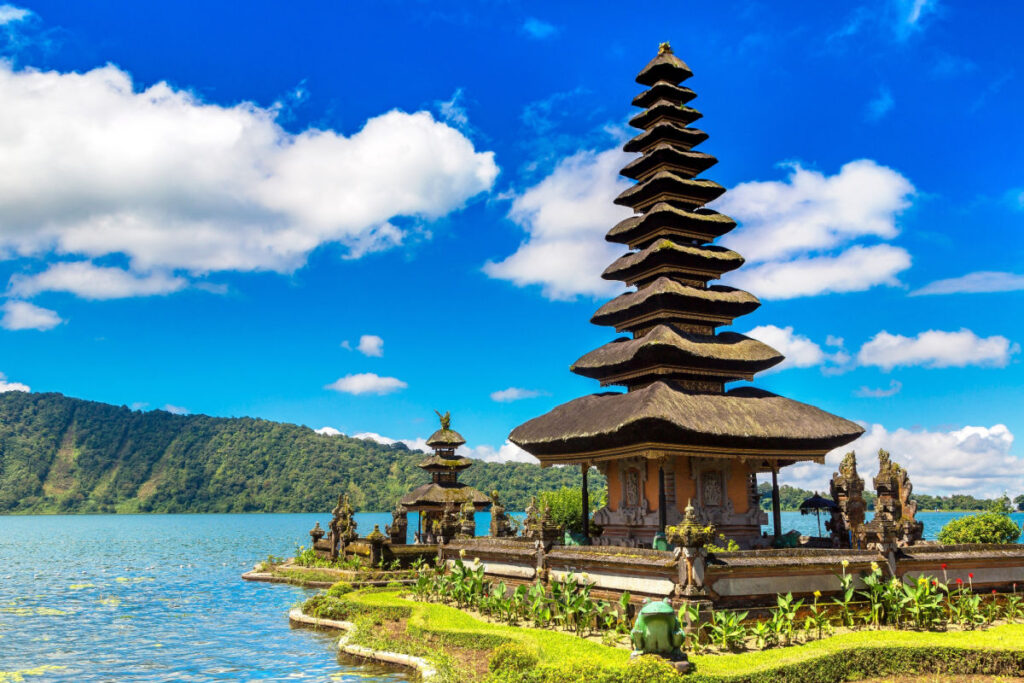
    Explore the northern part of Bali, including waterfalls like Sekumpul or Gitgit. Visit Ulun Danu Beratan Temple, a picturesque temple on Lake Beratan. If time allows, relax at Lovina Beach, known for its calm waters and dolphin sightings. North Bali provides a quieter, off-the-beaten-path experience away from crowded tourist areas.

    Day 5: Nusa Islands Day Trip

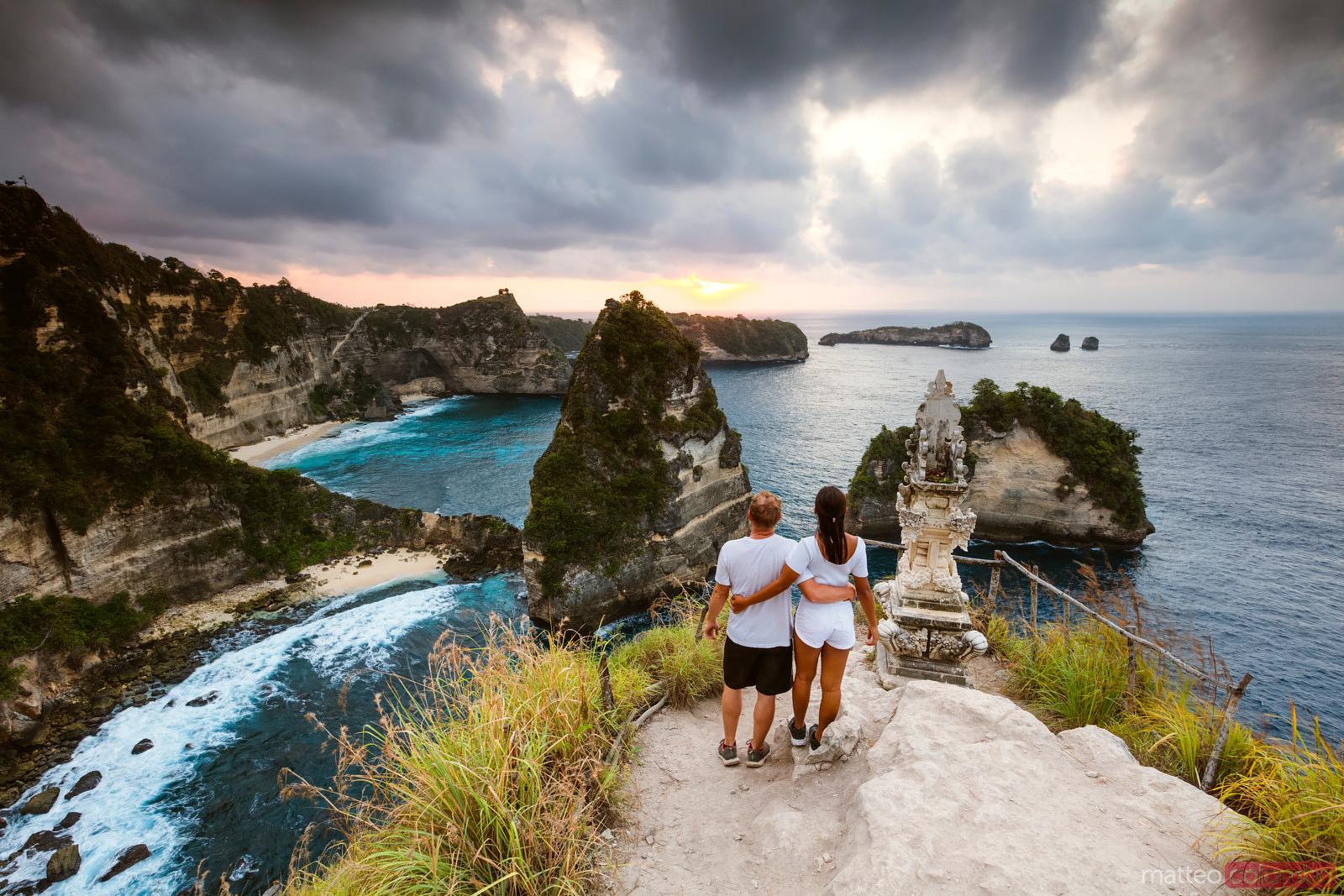
    Take a day trip to Nusa Penida or Nusa Lembongan for pristine beaches, cliff viewpoints, and snorkeling opportunities. Highlights include Kelingking Beach, Angel’s Billabong, and Crystal Bay. These islands showcase Bali’s natural beauty and are perfect for adventurous travelers looking to escape the mainland crowds.

    Day 6: Cultural Experiences and Spa Day

    Return to central Bali for cultural experiences such as Balinese cooking classes or traditional dance workshops. In the afternoon, indulge in a relaxing spa session with a Balinese massage, which is a signature experience for many visitors. Evenings can be spent strolling through artisan villages or enjoying a romantic dinner in Ubud.

    Day 7: Beach Relaxation and Departure

    Spend your final day unwinding at your preferred beach, such as Seminyak or Canggu. Enjoy water activities, sunbathing, or surfing lessons. Savor a farewell lunch with tropical views before heading to the airport. This final day ensures a peaceful end to a week filled with exploration and adventure.

    Tips for a Smooth Bali Trip

    • Book accommodations in advance: Popular areas fill up quickly, especially in peak season.
    • Rent a scooter or hire a driver: This makes exploring easier and more flexible.
    • Stay hydrated and use sunscreen: Bali can be hot and humid, especially during outdoor activities.
    • Respect local customs: Temples require modest attire and respectful behavior.
    • Plan for traffic: Bali’s roads can be congested, so allow extra travel time between locations.

    Conclusion

    A perfect week in Bali balances beaches, temples, adventure, and cultural immersion. From Seminyak’s lively shores to Ubud’s serene landscapes and the hidden treasures of the Nusa Islands, this itinerary ensures travelers experience Bali’s best offerings. By following this plan, visitors can enjoy a memorable, stress-free, and well-rounded Balinese vacation that combines relaxation, exploration, and unforgettable experiences.

  • Best All-Inclusive Destinations in the World for Stress-Free Travel

    Best All-Inclusive Destinations in the World for Stress-Free Travel

    All-inclusive travel is designed for one simple goal: a holiday where you don’t have to plan every detail or worry about daily expenses. Choosing the right destination makes all the difference. Some places are naturally suited for all-inclusive experiences, offering better value, smoother logistics, and a more relaxing overall trip.

    This guide highlights the best all-inclusive destinations around the world where stress-free travel truly lives up to the promise. These destinations combine quality resorts, easy transportation, great weather, and experiences that don’t require constant planning.

    What Makes a Destination Ideal for All-Inclusive Travel

    Not every destination works well for all-inclusive vacations. The best ones are places where resorts are built around comfort, beaches or natural beauty are close by, and traveling outside the resort can be costly or time-consuming.

    Destinations that focus heavily on tourism infrastructure tend to offer better all-inclusive value. When resorts handle dining, entertainment, and activities efficiently, travelers can focus on relaxation instead of logistics.

    Mexico: The Global Leader in All-Inclusive Resorts

    Mexico remains one of the most popular all-inclusive destinations in the world, and for good reason. The country offers a massive range of resorts, from affordable family-friendly properties to luxury adults-only experiences.

    Well-developed resort areas make transportation easy, food quality consistently high, and service levels strong. The blend of beaches, culture, and value makes Mexico a top choice for travelers seeking stress-free vacations.

    Caribbean Islands: Effortless Beach Escapes

    The Caribbean is built for all-inclusive travel. Many islands rely heavily on resort tourism, which means resorts are designed to provide everything travelers need on-site.

    Calm beaches, clear waters, and compact island layouts reduce the need for complex planning. All-inclusive resorts in the Caribbean often include water sports, entertainment, and dining that feels tailored to leisure-focused travelers.

    Dominican Republic: High Value and Wide Choices

    The Dominican Republic is known for offering some of the best value all-inclusive resorts in the Caribbean. Large beachfront properties, extensive dining options, and family-friendly amenities make it especially appealing.

    Resorts here often operate like self-contained vacation villages, allowing travelers to enjoy long stays without ever needing to leave the property. This makes it ideal for those who prioritize relaxation and convenience.

    Turkey: Cultural Depth Meets All-Inclusive Luxury

    Turkey offers a unique all-inclusive experience that blends luxury with history. Coastal resort regions are famous for large-scale resorts that include gourmet dining, wellness facilities, and entertainment.

    What sets Turkey apart is the combination of cultural experiences and resort comfort. Travelers can enjoy spa treatments and beach days while still accessing historic sites and local cuisine through organized excursions.

    Maldives: Ultimate All-Inclusive Escape

    The Maldives is one of the best destinations in the world for all-inclusive travel, especially for travelers seeking privacy and luxury. Resorts are located on private islands, making independent travel impractical.

    All-inclusive packages here often cover meals, drinks, water activities, and transfers, eliminating surprises. This structure allows travelers to fully relax in a remote paradise without worrying about daily expenses.

    Thailand: Affordable Luxury With Flexibility

    Thailand offers a different style of all-inclusive travel. While not every resort operates on a traditional all-inclusive model, many luxury resorts provide packages that cover meals, experiences, and wellness activities.

    Thailand works well for travelers who want a balance between resort relaxation and cultural exploration. All-inclusive-style packages here often provide excellent value compared to similar experiences elsewhere.

    Spain: Relaxed European All-Inclusive Holidays

    Spain’s coastal regions are ideal for all-inclusive travel, especially for travelers who want European culture with minimal effort. Resorts are well-connected and designed for comfort, entertainment, and dining.

    Spain’s all-inclusive resorts often cater to couples and families seeking warm weather, beaches, and simple itineraries without sacrificing food quality or atmosphere.

    Who Benefits Most From These Destinations

    These all-inclusive destinations are best for travelers who want predictable costs, minimal planning, and a slower pace. Families benefit from included meals and activities, while couples enjoy stress-free romantic escapes.

    First-time international travelers also find these destinations easier to navigate, as resorts handle most logistics and language barriers.

    How to Choose the Right Destination for Your Travel Style

    Start by deciding what matters most to you. If privacy and luxury are your priorities, remote island destinations work best. If value and variety matter more, resort-focused regions with competition between properties offer better deals.

    Climate, flight duration, and resort size also play a major role in satisfaction. Matching the destination to your expectations ensures the experience feels effortless rather than limiting.

    Common Mistakes When Booking All-Inclusive Destinations

    One common mistake is choosing a destination that doesn’t align with your interests. Booking an all-inclusive resort in a culture-rich city often leads to frustration.

    Another mistake is ignoring resort scale. Large resorts offer variety but can feel crowded, while smaller resorts provide intimacy but fewer options. Understanding this balance avoids disappointment.

    Conclusion

    The best all-inclusive destinations in the world are those designed around comfort, simplicity, and experience quality. When chosen carefully, these destinations deliver exactly what all-inclusive travel promises: relaxation without stress, predictable costs, and memorable experiences.

    By selecting destinations where the all-inclusive model truly works, travelers can enjoy holidays that feel effortless from arrival to departure. If relaxation is your goal, the right destination makes all the difference.

  • How to Score Free Upgrades on Flights, Hotels, and Cruises

    How to Score Free Upgrades on Flights, Hotels, and Cruises

    Everyone loves a free upgrade—whether it’s a flight seat that suddenly becomes more spacious, a hotel room that transforms into a suite, or a cruise cabin that offers a better view. Free upgrades can elevate your travel experience without adding extra cost, but they don’t happen randomly. In 2025, travel companies rely more on data, loyalty programs, and booking trends to decide who gets priority treatment. With the right strategies, timing, and travel-smart behavior, you can significantly improve your chances of being upgraded. Here’s how to get those complimentary perks across flights, hotels, and cruises.

    Join Loyalty Programs Even If You Travel Occasionally

    Loyalty programs are the strongest upgrade boosters in today’s travel world. Airlines, hotels, and cruise companies prioritize upgrades for members, even at entry-level tiers. You don’t need elite status to be considered—just being part of the program increases your chances. Points accumulation, digital profiles, and membership numbers help companies track your activity and reward you with unexpected perks. Signing up is free and takes seconds, yet offers long-term benefits every time you travel.

    Book Direct Instead of Using Third-Party Platforms

    Companies are more likely to upgrade travelers who book directly through their websites or mobile apps. Direct bookings save business costs and give them more flexibility for customer rewards. When you use OTAs or third-party platforms, you are often considered a low-priority guest because commissions are involved. By booking directly, you not only access better support but also become eligible for exclusive upgrade offers.

    Travel During Off-Peak Times or Midweek

    Upgrades are more common when flights and hotels have lower occupancy. Traveling during weekdays, slower months, or off-season periods dramatically increases your chances. A hotel that is 70% full is far more likely to offer free room upgrades compared to one operating at high capacity. Similarly, midweek flights with empty premium seats are perfect opportunities for surprise upgrades. Planning smart timing can make a big difference.

    Dress Presentably and Be Polite When Asking

    Although appearance alone won’t guarantee an upgrade, being well-presented helps create a positive impression. Staff members are more likely to assist polite, friendly, respectful travelers than those who are demanding. A simple, confident request like “Are there any complimentary upgrades available today?” can work surprisingly well. Kindness and charm go a long way in the hospitality industry.

    Use Credit Cards With Travel Privileges

    Many travel credit cards offer complimentary upgrades, priority boarding, hotel room category upgrades, lounge access, and cruise perks. Cards that partner with major airlines and hotel chains often include elite-like benefits even without meeting membership requirements. These cards also offer reward points that can be redeemed for upgraded seats or premium rooms. Using the right card during booking boosts your upgrade potential instantly.

    Arrive Early or Very Late for Check-In

    Timing matters. Arriving early allows you to secure premium seats or better rooms before they’re assigned. On the other hand, arriving later may result in being upgraded if standard rooms or seats are fully booked. Cruise lines sometimes upgrade passengers last-minute to balance ship occupancy. Being flexible with check-in times can create unexpected upgrade opportunities.

    Special Occasions and Celebrations Work in Your Favor

    Hotels and cruise lines especially love to make special moments memorable. If you’re celebrating a honeymoon, anniversary, birthday, or engagement, mentioning it politely during check-in can increase your chances. Staff often want to delight guests celebrating important life events, and an upgrade is the easiest way they can do that. Be honest, humble, and appreciative.

    Conclusion

    Scoring free upgrades isn’t about luck—it’s a combination of strategy, timing, loyalty, and respectful communication. By joining loyalty programs, booking directly, choosing the right travel times, using travel-friendly credit cards, and presenting yourself well, you increase your chances of enjoying premium experiences without extra expense. Whether you’re flying, cruising, or staying at a hotel, these insider hacks give you a real advantage in 2025. With the right approach, your next trip may come with a better seat, a bigger room, or a more luxurious cabin—all for free.

  • 10-Day Japan Itinerary for First-Time Travelers: Tokyo, Kyoto, Osaka & Day Trips

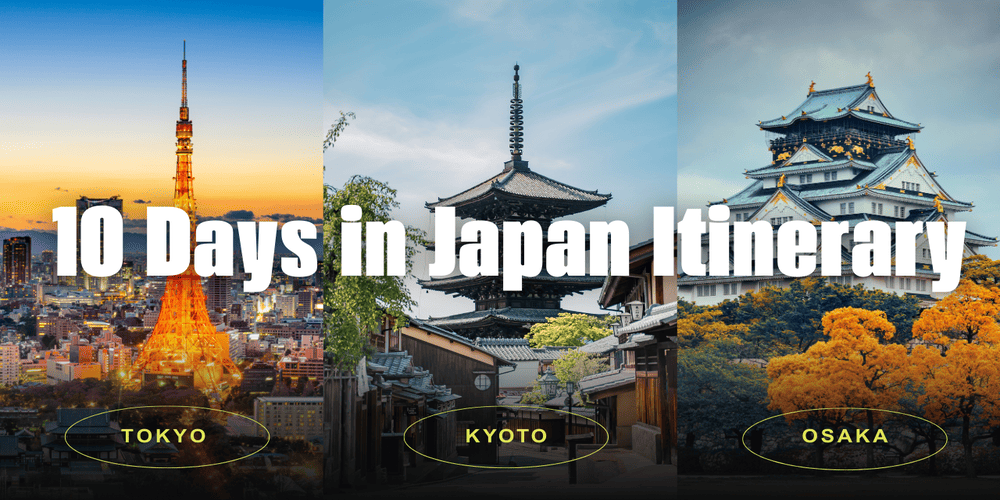
    10-Day Japan Itinerary for First-Time Travelers: Tokyo, Kyoto, Osaka & Day Trips

    Japan is one of the most fascinating countries in the world, blending ancient traditions with cutting-edge modern life. For first-time visitors, planning a Japan trip can feel overwhelming because there is so much to see and experience. This 10-day Japan itinerary is designed to help you explore Tokyo, Kyoto, and Osaka, along with carefully chosen day trips, without feeling rushed or exhausted.

    This plan focuses on culture, food, iconic landmarks, and smooth transportation so you can enjoy Japan at a comfortable and rewarding pace.

    Why This 10-Day Japan Itinerary Is Ideal for First-Time Visitors

    Ten days is the perfect amount of time to experience Japan’s highlights without constant packing and long travel days. Tokyo offers modern city life, Kyoto showcases traditional Japan, and Osaka brings vibrant street food and nightlife. Day trips add depth without requiring hotel changes.

    Japan’s excellent rail system makes travel efficient, predictable, and stress-free, even for travelers visiting the country for the first time.

    Day 1: Arrival in Tokyo and Easy Exploration

    Arrive in Tokyo and check into your hotel, ideally in areas like Shinjuku, Shibuya, or Ginza for convenience. After a long flight, keep the day light and focus on adjusting to the time zone.

    Take an evening walk to explore your neighborhood, enjoy your first Japanese meal, and experience the city’s neon-lit streets. Convenience stores, ramen shops, and casual eateries make it easy to eat well without planning.

    Day 2: Tokyo Highlights and City Life

    Spend your day exploring Tokyo’s iconic districts. Visit Shibuya to see the famous crossing and explore nearby shopping streets. Head to Harajuku to experience youth culture and visit Meiji Shrine, a peaceful green space in the heart of the city.

    In the afternoon, explore Shinjuku, including observation decks for city views. Tokyo’s energy is best experienced by walking and discovering hidden streets, cafes, and local shops.

    Day 3: Traditional Tokyo and Cultural Experiences

    Dedicate this day to Tokyo’s traditional side. Visit Asakusa to see Senso-ji Temple and walk along Nakamise Street for local snacks and souvenirs. Take a river cruise or enjoy views along the Sumida River.

    In the afternoon, explore Ueno Park or nearby museums, depending on your interests. End the day in Akihabara or Ginza, depending on whether you prefer electronics and pop culture or upscale shopping and dining.

    Day 4: Day Trip to Nikko or Hakone

    Take a day trip outside Tokyo to experience nature and history. Nikko offers stunning shrines, forested mountains, and cultural landmarks, while Hakone provides hot springs and views of Mount Fuji on clear days.

    Both destinations are easily accessible by train and provide a refreshing contrast to Tokyo’s fast pace. Return to Tokyo in the evening for your final night in the city.

    Day 5: Travel to Kyoto and Evening Stroll

    Take the Shinkansen from Tokyo to Kyoto, a smooth journey of around 2.5 hours. Upon arrival, check into your hotel and enjoy a relaxed afternoon.

    Explore the Gion district in the evening, known for traditional wooden houses, lantern-lit streets, and historic charm. This slower pace helps you transition from modern Tokyo to traditional Kyoto.

    Day 6: Kyoto’s Temples and Historic Areas

    Spend the day visiting Kyoto’s most iconic landmarks. Start with Kinkaku-ji, the Golden Pavilion, followed by Ryoan-ji and its famous rock garden. These sites offer insight into Japan’s Zen traditions.

    In the afternoon, explore Arashiyama, including the bamboo grove and nearby temples. Walking slowly and taking in the surroundings is the best way to enjoy Kyoto’s peaceful atmosphere.

    Day 7: Fushimi Inari and Local Kyoto Experiences

    Visit Fushimi Inari Shrine early in the morning to walk through its famous torii gates without crowds. You can hike part of the trail or enjoy the lower sections at a relaxed pace.

    Spend the afternoon exploring local neighborhoods, tea houses, or traditional craft shops. Consider attending a tea ceremony or simply relaxing along the Kamogawa River.

    Day 8: Travel to Osaka and City Exploration

    Travel from Kyoto to Osaka, a short journey of about 30 minutes by train. Check into your hotel and start exploring the city.

    Visit Osaka Castle and its surrounding park, then head to Dotonbori in the evening. Osaka is known for its street food culture, so try local favorites and enjoy the lively atmosphere.

    Day 9: Day Trip to Nara or Kobe

    Use this day for a nearby day trip. Nara is famous for its free-roaming deer, large temples, and relaxed pace. Kobe offers scenic harbor views and renowned cuisine.

    Both destinations are easy to reach from Osaka and add variety to your itinerary without additional hotel changes. Return to Osaka in the evening for your final night.

    Day 10: Final Shopping and Departure

    Spend your final day shopping for souvenirs or revisiting favorite areas. Osaka offers great shopping districts, while Kyoto and Tokyo both provide unique gifts and local products.

    Depending on your flight schedule, head to the airport using Japan’s efficient transport system, which makes departures smooth and reliable.

    Best Time to Follow This Japan Itinerary

    Spring and autumn are the best seasons for this itinerary, offering comfortable weather and scenic beauty. Cherry blossom season in spring and colorful foliage in autumn add an extra layer of magic to the trip.

    Summer is lively but hot, while winter offers fewer crowds and beautiful snowy landscapes in certain regions.

    Getting Around Japan Easily

    Japan’s transportation system is one of the best in the world. High-speed trains, local rail lines, and subways are reliable and well-marked in English.

    Using a rail pass or pre-booking major train journeys helps save time and money. Walking is also one of the best ways to explore cities like Kyoto and Tokyo.

    Tips for First-Time Travelers in Japan

    Carry cash for smaller shops, respect local customs, and follow signage carefully in stations. Japan is safe, clean, and welcoming, making it ideal for first-time international travelers.

    Allow time for rest and spontaneity. Some of the best moments in Japan come from unplanned discoveries.

    Conclusion

    This 10-day Japan itinerary offers the perfect balance of modern cities, traditional culture, and scenic day trips for first-time travelers. By combining Tokyo, Kyoto, and Osaka with carefully chosen excursions, you experience the true diversity of Japan without feeling rushed. With thoughtful planning and an open mindset, this journey becomes an unforgettable introduction to one of the world’s most captivating countries.

  • Eco-Friendly Travel: How to Explore the World Sustainably

    Eco-Friendly Travel: How to Explore the World Sustainably

    Traveling is one of life’s greatest joys, but it also comes with environmental responsibilities. Eco-friendly travel, also called sustainable travel, allows adventurers to explore the world while minimizing their impact on the environment and supporting local communities. With climate change and overtourism becoming critical issues, sustainable travel has never been more important. This guide helps travelers understand how to reduce their footprint, make conscious choices, and enjoy enriching experiences without harming the planet.

    Understanding Eco-Friendly Travel

    Eco-friendly travel focuses on minimizing environmental damage, preserving natural habitats, and supporting local cultures. It includes making mindful decisions about transportation, accommodations, dining, and activities. Sustainable travel doesn’t require sacrificing comfort—it’s about choosing options that reduce carbon emissions, promote conservation, and respect the communities you visit.

    Choose Sustainable Accommodation

    Where you stay has a significant impact on the environment. Look for eco-friendly hotels, lodges, or hostels that use renewable energy, practice water and waste management, and source food locally. Many properties are certified for sustainable practices, such as Green Key or EarthCheck. Eco-lodges often provide immersive experiences, like guided nature walks, community tours, and educational programs about local ecosystems.

    Travel Responsibly

    Transportation is a major contributor to carbon emissions. Minimize air travel when possible and choose trains, buses, or carpooling for shorter distances. When flying is necessary, offset your carbon footprint through verified programs. While exploring destinations, walk or cycle whenever feasible. Using public transport not only reduces environmental impact but also allows travelers to connect with local life in an authentic way.

    Support Local Communities

    Sustainable travel also includes supporting local economies. Choose locally-owned accommodations, restaurants, and shops over international chains. Buy handicrafts directly from artisans and participate in cultural experiences run by local communities. Responsible tipping and respectful engagement help ensure that tourism benefits the people who live in the area.

    Reduce Waste and Plastic Use

    Minimizing waste is crucial for eco-conscious travelers. Carry reusable water bottles, utensils, shopping bags, and containers. Avoid single-use plastics and disposable items commonly found in tourist hotspots. Participate in local recycling programs when available. Small changes, like using refillable bottles or bringing eco-friendly toiletries, can collectively make a significant difference.

    Practice Mindful Wildlife Tourism

    Encountering wildlife can be a highlight of travel, but it must be done responsibly. Choose wildlife experiences that prioritize animal welfare and conservation. Avoid attractions that exploit animals for entertainment, such as elephant rides or photos with sedated animals. National parks, sanctuaries, and ethical wildlife tours offer safe and respectful ways to experience nature while contributing to conservation efforts.

    Conserve Energy and Water

    Being conscious of energy and water usage helps reduce your environmental footprint. Turn off lights, unplug electronics, and take shorter showers when staying in hotels or guesthouses. Choosing eco-certified properties often means better energy efficiency and water-saving systems. Even small actions contribute to sustainability and set an example for other travelers.

    Educate Yourself and Others

    A significant part of eco-friendly travel is awareness. Learn about the local environment, culture, and conservation efforts before and during your trip. Share your experiences to inspire other travelers to adopt sustainable practices. Understanding the impact of tourism on communities and ecosystems encourages responsible decision-making and long-term positive effects.

    The Benefits of Eco-Friendly Travel

    Sustainable travel enhances your experience by connecting you to authentic local cultures and environments. You enjoy nature, heritage, and local life while ensuring future generations can do the same. Eco-friendly travel also encourages slower, more mindful exploration, leading to more meaningful experiences and lasting memories.

    Conclusion

    Exploring the world sustainably doesn’t mean compromising your adventure or comfort. Eco-friendly travel allows you to minimize your footprint, support communities, and protect natural habitats while enjoying unforgettable experiences. By making conscious choices in transportation, accommodation, dining, and activities, you can travel responsibly in 2025 and beyond. Every small action contributes to a larger impact, ensuring that the places we love to explore remain vibrant and thriving for years to come.