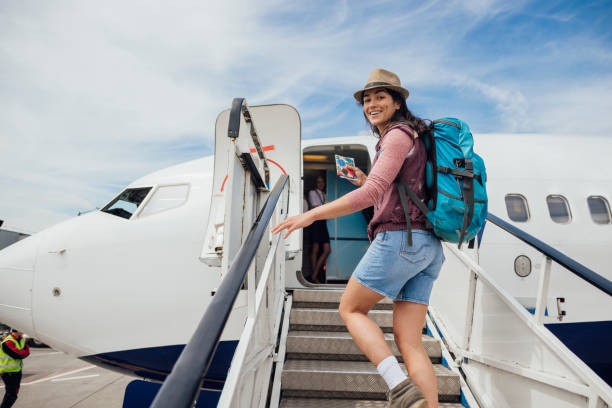
If you’ve ever wondered how frequent flyers travel so effortlessly—saving money, skipping airport chaos, and avoiding the stress most travelers deal with—their secret lies in smart planning and proven travel hacks. Frequent flyers know how to use technology, timing, and strategy to make every trip smoother and cheaper. Whether you travel once a year or every month, these expert tips will help you fly like a pro in 2026 and beyond.
Book Flights at the Right Time for Maximum Savings
Finding cheap flights isn’t luck—it’s timing. Frequent flyers know that flight prices follow patterns, and booking during the right window can save hundreds. The best time to book most international flights is usually 6–8 weeks before travel, while last-minute deals appear for midweek departures. Tools like Google Flights, Skyscanner, and Hopper help track price drops and predict when fares will rise. Using “flexible dates” rather than fixed days can reduce your ticket cost dramatically. Small adjustments—flying Tuesday instead of Friday, morning instead of evening—often unlock the biggest savings.
Always Fly With Carry-On Only
One of the simplest yet most powerful travel hacks is avoiding checked luggage. Carry-on travel saves money, reduces airport stress, and eliminates the risk of lost baggage. Frequent flyers use lightweight bags, packing cubes, and capsule wardrobes to fit everything into a carry-on. Airlines now charge premium fees for checked bags, especially on international flights. By packing smart, you skip check-in lines, avoid waiting at baggage claim, and move through airports faster. Minimal luggage also gives you more flexibility if you need to change flights or rebook during delays.
Use Airport Priority Lanes Without Buying Business Class
You don’t need business-class tickets to skip airport lines. Frequent flyers use memberships and smart hacks to breeze through security and immigration. Programs like Global Entry, TSA PreCheck, and CLEAR reduce waiting time dramatically. Many travel credit cards offer these memberships for free. Even airport “Fast Track” services at major international hubs can be extremely affordable. Another insider trick is choosing smaller terminals or secondary airports where security lines are shorter and check-in is faster. A little research helps you avoid the busiest routes and terminal bottlenecks.
Join Loyalty Programs Even If You Don’t Fly Often
Many travelers assume loyalty programs only benefit frequent fliers, but even occasional travelers can earn perks. Joining an airline’s loyalty program gives you access to:
– Free seat selection
– Priority boarding
– Lounge day passes
– Bonus miles
– Discounts on partner hotels and car rentals
Frequent flyers maximize rewards by sticking to one or two airline alliances, allowing them to accumulate points faster. These points can be redeemed for free flights, upgrades, and hotel stays, making future trips significantly cheaper. If you pay for flights anyway, you might as well earn something from every booking.
Pack a “Flight Survival Kit” for Long Hauls
Experienced travelers always carry a personal “flight survival kit” with essentials that turn long flights into comfortable journeys. Include noise-canceling headphones, an eye mask, water bottle, moisturizer, chargers, power bank, neck pillow, and snacks. These items reduce fatigue, improve comfort, and help you arrive refreshed. Frequent flyers also recommend downloading movies, offline maps, and entertainment before takeoff to avoid relying on unstable airplane Wi-Fi. Being prepared turns long-haul flights from tiring to enjoyable.
Use Flight Alerts & Price Monitoring Tools
Instead of searching manually every day, frequent flyers let technology find deals for them. Apps and websites like Skyscanner, Kayak, Omio, and Google Flights allow you to set price alerts for specific destinations. These alerts notify you when prices drop so you can book instantly. Frequent flyers also use region-based alerts—like “cheapest flights to Europe this month”—to spot unexpected bargains. Price monitoring tools eliminate guesswork, helping you book at the lowest possible fare without spending hours comparing options.
Master Airport Lounge Access Without a Premium Ticket
Airport lounges are no longer reserved for business travelers. Frequent flyers access lounges through memberships, credit cards, or day passes. Lounges offer free meals, drinks, Wi-Fi, showers, and quiet spaces—turning stressful airport waits into relaxation time. Many lounges accept Pay-Per-Use entry, which is often cheaper than buying airport meals. If you travel often, cards like Priority Pass or lounge-inclusive travel credit cards can save hundreds each year. Lounges are especially valuable on long layovers, delays, or red-eye flights.
Choose the Best Seats Using Smart Tools
Using seat selection tools like SeatGuru helps frequent flyers avoid uncomfortable seats—such as those with limited recline, no window, or poor legroom. Early check-in increases your chance of securing premium economy or exit-row seats at no extra cost. Some airlines even allow free upgrades during online check-in when business class isn’t full. Choosing the right seat improves comfort, sleep quality, and overall travel experience, especially on international routes.
Travel at Non-Peak Hours to Skip Crowds
Frequent flyers avoid airports during peak times like Friday evenings, holiday mornings, and late-Monday rush hours. Instead, they choose off-peak timings:
– Early morning flights
– Midweek departures
– Post-lunch airport check-ins
These times mean shorter lines, cheaper fares, and fewer delays. Off-peak flying also increases the chance of empty rows, quieter cabins, and smoother boarding. If your schedule allows it, traveling during unpopular hours can transform your journey.
Use Local SIM Cards or eSIMs to Avoid Roaming Charges
Frequent flyers avoid expensive international roaming fees by using eSIMs like Airalo or buying local SIM cards at the airport. eSIMs activate instantly and cost far less than roaming packages. Staying connected helps with navigation, ride-hailing, and communication during your trip. Having data access also keeps travel stress-free and reduces the risk of getting lost or overspending.
Download Offline Maps, Tickets & Confirmations
One of the biggest travel stressors is losing internet access at the wrong moment. Frequent flyers prepare by downloading:
– Offline maps from Google Maps
– Boarding passes
– Hotel confirmations
– Train or bus tickets
– Travel guides
This ensures you never get stuck at immigration, at a train station, or in a new city without the documents you need. Offline access keeps your trip smooth and avoids unnecessary panic.
Conclusion
Traveling like a frequent flyer is not about spending more—it’s about traveling smarter. With the right hacks, you can save money, avoid lines, and enjoy a stress-free journey every time you fly. From carry-on packing and loyalty programs to flight alerts, lounges, and flexible timing, these insider strategies make every trip easier and more affordable. Whether you’re planning a last-minute getaway or a long-haul adventure, applying these travel hacks will help you travel with confidence, comfort, and maximum savings.