Blog

  • Most Underrated Countries That Deserve a Spot on Your Bucket List

    Most Underrated Countries That Deserve a Spot on Your Bucket List

    The world is full of breathtaking destinations, yet many incredible countries remain underexplored. While popular locations like Paris, Bali, or Dubai attract millions, these underrated countries offer authentic experiences, fewer crowds, affordable travel, and unforgettable moments. If you want to explore beyond the usual tourist spots, these destinations should top your bucket list in 2025.

    Georgia – Where Europe Meets Asia

    Nestled between Europe and Asia, Georgia is a paradise for history lovers, food enthusiasts, and adventure seekers. Tbilisi, the capital, boasts cobbled streets, colorful balconies, and vibrant markets. The wine region of Kakheti offers scenic vineyards and traditional wine-making experiences. Georgia’s landscapes range from lush valleys to rugged mountains, making it perfect for trekking, skiing, or simply soaking in nature. Affordable accommodation, delicious local cuisine, and friendly locals make it ideal for budget-conscious travelers.

    Albania – A Hidden Gem in the Balkans

    Albania offers pristine beaches, turquoise waters, and ancient ruins that rival its European neighbors. The Albanian Riviera, including towns like Dhërmi and Saranda, is stunning yet much less crowded than Greece or Croatia. Inland, travelers can explore mountains, lakes, and historical towns. Albania’s affordability makes it accessible for backpackers and long-term travelers seeking both relaxation and adventure. The combination of scenic landscapes and low costs makes it one of Europe’s best-kept secrets.

    Colombia – Vibrant Culture and Natural Beauty

    Colombia has emerged as one of South America’s most exciting destinations. Cities like Medellín, Cartagena, and Bogotá offer a mix of vibrant nightlife, colorful colonial architecture, and rich history. Beyond cities, the Coffee Region, Amazon rainforest, and Caribbean beaches offer natural wonders for explorers. Colombia’s cultural festivals, warm locals, and affordable travel options make it a must-visit country for those seeking a mix of culture, adventure, and relaxation.

    Sri Lanka – Tropical Paradise

    Sri Lanka may be small, but it’s packed with incredible experiences. From golden beaches in Mirissa and Unawatuna to tea plantations in Nuwara Eliya, this island nation offers diverse landscapes and cultural richness. Wildlife lovers can enjoy safaris in Yala National Park, while history enthusiasts can explore ancient cities like Anuradhapura and Sigiriya. Sri Lanka is budget-friendly, safe, and ideal for solo travelers, couples, and families alike, offering a perfect mix of adventure and relaxation.

    Slovenia – Alpine Beauty and Tranquility

    Slovenia is often overlooked for its bigger neighbors, Austria and Italy, yet it offers unmatched natural beauty. Lake Bled, with its emerald water and medieval castle, is a highlight for many travelers. Ljubljana, the charming capital, boasts pedestrian-friendly streets, riverside cafés, and artistic vibes. The Julian Alps provide opportunities for hiking, skiing, and exploring hidden lakes and caves. Slovenia’s serene environment, clean cities, and affordability make it perfect for slow travelers and nature enthusiasts.

    Jordan – Desert Landscapes and Ancient Wonders

    Jordan is home to some of the Middle East’s most iconic yet underrated attractions. Petra, the ancient rose city, is world-famous, but the country offers much more. The Wadi Rum desert, Dead Sea, and Aqaba beaches provide diverse landscapes. Jordanian culture, traditional hospitality, and local cuisine create an enriching experience for travelers seeking history and adventure combined. With guided tours and accessible accommodations, Jordan is a hidden gem for explorers.

    Laos – Serene and Peaceful Escape

    Laos is a peaceful, slow-paced destination that allows travelers to disconnect and immerse themselves in nature. Cities like Luang Prabang and Vang Vieng are known for waterfalls, temples, and riverside charm. The country’s unspoiled landscapes, affordable lodging, and minimal tourist crowds make it perfect for travelers who prefer authentic cultural experiences over busy tourist hubs. Laos offers tranquility, breathtaking scenery, and an opportunity to experience Southeast Asia in a slower, more mindful way.

    Oman – Undiscovered Middle Eastern Beauty

    Oman is a destination for those who love nature, mountains, and deserts. From the Hajar Mountains to the Wahiba Sands and pristine beaches, Oman offers a stunning mix of landscapes. Muscat, the capital, combines modernity with traditional culture, while smaller towns reveal the country’s rich history. Oman remains largely undiscovered by mass tourism, providing an authentic and serene experience for those who venture here. Its hospitality, natural beauty, and safety make it perfect for off-the-beaten-path travelers.

    Conclusion

    Underrated countries offer the best of travel without the crowds, high prices, or tourist traps. From the mountains of Georgia and Slovenia to the tropical beaches of Sri Lanka, the vibrant culture of Colombia, and the deserts of Jordan and Oman, these destinations provide unique experiences, affordability, and authentic connections. Choosing these hidden gems allows travelers to explore deeper, experience more, and create lasting memories. For your next trip in 2025, consider venturing off the beaten path and discovering the world’s best-kept secrets.

  • Why Slow Travel Is the Next Big Trend: A Complete Guide

    Why Slow Travel Is the Next Big Trend: A Complete Guide

    Slow travel is becoming one of the most powerful travel movements of 2025. As travelers move away from rushed itineraries and packed schedules, the desire to explore places deeply—not quickly—has taken over. Instead of hopping between five cities in five days, people now prefer staying longer, connecting with locals, understanding cultures, and experiencing destinations at a natural pace. Slow travel isn’t just a style of vacation; it is a mindset that focuses on meaningful experiences over fast consumption.

    What Is Slow Travel?

    Slow travel is an approach centered around immersing yourself in a destination rather than rushing through it. Instead of ticking tourist landmarks off a list, slow travelers choose to understand the place, its people, food, traditions, history, and everyday life. The idea is simple: the more time you give a place, the more it gives back. Slow travel emphasizes quality over quantity—fewer locations, deeper memories, more genuine experiences.

    Why Is Slow Travel Growing in 2025?

    Several global trends have made slow travel rise sharply in popularity. After years of fast-paced tourism, travelers are seeking balance, mindfulness, and authentic moments. Many people feel burnt out from chaotic travel styles where they return home feeling more exhausted than before they left. Digital nomadism, remote work, flexible schedules, and affordable long-term stays have also contributed. Sustainable tourism is another major driver; travelers now want eco-friendly, low-impact ways to explore the world. Together, these trends have pushed slow travel into the mainstream as one of the biggest movements of the year.

    More Meaningful Connections With Locals

    Slow travel allows deeper human connection. When you spend more time in a destination, you naturally interact with locals—shopkeepers, neighbors, café staff, hosts, and guides. You learn their stories, listen to their experiences, and see the place through their eyes. These interactions often become the most memorable parts of a trip. Slow travelers often join cooking classes, volunteer projects, local markets, art workshops, or community events, giving them a personal connection to the culture that quick tourism can never match.

    Better for Your Mental Health

    Modern life is filled with deadlines, stress, and screens. Slow travel gives your mind space to breathe. Instead of running from one attraction to another, you allow yourself time to relax, observe, reflect, and enjoy. Whether it’s watching a sunset, strolling through a quiet street, sipping coffee in a local bakery, or reading a book by the beach, slow travel encourages mindful moments that reduce stress and increase emotional well-being. The goal is not to see everything—it’s to feel something.

    More Affordable Than Fast Travel

    One of the biggest advantages of slow travel is its affordability. Staying longer often means getting cheaper accommodation deals, monthly apartment rentals, and discounts. Traveling slowly also reduces transport costs because you’re not constantly moving between cities or countries. Cooking occasionally, buying from local markets, and avoiding overpriced tourist restaurants also keep expenses low. Slow travelers typically spend less money per day than traditional tourists, making it ideal for long-term travel, digital nomads, and budget-conscious explorers.

    Environmentally Friendly and Sustainable

    Slow travel naturally supports sustainability. Fewer flights and shorter transportation distances reduce your carbon footprint. Staying longer in one place lessens the pressure on crowded tourist zones and supports local businesses more fairly. By being mindful of your impact, choosing eco-friendly stays, exploring on foot or bicycle, and supporting local artisans instead of mass tourism shops, you contribute to healthier, more sustainable tourism. This is one reason many eco-tourists and conscious travelers have embraced slow travel in 2025.

    More Time to Truly Experience a Place

    The biggest beauty of slow travel is the freedom to explore without rushing. You can take spontaneous day trips, wander through hidden alleys, talk to local makers, explore cafes, try street food, or simply observe everyday life. You discover places that aren’t found on any official travel list. With more time, you can enjoy the culture—festivals, food, music, rituals, traditions, and natural landscapes—at your own pace. This transforms your journey from a checklist into a rich emotional experience.

    Ideal Destinations for Slow Travel

    While slow travel can be practiced anywhere, some destinations are naturally perfect for it. Small European towns, countryside regions, coastal villages, island communities, and culturally rich cities offer everything a slow traveler needs. Places like Kyoto, Bali, Lisbon, Kerala, Chiang Mai, Tbilisi, and Mexico’s Yucatán region are known for their welcoming communities, affordable stays, artistic culture, and peaceful environments. These destinations reward travelers who stay longer, observe more, and immerse themselves deeply in local life.

    How to Practice Slow Travel

    Slow travel doesn’t require a special plan—just a shift in mindset. Choose fewer destinations and spend more days in one place. Rent local apartments instead of hotel hopping. Explore on foot or by bicycle whenever possible. Eat where locals eat instead of chasing overrated spots. Learn a bit of the local language. Attend neighborhood events, take part in community activities, or join workshops. Allow yourself downtime without feeling guilty. Let the trip unfold naturally instead of scheduling every minute.

    Slow Travel Works for Every Traveler

    One of the biggest misconceptions is that slow travel is only for long-term travelers. In reality, anyone—from weekend travelers to families to solo backpackers—can embrace slow travel. Even a three-day trip can be enjoyed slowly if you focus on depth rather than speed. Couples looking for a romantic escape, remote workers wanting peaceful destinations, adventure lovers seeking hidden spots, and cultural tourists wanting authentic experiences all find slow travel incredibly rewarding.

    The Future of Travel Is Slow

    As travelers in 2025 prioritize mental well-being, sustainability, digital flexibility, and authentic experiences, slow travel is set to become a dominant trend for years ahead. It not only transforms how we explore the world but also how we feel during and after the journey. With more travelers choosing depth, connection, and meaning, slow travel is more than a trend—it’s a shift towards a more mindful and fulfilling way of experiencing the world.

  • How to Find the Cheapest Flights Every Time: Insider Hacks That Work

    How to Find the Cheapest Flights Every Time: Insider Hacks That Work

    Flight prices keep rising, and finding a cheap ticket has become a skill every traveler wants to master. The good news is that with the right strategies, tools, and timing, you can consistently book flights at the lowest possible price. Travel experts and frequent flyers use very specific tricks that help them grab the best deals—sometimes saving hundreds of dollars. This guide breaks down the proven methods that actually work, ensuring you never overpay for airfare again.

    Be Flexible With Your Travel Dates and Times

    Flexibility is the number one factor in finding cheaper flights. Airfare changes dramatically depending on the day of the week, time of year, and even the time of day you fly. Midweek flights—especially Tuesday and Wednesday—tend to be cheaper, while weekends usually cost more. Red-eye flights or early-morning departures are often significantly less expensive. If your schedule allows flexibility, you will always find better deals.

    Use the Right Flight Search Tools

    Not all flight search engines show the same results. Some show discounted fares that others hide. Tools like Google Flights, Skyscanner, Momondo, and Kayak are popular because they compare hundreds of airlines at once. They also allow you to track price drops and set alerts. Using multiple platforms ensures you never miss a hidden deal or limited-time offer.

    Book at the Right Time

    Timing matters when booking flights. Prices often fluctuate based on demand, booking windows, and airline promotions. For international trips, the best time to book is usually two to six months in advance. For domestic flights, the sweet spot is one to three months before departure. Avoid booking last minute unless you’re traveling during off-season; prices usually spike the closer it gets to the travel date.

    Take Advantage of Flight Alerts and Price Tracking

    Flight prices change constantly, sometimes multiple times a day. Using price alerts helps you monitor these fluctuations automatically. As soon as the fare drops, you get notified. This helps you book at the lowest possible rate instead of guessing when to purchase. Tools like Hopper and Google Flights offer accurate predictions that can save you a lot of money.

    Fly From Alternative Airports When Possible

    Major airports are often more expensive due to higher demand and limited flight options. Checking nearby airports can sometimes reduce your ticket cost dramatically. For example, flying from smaller or secondary airports may save you anywhere from $50 to $300, depending on the route. Many frequent travelers intentionally choose alternative airports because the savings add up, especially for international travel.

    Clear Cookies or Use Incognito Mode While Searching

    Airline websites and search engines sometimes track your searches and raise prices when they detect repeated interest in the same route. Searching in incognito/private mode, or clearing your cookies, prevents this price manipulation. While this trick doesn’t always guarantee lower fares, it eliminates the risk of artificially inflated prices caused by browsing history.

    Use Points, Rewards, and Airline Miles

    Travel hacking with points and miles is one of the most effective ways to reduce flight costs. Credit cards with travel rewards, airline loyalty programs, and partner airline systems can help you get flights for a fraction of the price—or even for free. By accumulating miles through everyday purchases, you can redeem them for upgrades, discounted fares, or complete flight tickets. Smart travelers combine cash deals with loyalty points to maximize savings.

    Consider Booking One-Way or Mixed-Airline Tickets

    Round-trip tickets aren’t always the cheapest option. Booking two one-way flights with different airlines can sometimes reduce the total cost significantly. In some cases, flying out with one airline and returning with another opens up unique fare combinations you wouldn’t find otherwise. Searching for mixed-airline itineraries increases your chance of finding the lowest possible price.

    Conclusion

    Finding cheap flights consistently isn’t about luck—it’s about strategy. By staying flexible, using smart tools, tracking prices, trying multiple airports, and using rewards wisely, you can drastically cut your travel costs. Frequent flyers rely on these insider hacks because they work every time. With the right approach, you can travel more often, save more money, and enjoy stress-free planning for every trip.

  • Best Cities for Luxury Travel in 2025

    Best Cities for Luxury Travel in 2025

    Luxury travel in 2025 is all about immersive experiences, personalized services, exclusive stays, and destinations that blend sophistication with culture. Whether you’re seeking Michelin-star dining, private island-style serenity in a city, or ultra-luxury shopping avenues, the world is full of places where indulgence is an everyday affair. Here are the best cities for a lavish escape in 2025.

    Dubai, UAE: The Ultimate Opulent Playground

    Dubai continues to dominate the luxury travel scene with its futuristic architecture, world-class resorts, and glamorous experiences. Stay at iconic properties like Burj Al Arab or Atlantis The Royal, book private desert safaris, enjoy helicopter city tours, and indulge in designer shopping at Dubai Mall. From fine dining by celebrity chefs to over-the-top entertainment, Dubai is built for travelers who want nothing but the finest.

    Paris, France: The Timeless Capital of Elegance

    Paris remains a dream destination for luxury travelers thanks to its chic boutiques, Michelin-star restaurants, and historic five-star hotels such as Ritz Paris and Hôtel Plaza Athénée. Enjoy private tours of the Louvre, Seine River yacht cruises, bespoke perfume workshops, and exclusive fashion experiences. If luxury had a heartbeat, it would echo through the streets of Paris.

    Tokyo, Japan: High-Tech Luxury Meets Cultural Finesse

    Tokyo’s luxury scene in 2025 blends innovation with tradition. Travelers can stay at ultra-premium properties like Aman Tokyo or The Peninsula, dine at some of the world’s best Michelin-starred restaurants, and experience private tea ceremonies. From high-end shopping in Ginza to exclusive sushi counters, Tokyo offers a refined yet futuristic luxury experience.

    New York City, USA: The Global Capital of High-End Lifestyle

    New York is a powerhouse of luxury travel with its penthouse hotels, iconic Broadway shows, and upscale shopping avenues like Fifth Avenue and SoHo. Whether it’s private helicopter rides over Manhattan, exclusive art gallery previews, or luxury dining at world-renowned restaurants, NYC promises indulgence at every turn.

    Singapore: Luxury With Unmatched Cleanliness and Class

    Singapore’s luxury travel market is booming with stunning hotels like Marina Bay Sands and Raffles. Add to this high-end rooftop bars, private yacht rentals, designer shopping on Orchard Road, and the world’s cleanest urban environment. The city offers effortless sophistication and some of the best fine dining experiences in Asia.

    London, UK: Royalty-Level Travel for the Modern Elite

    London offers a classic and contemporary mix of luxury experiences—afternoon tea at The Savoy, private tours of royal palaces, fine dining at Michelin-star restaurants, and shopping at Harrods and Bond Street. Travelers can enjoy exclusive theatre shows, luxury river cruises, and stays at world-class hotels with impeccable British hospitality.

    Sydney, Australia: Waterfront Luxury With World-Class Experiences

    Sydney blends natural beauty with upscale living. Luxury travelers can enjoy harbor-front suites, private cruises around the Opera House, wine-tasting tours in the Hunter Valley, and exclusive beach experiences. The city’s culinary scene, especially its gourmet seafood, adds to the premium experience.

    Milan, Italy: The Fashion Capital of Haute Luxury

    Known for its designer boutiques, historic opera houses, and refined Italian charm, Milan is a paradise for luxury seekers. Stay in boutique five-star hotels, enjoy front-row fashion experiences, savor gourmet Italian cuisine, and take private day trips to Lake Como—one of the world’s most luxurious destinations.

    Doha, Qatar: Rising Star in Ultra-Luxury Travel

    Doha’s rise in luxury tourism is unmatched, thanks to extravagant hotels, private beachfronts, desert luxury camps, and the incredible Museum of Islamic Art. With its curated experiences, designer shopping, and architectural wonders, Doha has quickly become a hotspot for elite travelers who appreciate grandeur.

    Hong Kong: Skyline Sophistication With Premium Experiences

    Hong Kong’s blend of skyscraper luxury, waterfront hotels, and upscale dining makes it perfect for 2025 luxury travel. From helicopter tours to high-end dim sum tasting, private harbor cruises, and luxury shopping districts, the city offers both adventure and elegance.

    Conclusion

    Luxury travel in 2025 is defined by destinations that offer exclusivity, world-class hospitality, and once-in-a-lifetime experiences. Whether your idea of indulgence is fine dining in Paris, futuristic opulence in Dubai, or waterfront serenity in Sydney, these cities promise an unforgettable escape. For travelers who seek the extraordinary, the world has never been more ready to deliver pure luxury.

  • Top All-Inclusive Destinations for Couples Seeking Luxury on a Budget

    Top All-Inclusive Destinations for Couples Seeking Luxury on a Budget

    Romantic travel doesn’t always have to come with a high price tag. In 2025, couples can enjoy luxurious all-inclusive getaways without overspending, thanks to destinations that offer premium experiences at budget-friendly rates. Whether it’s white-sand beaches, sunset dining, or couples-only resorts, these spots deliver comfort, relaxation, and indulgence while keeping costs under control. Here are the top all-inclusive destinations that perfectly blend luxury and affordability for couples planning their next romantic escape.

    default

    Maldives Budget-Friendly All-Inclusive Islands

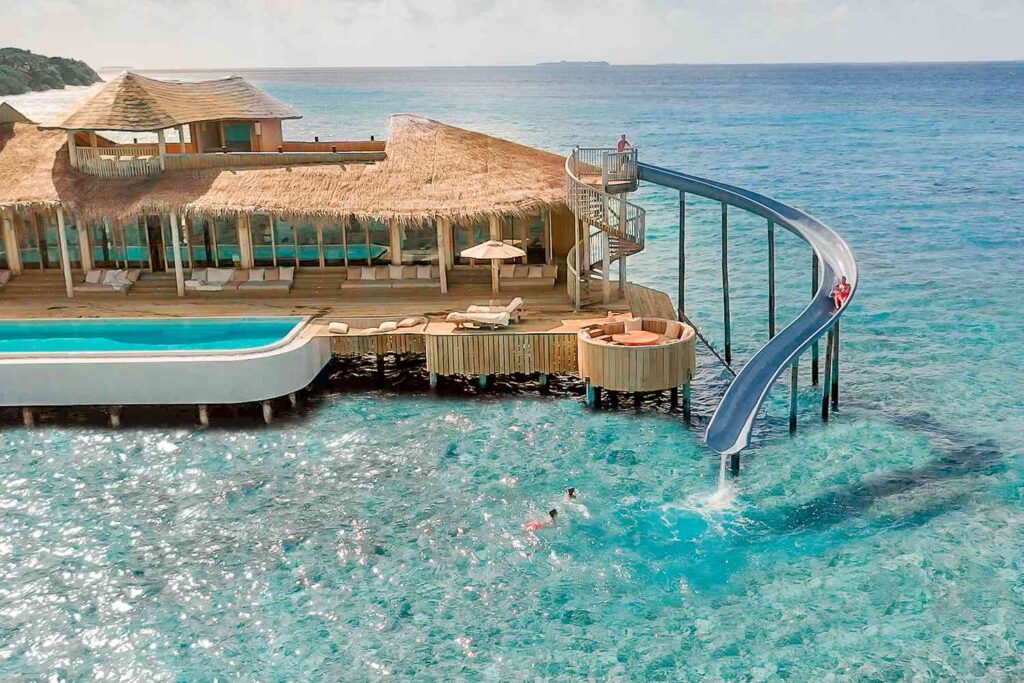
    The Maldives is known for overwater villas and ultra-luxury resorts, but several budget-friendly islands now offer all-inclusive packages at surprisingly reasonable prices. Couples can enjoy crystal-clear waters, private beaches, snorkeling, sunset cruises, and spa treatments without paying premium five-star rates. Choosing local islands or mid-range resorts gives you the same turquoise paradise with far better savings.

    Punta Cana, Dominican Republic

    Punta Cana is one of the most affordable luxury destinations in the Caribbean. All-inclusive resorts here often include oceanfront rooms, unlimited dining, cocktails, sports activities, and nightly entertainment. Many resorts cater specifically to couples with adults-only pools, private beach zones, and candlelight dining options. Thanks to competitive pricing, it’s possible to enjoy top-tier beachfront luxury at a fraction of the cost of similar Caribbean destinations.

    Riviera Maya, Mexico

    Riviera Maya is a favorite for couples because of its stylish beachfront resorts and upscale all-inclusive experiences. From swim-up suites to gourmet restaurants, couples get a mix of relaxation and adventure without overspending. The region offers stunning cenotes, Mayan ruins, water activities, and romantic seaside dinners. Because Mexico has strong all-inclusive competition, travelers benefit from excellent value.

    Bali, Indonesia

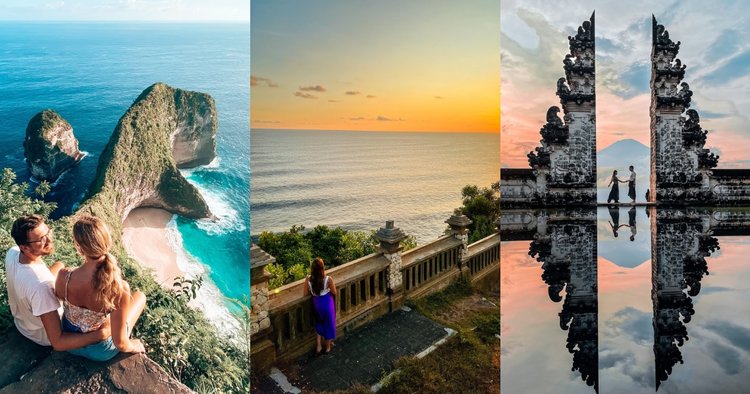
    Bali offers a unique blend of tropical beauty, culture, and affordable luxury. While not traditionally known for all-inclusive resorts, many boutique hotels and private villas now offer inclusive plans for meals, spa sessions, guided tours, and airport transfers. Couples can enjoy sunset views, private pools, floating breakfasts, and wellness retreats—all for a fraction of Western resort prices. It’s ideal for couples who want both relaxation and cultural experiences.

    Mauritius

    Mauritius is one of the most peaceful romantic destinations, and many resorts provide all-inclusive packages that feel premium but remain budget-friendly. Couples can enjoy coral reefs, lush mountains, water sports, and beachfront dining. The island is known for exceptional hospitality, and many resorts offer honeymoon-style perks like room upgrades, romantic dinners, and sunset excursions without extra fees.

    Phuket, Thailand

    Phuket has become a fantastic destination for couples looking for an affordable all-inclusive option. Many beachfront resorts now offer complete packages covering meals, drinks, spa credits, island tours, and private transfers. Couples can enjoy serene beaches, Thai massages, boat trips, and exciting nightlife. With Thailand’s naturally low travel costs, even luxury-level resorts feel reasonably priced.

    Conclusion

    Luxury doesn’t have to be expensive when you choose smart all-inclusive destinations. Places like Maldives affordable islands, Punta Cana, Riviera Maya, Bali, Mauritius, and Phuket offer premium experiences with world-class hospitality at accessible prices. From private beaches to gourmet food and romantic excursions, these destinations allow couples to enjoy unforgettable moments without going over budget. By comparing packages and traveling during shoulder seasons, you can experience true luxury while keeping your travel spending firmly under control.

  • Is Dubai Really Expensive for a US Traveler? Here’s the Truth About Costs

    Is Dubai Really Expensive for a US Traveler? Here’s the Truth About Costs

    Dubai is known for its luxury, skyscrapers, and lavish lifestyle, but that doesn’t mean every US traveler will spend a fortune. Whether you’re planning a vacation or a short business trip, knowing real costs in USD can help you plan smartly and avoid surprises.

    Average Daily Cost for a US Traveler

    If you plan wisely, a comfortable Dubai trip usually costs around $150–$300 per day. This includes meals, local travel, attractions, and a mid-range hotel.

    Flight Costs from the US

    Round-trip flights from major US cities like New York, Chicago, or Los Angeles usually range between $600–$900, depending on the season. Booking early or choosing a layover can help you save more.

    Accommodation Prices

    Dubai offers everything from budget stays to luxurious resorts. On average:

    • Budget hotels: $40–$70 per night
    • Mid-range hotels: $80–$150 per night
    • Luxury hotels: $200–$500+ per night

    Food and Dining Costs

    Food prices vary widely based on where you choose to eat:

    • Street/fast food: $5–$10
    • Decent restaurants: $15–$25 per meal
    • High-end dining: $50–$150+

    Transport Expenses

    Dubai’s public transport is modern and budget-friendly:

    • Metro ride: $1–$2
    • Taxi ride (average 10 km): $8–$12
    • Car rental: $25–$40 per day

    Popular Attraction Costs

    Here’s what you can expect to pay for the major attractions:

    • Burj Khalifa (At The Top): $45–$60
    • Desert safari with dinner: $40–$70
    • Aquaventure Waterpark: $80–$100
    • Dubai Frame: $14

    So, Is Dubai Expensive?

    Dubai can be expensive if you chase luxury, but for US travelers, it is not as costly as it seems. With smart planning, you can enjoy a memorable trip without overspending. Compared to major US cities like New York or San Francisco, Dubai is often cheaper in dining, transport, and hotels.

    Final Verdict

    Dubai is affordable for US travelers who plan moderately. You can experience modern architecture, world-class attractions, beaches, and vibrant culture without breaking the bank. The key is to choose the right places to stay,

  • What to Expect on a Cruise in 2025: New Trends and Must-Know Tips

    What to Expect on a Cruise in 2025: New Trends and Must-Know Tips

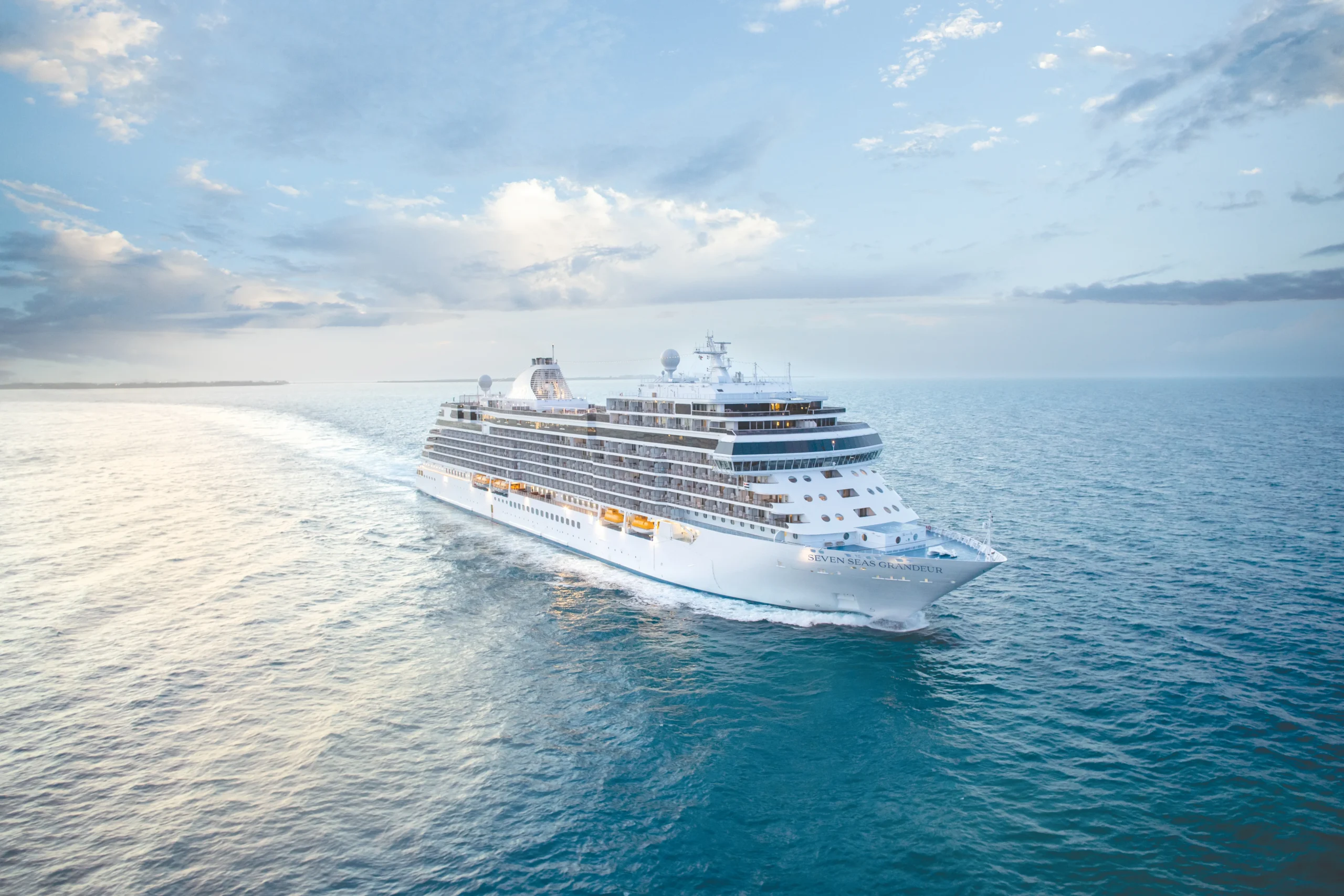
    Cruising in 2025 looks more exciting, innovative, and traveler-friendly than ever before. Cruise lines are upgrading their ships with futuristic technology, sustainable operations, new global routes, and immersive onboard experiences designed to match shifting traveler expectations. Whether you’re planning your first cruise or returning for another ocean getaway, understanding what’s new in 2025 will help you plan better, save more, and enjoy a smoother journey. Here’s what to expect from cruises in 2025 and the important tips you need before you set sail.

    Bigger Ships With More Personalized Experiences

    Cruise ships in 2025 are larger, but they’re also more personalized. Instead of packing more people, cruise lines are adding themed neighborhoods, private lounges, rooftop pools, boutique dining areas, and exclusive adult-only zones. Travelers can expect more cabin types, from budget-friendly interior rooms to luxury suites with private whirlpools and ocean-view terraces. Many ships now use smart wristbands or apps that personalize dining options, entertainment schedules, and room access for a seamless onboard experience.

    Eco-Friendly Innovations and Sustainable Cruising

    Sustainability is a major focus for cruise companies in 2025. New ships are powered by cleaner fuels like LNG, hybrid engines, and electric propulsion systems. Waste reduction, plastic-free dining, and onboard recycling systems are becoming the norm. Travelers can also expect eco-friendly shore excursions that support local communities and reduce environmental impact. If you care about responsible travel, 2025 cruises offer more green options than ever before.

    Expanded Global Routes and Unique Destinations

    Cruise lines are expanding their itineraries to include underrated and untouched destinations. Beyond the classic Caribbean and Mediterranean routes, 2025 offers more sailings to places like Antarctica, the Arctic Circle, West Africa, South Pacific islands, and the Middle East. Shorter weekend cruises and long world-cruise routes are also gaining popularity. Travelers can choose between adventure-focused routes, cultural immersion journeys, and relaxed island-hopping escapes tailored to different interests.

    High-Tech Entertainment and Immersive Activities

    Entertainment on cruise ships has reached a new level in 2025. Expect state-of-the-art shows, interactive digital theaters, VR gaming zones, underwater observation lounges, and live music events. Many ships also offer cooking classes, wine tastings, dance lessons, fitness programs, and themed sailing events. Couples can enjoy rooftop movie nights, while families can explore water parks, go-kart tracks, zip lines, and surf simulators. Cruises are no longer just about relaxation—they’re immersive, activity-packed vacations.

    Health, Safety, and Convenient Onboard Services

    Health and safety continue to remain a top priority in 2025, but without the heavy restrictions of previous years. Advanced air filtration, digital check-ins, telemedicine options, and improved sanitation systems provide peace of mind. Many cruise lines now offer 24/7 medical support, express boarding, and mobile apps for dining reservations, activity bookings, and real-time ship navigation. Everything is designed to reduce waiting times and improve passenger comfort.

    Smarter Dining Options and Inclusive Meal Plans

    Cruise dining in 2025 blends variety with convenience. Travelers can enjoy global cuisine, specialty restaurants, plant-based menus, waterfront dining, and late-night snack stations. All-inclusive dining offers more transparency, meaning fewer surprise charges at the end of your trip. Beverage packages, chef’s tasting menus, and romantic private dining setups are also more accessible. Whether you want fine dining or casual meals, options have expanded widely.

    Tips to Make the Most of Your 2025 Cruise

    Book early to get the best cabin locations and early-bird discounts. Research the ship layout to choose rooms away from noisy zones. Compare drink packages, Wi-Fi plans, and excursion bundles to avoid overspending. Bring essential items like motion-sickness medicine, power adapters, and comfortable walking shoes. If possible, arrive at your departure city a day earlier to avoid delays. Staying prepared ensures a smooth and stress-free sailing experience.

    Conclusion

    Cruising in 2025 offers a blend of luxury, innovation, sustainability, and unforgettable experiences. With smarter ships, greener travel, global routes, immersive activities, and upgraded services, modern cruises cater to every type of traveler. Whether you’re chasing adventure or planning a romantic escape, understanding the new trends and tips will help you enjoy a cost-efficient, comfortable, and memorable journey at sea.

  • Budget-Friendly Beach Destinations for 2025 Travelers

    Budget-Friendly Beach Destinations for 2025 Travelers

    Craving sun, sand, and sea but don’t want to blow your savings? The great news is that you don’t need to splurge to enjoy a memorable beach holiday. Around the world, there are countless coastal spots that offer stunning beaches, warm hospitality, and reasonable costs — perfect for travelers on a budget. In this guide, we’ll explore some of the most affordable and beautiful beach destinations for 2025. Each location balances beauty with value, making it easier to plan a beach getaway without draining your wallet.

    Goa, India – Classic Budget Beach Charm

    Goa continues to be a top destination for those seeking sun-soaked beaches and laid-back vibes at budget-friendly prices. Especially if you steer clear of peak season (December–February), you’ll find comfortable guesthouses, mid-range hotels, and even budget hostels for a fraction of what you’d pay in developed beach resorts. North Goa offers lively beach shacks, nightlife, and vibrant culture — perfect for young travelers and backpackers. South Goa, on the other hand, delivers tranquil shores, peaceful coves, and relaxed energy for couples and families. Local food, public transport, and modest stays keep daily expenses low. For travelers from within India or neighboring countries, Goa remains one of the most accessible beach destinations for 2025.

    Hoi An / Da Nang, Vietnam – Tropical Beaches on a Budget

    Vietnam combines cultural charm, delicious food, and beautiful beaches, making it one of the most underrated budget beach destinations. The coastal region near Hoi An and Da Nang stands out for its wide sandy beaches, warm sea, and colorful local vibe. Accommodation ranges from budget guesthouses to boutique beachfront hotels, often at rates much lower than comparable resorts in popular countries. Dining on Vietnamese street food or local restaurants adds to savings while offering unforgettable flavors. With direct flights from major Asian hubs becoming more common, travel to Vietnam in 2025 is more affordable than ever. For travelers looking to combine beach, culture, and affordability — this region is a hidden gem.

    Nha Trang, Vietnam – Affordable Beach Life and Island Escapes

    Another Vietnamese destination worth checking out is Nha Trang — a coastal city with long beaches, crystal-blue water, and a lively yet still budget-friendly scene. Nha Trang offers a wide range of accommodation from budget hostels to mid-range resorts. Day trips to nearby islands, snorkeling, or boat tours remain affordable compared to international prices. Street food stalls and local markets make meals inexpensive, and overall daily expenses remain low. For solo travelers or groups wanting beach fun without high costs, Nha Trang remains one of Vietnam’s top value beach destinations.

    Algarve Coast, Portugal – European Beaches Without Breaking the Bank

    For budget-conscious travelers from Europe or beyond who want a dose of Mediterranean charm without elite pricing, Portugal’s Algarve coast offers golden beaches, dramatic cliffs, and a laid-back vibe at relatively modest costs. Staying in smaller towns or guesthouses, especially outside the peak summer months, can be surprisingly affordable. Public transport or inexpensive car rentals make it easy to hop between beaches, and local eats tend to be cheaper than in many Western European countries. With direct flights from many European cities, Algarve delivers sun, sea, and culture without the typical Eurozone price tag, especially if booked in shoulder season (spring or early autumn).

    Bali (Canggu / Sanur / North Bali), Indonesia – Island Paradise for Less

    Bali is often associated with luxury villas and crowded tourist spots, but savvy travelers in 2025 can still enjoy its beaches on a budget. Areas like Canggu, Sanur, or lesser-known North Bali offer affordable stays ranging from guesthouses to mid-range resorts. Street food, local markets, and inexpensive transport make daily costs manageable. Beaches are cleaned regularly, and the vibe remains welcoming. For travelers seeking a tropical island escape with vibrant culture, friendly locals, and manageable prices — Bali remains an unbeatable value pick.

    Sri Lanka (Arugam Bay / Mirissa / Hikkaduwa) – Tropical Beaches and Warm Budget

    Sri Lanka’s coastline is packed with scenic beaches, warm ocean water, and a relaxed atmosphere at very low prices compared to typical beach resorts globally. Places like Arugam Bay, Mirissa, and Hikkaduwa offer surf beaches, calm shores, and local guesthouses that are inexpensive yet comfortable. Street food, tuk-tuk rides, and local transport keep travel expenses low. Especially for travelers from South Asia or Europe looking for a mix of culture, nature, and beach relaxation, Sri Lanka offers unmatched value. In 2025, better flight connectivity and developing tourism infrastructure make it even more accessible.

    Mexico’s Yucatán Peninsula (Tulum / Playa del Carmen / Puerto Escondido) – Beach Affordability Meets Tropical Beauty

    For travelers from the Americas or those willing to travel long haul, Mexico’s Yucatán Peninsula brings together turquoise waters, tropical climate, rich culture, and affordable prices. Towns like Tulum, Playa del Carmen, or Puerto Escondido offer budget hostels, mid-range hotels, and beachfront cabanas at reasonable rates. Local street food, shared transport, and economical tours help make a beach vacation quite affordable compared to European or Caribbean resorts. Moreover, Mexico combines beach life with cultural experiences, local markets, and delicious cuisine — a great combination for 2025 travelers seeking value.

    Albania’s Riviera – Europe’s Best-Kept Coastal Secret

    Albania is emerging as a hidden gem in Europe for its Adriatic coastline, pristine beaches, and affordable travel costs. The Albanian Riviera features soft sandy beaches, clear seas, and small coastal towns where prices for accommodation and food are significantly lower than neighboring Mediterranean hotspots. Visitors can stay in guesthouses, enjoy affordable seafood by the beach, and explore local culture without crowds. For budget-conscious European travelers or backpackers seeking a coastal European escape without typical Mediterranean price tags, Albania stands out in 2025 as a must-visit beach destination.

    The Philippines (Cebu / Palawan / Siargao) – Island Beauty on a Budget

    The Philippines remains one of Southeast Asia’s most budget-friendly beach destinations. Islands like Cebu, Palawan, and Siargao offer powdery beaches, clear water, coral reefs, and relaxed island life at very low costs. Budget hostels, cottage-style stays, and small resorts accommodate travelers affordably. Local transport (ferries and buses), inexpensive meals, and island-hopping tours add great value. For adventurers, divers, and beach lovers on a budget, the Philippines offers one of the best combinations of natural beauty and travel affordability in 2025.

    Mexico’s Yucatán & Caribbean (Isla Holbox / Bacalar Lake) – Peaceful Beach Escapes

    Beyond the popular coasts, Mexico’s less-commercialized spots like Isla Holbox or Bacalar Lake offer tranquil beach escapes at lower costs. With calm waters, relaxed vibes, and affordable beachfront cabanas, these small destinations combine serenity and affordability. They’re perfect for travelers who want peaceful beach holidays without expensive resorts, ideal for 2025 travelers thinking outside the typical tourist path.

    How to Travel Beaches on a Budget in 2025

    To get maximum value from your beach holiday, follow these smart travel tips: travel during shoulder or off-season when hotels and flights are cheaper; choose guesthouses, hostels, or Airbnb-style stays instead of luxury resorts; eat local food instead of fancy restaurants; use public transport or rent scooters locally; plan ahead and book flights early; travel in groups if possible to split costs; avoid tourist traps and overpriced tours; and mix beach days with free activities like hikes, local markets, or exploring nearby towns.

    Why Budget Beach Holidays Are Worth It

    Beach vacations don’t always need luxury. Affordable beach destinations often come with warmth, authentic culture, less crowded beaches, and real travel value. You get to relax, explore local life, and enjoy sun and sea without financial stress. In 2025, rising flight connectivity, better infrastructure in developing countries, and increased awareness among travelers make budget beach travel easier and more appealing than ever.

  • Bucket List Destinations You Can’t Miss

    Bucket List Destinations You Can’t Miss

    Every traveler has a list of dream destinations they want to visit at least once in their lifetime. These are the places that inspire wonder, excitement, and a deep appreciation for the world’s beauty. Bucket list destinations are those rare corners of the planet that offer extraordinary natural landscapes, rich cultural experiences, historic wonders, and unforgettable adventures. Whether you love mountains, beaches, cities, or wildlife, there are destinations on this list that deserve a spot on every traveler’s bucket list. This guide highlights some of the world’s most iconic and breathtaking places you simply cannot miss.

    The Maldives

    The Maldives is the definition of paradise. Clear turquoise waters, white-sand beaches, and luxurious overwater villas make it one of the most desirable destinations in the world. Many travelers dream of waking up above the ocean, watching marine life through glass floors, or enjoying private infinity pools surrounded by endless blue views.

    Beyond relaxation, the Maldives offers snorkeling, diving with manta rays, sunset cruises, and private dining experiences. Its peaceful, secluded environment makes it ideal for honeymoons and romantic getaways. Because of its remote beauty and unique luxury, the Maldives remains a top bucket list destination.

    Machu Picchu, Peru

    Hidden high in the Andes Mountains, Machu Picchu is an ancient Incan citadel that attracts millions of travelers every year. Its mysterious architecture, dramatic scenery, and historical significance make it one of the world’s most extraordinary archaeological sites.

    Visitors can reach Machu Picchu through the famous Inca Trail, a multi-day trek offering breathtaking mountain views, or by train from Cusco for a more relaxed journey. The ruins, surrounded by lush green peaks and clouds, create a surreal environment that feels like stepping back in time. It is a destination that combines adventure, culture, and natural beauty in one unforgettable experience.

    Santorini, Greece

    Santorini’s cliffside villages, white-washed houses, and deep blue sea make it a must-visit destination. The island is famous for its spectacular sunsets, luxurious cave hotels, and volcanic landscapes. Santorini is perfect for couples, photographers, and those who appreciate scenic beauty.

    Walking through Oia’s narrow streets, exploring Black Sand Beach, sailing around the caldera, and tasting Greek wines are just a few of the experiences that make Santorini unforgettable. Its dramatic views and romantic atmosphere ensure it stays on many travelers’ bucket lists.

    Tokyo, Japan

    Tokyo is one of the most vibrant and futuristic cities in the world. From neon-lit streets and ancient temples to world-class cuisine and advanced technology, the city blends tradition with modernity in a unique way.

    Travelers can explore Shibuya Crossing, the busiest pedestrian crossing in the world, visit historic temples like Senso-ji, dine at Michelin-star restaurants, and enjoy beautiful cherry blossom seasons. Tokyo’s culture, orderliness, entertainment, and innovation make it an extraordinary experience. For food lovers, anime fans, and culture seekers, Tokyo is a destination that should not be missed.

    The Swiss Alps

    The Swiss Alps offer the perfect mix of natural beauty and adventure. Snow-capped peaks, crystal-clear lakes, scenic train journeys, and charming alpine villages make Switzerland one of the most picturesque destinations on Earth.

    Destinations like Zermatt, Interlaken, and Lucerne offer activities such as skiing, hiking, paragliding, and glacier tours. The Matterhorn, one of the world’s most iconic mountains, is a highlight for many travelers. Whether you visit in winter for snow sports or summer for green landscapes, the Swiss Alps deliver unforgettable views and peaceful moments that stay with you forever.

    Bora Bora, French Polynesia

    Bora Bora is a dream destination known for its overwater bungalows, turquoise lagoons, and luxury experiences. Surrounded by a ring of coral reefs, the island provides some of the best snorkeling and diving in the world. Mount Otemanu, a striking volcanic peak, adds to Bora Bora’s breathtaking landscape.

    Couples and honeymooners often choose Bora Bora for its exclusivity and privacy. The island’s beauty, combined with its calm, warm waters, makes it a bucket list favorite for travelers seeking a luxurious escape.

    New York City, USA

    New York is a city that needs no introduction. Known as “The City That Never Sleeps,” NYC offers world-class entertainment, iconic landmarks, diverse food, and cultural richness. Travelers can visit Times Square, Central Park, the Statue of Liberty, Broadway theaters, and countless museums.

    Each neighborhood has its own charm, from the artistic vibe of Brooklyn to the luxury of Manhattan. New York City represents ambition, creativity, and diversity, making it a must-visit destination for travelers who want to experience a global cultural hub.

    Iceland

    Iceland is a land of dramatic landscapes, natural wonders, and mystical beauty. From glaciers and volcanoes to geysers, waterfalls, and black-sand beaches, Iceland’s scenery is unlike any other place on Earth.

    The Golden Circle route takes travelers to Thingvellir National Park, Gullfoss waterfall, and the geysers of Haukadalur. The Blue Lagoon, a geothermal spa, is another iconic attraction. During winter, Iceland becomes one of the best places to witness the Northern Lights. Its combination of adventure and surreal landscapes makes Iceland a bucket list essential.

    Dubai, UAE

    Dubai is a modern marvel known for luxury, architecture, and innovation. The city is home to the world’s tallest building, Burj Khalifa, and extravagant landmarks like the Palm Jumeirah. Dubai blends futuristic development with traditional Arabian culture.

    Travelers can enjoy desert safaris, skydiving over the Palm, shopping at massive malls, and relaxing at luxurious resorts. Its unique skyline, thrilling experiences, and warm hospitality make Dubai a destination everyone should experience once in their lifetime.

    The Great Barrier Reef, Australia

    The Great Barrier Reef is the largest coral reef system in the world, stretching over 2,300 kilometers. It is home to thousands of marine species, making it a paradise for divers and snorkelers. The colorful corals, sea turtles, sharks, and vibrant fish create an underwater world that feels alive and magical.

    Visitors can explore the reef through diving tours, glass-bottom boats, or helicopter rides. Protecting the reef is a major priority, and visiting responsibly helps contribute to its preservation.

    Conclusion

    Bucket list destinations are not just places; they are life-changing experiences. Whether it is the remote beauty of the Maldives, the historic wonder of Machu Picchu, the futuristic energy of Tokyo, or the natural marvels of Iceland, these destinations offer unforgettable memories that stay with you forever. Each location provides something unique, whether it’s culture, adventure, luxury, or breathtaking scenery. Traveling to these bucket list spots helps you understand the vastness and beauty of the world, making every trip a meaningful journey.

  • How to Plan a Last-Minute Trip Without Overspending

    How to Plan a Last-Minute Trip Without Overspending

    Planning a last-minute trip doesn’t have to drain your bank account. While spontaneous travel is exciting, it often comes with the fear of high prices, limited availability, and rushed decisions. But with the right strategies, you can plan a budget-friendly, smooth, and enjoyable trip—even if you’re booking just a few days before departure. This guide breaks down the smartest ways to save money, avoid stress, and make your last-minute getaway truly memorable.

    Start With Flexible Dates and Destinations

    The biggest mistake travelers make with last-minute plans is sticking to one fixed destination or date. Prices for flights and hotels vary dramatically depending on the day, season, and region. Flexibility is your biggest money-saving tool. Use fare calendars to check the cheapest days to fly or explore alternative destinations that offer better deals. Keeping an open mind can help you discover amazing places at a fraction of the cost.

    Use Last-Minute Flight and Hotel Deals

    Airlines and hotels often drop prices close to the travel date to fill empty seats or rooms. Instead of panicking about high rates, use apps and websites that specialize in last-minute discounts. Many platforms offer real-time price drops, flash sales, and bundle deals that combine flights, hotels, or activities at significantly lower prices. Booking during off-peak hours—like late nights or weekdays—can also unlock better last-minute rates.

    Choose Budget-Friendly Accommodation Options

    Hotels are not your only option. When planning a last-minute trip, consider alternatives like hostels, guesthouses, boutique homestays, and vacation rentals. These options often have availability even during busy periods and can be booked instantly without high fees. Look for stays slightly outside the main tourist areas for lower prices. Some platforms also offer discounts for same-day check-ins, making spontaneous lodging surprisingly affordable.

    Travel Light to Avoid Extra Costs

    Packing light can save you both time and money. Last-minute travelers often rush, forget essentials, and end up overspending at airports or local stores. Carry a compact bag with versatile outfits, travel-sized toiletries, a power bank, and essentials like medications. A light backpack also helps you avoid checked luggage fees, move more freely, and adapt quickly if plans change.

    Use Public Transportation Instead of Taxis

    Transportation costs can add up quickly, especially when you’re unprepared. Instead of relying on expensive taxis, research local public transport options like metro lines, buses, trams, or shared rides. Many cities offer unlimited day passes for tourists, which helps you explore freely without worrying about individual fares. Not only is public transport cheaper, but it also gives you a more local and authentic travel experience.

    Plan Activities Wisely and Prioritize Free Experiences

    You don’t need to spend heavily to enjoy a spontaneous trip. Explore free walking tours, public beaches, local neighborhoods, cultural markets, viewpoints, and museums with free-entry days. Instead of booking premium packages at the last minute, choose flexible activities such as self-guided tours or outdoor adventures. Researching quickly before arriving can help you build a low-cost itinerary that’s still full of excitement.

    Use Travel Reward Points or Credit Card Benefits

    Last-minute travel is the perfect opportunity to use any accumulated rewards, miles, or cashback offers. Many credit cards offer instant discounts on flights and hotels or free travel insurance. Some loyalty programs allow last-minute redemptions that cost fewer points than usual. Using rewards strategically can reduce your overall travel expenses significantly, especially during unexpected trips.

    Eat Smart by Following Local Food Culture

    Dining at tourist-heavy restaurants can quickly blow your budget. Last-minute travelers often fall into this trap because they don’t have time to research. Save money by eating where the locals do—street food stalls, small cafés, and family-run restaurants. Not only is the food more authentic, but the prices are also far more affordable. Choosing accommodations with free breakfast or kitchen access can reduce expenses even more.

    Book Activities On-Site Instead of Online

    When you’re planning in a hurry, it’s tempting to book everything online immediately. But many times, local vendors offer lower prices for tours, rentals, and activities. Booking directly at the destination can save you 20%–40% on things like snorkeling, day trips, bike rentals, or sightseeing tours. Just ensure you compare prices and read quick reviews before committing.

    Conclusion

    A last-minute trip doesn’t have to be stressful or expensive. By staying flexible, searching smartly, traveling light, and making budget-conscious choices, you can enjoy a spontaneous getaway without overspending. Spontaneity may feel chaotic, but it can lead to some of the most exciting and memorable travel experiences. With the right approach, you can turn a last-minute idea into a perfectly planned, cost-effective adventure. So pack your bag, grab the best deal you can find, and let the journey begin—your wallet will thank you later.