Blog

  • How to Take Instagram-Worthy Travel Photos Like a Pro

    How to Take Instagram-Worthy Travel Photos Like a Pro

    Capturing stunning travel photos is no longer just about memories; it’s a way to express creativity, share experiences, and inspire thousands online. With the rise of Instagram and visual storytelling, travelers today aim to take pictures that stand out, tell a story, and look professionally shot. The good news? You don’t need a high-end camera or expensive gear to take Instagram-worthy travel photos. With the right techniques and a little preparation, anyone can shoot images that look polished and captivating.

    Choose the Right Time to Shoot

    Lighting is one of the biggest factors that affects the mood and quality of a photo. The best time to capture travel shots is during the golden hour—the first hour after sunrise and the last hour before sunset. The soft, warm light creates flattering shadows and enhances natural colors. Midday sunlight can be harsh, but if you must shoot then, look for shaded areas or capture silhouettes instead.

    Use Strong Composition Techniques

    Professional-looking photos rely on strong composition. Simple rules like the rule of thirds, leading lines, symmetry, and framing can instantly elevate your shots. Use pathways, windows, doorways, trees, or architecture to frame your subject. Place points of interest slightly off-center to create more dynamic visuals. Paying attention to composition helps your photos feel intentional and eye-catching.

    Focus on Storytelling

    An Instagram-worthy photo is not just beautiful—it tells a story. Instead of only photographing landmarks, include small details that show your journey. Capture a steaming cup of coffee overlooking a mountain, footprints in the sand, or local culture in action. Candid shots also add authenticity, making your travel memories more relatable and emotionally engaging for viewers.

    Add a Human Element

    Photos that include people often perform better on Instagram because they add scale, emotion, and personality. You can use yourself, a friend, or even a silhouette to enhance your photo. A person standing near a massive waterfall or sitting on a cliff instantly gives the viewer a sense of the place’s grandeur. Try capturing natural movements—walking, looking away, or interacting with the surroundings—for a more genuine look.

    Use Natural Angles and Unique Perspectives

    Instead of taking a typical eye-level shot, experiment with angles. Shoot from above, capture low angles, or tilt the camera for an artistic touch. Kneeling down, climbing a small height, or moving a few steps to the side often unlocks a more dramatic and refreshing perspective. A unique angle can turn an ordinary subject into a standout image.

    Edit Smartly Without Overdoing It

    Editing plays a huge role in making your travel photos Instagram-ready. Use apps like Lightroom, VSCO, or Snapseed to enhance colors, adjust lighting, and sharpen details. Keep edits natural—avoid overly saturated tones or extreme filters that distort the scene. Aim for consistency across your feed by sticking to a similar style or color palette. Clean editing helps your images pop while still feeling authentic.

    Pay Attention to Backgrounds and Clutter

    A beautiful shot can be easily ruined by a messy background. Before clicking, observe your surroundings and remove distracting elements if possible. Avoid crowds by shooting early in the morning or choosing lesser-known spots nearby. Clean backgrounds highlight your subject better and give your photos a crisp, professional finish.

    Conclusion

    Taking Instagram-worthy travel photos doesn’t require expensive equipment—just creativity, awareness, and a few pro techniques. By mastering composition, using the right light, adding storytelling elements, and editing with intention, you can transform simple travel moments into stunning visual memories. The more you practice, the more naturally these habits will come. With the right approach, every destination becomes an opportunity to capture something extraordinary.

  • Top Budget Hotels Around the World That Feel Surprisingly Luxurious

    Top Budget Hotels Around the World That Feel Surprisingly Luxurious

    Finding a hotel that offers luxury without the luxury price tag is every traveler’s dream. The good news? You don’t always need to spend hundreds of dollars per night to enjoy premium comfort, great service, and memorable stays. All around the world, there are budget-friendly hotels that feel as stylish, relaxing, and well-designed as high-end resorts. Whether you’re traveling for leisure, business, or a quick weekend getaway, these hidden gems prove that comfort doesn’t have to come with a heavy bill. In this guide, we highlight some of the best budget hotels worldwide—and share what makes them stand out.

    What Makes a Budget Hotel Feel “Luxurious”?

    A budget hotel doesn’t need marble floors or a private butler to feel luxurious. Instead, true comfort comes from thoughtful design, cleanliness, modern amenities, and a relaxing atmosphere. Many budget-friendly hotels use smart architecture, cozy interiors, soft lighting, and efficient service to create a premium feel at a low price.

    Features that instantly elevate a budget stay include comfortable beds, strong Wi-Fi, rainfall showers, stylish rooms, free breakfast, and easy access to transport. Some hotels even offer rooftop pools, spas, co-working lounges, and stunning views—things you typically expect in expensive properties.

    Why Travelers Love Luxury on a Budget

    Budget luxury hotels attract a wide range of travelers: digital nomads, solo explorers, couples, and families. The idea of getting more value for less is appealing, especially when accommodation costs can take up a huge portion of any travel budget. Choosing a budget-friendly hotel that feels upscale allows you to save money for experiences—like tours, food, and transport—while still enjoying a high-quality stay.

    CitizenM Hotels – Global Style at Affordable Prices

    CitizenM has redefined the idea of affordable luxury. Located in major cities like Amsterdam, London, New York, and Kuala Lumpur, the brand focuses on smart design and comfort. Rooms are compact but ultra-modern, featuring king-size beds, mood lighting, high-pressure showers, and touchscreen-controlled settings.

    The lobbies feel like designer lounges, with stylish furniture and work-friendly areas. Travelers especially love the seamless self-check-in and the tech-focused approach. Even though rooms are small, the comfort level rivals expensive boutique hotels. Prices remain far below traditional luxury hotels, making CitizenM a favorite among young professionals and digital nomads.

    The Z Hotels – Affordable Comfort in the Heart of the City

    Found in cities like London, Liverpool, and Bath, The Z Hotels offer small but beautifully designed rooms that focus on essentials done right: plush beds, powerful showers, and cozy lighting. Their central locations mean you can stay right in the middle of vibrant neighborhoods without paying premium city prices.

    The complimentary wine and cheese hour (available at select locations) adds a touch of luxury you rarely see in budget hotels. Rooms may be compact, but the experience feels warm, stylish, and well worth the price.

    Ibis Styles – Creative Design Meets Budget-Friendly Rates

    Part of the global Accor group, Ibis Styles hotels combine affordability with playful, artistic interiors. Each hotel has its own creative theme—some inspired by local culture, others by modern art and bright colors. Despite being a budget chain, the hotels offer free breakfast, comfortable beds, air conditioning, and well-designed rooms.

    Guests love the spacious lobbies, fun decor, and value-driven pricing. For travelers looking to stay in safe, clean, and stylish hotels around the world, Ibis Styles delivers a surprisingly luxurious feel without overspending.

    Staypineapple Hotels – Boutique Comfort at a Great Value

    Located mainly in the United States, Staypineapple hotels offer boutique-style accommodations with a quirky twist. The brand focuses on premium bedding, modern bathrooms, and bold, colorful design. Their properties in San Francisco, Chicago, New York, and Seattle combine charm with affordability, making them ideal for travelers seeking something unique.

    One of the highlights is the “naked experience” bedding concept—high-quality duvets and linens that feel far more luxurious than expected at this price point. Despite being boutique hotels, rates often match mid-range or even budget properties in major cities.

    TUNE Hotels – Great Sleep and Cleanliness at Low Prices

    Tune Hotels operate in Southeast Asia and Europe, offering ultra-clean, simple, and affordable rooms. While the hotels are designed for travelers who need a clean place to sleep rather than multiple amenities, the quality of the beds, bathrooms, and air conditioning often surprises guests.

    With their focus on “five-star essentials,” Tune Hotels provide the core elements of a luxury stay—comfortable mattress, powerful shower, clean room—without extra costs. Locations like Kuala Lumpur, Penang, and Bali offer great access to public transportation and attractions, making them perfect for budget-conscious travelers.

    B&B Hotels – Modern Comfort in Europe at Low Rates

    B&B Hotels have become a favorite across France, Germany, Spain, and Italy. Known for spotless rooms, smart layouts, and consistent quality, the brand delivers a surprisingly upscale feel. Rooms feature warm lighting, comfortable bedding, large TVs, and modern bathrooms.

    The breakfast buffet offers a variety of fresh items, and the check-in process is simple and fast. For travelers exploring Europe on a budget, B&B Hotels offer quality accommodation that feels much more premium than the price suggests.

    Amora Hotels – Affordable Luxury in Thailand and Australia

    Amora Hotels in Bangkok and Sydney offer a great blend of affordability and luxury-style amenities. Rooms are spacious, well-decorated, and equipped with everything from bathtubs to work desks. Many travelers report that the hotels feel more like four-star properties despite being priced lower.

    Rooftop pools, fitness centers, and excellent hospitality make the experience memorable. For travelers visiting Asia or Oceania, Amora Hotels are a great choice for comfort at a lower cost.

    Why These Hotels Stand Out Among Budget Options

    What truly sets these hotels apart is their ability to combine value with comfort and design. They focus on functionality, cleanliness, and style—without unnecessary extras that inflate the cost. Whether it’s a premium mattress, a convenient neighborhood, or a beautifully designed lobby, these hotels deliver experiences that rival expensive properties.

    The rise of affordable luxury hotels means travelers worldwide can now enjoy high-quality experiences without sacrificing their budget. This shift is reshaping how people choose accommodation, giving more importance to smart design and comfort rather than brand names.

    Final Thoughts

    You don’t need to spend a fortune to enjoy a luxurious stay. The hotels mentioned above prove that with thoughtful design, excellent service, and focus on essential comforts, even budget-friendly properties can feel premium. Whether you’re exploring Europe, Asia, the US, or anywhere in between, these hotels offer exceptional value and comfort that elevate your travel experience. Choosing one of these stays ensures you enjoy modern amenities, cozy rooms, and great locations—all without stretching your budget.


  • Top Adventure Destinations for Thrill Seekers

    Top Adventure Destinations for Thrill Seekers

    For travelers who crave adrenaline, breathtaking landscapes, and unforgettable experiences, adventure destinations are the ultimate escape. Adventure travel combines physical activity with exploration, whether it’s trekking, diving, skiing, paragliding, or wildlife expeditions. In 2025, thrill seekers have a wide range of destinations offering extreme sports, natural wonders, and cultural immersion. These locations promise heart-pounding experiences while connecting travelers to some of the most beautiful parts of the world.

    Queenstown, New Zealand – The Adventure Capital

    Queenstown is often called the adventure capital of the world for good reason. Surrounded by majestic mountains and pristine lakes, it offers bungee jumping, skydiving, jet boating, paragliding, and white-water rafting. Hikers can explore scenic trails, while skiers enjoy slopes during winter months. The city combines adventure sports with stunning natural beauty, making it a must-visit for thrill seekers.

    Interlaken, Switzerland – Alpine Adventure Paradise

    Nestled between Lake Thun and Lake Brienz, Interlaken is a hub for extreme sports in the Swiss Alps. Paragliding over snow-capped peaks, canyoning, and skydiving attract adventure enthusiasts from around the world. Hiking and mountain biking trails provide opportunities for less extreme exploration. Interlaken’s alpine scenery enhances every activity, offering both adrenaline and awe-inspiring vistas.

    Costa Rica – Jungle, Volcanoes, and Surf

    Costa Rica offers a perfect blend of adventure and biodiversity. Zip-lining through rainforests, white-water rafting, canyoning, surfing, and volcano trekking are top activities. National parks like Arenal and Monteverde offer trails, wildlife, and canopy adventures. The country’s commitment to eco-tourism ensures that adventure is sustainable and immersive. Thrill seekers can explore jungles, rivers, and coastlines all in one destination.

    Patagonia, Argentina and Chile – Wilderness Expedition

    Patagonia’s rugged landscapes attract adventurers seeking hiking, glacier trekking, and mountaineering. The region features vast glaciers, jagged mountains, and remote wilderness. Torres del Paine National Park in Chile and Los Glaciares National Park in Argentina offer trekking trails for all skill levels. For explorers, Patagonia’s untamed beauty is as thrilling as it is awe-inspiring.

    Iceland – Land of Fire, Ice, and Adventure

    Iceland is a natural playground for adventure lovers. Travelers can hike on glaciers, explore ice caves, dive between tectonic plates at Silfra, or go snowmobiling on volcanoes. Waterfalls, hot springs, and geothermal landscapes add to the thrill. The country’s unique geology makes adventure activities one-of-a-kind, offering both excitement and stunning photographic opportunities.

    Moab, Utah, USA – Desert Adventures

    Moab is a desert adventure capital offering rock climbing, mountain biking, off-roading, and BASE jumping. Arches and Canyonlands National Parks provide incredible trails for hiking and photography. The red rock landscapes and rugged terrain make every activity visually stunning and physically challenging. Moab’s combination of adventure sports and natural beauty makes it a favorite for thrill seekers visiting North America.

    Nepal – Trekking, Mountaineering, and River Rafting

    Nepal offers some of the world’s best trekking experiences, from the Everest Base Camp to the Annapurna Circuit. The country also provides paragliding in Pokhara, white-water rafting in Trishuli and Bhote Koshi rivers, and jungle safaris in Chitwan National Park. Nepal combines high-altitude adventure with cultural immersion, making it perfect for travelers seeking both thrill and spiritual experiences.

    South Africa – Wildlife and Extreme Activities

    South Africa offers a unique mix of adventure and wildlife experiences. Shark cage diving, bungee jumping, surfing, and hiking are complemented by safaris in Kruger National Park. The country’s landscapes, ranging from coastal cliffs to savannas and mountains, provide diverse opportunities for thrill seekers. Adventure travelers also enjoy exploring vineyards, diving, and cultural excursions in Cape Town and surrounding regions.

    Costa Brava, Spain – Mediterranean Adventures

    Costa Brava offers sea-based adventures for thrill seekers. Snorkeling, scuba diving, kayaking, and sailing are popular along its coastline. Inland, rock climbing and hiking trails in the Pyrenees Mountains provide additional challenges. The combination of Mediterranean landscapes, clear waters, and rugged cliffs makes Costa Brava ideal for those seeking both relaxation and adrenaline-fueled activities.

    Conclusion

    Adventure travel in 2025 is all about immersion, excitement, and authentic experiences. From alpine peaks in Switzerland and New Zealand to tropical jungles in Costa Rica and volcanic landscapes in Iceland, thrill seekers have endless opportunities to challenge themselves while exploring the world’s most stunning locations. Whether it’s extreme sports, trekking, or wildlife encounters, these destinations deliver unforgettable memories for travelers seeking adventure at its best.

  • Are All-Inclusive Vacations Worth It in 2026? A Real Cost vs Value Breakdown

    Are All-Inclusive Vacations Worth It in 2026? A Real Cost vs Value Breakdown

    All-inclusive vacations continue to grow in popularity, especially as travelers look for predictable pricing and stress-free planning. With rising travel costs, many people are asking a fair question in 2026: are all-inclusive vacations actually worth the money, or do they just feel convenient on the surface?

    This guide takes a realistic look at the true cost versus value of all-inclusive travel. Instead of marketing promises, it focuses on real-world scenarios, traveler behavior, and when these packages genuinely make financial and practical sense.

    What Travelers Expect From All-Inclusive Vacations

    Most travelers choose all-inclusive vacations to avoid budgeting while traveling. The idea of paying once and enjoying meals, drinks, entertainment, and accommodation without constant spending is extremely appealing.

    In 2026, expectations are higher than ever. Travelers want better food quality, flexible dining, premium drinks, and meaningful experiences rather than just unlimited buffets and basic shows.

    Understanding whether these expectations are met is the key to deciding if all-inclusive travel is worth it.

    Breaking Down the Real Cost of All-Inclusive Packages

    The upfront price of an all-inclusive vacation usually looks higher than booking a hotel alone. However, that price often includes accommodation, meals, drinks, entertainment, and sometimes transfers.

    When comparing costs, travelers must calculate what they would realistically spend on food, drinks, transportation, and activities if booking independently. For many resort destinations, dining out and arranging transport daily adds up quickly.

    In destinations where prices are inflated for tourists, all-inclusive packages often balance out or even save money.

    Where All-Inclusive Travel Delivers the Most Value

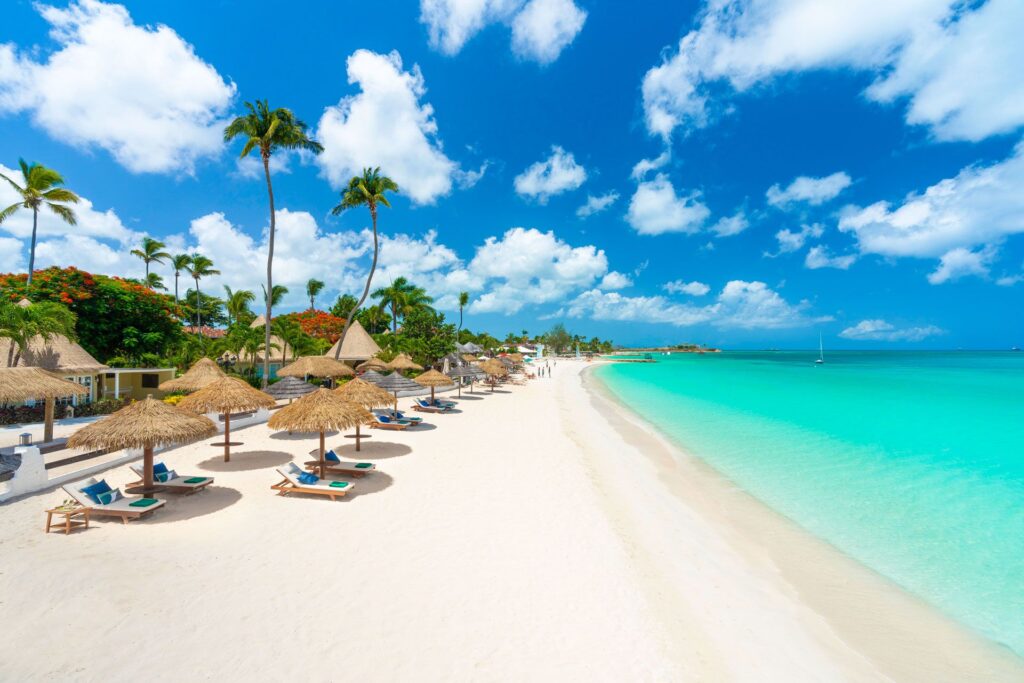
    All-inclusive vacations work best in resort-focused destinations where attractions are spread out and transportation is expensive. Beach destinations designed around resort life offer the strongest value.

    Travelers who spend most of their time relaxing, swimming, eating on-site, and enjoying resort entertainment tend to get excellent value from all-inclusive packages. Families also benefit greatly, as kids’ meals, activities, and entertainment are included.

    In 2026, resorts that focus on experience quality rather than quantity are leading the value segment.

    Where All-Inclusive Vacations Fall Short

    All-inclusive travel is not ideal for travelers who want to explore cities, try local restaurants, or move frequently. Paying for unlimited meals makes little sense if you plan to eat outside the resort most days.

    In cultural cities and destinations with excellent public transport, independent travel often costs less and provides more freedom. Many travelers realize too late that they paid for services they barely used.

    This mismatch between travel style and resort structure is where perceived value drops sharply.

    Food and Drink Quality vs Quantity

    One of the biggest criticisms of all-inclusive resorts in the past was average food quality. In response, many resorts in 2026 have upgraded their dining concepts.

    Higher-end all-inclusive resorts now focus on fewer restaurants with better ingredients, themed menus, and reservation-based dining. Budget resorts may still emphasize quantity over quality, which affects overall satisfaction.

    Travelers who value premium dining should always research food reviews rather than assuming all-inclusive means gourmet.

    Hidden Costs That Impact Real Value

    Despite the name, many all-inclusive vacations still include extra charges. Premium alcohol, specialty dining, spa treatments, excursions, and certain water sports often cost extra.

    Tips, service charges, and taxes may not always be included, depending on the country. These additional costs can quickly change the value equation if travelers are not aware of them beforehand.

    Reading inclusions carefully is essential to avoid disappointment.

    All-Inclusive vs Independent Travel in 2026

    Independent travel offers flexibility, local experiences, and control over daily spending. It is ideal for travelers who enjoy planning and exploration.

    All-inclusive travel offers predictability, convenience, and relaxation. In 2026, many travelers prefer mental comfort over constant decision-making, especially during shorter vacations.

    The better option depends entirely on travel goals, not just price comparisons.

    Who Benefits Most From All-Inclusive Vacations

    All-inclusive vacations are most valuable for families, honeymooners, first-time international travelers, and those celebrating special occasions. These travelers typically stay within the resort and fully use included services.

    Travelers who want to disconnect, relax, and avoid logistics often find all-inclusive vacations emotionally and financially rewarding.

    How to Decide If an All-Inclusive Vacation Is Worth It for You

    Start by asking how you actually travel. If you enjoy lounging, eating on-site, and participating in resort activities, all-inclusive travel will likely deliver strong value.

    If your travel style revolves around exploration, street food, and spontaneous plans, independent bookings usually make more sense. Choosing based on behavior rather than trends leads to better satisfaction.

    Common Mistakes That Reduce Value

    One common mistake is choosing the cheapest all-inclusive deal without checking resort quality. Another is booking too many off-site excursions, which makes the prepaid resort services underused.

    Travelers also overestimate how much they will eat, drink, or participate in activities. Being realistic about usage leads to smarter decisions.

    Conclusion

    In 2026, all-inclusive vacations are absolutely worth it for the right traveler in the right destination. They offer convenience, cost control, and relaxation that independent travel often cannot match in resort-heavy locations.

    However, they are not a universal solution. Understanding your travel style, destination costs, and what is truly included is essential. When chosen thoughtfully, all-inclusive vacations provide real value. When chosen blindly, they can feel restrictive and overpriced.

  • 10 Best Cruise Deals for 2026: Affordable Luxury Voyages You Can Book Right Now

    10 Best Cruise Deals for 2026: Affordable Luxury Voyages You Can Book Right Now

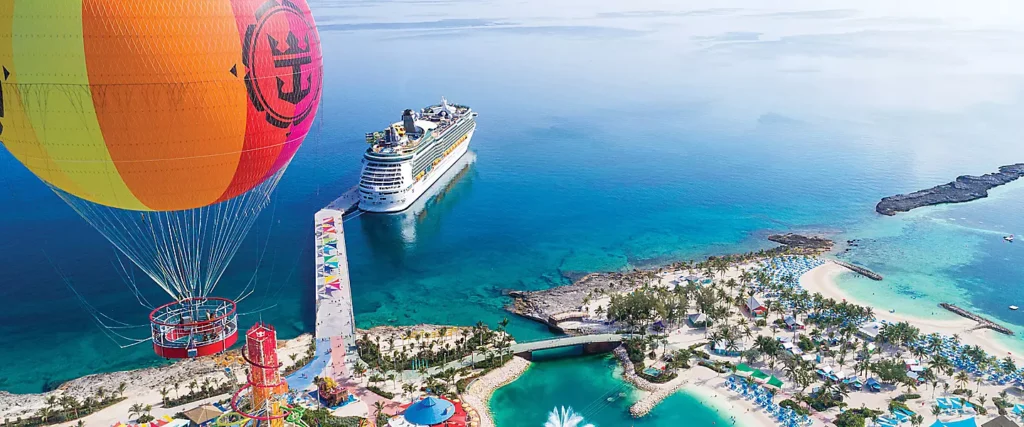
    Cruising in 2026 is no longer just about luxury reserved for premium travelers. Cruise lines are offering exceptional value through early-bird pricing, bundled packages, and upgraded onboard experiences that make luxury cruising surprisingly affordable. From ocean-view cabins and gourmet dining to immersive shore excursions, today’s cruise deals deliver far more than just transportation.

    If you’re planning a holiday that combines comfort, multiple destinations, and great value for money, these cruise deals stand out as some of the best options you can book right now for 2026.

    Mediterranean Cruises With All-Inclusive Perks

    Mediterranean cruises remain one of the best-value options for travelers seeking culture, scenery, and cuisine in one trip. Many 2026 deals include meals, onboard entertainment, and selected beverages, significantly reducing onboard expenses.

    Sailing through destinations like Italy, Greece, Spain, and France allows travelers to experience historic cities and stunning coastlines without the cost of multiple hotel stays. Early bookings often come with free cabin upgrades and discounted shore excursions.

    Caribbean Cruises With Free Drink and Wi-Fi Packages

    Caribbean cruise deals for 2026 are offering strong value through bundled inclusions. Several cruise lines now include drink packages, Wi-Fi access, and gratuities in their base fares.

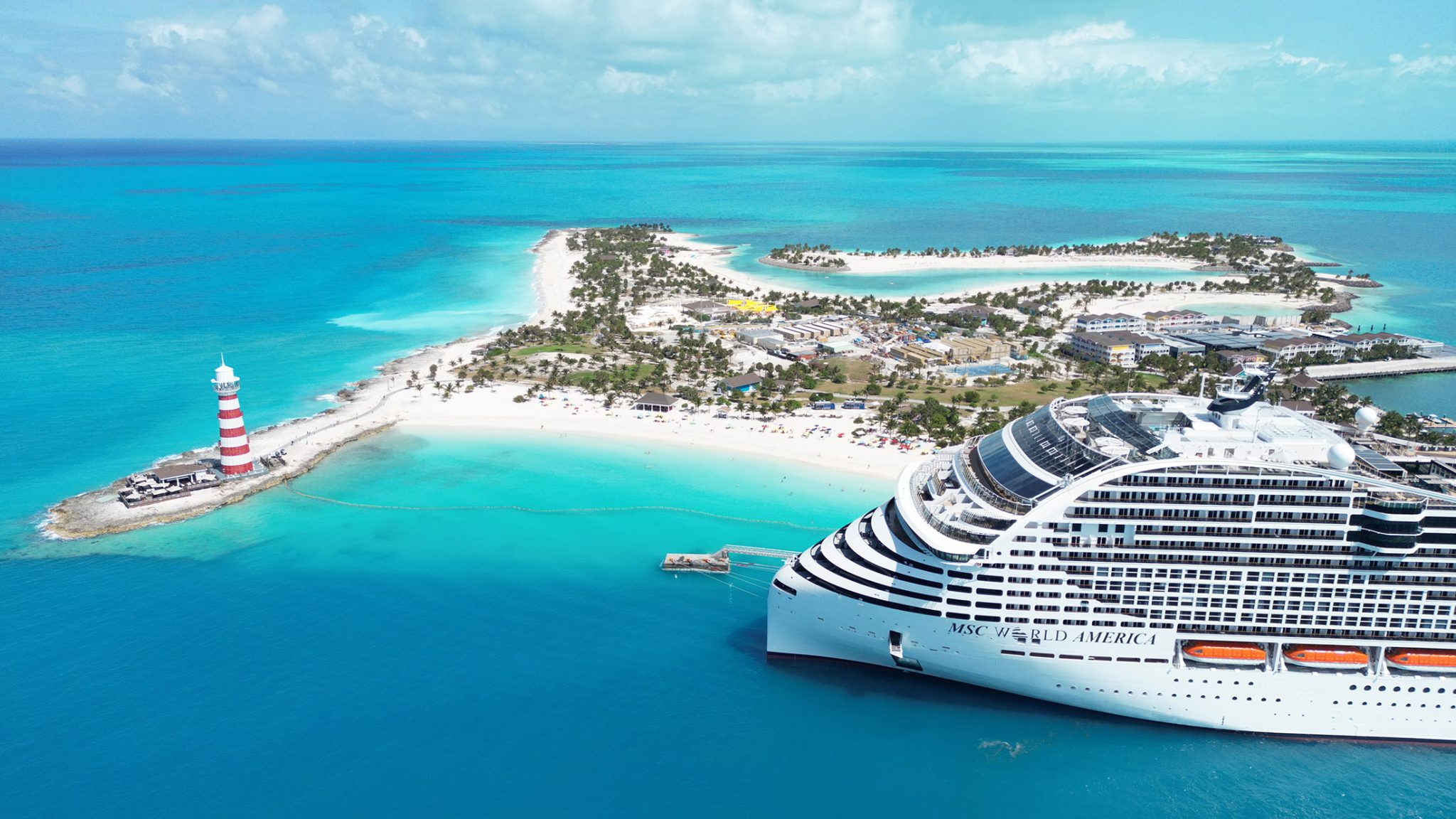
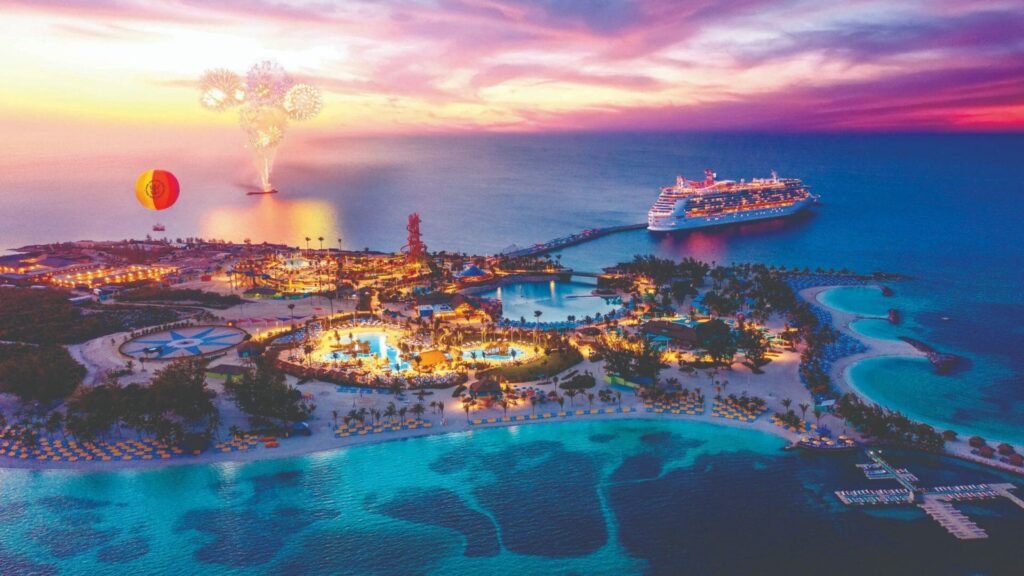
    These cruises are ideal for travelers looking for relaxation, beach days, and a vibrant onboard atmosphere. With warm weather year-round and flexible sailing durations, Caribbean cruises deliver luxury experiences without premium pricing.

    Alaska Cruises With Glacier Viewing and Wildlife Experiences

    Alaska cruises may seem expensive, but 2026 deals are making them more accessible than ever. Many packages include glacier cruising, onboard naturalist programs, and scenic rail or land extensions at reduced rates.

    This destination offers incredible value due to the immersive nature of the experience. Glaciers, wildlife sightings, and breathtaking landscapes make Alaska cruises feel like luxury adventures at a fraction of traditional tour costs.

    Northern Europe and Baltic Sea Cruise Bargains

    Northern Europe cruises are becoming increasingly competitive in pricing. Baltic Sea itineraries often include multiple capital cities such as Stockholm, Copenhagen, Helsinki, and Tallinn in a single trip.

    Cruise deals for 2026 frequently include port-intensive itineraries, allowing travelers to experience iconic landmarks while enjoying comfortable accommodations onboard. These cruises are especially popular with travelers who prefer cultural exploration over beach-focused holidays.

    Asia Cruises With Cultural Immersion

    Asia cruise deals offer excellent value by combining diverse destinations into one seamless journey. Popular routes include Japan, South Korea, Vietnam, Thailand, and Singapore.

    Many 2026 itineraries include overnight port stays, allowing deeper exploration without extra hotel costs. Asia cruises often include regional dining, cultural performances, and guided experiences, creating a premium feel at affordable rates.

    Luxury River Cruises With Reduced Single Supplements

    River cruises are traditionally considered high-end, but 2026 deals are changing that perception. Many river cruise lines are offering reduced or waived single supplements, making luxury river travel more accessible.

    Cruising along rivers such as the Danube, Rhine, or Seine offers immersive access to historic towns and cities. These deals often include guided tours, fine dining, and onboard enrichment, delivering strong value for travelers seeking refined experiences.

    Short Luxury Cruises Perfect for First-Time Travelers

    Short cruises of three to five nights are becoming increasingly popular due to their affordability and convenience. These itineraries often feature premium ships with modern amenities, making them ideal for travelers new to cruising.

    Short luxury cruises allow travelers to experience high-end dining, entertainment, and service without committing to longer journeys. Many 2026 deals include bonus onboard credits, adding even more value.

    Transatlantic and Repositioning Cruise Deals

    Repositioning cruises offer some of the best value in the cruise market. These voyages occur when ships move between regions and often feature significantly reduced fares.

    While sea days are more frequent, the onboard experience is enhanced with entertainment, workshops, and wellness programs. For travelers who enjoy relaxing at sea, these cruises provide exceptional luxury at budget-friendly prices.

    Family-Friendly Cruise Deals With Kids Sail Free Offers

    Family cruises are becoming more affordable in 2026 thanks to promotions where children sail free or at reduced fares. These deals often include kids’ clubs, family-friendly dining, and onboard entertainment.

    Cruise lines are investing heavily in water parks, interactive shows, and activity zones, ensuring value for families without the cost of multiple hotel rooms and theme park tickets.

    Expedition Cruises at Entry-Level Pricing

    Expedition cruises are no longer reserved only for elite travelers. Newer ships and expanded routes have made destinations like Antarctica-adjacent regions, the Arctic, and remote islands more accessible.

    2026 deals often include guided excursions, expert-led talks, and specialized equipment, offering premium adventure experiences at more reasonable prices than traditional expeditions.

    How to Secure the Best Cruise Deals for 2026

    Booking early remains one of the most effective ways to secure affordable luxury. Early reservations often come with flexible cancellation policies, cabin upgrades, and bonus amenities.

    Monitoring cruise deal platforms, being flexible with travel dates, and considering alternative departure ports can significantly reduce costs. Bundled packages that include drinks, Wi-Fi, and gratuities offer better long-term value than low base fares with high onboard expenses.

    Conclusion

    Cruising in 2026 offers an exceptional balance between luxury and affordability. With the right deal, travelers can enjoy premium ships, world-class dining, immersive destinations, and unforgettable experiences without overspending. Whether you’re drawn to tropical escapes, cultural journeys, or scenic adventures, these cruise deals prove that luxury travel is more accessible than ever.

  • The Rise of Experience-First Hotels: Why Travelers Are Choosing Stays Over Sightseeing

    The Rise of Experience-First Hotels: Why Travelers Are Choosing Stays Over Sightseeing

    Travel is changing rapidly. For years, the focus was on ticking off landmarks, rushing from one attraction to another, and packing as much sightseeing as possible into a short trip. Today, a growing number of travelers are flipping that mindset. Instead of planning trips around famous spots, they are choosing hotels that offer memorable experiences on their own. This shift has given rise to experience-first hotels, where the stay itself becomes the highlight of the journey.

    What Experience-First Hotels Really Mean

    Experience-first hotels are designed around how guests feel, not just where they sleep. These hotels prioritize atmosphere, storytelling, wellness, culture, and emotional connection. Rather than acting as a base between excursions, they offer activities, environments, and services that make guests want to stay in and slow down.

    Why Travelers Are Moving Away From Traditional Sightseeing

    Many modern travelers feel burned out by overcrowded attractions and rushed itineraries. Popular destinations often come with long queues, high prices, and a sense of repetition. Experience-first hotels offer an alternative by creating meaningful moments without the pressure to constantly move. Travelers are realizing that relaxation, creativity, and personal time can be just as valuable as visiting landmarks.

    The Influence of Slow Travel and Mindful Living

    The rise of slow travel has played a major role in this shift. People now want fewer destinations with deeper experiences. Experience-first hotels fit perfectly into this mindset by encouraging longer stays, relaxed schedules, and immersive environments. These hotels align with a lifestyle that values presence, balance, and quality over speed.

    Hotels Becoming Destinations Themselves

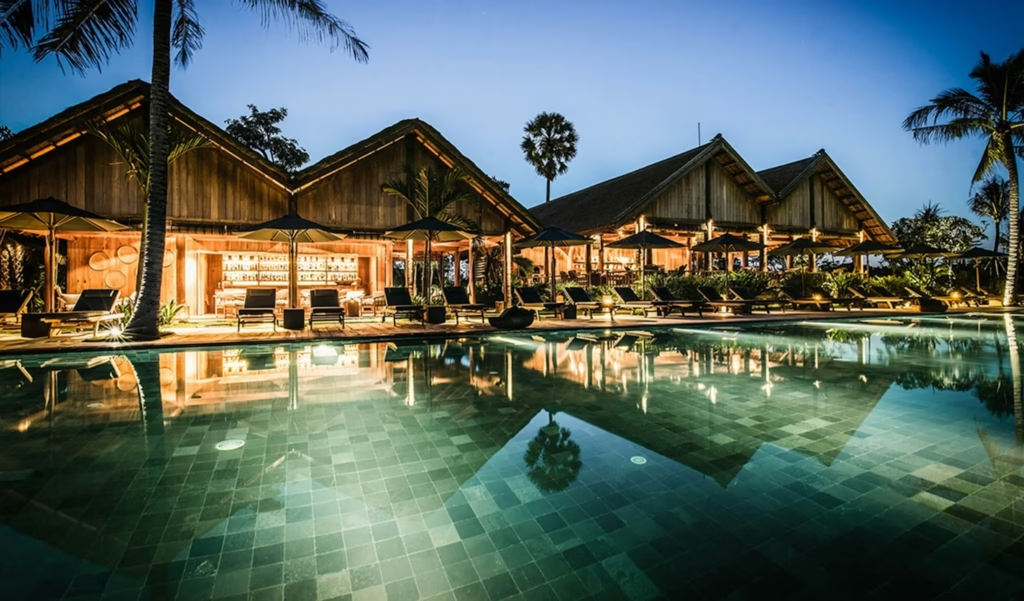
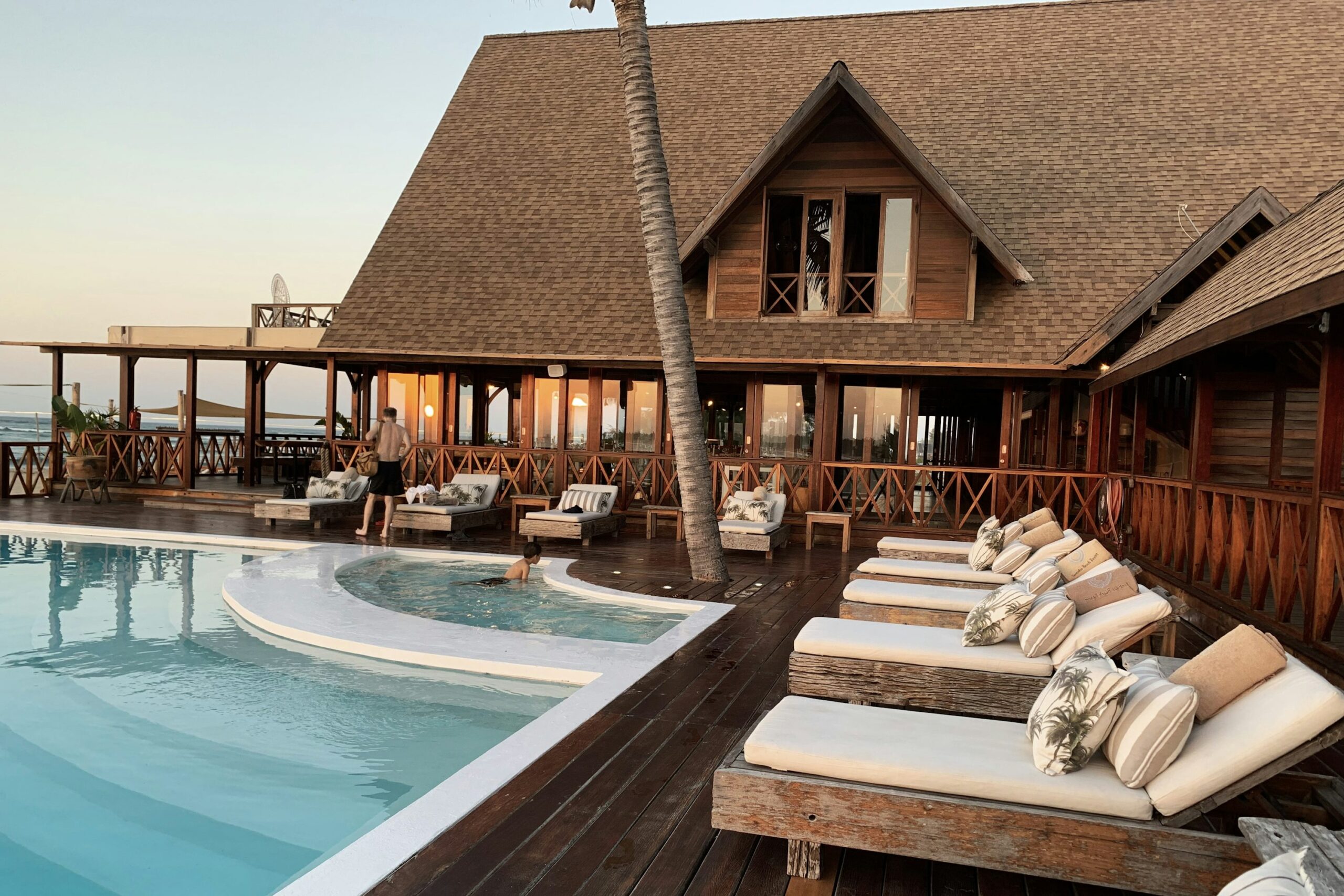
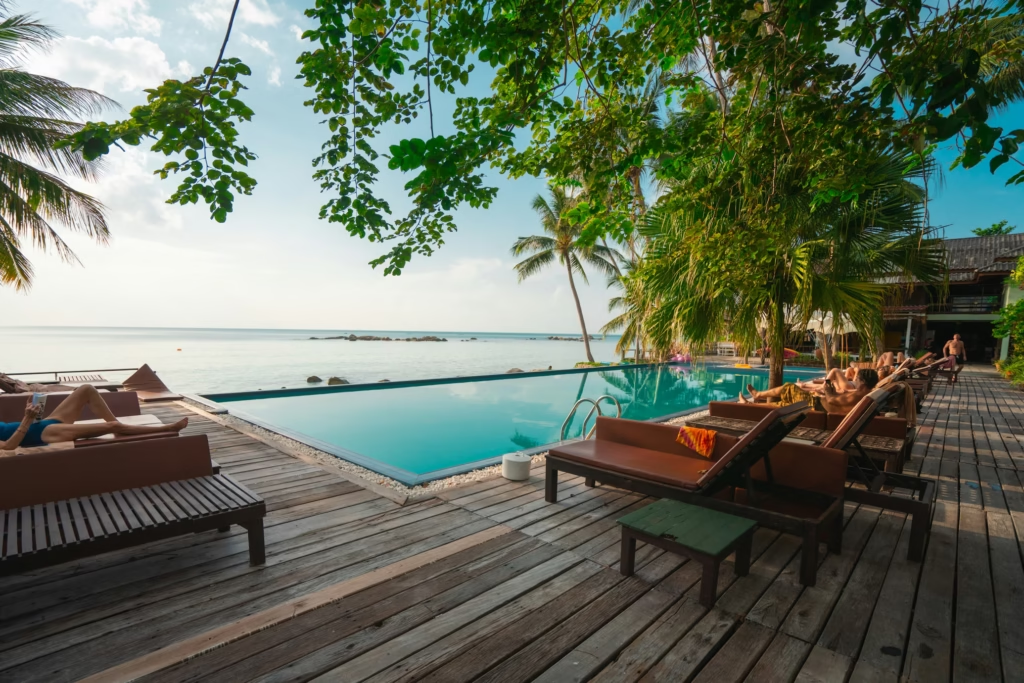
    In experience-first travel, the hotel is no longer just accommodation. It becomes a destination. From private beaches and mountain retreats to cultural courtyards and design-led spaces, these hotels give guests everything they need without leaving the property. Travelers are happy to spend entire days enjoying the hotel’s surroundings, activities, and services.

    Wellness as a Core Experience

    Wellness is at the heart of many experience-first hotels. Spas, meditation rooms, yoga sessions, nature walks, and wellness-focused dining are no longer optional extras. These hotels are designed to help guests recharge mentally and physically. Travelers increasingly choose stays that leave them feeling better than when they arrived.

    Design That Tells a Story

    Experience-first hotels invest heavily in thoughtful design. Architecture, interiors, lighting, and materials are carefully chosen to evoke emotions and reflect local culture. Each space feels intentional, making guests feel part of a story rather than just occupants of a room. This sense of identity makes the stay memorable and personal.

    Food as an Immersive Experience

    Dining in experience-first hotels goes beyond convenience. Meals are often inspired by local traditions, seasonal ingredients, and storytelling. Cooking classes, chef interactions, and curated tasting menus turn food into an experience rather than a routine. Guests remember these moments long after they leave.

    Personalized and Human-Centered Service

    Unlike standardized hotel chains, experience-first properties focus on personalized service. Staff often remember guest preferences, offer tailored recommendations, and create custom experiences. This human connection makes travelers feel valued and understood, strengthening emotional attachment to the stay.

    The Role of Nature and Environment

    Many experience-first hotels are located in nature-rich settings. Forests, beaches, deserts, and mountains become part of the experience. Instead of sightseeing, guests spend time observing sunsets, listening to silence, and reconnecting with the natural world. This connection to nature is a powerful draw for travelers seeking calm.

    Why Digital Nomads and Remote Workers Love This Trend

    Experience-first hotels are especially appealing to digital nomads. They combine comfort, inspiring environments, and reliable infrastructure. Guests can work productively while enjoying a lifestyle-focused stay. This balance makes extended stays more enjoyable and sustainable.

    Social Media and the Experience Economy

    Social media has also influenced this shift. Travelers increasingly value unique experiences they can share, rather than common tourist photos. Experience-first hotels offer visually striking spaces and authentic moments that feel personal and distinctive, aligning perfectly with experience-driven travel culture.

    Reduced Travel Stress and Decision Fatigue

    Planning sightseeing-heavy trips can be exhausting. Experience-first hotels reduce this stress by offering curated experiences on-site. Guests don’t need detailed itineraries or constant decisions. Everything is accessible within the stay, allowing for true relaxation.

    How Experience-First Hotels Support Sustainable Travel

    By encouraging longer stays and fewer daily trips, these hotels support sustainability. Less transportation, deeper local engagement, and conscious resource use make experience-first travel more environmentally friendly. Travelers feel good knowing their choices align with responsible tourism.

    What This Trend Means for the Future of Travel

    As travelers seek meaning over movement, experience-first hotels are likely to grow even more popular. Hotels will continue evolving into immersive spaces focused on well-being, creativity, and connection. Sightseeing won’t disappear, but it will become optional rather than essential.

    How to Choose an Experience-First Hotel

    To find the right stay, travelers should look beyond star ratings. Focus on reviews that mention atmosphere, experiences, service quality, and emotional impact. Hotels that highlight wellness, design, culture, and personalization are strong indicators of experience-first values.

    Conclusion

    The rise of experience-first hotels reflects a deeper shift in how people travel. Instead of chasing sights, travelers are choosing stays that offer peace, meaning, and memorable moments. These hotels redefine travel by proving that sometimes the best experiences happen when you stop sightseeing and simply stay.

  • A Complete Guide to Traveling the World Without Quitting Your Job

    A Complete Guide to Traveling the World Without Quitting Your Job

    Many people dream of traveling the world, but the biggest hurdle that stops them is work. Most believe they need to quit their job to explore new countries, experience different cultures, or enjoy long vacations. But the truth is very different. With the right strategies, planning, and approach, you can travel frequently—and even internationally—while keeping your full-time job secure.

    Today’s work culture, remote flexibility, long weekends, hybrid schedules, and digital tools have made global travel more accessible than ever. Whether you’re working a corporate job, freelancing, or handling a business, exploring the world alongside work is not only possible but surprisingly easy when you plan smart.

    This complete guide will show you how to maximize your holidays, manage your workload, travel on a budget, and make the most out of every trip—without sacrificing your career.

    Understanding Your Job’s Flexibility

    Before planning global travel, it’s important to understand the type of flexibility your job allows. Many employees don’t realize they already have options like remote work days, optional leaves, or work-from-anywhere policies.

    Some companies offer flexible working hours, allowing you to shift work for early or late flights. Others allow remote work during travel as long as your tasks are handled on time. If your employer allows hybrid work, you can plan trips where you work for a few days from your destination and explore after work hours.

    Once you clearly understand your company’s policies, you can plan trips that fit perfectly around your schedule without risking your job security.

    Mastering the Art of Using Weekends and Holidays

    One of the smartest travel hacks is using weekends and public holidays effectively. With just three to four paid leaves, you can create mini-vacations lasting up to 8–10 days.

    For example:

    • When a public holiday falls on Friday or Monday, it creates a long weekend.
    • Taking one leave before or after the holiday can give you four full days.
    • Traveling overnight can help you save a whole day of exploration.

    Many travelers explore 3–4 countries a year using only weekends and a few planned leaves. This system works perfectly for people with full-time jobs who want frequent travel without affecting their work commitments.

    Choosing the Right Destinations for Short Trips

    If you want to travel without quitting your job, picking the right destination is crucial. Not every country requires long travel time or expensive flights. Many cities can be explored in 2–5 days, making them ideal for working professionals.

    Short-distance or visa-free countries are the best choices for quick trips. Look for destinations with:

    • cheap and direct flights
    • shorter travel time
    • easy visa processes
    • convenient transport
    • compact sightseeing areas

    Destinations like Singapore, Dubai, Bali, Malaysia, Portugal, Greece, Qatar, Vietnam, and Turkey are perfect examples of places you can explore over a long weekend or a 4–6 day trip.

    Working While Traveling – The Real Secret

    If your job allows remote work, you can travel more often without waiting for official leave approval. Many employees now combine work and travel through “workations,” where they work during the day and explore in the evenings or weekends.

    To stay productive during workations:

    • choose accommodations with strong Wi-Fi
    • keep a fixed work schedule
    • avoid distractions during work hours
    • use tools like Zoom, Slack, Google Drive, and project management apps
    • communicate with your team clearly about your availability

    Working while traveling doesn’t feel stressful when you manage time wisely. It can actually increase productivity, reduce burnout, and enhance creativity.

    Using Budget Hacks to Travel More Often

    Traveling frequently becomes easier when you know how to keep costs low. Budget travel doesn’t mean compromising on comfort; it means making smarter choices.

    Useful cost-saving strategies include:

    • booking flights on weekdays
    • using fare trackers and deal apps
    • traveling during shoulder seasons
    • choosing Airbnb, hostels, or boutique stays
    • using public transport instead of private taxis
    • exploring local food instead of fancy restaurants

    Many professionals travel internationally for under $600–$900 by following simple budget planning. The key is to plan early, be flexible with travel dates, and avoid peak-season pricing.

    Maximizing Your Paid Time Off

    Most employees underuse their paid leave because they worry about workload or company perception. But paid leave exists for a reason—it improves well-being and prevents burnout.

    Smart travelers plan their annual leave schedule at the beginning of the year. By aligning your vacation days with weekends, public holidays, and low-ticket seasons, you can enjoy multiple international trips without taking excessive time off work.

    Use your PTO wisely:

    • take 1–2 short trips
    • plan 1 big annual vacation
    • mix work-from-home days with travel days
    • avoid wasting leave on unproductive days

    Planning early helps you save money, get better deals, and avoid work conflicts.

    Communicating Clearly With Your Employer

    The key to traveling while working is transparent communication. When you inform your manager early and prepare your work ahead of time, they will almost always support your vacation plan.

    Pro tips:

    • complete important tasks before leaving
    • update your teammates about responsibilities
    • keep communication active even when away
    • avoid scheduling major deadlines during your travel
    • be available for emergencies if needed

    Professionals who travel often are usually those who plan responsibly and maintain trust with their team.

    Choosing Travel Styles That Fit Your Work Life

    Not all travel styles suit working professionals. When your time is limited, it’s better to choose experiences that don’t require long commutes, heavy planning, or multiple flight connections.

    Travel styles perfect for full-time workers:

    • city breaks
    • cultural trips
    • weekend island getaways
    • adventure parks or nature escapes
    • workations in peaceful places
    • slow travel in small towns

    Picking the right travel style prevents unnecessary stress and ensures that your trips feel rejuvenating instead of rushed.

    Balancing Work and Travel Without Burnout

    Traveling frequently while working requires balance. Your goal is not to escape work but to enrich your life with memorable experiences. Striking the right balance helps you stay energized, productive, and mentally refreshed.

    To avoid burnout:

    • keep realistic expectations
    • take enough rest between trips
    • avoid planning back-to-back holidays
    • maintain a healthy work-life rhythm
    • prioritize sleep and wellness during travel

    Travel should enhance your life—not exhaust you.

    Final Thoughts

    Traveling the world without quitting your job is not a dream; it’s a practical reality. With strategic planning, smart use of weekends, flexible work policies, budget travel hacks, and responsible communication, you can explore more destinations than you ever imagined.

    Thousands of professionals around the world take multiple international trips every year—all while maintaining successful careers. You can do the same.

    The world is too big and life is too short to wait for “the perfect time.” Start planning, take small steps, and make travel a consistent part of your lifestyle.

  • World’s Best Food Destinations Every Traveler Must Try

    World’s Best Food Destinations Every Traveler Must Try

    Food is often the heart of travel. Experiencing a country through its cuisine connects travelers to culture, history, and tradition in the most delicious way. From street food stalls to Michelin-star restaurants, every destination has its own culinary story to tell. If you’re a foodie planning your next adventure, these destinations are must-visits for 2025. They offer unforgettable flavors, unique dishes, and experiences that go far beyond ordinary dining.

    Tokyo, Japan – A Gastronomic Wonderland

    Tokyo is a paradise for food lovers, blending tradition and modernity. From sushi and ramen to tempura and yakitori, the city offers world-class cuisine on every corner. Tsukiji Market remains a hotspot for fresh seafood, while street stalls in Asakusa serve affordable and delicious snacks. Beyond taste, the presentation and culture surrounding Japanese food make Tokyo an unforgettable culinary experience. Whether it’s high-end dining or local street food, Tokyo satisfies every palate.

    Bangkok, Thailand – Street Food Heaven

    Bangkok is legendary for its vibrant street food culture. Dishes like pad Thai, green curry, mango sticky rice, and som tam (papaya salad) are affordable and packed with flavor. The city’s food markets, floating markets, and night markets offer endless options for tasting local cuisine. Beyond street food, Bangkok has exceptional fine dining restaurants serving modern interpretations of traditional Thai dishes. Travelers can experience both authentic and contemporary flavors in a single city.

    Istanbul, Turkey – Where East Meets West

    Istanbul is a melting pot of cultures, and its food reflects that diversity. From savory kebabs, pide (Turkish pizza), and meze platters to sweet baklava and Turkish delight, the city offers endless culinary delights. The spice bazaars, local cafés, and historic neighborhoods provide a sensory journey through centuries of Turkish and Ottoman influence. Travelers can enjoy hearty meals, street snacks, and unique coffee rituals while exploring the city’s rich culture.

    Barcelona, Spain – Mediterranean Flavors

    Barcelona offers a perfect mix of tapas, seafood, and Mediterranean cuisine. Classic dishes like paella, patatas bravas, and fresh seafood are must-tries. La Boqueria Market showcases fresh produce, local cheeses, and vibrant flavors. The city is ideal for travelers who enjoy pairing culinary exploration with cultural sightseeing. From street cafés to high-end dining, Barcelona combines taste, atmosphere, and tradition.

    Mexico City, Mexico – Authentic Latin American Cuisine

    Mexico City is a haven for food enthusiasts seeking bold and authentic flavors. Tacos al pastor, tamales, mole, and churros are just the beginning. The city’s bustling markets, street vendors, and historic neighborhoods make it easy to experience authentic Mexican cuisine. Food tours, cooking classes, and local dining experiences allow travelers to dive deep into the culture behind each dish. Mexico City offers an unforgettable combination of flavor, history, and hospitality.

    Marrakech, Morocco – Spices, Flavors, and Tradition

    Marrakech is a feast for the senses, especially for food lovers. The medinas are filled with spices, tagines, couscous, fresh bread, and sweet pastries. Traditional Moroccan meals are often communal, offering an authentic glimpse into local life. Street markets and food stalls provide budget-friendly options while delivering rich flavors. For travelers interested in exotic tastes, Moroccan cuisine is a blend of history, culture, and culinary artistry.

    Lyon, France – The Capital of Gastronomy

    France is famous for its cuisine, and Lyon is often regarded as the culinary capital. Classic French dishes like coq au vin, quenelles, and saucisson are staples here. Lyon’s local markets, bouchons (traditional restaurants), and patisseries provide a rich, authentic experience. For travelers passionate about gastronomy, the city offers cooking classes, wine tastings, and unforgettable meals that showcase French culinary excellence.

    Ho Chi Minh City, Vietnam – Affordable and Flavorful

    Ho Chi Minh City (Saigon) offers incredible street food at extremely affordable prices. Pho, banh mi, fresh spring rolls, and coffee are highlights for travelers looking for authentic Vietnamese flavors. Markets, street vendors, and local eateries provide a diverse and flavorful experience. Minimal cost, maximum taste, and cultural immersion make the city ideal for budget-conscious travelers who love good food.

    Lima, Peru – The Fusion Capital

    Lima is renowned for its innovative cuisine, blending traditional Peruvian ingredients with international techniques. Ceviche, anticuchos, and lomo saltado are iconic dishes. Lima’s restaurants, markets, and culinary schools make it a food destination worth traveling for. The city is especially popular with foodies who appreciate fusion, experimentation, and high-quality ingredients, making it one of the top culinary cities in the world.

    Conclusion

    Traveling for food allows you to experience a country in a deeply immersive way. From Tokyo’s meticulous sushi to Bangkok’s bustling street food and Lima’s innovative dishes, every destination offers a unique culinary story. Exploring local markets, tasting authentic flavors, and engaging with culture through food makes travel richer, more memorable, and incredibly satisfying. For 2025, these food destinations promise a combination of culture, flavor, and unforgettable experiences for every traveler.

  • Why Omio Is the Best Platform for Booking Trains, Buses & Flights: A Complete Review

    Why Omio Is the Best Platform for Booking Trains, Buses & Flights: A Complete Review

    Travel planning can often be overwhelming. From comparing schedules to checking prices across multiple providers, finding the right ticket can take hours. That’s where Omio comes in—a platform designed to simplify travel across Europe, the U.S., and Canada by combining trains, buses, flights, and ferries in one convenient interface. Whether you’re a solo traveler, a family, or a business professional, Omio makes booking easy, fast, and budget-friendly. In this review, we’ll dive into why Omio is a top choice for travelers, how it works, and the benefits that make it stand out from the competition.

    What Is Omio and How Does It Work?

    Omio is an online travel booking platform that allows users to search, compare, and book trains, buses, flights, and ferries across Europe, the U.S., and Canada. The platform connects to over 1,000 travel providers, including major airlines, national rail companies, and private bus operators, making it easy to compare multiple options in one place. With Omio, travelers can filter results by price, duration, departure time, and carrier, helping them find the most convenient and cost-effective options. Its interface is clean and user-friendly, meaning even first-time users can navigate the platform with ease.

    Why Omio Is Perfect for Travelers Who Want Convenience

    One of Omio’s biggest advantages is its all-in-one approach. Traditionally, travelers had to check separate websites for trains, buses, and flights, often wasting hours comparing schedules and prices. Omio eliminates this hassle. You can view every option in one search, making it easier to plan complex trips. For example, a journey from Paris to Berlin could involve a train, bus, or even a short flight, and Omio shows all options along with prices and travel times. Its mobile app is equally convenient, allowing travelers to book on the go and access e-tickets directly from their smartphones.

    Save Money With Omio’s Price Comparison

    Finding the cheapest travel option is one of Omio’s standout features. The platform compares thousands of routes from different providers, highlighting the most cost-effective options. Users can filter results based on budget, fastest travel time, or preferred mode of transport. Omio also shows hidden cost details, such as baggage fees for flights, so travelers avoid surprises at the airport or station. For budget-conscious travelers, Omio is an indispensable tool that ensures you never overpay for your trip.

    Wide Range of Travel Options Across Multiple Countries

    Omio’s strength lies in its extensive network. In Europe, it covers everything from high-speed trains in France and Germany to local buses in Spain and Italy. In the U.S., Omio includes major domestic airlines, Amtrak trains, and regional bus services like Greyhound and Megabus. In Canada, it offers VIA Rail and several regional bus options. This vast coverage allows travelers to plan multi-city itineraries without worrying about connecting different booking platforms. Whether you’re traveling for business, leisure, or adventure, Omio provides all your options in one easy-to-navigate platform.

    User-Friendly Features That Make Booking Easy

    Omio’s interface is designed with travelers in mind. Key features include:

    • Flexible search: You can enter multiple destinations and compare all transport options in one place.
    • Filter options: Sort by price, duration, departure time, and provider.
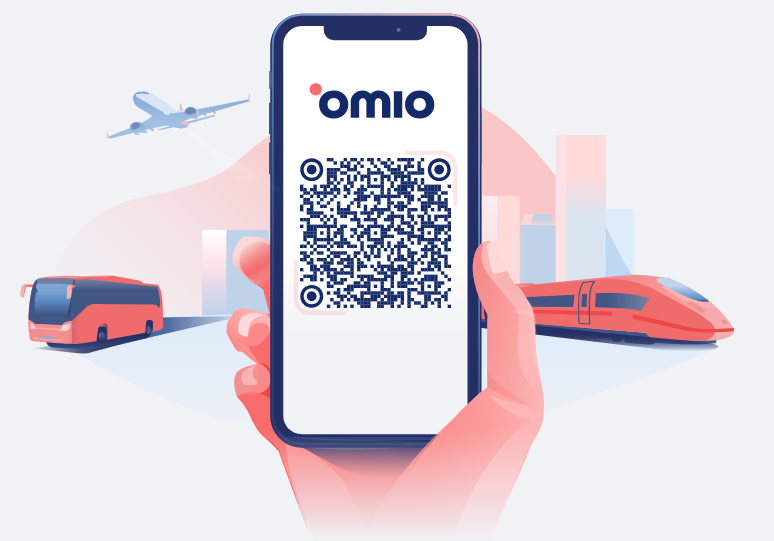
    • Mobile tickets: E-tickets and QR codes reduce the need for printing.
    • Multi-language support: Available in multiple languages, which is perfect for international travelers.
    • Real-time updates: Track delays, platform changes, or cancellations in real time.

    These features reduce stress, save time, and make the entire booking process seamless. Travelers no longer have to juggle multiple websites or worry about missed connections.

    Omio Rewards and Loyalty Benefits

    Omio also offers a rewards program and special deals for frequent travelers. Signing up for an Omio account gives access to early-bird promotions, discounted fares, and personalized travel recommendations. The platform occasionally offers seasonal promotions or email-only discounts, helping travelers save even more. For people who travel regularly, using Omio consistently can result in significant cost savings over time.

    Why Omio Is Great for Families and Groups

    Traveling with family or in groups can be complicated, especially when booking multiple tickets. Omio simplifies this process by allowing you to book multiple passengers in one transaction, making sure everyone’s travel preferences are considered. It also highlights amenities such as Wi-Fi availability, seat types, and luggage allowances, so families can choose options that suit their needs. For example, parents traveling with young children can filter for buses with child-friendly facilities or trains with family seating.

    Customer Support and Reliability

    Omio is known for its reliable customer support. Users can contact support via email or chat to resolve booking issues, inquire about cancellations, or get guidance on travel policies. The platform also provides clear information on ticket refund policies and guarantees, which is particularly reassuring for first-time travelers. Positive user experiences indicate that Omio is both trustworthy and effective, making it one of the best travel platforms currently available.

    Conclusion: Omio Makes Travel Simple, Affordable, and Reliable

    In today’s fast-paced world, travel planning can be a major source of stress. Omio solves this problem by providing a one-stop solution for trains, buses, flights, and ferries across Europe, the U.S., and Canada. Its wide coverage, price comparison tools, user-friendly interface, and mobile app make booking convenient and stress-free. For budget-conscious travelers, families, business professionals, and affiliate marketers, Omio offers unmatched benefits. Whether you’re planning a quick city trip, a long-haul adventure, or a multi-destination journey, Omio ensures your travel planning is as smooth and affordable as possible.

    With Omio, booking your next trip has never been easier, cheaper, or more reliable. From convenience to savings, it’s clear why thousands of travelers rely on Omio every year to make their journeys stress-free and enjoyable.

  • 10 Hotel Booking Secrets Travel Agents Don’t Want You to Know

    10 Hotel Booking Secrets Travel Agents Don’t Want You to Know

    Booking a hotel seems simple, but the truth is that there are hidden tricks, insider strategies, and little-known loopholes that can save you a lot of money. Travel agents and booking platforms often use these tactics quietly, but once you know them, you can unlock cheaper rates, better rooms, and exclusive perks without paying extra.

    Here are the hotel booking secrets that most travelers never hear about.

    The Best Deals Are Often Available at the Last Minute

    Most travelers think booking early always guarantees the best price. But hotels frequently drop their rates at the last minute to fill unsold rooms. You can take advantage of this, especially for weekend stays in major cities. Apps and hotel websites often push steep discounts when check-in is just a few hours away.

    Hotels Release Unpublished Rates You Won’t Find on Search Engines

    Search engines and booking websites don’t always show every price a hotel offers. Many hotels have hidden or “unpublished” rates that are only available through direct contact, secret partner platforms, or membership programs. These rates can sometimes be significantly lower than what you see online.

    Calling the Hotel Directly Can Get You a Better Price

    It may feel old-fashioned, but calling the hotel can unlock deals not found online. Front desk teams can offer discounts, waive fees, or upgrade you if you speak politely and mention that you found a lower price elsewhere. Direct bookings also help hotels avoid commission fees, so they often treat direct guests better.

    Booking on the Hotel’s Own Website Can Give You Extra Perks

    Hotels prefer direct bookings because they don’t want to pay high commissions to third-party websites. To encourage this, they offer perks like early check-in, free breakfast, room upgrades, and flexible cancellation policies. Even if the price looks the same, the added benefits make direct booking more valuable.

    Prices Change Throughout the Week and Time of Day

    Hotel prices fluctuate like flight prices. Studies have shown that rates often drop late at night, especially between midnight and 4 a.m., when fewer people are searching. Weekdays—particularly Tuesdays and Wednesdays—tend to have more competitive prices compared to weekends. Timing your search makes a big difference.

    Loyalty Programs Aren’t Just for Frequent Travelers

    Even if you travel only once or twice a year, joining a hotel loyalty program can save you money. Many programs give instant benefits like free Wi-Fi, priority check-in, or discounts for members. The more you book, the more rewards you earn, eventually unlocking free nights or room upgrades.

    Using VPN to Change Your Search Location Can Lower Prices

    Hotel booking websites sometimes adjust prices based on your location. Searching from countries with lower average incomes can show cheaper rates. Using a VPN to change your virtual location can unlock lower prices, similar to how flight hacking works.

    Booking Longer Stays Can Trigger Automatic Discounts

    Hotels often reduce the total price if the length of stay passes certain limits, such as three or five nights. Even if you only need a two-night stay, checking the price for three nights might show a discount that makes the overall rate cheaper. Adjusting date ranges can reveal hidden deals.

    Hidden Fees Can Be Negotiated or Avoided

    Resort fees, parking fees, and service charges can add a big amount to your total cost. Many travelers don’t know that these fees are often negotiable. You can request waivers, especially if you booked directly or if the fee wasn’t clearly mentioned during booking. Some hotels remove charges to maintain guest satisfaction.

    Room Upgrades Are Easier to Get Than You Think

    Most travelers assume upgrades are rare or expensive, but front desks often have multiple categories of rooms left unsold. Politely asking at check-in, arriving late in the evening, or mentioning a special occasion can dramatically increase your chances. Hotels would rather upgrade you than leave a better room empty.

    Conclusion

    Hotel booking doesn’t have to be confusing or expensive. Once you understand these insider secrets, you can unlock better rates, secure upgrades, and avoid unnecessary fees. Whether you’re planning a luxury vacation or a budget weekend trip, using these tricks will ensure you always get the best value. Traveling smart starts with booking smart, and these strategies give you the upper hand every time.