Blog

  • 13 Best Platforms for Weekend Trips: What Travelers Are Choosing in 2026

    13 Best Platforms for Weekend Trips: What Travelers Are Choosing in 2026

    Weekend travel is becoming more popular than ever in 2026. People now want short, refreshing breaks that are affordable, easy to plan, and full of memorable experiences. Whether you’re traveling solo, with family, or with your partner, the right platform can help you find the perfect getaway quickly and within your budget.

    Here are the best platforms travelers are trusting in 2026 for smooth, cost-efficient, and enjoyable weekend trips.
    Weekendesk

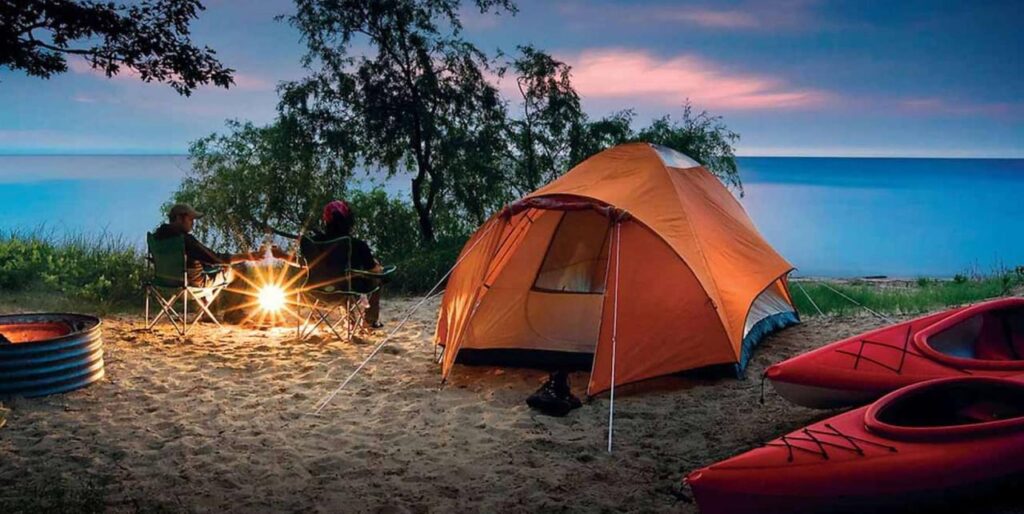
    Weekendesk specializes in short breaks, spa deals, romantic escapes, and adventure packages across Europe. The platform curates ready-made weekend experiences, which saves travelers time and helps them find themed getaways at discounted rates. It’s perfect for couples or anyone looking for a relaxing quick vacation.

    Booking.com

    Booking.com remains the top choice for weekend travelers because of its huge variety of hotels, apartments, cabins, and luxury stays. The platform offers free cancellation on many properties and gives access to exclusive deals, making it ideal for last-minute weekend plans.

    Airbnb

    Airbnb is the go-to choice for unique weekend stays. Whether you want a cozy cabin, beachfront home, city apartment, or countryside retreat, Airbnb offers options for every budget. It’s great for families and groups who want privacy and comfort along with flexible check-in options.

    Expedia

    Expedia is a reliable platform for weekend flight-and-hotel bundles. Travelers in 2026 prefer it because bundling saves more money compared to booking separately. The platform also offers last-minute deals and reward points that can be used on future trips.

    GetYourGuide

    GetYourGuide focuses on tours, activities, day trips, and experience-based travel. Weekend travelers rely on it to book city tours, adventure activities, museum tickets, boat rides, food walks, and more. It helps you plan your entire weekend itinerary in advance with verified reviews.

    TripAdvisor

    TripAdvisor is popular among travelers who want trustworthy reviews before booking. It helps compare hotels, restaurants, and attractions in any destination. Travelers use it to check honest feedback, photos, and ratings to ensure they pick the right place for their short trip.

    Trivago

    Trivago is one of the most reliable platforms for comparing hotel prices across multiple booking sites. By showing all available deals in one search, it ensures you always get the lowest price for your weekend hotel stay.

    Trainline

    Trainline is the best platform for weekend travelers in Europe and the UK who prefer train journeys. It offers real-time prices, fast bookings, digital tickets, and multiple rail operator options. Travelers love it because train travel is faster, cheaper, and more scenic for short-distance weekend plans.

    Omio

    Omio compares trains, buses, and flights in one place, helping weekend travelers quickly choose the cheapest and fastest way to reach their destination. It’s especially useful for cross-country travel across Europe and North America.

    Kayak

    Kayak is a powerful search engine that lets travelers find the lowest flight and hotel prices for their weekend trip. Its flexible date search helps identify which weekend offers the cheapest getaway options.

    Skyscanner

    Skyscanner remains a favorite for travelers looking for cheap weekend flights. It shows flexible dates, price alerts, and fare comparisons across airlines, making it ideal for booking spontaneous weekend escapes.

    Hopper

    Hopper uses price prediction technology to inform travelers when to book their flights or hotel for the lowest price. The app tells you whether prices will rise or drop, helping you save money on last-minute weekend plans.

    Trip.com

    Trip.com is becoming increasingly popular in 2026 for weekend trips due to its competitive pricing on hotels, flights, and local activities. The platform often provides coupons and seasonal discounts, making it budget-friendly for short getaways.

    Conclusion

    Weekend trips are becoming an essential escape for travelers in 2026, and choosing the right platform can make planning faster, easier, and more affordable. Whether you want a romantic spa stay, an adventure-filled getaway, or a peaceful retreat, these thirteen platforms offer reliable options with great deals. Before booking your next weekend trip, explore these websites to find the best route, stay, and experiences that match your travel style and budget.

  • Bali on a Budget: Beaches, Food, and Hidden Spots You Can Explore Cheaply

    Bali on a Budget: Beaches, Food, and Hidden Spots You Can Explore Cheaply

    Bali may be known for luxury resorts, infinity pools, and influencers, but it’s also one of the best destinations in the world for budget travelers. With affordable stays, cheap local food, low-cost transportation, and countless free experiences, you can explore Bali without spending much at all. Here’s your complete guide to experiencing the island’s beaches, culture, food, and hidden gems on a budget.

    Best Budget-Friendly Beaches in Bali

    Some of Bali’s most stunning beaches cost absolutely nothing to enjoy. Kuta Beach is great if you want sunsets, surfing lessons, and a lively atmosphere at low prices. For a more peaceful vibe, head to Balangan Beach—its soft sand and cliff viewpoints make it perfect for photos and relaxation. Another favorite among budget travelers is Padang Padang Beach, where a small entrance fee gives you access to crystal-clear waters ideal for swimming.

    Affordable Local Food and Warungs

    The best way to save money in Bali is to eat like a local. Warungs—small family-run eateries—serve delicious traditional food at extremely low prices. Must-try dishes include Nasi Goreng, Mie Goreng, Babi Guling, and Satay. If you’re staying in tourist-heavy areas like Seminyak or Canggu, walk a few streets away from the main markets and you’ll find warungs offering huge meals for very little. Street food in Bali is flavorful, safe, and a lifesaver for budget travelers.

    Budget Stays That Don’t Feel Cheap

    Bali offers some of the world’s best-value accommodations. Many hostels come with pools, coworking spaces, and breakfast included. Guesthouses in Ubud are especially affordable and often located right in the middle of rice fields. If you prefer privacy, homestays and locally owned villas are budget-friendly while still offering Balinese hospitality and comfort.

    Hidden Spots You Can Explore for Almost Nothing

    Going off the tourist trail will not only save money but also give you a more authentic Bali experience. The Tukad Cepung Waterfall is a magical spot where sunlight beams through a canyon—an incredible scene for photographers. Visit the Campuhan Ridge Walk in Ubud for a peaceful sunset hike with breathtaking views. Sidemen Valley is another underrated area with lush fields and quiet villages that feel far removed from busy tourist zones.

    Cheap Transportation Tips

    Scooter rentals are the cheapest and most flexible way to travel around Bali. Public buses like Kura-Kura Bus are extremely budget-friendly if you’re not comfortable driving. Ride-hailing apps also offer low-cost rides for short distances. Staying in a central area like Ubud or Seminyak helps reduce transportation costs because most attractions are nearby.

    Free and Low-Cost Activities

    Bali is full of activities that cost little to nothing. Beaches, markets, and temples are either free or charge a minimal entrance fee. You can join community yoga sessions, explore local night markets, visit sunset viewpoints, or watch traditional dance performances at budget-friendly venues. Many travelers spend days wandering local villages, meeting artisans, and discovering Bali’s cultural side without spending much at all.

    Conclusion

    Bali proves that paradise doesn’t have to be expensive. From budget-friendly beaches to cheap and delicious local food, low-cost transportation, and hidden gems waiting to be explored, the island offers countless experiences without stretching your wallet. Whether you’re a solo traveler, a couple, or a group of friends, Bali is one of the world’s best destinations for affordable travel. Pack light, stay flexible, and enjoy the Island of the Gods—without overspending.

  • Ultimate 7-Day Europe Itinerary: Explore Paris, Rome, and Barcelona Efficiently

    Ultimate 7-Day Europe Itinerary: Explore Paris, Rome, and Barcelona Efficiently

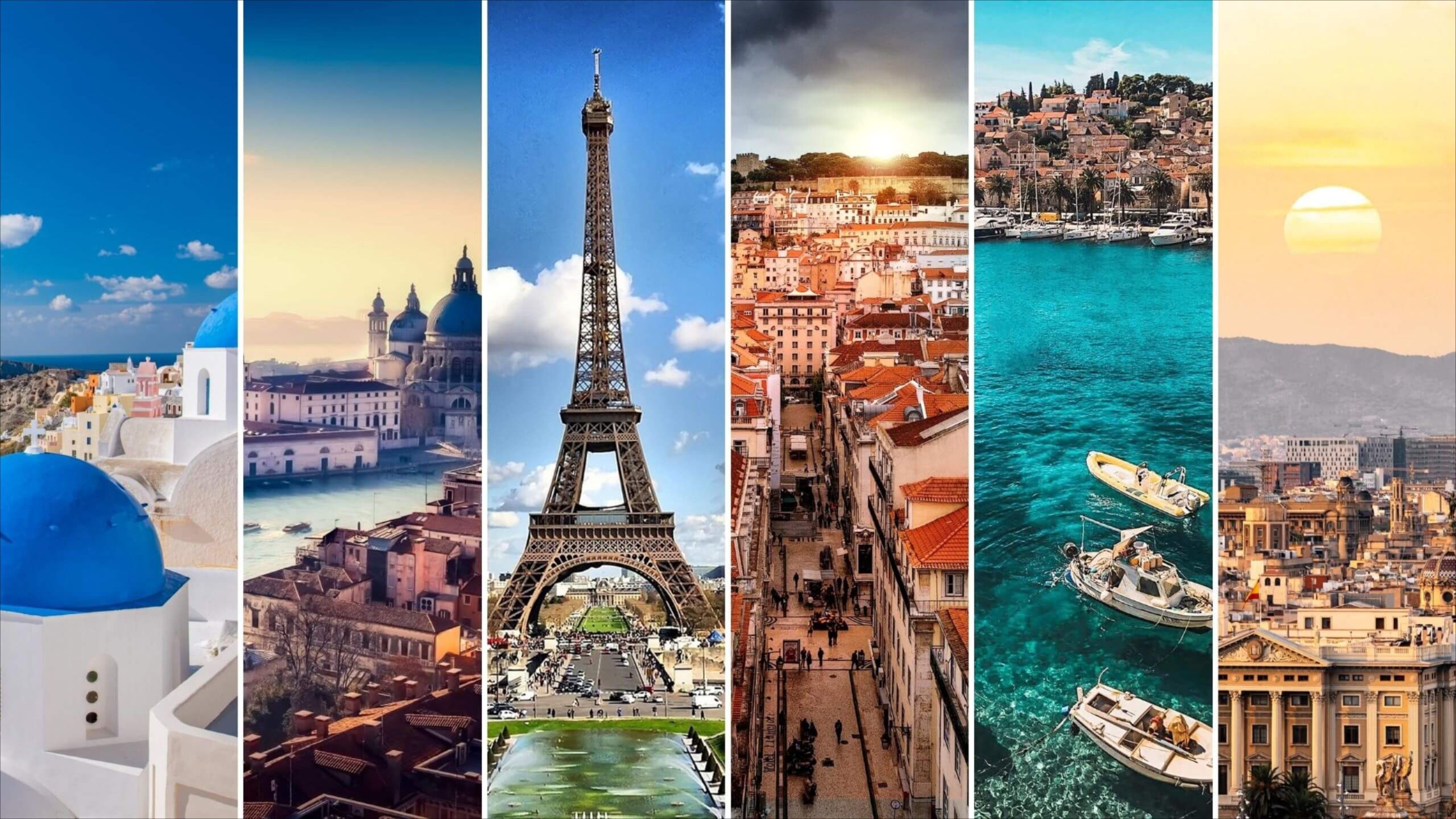
    Europe offers a rich tapestry of culture, history, cuisine, and iconic landmarks, making it a dream destination for travelers. However, with so many cities to explore, planning an efficient itinerary is key to maximizing your experience. This 7-day Europe itinerary is designed to help travelers see the highlights of Paris, Rome, and Barcelona without feeling rushed. From iconic monuments to local experiences, each day balances sightseeing, relaxation, and culinary delights.

    Day 1: Arrival and Evening in Paris

    Arrive in Paris and settle into your hotel, ideally in central areas such as Le Marais or Saint-Germain for easy access to attractions. Spend your evening with a relaxing walk along the Seine River. Enjoy a traditional French dinner at a bistro and perhaps a brief visit to the Eiffel Tower for a night-time photo opportunity. This gentle start allows you to acclimate and set the mood for your European adventure.

    Day 2: Paris Landmarks and Museum Visits

    Dedicate your day to exploring Paris’s most iconic landmarks. Begin with a visit to the Louvre Museum to see world-famous artworks including the Mona Lisa. Next, explore the Notre-Dame Cathedral and stroll through the Latin Quarter. In the afternoon, take a Seine River cruise or visit the Montmartre district for charming streets and the Sacré-Cœur Basilica. End the day with dinner in a classic Parisian brasserie.

    Day 3: Paris Hidden Gems and Culinary Experiences

    Discover Paris beyond the main tourist attractions. Visit the Musée d’Orsay for Impressionist art, then explore hidden neighborhoods like Le Marais with its boutique shops and cafés. For lunch, try French pastries or a croque-monsieur at a local café. In the evening, consider attending a cabaret show at Moulin Rouge or enjoying wine and cheese at a quiet wine bar. These experiences capture the essence of Parisian culture.

    Day 4: Travel to Rome and Evening Exploration

    Take a morning flight or high-speed train to Rome. Check into a hotel in areas like Trastevere or near Piazza Navona. Spend the evening walking around the historic center, admiring landmarks such as the Pantheon and Piazza Venezia. Stop for gelato while wandering the streets, soaking in Rome’s lively atmosphere. This evening allows a gentle introduction to the Eternal City.

    Day 5: Rome’s Ancient Wonders

    Start your day with a guided tour of the Colosseum and Roman Forum. Discover the history and architecture of ancient Rome while learning fascinating stories about gladiators and emperors. After lunch, visit the iconic Trevi Fountain and Spanish Steps. Wrap up the day with dinner at a traditional Roman trattoria, enjoying pasta dishes like cacio e pepe or carbonara.

    Day 6: Vatican City and Local Experiences

    Dedicate this day to Vatican City. Explore St. Peter’s Basilica, the Vatican Museums, and the Sistine Chapel to see Michelangelo’s masterpieces. Afterward, enjoy a leisurely walk along the Tiber River or explore local markets. In the evening, attend a wine-tasting session or dine at a family-run osteria for an authentic Italian culinary experience.

    Day 7: Travel to Barcelona and Final Sightseeing

    Take a morning flight to Barcelona and check into a centrally located hotel near Las Ramblas or the Gothic Quarter. Visit the famous Sagrada Família and stroll through Park Güell, both showcasing Gaudí’s unique architectural style. Spend the evening wandering the Gothic Quarter’s narrow streets and enjoy tapas at a local bar. A Flamenco show or beachside walk provides a memorable end to your 7-day European adventure.

    Tips for an Efficient Itinerary

    • Book transportation in advance: High-speed trains and flights between cities save time.
    • Stay centrally: Hotels near main attractions reduce commuting time.
    • Plan meals strategically: Try local cuisine near attractions to maximize sightseeing time.
    • Buy skip-the-line tickets: Museums and landmarks often have long queues; pre-booking is a time-saver.
    • Pack light: A manageable carry-on helps you move easily between cities.

    Conclusion

    This 7-day Europe itinerary efficiently combines the highlights of Paris, Rome, and Barcelona, offering travelers a mix of history, culture, architecture, and culinary delights. From iconic monuments to hidden gems, each day balances sightseeing and relaxation, ensuring a memorable experience. By following this itinerary, you can explore Europe’s most enchanting cities efficiently while creating unforgettable memories of your European journey.

  • All-Inclusive vs DIY Travel: Which One Actually Saves You More Money in 2026

    All-Inclusive vs DIY Travel: Which One Actually Saves You More Money in 2026

    Travelers today are split between two popular styles of planning a trip. One group prefers all-inclusive packages where everything is paid for upfront, while the other enjoys DIY travel, booking flights, hotels, and experiences separately. Both approaches promise savings, but only one truly works depending on how and where you travel.

    This guide breaks down the real cost differences between all-inclusive travel and DIY planning in 2026 so you can decide which option actually saves you more money without sacrificing experience.

    Understanding the True Cost of All-Inclusive Travel

    All-inclusive travel bundles accommodation, meals, drinks, and activities into a single price. At first glance, this may seem expensive, but it removes many hidden costs that travelers often overlook.

    Resorts negotiate bulk pricing for food, transportation, and entertainment, which means individual travelers often cannot match these rates on their own. The upfront cost may be higher, but daily expenses are predictable and controlled.

    What DIY Travel Really Costs Over Time

    DIY travel gives you flexibility and control, but it also introduces multiple cost variables. Flight price changes, hotel surcharges, local transport, meals, and attraction tickets can quickly add up.

    Many travelers underestimate small daily expenses. Coffee stops, taxis, entry fees, tips, and last-minute bookings often push DIY travel budgets beyond what was originally planned.

    When All-Inclusive Travel Is Cheaper

    All-inclusive travel usually saves money in resort-based destinations where dining and transport are expensive or limited. Island destinations, remote beaches, and luxury-focused regions strongly favor all-inclusive packages.

    Families and group travelers benefit the most. Fixed pricing for meals and activities helps avoid budget surprises, and kids’ programs included in resorts reduce the need for paid entertainment.

    When DIY Travel Offers Better Value

    DIY travel tends to be cheaper in cities with strong public transport, affordable street food, and free or low-cost attractions. Budget-friendly countries with competitive accommodation markets also favor independent planning.

    Travelers who enjoy planning, comparing prices, and adjusting itineraries daily can reduce costs through flexibility. DIY travel works best for short stays or destinations where experiences matter more than resort comfort.

    Hidden Expenses Most Travelers Forget

    All-inclusive travel reduces unexpected spending, but not all packages are truly complete. Premium activities, spa services, and specialty dining may still cost extra.

    DIY travelers face even more hidden costs, including baggage fees, resort taxes, currency exchange losses, and booking platform service charges. These expenses often appear only after the trip begins.

    Time Value: The Cost Most People Ignore

    Time is money, especially in travel. All-inclusive vacations save hours of research, coordination, and decision-making. For professionals and families, this time savings has real value.

    DIY travel demands planning effort before and during the trip. While some travelers enjoy this, others find the mental load reduces relaxation, indirectly lowering the value of the trip.

    Travel Style Matters More Than Budget

    If relaxation, predictability, and comfort matter most, all-inclusive travel often delivers better value overall. If exploration, spontaneity, and cultural immersion are priorities, DIY travel may feel more rewarding even if it costs slightly more.

    Your travel pace, tolerance for uncertainty, and trip purpose play a bigger role than pure pricing when determining which option feels cheaper.

    Which Option Wins in 2026

    With rising costs in transportation, food, and accommodations worldwide, all-inclusive travel has become more competitive than ever. Resorts are offering aggressive pricing to lock in travelers early, making packages more attractive.

    DIY travel still wins in destinations with low daily costs and strong infrastructure. However, for longer stays and popular tourist regions, all-inclusive pricing often ends up being the smarter financial choice.

    How to Choose the Right Option for Your Next Trip

    Start by listing your non-negotiables. If you want zero stress and controlled spending, all-inclusive travel is likely the better option. If flexibility and discovery are more important, DIY travel may suit you better.

    Comparing total trip cost instead of daily rates gives a clearer picture. The cheapest-looking option upfront is not always the one that saves you money in the end.

    Conclusion

    All-inclusive and DIY travel both have their place, but neither is universally cheaper. The real savings depend on destination, trip length, travel style, and how much planning effort you’re willing to invest.

    In 2026, travelers who choose the right model for the right destination are the ones truly saving money. Understanding these differences helps you travel smarter, not just cheaper.

  • Top Adventure Places for Thrill Seekers

    Top Adventure Places for Thrill Seekers

    Adventure travel has become one of the fastest-growing segments in global tourism. Modern travellers are no longer satisfied with ordinary vacations; they want experiences that push boundaries, challenge comfort zones, and deliver a powerful adrenaline rush. Whether it’s diving deep into the ocean, jumping off cliffs, trekking across remote mountains, or exploring dense forests, thrill seekers look for destinations that combine natural beauty with unforgettable excitement.

    This guide covers some of the world’s top adventure destinations that offer extraordinary experiences for every type of adrenaline lover.

    The Growing Appeal of Adventure Travel

    Adventure travel represents freedom, exploration, and personal transformation. Unlike typical sightseeing trips, adventure experiences create long-lasting memories and help travellers discover new strengths within themselves. As more people seek meaningful and active lifestyles, destinations offering extreme sports and immersive nature experiences have seen a massive rise in demand.

    From high-altitude hiking to deep-sea diving, adventure travel blends challenge with discovery, making it one of the most rewarding forms of exploration.

    New Zealand as the Global Adventure Capital

    New Zealand is widely regarded as a paradise for extreme sports. With dramatic mountains, lakes, and rugged landscapes, the country provides an ideal setting for outdoor adventures. Queenstown, often called the Adventure Capital of the World, offers bungee jumping, skydiving, jet boating, and paragliding throughout the year.

    Kawarau Bridge is famous for being the birthplace of commercial bungee jumping, attracting thrill seekers from around the globe. For travellers who love scenic adventures, glacier hiking on Franz Josef Glacier and kayaking in Milford Sound create surreal, once-in-a-lifetime experiences.

    Nepal for Unmatched Mountain Adventures

    Nepal is home to the world’s highest peaks, making it a dream destination for trekkers and climbers. The Everest Base Camp Trek is one of the most iconic adventure routes on the planet. The combination of high-altitude challenges, Himalayan landscapes, and local culture turns this journey into an extraordinary accomplishment.

    Pokhara offers another type of adventure: paragliding over serene lakes and dramatic mountain ranges. Nepal also offers white-water rafting, zip-lining, and jungle safaris, making it one of the most diverse adventure destinations in Asia.

    Switzerland for Alpine Excitement

    Switzerland’s breathtaking alpine scenery creates the perfect environment for winter and mountain sports. Snowboarding, skiing, ice climbing, glacier walks, and via ferrata climbing are some of the most popular activities here. Interlaken is the hub of adventure sports, offering helicopter skydiving, canyoning, and high-speed river rafting.

    The combination of thrilling experiences and Switzerland’s postcard-perfect landscapes makes every adventure both visually stunning and deeply exhilarating.

    Costa Rica for Jungle and Wildlife Adventures

    Costa Rica is known for its rich biodiversity and eco-friendly tourism. This Central American gem offers rainforest zip-lining, surfing, volcano hiking, and white-water rafting, making it perfect for nature-loving thrill seekers.

    Arenal Volcano National Park is one of the top adventure spots in the country. The region offers hanging bridges, dense forest trails, hot springs, and rugged volcanic landscapes. Whether you enjoy jungle exploration or water sports, Costa Rica delivers a powerful blend of adrenaline and natural beauty.

    South Africa for Wild and Rugged Experiences

    South Africa offers a wide range of outdoor thrills, from wildlife safaris to extreme sports. Travellers can experience shark cage diving in Gansbaai, bungee jumping from Bloukrans Bridge, or trekking up Table Mountain in Cape Town.

    Kruger National Park provides a raw wildlife adventure where you can spot the Big Five in their natural habitat. For those who love both adventure and dramatic landscapes, South Africa delivers an unforgettable mix of danger, beauty, and culture.

    Indonesia for Ocean and Island Adventures

    Indonesia’s islands offer some of the best underwater and water-based adventures in the world. Bali, Lombok, and Raja Ampat are global hotspots for scuba diving, surfing, and snorkelling.

    Raja Ampat in particular is home to one of the richest marine ecosystems on Earth, attracting divers seeking untouched coral reefs and rare marine species. Surfers can also enjoy world-class waves in Uluwatu and Canggu, where the ocean provides non-stop action.

    Indonesia’s cultural warmth, affordability, and tropical landscapes make it a top choice for thrill seekers.

    Patagonia for Remote and Wild Exploration

    Patagonia, located in southern Chile and Argentina, is one of the most dramatic and untouched regions on the planet. With powerful winds, towering granite peaks, vast glaciers, and turquoise lakes, it is the ultimate destination for explorers who want raw wilderness.

    Torres del Paine National Park is known for multi-day treks, challenging climbs, and breathtaking views. Travellers can experience glacier trekking, kayaking in icy waters, and long-distance hiking through some of the world’s most isolated landscapes.

    Patagonia is perfect for adventurers who crave solitude and powerful natural settings.

    Iceland for Unique Fire and Ice Adventures

    Iceland offers a rare combination of volcanic landscapes and icy terrains. Travellers can explore lava caves, trek across glaciers, climb ice walls, or ride snowmobiles in open white fields.

    The country’s geothermal activity also creates unique experiences like hot springs, volcanic craters, and steaming geysers. Iceland’s dramatic scenery and extreme weather conditions make every adventure feel like stepping into another world.

    Final Thoughts

    Adventure travel opens doors to experiences that challenge, inspire, and transform. Each destination mentioned above offers its own blend of excitement, beauty, and unforgettable moments. Whether you prefer sky, land, or sea adventures, the world is full of thrilling places waiting to be explored.

    If you are planning your next adventure trip, these destinations deserve a place on your bucket list. They capture the true spirit of exploration and promise memories that will last a lifetime.

  • Fly Smarter: How to Book Long-Haul Flights Without Breaking the Bank

    Fly Smarter: How to Book Long-Haul Flights Without Breaking the Bank

    Long-haul flights often feel expensive, but with the right strategies, you can travel halfway across the world without draining your savings. Whether you’re planning a romantic getaway, a family holiday, or a solo adventure, understanding how airlines price tickets and how to take advantage of tools, timing, and smart hacks can significantly reduce your costs. With airfare constantly changing, knowing how to book smart is more important than ever. This guide reveals the best ways to save money on long-haul flights in 2025 while still ensuring a comfortable, stress-free journey.

    Book at the Right Time for the Lowest Fares

    Timing is everything when it comes to flight prices. Airlines adjust fares based on demand, season, and seat availability. Booking too early can be just as expensive as booking too late. The ideal window for long-haul flights is usually between two to four months before departure, depending on the route. Flying during shoulder seasons, such as late spring or early fall, helps unlock significantly cheaper tickets. Keeping flexibility in your travel dates often makes a big difference in finding the best deals.

    Use Fare Comparison Tools and Alerts

    Smart travelers rely on technology to track and compare flight prices. Tools like Google Flights, Skyscanner, Kayak, and Hopper can show price trends, low-fare calendars, and alerts for price drops. These platforms analyze thousands of routes daily, ensuring you never miss a discount. Switching on fare alerts is one of the easiest ways to catch sudden price drops, especially for long international routes. You can compare airlines, view alternative dates, and find cheaper airports without spending hours searching manually.

    Choose Budget-Friendly Airlines and Mixed Carriers

    Not all airlines price long-haul flights the same way. Some low-cost international carriers offer excellent long-distance routes at far less than major airlines. Mixing and matching carriers for your outbound and return flights can lead to surprising savings. Multi-city or split-ticket options are often cheaper than traditional round-trip bookings. Just ensure your layovers leave enough buffer time, especially when using different carriers.

    Consider Nearby Airports for Cheaper Options

    Flying out of or into alternative airports can reduce airfare dramatically. Many major cities have secondary airports with lower taxes and fees, leading to cheaper tickets. Sometimes driving or taking a short domestic flight to a different departure city can save hundreds of dollars on a long-haul route. This is especially true for international travel where nearby countries might offer significantly cheaper connections.

    Take Advantage of Loyalty Points and Credit Card Rewards

    Airline loyalty programs and travel reward credit cards can cover a large portion—sometimes even all—of your long-haul flight cost. Earning points through daily spending, sign-up bonuses, or partner promotions can quickly add up. Many cards offer perks like free checked bags, priority boarding, airport lounge access, and discounted companion tickets. Combining reward points with airfare sales is one of the most effective strategies for reducing long-distance travel costs.

    Optimize Your Layovers and Flight Routes

    Direct flights are convenient but rarely the cheapest. Opting for one or two layovers can reduce costs significantly. Some airlines also offer extended layovers at no extra charge, allowing you to explore another city on your way. Routing through budget-friendly hubs in the Middle East, Southeast Asia, or Europe can lower your overall fare. Flexible routing is an underrated way to make long-haul travel more affordable.

    Conclusion

    Booking long-haul flights doesn’t have to be financially stressful when you know how to navigate the system. By timing your bookings well, using the right tools, choosing alternative airports, leveraging loyalty programs, and staying flexible with routes and dates, you can fly across continents while saving hundreds of dollars. Smart planning turns long-haul travel from an expensive dream into an affordable reality, helping you explore more destinations without overspending. And with airfare constantly fluctuating, applying these strategies ensures you always get the best deal.

  • Hotels Perfect for Slow Travel: Stays Designed to Help You Unwind

    Hotels Perfect for Slow Travel: Stays Designed to Help You Unwind

    Slow travel is about more than just visiting a destination. It’s about experiencing a place deeply, moving at a relaxed pace, and giving yourself time to truly unwind. Instead of rushing through sightseeing checklists, slow travelers focus on comfort, connection, and meaningful experiences. The right hotel plays a crucial role in this kind of journey, acting not just as a place to sleep, but as a space to pause, reflect, and recharge.

    What Slow Travel Really Means for Modern Travelers

    Slow travel emphasizes quality over quantity. Travelers stay longer in one place, explore local culture gradually, and prioritize rest over constant movement. Hotels designed for slow travel support this mindset by offering calm environments, thoughtful amenities, and experiences that encourage guests to slow down and stay present.

    Why Your Hotel Choice Matters More in Slow Travel

    When you travel slowly, your hotel becomes part of the destination. You’re not just checking in for the night, you’re living there for a while. A well-designed slow travel hotel offers comfort, silence, and space to relax, making it easier to disconnect from stress and truly enjoy your surroundings.

    Peaceful Locations Away From Crowds

    Hotels perfect for slow travel are often located away from busy tourist centers. Whether set in the countryside, near the coast, in mountains, or in quiet neighborhoods, these stays offer tranquility. The absence of crowds allows travelers to enjoy nature, local life, and uninterrupted rest without constant noise or pressure.

    Design That Encourages Relaxation

    Slow travel hotels focus on calming design rather than flashy luxury. Natural materials, soft lighting, open spaces, and views of nature help create a soothing atmosphere. Rooms are designed to feel lived-in rather than temporary, encouraging guests to spend time reading, resting, or simply doing nothing at all.

    Comfortable Rooms Made for Long Stays

    Unlike standard hotels built for short visits, slow travel stays prioritize long-term comfort. Spacious rooms, comfortable beds, seating areas, balconies, and functional workspaces make it easy to settle in. Many also include kitchenettes or shared kitchens, allowing guests to cook and live more like locals.

    Wellness-Focused Amenities

    Wellness is central to slow travel. Hotels designed for this style often include yoga spaces, meditation gardens, spas, or wellness programs. These amenities encourage guests to focus on mental and physical well-being rather than constant activity, helping them return home refreshed rather than exhausted.

    Food Experiences That Promote Mindful Eating

    Slow travel hotels often emphasize food as an experience rather than a convenience. Locally sourced meals, farm-to-table dining, and relaxed meal schedules encourage mindful eating. Guests are invited to enjoy food slowly, appreciate flavors, and connect with local culinary traditions.

    Connection With Local Culture

    A key part of slow travel is immersion. Hotels that support this often collaborate with local communities, offering cultural workshops, guided walks, or recommendations beyond tourist hotspots. This helps travelers experience daily life in the destination rather than just its highlights.

    Technology That Supports, Not Distracts

    Slow travel hotels use technology thoughtfully. Reliable Wi-Fi supports remote work or longer stays, but screens and digital distractions are not the focus. Many hotels encourage digital detox by offering quiet spaces, libraries, or outdoor areas designed for reflection and relaxation.

    Nature as Part of the Experience

    Many slow travel hotels are designed to blend seamlessly with their surroundings. Gardens, walking paths, ocean views, forests, or mountain scenery become part of daily life. Spending time in nature naturally slows the pace and helps travelers reconnect with themselves.

    Ideal for Digital Nomads and Long-Term Travelers

    Slow travel hotels are increasingly popular among digital nomads and long-term travelers. They offer a balance of productivity and rest, making it possible to work without burnout. Comfortable environments and flexible stays allow guests to maintain routines while exploring new places.

    How Slow Travel Hotels Reduce Travel Stress

    By eliminating rushed schedules and crowded environments, these hotels reduce common travel stress. Guests don’t feel pressure to see everything or constantly move. Instead, they enjoy simple routines, peaceful surroundings, and the freedom to do less.

    Choosing the Right Hotel for Slow Travel

    When selecting a hotel for slow travel, look for places that emphasize comfort, location, and atmosphere over luxury branding. Reviews mentioning peace, relaxation, long stays, and personal service are strong indicators that a hotel supports a slow travel mindset.

    Why Slow Travel Is Becoming More Popular

    As travelers seek balance and meaning, slow travel continues to grow. Hotels that support this style align perfectly with modern values of wellness, sustainability, and mindful living. They offer an escape from fast-paced lifestyles without sacrificing comfort.

    Conclusion

    Hotels perfect for slow travel redefine what it means to stay somewhere. They are not just accommodations, but spaces designed to help you unwind, reconnect, and truly experience a destination. By focusing on comfort, calm surroundings, and meaningful experiences, these hotels make travel feel less rushed and far more rewarding. For travelers looking to slow down and savor the journey, choosing the right hotel makes all the difference.

  • Ultimate Packing Guide for Minimalist Travelers

    Ultimate Packing Guide for Minimalist Travelers

    Traveling light is no longer just a trend—it’s a lifestyle embraced by modern travelers, digital nomads, and adventurers. Minimalist travel focuses on bringing only the essentials, reducing stress, and maximizing freedom. By packing smartly, you can move faster, avoid baggage fees, and fully enjoy your journey without being weighed down. This guide covers everything a minimalist traveler needs to know to pack efficiently for any trip.

    Why Minimalist Packing Matters

    Minimalist packing saves time, money, and energy. Instead of dragging heavy suitcases, you carry only what you truly need. Traveling light means you can navigate airports, trains, buses, or city streets easily. It also encourages mindful consumption—you focus on essentials rather than overpacking unnecessary items. For long-term travelers, digital nomads, or weekend explorers, minimalist packing is key to stress-free adventures.

    Choosing the Right Bag

    The foundation of minimalist travel is selecting the perfect bag. Backpacks, carry-ons, or duffel bags are ideal because they limit your space and force you to prioritize essentials. A lightweight, durable bag with organized compartments ensures everything has a place. Look for bags that are versatile, comfortable, and easy to carry, especially if you plan on walking, cycling, or using public transport.

    Clothing Essentials

    When packing clothes, focus on versatility and comfort. Neutral colors, lightweight fabrics, and layers work best. Choose items that can mix and match to create multiple outfits. Include a comfortable pair of shoes for walking, a pair for evenings or special occasions, and compact footwear like flip-flops for beaches. Limit bulky items and focus on quick-drying, wrinkle-free fabrics that reduce the need for laundry or ironing.

    Toiletries and Personal Care

    Minimalist travelers should simplify their toiletries. Travel-sized containers, reusable bottles, and solid alternatives (like shampoo bars or soap bars) save space. Essential items include toothbrush, toothpaste, deodorant, and any necessary medications. Avoid packing full-size products or extras you won’t need. Prioritize items that are multi-purpose, lightweight, and eco-friendly.

    Tech Gear and Accessories

    Technology is vital for modern travelers, but minimalist packing focuses on essentials only. A smartphone, charger, headphones, and power bank often suffice. If you work remotely, include a lightweight laptop or tablet. Consider compact adapters, memory cards, or a small camera if photography is important. Avoid carrying bulky equipment unless necessary. Packing efficiently ensures your tech stays safe and manageable.

    Travel Documents and Money

    Keep all travel documents organized and accessible. A small travel wallet or document organizer works best. Essentials include passport, visa (if applicable), tickets, insurance, and any reservation confirmations. Carry minimal cash and rely on cards or mobile payments for convenience. This reduces clutter and minimizes the risk of losing important items.

    Packing Tips for Minimalists

    Rolling clothes instead of folding saves space and prevents wrinkles. Use packing cubes to separate items, making it easier to find things quickly. Limit yourself to one or two bags and avoid bringing items “just in case.” Prioritize multifunctional items like a scarf that doubles as a blanket or a jacket with multiple pockets. Always remember: if you haven’t used it in the last month, you probably don’t need it.

    Benefits of Minimalist Travel

    Traveling light offers freedom, flexibility, and peace of mind. You can move quickly between destinations, avoid baggage fees, and feel less stressed about lost luggage. Minimalist packing also encourages mindful spending, eco-friendly choices, and appreciation for experiences over possessions. By focusing on essentials, you enjoy a simpler, more intentional travel experience.

    Conclusion

    Minimalist packing transforms the way you travel. By focusing on essentials, choosing versatile items, and streamlining your luggage, you can enjoy stress-free adventures while staying organized and efficient. Whether you’re embarking on a weekend getaway, a long-term trip, or a digital nomad journey, this ultimate packing guide ensures you carry only what you truly need. Travel lighter, smarter, and with more freedom in 2025 and beyond.

  • Best All-Inclusive Honeymoon Resorts for Newlyweds

    Best All-Inclusive Honeymoon Resorts for Newlyweds

    A honeymoon is one of the most special trips a couple will ever take, and choosing the right resort can make it truly unforgettable. All-inclusive honeymoon resorts combine luxury, privacy, and convenience, allowing newlyweds to focus on each other while enjoying top-notch amenities. From overwater villas to tropical beachside retreats, these resorts offer romantic experiences, fine dining, spa indulgences, and endless opportunities for relaxation. Here’s a curated list of the best all-inclusive honeymoon resorts that guarantee a luxurious and intimate getaway for newlyweds.

    Sandals Royal Caribbean, Jamaica – Private Island Romance

    Sandals Royal Caribbean features a private offshore island, providing the ultimate secluded experience for honeymooners. Couples can enjoy overwater suites, private pools, and candlelit dinners on the beach. The resort’s all-inclusive package includes gourmet dining, unlimited drinks, water sports, and entertainment. Its combination of luxury, privacy, and breathtaking Caribbean views makes it a top choice for romantic getaways.

    Jade Mountain, St. Lucia – Infinity Pool Perfection

    Jade Mountain offers open-air suites with private infinity pools overlooking the Pitons and the Caribbean Sea. The design emphasizes privacy and intimacy, with no walls separating the bedroom from nature. Couples can enjoy sunrise swims, private dining experiences, and spa treatments in an extraordinary setting. The resort’s architectural elegance and stunning scenery make it one of the most romantic all-inclusive honeymoon destinations.

    Excellence Playa Mujeres, Mexico – All-Inclusive Luxury

    Located near Cancun, Excellence Playa Mujeres provides adults-only luxury with private suites, pools, and beachfront access. Couples can indulge in gourmet dining, spa services, and water sports. Daily activities, entertainment, and excursions are all included, making it convenient and stress-free for newlyweds. Its combination of privacy, service, and stunning beach views makes it ideal for honeymooners.

    Soneva Jani, Maldives – Overwater Villas With Direct Lagoon Access

    Soneva Jani offers overwater villas with private pools, sun decks, and water slides into the lagoon. The resort emphasizes minimalistic luxury and connection with nature. Couples can enjoy stargazing from their villas, romantic private dinners, and excursions to nearby sandbanks. The all-inclusive experience ensures every need is met while allowing newlyweds to focus on each other in a serene, breathtaking environment.

    Baros Maldives – Intimate Island Hideaway

    Baros Maldives is a small, intimate resort designed for couples seeking privacy and romance. Villas feature private pools, beachfront access, and elegant interiors. The resort offers gourmet dining, spa services, and personalized experiences such as sunset cruises and snorkeling trips. Its secluded location and attentive service make it perfect for a quiet, luxurious honeymoon experience.

    Sandals South Coast, Jamaica – Beachfront Bliss

    Sandals South Coast features overwater villas, private pools, and pristine beaches. The all-inclusive package includes fine dining, unlimited drinks, entertainment, and water activities. Couples can enjoy romantic beach dinners, spa treatments, and excursions to nearby natural attractions. The combination of scenic beauty, luxury, and all-inclusive convenience ensures a stress-free and romantic honeymoon.

    Le Blanc Spa Resort, Cancun, Mexico – Adult-Only Elegance

    Le Blanc Spa Resort is an adults-only property offering modern luxury with ocean views. Couples can indulge in gourmet meals, world-class spa treatments, and private pools. The resort’s design focuses on comfort, privacy, and high-end aesthetics. Personalized service ensures every detail of the honeymoon is memorable, making it an ideal choice for newlyweds seeking sophistication and romance.

    The Ritz-Carlton, Maldives – Turquoise Lagoon Retreat

    The Ritz-Carlton Maldives features overwater and beachfront villas with private pools and stunning ocean views. Guests enjoy all-inclusive amenities including dining, water sports, excursions, and spa treatments. The resort’s elegant design, serene atmosphere, and personalized service make it a dream destination for newlyweds looking for a luxurious, intimate escape.

    Couples Sans Souci, Jamaica – Tropical Luxury for Two

    Couples Sans Souci is an adults-only resort that blends beachfront luxury with personalized service. Villas and suites feature private pools, ocean views, and terraces for enjoying sunsets. The resort offers gourmet dining, water sports, and wellness activities. Its peaceful ambiance, combined with attentive service, makes it a perfect spot for romantic getaways and honeymoon celebrations.

    Conclusion

    All-inclusive honeymoon resorts offer the ultimate combination of luxury, convenience, and privacy for newlyweds. From overwater villas in the Maldives to secluded Caribbean retreats, these resorts cater to couples looking to relax, reconnect, and create unforgettable memories. With amenities such as private pools, gourmet dining, spa treatments, and stunning natural surroundings, these resorts make every honeymoon moment magical. Choosing the right all-inclusive resort ensures a stress-free, romantic experience where couples can focus on each other and the beauty of their surroundings.

  • All-Inclusive Honeymoon Resorts That Feel Private, Romantic and Exclusive

    All-Inclusive Honeymoon Resorts That Feel Private, Romantic and Exclusive

    A honeymoon is a once-in-a-lifetime experience, and the right resort can turn it into an unforgettable memory. All-inclusive honeymoon resorts are particularly appealing because they provide a seamless combination of luxury, privacy, and convenience. Couples can enjoy romantic meals, stunning views, and curated experiences without worrying about budgeting or planning every detail.

    In 2026, many resorts cater specifically to honeymooners, offering private villas, adult-only spaces, and personalized services. This guide explores what makes an all-inclusive honeymoon resort feel private and romantic, and how couples can select the perfect destination for their dream getaway.

    Why All-Inclusive Resorts Work for Honeymoons

    Honeymooners often prioritize intimacy, relaxation, and convenience. All-inclusive resorts meet these needs by offering everything from meals to activities in one upfront price.

    No worrying about splitting bills, searching for restaurants, or juggling schedules—couples can focus entirely on enjoying each other’s company. This stress-free setup allows more time for shared experiences and romance.

    Features That Make a Resort Feel Private

    Privacy is key for honeymooners. Villas with private pools, secluded beach access, and adult-only zones ensure couples feel undisturbed.

    Many resorts offer exclusive suites or sections of the property reserved for honeymooners. Private check-in, personal butlers, and in-room amenities like jacuzzis or private terraces enhance the sense of exclusivity.

    Romantic Dining Experiences

    A hallmark of a premium honeymoon resort is its dining options. Romantic experiences include candlelit dinners on the beach, private in-villa dining, and multi-course meals paired with fine wines.

    Specialty restaurants within resorts often offer couples-only seating or themed dinners, adding intimacy and enhancing the overall experience.

    Activities Designed for Couples

    All-inclusive honeymoon resorts often feature curated activities tailored for couples. Sunset cruises, couples’ spa treatments, cooking classes, and guided excursions are designed to foster connection and shared memories.

    Even standard resort activities, such as beach yoga or water sports, can feel more special when enjoyed together in a private or semi-private setting.

    Adult-Only Resorts for Maximum Intimacy

    Adult-only resorts provide a calm and romantic atmosphere without children or large groups. This environment allows couples to relax fully and enjoy each other’s company without distractions.

    These resorts often offer romantic-focused amenities like couples’ pools, quiet bars, and curated evening entertainment that maintains the intimate vibe.

    How Location Enhances Romance

    The destination itself contributes heavily to the honeymoon experience. Private beaches, tropical islands, and scenic mountain retreats naturally create a romantic backdrop.

    Choosing resorts with picturesque surroundings, sunset views, and natural beauty elevates the feeling of privacy and exclusivity.

    In-Room Amenities That Make a Difference

    Luxury in-room amenities contribute significantly to the romantic experience. Think private pools, jacuzzis, spacious terraces, cozy seating areas, and mood lighting.

    High-end touches like welcome champagne, fresh flowers, and plush bedding help couples feel pampered and special throughout their stay.

    How to Choose the Right All-Inclusive Honeymoon Resort

    Couples should consider privacy, adult-only options, dining experiences, activities, and reviews before booking. Comparing resorts in terms of inclusions, cost, and guest satisfaction ensures the best experience.

    Reading reviews from other honeymooners can provide insights into how romantic and exclusive a resort truly feels.

    Booking Tips for the Best Value

    Early booking often secures the best suites, upgrades, and special honeymoon packages. Many resorts offer complimentary perks like spa treatments, romantic dinners, and room upgrades for honeymooners.

    Traveling during shoulder seasons can also provide better rates without sacrificing luxury or privacy.

    Why Personalized Service Matters

    Resorts that prioritize personalized service create a premium experience. Dedicated staff who know your preferences, from dining to room setup, enhance the feeling of exclusivity.

    Small gestures, like surprise treats or private excursions, can elevate the honeymoon from excellent to unforgettable.

    Conclusion

    All-inclusive honeymoon resorts offer a perfect blend of privacy, romance, and convenience. By focusing on exclusive suites, adult-only options, curated activities, and exceptional service, couples can enjoy a worry-free, memorable experience.

    When chosen carefully, these resorts provide not just accommodation, but a complete honeymoon experience where every moment feels private, romantic, and truly special.