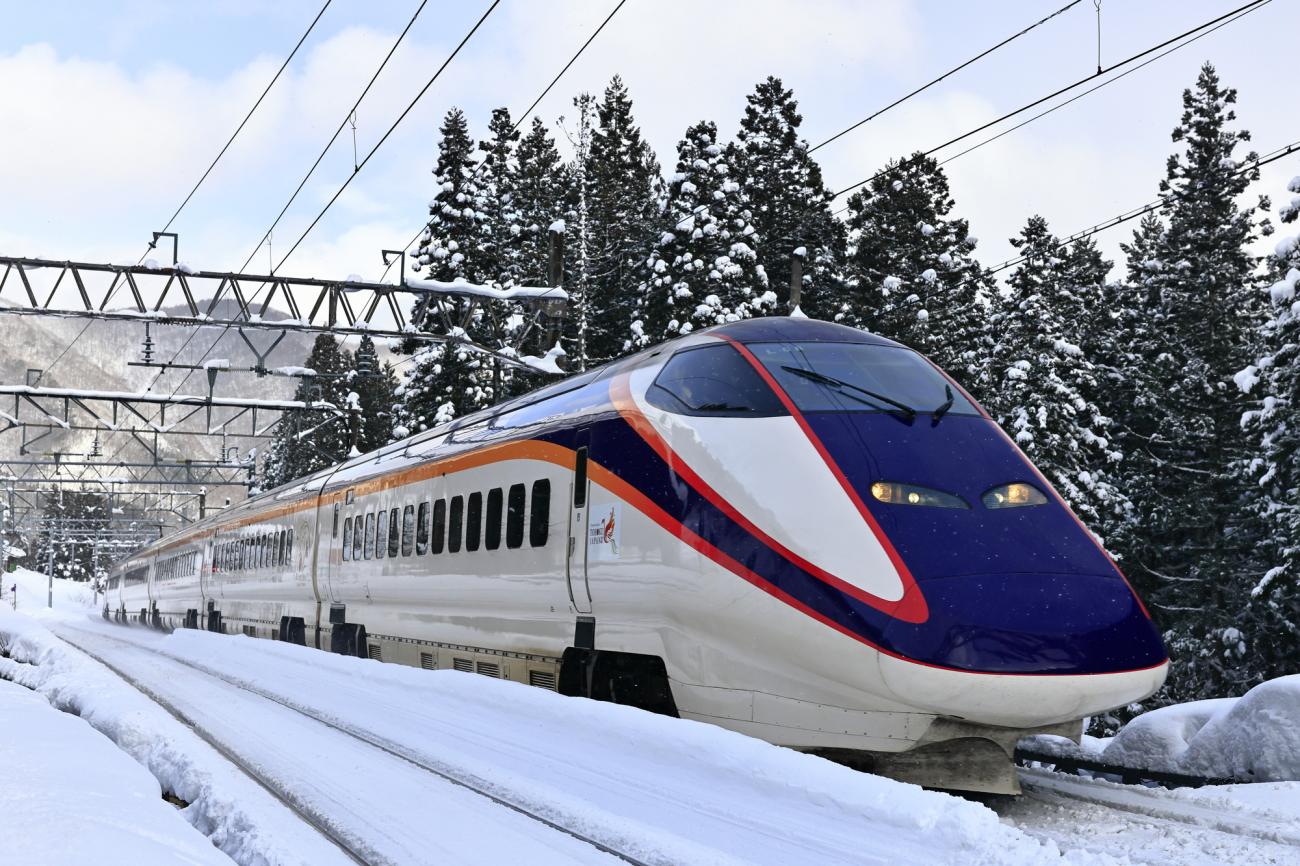
Traveling from Tokyo to Kyoto by Shinkansen is one of the most iconic experiences in Japan. It’s fast, comfortable, scenic, and incredibly easy to plan—whether you’re a first-time visitor or a seasoned traveler. This route connects Japan’s buzzing futuristic capital with its peaceful, historic heart, making it the perfect combination of modern and traditional Japan.
This complete guide covers everything you need to know before planning your Shinkansen journey—train types, seat options, costs, tips, and how to make the most out of your trip.
Why Choose the Shinkansen for Tokyo → Kyoto?
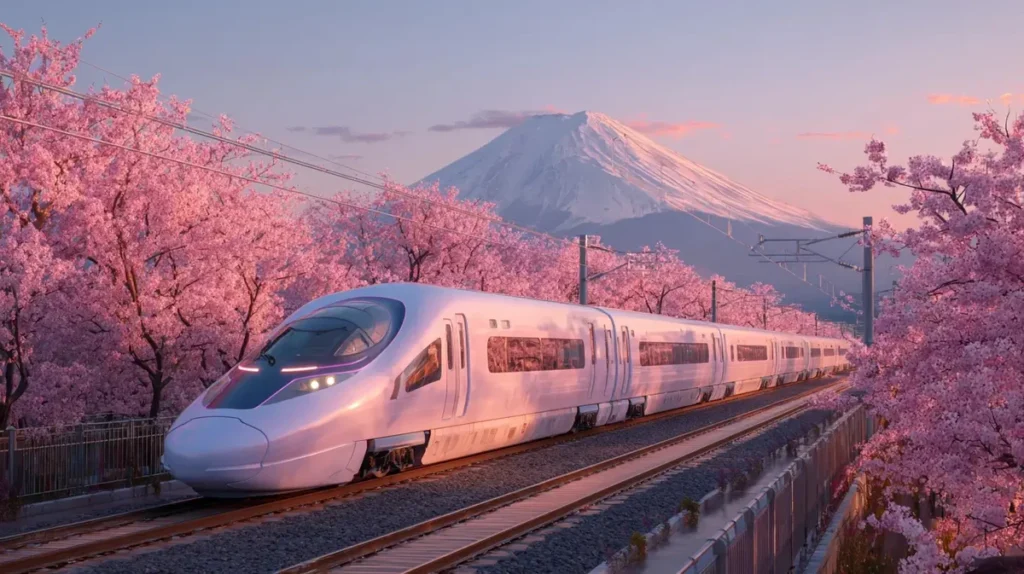
The Shinkansen (Japan’s bullet train) is designed for speed, punctuality, and comfort. For many travelers, the trip itself becomes a highlight—not just the destination. It’s the fastest way to travel, reaching Kyoto in about 2 hours 15 minutes on the fastest service. Delays are extremely rare and measured in seconds. You get large legroom, reclining seats, quiet cabins, and clean facilities. You can even catch views of Mount Fuji on clear days when sitting on the right side heading west.
Which Shinkansen Should You Choose? (Nozomi vs Hikari vs Kodama)
Three Shinkansen services operate on the Tokaido line between Tokyo and Kyoto. They offer the same comfortable cabins but differ in speed and stops.
Nozomi – Fastest
Travel time: ~2h 15m. Stops: Very few. Best option if speed matters. Not covered by Japan Rail Pass.
Hikari – Second Fastest
Travel time: ~2h 40m. Stops: Moderate. Best for JR Pass holders.
Kodama – Slowest
Travel time: ~3h 50m. Stops: Every station. Only good for budget travelers who don’t mind the extra time.
The best overall choice for convenience is Nozomi if you don’t have a JR Pass.
How Much Does the Shinkansen Cost?
Prices vary based on seat class and whether you choose a reserved or non-reserved seat.
Standard Class (Ordinary Seat) offers comfortable seating with the essentials. A reserved seat generally costs around $100–$120, and a non-reserved seat is around $95–$105.
Green Car (First Class) has wider seats, more legroom, and quieter cabins. Expect prices around $150–$170.
Gran Class (Luxury Seat), where available, includes reclining plush seats and refreshments, costing around $220–$260.
How to Book Your Shinkansen Ticket
You can book online through JR Central’s website, the SmartEX app, or other global platforms. After booking, you pick up your physical ticket at any JR machine or counter.
You can also buy directly at the station from multilingual ticket machines or staffed counters.
JR Pass holders can reserve seats for free at JR counters or eligible ticket machines.
Best Time to Travel
Peak seasons like cherry blossom (late March–early April), Golden Week (late April–early May), autumn foliage (November), and New Year week require advance booking because trains fill fast. Off-peak months such as January–March, June, and September have more availability.
For Mount Fuji views, late morning trains are best. Sit on the right side of the train (seat letters A/B/C in most cars).
What to Expect Onboard
The Shinkansen is extremely clean—everything from seats to restrooms is well maintained. You can bring food or buy a famous ekiben (train bento) before boarding. Some trains have carts selling snacks and drinks onboard.
Wi-Fi is available on most trains. Smoking is banned except in designated rooms on older models.
For luggage, backpacks and medium bags are easy to store, but very large suitcases require booking an oversized baggage seat.
Suggested Itinerary: Tokyo to Kyoto by Shinkansen
Start your day early at Tokyo Station, grab a coffee or ekiben, and board a mid-morning Nozomi for the best weather window. The ride is smooth and scenic—keep your camera ready for Mount Fuji’s brief appearance.
Upon arriving at Kyoto Station, you’ll find easy connections to subways, buses, and taxis. Popular areas like Gion, Arashiyama, Higashiyama, and Kawaramachi are all accessible.
Where to Stay in Kyoto
Staying near Kyoto Station is the most convenient for transportation and day trips.
Gion and Higashiyama are ideal for travelers who want to experience traditional Japan with temples, shrines, and wooden houses.
Downtown Kawaramachi is perfect for nightlife, food, and shopping.
Extra Tips to Make Your Shinkansen Trip Perfect
Buy food before boarding—Tokyo Station has some of Japan’s best ekiben shops.
Arrive 20–30 minutes early because Tokyo Station is huge and busy.
Keep your ticket handy because you need it to exit at Kyoto.
Download Google Translate for help with signs.
Travel light to enjoy Kyoto’s streets comfortably.
Is the Japan Rail Pass Worth It for This Trip?
If your itinerary is only Tokyo → Kyoto → Osaka → Tokyo, the JR Pass might not save money.
But if you plan to travel to Hiroshima, Fukuoka, or make multiple long Shinkansen trips, then it becomes a great value.
Final Thoughts
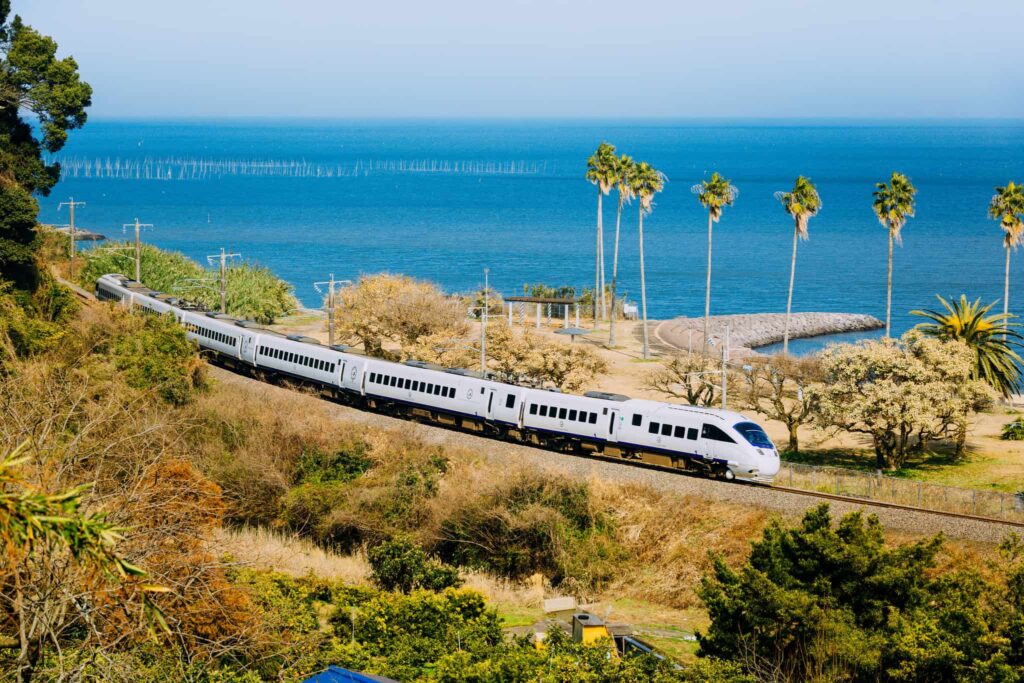
A Shinkansen journey from Tokyo to Kyoto is one of the easiest and most enjoyable travel experiences in Japan. With high-speed comfort, reliability, and beautiful scenery, the ride becomes a memorable part of your trip. Whether you’re visiting for temples, food, culture, or simply to check off an iconic bullet-train experience, this guide ensures everything is planned perfectly.
Leave a Reply