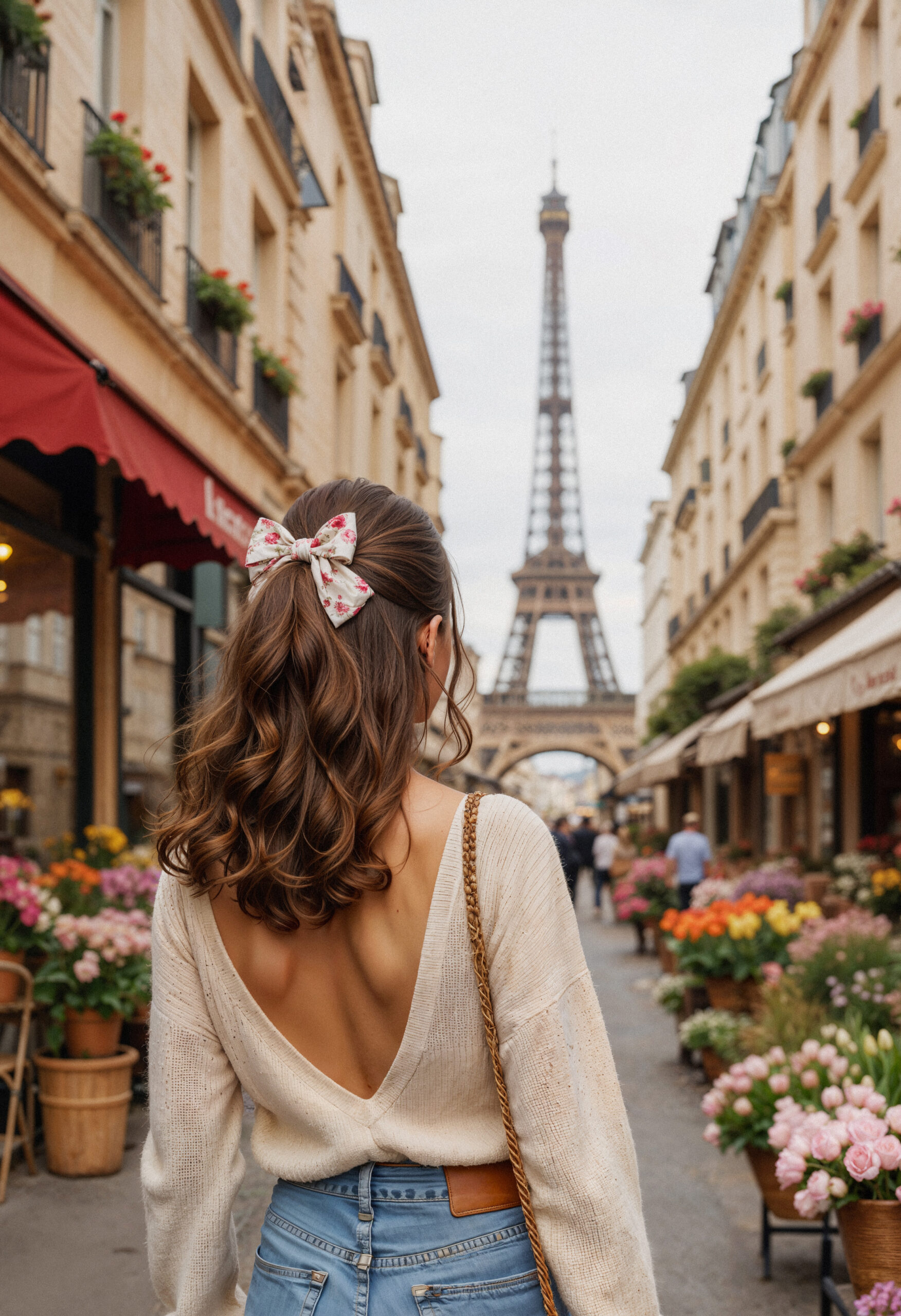
The First Morning That Feels Different
There is a moment when travel stops feeling like a vacation and starts feeling real. It usually happens in the morning. The noise outside the window is unfamiliar, the light feels softer, and the day stretches ahead with no urgency. This is the moment slow travel begins.
Instead of rushing between landmarks, slow travel invites you to stay still long enough to notice small details—how people greet each other, what locals eat for breakfast, and how time moves differently.
Living Instead of Visiting
Slow travel is not about how many places you see but how deeply you experience one place. Staying longer in a neighborhood allows routines to form. You find a café where the staff recognizes you, learn the easiest bus route, and stop checking maps constantly.
This way of traveling feels less like tourism and more like temporary living. It creates comfort in unfamiliar places and makes goodbyes harder.
Meals That Become Memories
Food plays a central role in slow travel. Without a packed itinerary, meals stop being rushed. You sit longer, order unfamiliar dishes, and learn what locals truly enjoy.
Markets become classrooms. Small family-run restaurants feel personal. Some of the most memorable travel moments happen not at famous attractions but over simple meals shared without hurry.
Time Moves Differently on the Road
When schedules loosen, time stretches. A walk that was meant to take ten minutes turns into an hour. A planned afternoon indoors turns into an unplanned adventure.
Slow travel removes pressure. There is no fear of missing out because there is always tomorrow. This freedom allows curiosity to guide the day rather than a checklist.
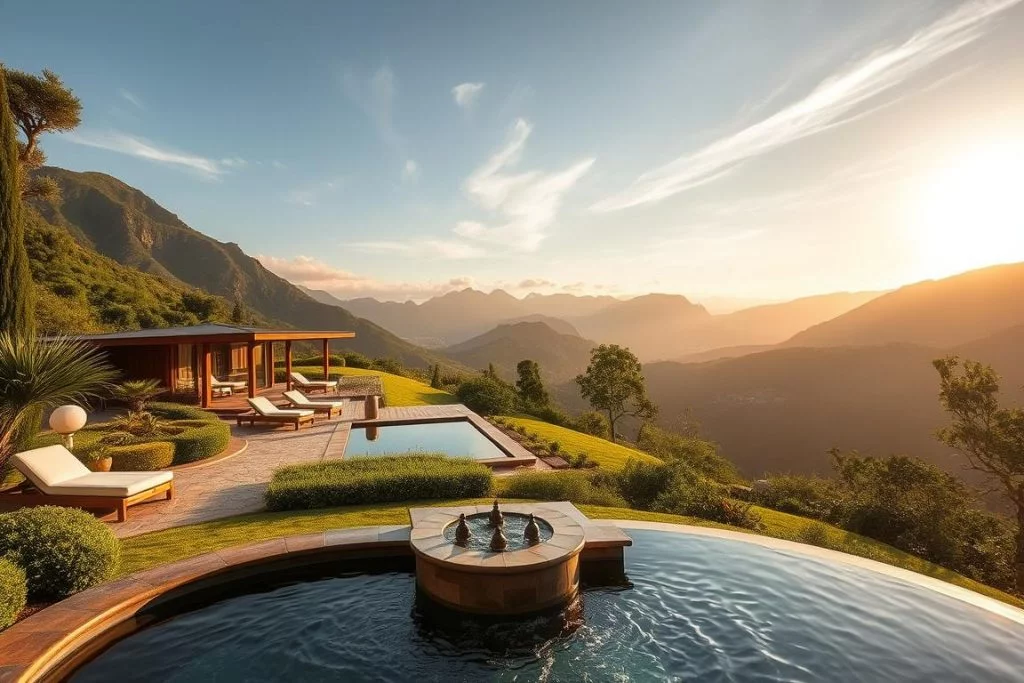
The Emotional Side of Staying Longer
Extended stays create emotional connections. You start to recognize faces, understand local humor, and feel a sense of belonging. Leaving becomes surprisingly difficult.
Travel stops being about escape and becomes about connection—to people, places, and yourself.
Why Travelers Are Choosing Less but Better
More travelers are realizing that constant movement leads to exhaustion. Slow travel offers balance. It reduces stress, creates richer experiences, and often costs less over time.
Choosing fewer destinations but staying longer allows travel to feel sustainable, meaningful, and deeply personal.
Bringing the Slow Travel Mindset Home
The impact of slow travel does not end when the trip ends. It changes how you experience everyday life. You notice more, rush less, and value presence over productivity.
Travel becomes more than a break from life—it becomes a lesson in how to live.
Leave a Reply