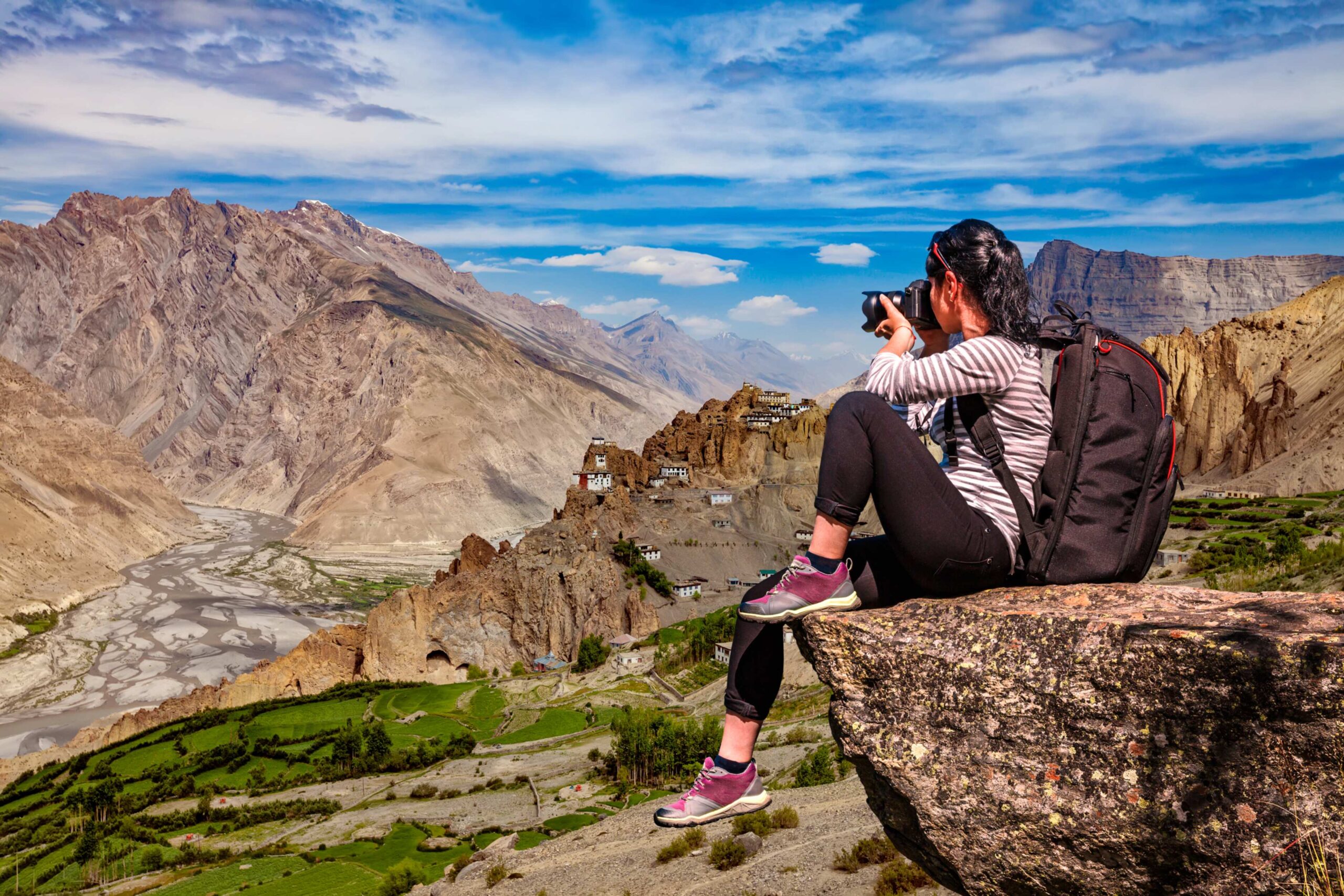
Slow travel is becoming one of the most powerful travel movements of 2025. As travelers move away from rushed itineraries and packed schedules, the desire to explore places deeply—not quickly—has taken over. Instead of hopping between five cities in five days, people now prefer staying longer, connecting with locals, understanding cultures, and experiencing destinations at a natural pace. Slow travel isn’t just a style of vacation; it is a mindset that focuses on meaningful experiences over fast consumption.
What Is Slow Travel?
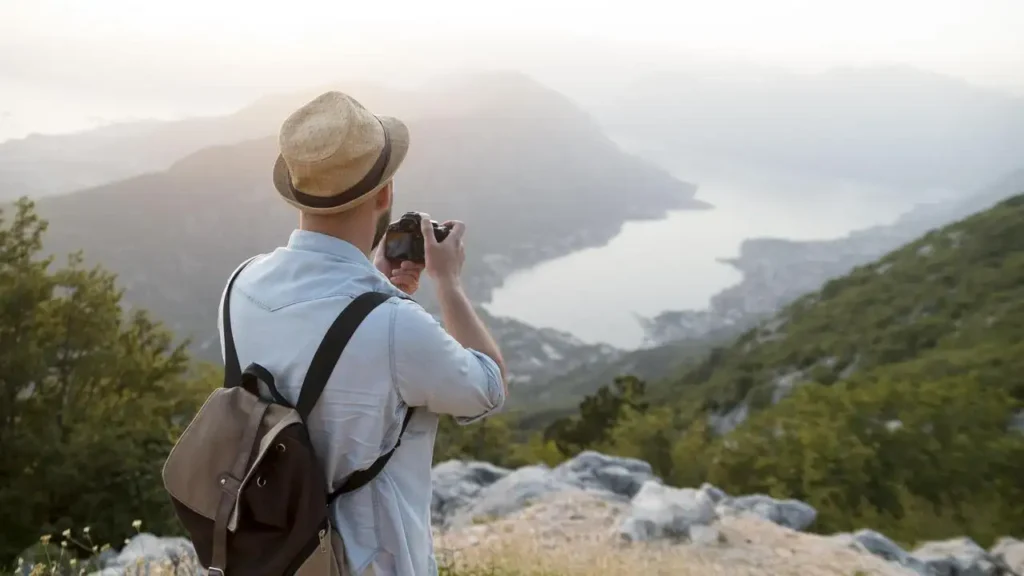
Slow travel is an approach centered around immersing yourself in a destination rather than rushing through it. Instead of ticking tourist landmarks off a list, slow travelers choose to understand the place, its people, food, traditions, history, and everyday life. The idea is simple: the more time you give a place, the more it gives back. Slow travel emphasizes quality over quantity—fewer locations, deeper memories, more genuine experiences.
Why Is Slow Travel Growing in 2025?
Several global trends have made slow travel rise sharply in popularity. After years of fast-paced tourism, travelers are seeking balance, mindfulness, and authentic moments. Many people feel burnt out from chaotic travel styles where they return home feeling more exhausted than before they left. Digital nomadism, remote work, flexible schedules, and affordable long-term stays have also contributed. Sustainable tourism is another major driver; travelers now want eco-friendly, low-impact ways to explore the world. Together, these trends have pushed slow travel into the mainstream as one of the biggest movements of the year.
More Meaningful Connections With Locals
Slow travel allows deeper human connection. When you spend more time in a destination, you naturally interact with locals—shopkeepers, neighbors, café staff, hosts, and guides. You learn their stories, listen to their experiences, and see the place through their eyes. These interactions often become the most memorable parts of a trip. Slow travelers often join cooking classes, volunteer projects, local markets, art workshops, or community events, giving them a personal connection to the culture that quick tourism can never match.
Better for Your Mental Health
Modern life is filled with deadlines, stress, and screens. Slow travel gives your mind space to breathe. Instead of running from one attraction to another, you allow yourself time to relax, observe, reflect, and enjoy. Whether it’s watching a sunset, strolling through a quiet street, sipping coffee in a local bakery, or reading a book by the beach, slow travel encourages mindful moments that reduce stress and increase emotional well-being. The goal is not to see everything—it’s to feel something.
More Affordable Than Fast Travel
One of the biggest advantages of slow travel is its affordability. Staying longer often means getting cheaper accommodation deals, monthly apartment rentals, and discounts. Traveling slowly also reduces transport costs because you’re not constantly moving between cities or countries. Cooking occasionally, buying from local markets, and avoiding overpriced tourist restaurants also keep expenses low. Slow travelers typically spend less money per day than traditional tourists, making it ideal for long-term travel, digital nomads, and budget-conscious explorers.
Environmentally Friendly and Sustainable
Slow travel naturally supports sustainability. Fewer flights and shorter transportation distances reduce your carbon footprint. Staying longer in one place lessens the pressure on crowded tourist zones and supports local businesses more fairly. By being mindful of your impact, choosing eco-friendly stays, exploring on foot or bicycle, and supporting local artisans instead of mass tourism shops, you contribute to healthier, more sustainable tourism. This is one reason many eco-tourists and conscious travelers have embraced slow travel in 2025.
More Time to Truly Experience a Place
The biggest beauty of slow travel is the freedom to explore without rushing. You can take spontaneous day trips, wander through hidden alleys, talk to local makers, explore cafes, try street food, or simply observe everyday life. You discover places that aren’t found on any official travel list. With more time, you can enjoy the culture—festivals, food, music, rituals, traditions, and natural landscapes—at your own pace. This transforms your journey from a checklist into a rich emotional experience.
Ideal Destinations for Slow Travel
While slow travel can be practiced anywhere, some destinations are naturally perfect for it. Small European towns, countryside regions, coastal villages, island communities, and culturally rich cities offer everything a slow traveler needs. Places like Kyoto, Bali, Lisbon, Kerala, Chiang Mai, Tbilisi, and Mexico’s Yucatán region are known for their welcoming communities, affordable stays, artistic culture, and peaceful environments. These destinations reward travelers who stay longer, observe more, and immerse themselves deeply in local life.
How to Practice Slow Travel
Slow travel doesn’t require a special plan—just a shift in mindset. Choose fewer destinations and spend more days in one place. Rent local apartments instead of hotel hopping. Explore on foot or by bicycle whenever possible. Eat where locals eat instead of chasing overrated spots. Learn a bit of the local language. Attend neighborhood events, take part in community activities, or join workshops. Allow yourself downtime without feeling guilty. Let the trip unfold naturally instead of scheduling every minute.
Slow Travel Works for Every Traveler
One of the biggest misconceptions is that slow travel is only for long-term travelers. In reality, anyone—from weekend travelers to families to solo backpackers—can embrace slow travel. Even a three-day trip can be enjoyed slowly if you focus on depth rather than speed. Couples looking for a romantic escape, remote workers wanting peaceful destinations, adventure lovers seeking hidden spots, and cultural tourists wanting authentic experiences all find slow travel incredibly rewarding.
The Future of Travel Is Slow
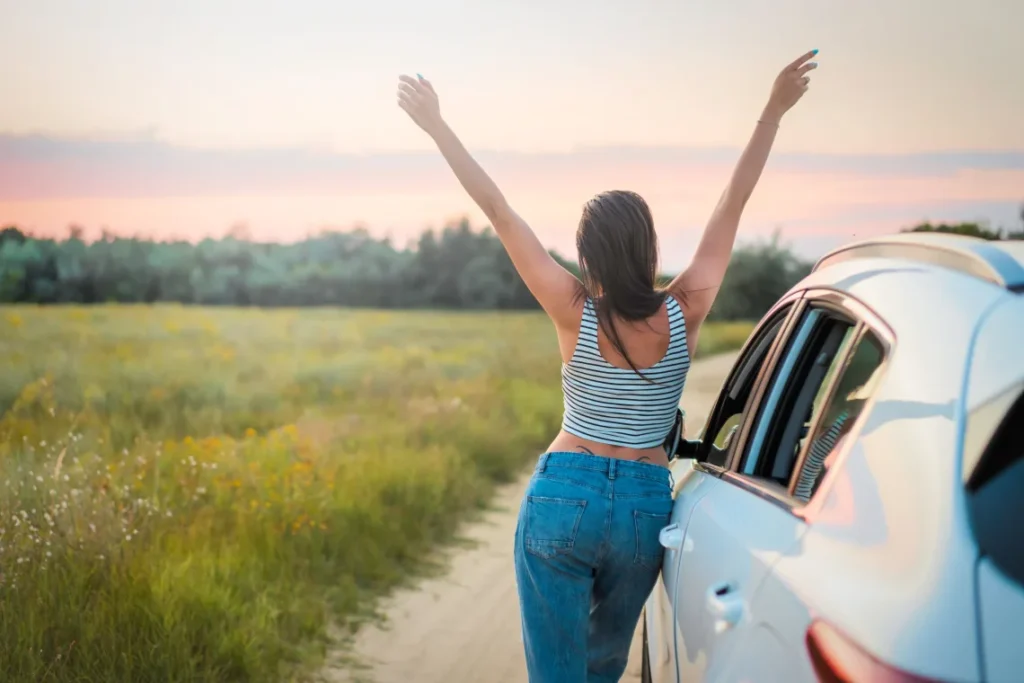
As travelers in 2025 prioritize mental well-being, sustainability, digital flexibility, and authentic experiences, slow travel is set to become a dominant trend for years ahead. It not only transforms how we explore the world but also how we feel during and after the journey. With more travelers choosing depth, connection, and meaning, slow travel is more than a trend—it’s a shift towards a more mindful and fulfilling way of experiencing the world.
Leave a Reply