Author: John Scott

  • Say Goodbye to Dark Circles: 7 Permanent Solutions That Really Work!

    Say Goodbye to Dark Circles: 7 Permanent Solutions That Really Work!

    Introduction: What Causes Dark Circles?

    There are many possible causes of dark circles. One common cause is simply genetics – if your parents had dark circles, you’re more likely to have them as well. Other potential causes include:

    -Allergies
    -Fatigue
    -Dehydration
    -Sleep deprivation
    -Stress
    -Excessive sun exposure
    -Smoking

    7 Permanent Solutions to Get Rid of Dark Circles

    There are many reasons why you may have dark circles under your eyes. It could be genetics, lack of sleep, or simply the way you apply your makeup. Whatever the reason, there are some great permanent solutions to get rid of those pesky dark circles!

    1. Get more sleep: This is probably the most obvious solution, but it is also the most effective. Getting enough rest will help to eliminate dark circles and give you a more refreshed appearance overall.
    2. Use a good concealer: If you have dark circles that are difficult to cover up, try using a concealer that is one or two shades lighter than your skin tone. This will brighten up the area and help to camouflage the darkness.
    3. Apply a cold compress: This method can help to temporarily reduce the appearance of dark circles. Simply apply a cold compress (You can use a cloth soaked in cold water or even a bag of frozen peas) to the area for 10-15 minutes. The cold temperatures will constrict blood vessels and reduce swelling.
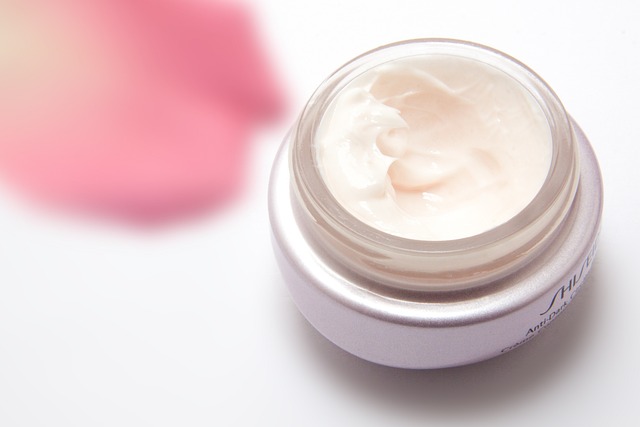
    4. Try an eye cream: There are many different types of eye creams on the market that can help to diminish the appearance of dark circles over time. Look for one that contains ingredients like retinol or vitamin C, which can help to brighten and even out skin tone.
    5. See a dermatologist: If you’ve tried all of the above methods with no success, it may be
    • Natural Remedies

    If you’re looking for a natural way to get rid of dark circles, there are a few options that can help. Vitamin C is an essential nutrient for collagen production and can be found in citrus fruits like oranges and grapefruits. You can also apply a vitamin C serum topically to help brighten the area under your eyes.

    Another option is to use a cucumber slice or potato slices as a compress to help reduce inflammation and swelling. Simply place the slices on your eyes for 10-15 minutes and relax.

    You can also try using tea bags to help reduce puffiness and dark circles. Just steep two tea bags in hot water for 3-5 minutes, then remove and place them over your eyes for 10 minutes. The caffeine in the tea will help constrict blood vessels and reduce inflammation.

    Finally, make sure you’re getting enough sleep and drinking plenty of water to avoid dehydration, which can make dark circles worse.

    • Laser Treatment

    Laser treatments are one of the most popular ways to get rid of dark circles. There are many different types of laser treatments, but all of them work by targeting the blood vessels under the skin that cause dark circles. Laser treatments can be done in a doctor’s office or at a spa, and they typically take less than 30 minutes.

    There are many different types of laser treatments for dark circles, but most of them fall into one of two categories: ablative and non-ablative. Ablative lasers remove the top layer of skin, which helps to tighten the skin and reduce the appearance of wrinkles and fine lines. Non-ablative lasers work by heating up the lower layers of skin, which stimulates collagen production and helps to thicken the skin.

    Laser treatments can be effective at reducing the appearance of dark circles, but they can also be quite expensive. The cost of a single treatment can range from $500 to $1,000, and most people need multiple treatments to see results. There is also a risk of side effects from laser treatments, including redness, swelling, and bruising.

    • Retinol Creams

    Retinol creams are one of the most popular choices for treating dark circles. They work by increasing cell turnover and collagen production, which helps to thicken and firm the skin under the eyes. Retinol creams can be found over the counter or from a dermatologist.

    There are a few things to keep in mind when using retinol creams. First, start with a lower concentration and slowly increase as your skin gets used to it. Second, apply it at night since sunlight can degrade retinol. And finally, don’t forget to use sunscreen during the day because retinol makes skin more susceptible to sun damage.

    If you’re looking for a retinol cream that really works, we recommend trying RoC Retinol Correxion Deep Wrinkle Night Cream. It’s clinically proven to reduce the appearance of wrinkles and fine lines in just 12 weeks!

    • Chemical Peels

    There are many medical-grade chemical peels available on the market today that can help to improve the appearance of dark under eye circles. Chemical peels work by exfoliating the skin to remove the outermost layer of dead skin cells. This process can help to brighten and even out the skin tone, as well as reduce the appearance of fine lines and wrinkles.

    There are a variety of different types of chemical peels, so it is important to consult with a qualified dermatologist or aesthetician to determine which one will be best for your individual needs. Generally, deeper peels offer more dramatic results, but come with a higher risk of side effects such as redness, swelling, and crusting. shallower peels may require multiple treatments to see optimal results.

    • Microneedling

    Microneedling is a minimally invasive cosmetic procedure that involves using fine needles to create tiny punctures in the skin. This triggers the body’s natural healing response, which results in the production of new collagen and elastin. Microneedling can be used to improve the appearance of wrinkles, fine lines, acne scars, and dark circles. It is a safe and effective treatment for all skin types.

    Microneedling is typically done with a handheld device that contains multiple needles. The depth of the needles can be adjusted to target different layers of skin. A numbing cream may be applied to the skin before the procedure to minimize discomfort. The entire process takes about 30 minutes.

    There is no downtime associated with microneedling. You may experience some redness and swelling immediately after the treatment, but this will subside within a few hours. You can resume your normal activities immediately after the procedure.

    Microneedling is a great way to improve the appearance of your skin without resorting to surgery or other invasive procedures. It is safe for all skin types and has minimal side effects. If you are looking for a way to reduce wrinkles, fine lines, or acne scars, microneedling may be right for you!

    • Eye Masks

    If you’ve ever had a late night or two (or three), you know that dark circles under your eyes can be the unwelcome result. But what if we told you that there are some easy, permanent solutions to get rid of those dark circles for good? Here are four of our favorite methods:

    1. Eye Masks:

    Eye masks are one of the quickest and easiest ways to get rid of dark circles. Simply apply a cool, damp mask over your eyes for 10-15 minutes and voila! The cooling effect will help reduce inflammation and puffiness while the moisture will hydrate and plump the skin. We love this eye mask from Kiehl’s since it contains both caffeine and vitamin B3 to brighten and depuff.

    1. Cold Spoons:

    For a DIY solution, try placing two cold spoons over your eyes for a few minutes. The cold temperature helps constrict blood vessels to reduce swelling and discoloration. Plus, it feels pretty darn refreshing.

    1. Cucumber Slices:

    Cucumbers are not only great for eating, but they also work wonders on tired eyes. Place a few slices on each eye and relax for about 10-15 minutes. The antioxidants in cucumbers will help reduce puffiness while the cool temperature refreshes tired eyes.

    • Injectables

    If you’re looking for a more permanent solution to your dark circles, injectables may be the answer. Injectables can help to improve the appearance of dark circles by filling in the hollows under the eyes and smoothing out fine lines and wrinkles.

    There are a variety of injectables that can be used to treat dark circles, including Restylane, Juvederm, and Belotero. Your doctor will be able to determine which type of injectable is best for you based on your individual needs.

    Injectables are typically administered in a series of treatments, spaced a few weeks apart. Most patients see an improvement after just one treatment, but additional treatments may be necessary to achieve optimal results.

    The results from injectables are not permanent, but they can last for several months before touch-ups are needed. If you’re looking for a more long-term solution, you may want to consider other options such as laser resurfacing or surgery.

    Supplement Recommendations to Help with Dark Circles

    There are a few different supplements that can help with dark circles. One is vitamin C, which helps to brighten the skin and also has anti-inflammatory properties. Another is vitamin K, which helps to reduce bruising and swelling. Finally, there is fish oil, which can help to moisturize the skin and reduce inflammation.

    Conclusion

    Dark circles can be a source of great discomfort and self-doubt, but with the right treatments and lifestyle adjustments they don’t have to be permanent. We hope this article has provided you with some useful tips and strategies on how to tackle your dark circles once and for all. Utilizing these solutions will help you achieve brighter looking skin that’s free from any discoloration, so that you can feel more confident in your own skin.


  • 10 Simple Gestures That Will Make Her Fall for You

    10 Simple Gestures That Will Make Her Fall for You

    Introduction: Why Simple Gestures Matter

    When it comes to relationships, it’s the little things that matter most. The simple gestures you make – whether it’s holding the door open for her or sending her a good morning text – can go a long way in making her feel loved and appreciated.

    So why not put a little extra effort into your relationship and see how she responds? Here are some simple gestures that will make her fall for you all over again:

    1. Hold the door open for her – Whether you’re going into a restaurant or leaving one, hold the door open for her. It’s a small gesture that shows you care about her and want to make sure she’s comfortable.
    2. Send her a good morning text – A simple “good morning” text can brighten her day and let her know you’re thinking of her. It only takes a few seconds to do, but it’ll mean the world to her.
    3. Bring her coffee in bed – If you know she has a early start to the day, bring her coffee in bed. She’ll appreciate the gesture and it’ll give you both some quality time together before she has to start her day.
    4. Pick up something she likes – If you know she loves chocolate chip cookies but never has them around, pick up a pack (or two) next time you’re at the store. She’ll be surprised and touched that you were thinking of her.
    5. Do something nice for no
    6. Compliment Her
    7. Start with a compliment about her physical appearance. Tell her that she looks beautiful, stunning, or radiant. If you know she’s been working hard on her fitness, tell her how great she looks and how proud you are of her discipline.
    8. Compliment her intelligence and achievements. Let her know that you think she’s smart and accomplished. This will show her that you admire more than just her physical appearance.
    9. Compliment her personality. Let her know that you enjoy spending time with her and appreciate her sense of humor, wit, or kindness.
    10. Thank her for being in your life. Whether she’s your girlfriend, wife, friend, or family member, let her know how grateful you are to have her in your life.
    11. Give Her Your Undivided Attention

    When it comes to winning over the object of your affection, it’s important to remember the little things. Sometimes, the simplest gestures can make the biggest impact. If you’re looking to impress that special someone, try out some of these tips:

    1. Give her your undivided attention.

    Make sure to really listen when she’s speaking, and avoid checking your phone or looking around the room. Showing genuine interest in what she has to say will let her know that you care about her and are invested in the conversation.

    1. Make eye contact.

    This one is key! Maintaining eye contact shows that you’re engaged and present. It also conveys confidence and sincerity. Plus, it’ll make her feel like the only person in the room – which is always a good thing.

    1. Compliment her.

    Everyone loves a compliment, so don’t be afraid to give one (or two!) But make sure they’re genuine – she’ll be able to tell if you’re just trying to flatter her for ulterior motives. If you genuinely think she looks nice, tell her! She’ll appreciate the honest sentiment.

    1. Show Affection

    One of the best ways to show your affection for her is to simply give her a hug. This gesture is not only physically comforting, but it also shows that you care about her and want to be close to her. Another great way to show affection is to give her a compliment. Tell her how beautiful she looks, or how much you appreciate her. These simple gestures will go a long way in making her fall for you.

    1. Surprise Her with Small Gifts

    One of the best ways to show your girlfriend how much you care is to surprise her with small gifts. It doesn’t have to be anything big or expensive – just something that shows you were thinking of her. For example, you could buy her a small bouquet of flowers, a box of chocolates, or a cute teddy bear. Or, if you know she’s been stressed out lately, you could give her a relaxing massage or write her a heartfelt letter expressing your love for her. Whatever you do, she’ll appreciate the gesture and feel loved and appreciated by you.

    1. Make Time for Her

    In order to make her fall for you, it is important to make time for her. This means setting aside time in your schedule to spend with her, without distractions. It can be difficult to find quality time together when life is always pulling you in different directions, but it is important to try.

    One way to make sure you have some quality time together is to schedule regular date nights. Whether you go out for dinner and a movie or just stay in and cook together, the important thing is that you are spending time focused on each other. Another way to make time for her is to surprise her with small gestures throughout the day. This could be anything from sending her a sweet text message in the middle of the day to surprising her with tickets to a show she’s been wanting to see.

    Whatever you do, make sure she knows that she is a priority in your life and that you are willing to make time for her. These small gestures will go a long way in making her fall for you.

    1. Listen to What She Has to Say

    If you want to make a lasting impression on the object of your affection, take the time to listen to what she has to say. Whether it’s about her day, her hopes and dreams, or something that’s bothering her, giving her your undivided attention will let her know that she matters to you. Plus, she’ll be more likely to confide in you and open up about herself if she knows you’re truly interested in hearing what she has to say.

    1. Respect Her Opinion and Interests

    If you want to make a lasting impression on the object of your affections, it is important to respect her opinion and interests. This does not mean that you have to agree with everything she says, but you should be open to hearing her out and considering her point of view. Showing interest in the things she enjoys – whether it’s a hobby, sport, or TV show – will also go a long way in endearing you to her. Complimenting her on her achievements, both big and small, will let her know that you are proud of her and care about what is important to her. Ultimately, respecting and valuing her as an individual is one of the most romantic things you can do.

    1. Be Honest with Her

    If you want to make a lasting impression on her, then you need to be honest with her from the start. Be upfront about your intentions and don’t try to hide anything from her. This doesn’t mean that you have to spill your life story to her on the first date, but you should be honest about what you’re looking for in a relationship.

    If she asks you questions about your past relationships, be truthful with your answers. Don’t try to downplay your exes or make them seem like they were crazy because that will only make you look bad. Accept responsibility for your role in the breakup and be honest about how you feel about it.

    The same goes for any other skeletons in your closet. If she finds out that you lied to her about something, it will damage her trust in you and she may never forgive you. So, it’s always better to just be honest from the beginning.

    1. Be Supportive and Encouraging

    It’s no secret that women love feeling supported and encouraged. So, if you want to make her fall for you, it’s important to be supportive and encouraging. Here are some simple ways to do just that:

    • Compliment her often. Find genuine things to compliment her on – whether it’s her intelligence, sense of humour, or physical appearance. Let her know that you appreciate her for who she is.

    • Be there for her when she needs you. Whether she’s going through a tough time or just needs someone to talk to, being there for her will show her that you care about her and want to support her.

    • Encourage her to pursue her dreams. Showing interest in and supporting her dreams and goals is a great way to make her feel special and appreciated. It will also give you something to bond over and build a stronger connection.

    1. Spend Quality

    When it comes to relationships, it’s often the little things that mean the most. These small gestures can be anything from cooking dinner to taking out the trash – but they all add up to show your significant other that you care.

    One of the best ways to show your partner that you care is to spend quality time with them. This means setting aside time each week to focus on them – without distractions like work, kids, or TV. Instead, use this time to talk, listen, and connect with each other on a deeper level.

    Quality time doesn’t have to be expensive or fancy – it can be as simple as taking a walk together, having coffee at a local cafe, or even just sitting in silence together. The important thing is that you’re both present and focused on each other.

    If you’re looking for ways to make your partner fall for you all over again, start by making an effort to spend quality time with them. It may seem like a small gesture, but it will mean the world to them – and help strengthen your relationship in the process.

  • 7 Natural Remedies for Men to Stop Nightfall Permanently

    7 Natural Remedies for Men to Stop Nightfall Permanently

    Introduction to Nightfall

    Nightfall, also called nocturnal emissions, is a normal and healthy part of male sexual development. During puberty, boys typically start to experience wet dreams as their bodies begin producing more testosterone. Testosterone is the hormone responsible for sexual arousal and nightfall.

    While nightfall is a normal occurrence, it can be a source of anxiety or embarrassment for some boys. If you’re concerned about nightfall, there are a few natural remedies you can try to stop it from happening.

    Cutting back on masturbation is one way to reduce the frequency of nightfall. Masturbation increases testosterone levels, which can lead to more frequent nocturnal emissions. If you’re masturbating multiple times a day, try cutting back to once every other day or every few days. This will help reduce your overall testosterone levels and hopefully lessen the frequency of nightfall.

    Eating a healthy diet and exercising regularly are also good ways to reduce the risk of nightfall. Eating foods that are high in zinc, such as oysters, beef, and pumpkin seeds, can help boost testosterone levels and prevent nightfall. Exercising regularly helps improve blood circulation throughout the body, including the genitals. Good blood circulation is important for maintaining erections and preventing nightfall.

    If you’re struggling with frequent nightfall, talk to your doctor or a sex therapist. They can provide additional tips and resources for dealing with this issue.

    What Causes Nightfall?

    There are many different possible causes of nightfall, but the most common cause is simply sexual arousal. When a man becomes sexually aroused, his body releases a small amount of fluid from the penis. This fluid is what allows the sperm to travel through the urethra and out of the penis. If a man does not ejaculate during sex, this fluid will often be released during sleep, which is known as nightfall.

    Other potential causes of nightfall include:

    -Certain medications or medical conditions that can affect hormone levels
    -Excessive masturbation or sexual activity
    -Stress or anxiety
    -Sleep disorders

    Consequences of Nightfall

    1. Nightfall can lead to a number of negative consequences for men, including:

    -Reduced semen production.

    -Lowered sperm count and quality.

    -Increased risk of erectile dysfunction.

    -Higher risk of testicular cancer.

    -Emotional and psychological distress.

    7 Natural Remedies for Men to Stop Nightfall Permanently

    If you are looking for natural remedies for men to stop nightfall permanently, there are several things you can do. First, it is important to understand what causes nightfall. Nightfall is usually caused by an imbalance in the hormone testosterone. When the body produces too much testosterone, it can lead to nightfall. There are several ways to balance the hormone levels in your body and stop nightfall.

    One way to stop nightfall is to take herbs that help balance hormone levels. Herbs such as chasteberry, saw palmetto, and Tribulus terrestris are all excellent choices. These herbs can be taken in supplement form or brewed into a tea. Another way to naturally stop nightfall is through acupuncture. Acupuncture can help to balance the hormone levels in your body and reduce stress levels, both of which can contribute to nightfall.

    If you are looking for a more permanent solution, there are surgical options available. However, these should only be considered as a last resort. Surgery is invasive and can have serious side effects. If you are considering surgery, be sure to speak with your doctor about all of the risks and potential complications involved.

    • Exercise

    There are many exercises that can help to stop nightfall permanently. One of the most effective is the Kegel exercise. This involves contracting and relaxing the muscles that control urine flow. Regular performance of this exercise can strengthen the muscles and help to prevent nightfall. Other exercises that may be beneficial include pelvic floor exercises and jogging.

    • Diet

    If you have nightfall, also called nocturnal emissions, it means that you’re ejaculating during your sleep. This is perfectly normal and nothing to worry about. In fact, it’s a sign that your body is functioning properly.

    However, if you’re experiencing nightfall frequently, it can be a sign of an underlying health condition. It can also be a nuisance if you wake up with wet sheets or underwear.

    There are several natural remedies that can help reduce or eliminate nightfall. These include:

    1. Diet: Eating a healthy diet is important for overall health and can also help reduce nightfall. Foods that are known to increase sexual arousal and libido should be avoided before bedtime. These include spicy foods, caffeine, and alcohol. Eating a light dinner may also help prevent nightfall.
    2. Exercise: Exercise helps improve blood circulation and can be beneficial for overall health. It can also help to relieve stress and anxiety, which may contribute to nightfall.
    • Meditation and Relaxation Techniques

    When it comes to finding natural remedies for nightfall, there are a few things that you can do in order to help yourself. One of the best things that you can do is to focus on meditation and relaxation techniques. This will allow you to clear your mind and body of any sexual thoughts or urges that may be causing you to experience nightfall.

    There are a number of different ways that you can meditate and relax. One way is to sit in a comfortable position with your eyes closed and focus on your breath. Another way is to listen to calming music or nature sounds. You can also try some guided relaxation exercises. Whichever method you choose, make sure that you give yourself enough time to truly relax.

    Once you have cleared your mind, it will be much easier to control your urges and avoid experiencing nightfall. If you find that you are still struggling, there are other natural remedies that you can try, such as taking supplements or using herbal remedies.

    • Herbal Supplements and Home Remedies

    There are a number of herbal supplements and home remedies that can be effective in treating nightfall. One popular supplement is ginseng. Ginseng is said to help increase energy levels and promote better blood circulation. It is also believed to reduce stress levels, which may be one of the causes of nightfall. Another popular supplement is saw palmetto. This herb is thought to be helpful in reducing inflammation and improving urinary tract health.

    • Stress Management Techniques

    There are a number of stress management techniques that can help to stop nightfall permanently. Here are some of the most effective:

    1. Meditation: Meditation is an excellent way to relax the mind and body, and it can be very helpful in reducing stress levels. Try to meditate for 10-15 minutes each day, and you should notice a significant reduction in your nightfall symptoms.
    2. Exercise: Exercise is another great way to reduce stress levels and promote overall health. A moderate amount of exercise each day will help to reduce your nightfall symptoms and improve your overall health.
    3. Relaxation Techniques: There are a number of relaxation techniques that can be helpful in reducing stress levels. Try some deep breathing exercises, yoga, or Tai Chi. These activities will help you to relax both mentally and physically, which will reduce your nightfall symptoms.
    4. Herbal Supplements: There are a number of herbal supplements that can be helpful in reducing stress levels and promoting overall health. Some of the most effective herbs for this purpose include ashwagandha, rhodiola rosea, and ginseng. These herbs can be taken in supplement form or added to teas or other beverages.
    • Lifestyle Changes

    There are many different lifestyle changes that you can make in order to help stop nightfall permanently. For example, you can:

    • Quit smoking: Smoking is a major contributor to nightfall. Not only does it damage your overall health, but it also constricts blood vessels and decreases blood flow to the genitals. This can lead to weak erections and eventually nightfall. So, if you want to stop nightfall, quitting smoking is a great place to start.
    • Exercise regularly: Exercise is another great way to improve blood flow and circulation throughout the body, including the genitals. A healthy body equals a healthy sex life, so make sure to get in some regular exercise if you want to put an end to nightfall.
    • Eat a healthy diet: Eating a balanced diet rich in fruits, vegetables, whole grains, and lean protein will do wonders for your overall health—including your sexual health. Avoid processed foods, sugary drinks, and excessive alcohol consumption as these can all contribute to weak erections and eventually nightfall.
    • Proper Sleep Habits

    There are a number of natural remedies for men to stop nightfall permanently. Some of these include:

    1. Proper sleep habits – One of the best ways to stop nightfall is to get proper sleep. This means sleeping for at least 7-8 hours every night and avoiding caffeine and alcohol before bedtime.
    2. Exercise regularly – Exercise not only helps improve your overall health, but it can also help reduce nightfall episodes.
    3. Eat a healthy diet – Eating a nutritious diet rich in fruits, vegetables, and whole grains can help improve your overall health and reduce the risk of nightfall.
    4. Reduce stress levels – Stress can be a major trigger for nightfall episodes. Reducing stress through relaxation techniques such as yoga or meditation can help prevent episodes from occurring.

    Conclusion

    Nightfall is a natural phenomenon that can affect men of all ages. While it may cause some distress, there are several natural remedies available to help manage the symptoms and stop nightfall permanently. From herbal supplements to dietary changes and lifestyle modifications, these tips should provide you with an effective solution that is both safe and reliable. With the right approach, you can enjoy better sleep, improved sexual health, and increased energy levels – so why not give these strategies a try today?

  • Exploring The Hidden Charms Of Kashmir: Discovering An Offbeat Destination

    Exploring The Hidden Charms Of Kashmir: Discovering An Offbeat Destination

    Introduction to Kashmir

    Kashmir is often referred to as “Heaven on Earth” and it’s not hard to see why. The region is home to some of the most stunning natural scenery in the world, from snow-capped mountains to crystal-clear lakes. It’s also a place with a rich history and culture, which is evident in its architecture and cuisine.

    Despite its reputation as a tourist destination, Kashmir is still relatively unknown to many people. This is partly due to the fact that it’s located in a politically volatile region, which has made it inaccessible for many years. But now that the situation has stabilized, more and more people are starting to explore this hidden gem.

    If you’re thinking of visiting Kashmir, there are a few things you should know before you go. First of all, it’s important to be respectful of local customs and traditions. dress modestly and avoid taking photos of people without their permission. Secondly, while the region is generally safe, there are still some areas that are off-limits to tourists. Be sure to check with your tour operator or travel agent before venturing into any restricted areas.

    Lastly, don’t forget to enjoy all that Kashmir has to offer! Take time to admire the breathtaking landscapes, try some delicious Kashmiri food, and soak up the unique culture. With its mix of natural beauty and rich history, Kashmir is an unforgettable destination that everyone should experience at least once in their lifetime.

    What the Hidden Charms of Kashmir Look Like

    Kashmir is often thought of as a war-torn, dangerous place. But there is another side to this beautiful region. The hidden charms of Kashmir are waiting to be discovered by the intrepid traveler.

    Kashmir is home to some of the most stunning scenery in the world. The snow-capped mountains, turquoise lakes and green valleys are a sight to behold. And then there are the people. The friendly locals will make you feel welcome in their homes and help you discover the hidden gems of the region.

    If you’re looking for an offbeat destination that is full of natural beauty and friendly people, then Kashmir is the place for you!

    Kashmir is often called the “Switzerland of India” because of its picturesque mountains and valleys. It’s a popular tourist destination for both Indian and international travelers. Some of the most popular tourist attractions in Kashmir include:

    -The Dal Lake: The Dal Lake is a large freshwater lake in Srinagar, the capital of Kashmir. It’s one of the most popular tourist destinations in the region, and visitors can take boat rides, go water skiing, or simply enjoy the views.

    -Himalayan Mountains: The Himalayan Mountains are some of the tallest mountains in the world, and they offer spectacular views. There are many trekking and climbing routes available for adventure seekers.

    -Wular Lake: Wular Lake is another large freshwater lake located in Jammu and Kashmir. It’s a popular spot for bird watching, as it’s home to many different species of birds.

    -Pahalgam: Pahalgam is a small town located in Anantnag district. It’s a popular destination for trekkers, as there are many trails leading into the nearby Himalayan mountains.

    Unique Experiences in Kashmir

    Kashmir is a land of hidden charms and unique experiences. From the snow-capped mountains to the serene lakes, Kashmir has something for everyone. Here are some of the unique experiences that you can enjoy in Kashmir:

    1. Awe-inspiring scenery: The scenery in Kashmir is simply breathtaking. From the snow-capped mountains to the serene lakes, there is so much to see and admire.
    2. Delicious food: Kashmiri cuisine is renowned for its rich and flavourful dishes. Try out some traditional favourites like Rogan Josh and Dum Aloo for a truly memorable dining experience.
    3. Luxurious accommodations: If you’re looking for a luxurious vacation, Kashmir has plenty of upscale accommodations to offer. From luxurious hotels to private villas, you’ll find everything you need for a comfortable stay.
    4. Adventurous activities: If you’re an adventurer at heart, there’s no shortage of activities to keep you occupied in Kashmir. From trekking and hiking to skiing and rafting, there’s something for everyone who loves spending time outdoors.
    5. Rich culture and history: Kashmir is home to a rich culture and history dating back centuries. There are numerous ancient temples and palaces to explore, as well as traditional markets where you can find handicrafts and other souvenirs.

    Where To Stay In Kashmir

    If you’re looking for an offbeat destination that’s brimming with natural beauty, then Kashmir is the place for you. This hidden gem in India is home to some of the most stunning landscapes in the world, from snow-capped mountains to serene lakes. And with a wide range of accommodation options to choose from, finding the perfect place to stay in Kashmir is easy.

    Whether you’re looking for a luxurious resort or a cozy homestay, there’s something for everyone in Kashmir. For those wanting to splurge, the Oberoi Group has a number of high-end hotels and resorts dotted across the region. Or if you’re happy to rough it a bit, there are plenty of affordable guesthouses and homestays available.

    Whichever option you choose, make sure to book in advance as accommodation can fill up quickly during peak season (May to October).

    Tips for Visiting Kashmir

    When visiting Kashmir, there are a few things to keep in mind to make the most of your trip. Here are some tips:

    1. Dress appropriately for the weather. Kashmir can be quite cold, especially in the winter months. Be sure to pack warm clothes.
    2. Many parts of Kashmir are inaccessible by road. So, if you’re planning on doing any trekking or hiking, be prepared for a long walk.
    3. Don’t forget your camera! Kashmir is an incredibly beautiful place and you’ll want to capture as many memories as possible.
    4. Finally, be respectful of local customs and traditions. This is a different culture than what you may be used to and it’s important to show respect when traveling to new places.

    Conclusion

    Kashmir is one of the most beautiful and offbeat destinations in India. Its unexplored beauty and pristine landscapes make it an ideal destination for nature lovers as well as those looking to experience something new. Whether you want to explore its hidden charms on foot, take a ride down the picturesque valleys or just soak up some sun on its evergreen meadows, Kashmir offers something for everyone! So what are you waiting for? Pack your bags and embark on a journey of discovery to this breathtakingly gorgeous land.

  • 10 Reasons Your Blood Sugar Might Be Rising Unnoticed – How To Stop It

    10 Reasons Your Blood Sugar Might Be Rising Unnoticed – How To Stop It

    Introduction

    If you have diabetes, your blood sugar levels are always something you have to be aware of. But sometimes, your blood sugar can start to rise without any obvious signs or symptoms. This is called hyperglycemia, and it can be a real problem if it’s not caught early.

    There are a few things that can cause your blood sugar to rise without any obvious symptoms. One is if you’re not taking your insulin properly. If you’re not taking enough insulin, your body can’t process the sugar in your blood properly, and it starts to build up. This can happen if you skip doses of insulin, or if you don’t take it correctly.

    Another reason your blood sugar might be rising unnoticed is if you’re sick or under stress. When you’re sick, your body releases hormones that make it harder for insulin to work properly. And when you’re stressed, your body also releases hormones that can raise your blood sugar levels.

    If you think your blood sugar might be rising unnoticed, there are a few things you can do to help bring it down. First, check your blood sugar levels right away. If they’re high, give yourself an injection of fast-acting insulin. Then check again in 15 minutes to see how your levels are doing. If they’re still high, repeat the injection.

    You should also call your doctor right away if this happens. They may need to adjust your insulin doses or put you on a different type of

    What is Blood Sugar?

    There are a lot of reasons your blood sugar might be rising unnoticed. Here are some of the most common reasons:

    You’re eating too many carbs – When you eat foods that contain carbohydrates, your body breaks them down into glucose, which is then released into your bloodstream. If you eat more carbs than your body can use for energy, the excess glucose will be stored in your liver and muscles in the form of glycogen. When your glycogen stores are full, the excess glucose will be converted to fat. Over time, this can lead to weight gain and insulin resistance.

    You have prediabetes or diabetes – If you have prediabetes or diabetes, your body isn’t able to properly process glucose. This can cause your blood sugar levels to rise.

    You’re under stress – Stress can cause your body to release hormones like cortisol and glucagon, which can raise blood sugar levels.

    You’re not getting enough sleep – Lack of sleep can disrupt your body’s ability to regulate blood sugar levels.

    You have an infection or illness – Having an infection or illness can cause your blood sugar levels to rise as your body tries to fight off the infection.

    Causes of Unnoticed High Blood Sugar

    There are several potential causes of unnoticed high blood sugar. One possibility is that the body is not producing enough insulin. Insulin is a hormone that helps to regulate blood sugar levels. If the body is not producing enough insulin, blood sugar levels can rise. Another possibility is that the body is resistant to insulin. This means that even though the body is producing insulin, it is not working properly. Insulin resistance can be caused by a variety of factors, including obesity, stress, and certain medications. Finally, another possible cause of unnoticed high blood sugar is that the person has an underlying medical condition that causes their blood sugar to rise. Conditions that can cause high blood sugar include diabetes, pancreatitis, and Cushing’s syndrome.

    • Stress

    Stress is one of the most common causes of high blood sugar levels. When you’re stressed, your body releases hormones that can make your blood sugar levels rise. Stress can also make it harder for your body to process insulin, which can lead to diabetes.

    There are a few things you can do to manage stress and keep your blood sugar levels in check. Exercise is a great way to relieve stress and improve your overall health. Meditation and deep breathing exercises can also help you relax and manage stress. If you’re having trouble managing stress on your own, talk to your doctor or a counselor about ways to get help.

    • Sedentary Lifestyle

    When it comes to managing blood sugar, one of the most important things you can do is maintain an active lifestyle. Unfortunately, this can be difficult for many people who have sedentary jobs or live a sedentary lifestyle. Studies have shown that sitting for long periods of time can lead to increased blood sugar levels, even if you are not eating anything sugary.

    There are a few things you can do to combat this issue. First, try to get up and move around as much as possible throughout the day. Even just a short walk around the office or taking a few minutes to stretch your legs can make a big difference. Additionally, make sure to schedule in some time for regular exercise – even if it’s just a brisk walk around the neighborhood. Exercise helps to lower blood sugar levels and can also help you lose weight, which can further improve blood sugar control.

    • Poor Diet/High Carbohydrates Consumption

    A diet high in carbohydrates can raise your blood sugar levels. This is because the body breaks down carbohydrates into sugar, which then enters the bloodstream. Consuming too many carbohydrates can cause your blood sugar to rise too high.

    There are a few things you can do to avoid this:

    -Choose complex carbohydrates over simple carbs. Complex carbs are higher in fiber and take longer to break down, which means they don’t cause as big of a spike in blood sugar levels.

    -Limit your intake of refined carbs like white bread, pastries, and sugary cereals. These foods are quickly broken down into sugar and can cause your blood sugar to spike.

    -Make sure you’re getting enough protein and fat. Both of these nutrients help slow down the absorption of carbohydrates, preventing blood sugar spikes.

    • Lack of Sleep

    There are a few reasons why you might be struggling to get enough sleep. Maybe you have a lot on your mind and find it difficult to relax at night. Or, you could be dealing with an underlying health condition that makes it hard to fall or stay asleep. Whatever the reason, not getting enough shut-eye can take a serious toll on your health—including your blood sugar levels.

    In fact, research has shown that people who don’t get enough sleep are more likely to have higher blood sugar levels. One study even found that people who slept less than six hours per night had fasting blood sugar levels that were about 20% higher than those who slept for seven or more hours.

    If you’re struggling to get enough sleep, there are a few things you can do to help yourself catch some Z’s. First, try to stick to a regular sleep schedule as much as possible. This means going to bed and waking up at the same time each day, even on weekends. Creating this type of routine can help train your body to wind down and be ready for sleep at the same time each night.

    You should also create an environment in your bedroom that promotes relaxation and comfortable sleeping conditions. This means keeping the room dark, quiet, and cool—ideally between 60 and 67 degrees Fahrenheit. And if you have any electronics in your bedroom, make sure they’re turned off or at least dimmed before you go to bed

    • Medical Conditions

    There are a few medical conditions that could be the reason your blood sugar is rising unnoticed. One condition is called insulin resistance. This means that your body doesn’t use insulin as effectively as it should to lower your blood sugar. Insulin resistance can be caused by obesity, polycystic ovarian syndrome (PCOS), and gestational diabetes. Another condition that could cause your blood sugar to rise is an underactive thyroid gland (hypothyroidism). This condition slows down the body’s metabolism, which can lead to weight gain and high blood sugar levels. If you have any of these conditions, it’s important to talk to your doctor so you can get proper treatment.

    Symptoms of High Blood Sugar

    If you have diabetes, or are at risk for developing diabetes, it’s important to be aware of the symptoms of high blood sugar. High blood sugar can damage your organs and lead to serious health complications, so it’s important to catch it early and take steps to bring your levels back down.

    The most common symptoms of high blood sugar are increased thirst and urination, fatigue, and blurred vision. If you notice any of these symptoms, check your blood sugar levels right away and take steps to lower them if they are high.

    Other less common symptoms of high blood sugar include nausea, vomiting, stomach pain, shortness of breath, headache, anxiety, and sweating. If you experience any of these symptoms, it’s important to seek medical help right away as they could be indicative of a more serious problem.

    If left untreated, high blood sugar can lead to serious health complications such as heart disease, stroke, kidney damage, nerve damage, and blindness. Therefore, it’s important to be aware of the symptoms of high blood sugar and take steps to lower your levels if they start to rise.

    How to Monitor and Control Blood Sugar Levels

    If you are concerned about your blood sugar levels, there are a few things that you can do to monitor and control them. First, it is important to know what your fasting blood sugar level is. This can be done by checking your blood sugar first thing in the morning before you eat or drink anything. If your fasting blood sugar is higher than normal, it may be a sign that you have diabetes or prediabetes.

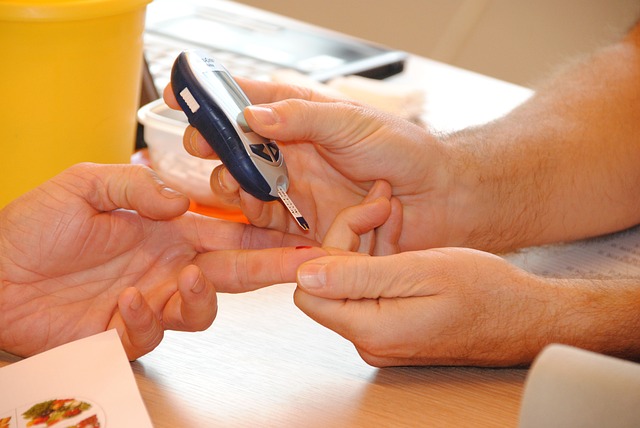
    If you suspect that your blood sugar might be rising, you can also check your levels 2 hours after eating a meal. To do this, finger-stick test your blood sugar using a glucometer. If your blood sugar is over 140 mg/dL two hours after eating, this may be a sign of diabetes or prediabetes.

    There are a few lifestyle changes that can help to control blood sugar levels. First, try to eat a healthy diet that includes plenty of fruits, vegetables, and whole grains. It is also important to get regular exercise and maintain a healthy weight. If you smoke, quitting smoking will also help to control your blood sugar levels. Finally, if you have diabetes or prediabetes, it is important to monitor your blood sugar levels closely and take medication as prescribed by your doctor

    • Dietary Changes

    If you’re struggling to maintain healthy blood sugar levels, it may be time to take a closer look at your diet. Here are some dietary changes that can help regulate blood sugar:

    1. Cut back on refined carbs. Refined carbs like white bread, pastries, and sugary drinks can cause spikes in blood sugar levels. Instead, opt for complex carbs like whole grains, fruits, and vegetables.
    2. Increase your fiber intake. Fiber helps slow down the absorption of sugar into the bloodstream, helping to keep blood sugar levels steady. Good sources of fiber include beans, legumes, and whole grains.
    3. Avoid processed foods. Processed foods are often high in sugar and unhealthy fats, both of which can contribute to higher blood sugar levels. Choose fresh or minimally processed foods instead.
    4. Limit alcohol consumption. Alcohol can interfere with the body’s ability to process glucose, leading to elevated blood sugar levels. If you drink alcohol, do so in moderation and always with a meal.
    5. Get regular exercise. Exercise helps the body use insulin more effectively, which can help keep blood sugar levels under control. Aim for at least 30 minutes of moderate exercise most days of the week.
    • Exercise

    If you’re like most people, you probably associate high blood sugar with eating too much sugar. But there are other factors that can contribute to higher-than-normal blood sugar levels. Here are some reasons your blood sugar might be rising unnoticed – and what you can do to stop it.

    1. Exercise

    You might not think of exercise as a factor that can impact your blood sugar, but it actually can. When you exercise, your body breaks down glycogen (stored glucose) for energy. This can cause your blood sugar to drop temporarily. However, once you stop exercising, your body will start to replenish its glycogen stores – which can cause your blood sugar to spike.

    If you’re going to exercise, it’s important to do so after eating a meal or snack that contains carbohydrates. This will help ensure that your blood sugar doesn’t drop too low during exercise. And be sure to drink plenty of water during and after exercise to stay hydrated.

    1. Stress

    Stress is another common trigger for high blood sugar levels. When you’re stressed, your body releases hormones like cortisol and glucagon. These hormones signal your body to release stored glucose for energy – which can lead to a spike in blood sugar levels.

    To keep stress-related spikes in blood sugar under control, it’s important to find healthy ways to manage stress. Some good options include regular exercise, deep breathing exercises, and meditation

    • Supplements

    As we age, our bodies become less efficient at using the insulin that we produce. This can cause our blood sugar to rise even if we are eating the same amount of food and exercising the same amount as we did when we were younger. To combat this, many people take supplements that help their bodies use insulin more efficiently. Some common supplements include:

    • Chromium: This mineral helps the body metabolize carbohydrates and fats, which can help stabilize blood sugar levels.
    • Cinnamon: This spice has been shown to help lower blood sugar levels by improving insulin sensitivity.
    • Alpha-lipoic acid: This antioxidant has been shown to improve insulin sensitivity and help lower blood sugar levels.

    If you are concerned about your blood sugar rising unnoticed, talk to your doctor about whether or not taking supplements might be right for you.

    Conclusion

    High blood sugar levels can cause a whole host of issues, from fatigue to diabetes. However, the good news is that there are ways to help prevent your blood sugar from rising unnoticed. By following the 10 tips outlined in this article you can take proactive steps towards keeping your blood sugar at healthy levels and avoiding any negative consequences. With regular monitoring and lifestyle changes such as diet control, exercise and stress management, you should be able to keep your blood sugar under control naturally without having to rely on medication.

  • 4 Delicious Breakfast Recipes To Help You Burn Belly Fat And Feel Full All Morning

    4 Delicious Breakfast Recipes To Help You Burn Belly Fat And Feel Full All Morning

    Introduction

    If you’re looking for some delicious breakfast recipes to help you burn belly fat and feel full all morning, you’ve come to the right place. In this blog post, we’ll share with you some of our favorite recipes that are sure to help you reach your weight loss goals.

    So, without further ado, let’s get started!

    What is Belly Fat and why should we work to reduce it?

    Belly fat, also known as visceral fat, is a type of body fat that is stored around the abdominal organs. This fat is different from subcutaneous fat, which is the type of fat that is stored under the skin. Belly fat has been linked to an increased risk of heart disease, diabetes, and other chronic health conditions.

    There are several reasons why belly fat is harmful to our health. First, it increases the amount of inflammation in the body. Inflammation is a natural process that helps the body heal from injuries and fight off infections. However, when inflammation becomes chronic, it can lead to a number of health problems.

    Second, belly fat produces hormones that can disrupt the normal functioning of our bodies. For example, one hormone produced by belly fat is called leptin. Leptin signals the brain to stop feeling hungry, but when levels of this hormone are too high, it can actually lead to weight gain instead of weight loss.

    Finally, belly fat is difficult to lose because it’s stubborn and resistant to traditional weight-loss methods such as diet and exercise. However, there are some things you can do to help reduce your belly fat:

    1) Eat plenty of lean protein and healthy fats: Protein helps keep you feeling full longer and helps build lean muscle mass, which can help burn more calories throughout the day. Healthy fats such as olive oil and avocados also help promote satiety and can help reduce cholesterol levels.

    4 Delicious Breakfast Recipes to Burn Belly Fat

    When it comes to breakfast, there are endless possibilities for delicious recipes that can help you burn belly fat and feel full all morning. Here are a few of our favorites:

    1. Omelet with veggies and cheese: This classic breakfast dish is not only delicious, but also packed with protein and healthy fats that will help keep you feeling satisfied all morning long.
    2. Breakfast burrito: A delicious way to start your day, this recipe features eggs, bacon, and cheese wrapped up in a whole wheat tortilla. It’s perfect for on-the-go mornings or as a hearty brunch option.
    3. Banana pancakes: A healthier alternative to traditional pancakes, these banana pancakes are made with whole wheat flour and Greek yogurt. They’re perfect for a weekend brunch or quick weekday breakfast.
    4. Egg muffins: These portable egg muffins are perfect for busy mornings when you need something quick and easy to grab on the go. They’re loaded with protein and make a great option for those looking to cut down on carbs.
    5. Berry smoothie bowl: A refreshing and nutritious way to start your day, this berry smoothie bowl is topped with granola, nuts, and seeds for added protein and healthy fats.
      • Recipe 1: Keto Egg Muffins

      These delicious keto egg muffins are the perfect way to start your day! They are packed with protein and healthy fats, which will help to keep you feeling full all morning long. Plus, they are low in carbs and calories, so they are great for those on a ketogenic diet.

      • Recipe 2: Overnight Oats with Chia Seeds, Berries and Yogurt

      If you’re looking for a delicious and nutritious breakfast that will help you burn belly fat and feel full all morning, try this recipe for overnight oats with chia seeds, berries and yogurt.

      Ingredients:

      1 cup rolled oats

      1/2 cup chia seeds

      1 cup almond milk or dairy-free milk of choice

      1/2 cup plain yogurt (dairy-free or Greek yogurt)

      1/2 cup mixed berries (fresh or frozen)

      Instructions:

      1. In a large bowl, combine the rolled oats, chia seeds and milk. Mix well and let sit for 5 minutes.
      2. Add the yogurt and berries to the oat mixture and stir until everything is well combined.
      3. Cover the bowl with a lid or plastic wrap and refrigerate overnight, or for at least 4 hours.
      4. When you’re ready to eat, give the oats a good stir and enjoy! You can eat them cold or heat them up in the microwave for a minute or two.
      • Recipe 3: Avocado Toast with Poached Eggs and Spinach

      If you’re looking for a filling breakfast that will help you burn belly fat and keep you feeling full all morning, look no further than this avocado toast with poached eggs and spinach recipe! This dish is packed with healthy fats, protein, and fiber to give your body the energy it needs to power through your day. Plus, it’s absolutely delicious – who wouldn’t love avocado toast?

      To make this recipe, start by toasting some whole grain bread. Then, top the toast with fresh avocado slices and a few leaves of spinach. Add a poached egg on top, and season with salt and pepper to taste. You can also add other toppings like hot sauce or crumbled bacon if you’d like. Serve immediately and enjoy!

      • Recipe 4: Paleo Breakfast Bowl with Sweet Potato Hashbrowns

      The Paleo Breakfast Bowl with Sweet Potato Hashbrowns and Bacon is a delicious, nutritious, and filling breakfast that will help you burn belly fat and feel full all morning. This recipe is perfect for those on the Paleo diet, or anyone who is looking for a healthy and satisfying breakfast. The sweet potato hashbrowns are full of fiber and antioxidants, while the bacon provides protein and healthy fats. This dish is also easy to make ahead of time, so you can enjoy a hot and hearty breakfast even on busy mornings.
      Ingredients:
      -2 sweet potatoes, peeled and diced
      -Olive oil
      -Salt and pepper, to taste
      -1/2 pound bacon, cut into small pieces
      -1/4 cup red onion, finely diced
      -2 tablespoons fresh parsley, chopped
      -1 teaspoon garlic powder
      -1/4 teaspoon smoked paprika
      -Optional garnishes: chopped parsley and green onions
      Instructions:

      1. Preheat the oven to 400 degrees F. Place the diced sweet potatoes on a baking sheet lined with parchment paper. Drizzle with olive oil and season with salt and pepper. Roast for 25 minutes, stirring halfway through.
      2. In a large skillet over medium heat, cook the bacon until crispy. Remove from the pan and set aside. Add the red onion to the same skillet and cook until softened.
      3. Add in the roasted sweet potatoes, parsley, garlic powder, smoked paprika and stir together until combined. Cook for 2 minutes until fragrant.
      4. Divide among 4 bowls then top with crispy bacon pieces reserving some for garnish if desired. Serve warm topped with optional garnishes of chopped parsley or green onions if desired
    1. 7 Warning Signs Stress Is Messing With Your Relationship – And What To Do About It

      7 Warning Signs Stress Is Messing With Your Relationship – And What To Do About It

      Introduction

      If you’re in a relationship, it’s important to be aware of the warning signs that stress is taking a toll. Stress can manifest in many ways, both physically and emotionally. Here are some common signs that your relationship may be suffering from stress:

      1. You’re always arguing or fighting. When stress is present, it can cause couples to argue more often than usual. If you find yourself constantly arguing with your partner over small things, it may be a sign that stress is affecting your relationship.
      1. You’re withdrawn or distant. If you’re feeling withdrawn or distant from your partner, it may be a sign that stress is impacting your ability to connect on an emotional level. This can lead to feelings of loneliness and isolation within the relationship.
      1. You’re not interested in sex anymore. Loss of interest in sex is another common sign that stress is affecting your relationship. When you’re stressed, you may not feel like being intimate with your partner. This can lead to further tension and conflict within the relationship.
      1. You’re always tired or run down. When stress is present, it can take a toll on your physical health. This can lead to feeling constantly tired and run down, which can affect your relationship in many ways.
      2. You’re avoiding spending time together. Another sign that stress is having an impact on your relationship is when you start avoiding spending time together. This can be due to feelings of exhaustion and overwhelm, or simply feeling like you need some space from one another.
      3. You’re having difficulty communicating with each other. Stress can make it hard for couples to communicate effectively with one another. This often leads to misunderstandings and frustration, which can further contribute to the presence of stress in the relationship.
      4. You’re not feeling connected anymore. Finally, if you feel disconnected or distant from your partner, this could be a sign that stress has taken a toll on your relationship. Being unable to connect emotionally with your partner can make it difficult for the two of you to strengthen your bond and move forward in a healthy way.

      What is Stress?

      Stress is a physical and emotional response to pressure. It can be caused by a variety of things, including work, relationships, and financial problems. Stress can lead to a number of health problems, such as high blood pressure, heart disease, and depression. It can also cause relationship problems, such as communication difficulties and conflict. If you’re experiencing stress, it’s important to find healthy ways to manage it. Some helpful coping mechanisms include exercise, relaxation techniques, and talking to someone you trust about your stressors.

      Warning Signs Stress Is Messing With Your Relationship

      If you’re feeling stressed, it can take a toll on your relationship. Here are some warning signs that stress is affecting your relationship, and what you can do about it:

      1. You’re snapping at your partner more than usual.

      Do you find yourself getting irritated with your partner over small things? If you’re feeling stressed, it can cause you to lash out at the people closest to you. If you notice that you’re snapping at your partner more than usual, take a step back and try to take some deep breaths. See if there’s anything that’s bothering you that you need to talk about with your partner.

      1. You’re withdrawing from your partner.

      When we’re stressed, we often start to withdraw from the people we’re closest to. If you notice that you’re pulling away from your partner, it may be a sign that stress is affecting your relationship. Try to take some time for yourself to relax and de-stress. Once you’ve had some time to yourself, see if you can reach out to your partner and reconnect.

      1. You’re not being intimate with your partner anymore.

      If stress is taking a toll on your relationship, you may find yourself avoiding physical intimacy with your partner. This can be a difficult thing to deal with, but it’s important to communicate with your partner about what’s going on. Try to schedule some time for just the two of you where you can focus on reconnecting

      • Communication Breakdown

      Communication is key in any relationship, but it can be especially difficult when stress is involved. If you’re finding that you and your partner are constantly arguing or that your conversations always seem to end in a fight, it could be a sign that stress is taking a toll on your relationship.

      There are a few things you can do to improve communication with your partner:

      1. Talk about what’s causing your stress. If you’re feeling overwhelmed, chances are your partner is too. Discussing the source of your stress can help you both understand what’s going on and find ways to support each other.
      2. Make time for each other. In the midst of a busy life, it’s easy to let your relationship fall by the wayside. But making time for date nights, weekend getaways, or even just regular check-ins can help keep the spark alive.
      3. Be honest about how you’re feeling. It’s normal to feel stressed out from time to time, but bottling up your feelings will only make things worse. If you’re not sure how to broach the subject with your partner, try starting with something like “I’ve been feeling really overwhelmed lately and I’m not sure how to deal with it.”
      4. Seek professional help if needed. If stress is consistently causing problems in your relationship, it may be time to seek out counseling or therapy together. A professional can help you identify and address the underlying issues so
      • Lack of Intimacy and Affection

      If you and your partner suddenly find yourselves avoiding physical contact or intimacy altogether, it could be a sign that stress is taking a toll on your relationship. When we’re stressed, our bodies release the hormone cortisol, which can lead to feelings of anxiety, irritability, and even depression. This can make us withdraw from the people we love as a way of coping with our negative emotions. If you notice yourself or your partner pulling away emotionally, it’s important to talk about what’s going on and find ways to reconnect. This may mean making time for regular date nights, cuddling on the couch, or simply sharing your day with one another at the end of each day. Whatever works for you, make sure you’re both making an effort to keep the lines of communication open and to nurture your emotional connection.

      • Constant Fighting

      If you and your partner are constantly fighting, it’s a sign that stress is taking a toll on your relationship. Whether it’s financial stress, work stress, or stress from other areas of your life, it can all lead to tension and conflict in your relationship. If you’re constantly arguing and can’t seem to see eye-to-eye on anything, it’s important to take a step back and assess the situation. It may be helpful to talk to a therapist or counselor who can help you manage the stress in your life and improve communication with your partner.

      • Withdrawal from Activities You Used To Enjoy

      If you’re used to being a social butterfly but suddenly find yourself wanting to stay in more often, it could be a sign that stress is taking a toll. Maybe you don’t have the energy to go out like you used to or you just don’t feel like socializing. Whatever the reason, withdrawing from activities you once enjoyed can be a warning sign that something is off.

      Of course, there are always going to be times when you’re not in the mood to go out. But if this is becoming a regular occurrence and it’s impacting your relationship, then it’s time to take action. Talk to your partner about what’s going on and see if there’s anything they can do to help ease your stress. Together, you can come up with a plan to get back to enjoying your life – even when things are tough.

      • Loss of Trust

      When it comes to stress, one of the first things that can happen in a relationship is a loss of trust. This can manifest itself in many different ways, but usually it means that you no longer feel like you can rely on your partner to be there for you when you need them. Maybe they’re always busy and stressed out, or maybe they’ve started snapping at you more often. Either way, this loss of trust can be a major source of stress in a relationship.

      If you’re feeling like your partner is no longer someone you can rely on, it’s important to talk to them about it. Let them know how you’re feeling and why you’re feeling that way. They may not even realize that their behavior is causing you stress. Once you’ve talked about the issue, try to come up with some solutions together. Maybe they can make more time for you, or maybe they can work on communicating better. Whatever the solution is, it’s important that you both work together to fix the problem.

      If your partner isn’t willing to work on the issue with you, then it may be time to reconsider the relationship. A healthy relationship is built on trust, so if yours is lacking that foundation, it may not be as strong as you thought it was.

      • Becoming Defensiveness

      When you’re under stress, it’s common to become more defensive. If your partner tries to talk to you about how your stress is affecting your relationship, you may find yourself getting defensive and shutting down.

      It’s important to remember that your partner is not trying to attack you or make you feel bad. They are simply trying to communicate with you about how your stress is impacting both of you. If you can’t have an open and honest conversation about it, it will be difficult to resolve the issue.

      Try to stay calm and listen to what your partner has to say. It’s okay to admit that you’re feeling stressed out and that it’s affecting your relationship. Once you’ve acknowledged the problem, you can start working on a solution together.

      • Blaming One Another

      When you and your partner are stressed, it can be easy to blame one another for the things that are going wrong. “You’re always working late and I never see you!” or “You’re always on your phone and you never listen to me!”. These are common complaints during times of stress, but they only serve to make the situation worse.

      Instead of blaming one another, try to take a step back and look at the situation objectively. What is causing the stress? Is it something that can be fixed? If so, work together to come up with a solution. If not, try to find a way to cope with the stress that doesn’t involve taking it out on your partner.

      Remember, you’re in this together! Blaming one another will only make the situation worse and put a strain on your relationship.

      What to Do About Stress in a Relationship?

      If you’re in a relationship and you’re feeling stressed, it’s important to take action. Stress can wreak havoc on your relationships, causing problems like communication breakdowns, conflict, and even infidelity.

      Here are some things you can do to manage stress in your relationship:

      1. Talk to your partner about what’s stressing you out. Communication is key in any relationship, but it’s especially important when stress is involved. Talking to your partner about what’s bothering you can help relieve some of the pressure you’re feeling and help you work together to find solutions.
      2. Make time for each other. When stress is high, it’s easy to let your relationship take a backseat. But making time for each other is crucial for keeping the spark alive. Whether it’s going on date nights or just taking a few minutes every day to talk and connect, carving out time for each other can make a big difference.
      3. Seek professional help if needed. If stress is really affecting your relationship, don’t be afraid to seek professional help. A therapist can provide guidance and support as you navigate through this difficult time.

      Taking Care of Yourself

      If you’re in a relationship, it’s important to be aware of the warning signs that stress is beginning to take a toll. Not only can stress affect your own health and well-being, but it can also have a negative impact on your relationship.

      Here are some warning signs that stress is affecting your relationship:

      1. You’re finding it difficult to communicate with your partner. Stress can make us feel overwhelmed and unable to process information properly, which can lead to communication breakdowns. If you’re finding it hard to communicate with your partner about what’s going on in your life, it may be a sign that stress is getting in the way.
      2. You’re withdrawing from your partner. When we’re feeling stressed, we often want to retreat into our own space and withdraw from those around us. If you find yourself pulling away from your partner more than usual, it could be a sign that stress is affecting your relationship.
      3. You’re arguing more than usual. Stress can make us short-tempered and more likely to lash out at those closest to us. If you find yourself getting into more arguments with your partner or feeling like you’re constantly disagreeing, it may be due to stress.
      4. You’re having trouble sleeping. Stress can cause insomnia or make it difficult to get a good night’s sleep. If you find yourself tossing and turning at night or waking up frequently throughout the night, it could be a sign that
    2. Why Taking Your Own Advice Can Be The Hardest Thing To Do

      Why Taking Your Own Advice Can Be The Hardest Thing To Do

      Introduction

      When it comes to giving ourselves advice, we often fall into the trap of thinking that we know what’s best for us. However, taking our own advice can be the hardest thing to do because we are so close to the situation. We may be blinded by our own emotions and unable to see the clear path ahead. Additionally, we may doubt our ability to make the right decision or worry that we will make a mistake.

      All of these factors can make it difficult to take our own advice, but it is important to remember that we are the experts on ourselves. No one knows us better than we do, and no one can give us better advice than we can give ourselves. If we can learn to trust our instincts and listen to our inner voice, we will be able to make the best decisions for ourselves.

      Recognizing Your Own Advice

      It’s easy to give advice, but it’s not always easy to take it. When you’re in the moment, it can be hard to see things clearly and make the best decisions. That’s why it’s important to recognize your own advice when you see it.

      There are a few things to look for when you’re trying to recognize your own advice. First, consider whether the advice is something you would normally tell someone else. If it’s something you would never say to anyone else, then it’s probably not good advice. Second, think about whether the advice is something you actually believe in. If you don’t believe in what you’re saying, then there’s a good chance it’s not good advice.

      Finally, ask yourself whether the advice is something you would follow yourself. If you wouldn’t follow your own advice, then chances are it’s not good advice. Taking your own advice can be the hardest thing to do, but if you keep these things in mind, it can help you make better decisions for yourself.

      The Benefits of Taking Your Own Advice

      There are many benefits to taking your own advice, but it can be the hardest thing to do. The reason it can be difficult is because we are our own worst critics. We know our own flaws and weaknesses better than anyone else, so it’s easy to be too hard on ourselves. When we take our own advice, we are essentially telling ourselves that we are good enough and that we can do it.

      Taking your own advice can help you boost your confidence and self-esteem. It can also help you stay motivated and focused on your goals. Additionally, taking your own advice can help you become more successful in both your personal and professional life.

      The Challenges of Taking Your Own Advice

      When it comes to giving advice, we often think we know what’s best for others. But when it comes to taking our own advice, that’s often another story entirely. Why is it so hard to take our own advice? Here are a few possible explanations:

      1. We’re not as objective when it comes to ourselves. When advising others, we can usually see the situation more clearly and objectively. But when it comes to our own lives, we’re often too close to the situation to be able to see things as clearly.
      2. We have a harder time following through with our own advice. It’s one thing to tell someone else what they should do; it’s another thing entirely to actually do it yourself. This is because we often have different standards for ourselves than we do for others. We’re more likely to give leeway to others than we are to ourselves.
      3. We’re afraid of change. Even if we know that taking our own advice would be in our best interest, change can be scary. We might worry about the unknown or about not being able to live up to our own expectations.
      4. We might not believe in ourselves. If we don’t think we can actually follow through with our own advice, then there’s no point in taking it, right? This lack of self-belief can hold us back from making positive changes in our lives, even if we know deep down that those changes would be good

      Tips and Strategies for Taking Your Own Advice

      When it comes to giving ourselves advice, we often fall into the trap of second-guessing ourselves. We may doubt our abilities or question our judgement. This can lead us to either give up on our plans altogether, or to follow someone else’s advice instead of our own.

      There are a few things you can do to avoid this pitfall and make sure you’re taking your own advice:

      1. Be clear about what you want

      Before you can take your own advice, you need to be clear about what it is you want. What are your goals? What are your priorities? Once you have a good understanding of what it is you’re trying to achieve, it will be easier to make decisions that align with your goals.

      1. Trust yourself

      This may seem like an obvious one, but it’s worth repeating: trust yourself. If you don’t believe in your own ability to make decisions, it’ll be very difficult to take your own advice. Remember that you know yourself best, so trust your gut instinct and go with what feels right for you.

      1. Be confident in your decisions

      Once you’ve made a decision, stick with it. Confidence is key when taking your own advice. If you waver or second-guess yourself, it’ll be harder to move forward confidently towards your goals. So make a decision and then commit to it 100%.

      Conclusion

      Taking your own advice can be one of the hardest things to do, especially when it goes against what you want in the moment. It is important to remind ourselves that making decisions with a long-term mindset often leads to better outcomes than short-term gratification. We should strive to remember our past wisdom and experiences and use them as guidance for future decisions. Taking our own advice can give us the power to make wise choices that will benefit us both personally and professionally in the long run.

    3. Simplify Your Pre-Vacation Routine: The Ultimate Home Checklist Before You Go

      Simplify Your Pre-Vacation Routine: The Ultimate Home Checklist Before You Go

      Pre-Vacation to Do List Checklist

      Assuming you have a week or two before your trip, these are the key things you should do to get your home in order before you go. This will help you relax and enjoy your time away, without worrying about what’s happening at home.

      -Start with the basics: food, water and electricity. Make sure you have enough food and water for your pets, and that someone will be checking on them while you’re gone. If you have a pool, make sure it’s properly chlorinated and that the pH is balanced. Test your smoke detectors and carbon monoxide detectors, and change the batteries if necessary.

      -Next, take care of any plants you have inside or outside the house. If you have indoor plants, ask a friend or neighbor to water them while you’re gone. If you have outdoor plants, make sure they’re well-watered before you leave so they don’t suffer from drought while you’re away. Also, trim any dead leaves or branches so they don’t become a fire hazard.

      -Now it’s time to deal with the mail and newspapers. Ask a neighbor to collect your mail while you’re gone, or put it on hold with the post office. As for newspapers, cancel delivery or ask a friend to pick them up for you. You don’t want anyone seeing that pile of papers accumulating on your doorstep while you’re away!

      -Finally, think about security. If possible, have someone keep an eye on your home while you’re gone. Otherwise, make sure your doors and windows are locked, and set your alarm system if you have one. Make sure your outdoor lights are working and that your security cameras are in good condition.

      These steps will go a long way towards ensuring a safe and stress-free vacation. Good luck!

      Cleaning Tips and Recommendations

      Assuming you’re already pretty tidy, there are a few key things you should focus on before leaving for vacation:

      -The bathroom is always a great place to start. Be sure to clean the toilet, sink, and shower/tub. Don’t forget to wash the towels and hang them up to dry. If you have time, try scrubbing the tile or giving the floor a quick sweep.

      -Next, move on to the kitchen. Again, focus on the major appliances like the stove, fridge, and dishwasher. Wipe down counters, tables, and chairs. Don’t forget to empty the trash!

      -Finally, take care of any other rooms in your home that guests will be using while you’re gone (like the guest room or living room). Make sure surfaces are dusted and vacuum any carpets or rugs.

      With these tips in mind, you’ll be able to relax on your vacation knowing that your home is clean and ready for guests!

      Security and Safety Tips

      When it comes to preparing your home for vacation, security and safety should be at the top of your list. Here are some tips to help you get started:

      -Install a home security system: This will help to deter burglars and give you peace of mind while you’re away.
      -Make sure all doors and windows are properly locked: Be sure to check all locks, including any deadbolts, before you leave.
      -Stop mail and newspaper delivery: Arrange for someone to pick up your mail while you’re gone, or have it held at the post office. The same goes for newspapers.
      -Unplug electronics: Save energy and prevent potential fires by unplugging all electronics that aren’t necessary while you’re away.
      -Pack up valuables: Hide away any jewelry, important documents, or other valuables that could be tempting for burglars.
      -Set timers for lights: Give the illusion that someone is home by setting timers for lights in different rooms.
      -Enlist the help of a neighbor or friend: Ask a trusted neighbor or friend to keep an eye on your property while you’re gone.

      What to Pack Before Leaving

      1. Start with a list: Before you start packing, sit down and make a list of everything you will need for your trip. This will help you stay organized and know what to pack.
      2. Packing basics: Start with the basics such as clothes, toiletries, and any medications you may need. If you are traveling with children, don’t forget to pack their favorite toys or stuffed animals.
      3. Electronics: Don’t forget to pack all of your electronic devices such as your laptop, phone charger, and camera. If you are bringing any valuables, be sure to pack them in your carry-on luggage so they don’t get lost or stolen.
      4. Travel documents: Be sure to pack your passport, plane tickets, and rental car information. If you are traveling abroad, research the customs regulations for the country you are visiting so you know what items you can and cannot bring into the country.
      5. First-aid kit: It’s always a good idea to pack a small first-aid kit in case of minor injuries or illnesses while on vacation.

      Reduce Your Carbon Footprint Before You Leave

      When you leave for vacation, the last thing you want to worry about is your home. But, before you can truly relax on your trip, it’s important to take some steps to secure your property and reduce your carbon footprint.

      Here are some things you can do to reduce your carbon footprint before you leave:

      -Turn down the thermostat: This will help save energy and lower your utility bills.
      -Unplug electronics: Any devices that are not being used should be unplugged to save power.
      -Pack lightly: The lighter your luggage, the less fuel your transportation will use.
      -Bring reusable bags: Reusable shopping bags can help reduce waste and plastic consumption.
      -Do a deep clean: A thorough cleaning before you leave will help reduce dust and allergens in your home.
      -Make a recycling plan: Have a plan for what will be recycled while you’re gone so it doesn’t end up in the trash.

      How to Make Your Home Eco-Friendly Before You Go

      If you’re looking to be more eco-friendly in your home, there are a few things you can do before you go on vacation. Here are some tips:

      1. Turn off all electronics and appliances that you won’t be using while you’re away. This includes things like your TV, computer, coffee maker, etc.
      2. Unplug any chargers or cords that you won’t be using while gone.
      3. If possible, adjust your thermostat so that your home isn’t being heated or cooled while you’re away.
      4. Close all windows and doors to help keep your home at the right temperature.
      5. If you have any houseplants, water them before you go so they don’t dry out while you’re away.

      Conclusion

      Before you can start packing your bags and dreaming of the perfect vacation, make sure that your home is well taken care of. With this comprehensive checklist, you can easily take care of all the tasks necessary to ensure that everything at home runs smoothly while you are away. From securing windows and doors to turning off unnecessary electronics, these simple steps will give you peace of mind knowing that your house is safe for when you arrive back from vacation.

    4. Why Scheduling More “Nothing” Is The Best Decision You Can Make For Yourself Right Now

      Why Scheduling More “Nothing” Is The Best Decision You Can Make For Yourself Right Now

      Introduction

      In these unprecedented times, it’s more important than ever to take care of our mental and emotional health. One way to do that is to schedule more “nothing” into our lives.

      “Nothing” can mean different things to different people. For some, it might be taking a break from work to read a book or take a walk outside. For others, it might be taking a day off from all obligations to just relax at home.

      Whatever “nothing” looks like for you, the important thing is that you make time for it in your life. Here are four reasons why scheduled “nothing” is good for you:

      1. It gives your mind a break from constant stimulation.

      In today’s world, we’re constantly bombarded with stimuli from electronic devices, news sources, and social media. This can lead to information overload and feelings of anxiety and overwhelm. Scheduling “nothing” into your day gives your mind a chance to rest and rejuvenate.

      1. It allows you to focus on the present moment.

      When we’re always doing something, we’re never really able to be fully present in the moment. This can lead to us feeling disconnected from our lives and the people around us. Taking time out for “nothing” helps ground us in the present moment and appreciate the simple things in life.

      1. It gives you time to connect with yourself.

      In the hustle and bustle of everyday life , we often neglect to take time for ourselves. Scheduling “nothing” into your day allows you to take a step back and reconnect with yourself. You can use this time to journal, meditate, or just sit in silence and listen to your inner thoughts.

      1. It can help you refocus on what’s important.

      When we’re constantly busy, it’s easy to lose sight of what’s truly important in life. Taking some time away from our obligations can help us gain perspective and refocus on the things that matter most to us.

      In conclusion, scheduling more “nothing” into our lives is an essential tool for taking care of our mental and emotional wellbeing. It gives our minds a chance to rest and helps us reconnect with ourselves and the present moment. So why not make time for some “nothing” today?

      What is “Nothing”

      If you’re like most people, your calendar is probably packed with appointments, deadlines, and social engagements. But what if you started scheduling “nothing”?

      At first glance, it may seem counterintuitive to plan for nothing. However, research shows that taking time for yourself – even if it’s just a few minutes each day – can have a profound impact on your mental and physical health.

      So why is “nothing” so important?

      For one, it gives your mind a chance to rest and recharge. With our constantly-connected lifestyles, we rarely get moments of true peace and quiet. As a result, our brains are in a constant state of stress and overstimulation.

      Scheduling “nothing” into your day allows you to hit the reset button and come back to your tasks with fresh energy and focus. It also allows you to be more present in the moment and savor the small joys that life has to offer.

      In addition to benefiting your mental health, taking time for yourself can also improve your physical health. When you’re constantly on the go, your body never gets a chance to properly rest and recover. This can lead to fatigue, illness, and even injury.

      But when you make “nothing” a priority, you’re giving your body the opportunity it needs to heal and thrive. So take some time for yourself today –

      Benefits of Scheduling “Nothing”

      In these times of constant activity and “go-go-go,” it’s more important than ever to schedule regular periods of “nothing” into your day. That may sound counterintuitive, but hear us out!

      When you give yourself permission to do nothing, you’re actually opening up the possibility for true relaxation and rejuvenation. When your mind and body are given a break from the constant stimulation of work, technology, and other stressors, they can finally relax and repair themselves.

      The benefits of taking regular breaks in this way are numerous: improved mental clarity and focus, increased creativity, reduced stress levels, better sleep, improved physical health, and more. So next time you’re feeling overwhelmed or burnt out, consider scheduling some quality time with yourself to just be. It just might be the best decision you can make for yourself right now.

      • Improves Mental Health

      It’s no secret that our mental health can suffer when we’re constantly on the go. A study published in Psychological Science found that people who are always multitasking are more likely to have poorer attention spans and more difficulty filtering out distractions.

      But what if I told you that there is a way to improve your mental health without having to add anything extra to your already full schedule? It might sound too good to be true, but scheduling more “nothing” into your day can actually help you focus better, feel less stressed, and be more productive.

      Here’s how it works: When you have some down time, instead of filling it with another task or scrolling through social media, use that time to do nothing. Sit in silence, take a walk outside, or just close your eyes and breathe. This will help your mind relax and recharge so that when you do have to focus on something, you’ll be able to do it with more clarity and ease.

      So next time you find yourself with a few free minutes, resist the urge to fill them up with something else and just take a break. Your mind will thank you for it!

      • Reduces Stress and Anxiety

      If you’re feeling stressed or anxious, one of the best things you can do is schedule more “nothing” into your day. By taking time to relax and recharge, you’ll be better equipped to handle whatever challenges come your way.

      There are a number of ways to reduce stress and anxiety, but one of the most effective is to simply take some time for yourself. Whether it’s taking a few minutes to meditate, going for a walk in nature, or just sitting down with a good book, taking time out of your busy day to relax can make a world of difference.

      If you’re not sure how to get started, there are plenty of resources available to help you find what works best for you. But the bottom line is that making time for yourself is one of the best decisions you can make for your health and wellbeing.

      • Recharges Your Batteries

      When we think about recharging our batteries, we usually think of taking a break from work or other obligations. But what if we took a break from everything? That’s right, nothing.

      No phone, no social media, no work, no obligations. Just you and your thoughts. This may sound like a recipe for disaster but hear us out.

      Taking some time for yourself can be incredibly beneficial. It allows you to reset and recharge so that you can be your best self when you do have to face the outside world again.

      It can be tough to find the time to do nothing, but if you can manage it, it will be worth it. Trust us!

      How to Schedule “Nothing”

      In our constantly busy world, it’s easy to feel like we’re always on the go. We’re always rushing from one thing to the next and never have time to just relax. But what if I told you that scheduling more “nothing” into your life is actually the best decision you can make for yourself right now?

      Here’s why: when you have nothing scheduled, you have the opportunity to truly relax. You can take a nap, read a book, take a walk outside, or just sit and do nothing. And while it may seem like doing nothing is a waste of time, it’s actually incredibly beneficial for your mental and physical health.

      When you have nothing scheduled, you’re giving your mind and body a much-needed break from the constant hustle and bustle of everyday life. You’re giving yourself time to rejuvenate and recharge so that you can be at your best when you do have something scheduled. Trust me, taking some time for yourself is not a luxury – it’s a necessity.

      So go ahead and schedule some “nothing” into your week. Your mind and body will thank you for it!

      Alternatives to Scheduling Nothing

      If you’re like most people, you probably have a hard time finding time to relax and do nothing. You might feel like you need to be productive every minute of the day in order to be successful. However, studies have shown that taking breaks and scheduling “nothing” into your day can actually improve your productivity and mental health.

      There are a number of ways you can schedule “nothing” into your day:

      • Set aside some time each day for relaxation. This can be a few minutes in the morning or evening, or even an hour or two on the weekends. During this time, you can do something calming, such as reading, listening to music, or spending time in nature.

      • Take regular breaks throughout the day. Every few hours, take a few minutes to yourself to stretch, take a walk, or just take some deep breaths. This will help refresh your mind and body so you can continue working with renewed energy.

      • Make sure to get enough sleep each night. Most people need around eight hours of sleep per night in order to function at their best during the day. If you’re not getting enough sleep, it can be difficult to focus and be productive during the day.

      Scheduling “nothing” into your day doesn’t have to be difficult or time-consuming. By setting aside some time each day for relaxation and taking regular breaks throughout the day, you can improve your productivity and mental health.

      Conclusion

      Taking the time to schedule more “nothing” into your life is one of the best decisions you can make for yourself right now. When we take a break from our busy lives, it gives us an opportunity to reset and recharge, allowing us to come back to our lives with fresh eyes. It also helps us reconnect with ourselves and find balance in all aspects of our lives, which ultimately leads to greater happiness and fulfillment. So why not make some time today for a little dose of “nothing”? You won’t regret it!