
There is a specific weekend, usually somewhere around the end of August or the start of September, when a British garden stops growing at you and starts winding down. The grass slows. The light drops earlier. The hedge that needed cutting every fortnight in June suddenly does not.
That weekend is the best one of the year to do the work. Everything is still dry enough to be pleasant, the growth has calmed down enough that the job stays done, and getting it right now means far less to sort out in February.
Here is a realistic plan for it — two half-days, no heroics — along with the tool decisions that make the whole thing quicker. If you are putting a cordless kit together for it, the garden range at Gtech is built around exactly this size of job.
Why cordless suits a British garden specifically
This is less about technology and more about weather. Gardening in the UK is rarely a four-hour block of guaranteed sunshine. It is forty minutes between showers, on a Thursday evening, when the grass has finally dried out enough to cut.

A tool that needs an extension lead run out through the kitchen window does not get used in that forty-minute window. A cordless one does. The same principle that makes people clean more often with a cordless vacuum applies outside: lower friction means the job actually happens.
Weight matters for the same reason. A trimmer light enough to hold at hedge height for ten minutes without your shoulders complaining is a trimmer you will pick up again next week.
Hedges: the timing genuinely matters
If there is one job on this list worth doing in the right order, it is the hedge — and not for aesthetic reasons.
Birds nest in hedges through spring and summer, and the general guidance in the UK is to avoid cutting between March and August where possible, precisely because active nests may be hidden inside. Late summer into early autumn is the window that opens up once that period has passed.
Even then, a quick look before you start is sensible. Walk the length of the hedge, check for movement and for anything that looks like a nest, and leave that section alone if you find one.
Once you are cutting, work from the bottom upwards in slow sweeps rather than fast passes. It sounds counterintuitive, but cut material falls away from the blade instead of piling up in front of it, and the finished line comes out straighter.
The lawn’s final few cuts
Grass keeps growing later into the year than most people expect, so the lawn is rarely finished in August. What changes is how you cut it.
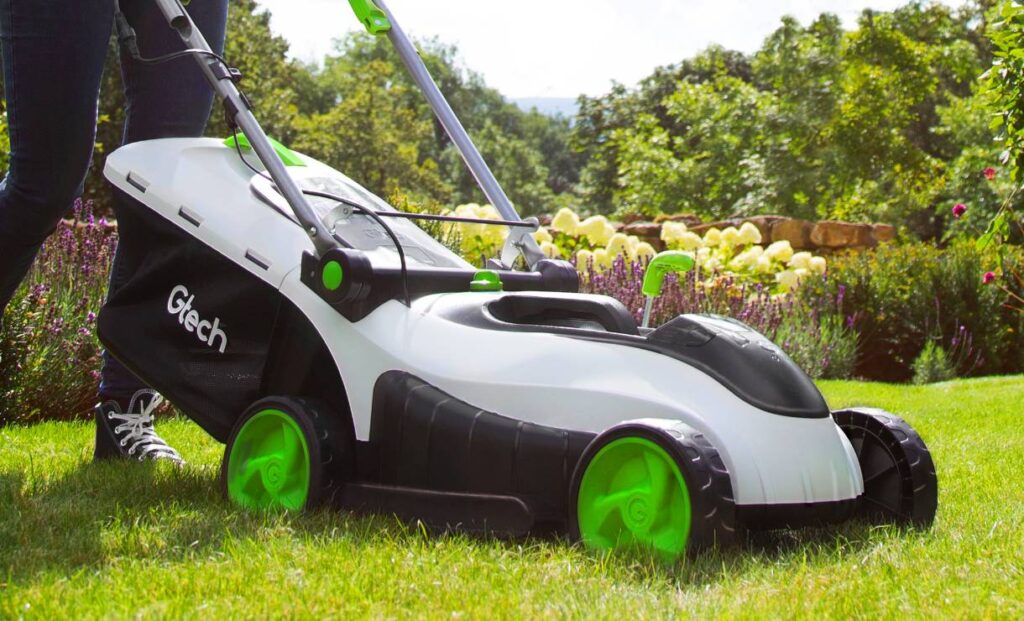
Raise the cutting height for the last few sessions of the year. Longer grass going into winter copes better with frost and shading, and a scalped autumn lawn is what produces the thin, patchy look that shows up in March. If your mower has adjustable heights, this is the setting to move up rather than down.
Cut when the grass is dry if you possibly can. Wet clippings clump, block the discharge and leave stripes of decaying material on the surface. And once the temperature really drops and growth stops, stop cutting entirely — there is nothing to gain from a December trim.
Leaves, edges and the ten-minute jobs
The parts of a garden that make it look tidy are almost never the big jobs. They are the edges.
- Edging the lawn where it meets beds and paths — this alone makes a garden read as “maintained” more than anything else.
- Clearing leaves off the grass before they mat down. Leaves left on a lawn for weeks will kill patches underneath.
- Sweeping the path and patio so wet leaves do not turn into a slip hazard over winter.
- Cutting back finished perennials, though leaving some seed heads standing is genuinely useful for birds.
- Emptying and turning pots that will not be planted again until spring, so they do not crack when they freeze full of water.
None of these takes more than ten minutes. Together they change the whole look of the space.
A two-morning plan
Saturday morning: hedges and structural cutting. This is the noisy, bulky work, so do it first and get the green waste bagged while you are already in the mood for it. Check the hedge before starting, cut from the bottom up, and clear as you go rather than leaving one enormous pile for later.
Sunday morning: lawn and detail. Mow at a raised height, edge where the grass meets beds and paths, clear leaves, sweep hard surfaces. Finish with the pots and the tool clean-down, which takes twenty minutes and saves you an hour next spring.
Two mornings, and the garden is set until the leaves properly come down.
Putting tools away so they work in spring
This is the part almost everyone skips, and it is why so many garden tools have a bad first outing in April.
Clean the blades before storing. Sap and dried plant material hold moisture against metal, which is how rust starts. A wipe with a cloth and a light oil takes a couple of minutes on a trimmer.
Store batteries indoors, not in the shed. Lithium-ion cells do not enjoy a British winter, and an unheated outbuilding will take more life out of a battery over three months than a whole season of use will. A partial charge is better than either full or completely flat if the tool is going away until spring.
Finally, put the charger somewhere you will find it. It sounds trivial until March.
If you are buying cordless garden tools this year
A few things are worth checking before ordering, regardless of brand.
Look at whether the batteries are shared across tools — a range with interchangeable batteries and one charger is much less cluttered than three tools with three separate systems. The cordless power tool line at Gtech works on that principle, which is worth knowing if you expect to add a second tool later.
Check the weight, not just the power figure. For hedge work in particular, the number that determines whether you finish the job is how heavy the tool feels at the twenty-minute mark.
And match the tool to the actual garden. A compact trimmer designed for a typical suburban plot will do that job better than an oversized machine built for an acre, which spends most of its life being awkward to store.
Final thoughts
An autumn reset is not really about the garden looking perfect in October. Very few gardens do. It is about handing yourself a manageable starting point in spring instead of a backlog.
Cut the hedges once the nesting season has passed, raise the mower height for the final cuts, keep the leaves off the grass, and put the tools away clean with the batteries indoors. Four decisions, two mornings, and next year starts considerably easier.
If your current kit is the reason these jobs keep getting postponed, it may be worth looking at what a lighter cordless setup would change about the routine.
Leave a Reply